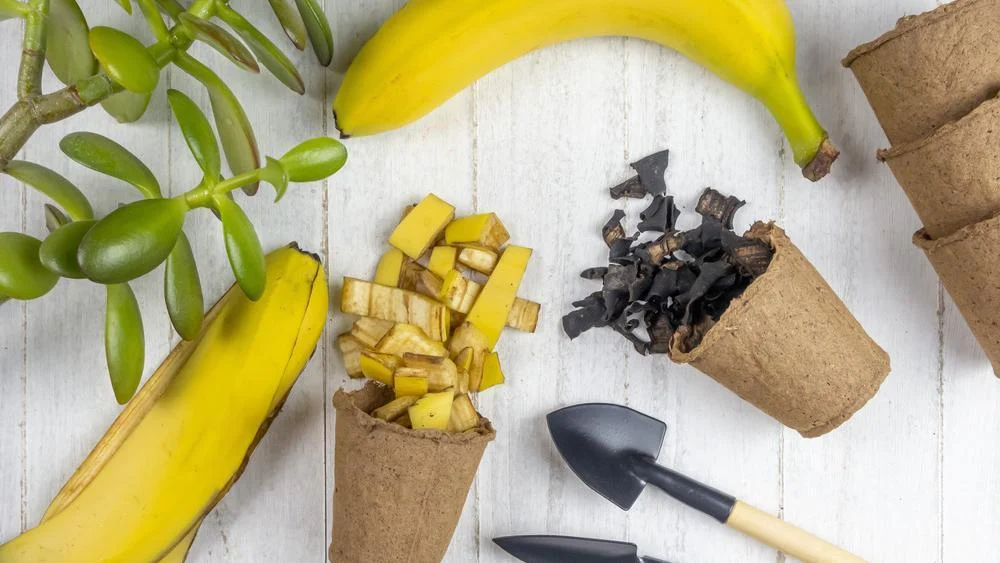
In the heart of urban Jakarta and cities across the globe, a significant shift toward sustainable home gardening has transformed kitchen waste management habits. Among the most overlooked resources in the average household is the banana peel. While traditionally discarded, recent horticultural research and food science studies have highlighted that these peels are rich in essential minerals, particularly potassium and magnesium. When processed into a liquid solution, they offer a low-cost, eco-friendly method to supplement the health of ornamental plants and backyard vegetables, providing a viable alternative to synthetic boosters while simultaneously reducing organic waste in landfills.
The Nutritional Composition of Banana Peels
The efficacy of banana peel fertilizer stems from its chemical profile. Bananas (Musa acuminata) are widely recognized for their high potassium content, an essential macronutrient for plant physiology. Potassium plays a pivotal role in regulating stomatal opening and closing, facilitating water transport, and activating enzymes required for photosynthesis.
According to nutritional data, a single banana peel contains a concentrated supply of potassium, magnesium, phosphorus, and calcium. In the context of soil chemistry, these elements are categorized as primary and secondary macronutrients. Magnesium, in particular, is the central atom of the chlorophyll molecule, which is vital for the absorption of light and the overall vitality of the plant’s foliage. When these minerals are extracted through a blending process, they become bioavailable to the soil, potentially improving the health of root systems and the resilience of the plant against environmental stressors.
Historical Context and the Rise of Organic Gardening
The movement to utilize kitchen scraps as fertilizer is not a new phenomenon, but it has gained significant traction in the last decade. Historically, composting was the primary method for utilizing organic waste. However, the rise of "micro-gardening" in urban apartments—where space for traditional composting bins is non-existent—has necessitated faster, more efficient methods of nutrient delivery.
In the mid-2010s, urban agriculture proponents began circulating "DIY liquid fertilizer" recipes, with the banana peel extraction method emerging as one of the most popular. This trend gained momentum as global awareness of waste management rose. According to the Food and Agriculture Organization (FAO), approximately one-third of all food produced for human consumption is lost or wasted globally. By repurposing even a fraction of the millions of tons of banana peels generated annually, households can engage in a circular economy model that reduces the burden on municipal waste infrastructure.
The Procedural Guide: Preparing and Applying the Extract
For the modern home gardener, the process of creating a liquid extract from banana peels is designed to be accessible and efficient. The transformation follows a specific technical protocol to ensure maximum nutrient extraction:
- Collection and Preparation: Two to three fresh banana peels are collected. It is essential to ensure that the peels are free from labels or synthetic stickers. The peels are then cut into small segments, which increases the surface area for water interaction and blending efficiency.
- The Extraction Phase: The segments are placed in a blender with approximately one liter of clean water. The mechanical action of the blender serves to break down the cellular walls of the peel, accelerating the release of minerals into the water.
- Filtration: Once a homogeneous mixture is achieved, the liquid is strained through a fine-mesh cloth or sieve. This step is critical as it removes the fibrous pulp, which could otherwise invite mold or attract unwanted pests if left to decompose on the soil surface.
- Dilution and Application: Depending on the concentration, the mixture may be further diluted with water to prevent osmotic shock to the plant. The application is strictly limited to the base of the plant—the soil—to ensure that nutrients reach the root zone. Experts advise against spraying the leaves, as the sugar content of the peel residue could attract insects or encourage fungal growth on the foliage.
Analytical Perspectives: Supplementation vs. Substitution
While the benefits of banana peel fertilizer are scientifically grounded, agricultural experts caution against viewing this method as a panacea. The most common misconception among amateur gardeners is that organic liquids can entirely replace commercial fertilizers.
Dr. Aris Kusuma, an agricultural consultant, notes that while banana peel water provides a boost of potassium, it lacks the balanced N-P-K (Nitrogen, Phosphorus, and Potassium) ratio required for sustained, long-term plant growth. "Banana peel extract should be viewed as a supplemental tonic, not a comprehensive nutrient source," Kusuma explains. "It does not contain the necessary nitrogen levels required for leaf development or the specific micronutrients that formulated synthetic fertilizers offer. Relying solely on banana peels for long-term cultivation can eventually lead to nutrient deficiencies."
Furthermore, the application must be moderated. Excessive use, particularly in indoor environments with limited drainage, can lead to waterlogging, root rot, and an imbalance in soil pH. The "less is more" approach is the gold standard for home gardeners, with applications recommended on an intermittent basis rather than as part of every watering cycle.
Environmental Impact and Waste Mitigation
The broader implication of this practice lies in its contribution to waste reduction. Municipalities in Jakarta and other major metropolitan areas have struggled with the management of organic waste, which accounts for a significant portion of landfill volume. When organic waste ends up in landfills, it undergoes anaerobic decomposition, producing methane, a potent greenhouse gas.
By diverting banana peels to domestic gardens, households reduce their individual waste footprint. This decentralized approach to waste management aligns with international sustainability goals, such as the United Nations Sustainable Development Goal 12 (Responsible Consumption and Production). Even a minor percentage of households adopting this practice could lead to a measurable decrease in the volume of organic matter transported to city dumpsites.
Best Practices for Urban Growers
To successfully integrate banana peel extract into a gardening routine, enthusiasts should follow a set of established best practices to ensure plant safety and health:
- Drainage Check: Ensure all pots have functional drainage holes. The addition of liquid fertilizer should never result in standing water at the bottom of the pot, as this creates a breeding ground for pathogens.
- Soil Monitoring: Before application, check the moisture content of the soil. If the soil is already saturated, delay the application until the substrate has sufficiently dried.
- Consistency: Do not replace professional-grade fertilizer schedules. If a plant has a specific feeding requirement—such as heavy feeders like tomatoes or roses—continue with established programs and use the banana peel extract only as a secondary, periodic additive.
- Hygiene: Keep the blending equipment clean and use fresh peels. Using over-fermented or rotting peels can introduce unwanted bacteria into the soil ecosystem.
Future Research and Potential Limitations
The scientific community continues to explore the potential of household organic waste as a fertilizer. While the potassium-magnesium extraction from banana peels is effective for small-scale gardening, its efficacy in large-scale commercial farming remains limited due to the labor-intensive nature of the process and the inability to standardize the nutrient content. Every banana peel varies slightly in mineral content depending on the soil conditions in which the banana was grown, making it difficult to maintain a consistent nutrient profile for high-yield crops.
However, for the casual hobbyist, the practice remains a highly recommended educational tool. It fosters a deeper understanding of plant physiology and nutrient cycling. It also bridges the gap between urban living and nature, encouraging a more conscious interaction with the food chain.
Conclusion: A Sustainable Choice
The use of banana peel liquid fertilizer is a testament to the fact that modern gardening does not always require expensive, synthetic solutions. By repurposing common household waste, gardeners can provide their plants with essential minerals while contributing to a healthier environment. While it is not a complete replacement for balanced fertilization, its role as a supplemental nutrient source is both practical and ecologically responsible.
As the trend of urban home gardening continues to grow, practices like these serve as a vital link in the chain of sustainable living. They remind us that the items we categorize as "trash" often possess latent value, and that with a little knowledge and innovation, the simplest kitchen scraps can become a catalyst for growth in our homes and communities. Moving forward, the continued adoption of such practices, tempered by a realistic understanding of plant nutritional needs, will undoubtedly remain a hallmark of the conscious, environmentally-aware gardener.