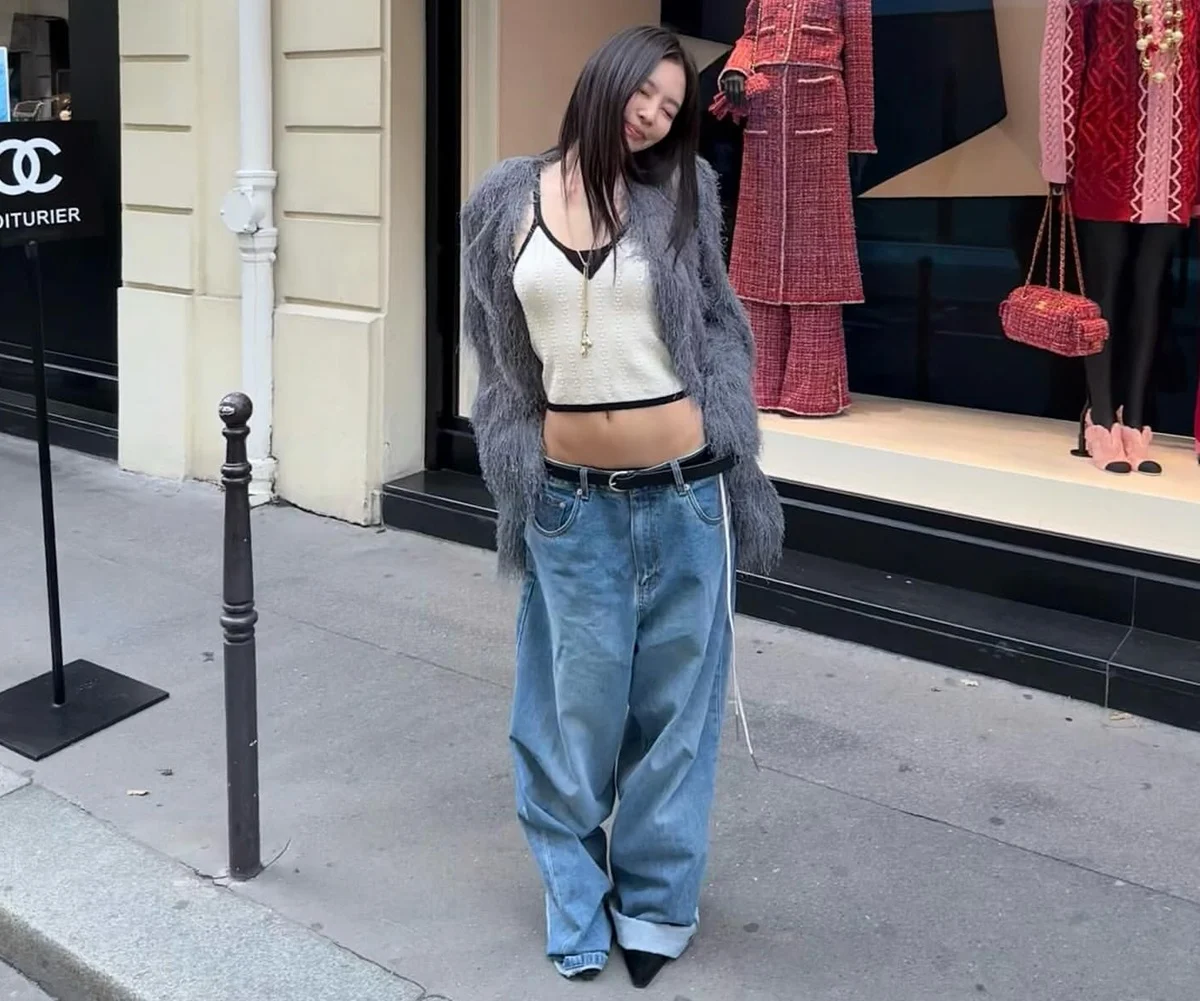
The cyclical nature of the fashion industry has once again brought the Y2K aesthetic to the forefront of global trends, with the low-rise jean emerging as a polarizing yet undeniable staple of modern wardrobes. Central to this resurgence is the influence of high-profile celebrities such as Jennie Kim of the K-pop sensation BLACKPINK, whose sartorial choices frequently dictate market shifts and consumer behavior. As the fashion world pivots away from the prolonged dominance of high-waisted silhouettes, the low-rise cut—a hallmark of the late 1990s and early 2000s—has successfully transitioned from a nostalgic relic to a contemporary essential.
The Evolution and Historical Context of Low-Rise Fashion
The low-rise silhouette first gained mainstream prominence in the mid-1990s, catalyzed by designers like Alexander McQueen, whose controversial "bumster" trousers redefined the boundaries of conventional waistlines. By the early 2000s, the style had permeated pop culture, championed by icons such as Britney Spears, Christina Aguilera, and Paris Hilton. During this era, the aesthetic was defined by a defiance of tradition, emphasizing the hips and midriff as focal points of the silhouette.
However, the trend’s initial decline in the late 2000s was marked by a shift toward the "skinny jean" and the eventual dominance of the high-waisted cut, which promised a more "flattering" and structured appearance. For over a decade, the high-rise silhouette reigned supreme, offering a sense of security and versatility that the low-rise cut lacked. The current resurgence, which began gaining traction around 2020-2021, represents a deliberate reclamation of 2000s nostalgia, driven by Gen Z’s fascination with vintage aesthetics on platforms like TikTok and Instagram.
Jennie BLACKPINK and the Modernization of the Silhouette
Jennie BLACKPINK has played a pivotal role in bridging the gap between the chaotic, hyper-feminine energy of original Y2K fashion and the streamlined, minimalist preference of today’s luxury market. By integrating low-rise jeans into her personal style, Jennie has demonstrated that the cut can be sophisticated rather than merely provocative.
According to fashion analysts, Jennie’s ability to "elevate" the low-rise trend lies in her styling choices. By balancing the exposed midriff of the low-rise jean with structured blazers, tailored crop tops, or oversized knitwear, she creates a visual harmony that feels deliberate and polished. Her influence is measurable; whenever she is photographed in a specific iteration of this style, search traffic for similar items—tracked by fashion-tech platforms—consistently spikes by significant percentages. This phenomenon is often referred to as the "Jennie Effect," where a single post from the artist can alter the inventory focus of major retail chains within a matter of days.

Chronology of the Y2K Resurgence
The timeline of this fashion cycle can be traced through several key phases:
- 2018–2019 (The Incubation Phase): Vintage resellers and niche fashion influencers began sourcing authentic 2000s denim, creating a scarcity-driven interest in low-rise cuts.
- 2020 (The Digital Catalyst): With the onset of the global pandemic, social media consumption surged. The "Y2K aesthetic" became a primary trend on TikTok, fueled by the search for escapist, vibrant, and nostalgic fashion.
- 2021–2022 (Mainstream Adoption): Luxury houses, including Miu Miu and Blumarine, featured prominent low-rise pieces on their runways. This signaled to the mass market that the trend was no longer confined to subcultures.
- 2023–Present (Normalization): The trend has fully integrated into mainstream retail, with fast-fashion conglomerates and high-end brands alike stocking varied iterations, ranging from denim to tailored trousers.
Comparative Analysis: High-Rise vs. Low-Rise
The shift in silhouette is not merely aesthetic; it carries implications for garment construction and consumer body image. High-waisted garments are engineered to create a streamlined, elongated leg line, which has been the industry standard for the better part of fifteen years. Conversely, low-rise jeans alter the body’s proportions by highlighting the pelvic bone and the curvature of the hips.
Industry experts note that the return of the low-rise trend has forced retailers to reconsider sizing and fit. Because low-rise jeans offer less "coverage," they require different fabric compositions—often including a higher percentage of elastane or stretch fibers—to ensure comfort and mobility. This technical evolution has made the modern low-rise jean more wearable than its stiff, 100% cotton predecessors from two decades ago.
The Influence of Celebrity Endorsements on Consumer Behavior
The role of K-pop idols in the global fashion economy cannot be overstated. Jennie, as a global ambassador for luxury fashion houses, occupies a unique position where her endorsements validate trends for both Eastern and Western markets. Her collaboration with these brands often dictates the "look" of the season.
Industry data suggests that Gen Z consumers are highly influenced by the "effortless" styling often displayed by Jennie. Unlike the highly curated, glamorous styling of the 2000s, today’s interpretation focuses on "off-duty" vibes. The pairing of low-rise denim with crop tops—a staple look for Jennie—has become the uniform for the modern urban demographic. This combination is praised for its simplicity and the way it balances the bold, exposed waistline with casual, everyday comfort.
Sociological Implications of the Trend
The resurgence of the low-rise jean is a topic of ongoing discussion among cultural critics. Some view it as a regression in terms of body inclusivity, as the cut is historically associated with a specific, slim body type. However, others argue that the modern iteration is vastly more inclusive, with brands offering a wider range of sizes and cuts—such as "loose-fit" or "baggy" low-rise—that accommodate diverse body shapes more effectively than the ultra-tight versions of the past.

The trend also reflects a broader societal move toward "post-pandemic" dressing, where comfort is balanced with a desire for self-expression. The Y2K revival represents a playful, non-conformist approach to style, allowing individuals to experiment with silhouettes that were previously discarded.
Future Outlook for the Y2K Aesthetic
While fashion is notoriously fickle, the longevity of the low-rise trend suggests it is not merely a passing fad. Market research indicates that demand for low-rise denim remains robust heading into the next fiscal year. Retailers are expected to continue diversifying their offerings, likely focusing on sustainable production methods and premium denim blends that offer both durability and the signature slouchy aesthetic associated with the style.
As the industry moves forward, the influence of figures like Jennie BLACKPINK will remain a critical variable. By continuing to iterate on the trend—pairing it with everything from ballet flats to chunky platform boots—she keeps the look fresh and adaptable. Whether one views the low-rise jean as a nostalgic triumph or a challenging silhouette, its return has undeniably reshaped the contemporary retail landscape, proving that in fashion, what is old will inevitably become new again.
Ultimately, the popularity of the low-rise jean underscores a fundamental truth about the fashion industry: it is a cyclical ecosystem fueled by memory, celebrity influence, and the constant desire for reinvention. As long as style icons continue to champion these silhouettes with confidence, the low-rise trend will continue to hold its ground, bridging the gap between the vibrant aesthetics of the past and the demands of the modern consumer.