Singapore remains one of the most visited travel destinations in the world, consistently ranking among the top global cities for international arrivals. For the modern traveler, the traditional method of crisscrossing the city-state to hit disparate landmarks often leads to significant travel fatigue and lost time in transit. A more sophisticated approach, gaining traction among frequent visitors and travel planners alike, is the concept of integrated tourism—where accommodation, entertainment, retail, and gastronomy are consolidated within a single, highly accessible precinct. By focusing a trip on a specific destination cluster, travelers can shift from a "check-list" style of tourism to an immersive experience that maximizes leisure time and minimizes logistical friction.
The Strategic Shift: From Transit-Heavy Itineraries to Immersive Precincts
In the past, the quintessential Singapore itinerary often involved aggressive scheduling: a morning at the Botanic Gardens, an afternoon in the Civic District, and an evening at Marina Bay. While this allowed for a broad overview of the island, it frequently resulted in significant time wasted on public transport or taxi queues. The modern travel paradigm, supported by the Singapore Tourism Board’s (STB) strategic development of tourism precincts, encourages a "stay-and-play" model.
By selecting a base within a comprehensive precinct, tourists can seamlessly integrate leisure activities. Instead of spending two hours a day in transit, a visitor staying in a centralized cluster can move from a world-class attraction to a fine-dining establishment or a shopping promenade in minutes. This strategy is particularly effective for families, business travelers on short-term stays, and luxury travelers seeking convenience.
The Case Study of Sentosa Island: A Model of Integrated Development
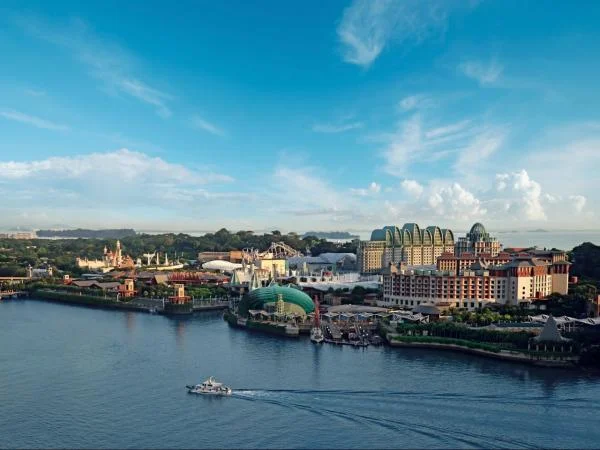
The most prominent example of this integrated model is Sentosa Island. Historically a colonial military fortress, the island has been transformed over the last two decades into Asia’s premier lifestyle and leisure destination. The evolution of Sentosa demonstrates the effectiveness of master-planned tourism zones.
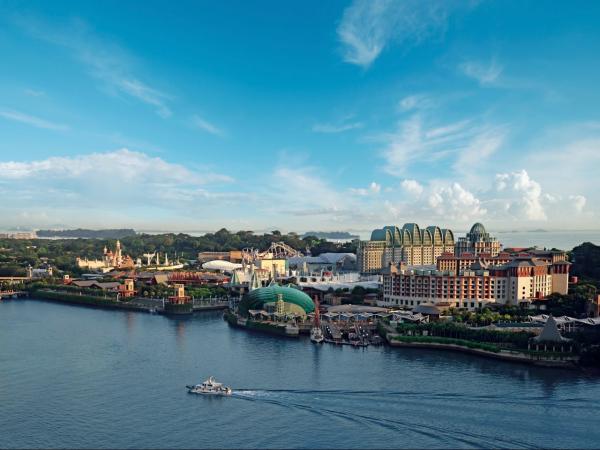
Sentosa functions as an ecosystem. It hosts the world-class Universal Studios Singapore (USS), which serves as a primary anchor attraction. However, the island’s utility goes far beyond the theme park. It incorporates a range of high-end resorts and hotels, such as the Capella Singapore and the Shangri-La Rasa Sentosa, allowing guests to stay within the perimeter of the attractions. This eliminates the need for daily commuting, effectively granting the traveler an extra three to four hours of leisure time per day.
Beyond the theme park, Sentosa features the S.E.A. Aquarium, one of the largest in the world, and the Adventure Cove Waterpark. These attractions are complemented by an extensive network of beach clubs, golf courses, and luxury retail outlets. This concentration of experiences allows for a multi-day itinerary where the traveler can rotate between high-energy activities and relaxation without ever leaving the island’s infrastructure.
Supporting Data and Economic Context
The economic significance of such precincts cannot be overstated. Singapore’s tourism sector has shown remarkable resilience and growth, with the city-state hosting millions of visitors annually. According to recent data from the Singapore Department of Statistics and the STB, the tourism sector contributes significantly to the national GDP.
The success of these integrated zones is further reflected in the city’s ability to attract high-net-worth individuals. Reports on Singapore’s wealth landscape indicate that the city remains a global hub for capital, which in turn fuels the luxury tourism sector. As reported in recent financial analyses, the concentration of wealth in Singapore—with the top 50 richest individuals holding assets exceeding IDR 4,214 trillion—has spurred demand for high-end, integrated lifestyle developments. This capital infusion ensures that tourism precincts like Sentosa continue to receive the investment necessary for world-class maintenance and innovation.
The Evolution of the Singapore Tourism Landscape: A Chronology
To understand the current state of Singapore’s tourism, one must look at the strategic timeline of its development:

- 1972: The Sentosa Development Corporation (SDC) is established, marking the initial phase of transforming the island from a military site into a tourist destination.
- 2006: The government announces the development of two Integrated Resorts (IRs) at Marina Bay and Sentosa, a pivotal moment that shifted the focus toward high-density, multi-faceted tourism hubs.
- 2010: Universal Studios Singapore opens its doors on Sentosa, cementing the island’s status as a premier global attraction.
- 2015-2020: The Singapore Tourism Board launches the "Passion Made Possible" brand, emphasizing deeper, interest-based travel rather than just sightseeing.
- 2023-2025: Post-pandemic recovery efforts focus on "quality tourism," encouraging longer stays and higher spending through the promotion of precinct-based travel.
Official Perspectives and Industry Reactions
Tourism industry experts emphasize that the trend toward precinct-based travel is not merely a matter of convenience; it is a sustainability strategy. By keeping visitors in contained, well-managed zones, the pressure on the city’s public infrastructure—such as the MRT and road networks—is effectively mitigated.
"The goal for Singapore is to transition from being a transit hub to a destination of depth," says a representative from a regional tourism consultancy. "When travelers choose to stay within an integrated zone, they engage more deeply with the facilities, which leads to higher satisfaction rates and a higher likelihood of return visits. From an urban planning perspective, it is a highly efficient model that balances tourism growth with resident quality of life."
The Broader Impact of Integrated Tourism
The implications of this shift are profound for both the tourism industry and the traveler. For the tourism operator, clustering services allows for better crowd management, centralized waste and energy management, and more effective marketing. For the traveler, it offers a "curated" experience where the quality of the stay is enhanced by the proximity of amenities.
Moreover, the integration of retail and lifestyle elements into these zones ensures that the tourism sector supports local businesses. Whether it is a boutique store inside a Sentosa resort or a high-end restaurant near the waterfront, these businesses benefit from the captive audience that integrated planning creates.
Future Outlook: What to Expect
As Singapore continues to innovate, the next phase of development will likely see the further digitization of these precincts. With the integration of AI-driven navigation, personalized in-app guides for attractions, and smart-hotel systems, the experience of "living" in a tourism precinct will become even more seamless.

Travelers are increasingly prioritizing time over money. In a post-pandemic world, the desire for frictionless travel is at an all-time high. By choosing to base their Singapore trip in a single, well-resourced area, tourists are reclaiming their time, reducing their carbon footprint through less transit, and ultimately enjoying a more sophisticated and relaxed travel experience.
Final Recommendations for the Discerning Traveler
For those planning a trip to Singapore, the strategy of "choosing your base" is paramount. If the priority is family entertainment and beach-side relaxation, a multi-day stay on Sentosa is unmatched. If the priority is business, culture, and high-end dining, the Marina Bay/Downtown Core precinct provides an equally integrated experience.
By moving away from the "hit-and-run" style of sightseeing, travelers can align their Singapore trip with the modern reality of the city: a destination that is not just a place to see, but a place to inhabit. Through thoughtful planning and the utilization of integrated tourism infrastructure, the Singapore experience becomes not just a vacation, but a seamless lifestyle immersion.
As global tourism continues to evolve, Singapore stands at the forefront, proving that the most memorable journeys are those where the destination is not a point on a map, but a fully realized, integrated world of its own. Whether it is the pulse of the city center or the tranquil, managed luxury of the southern islands, the future of travel in Singapore is undeniably one of concentration, convenience, and profound experience.