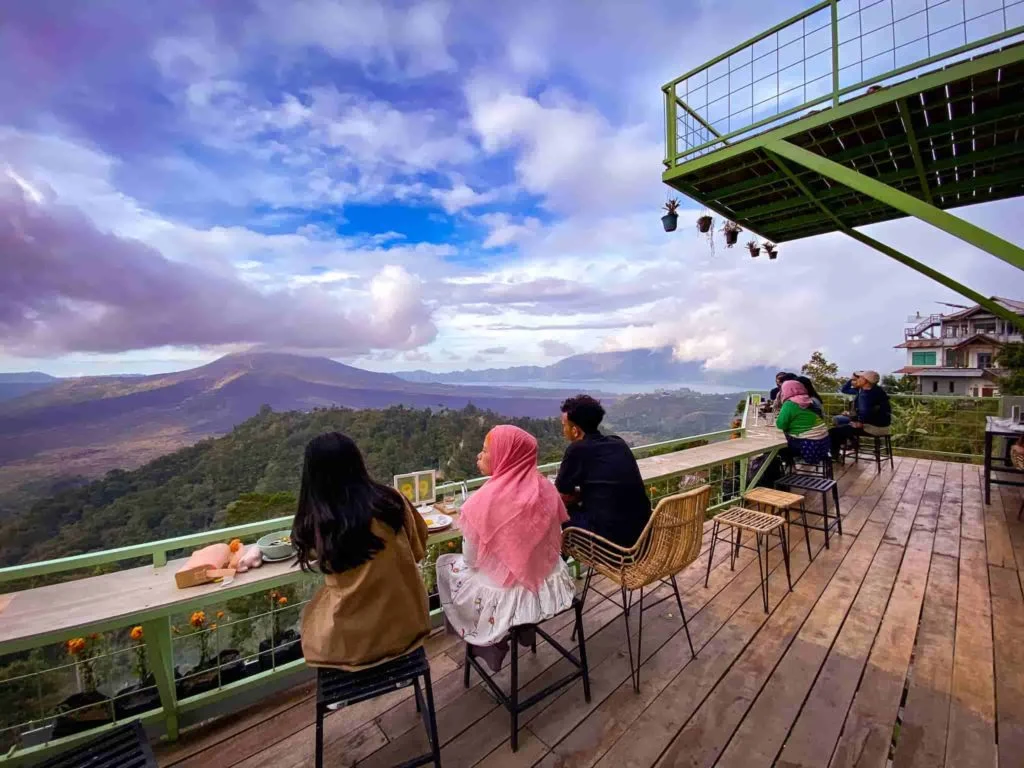
The intersection of personal passion and professional enterprise has long been considered the holy grail of modern career development. For millions of individuals worldwide whose primary aspiration involves exploring new destinations, experiencing diverse cultures, and navigating global landscapes, the concept of turning travel into a full-time livelihood represents an ultimate goal. In recent years, the exponential growth of the global tourism economy has created unique ecosystems where wanderlust is no longer merely a leisure activity, but a viable, scalable commercial sector. According to data compiled by the World Travel & Tourism Council (WTTC), the tourism industry contributes trillions of dollars to the global gross domestic product, generating hundreds of millions of jobs and accounting for a significant portion of worldwide economic recovery following global disruptions. As consumer behavior shifts decisively toward experiential consumption—with modern travelers prioritizing authentic journeys, unique local interactions, and immersive adventures over traditional, passive vacations—entrepreneurial opportunities within the travel sphere have diversified significantly. This evolution allows individuals with specialized local knowledge, logistical aptitude, and a genuine passion for exploration to establish profitable enterprises that bridge the gap between leisure and commerce. Whether operating as a side hustle to supplement primary income or scaling into a primary corporate venture, travel-centric business models offer flexibility, scalability, and deep personal fulfillment. Analyzing the structural mechanics, market demands, and operational requirements of key travel business models provides aspiring entrepreneurs with a comprehensive roadmap to monetize their passion sustainably.
Vehicle Rental Services: Capitalizing on the Local Mobility Market
One of the most foundational and economically resilient business models for travel enthusiasts entering the commercial space is the provision of vehicle rental services. The global demand for flexible, independent local transportation has surged as travelers increasingly reject rigid group tour schedules in favor of self-guided itineraries. For entrepreneurs residing in popular tourist destinations or strategic transit hubs, establishing a vehicle rental agency presents a high-potential market opportunity with relatively low initial saturation compared to urban centers.
The operational framework of a rental business can be approached through two primary methodologies depending on the entrepreneur’s initial capital availability. For individuals who already own motor vehicles—ranging from fuel-efficient motorcycles and scooters favored in tropical destinations to four-wheel-drive automobiles and family vans necessary for rugged terrain—the barrier to entry is minimal. By properly insuring, maintaining, and marketing these assets, owners can generate consistent passive or active income streams. Conversely, aspiring entrepreneurs who do not possess a fleet of vehicles can successfully enter the market by functioning as intermediaries or localized booking agents. By partnering with established central rental hubs, regional dealerships, or corporate fleet managers, these agents negotiate commission structures or wholesale-retail margins, facilitating rentals for incoming tourists without shouldering the heavy depreciation and maintenance costs associated with direct vehicle ownership.

Market analysis indicates that successful vehicle rental operations rely heavily on seamless digital booking integration, transparent insurance policies, and rigorous maintenance protocols. As domestic and international tourism rebounds, travelers heavily evaluate convenience and safety. Consequently, entrepreneurs who incorporate contactless pickup systems, 24-hour roadside assistance partnerships, and well-maintained fleets secure a distinct competitive advantage. Furthermore, targeting niche markets—such as eco-friendly electric scooter rentals in urban historic districts or rugged off-road vehicles near mountainous trekking regions—allows small-scale operators to carve out highly profitable market shares dominated by major multinational conglomerates.
Curated Tour Packages: Designing Immersive Itineraries for the Modern Traveler
Moving beyond basic logistical support, entrepreneurs possessing deep geographical expertise and a creative eye for immersive experiences often find substantial success in the curation and distribution of specialized tour packages. The modern tourist demographic has undergone a profound psychological shift; consumers, particularly millennials and Generation Z, increasingly seek hyper-localized, authentic, and photogenic travel experiences rather than generic sightseeing tours. This consumer preference has fueled the explosive growth of specialized private trips, thematic excursions, and community-based tourism initiatives.
To establish a competitive tour packaging enterprise, founders must leverage their personal travel experience to identify and vet destinations that combine aesthetic appeal, cultural significance, and robust infrastructural support. The most successful tour packages often center around emerging destinations—locations experiencing rising popularity due to social media visibility or newly developed accessibility, yet retaining a distinct local charm. Entrepreneurs must meticulously evaluate the complete value chain of a trip, including accommodation partners, local culinary establishments, activity providers, and certified local guides, ensuring that every touchpoint meets high standards of quality and safety.
The financial viability of tour packaging lies in dynamic pricing strategies and value-added bundling. By aggregating individual services—such as boutique lodging, exclusive access permits, private transportation, and specialized workshops—into a cohesive, all-inclusive price point, tour operators can capture healthy profit margins while saving consumers the friction of independent planning. Moreover, the rise of digital marketing channels, particularly short-form video platforms and visual social networks, allows independent tour operators to market directly to global audiences with minimal advertising expenditures. Authenticity, storytelling, and meticulous logistical execution remain the foundational pillars for long-term customer retention and organic word-of-mouth promotion in this sector.

Professional Tour Guiding: Bridging Cultures and Monetizing Local Expertise
For individuals who thrive on human interaction, public speaking, and deep cultural immersion, transitioning into a professional tour guide represents a direct and highly rewarding monetization of travel expertise. A tour guide functions far beyond a simple navigator; they serve as cultural ambassadors, historical educators, and frontline problem-solvers who fundamentally shape a traveler’s perception of a destination.
The professional landscape of tour guiding has expanded well beyond traditional domestic group leadership. In an increasingly interconnected global economy, multilingual proficiency has emerged as a premier economic asset. Guides who possess fluent capabilities in major international languages—such as Mandarin, Spanish, English, French, German, or Japanese—are uniquely positioned to capture high-value clientele, ranging from luxury international tourists to corporate delegates. Furthermore, specialized guiding—such as leading heritage walking tours, culinary night markets, architectural explorations, or eco-adventure treks—allows guides to command premium hourly or daily rates based on their specialized subject-matter expertise.
The economic implications of professional guiding extend beyond direct service fees. Certified guides frequently establish lucrative partnership networks with local souvenir artisans, dining establishments, transport providers, and hospitality venues, generating secondary revenue streams through affiliate commissions and cooperative marketing agreements. To professionalize this sector, many regional tourism boards and international associations now mandate formal certification, first-aid training, and rigorous historical accreditation. Entrepreneurs who invest in these official credentials not only elevate industry standards but also build immediate consumer trust, mitigating liability risks and securing recurring contracts with major international tour operators.
Strategic Analysis: Economic Implications, Challenges, and Future Outlook

While the prospect of merging a personal passion for travel with commercial enterprise presents an alluring career path, industry analysts emphasize that the tourism sector is inherently sensitive to macroeconomic fluctuations, geopolitical stability, and regulatory shifts. A comprehensive risk assessment of travel-related business models reveals several critical variables that entrepreneurs must navigate to ensure long-term viability.
Macroeconomic volatility—including inflationary pressures, fluctuating fuel prices, and currency devaluation—directly impacts consumer discretionary spending on leisure travel. During periods of economic tightening, consumers frequently scale back on long-haul international trips, forcing travel businesses to pivot swiftly toward domestic tourism, staycations, and value-oriented regional packages. Consequently, successful entrepreneurs maintain diversified service portfolios, balancing high-end luxury offerings with budget-friendly local excursions to cushion against sudden market contractions.
Furthermore, the rapid evolution of digital technology has transformed the competitive landscape. Online travel agencies (OTAs) and artificial intelligence-driven itinerary planners have democratized travel information, placing immense pressure on independent operators to demonstrate unique value that algorithms cannot replicate. Human touch, emotional connection, crisis management during unexpected travel disruptions, and hyper-localized insider knowledge remain the definitive differentiators that safeguard human-centric travel businesses against total automation.
Regulatory compliance represents another critical dimension of operational success. Entrepreneurs operating vehicle rental fleets, organizing multi-day excursions, or employing field guides must strictly adhere to regional licensing laws, liability insurance mandates, consumer protection regulations, and environmental conservation standards. Failure to secure appropriate legal protections can expose business owners to catastrophic financial liabilities in the event of accidents or logistical failures.
Ultimately, establishing a business rooted in the travel industry requires a disciplined balance between passion and rigorous corporate governance. By carefully selecting a business model that aligns with personal strengths—whether managing physical assets through rental agencies, designing creative itineraries through tour packaging, or delivering interpersonal value through professional guiding—entrepreneurs can transform their love for exploration into a sustainable, resilient economic enterprise. As global mobility continues to adapt to changing consumer demands, those who combine operational excellence with authentic local storytelling will remain well-positioned to thrive in the dynamic world of modern tourism.