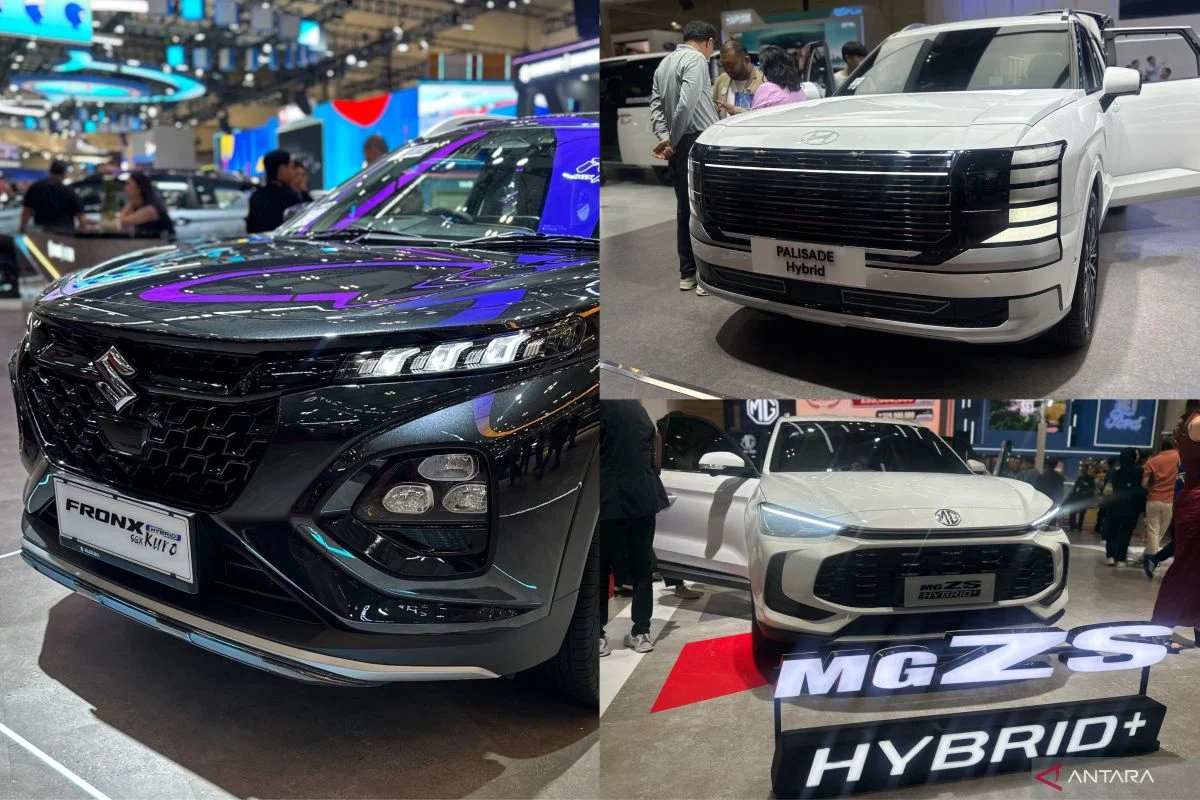
The rapid evolution and commercial maturation of electrified transportation have fundamentally transformed the Indonesian automotive landscape, offering consumers an unprecedented array of choices when purchasing a new vehicle. As traditional internal combustion engine vehicles steadily share showroom floors with modern alternatives, the market has bifurcated into two primary technologies: hybrid electric vehicles (HEVs), which ingeniously blend conventional petroleum-based engines with electric propulsion, and battery electric vehicles (BEVs), which rely entirely on electrical energy stored in high-capacity onboard batteries.
This technological dichotomy presents prospective buyers with distinct characteristics that fundamentally shape the daily driving experience. From energy consumption patterns and cruising ranges to recharging logistics and long-term operating expenditures, understanding the nuances between hybrids and pure electric cars has never been more critical for Indonesian motorists. As government policies continue to evolve and national infrastructure expands, buyers must carefully weigh their lifestyle requirements against the mechanical and infrastructural realities of both vehicle classes.
Technological Foundations and Core Operating Mechanisms
To fully appreciate the practical implications of choosing between a hybrid and a battery electric vehicle, one must first examine the fundamental mechanics governing each powertrain. The core distinction lies in how energy is generated, stored, and utilized to propel the vehicle forward under varying dynamic conditions.
Hybrid electric vehicles feature a sophisticated dual-power architecture. They combine a traditional internal combustion engine—typically running on gasoline—with an electric motor and a relatively compact battery pack. This integrated system operates seamlessly, allowing the vehicle to dynamically switch between the internal combustion engine, the electric motor, or a combination of both, depending on real-time driving demands. During stop-and-go urban traffic, the electric motor often takes the lead, while highway cruising typically engages the gasoline engine, simultaneously recharging the hybrid battery through regenerative braking and surplus engine output.
In stark contrast, battery electric vehicles eliminate the internal combustion engine entirely. A BEV relies exclusively on electrical energy stored within a large-capacity lithium-ion or alternative chemistry battery pack. This energy powers one or more electric motors that drive the wheels directly. Because there is no internal combustion engine to fall back on, BEV operators must rely entirely on external charging infrastructure to replenish the battery’s energy stores periodically. This fundamental architectural difference serves as the bedrock for the divergent user experiences observed on the road every day.
Infrastructure Expansion and the Practical Realities of Charging
The daily usability of electrified vehicles is intrinsically tied to the availability and accessibility of refueling and recharging infrastructure across the archipelago. This is a domain where hybrids and BEVs diverge significantly, offering distinct advantages depending on geographic location and travel habits.
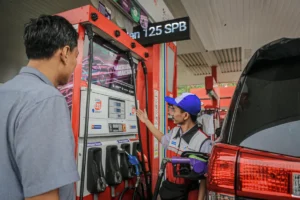
For motorists residing outside major metropolitan areas or those who frequently undertake long-distance overland journeys across provinces, hybrid vehicles offer unmatched operational flexibility. When the hybrid’s onboard battery depletes, the internal combustion engine seamlessly assumes propulsion duties. Drivers can simply replenish their fuel supply at conventional gas stations, which boast a vast, mature, and ubiquitous distribution network across Indonesia. This eliminates range anxiety and renders hybrids exceptionally practical for regions where dedicated electric vehicle charging stations remain sparse or entirely absent.
Conversely, battery electric vehicles offer a streamlined, maintenance-light ownership experience for urban dwellers, provided they have reliable access to charging facilities. Because BEVs possess simpler mechanical drivetrains devoid of oil changes, complex transmissions, and exhaust systems, routine upkeep can be significantly reduced. For urban commuters whose daily mileage falls well within a single battery charge, charging the vehicle overnight at home becomes as routine as plugging in a smartphone.
To support the exponential growth of BEVs, national infrastructure has scaled up dramatically. State-owned electricity enterprise PT PLN (Persero) has aggressively expanded the public charging network. Official data indicates that by March 2026, PLN successfully deployed 4,769 Public Electric Vehicle Charging Stations (SPKLU) distributed across 3,097 strategic locations throughout Indonesia. Notably, the average distance between these PLN-managed charging points has been compressed to approximately 22 kilometers, significantly bolstering long-distance BEV travel confidence. Furthermore, the deployment of Ultra Fast Charging hubs within PLN’s SPKLU network has drastically reduced refueling times for high-capacity battery packs.
Economic Implications: Operational Costs and Total Cost of Ownership
When evaluating vehicle acquisition, consumers increasingly look beyond the initial sticker price to calculate the total cost of ownership (TCO). This comprehensive financial metric encompasses energy expenditure, routine maintenance, vehicle depreciation, insurance premiums, and applicable government taxes over a projected ownership lifecycle.
Battery electric vehicles generally hold a distinct advantage regarding direct energy costs per kilometer. Electricity rates, particularly when utilizing residential charging tariffs during off-peak hours, are substantially lower than the equivalent cost of petroleum fuels. However, the magnitude of these operational savings depends heavily on individual driving patterns, local electricity pricing tiers, and prevailing global crude oil prices.
Hybrid vehicles occupy a middle financial ground. While they still require regular purchases of gasoline, their integrated electric motors substantially boost fuel economy, particularly in dense urban traffic characterized by frequent idling and acceleration. Consequently, fuel consumption is markedly lower than that of conventional, non-electrified internal combustion vehicles.
Industry analysts emphasize that calculating true operational economy requires a holistic approach. Prospective buyers must factor in the cost differentials of periodic servicing, where BEVs typically incur lower expenses due to fewer moving parts, balanced against potential variations in battery replacement costs over long-term horizons, as well as evolving fiscal policies and vehicle taxation frameworks.
Market Dynamics and Surging Sales Statistics
The commercial viability and consumer acceptance of electrified vehicles in Indonesia have transitioned from a niche market segment into a dominant force within the national automotive industry. Comprehensive sales data compiled by the Association of Indonesian Automotive Industries (GAIKINDO) illustrates an explosive upward trajectory for both hybrid and battery electric technologies.
Throughout the 2025 calendar year, total sales of electrified vehicles—encompassing hybrids, plug-in hybrid electric vehicles (PHEVs), and BEVs—surged to an impressive 175,144 units. This figure represents a dramatic acceleration compared to the 103,228 units recorded during the preceding year of 2024, signaling a profound shift in consumer preference toward sustainable mobility solutions.
A granular examination of the 2025 data reveals robust growth across all technological categories, albeit with varying velocities. Hybrid vehicle sales expanded steadily, moving from 59,903 units in 2024 to 65,943 units in 2025. Meanwhile, pure battery electric vehicles experienced an even more dramatic surge, doubling from 43,188 units to 103,931 units over the same twelve-month period, driven by aggressive new model introductions, expanding charging infrastructure, and attractive government incentives.
This robust momentum carried seamlessly into 2026. Market indicators compiled during the first seven months of 2026 demonstrate sustained consumer appetite, with hybrid sales alone reaching approximately 50,373 units between January and July. Concurrently, BEV registrations have continued their upward march, reinforcing the reality that electrified mobility is no longer a temporary trend but the definitive future of Indonesian transportation.
Government policymakers have closely monitored this market expansion. Regulatory bodies continue to deliberate on future fiscal stimulus packages, tax adjustments, and localized incentive structures designed to balance the adoption rates of both hybrids and BEVs, ensuring that national carbon reduction targets align harmoniously with industrial growth and consumer purchasing power.
Decision-Making Framework: Choosing the Right Powertrain for Daily Life
Given the distinct operational profiles, economic factors, and infrastructural realities of both vehicle types, determining whether a hybrid or a battery electric vehicle is better suited for daily use depends entirely on the unique lifestyle, driving habits, and domestic circumstances of the individual motorist.
Hybrid electric vehicles are ideally suited for motorists who frequently undertake long-distance intercity voyages, regularly drive to remote regions with limited electrical charging infrastructure, or simply desire the fuel-saving benefits of electrification without the psychological burden of managing battery charge states and charging schedules. For drivers who lack off-street parking or home charging capabilities, a hybrid offers a frictionless entry point into sustainable motoring.
Conversely, battery electric vehicles represent the optimal choice for urban-centric drivers. Motorists whose daily commutes are confined within metropolitan boundaries, who enjoy reliable access to home or workplace charging facilities, and who wish to eliminate tailpipe emissions entirely will find BEVs exceptionally rewarding. The convenience of waking up every morning to a fully "refueled" vehicle, combined with lower per-kilometer energy costs and minimal mechanical maintenance, makes pure electric motoring highly attractive for city dwellers.
For consumers caught between the desire for zero-emissions urban commuting and the necessity of unrestricted long-distance travel, modern plug-in hybrids and versatile full hybrids offer an ideal compromise. Ultimately, no single automotive technology universally outperforms the other in every conceivable scenario. Making the optimal choice requires a sober assessment of daily mileage parameters, local charging availability, intercity travel frequency, budgetary constraints, and the surrounding geographic infrastructure. By carefully aligning these variables with the distinct capabilities of hybrids and battery electric vehicles, Indonesian motorists can confidently navigate the electrified future of mobility.