• Home
  • About Us
  • Contact Us
  • Cookies Policy
  • Disclaimer
  • DMCA
  • Privacy Policy
  • Terms and Conditions
Dara News Media
keep your memories alive
Business & Economy

The Ascendancy of Czechoslovak Group: Michal Strnad’s Geopolitical Windfall and Ambition to Dominate Europe’s Defense Industry

by Nana Muazin November 7, 2025
written by Nana Muazin

Jakarta, CNBC Indonesia – In a dramatic shift propelled by escalating geopolitical tensions, Michal Strnad, CEO and majority shareholder of Czechoslovak Group (CSG), has emerged as one of the Czech Republic’s wealthiest conglomerates. This meteoric rise underscores the profound impact of global instability on the defense sector, transforming a previously low-profile industrialist into a prominent figure on both the national and international stages.

For years, Michal Strnad, 33, maintained a deliberate distance from the public spotlight, preferring to focus on the intricate operations of CSG, the diversified industrial and defense holding company founded by his father. His strategic leadership, however, brought the company to an initial public offering in January, commanding a valuation of approximately €25 billion (equivalent to US$29 billion). This landmark event thrust Strnad and his burgeoning empire into public consciousness, spotlighting a company that now employs around 14,000 people across more than 30 production facilities worldwide.

The Genesis of a Defense Powerhouse

Czechoslovak Group’s roots trace back to a legacy of heavy industry in the post-communist era, undergoing significant transformation and modernization under the Strnad family’s stewardship. Initially a more diversified industrial group, CSG gradually sharpened its focus, particularly on the defense sector, a decision that proved prescient given the geopolitical climate of the early 2020s. Michal Strnad inherited a solid foundation but it was his strategic vision and aggressive expansion that catalyzed the company’s recent explosive growth. His earlier commitment to a low public profile allowed him to meticulously build the company’s capabilities and market position, far from the scrutiny often associated with such rapid expansion.

The period leading up to 2022 saw CSG steadily expanding its footprint, but it was the full-scale Russian invasion of Ukraine that served as an unprecedented accelerant. This conflict fundamentally reshaped global defense priorities, prompting nations to rapidly re-evaluate their security postures and significantly increase military spending. For CSG, a company already deeply entrenched in defense manufacturing, these shifts translated into an extraordinary surge in demand.

Unprecedented Growth Amidst Geopolitical Volatility

CSG’s performance metrics paint a vivid picture of its recent trajectory. In the past year alone, the company recorded a staggering revenue of €6.7 billion. This figure represents an astonishing twelve-fold increase compared to its 2021 revenue, which, based on this growth, would have been approximately €558 million. Crucially, around 80% of this substantial revenue now originates from the defense sector, highlighting the company’s strategic pivot and successful capitalization on heightened global demand for military hardware and ammunition.

This dramatic growth has propelled CSG into the ranks of Europe’s top ten largest arms producers. More specifically, the company has solidified its position as the continent’s second-largest producer of ammunition, trailing only the German defense giant Rheinmetall. Rheinmetall, with its broader portfolio encompassing advanced armored vehicles, artillery systems, and complex electronics, represents a formidable competitor. However, CSG’s specialized focus and massive production capacity in ammunition have allowed it to carve out a critical niche, becoming an indispensable supplier in the current European security landscape. The sheer volume of ammunition required for modern warfare, particularly as demonstrated in Ukraine, has placed immense pressure on existing supply chains, a void CSG has been uniquely positioned to fill.

Strategic Acquisitions and Vertical Integration

A cornerstone of CSG’s aggressive expansion strategy has been a series of calculated acquisitions, designed to bolster its capabilities, expand its market reach, and enhance vertical integration. In 2022, CSG acquired a majority stake in Fiocchi, an Italian ammunition manufacturer renowned for its small-caliber ammunition and components. This acquisition not only brought valuable expertise and production capacity but also provided CSG with a significant foothold in the Western European market. Fiocchi’s established brand and technological prowess further diversified CSG’s product offerings and strengthened its overall ammunition portfolio.

Building on this momentum, 2024 saw CSG take over the Kinetic Group in the United States. This move was particularly strategic, signaling CSG’s ambition to penetrate the lucrative and highly competitive American defense market. The acquisition of Kinetic Group provides CSG with direct access to U.S. government contracts and defense procurement channels, a crucial step towards becoming a truly global player. The U.S. market, with its vast defense budget and ongoing need for advanced military solutions, offers substantial long-term growth opportunities.

Most recently, CSG announced its intention to acquire a 49% stake in Hirtenberger Defence Systems, an Austrian company specializing in mortar systems and ammunition. This investment further strengthens CSG’s capabilities in key defense segments, particularly in areas critical for modern ground combat operations. These acquisitions collectively underscore Strnad’s vision for CSG: to create a vertically integrated defense industrial complex capable of controlling various stages of production, from raw materials to finished products. This strategy aims to enhance supply chain resilience, reduce reliance on external suppliers, and improve cost efficiency, all of which are vital competitive advantages in a demanding global market.

The Czech Ammunition Initiative and European Security

CSG’s prominent role in supplying ammunition to Ukraine has been a significant driver of its recent success. The company directly accounted for 27% of its total revenue last year through sales to Ukraine. Beyond direct sales, CSG has become a pivotal player in the "Czech Ammunition Initiative," a critical effort spearheaded by Czech President Petr Pavel. This initiative aims to procure and deliver much-needed artillery shells and ammunition to Ukraine, with financial backing from various Western nations. The initiative highlights the Czech Republic’s leadership in galvanizing international support for Ukraine and showcases CSG’s industrial capacity as a cornerstone of this collective effort.

The broader implications of the war in Ukraine have also fueled a massive rearmament drive across Europe. Many European nations, having significantly drawn down their ammunition stockpiles to aid Ukraine, are now scrambling to replenish and expand their inventories. This sustained demand has created a robust market for CSG’s products, further solidifying its revenue streams. The European Union, in particular, has initiated programs to strengthen joint defense capabilities and procurement. In a testament to CSG’s growing influence and capabilities, the company secured a seven-year contract in December valued at up to €58 billion to supply ammunition to EU member states. This monumental agreement underscores the long-term commitment of European nations to enhance their defense readiness and establishes CSG as a key strategic partner in this endeavor. Such a contract provides CSG with unparalleled stability and a predictable revenue stream for the foreseeable future, allowing for further investment in research, development, and expansion.

Global Ambitions and Competitive Edge

Michal Strnad has made no secret of CSG’s audacious ambition: to become the largest arms producer in Europe. This goal, while challenging, is underpinned by several competitive advantages. Approximately 75% of CSG’s current sales originate from Europe, providing a strong regional base. However, the company is also actively targeting growth in the lucrative American market, as evidenced by the Kinetic Group acquisition.

CSG benefits significantly from lower labor costs in its home markets of Czechia and Slovakia compared to Western European counterparts. This cost advantage allows the company to offer competitive pricing while maintaining profitability. Furthermore, its advanced vertical integration strategy ensures greater control over its supply chain, enhancing efficiency and reducing lead times. Strnad himself emphasizes that the current period is ripe for consolidation within the defense industry, as increasing global demand for military products necessitates larger, more integrated, and more efficient producers. This environment favors agile and strategically aggressive companies like CSG.

Challenges and Future Landscape

Despite its impressive growth, CSG faces a complex set of challenges. The most immediate concern is the potential cessation of hostilities in Ukraine. While demand for ammunition is likely to remain elevated for some time due to replenishment needs and sustained geopolitical tensions, a definitive end to the conflict could temper the extraordinary growth rates seen recently. Moreover, the defense industry is constantly evolving, with the emergence of new players and disruptive technologies. German drone manufacturers, for instance, represent a new frontier in military technology, potentially shifting investment priorities away from traditional ammunition. CSG will need to demonstrate agility in adapting to these technological shifts, potentially through diversification into related high-tech defense areas or through strategic partnerships.

The long-term sustainability of defense spending also depends on political will and economic conditions. While current trends indicate sustained high levels of defense investment, future economic downturns or shifts in political priorities could impact demand. CSG’s strategy of global diversification and vertical integration is partly a hedge against these risks, aiming to create a more resilient business model less dependent on a single conflict or market segment. Continued investment in research and development will be crucial to maintain a competitive edge and innovate in a rapidly changing technological landscape.

Beyond the Battlefield: Strnad’s Growing Public Influence

As CSG’s commercial profile has soared, so too has Michal Strnad’s public visibility. Shedding his former low-key approach, Strnad is increasingly asserting his influence beyond the industrial sector. CSG has become a principal sponsor of the Czech Olympic team, a move that enhances the company’s brand image and aligns it with national pride and sporting excellence. More notably, Strnad has acquired the prominent Czech football club Viktoria Plzen. This acquisition is more than just a personal hobby; it represents a strategic expansion of his influence into sports and entertainment, fields that often intersect with public perception and political capital. Such moves can be interpreted as a deliberate effort to build a broader societal footprint, cultivate soft power, and consolidate his position as a leading figure within the Czech Republic. These ventures suggest a nascent desire to diversify his interests and impact beyond the purely industrial realm, potentially signaling future engagements in public life or philanthropy.

Economic and Geopolitical Implications

CSG’s rapid ascent has significant implications for the Czech Republic and the broader European defense landscape. Economically, the company is a major employer, providing 14,000 jobs and contributing substantially to national GDP through its production and export activities. Its success reinforces the Czech Republic’s position as a vital industrial and defense manufacturing hub within Central Europe, capable of playing a crucial role in European security.

Geopolitically, CSG’s emergence highlights a broader trend: the renewed importance of industrial capacity in an era of great power competition. The ability to rapidly produce and supply essential military equipment, particularly ammunition, has become a strategic asset for nations and alliances. CSG’s success demonstrates that even mid-sized European nations can host world-leading defense industries, contributing significantly to collective security. This also raises ethical considerations inherent in the defense industry – the prosperity of such companies is often intrinsically linked to conflict and instability, a paradox that remains a subject of ongoing debate.

In conclusion, Michal Strnad’s transformation from a low-profile industrialist to a defense titan mirrors the seismic shifts occurring in global geopolitics. Under his leadership, Czechoslovak Group has leveraged unprecedented demand for military hardware, fueled by the war in Ukraine and Europe’s rearmament drive, to achieve extraordinary growth. Through strategic acquisitions, vertical integration, and an ambitious vision, CSG is firmly positioned as a dominant force in the European defense industry, with aspirations to lead the continent. While challenges loom, Strnad’s calculated expansion and increasing public profile suggest a determined leader poised to navigate the complexities of the global security landscape and cement CSG’s pivotal role for years to come.
November 7, 2025 0 comment
0 FacebookTwitterPinterestEmail
Business & Economy

Bank bjb Fortifies National Housing Agenda with Launch of BSPS 2026 in West Java and Enhanced Financing Collaborations

by Azzam Bilal Chamdy November 5, 2025
written by Azzam Bilal Chamdy

BANDUNG – bank bjb, a prominent regional development bank, has significantly ramped up its support for the national housing sector by spearheading the launch of the Bantuan Stimulan Perumahan Swadaya (BSPS) 2026 program in West Java. This crucial initiative, coupled with a collaborative program for housing financing and community economic empowerment, marks a pivotal synergy between the Ministry of Public Works and Housing (Kementerian Perumahan dan Kawasan Permukiman – PKP), the West Java Provincial Government, and bank bjb. The official launch event, held at SMAN 1 Katapang, Kabupaten Bandung, on Thursday, April 13, 2026, underscored a collective commitment to improving housing quality for low-income communities and expanding access to decent and affordable housing across the region and the nation.

Unveiling the BSPS 2026 Program: A National Imperative

The Bantuan Stimulan Perumahan Swadaya (BSPS), often referred to as the Self-Help Housing Stimulant Assistance program, is a cornerstone of the Indonesian government’s strategy to address the pervasive issue of Rumah Tidak Layak Huni (RTLH) or uninhabitable homes. The program is specifically designed to assist Masyarakat Berpenghasilan Rendah (MBR), or low-income communities, in improving the structural integrity, safety, and health standards of their existing dwellings. Unlike direct housing construction, BSPS provides financial and technical assistance that stimulates self-help efforts and community participation, empowering beneficiaries to actively engage in the rehabilitation of their homes. This approach not only fosters a sense of ownership but also leverages local resources and traditional mutual cooperation (gotong royong), making the program highly sustainable and deeply rooted in community empowerment.

The launch of BSPS 2026 in West Java is particularly significant given the province’s large population and diverse socio-economic landscape, which includes a substantial segment of MBR households. Indonesia, as a rapidly developing nation, continues to grapple with a significant housing backlog, estimated to affect over 12 million households nationally, with millions still living in substandard or unsafe conditions. Programs like BSPS are vital instruments in bridging this gap, providing tangible improvements to living standards, and fostering social equity. By focusing on stimulating self-help, the program also injects economic activity directly into local communities through the purchase of building materials from local suppliers and the engagement of local labor, creating a ripple effect that supports small and medium-sized enterprises (UMKM) and generates employment opportunities.

bank bjb Luncurkan Program BSPS 2026 bersama Kementerian PKP dan Pemprov Jabar

bank bjb’s Enduring Commitment to Regional Development

As a key regional development bank, bank bjb has long positioned itself as more than just a financial institution; it is a strategic partner in the socio-economic development of West Java and Banten. Its involvement in the BSPS 2026 program and broader housing finance initiatives is a testament to its corporate social responsibility and its mandate to support public welfare. bank bjb’s active participation extends beyond merely disbursing funds; it involves developing an inclusive and sustainable financing ecosystem that can cater to the specific needs of MBRs, who often face significant hurdles in accessing conventional housing loans due to informal income streams or lack of collateral.

The bank’s role in this collaboration encompasses several critical aspects. Firstly, it acts as a financial conduit, facilitating the efficient and transparent distribution of BSPS funds. Secondly, it explores and develops innovative housing finance products tailored for MBRs, potentially integrating with government subsidy schemes like the Fasilitas Likuiditas Pembiayaan Perumahan (FLPP) or other subsidized housing loans. This strategic alignment ensures that beneficiaries not only receive the initial stimulus but also gain access to broader financial inclusion opportunities, potentially extending to micro-financing for other economic activities or savings programs. The bank’s extensive branch network and digital capabilities in West Java make it an ideal partner for reaching remote communities and ensuring the accessibility of these crucial programs.

A Collaborative Framework for Sustainable Housing

The event at SMAN 1 Katapang served as a comprehensive forum, drawing together a diverse array of stakeholders crucial to the success of national housing initiatives. The presence of high-ranking officials underscored the multi-sectoral commitment to this agenda. Among the dignitaries were Minister of Public Works and Housing, Maruarar Sirait, representing the central government’s strategic vision; Deputy Speaker of the House of Representatives (DPR RI), Cucun Ahmad Syamsurijal, signifying legislative support and oversight; Governor of West Java, Dedi Mulyadi, outlining regional priorities; and Bupati of Kabupaten Bandung, Dadang Supriatna, highlighting local implementation efforts. From bank bjb, Direktur Pengganti Direktur Utama Ayi Subarna, and Direktur Konsumer dan Ritel Nunung Suhartini, along with other senior management, represented the bank’s operational and strategic commitment. Key figures from other strategic institutions, such as Komisioner BP Tapera (Badan Pengelola Tabungan Perumahan Rakyat) Heru Pudyo Nugroho, were also in attendance, emphasizing the integrated approach to housing finance.

bank bjb Luncurkan Program BSPS 2026 bersama Kementerian PKP dan Pemprov Jabar

The forum extended its reach beyond government and banking officials, actively engaging approximately 150 local business actors. This included developers, construction companies, building material suppliers, and various Micro, Small, and Medium Enterprises (UMKM). This direct engagement is vital for several reasons: it ensures that the economic stimulus generated by the BSPS program circulates within the local economy, supports local businesses, and builds a robust supply chain for housing rehabilitation efforts. Furthermore, it fosters a deeper understanding among private sector players regarding the government’s housing agenda and encourages their participation in future public-private partnerships. The interaction also allows for direct feedback and the identification of potential bottlenecks or opportunities, making the program more adaptive and responsive to local needs.

Statements from Key Figures: A Vision for Inclusive Development

During the event, officials articulated their shared vision and commitment to the housing sector. Minister of Public Works and Housing, Maruarar Sirait, emphasized the national significance of the BSPS program. "The Bantuan Stimulan Perumahan Swadaya is more than just a housing program; it is a testament to our nation’s commitment to social justice and equitable development," Minister Sirait stated. "By empowering communities to improve their own homes, we are not only addressing the housing backlog but also fostering self-reliance, community solidarity, and local economic growth. This collaboration with the West Java Provincial Government and bank bjb exemplifies the power of synergy in achieving our national development goals."

Governor of West Java, Dedi Mulyadi, highlighted the program’s critical role in the province’s development agenda. "West Java, with its dynamic population and diverse geographic challenges, places immense importance on ensuring that all its citizens have access to safe, healthy, and dignified housing," Governor Mulyadi remarked. "The BSPS 2026 program, supported by the Ministry of PKP and the robust financial backing of bank bjb, will be instrumental in transforming thousands of uninhabitable homes into proper residences. This initiative is a crucial step towards realizing our vision of a prosperous and equitable West Java, where no one is left behind in the pursuit of a better quality of life."

Representing bank bjb, Direktur Pengganti Direktur Utama Ayi Subarna reiterated the bank’s unwavering dedication. "bank bjb is proud to stand at the forefront of this national endeavor. Our involvement in the BSPS 2026 program underscores our fundamental commitment to fostering sustainable development and financial inclusion across West Java," Ayi Subarna affirmed. "We are not just providing financial services; we are investing in the future of our communities, empowering families, and stimulating local economies. We believe that secure and decent housing is the foundation for individual well-being and collective prosperity, and we are committed to leveraging our resources and expertise to make this a reality for more MBR households."

bank bjb Luncurkan Program BSPS 2026 bersama Kementerian PKP dan Pemprov Jabar

Deputy Speaker of the DPR RI, Cucun Ahmad Syamsurijal, also offered his perspective, stressing the legislative support for such initiatives. "The House of Representatives fully supports programs like BSPS that directly address the welfare of our citizens, particularly those in low-income brackets. We recognize the profound impact that safe and adequate housing has on public health, education, and overall societal stability," said Cucun. "Our role is to ensure that these programs are well-funded, efficiently implemented, and reach those who need them most. The collaboration demonstrated here today serves as an excellent model for effective governance and public-private partnerships."

Broader Impact and Future Implications

The launch of BSPS 2026 in West Java, with the comprehensive support of bank bjb and various government bodies, is expected to yield multi-faceted benefits. Economically, the program will stimulate local markets by creating demand for construction materials, increasing sales for small hardware stores, and providing employment opportunities for local builders and laborers. This localized economic injection is crucial for post-pandemic recovery efforts and for building resilience within communities. Socially, the improvement of RTLH translates directly into better health outcomes, enhanced educational environments for children, increased safety, and a greater sense of dignity and security for beneficiary families. It also contributes to the overall aesthetic and structural improvement of neighborhoods, potentially reducing urban blight and fostering community pride.

From an environmental perspective, the program encourages the use of locally sourced and potentially more sustainable building materials, reducing carbon footprints associated with long-distance transportation. Moreover, improving housing conditions often includes enhancing sanitation and access to clean water, which has broader public health benefits for the entire community. The focus on self-help and community participation also strengthens social capital, fostering networks of mutual support that can be leveraged for other community development initiatives.

Looking ahead, the success of the BSPS 2026 program in West Java will serve as a blueprint for replication and scaling across other regions of Indonesia. Continuous monitoring and evaluation will be critical to ensure the program’s effectiveness, identify best practices, and address any challenges that may arise during implementation. This includes ensuring equitable distribution of aid, preventing fraud, and providing adequate technical assistance to beneficiaries. The collaborative model, involving central government, regional authorities, and financial institutions like bank bjb, represents a robust and sustainable approach to tackling complex national development challenges. It signifies a collective understanding that addressing fundamental needs such as housing requires integrated strategies and the unwavering commitment of all stakeholders, paving the way for a more prosperous, equitable, and resilient Indonesia.

November 5, 2025 0 comment
0 FacebookTwitterPinterestEmail
Business & Economy

Purbaya States World Bank and IMF are Impressed with Indonesia’s Fiscal Strategy, Offered Assistance

by Basiran November 4, 2025
written by Basiran

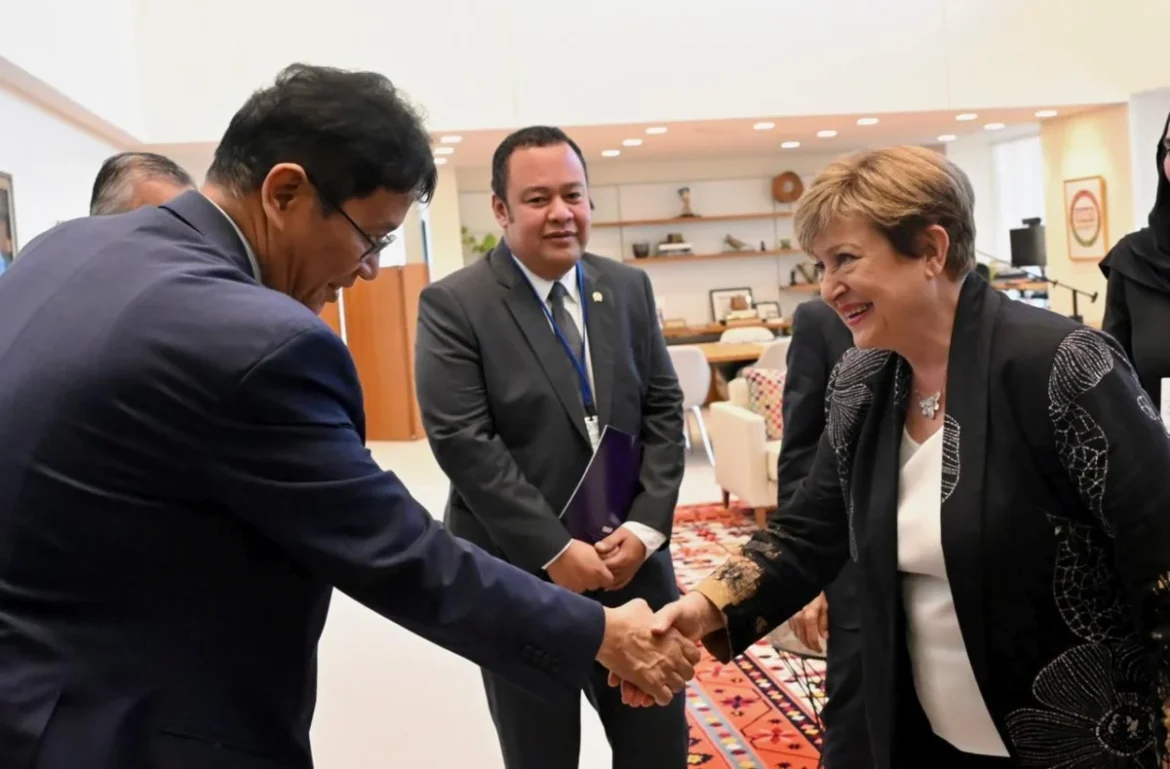
Indonesia’s Finance Minister, Purbaya Yudhi Sadewa, engaged with a formidable cohort of global financial leaders in Washington D.C., United States, on Tuesday, April 14, 2026, delivering a compelling narrative of the nation’s economic resilience and prudent fiscal management. The high-profile meetings included discussions with Kristalina Georgieva, Managing Director of the International Monetary Fund (IMF), senior officials from the World Bank, and representatives from leading international credit rating agencies such as S&P Global Ratings. The overarching message from these influential global bodies and private investors was one of profound admiration for Indonesia’s strategic fiscal approach, even extending offers of assistance, underscoring the international community’s confidence in the archipelago’s economic trajectory amidst a volatile global landscape.

Indonesia’s Fiscal Prowess: A Global Benchmark

Minister Purbaya’s agenda in Washington D.C. was multifaceted, primarily aimed at articulating Indonesia’s unwavering commitment to balancing robust economic growth with the long-term sustainability of its State Budget (APBN). This delicate equilibrium is particularly crucial given the prevailing global uncertainties, which range from persistent inflationary pressures and supply chain disruptions to geopolitical tensions and the ongoing imperative of climate change mitigation.

During his interactions, Minister Purbaya meticulously detailed the government’s comprehensive policy framework designed to navigate these complex challenges. "We met with 18 major investors, including titans like Goldman Sachs and Fidelity Investments. Their primary objective was to grasp the direction of Indonesia’s growth policies and budget management, and crucially, to assess the credibility and sustainability of these strategies," Purbaya stated in a press release issued in Jakarta on Wednesday, April 15, 2026. This extensive engagement highlights the global financial market’s deep interest in understanding the nuances of Indonesia’s economic governance.

The Minister elaborated that the government presented a thorough overview of its adopted policies, meticulously outlining their anticipated impact on both the national budget and overall economic expansion. The response from the IMF, World Bank, and credit rating agencies was overwhelmingly positive, with particular emphasis on Indonesia’s demonstrated capacity to foster accelerated economic growth without unduly burdening its fiscal policy. "They exhibited high enthusiasm and delved deeper into our economic fundamentals and policies. They have consistently questioned how Indonesia manages to achieve faster growth while maintaining a controlled budget," he explained, pointing to a persistent curiosity about Indonesia’s unique balancing act.

The Washington Dialogues: Engagement with Global Financial Leaders

The series of meetings in Washington D.C. served as a critical platform for Indonesia to reaffirm its position as a stable and attractive investment destination. The discussions with the IMF, led by Kristalina Georgieva, likely centered on Indonesia’s macroeconomic stability, structural reforms, and resilience to external shocks. The IMF, as a global lender of last resort and a monitor of the international financial system, typically scrutinizes countries’ fiscal prudence, debt sustainability, and monetary policy effectiveness. Their positive reaction suggests an endorsement of Indonesia’s adherence to sound economic principles.

Similarly, the engagement with the World Bank officials would have focused on Indonesia’s development agenda, including poverty reduction efforts, infrastructure development, human capital investment, and climate change initiatives. The World Bank often provides financing and technical assistance for development projects, and a strong fiscal position enhances a country’s eligibility and capacity to absorb such aid effectively. The reported offer of "assistance" could signify enhanced partnership opportunities, preferential lending terms, or increased technical support from these multilateral institutions, recognizing Indonesia’s commendable fiscal discipline.

The presence and positive feedback from representatives of S&P Global Ratings, one of the ‘Big Three’ credit rating agencies, is particularly significant. Credit ratings are crucial for a country’s access to international capital markets and the cost of its borrowing. S&P’s assessment typically covers economic structure and growth prospects, fiscal performance and flexibility, debt burden, and external liquidity. Their "admiration" for Indonesia’s fiscal strategy indicates a strong likelihood of maintaining or even improving Indonesia’s investment-grade sovereign credit rating, which signals lower risk to investors and can attract further capital inflows. Indonesia has consistently maintained an investment-grade rating from S&P (currently ‘BBB’ with a stable outlook), Moody’s (‘Baa2’ stable), and Fitch (‘BBB’ stable), reflecting a long-standing confidence in its macroeconomic stability and policy framework.

Chronology of Fiscal Discipline and Economic Reforms

Indonesia’s journey to this point of international recognition has been built on a foundation of sustained fiscal discipline and strategic economic reforms, particularly post-pandemic.

  • Early 2020s (COVID-19 Pandemic): Like many nations, Indonesia faced unprecedented economic challenges, necessitating a temporary widening of its budget deficit beyond the statutory 3% of GDP limit to fund healthcare and social safety nets. This counter-cyclical fiscal policy prevented a deeper economic contraction.
  • 2022-2023: Fiscal Consolidation: The government demonstrated remarkable resolve by initiating an aggressive fiscal consolidation program. This involved a combination of revenue optimization (e.g., tax reforms, digitalizing tax administration) and expenditure prioritization, bringing the budget deficit back within the 3% ceiling ahead of schedule by 2023. This rapid return to fiscal prudence distinguished Indonesia from many peers.
  • Ongoing Structural Reforms: Alongside fiscal consolidation, Indonesia has been aggressively pursuing structural reforms to enhance its investment climate and boost long-term growth potential. Key initiatives include:
    • Omnibus Law on Job Creation (2020): Aimed at streamlining regulations, simplifying business permits, and improving labor market flexibility to attract investment.
    • Resource Downstreaming Policy: Prohibiting the export of raw materials like nickel ore and bauxite to encourage domestic processing and value-added industries, significantly boosting export revenues and creating jobs.
    • Infrastructure Development: Continued investment in roads, ports, airports, and digital infrastructure to improve connectivity and logistical efficiency across the vast archipelago.
    • Digital Economy Push: Fostering a vibrant digital ecosystem, attracting significant venture capital, and supporting the growth of tech startups.
  • 2024-2026: Sustained Growth and Stability: Indonesia has consistently delivered robust economic growth, often exceeding 5% annually, even as global economic growth moderated. This growth has been underpinned by strong domestic consumption, increasing investment, and resilient exports, despite commodity price fluctuations. Inflation has also been effectively managed, staying within the central bank’s target range.

Supporting Data and Economic Performance

Indonesia’s economic indicators paint a compelling picture of stability and growth, justifying the international community’s admiration:

  • GDP Growth: Indonesia’s Gross Domestic Product (GDP) has shown remarkable resilience. For instance, in 2023, the economy grew by approximately 5.05%, a strong performance considering global headwinds. Projections for 2024 and 2025 by institutions like the IMF and World Bank also typically place Indonesia’s growth above 4.5-5.0%, positioning it among the fastest-growing large economies.
  • Inflation Control: The central bank, Bank Indonesia, in close coordination with the government, has successfully managed inflationary pressures. After a post-pandemic surge, inflation has largely returned to the target range of 2-4%, demonstrating effective monetary and fiscal policy synchronization.
  • Budget Deficit: The government’s commitment to fiscal consolidation is evident in its budget deficit reduction. From a peak of over 6% during the pandemic, the deficit was successfully brought back to below 3% of GDP by 2023, a significant achievement that reassured investors about long-term fiscal health.
  • Debt-to-GDP Ratio: Indonesia maintains a relatively low and manageable public debt-to-GDP ratio, typically around 40% or lower. This is considerably lower than many developed and emerging economies, providing ample fiscal space for future shocks or development spending.
  • Foreign Direct Investment (FDI): While Minister Purbaya noted the current interest in portfolio investment, Indonesia has also been a consistent recipient of substantial FDI, indicating long-term confidence in its economic prospects. In 2023, FDI inflows remained robust, driven by sectors like manufacturing, mining, and services.
  • Trade Balance: Indonesia has consistently recorded a trade surplus, driven by strong commodity exports and the success of its resource downstreaming policy, particularly in nickel products. This contributes to a healthy current account balance and strengthens external resilience.

Investor Confidence and Portfolio Inflows

Minister Purbaya’s meetings with 18 major investors, including global financial powerhouses like Goldman Sachs and Fidelity Investments, underscored the burgeoning interest in Indonesia’s financial markets. These institutions manage trillions of dollars in assets and their engagement signals a serious consideration of Indonesia as a viable investment destination.

Investors from the United States, in particular, showed significant interest in Indonesia’s financial sector instruments, encompassing both fixed income and equity markets. This preference for "portfolio investment" – typically involving purchases of stocks, bonds, and other financial assets – suggests a growing appetite for Indonesia’s liquid assets. While distinct from Foreign Direct Investment (FDI), which involves long-term investments in productive assets, portfolio investment is often a precursor and a strong indicator of overall market confidence. Increased portfolio inflows can have several positive impacts:

  • Strengthening the Rupiah: Inflows of foreign currency to purchase Indonesian assets can appreciate the Rupiah, making imports cheaper and helping to control inflation.
  • Boosting Capital Markets: Increased demand for stocks and bonds can drive up market capitalization, improve liquidity, and reduce borrowing costs for Indonesian companies and the government.
  • Validation of Policies: The influx of "hot money" signifies that global investors perceive Indonesia’s economic policies as sound and its markets as offering attractive returns relative to risk.

"This is mostly portfolio investment, not foreign direct investment (FDI). However, we are optimistic that these funds will flow in the near future and contribute to strengthening Indonesia’s capital markets," the Minister added. This optimism is well-founded, as a robust and liquid capital market can further enhance Indonesia’s appeal for long-term FDI by providing avenues for exit strategies and access to local financing.

The "How" of Indonesia’s Economic Management

The central question posed by international observers – "how can Indonesia grow faster with a controlled budget?" – speaks to the ingenuity of its fiscal and economic strategies. The answer lies in a multi-pronged approach:

  • Prudent Fiscal Policy: The government has prioritized productive expenditures, channeling funds towards critical infrastructure projects, human capital development (education and health), and targeted social safety nets, which have a high multiplier effect on the economy. Concurrently, efforts to curb unproductive spending and enhance efficiency have been intensified.
  • Revenue Mobilization: Beyond traditional tax collection, Indonesia has embarked on comprehensive tax reforms, including expanding the tax base, improving tax administration through digitalization, and optimizing non-tax revenues. This ensures that the government has sufficient resources without relying excessively on debt.
  • Structural Reforms for Investment: The aforementioned Omnibus Law on Job Creation and other deregulation initiatives have significantly improved the ease of doing business, making Indonesia more attractive to both domestic and foreign investors. Streamlined licensing processes, reduced bureaucratic hurdles, and greater legal certainty have lowered the cost of doing business.
  • Resource Downstreaming: This strategic industrial policy has been a game-changer. By processing raw materials like nickel into higher-value products (e.g., stainless steel, battery components), Indonesia not only boosts its export earnings but also fosters domestic industrialization, technology transfer, and job creation. This adds significant value to its natural endowments, moving beyond being merely a commodity exporter.
  • Digital Transformation: Embracing the digital economy has opened new avenues for growth, particularly in e-commerce, fintech, and digital services, leveraging Indonesia’s large, digitally native population.

Broader Impact and Future Outlook

The enthusiastic reception received by Minister Purbaya and his delegation carries significant implications for Indonesia’s economic future:

  • Policy Validation and Credibility: The strong endorsement from the IMF, World Bank, and major rating agencies validates Indonesia’s current macroeconomic policies and strengthens the credibility of its economic leadership on the global stage. This can instill greater confidence among domestic and international stakeholders.
  • Enhanced Access to Capital: A positive international perception can translate into more favorable borrowing terms for the government and Indonesian corporations, reducing the cost of financing development projects and business expansion. It also encourages increased capital inflows, both portfolio and FDI.
  • Resilience Against Global Headwinds: In an era marked by persistent global uncertainties, having the backing and confidence of major international financial institutions provides Indonesia with a stronger buffer against potential external shocks, making its economy more resilient.
  • Catalyst for Further Reforms: The positive feedback may further embolden the government to continue its reform agenda, pushing for deeper structural changes that can unlock even greater economic potential and improve long-term competitiveness.
  • Regional Leadership: Indonesia’s success story serves as an encouraging example for other emerging markets, particularly within ASEAN, demonstrating that disciplined fiscal management combined with strategic economic reforms can yield significant rewards even in challenging global environments.

However, the journey ahead is not without its challenges. Indonesia must remain vigilant against potential global economic slowdowns, commodity price volatility, and the ever-present threat of climate change. Sustaining the momentum of reforms, ensuring inclusive growth, and effectively managing the transition to a green economy will be critical for Indonesia to solidify its position as a leading economic power in the 21st century. The admiration from the World Bank, IMF, and global investors is a powerful affirmation, but also a call to maintain the disciplined and strategic approach that has brought Indonesia this far.

November 4, 2025 0 comment
0 FacebookTwitterPinterestEmail
Business & Economy

TransJakarta Ungkap 1 Unit Bus Listrik Hemat Subsidi BBM Rp302 Juta per Tahun

by Suro Senen November 2, 2025
written by Suro Senen

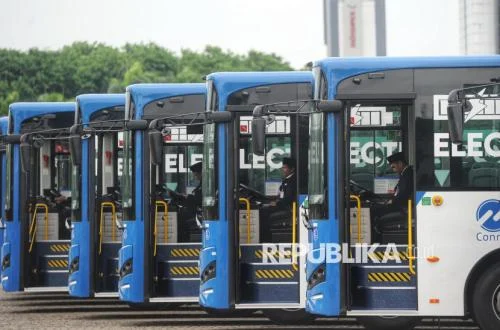
JAKARTA – A single electric bus operating within the TransJakarta public transportation network has the potential to generate significant savings for the Indonesian government, slashing fuel subsidies by an estimated Rp302 million annually. When a comprehensive analysis incorporating various operational aspects is conducted, the cumulative cost savings over a 5.5-year operational lifespan for one electric bus could reach approximately Rp3.9 billion, a figure equivalent to the current purchase price of a new 12-meter electric bus itself. This remarkable financial efficiency underscores the strategic advantage of transitioning Jakarta’s extensive bus rapid transit system towards electric mobility, offering a compelling case for accelerated adoption.

The calculation of these substantial savings stems from a detailed comparison of the subsidized diesel fuel price against commercial fuel rates, coupled with the superior operational efficiency inherent in electric buses compared to their internal combustion engine (ICE) counterparts. This financial modeling provides a robust economic rationale for the ambitious electrification plans being pursued by TransJakarta, the operator of the world’s longest bus rapid transit system.

The Economic Imperative: Unpacking the Savings

Gatot Indra Koswara, Principal Specialist for Transformation and Change Management at TransJakarta, elucidated these findings during a recent Focus Group Discussion (FGD) held in Jakarta on Wednesday (April 15, 2026), involving the Strategic Transportation Initiative (Instran) and PT Kalista Nusa Armada. He emphasized that while the initial capital expenditure for an electric bus might be roughly twice that of an ICE bus, this higher upfront cost is effectively neutralized and eventually surpassed by the dramatic reductions in energy and maintenance expenses. "Indeed, the price of an electric bus can be more than double that of an ICE bus, but we compensate for this price increase with energy costs that are four times cheaper than ICE, and maintenance costs that are also twice as low," Gatot stated.

The economic model presented by Gatot is built upon a set of specific assumptions regarding fuel prices. It uses a subsidized diesel price of Rp6,800 per liter, contrasting it with the commercial non-subsidized Dexlite fuel price, which is pegged at approximately Rp14,500 per liter. This substantial differential of around Rp7,700 per liter forms the cornerstone of the government subsidy savings.

A typical TransJakarta ICE bus travels an average of 78,475 kilometers per year. With an assumed fuel efficiency of 2 kilometers per liter, such a bus consumes approximately 39,238 liters of diesel annually. Based on the Rp7,700 per liter subsidy differential, the potential reduction in government fuel subsidy expenditure for a single ICE bus converting to electric power amounts to roughly Rp302 million per year. "If we convert the difference between the subsidized cost and the non-subsidized Dexlite solar cost, it’s approximately Rp302 million per year per unit of government subsidy that must be disbursed to subsidize solar for public or goods transportation," Gatot elaborated, highlighting the direct fiscal relief for the central government.

Beyond the central government’s subsidy burden, TransJakarta’s analysis also identified significant operational cost efficiencies at the provincial government level, which directly impacts the operational budget allocated to the public transport operator. From an energy perspective, the operational cost for an ICE bus is estimated at Rp3,400 per kilometer. In stark contrast, an electric bus incurs only about Rp800 per kilometer. This calculation factors in an electricity price of Rp731 per kWh and the respective energy efficiencies of both vehicle types. The resulting energy cost differential translates into an annual saving of approximately Rp204 million per electric bus unit.

Furthermore, maintenance expenses represent another critical area of substantial savings. An ICE bus typically requires about Rp5,400 per kilometer for maintenance, whereas an electric bus, with its simpler powertrain and fewer moving parts, costs around Rp2,600 per kilometer to maintain. This difference alone yields an additional annual saving of approximately Rp219.7 million per unit. The reduced complexity of electric drivetrains means fewer components subject to wear and tear, less frequent fluid changes, and overall lower labor costs for servicing.

When these three major components of savings—fuel subsidy, energy costs, and maintenance expenses—are aggregated, TransJakarta projects a total efficiency that becomes profoundly significant over the medium term. Over a period of approximately 5.5 years, the accumulated savings are projected to reach around Rp3.99 billion per unit. As Gatot pointed out, this sum is nearly equivalent to the current market price of a new 12-meter electric bus, effectively demonstrating that the operational savings can fully offset the initial investment within a relatively short timeframe. "If we talk about maintenance savings, and energy savings, actually if we collect it all into one, if we multiply by 5.5 years, it will yield (savings) of approximately Rp3.9 billion, or currently almost the price of one 12-meter electric bus," he explained.

Gatot’s assertions firmly reinforce the notion that despite the initial higher investment cost for electric buses, the substantial operational and energy subsidy savings provide a compelling financial justification for the transition. This robust economic argument forms a cornerstone of Jakarta’s broader strategy for sustainable urban development.

A Strategic Shift for Urban Mobility: Background and Context

Jakarta, a megacity grappling with persistent traffic congestion and severe air pollution, has long sought innovative solutions to enhance its public transportation system. TransJakarta, established in 2004, has grown to become a cornerstone of the city’s mobility infrastructure, serving millions of commuters daily across an expansive network. The transition to electric buses is not merely an operational upgrade; it is a strategic imperative aligned with national and global sustainability goals.

Indonesia, as a signatory to the Paris Agreement, is committed to reducing its greenhouse gas emissions by 29% independently and up to 41% with international assistance by 2030. Decarbonizing the transportation sector, which is a major contributor to urban air pollution and carbon emissions, is critical to achieving these targets. President Joko Widodo’s administration has been a vocal proponent of electric vehicle (EV) adoption, positioning Indonesia as a potential hub for EV battery production due to its abundant nickel reserves, a key component in lithium-ion batteries. Government policies, including tax incentives and infrastructure development plans, are aimed at accelerating EV uptake across both private and public sectors.

For Jakarta, the impetus for electrification is particularly urgent. The city frequently ranks among the world’s most polluted cities, with vehicle emissions being a primary culprit. The health implications of poor air quality are severe, ranging from respiratory illnesses to cardiovascular diseases. Adopting electric buses directly addresses this challenge by eliminating tailpipe emissions, thereby improving urban air quality and public health. Furthermore, electric buses operate much more quietly than diesel buses, contributing to a reduction in urban noise pollution, which is another significant quality-of-life improvement for residents.

Chronology of TransJakarta’s Electric Journey

TransJakarta’s journey towards electrification began with initial pilot projects and feasibility studies to assess the viability of electric buses in Jakarta’s demanding operational environment. Early trials, often in partnership with various manufacturers and technology providers, aimed to evaluate performance, range, charging infrastructure requirements, and overall operational costs.

  • 2019-2020: TransJakarta commenced initial trials of electric buses from various manufacturers, including BYD and Mobil Anak Bangsa (MAB), to understand their performance under Jakarta’s specific conditions, including traffic, climate, and charging needs.
  • 2021: Following successful trials, TransJakarta announced ambitious plans to electrify its entire fleet, setting a target to transition all 10,000 buses to electric by 2030. This commitment signaled a strong policy direction.
  • 2022: The first batch of commercially operated electric buses began service, marking a significant milestone. TransJakarta partnered with operators and manufacturers to gradually integrate these vehicles into its routes. This initial deployment focused on proving the concept and refining operational procedures.
  • 2023: Expansion continued, with more electric buses being added to the fleet, supported by the development of necessary charging infrastructure at depots and along strategic routes. The focus shifted to scaling up operations and ensuring reliable service.
  • 2024-Present: TransJakarta continues to actively procure electric buses and expand charging facilities, aiming for a steady increase in its electric fleet size. The discussions and analyses, such as the FGD mentioned, are part of ongoing efforts to refine strategies and accelerate the transition, building on real-world operational data and financial modeling. The 2026 date mentioned in the original article (April 15, 2026) likely refers to the projected date of the FGD itself, indicating a forward-looking analysis and commitment to ongoing evaluation of these initiatives.

Beyond Financial Gains: Environmental and Social Impact

The shift to electric buses offers benefits far beyond the substantial financial savings. Environmentally, the elimination of tailpipe emissions from thousands of buses will significantly reduce local air pollutants such as particulate matter (PM2.5), nitrogen oxides (NOx), and sulfur oxides (SOx), which are major contributors to smog and respiratory illnesses. This directly translates to improved public health outcomes for Jakarta’s residents. Furthermore, replacing diesel consumption with electricity, especially if sourced increasingly from renewable energy, will drastically lower the carbon footprint of the city’s public transportation system, contributing directly to Indonesia’s climate change mitigation efforts. Each electric bus, by displacing diesel consumption, contributes to reducing greenhouse gas emissions.

Socially, the adoption of electric buses can enhance the commuting experience. Electric buses are notably quieter and produce fewer vibrations, offering a smoother and more comfortable ride for passengers. This improvement in public transport quality can encourage more residents to opt for buses over private vehicles, further alleviating traffic congestion and reducing overall emissions. The image of a cleaner, more modern public transport system also elevates Jakarta’s status as a forward-thinking, sustainable global city.

Official Responses and Broader Implications

The findings presented by TransJakarta align well with the broader policy directives from various government ministries. The Ministry of Transportation has consistently advocated for sustainable transport solutions and has issued regulations to support EV adoption in public transport. The potential for reducing fuel subsidies is particularly attractive to the Ministry of Finance, which has historically borne the immense burden of energy subsidies, often diverting significant funds from other critical development areas. Any measure that can sustainably reduce this expenditure is met with strong governmental support.

Experts from environmental non-governmental organizations (NGOs) have lauded TransJakarta’s initiative. They view the electrification of public transport as a critical step in addressing Jakarta’s air quality crisis. These organizations often advocate for stronger policy incentives, faster deployment of charging infrastructure, and public awareness campaigns to maximize the benefits of EV adoption. They also highlight the importance of ensuring that the electricity used to charge these buses increasingly comes from renewable sources to achieve true "zero-emission" transportation.

From an industrial perspective, the large-scale adoption of electric buses by TransJakarta creates significant opportunities for local manufacturing and technology development. It incentivizes domestic bus manufacturers to develop electric models, fosters the growth of battery assembly plants, and drives innovation in charging infrastructure solutions. This localized supply chain development can create jobs, enhance technological capabilities, and reduce reliance on imported components, aligning with Indonesia’s broader industrialization goals. The scale of TransJakarta’s needs (potentially thousands of buses) provides a substantial market signal for investment in this sector.

Challenges and the Path Forward

Despite the compelling advantages, the transition to a fully electric TransJakarta fleet is not without its challenges. The initial capital investment, while offset by long-term operational savings, still represents a significant upfront cost that requires careful financial planning and potentially innovative financing mechanisms. Securing adequate and reliable charging infrastructure across all depots and potentially along routes is another critical hurdle. This involves not only installing charging stations but also ensuring that the electricity grid can support the increased demand, particularly during peak charging times. Battery technology, while rapidly advancing, still presents considerations regarding range anxiety, battery degradation over time, and ultimately, responsible recycling and disposal of spent batteries.

Moreover, the training of technical personnel for maintenance and operation of electric buses is essential. The skill sets required for electric vehicles differ significantly from those for ICE vehicles, necessitating comprehensive training programs for mechanics, drivers, and operational staff.

However, the detailed financial analysis provided by TransJakarta, demonstrating that operational savings can fully cover the initial investment within a relatively short period, provides a powerful argument for overcoming these challenges. It positions electric buses not just as an environmental choice, but as a fiscally responsible and strategically sound investment for the future of urban mobility in Jakarta and potentially a blueprint for other Indonesian cities. The ongoing commitment from TransJakarta and the supportive policy environment from the Indonesian government suggest a clear and determined path towards a cleaner, more efficient, and sustainable public transportation system for the nation’s capital.

November 2, 2025 0 comment
0 FacebookTwitterPinterestEmail
Business & Economy

by Siti Muinah November 1, 2025
written by Siti Muinah
November 1, 2025 0 comment
0 FacebookTwitterPinterestEmail
Business & Economy

Silver Emerges as a Key Investment Alternative to Gold for Beginners Amidst Economic Shifts

by Ali Ikhwan October 31, 2025
written by Ali Ikhwan

For decades, gold has reigned supreme as the undisputed "primadonna" of precious metal investments, a beacon of stability and a traditional hedge against economic uncertainty. However, a significant shift is underway in the investment landscape, with silver increasingly recognized as a compelling and accessible alternative, particularly for novice investors seeking to diversify their portfolios and safeguard wealth against inflationary pressures. This re-evaluation of silver’s investment potential comes at a time when global economies grapple with persistent inflation, fluctuating interest rates, and geopolitical tensions, making tangible assets more attractive than ever. Silver, with its relatively stable price, significantly lower entry cost compared to gold, and substantial industrial demand, presents a unique blend of characteristics that position it as a promising instrument for both capital preservation and growth. Its intrinsic value, coupled with its role in the rapidly expanding green technology sector, underpins a promising outlook for this often-underestimated precious metal.

The Enduring Allure of Silver: A Historical and Economic Perspective

Silver’s appeal is deeply rooted in human history, having served as a monetary standard, a medium of exchange, and a store of value for millennia. From ancient civilizations to the modern era, its lustrous beauty and intrinsic properties have made it a coveted commodity. Economically, silver shares many characteristics with gold, primarily its status as a safe-haven asset that tends to perform well during periods of economic instability or high inflation. However, silver distinguishes itself through its dual nature: it is both a monetary metal and a vital industrial commodity. This duality provides an additional layer of demand that gold largely lacks, influencing its price dynamics and long-term growth trajectory.

A Dual Identity: Monetary and Industrial Metal

Historically, silver was widely used in coinage, often alongside gold, forming bimetallic standards that underpinned global economies. While its direct monetary role has diminished in most modern financial systems, its intrinsic value as a precious metal endures, making it a popular choice for investors seeking a tangible asset. What truly sets silver apart in the contemporary market, however, is its extensive industrial application. Silver boasts the highest electrical and thermal conductivity of all metals, making it indispensable in a vast array of technologies. It is a critical component in electronics, including smartphones, computers, and medical devices. Its antibacterial properties find use in healthcare, and its reflective qualities are leveraged in mirrors and solar panels.

The Green Revolution’s Demand for Silver

The ongoing global transition towards green energy and sustainable technologies is a significant driver of silver demand, often referred to as the "green revolution effect." Solar photovoltaic (PV) cells, a cornerstone of renewable energy infrastructure, rely heavily on silver pastes for conductivity. As countries worldwide commit to reducing carbon emissions and expanding solar energy capacity, the demand for silver in this sector is projected to surge. Similarly, the burgeoning electric vehicle (EV) industry, with its complex electronic systems and battery technology, consumes substantial amounts of silver. This industrial demand creates a robust floor for silver prices and offers a compelling growth narrative distinct from purely speculative investment. Analysts from various financial institutions and precious metal consultancies have consistently highlighted the growing demand from these sectors, projecting a sustained increase in industrial consumption over the next decade. For instance, reports from the Silver Institute often forecast significant increases in silver demand from the solar and automotive industries, underscoring its pivotal role in the future economy.

Affordability and Growth Potential

Compared to gold, silver is significantly more affordable on a per-ounce basis, making it an accessible entry point for investors with smaller capital allocations. This affordability allows beginners to acquire tangible precious metal assets without the substantial upfront investment required for gold. While gold’s price per ounce typically ranges in the thousands of US dollars, silver’s price often hovers around the tens of dollars per ounce. This lower price point enables investors to accumulate more units of silver, providing greater flexibility in buying and selling, and potentially larger percentage gains during market upturns. Moreover, silver’s price tends to be more volatile than gold’s, which, while carrying higher risk, also presents opportunities for greater returns for those who can navigate its fluctuations strategically. This volatility is often amplified by its smaller market size compared to gold, meaning that relatively smaller shifts in supply or demand can have a more pronounced impact on prices.

Navigating the Silver Market: A Comprehensive Guide for Novice Investors

For individuals new to precious metal investing, understanding the various avenues and best practices for acquiring silver is crucial. The following comprehensive guide outlines practical steps and considerations to help beginners confidently enter the silver market.

1. Choosing the Right Form: Physical Silver Investment

The most traditional method of investing in silver involves acquiring physical metal. This can be in the form of coins or bars, each offering distinct advantages and considerations.

  • Bars vs. Coins: Practicalities and Preferences:

    • Silver Bars (Bullion): Generally preferred for investment purposes due to their lower premium over the spot price of silver. Bars typically come in various sizes, from small 1-gram pieces to larger 100-ounce or 1,000-ounce bars. They are valued primarily for their metal content and purity, making them straightforward to buy and sell based on market prices. Their varied sizes also allow for flexible investment amounts and easier storage, especially for larger quantities.
    • Silver Coins: While also bullion, coins can sometimes carry a numismatic or collectible premium in addition to their metal value, especially if they are limited editions, proofs, or historically significant. Popular investment coins include the American Silver Eagle, Canadian Silver Maple Leaf, and Austrian Silver Philharmonic. For beginners, it’s advisable to focus on common bullion coins where the premium is minimal, ensuring that the investment is primarily in the metal itself rather than collectible value. Coins offer the advantage of being easily recognizable and often have government-backed purity guarantees.
  • Starting Small: The Entry Point for Beginners:

    • For novice investors, initiating purchases with smaller denominations, such as 1-gram, 10-gram, or 1-ounce silver pieces, is a prudent strategy. This approach allows investors to build their portfolio gradually, learn about market dynamics, and manage financial exposure without committing substantial capital upfront. Small-sized physical silver is also more liquid, meaning it can be more easily sold or traded when needed, without having to liquidate a large, single asset. This incremental accumulation strategy aligns with principles of dollar-cost averaging, reducing the impact of short-term price fluctuations.
  • Ensuring Authenticity: The Imperative of Reputable Sources:

    • The authenticity of physical silver is paramount. Investors must exclusively purchase from highly reputable producers or authorized dealers. In Indonesia, PT ANTAM (Aneka Tambang), a state-owned mining company, is a trusted source for precious metals, including silver, offering products with guaranteed authenticity and accompanied by official certificates. Internationally, mints like the U.S. Mint, Royal Canadian Mint, Perth Mint (Australia), and the Royal Mint (UK) are recognized for their high-purity bullion products. Always ensure that any purchase is accompanied by an assay certificate or an official receipt verifying its weight and purity. Avoiding unverified sellers or suspiciously low prices is crucial to prevent counterfeit products.
  • Storage and Security Considerations:

    • Physical silver requires secure storage. For small quantities, a home safe might suffice. However, as the investment grows, considering professional storage solutions such as secure vault services offered by banks or specialized precious metal depositories becomes advisable. These services typically provide insurance against theft or damage, offering peace of mind. The cost of storage and insurance should be factored into the overall investment strategy.

2. Embracing Digital Silver: Convenience and Accessibility

For those seeking convenience and liquidity without the logistical challenges of physical storage, digital silver investments offer an attractive alternative.

  • Online Platforms and Digital Accounts:
    • Several fintech applications and online precious metal dealers now provide platforms for investing in digital silver. These platforms allow investors to buy and sell silver virtually, with the underlying physical metal often held in secure vaults by the service provider. Examples include platforms like Indogold or treasury services offered by various banks and investment apps that allow users to buy fractional amounts of silver.
    • The Advantages of Digitized Holdings:
      • Convenience: Transactions can be executed instantly from a mobile device or computer, 24/7.
      • No Storage Hassle: Eliminates the need for personal storage, security, and insurance costs.
      • Liquidity: Digital silver is typically highly liquid, allowing for quick buying and selling at market prices.
      • Fractional Ownership: Many platforms allow for the purchase of very small, fractional amounts of silver, further lowering the entry barrier for beginners.
    • Understanding the Nuances of Digital Ownership:
      • While convenient, investors should be aware of the nature of digital silver ownership. Some platforms offer "allocated" silver, where specific bars or coins are assigned to the investor, providing direct ownership. Others offer "unallocated" silver, where the investor owns a claim against a larger pool of silver held by the provider. Unallocated silver carries a higher counterparty risk, as the investor is essentially an unsecured creditor of the platform. Thorough research into the platform’s reputation, security measures, and the terms of ownership is essential.

3. Structured Investment Pathways: Building a Portfolio Gradually

Beyond direct physical or digital purchases, structured investment programs offer systematic ways to accumulate silver.

  • Savings and Installment Programs: Disciplined Accumulation:

    • Some financial institutions and precious metal dealers offer silver savings or installment programs. These programs allow investors to make regular, small contributions (e.g., monthly payments) towards the purchase of silver. Once a certain amount or weight threshold is reached, the investor can choose to take physical delivery or convert their holdings into a larger bar or digital equivalent. This method promotes disciplined saving and investing, enabling individuals to build their silver portfolio over time without requiring a large initial capital outlay. It’s an excellent option for budget-conscious beginners aiming for long-term accumulation.
  • Exchange-Traded Funds (ETFs) and Mutual Funds: Diversified Exposure:

    • For investors who prefer a hands-off approach and diversified exposure to the silver market, Exchange-Traded Funds (ETFs) and mutual funds focused on silver are viable options.
      • Silver ETFs: These funds typically hold physical silver in secure vaults and issue shares that track the price of silver. Investing in a silver ETF means owning shares in a fund that directly represents physical silver, offering exposure to the metal’s price movements without the need for direct physical ownership or storage. They are highly liquid and can be bought and sold on stock exchanges like regular stocks.
      • Silver Mutual Funds: These are professionally managed funds that invest in a portfolio of assets related to silver, which might include physical silver, silver mining company stocks, or silver derivatives. They offer diversification and professional management but typically come with higher management fees compared to ETFs.
      • Both ETFs and mutual funds provide exposure to global silver prices, allowing investors to participate in the market with relatively measured risk, as the funds are managed by professionals. However, investors should be aware of management fees, tracking errors (how closely the fund tracks the actual silver price), and the inherent market risks associated with any investment.

4. Vigilance in the Market: Monitoring Price Movements

Successful precious metal investing, even for beginners, requires a degree of market awareness.

  • Factors Influencing Silver Prices:
    • While silver tends to appreciate over the long term, its price can exhibit significant short-term fluctuations. Key factors influencing silver prices include:
      • Global Industrial Demand: Economic growth, particularly in manufacturing and technology sectors, directly impacts industrial silver consumption.
      • Monetary Policy and Inflation: Loose monetary policies and rising inflation typically boost demand for precious metals as inflation hedges. Conversely, rising interest rates can make non-yielding assets like silver less attractive.
      • U.S. Dollar Strength: As silver is priced in U.S. dollars, a stronger dollar generally makes silver more expensive for international buyers, potentially dampening demand and lowering prices.
      • Geopolitical Events: Wars, political instability, and other global crises often trigger safe-haven buying, pushing up silver prices.
      • Supply Dynamics: Mining output, recycling rates, and existing stockpiles also play a role in price determination.
    • The Importance of Long-Term Perspective:
      • For beginners, adopting a long-term investment horizon is advisable. While short-term volatility can be unsettling, silver’s fundamental role as an inflation hedge and its growing industrial demand suggest a positive long-term outlook. Regularly monitoring news from the precious metals sector, economic indicators, and technological advancements will help investors stay informed.

5. Holistic Understanding: Assessing Strengths and Risks

Before committing capital, a thorough understanding of silver investment’s advantages and disadvantages is crucial for developing a realistic strategy.

  • Benefits: Inflation Hedge and Diversification:

    • Inflation Hedge: Silver, like gold, has historically served as a reliable hedge against inflation, preserving purchasing power when fiat currencies lose value.
    • Portfolio Diversification: Adding silver to a portfolio can reduce overall risk, as precious metals often exhibit a low correlation with traditional assets like stocks and bonds.
    • High Liquidity: Physical and digital silver can be relatively easily converted to cash.
    • Tangible Asset: Physical silver provides a sense of security as a tangible asset, free from counterparty risk often associated with paper assets.
  • Risks: Volatility and Market Sensitivity:

    • Higher Volatility: Silver is generally more volatile than gold due to its smaller market size and significant industrial demand, which makes it more susceptible to economic cycles.
    • Storage and Insurance Costs: For physical silver, these can eat into returns.
    • Counterparty Risk: For digital silver or ETFs, there’s a reliance on the solvency and integrity of the platform or fund manager.
    • Fabrication Premiums: The cost of manufacturing bars and coins (premiums) can be significant, especially for smaller denominations.
    • Taxes: Capital gains taxes may apply when selling silver at a profit, depending on local regulations.

Expert Insights and Market Sentiment: Perspectives on Silver’s Future

Financial analysts and investment advisors are increasingly vocal about silver’s potential. Many see it as an undervalued asset with significant upside, especially given its integral role in future technologies.

  • Analyst Projections for Industrial Demand:

    • "The demand for silver from the solar and electric vehicle sectors alone is set to be a game-changer," states a leading commodity analyst, reflecting a common sentiment across the industry. "As the world accelerates its shift towards renewable energy and electrification, silver’s industrial footprint will only expand, creating a robust demand floor that wasn’t as prominent a decade ago." These projections often include specific figures, with some predicting double-digit percentage growth in industrial silver consumption over the next five to ten years.
  • Investment Advisors on Portfolio Allocation:

    • Investment advisors frequently recommend a small allocation to precious metals (typically 5-15% of a portfolio) for diversification and inflation hedging. "For beginners or those with limited capital, silver offers an accessible entry point into this vital asset class," advises a wealth manager. "Its correlation with gold, combined with its distinct industrial demand drivers, makes it an intelligent addition to a well-diversified portfolio, especially when considering the current inflationary environment." They emphasize starting small, understanding the market, and taking a long-term view.
  • Market Trends and Investor Confidence:

    • The increasing availability of diverse silver investment products, from digital platforms to structured savings plans, reflects growing investor confidence and market innovation. This trend is democratizing access to precious metals, allowing a broader spectrum of individuals to participate. The ease of online transactions and the transparency offered by reputable dealers further enhance this positive market sentiment.

Secure Acquisition: Ensuring Authenticity and Best Practices

To ensure that investors acquire genuine silver products, adherence to secure purchasing methods is non-negotiable.

  • Direct Purchases from Authorized Dealers (e.g., ANTAM):

    • Visiting official boutiques or authorized physical outlets of reputable producers like ANTAM in Indonesia guarantees the authenticity and quality of the silver. These establishments provide official receipts, certificates of authenticity, and often have expert staff who can guide beginners through the purchasing process. This method provides immediate physical possession and reduces the risk of fraud.
  • Online Marketplaces: Due Diligence and Verification:

    • For online purchases, selecting well-established and highly-rated online dealers is paramount. Always check customer reviews, verify their physical address, and ensure they offer secure payment gateways and insured shipping. Legitimate online dealers will provide clear product descriptions, purity details, and certification. It is also wise to compare prices across several reputable dealers to ensure competitive rates, but never compromise on authenticity for a slightly lower price.
  • The Role of Certification and Assay:

    • Every purchase of physical silver, especially bars, should ideally come with an assay certificate. This document verifies the purity and weight of the metal, often bearing a unique serial number that matches the product. For coins, look for recognized mint marks and packaging that indicates their authenticity. This documentation is crucial for future resale and ensures the investor’s peace of mind regarding their asset’s legitimacy.

Broader Implications: Silver’s Role in a Resilient Investment Strategy

The rising prominence of silver as an investment choice carries broader implications for individual investors and the precious metals market.

  • Democratizing Precious Metal Investment:

    • Silver’s affordability effectively lowers the barrier to entry for precious metal investment, making it accessible to a wider demographic, including young investors and those with more modest budgets. This democratizing effect ensures that the benefits of precious metal diversification are not exclusive to high-net-worth individuals.
  • Contributing to Portfolio Stability:

    • In an increasingly volatile global economy, assets that offer stability and act as inflation hedges are invaluable. Silver, with its dual demand drivers and intrinsic value, provides a reliable component for building resilient investment portfolios capable of weathering economic storms and preserving purchasing power over the long term.
  • The Future Landscape of Silver Investment:

    • The confluence of robust industrial demand from green technologies, its traditional role as a monetary metal, and its growing appeal to new investors suggests a bright future for silver. As global economies continue to evolve, and the imperative for sustainable development intensifies, silver’s strategic importance as both a commodity and an investment asset is only expected to grow.

In conclusion, while gold retains its crown, silver has undeniably carved out a significant niche as a compelling and accessible investment alternative. For beginners, its affordability, promising growth potential driven by industrial demand, and established role as an inflation hedge make it an attractive entry point into the world of precious metals. By following prudent investment strategies, ensuring authenticity, and staying informed about market dynamics, novice investors can confidently leverage silver to build a diversified and resilient financial future.

October 31, 2025 0 comment
0 FacebookTwitterPinterestEmail
Politics

Optimism Amidst Tensions: President Trump Declares US-Iran Conflict Nearing Its End as Negotiations Loom

by Nana October 29, 2025
written by Nana

WASHINGTON – President Donald Trump announced on Wednesday, April 15, 2026, that the United States’ protracted conflict with Iran was "almost over," expressing confidence in ongoing efforts to revive stalled peace negotiations. Speaking during an interview with Maria Bartiromo on Fox Business, Trump conveyed a distinct sense of optimism regarding the diplomatic trajectory, suggesting that Tehran was "very eager" to finalize a comprehensive agreement. This declaration, made amidst persistent reports of renewed behind-the-scenes dialogue, signals a potentially pivotal moment in the fraught relationship between the two nations, though it is met with cautious anticipation by international observers and regional actors.

"I think it’s almost over, yes. I mean, I see it very close to the end," Trump told Bartiromo, underscoring his belief in the efficacy of his administration’s "maximum pressure" campaign. He further elaborated on his perception of Iran’s readiness for a deal, stating, "If I pulled out now, it would take 20 years for them to rebuild that country, and we’re not done. We’ll see what happens. I think they’re very eager to make a deal." Bartiromo later noted on Instagram that Trump’s repeated use of the past tense when referring to the "war" prompted her direct inquiry about its conclusion, highlighting the President’s conviction.

A Decades-Long Antagonism: Historical Context of US-Iran Relations

To fully grasp the gravity of President Trump’s statement, it is essential to delve into the complex and often hostile history defining US-Iran relations, a narrative stretching back more than four decades. The foundational rupture occurred with the 1979 Islamic Revolution, which saw the overthrow of the US-backed Shah Mohammad Reza Pahlavi and the establishment of an anti-Western Islamic Republic. The subsequent hostage crisis at the US embassy in Tehran cemented a deep-seated animosity that has colored every diplomatic engagement since.

Throughout the 1980s, the US quietly supported Iraq during the Iran-Iraq War, further fueling Iranian mistrust. The 1990s and early 2000s were marked by Iran’s pursuit of a nuclear program, which became a paramount concern for the international community, particularly the United States and its allies. President George W. Bush famously labeled Iran as part of an "Axis of Evil" in 2002, intensifying the rhetoric and sanctions regime.

The Obama administration, pursuing a different diplomatic path, successfully negotiated the Joint Comprehensive Plan of Action (JCPOA) in 2015. This landmark agreement, signed by Iran, the P5+1 group (China, France, Russia, United Kingdom, United States, plus Germany), and the European Union, aimed to prevent Iran from developing nuclear weapons in exchange for significant sanctions relief. While hailed by proponents as a triumph of diplomacy, critics, including then-candidate Donald Trump, argued it was fundamentally flawed, insufficient in its scope, and failed to address Iran’s ballistic missile program or its destabilizing regional activities.

The Trump Administration’s "Maximum Pressure" Campaign and Escalation

Upon taking office, President Trump swiftly moved to dismantle what he viewed as the "worst deal ever." In May 2018, the United States unilaterally withdrew from the JCPOA, reimposing and significantly expanding sanctions against Iran. This initiated the "maximum pressure" campaign, designed to cripple Iran’s economy and force Tehran to negotiate a new, more comprehensive agreement that would address its nuclear program, ballistic missile development, and regional proxy networks.

The immediate impact on Iran’s economy was severe. Oil exports, a vital source of revenue, plummeted from over 2.5 million barrels per day before sanctions to mere hundreds of thousands, drastically cutting off foreign currency earnings. The Iranian rial depreciated sharply, inflation soared, and the cost of basic goods skyrocketed. International companies, fearing US secondary sanctions, largely withdrew from Iran, further isolating its economy.

This economic squeeze was accompanied by a dangerous escalation of military tensions in the Persian Gulf and wider Middle East between 2019 and the early 2020s. Key incidents included:

  • Attacks on Oil Tankers (2019): Several commercial vessels in the Strait of Hormuz and Gulf of Oman were attacked, with the US blaming Iran.
  • Drone Shoot-down (2019): Iran shot down a US surveillance drone, bringing the two nations to the brink of direct military confrontation.
  • Attack on Saudi Oil Facilities (2019): Drone and missile attacks on Aramco oil facilities significantly disrupted global oil supplies, which the US attributed to Iran.
  • Assassination of Qasem Soleimani (January 2020): A US drone strike killed Major General Qasem Soleimani, commander of the IRGC’s Quds Force, in Baghdad. Iran retaliated with missile strikes on US bases in Iraq.
  • Ongoing Proxy Conflicts: Both sides continued to support opposing factions in regional conflicts in Yemen, Syria, Iraq, and Lebanon, perpetuating a shadow war.
  • Cyber Warfare: Both nations engaged in cyber espionage and attacks against each other’s critical infrastructure.

These incidents, coupled with the constant military posturing and rhetoric, fostered an environment of extreme volatility, repeatedly raising fears of a full-scale regional war.

The Path to Renewed Dialogue: Failed Attempts and Lingering Hope

Despite the escalating tensions, channels for communication and diplomatic overtures were never entirely closed, albeit often unproductive. Various international actors, including France, Japan, Oman, and Switzerland, made intermittent attempts to mediate between Washington and Tehran, seeking to de-escalate the situation and pave the way for dialogue. However, these efforts consistently foundered on fundamental disagreements. Iran demanded the lifting of all US sanctions as a prerequisite for negotiations, while the US insisted on a new deal that would comprehensively address Iran’s nuclear program, ballistic missiles, and regional activities before any significant sanctions relief.

The current reports of renewed negotiation efforts, leading up to President Trump’s April 2026 statement, suggest a potential shift in this stalemate. While specific details of these reported talks remain largely confidential, analysts speculate that they may involve indirect channels, possibly facilitated by neutral third parties. The discussions likely center on a phased approach, perhaps involving initial steps of de-escalation or limited sanctions relief in exchange for verifiable commitments from Iran regarding its nuclear enrichment levels or regional proxies.

President Trump’s assertion that Iran would take "20 years to rebuild" if he "pulled out now" underscores his belief that the maximum pressure campaign has effectively cornered Tehran. This suggests that any deal, from his perspective, would largely be on US terms, reflecting Iran’s weakened economic position and its urgent need for sanctions relief to stabilize its internal situation.

Statements from Tehran and International Reactions

While specific Iranian official reactions to Trump’s April 2026 statement were not immediately detailed, historical patterns and logical inference provide insight into Tehran’s likely public and private stances. Publicly, Iranian officials, particularly hardliners, have consistently maintained a defiant posture, rejecting what they term "economic terrorism" and insisting that the Islamic Republic will not negotiate under duress. They have repeatedly called for the unconditional lifting of all sanctions as a prerequisite for any meaningful dialogue. This public stance serves to maintain internal legitimacy and project an image of resilience.

However, the severe economic hardship inflicted by sanctions almost certainly fosters a different sentiment within certain pragmatic factions of the Iranian government and among its populace. If negotiations are indeed underway, it implies a tacit acknowledgment from some within Tehran that a diplomatic solution is necessary to alleviate the economic crisis. Any potential deal would require careful framing by the Iranian leadership to present it as a victory against external pressure rather than a capitulation. Internal divisions within Iran between hardliners, who prioritize revolutionary ideals and regional influence, and pragmatists, who seek economic stability and engagement with the international community, would undoubtedly complicate any negotiation process and the implementation of a future agreement.

Internationally, President Trump’s optimistic declaration would likely be met with a mix of cautious welcome and skepticism. European powers (E3: France, Germany, UK), along with the European Union, have consistently advocated for de-escalation and a return to diplomacy. They would likely welcome any verifiable progress towards a peaceful resolution, particularly one that strengthens nuclear non-proliferation safeguards. However, having witnessed the fragility of previous agreements, they would also emphasize the need for a durable, verifiable, and comprehensive deal.

Regional allies such as Saudi Arabia, the UAE, and Israel, who view Iran as a primary threat to their security, would likely express skepticism. They would demand that any new agreement not only address the nuclear program but also comprehensively curb Iran’s ballistic missile capabilities and its support for proxy militias across the Middle East. For these nations, a partial deal that overlooks Iran’s regional behavior would be insufficient and potentially dangerous. Russia and China, while often critical of US unilateral sanctions, would likely support diplomatic efforts, advocating for a multilateral approach and expressing concern over regional instability.

Economic Realities and Humanitarian Concerns

The economic toll of the maximum pressure campaign on Iran has been profound. Analysts estimate that sanctions led to an 80-90% reduction in Iran’s oil exports, costing the country hundreds of billions of dollars in lost revenue. This has resulted in chronic inflation, high unemployment rates, and a severe shortage of foreign currency, which has hampered imports of essential goods, including medicines and medical equipment. While humanitarian goods are technically exempt from sanctions, banking restrictions and the reluctance of international firms to engage with Iran have created significant practical barriers, exacerbating humanitarian challenges.

Beyond Iran, the prolonged tensions have also contributed to regional economic instability. Global oil markets have periodically reacted to threats in the Persian Gulf, leading to price volatility. Shipping lanes, critical for international trade, have remained vulnerable, increasing insurance costs and disrupting supply chains. A resolution to the US-Iran conflict would therefore offer significant relief, not only to the Iranian populace but also to the broader regional and global economies.

Analysis of Implications: A Precarious Peace?

President Trump’s declaration, if followed by a tangible breakthrough, carries significant implications across several dimensions. For US foreign policy, it would be hailed by supporters as a vindication of the maximum pressure strategy, demonstrating that sustained economic pressure can compel adversaries to the negotiating table. This could set a precedent for future US dealings with other nations deemed hostile. However, critics might argue that the immense economic and human cost, and the repeated near-misses with military conflict, were an unnecessarily risky path.

For Iran, a deal would represent a pragmatic shift in strategy, acknowledging the limits of its "economy of resistance" and the imperative to alleviate domestic hardship. However, any concessions would need to be carefully managed to avoid appearing as a surrender, particularly to hardline elements and the Revolutionary Guard. Such an agreement could also lead to a complex power struggle within Iran as different factions vie for influence over the country’s future direction.

Regionally, a de-escalation of tensions between the US and Iran could pave the way for reduced proxy conflicts and greater stability. However, the deep-seated geopolitical rivalries and sectarian divides that fuel many of these conflicts would likely persist, requiring sustained diplomatic efforts and confidence-building measures between regional powers. A comprehensive deal might need to include mechanisms for regional dialogue on security issues, beyond just the US and Iran.

Globally, a resolution could reinforce the importance of diplomacy, albeit one achieved under extreme pressure. It would also impact the roles of international mediators and the dynamics of multilateralism, given the US’s unilateral withdrawal from the original JCPOA. The world would watch closely to see if a new agreement is robust enough to withstand future political shifts and if it can truly usher in a new era of stability.

Even if a deal is struck, the path forward remains fraught with challenges. The implementation and verification of any agreement would be complex, requiring robust monitoring mechanisms. Furthermore, addressing the broader points of contention—Iran’s ballistic missile program, its human rights record, and its regional influence—would remain long-term diplomatic hurdles. President Trump’s statement that the conflict is "almost over" suggests a final stage, yet history demonstrates that even after agreements are reached, deep-seated mistrust and numerous obstacles can continue to test the resolve of all parties involved. The world watches with a mixture of hope and trepidation as this critical chapter in US-Iran relations potentially draws to a close.

October 29, 2025 0 comment
0 FacebookTwitterPinterestEmail
Politics

Partai Kebangkitan Bangsa Considers Former East Java PWNU Chairman KH Marzuki Mustamar for 2024 Gubernatorial Race

by Suro Senen October 28, 2025
written by Suro Senen

The Partai Kebangkitan Bangsa (PKB) is actively exploring the nomination of KH Marzuki Mustamar, the esteemed former Chairman of the Nahdlatul Ulama (NU) East Java Regional Board (PWNU), as a gubernatorial candidate for the upcoming 2024 East Java Regional Head Election (Pilkada). This potential move sets the stage for a high-stakes political contest, as a Marzuki Mustamar candidacy would likely pit him against the incumbent and former Governor of East Java, Khofifah Indar Parawansa. Abdul Halim Iskandar, the Chairman of PKB’s Pilkada Desk, confirmed the party’s consideration, stating that Marzuki’s name is currently gaining significant traction among the public and that the party is actively receiving aspirations from various community segments regarding his potential candidacy.

The Strategic Importance of East Java in Indonesian Politics

East Java, with its vast population exceeding 40 million, stands as one of Indonesia’s most pivotal provinces, both economically and politically. It represents the largest provincial electorate, making it a crucial battleground for any political party aspiring to national influence. The province is also a traditional stronghold of Nahdlatul Ulama, the largest Islamic organization in Indonesia, boasting an estimated membership of over 90 million nationwide, with a significant concentration in East Java. The influence of NU extends deeply into the social fabric and political landscape of the region, where its clerics (kyai) and affiliated institutions play a defining role in shaping public opinion and electoral outcomes.

Historically, the gubernatorial race in East Java has often been a proxy battle reflecting broader national political dynamics and the internal power struggles within NU. PKB, founded by the late Abdurrahman Wahid (Gus Dur), a revered former NU chairman and Indonesian president, has deep roots within the NU community. The party’s political fortunes are intrinsically linked to its ability to mobilize NU’s vast network and secure the endorsement of influential kyai. Therefore, the selection of a gubernatorial candidate in East Java is not merely a regional decision but a strategic calculation with national implications for PKB.

KH Marzuki Mustamar: A Profile and the PBNU Controversy

KH Marzuki Mustamar is a highly respected cleric and a prominent figure within Nahdlatul Ulama. Prior to his recent public resurgence, he served as the Chairman of the PWNU East Java, a position that solidified his standing as a key leader within the organization’s most populous and influential region. His leadership at the provincial level was characterized by efforts to strengthen NU’s traditional institutions, promote Islamic education, and engage in social welfare activities. His reputation as a scholar and a community leader has earned him widespread respect among traditionalist Muslims in East Java.

However, KH Marzuki Mustamar’s political trajectory took an unexpected turn with his controversial dismissal from the chairmanship of PWNU East Java by the Nahdlatul Ulama Central Board (PBNU) earlier this year. The exact reasons for his dismissal remained somewhat opaque, with official statements from PBNU citing "organizational evaluation" and "internal dynamics." Unofficial reports and public speculation, however, suggested a complex interplay of factors, including differing views on organizational policies, alleged breaches of protocol, and broader internal political rivalries within NU. The timing and manner of his removal sparked considerable debate and discontent among a significant segment of NU members in East Java, who viewed it as an unjustifiable political maneuver rather than a genuine organizational necessity.

Ironically, as Abdul Halim Iskandar noted, this dismissal appears to have inadvertently amplified KH Marzuki Mustamar’s public profile and popularity. Rather than diminishing his standing, the perception of him as a victim of internal political machinations within PBNU garnered him sympathy and solidified his image as an independent and principled leader. This "popularity boost," as described by PKB officials, has made him an even more attractive figure for political parties seeking to tap into the sentiments of NU’s grassroots and disgruntled factions. The incident underscored the deep emotional connection between NU members and their local leaders, demonstrating that challenges to revered kyai, particularly from higher organizational echelons, can often backfire, transforming respected figures into popular symbols of defiance.

PKB’s Strategic Bid and the Quest for Consent

Abdul Halim Iskandar articulated PKB’s enthusiastic reception of the public’s aspirations for KH Marzuki Mustamar’s candidacy. "For East Java, today KH Marzuki’s name is circulating in the community; he is meeting with the public to convey aspirations to PKB," Halim stated during a press conference at the PKB Central Executive Board (DPP) office in Central Jakarta on Wednesday, May 29, 2024. This statement highlights PKB’s responsive approach to grassroots sentiment, a core tenet of its political strategy.

Despite the strong public interest and the party’s willingness to support such a nomination, Halim emphasized that the ultimate decision rests with KH Marzuki Mustamar himself. "PKB is ready to accept these aspirations, but the final touch will depend on Kiai Marzuki’s willingness," he clarified. This stance underscores the delicate nature of political engagement with highly revered religious figures in Indonesia. PKB recognizes that forcing a cleric of Marzuki’s stature into a political contest against his will would be counterproductive and could alienate his extensive base of support.

PKB’s respect for KH Marzuki Mustamar’s autonomy is paramount. Halim reiterated that the party would honor his decision, even if he chooses not to enter the gubernatorial race. "Even if we are ready, but Kiai Marzuki says ‘Oh, no thank you,’ of course, we will not force him because he is also an extraordinary figure and icon of NU East Java, who has become even more popular after receiving unfavorable treatment following his dismissal by PBNU," Halim explained. This acknowledgment of his heightened popularity post-dismissal is a key factor in PKB’s strategy, indicating an awareness of the political capital he now commands. The party’s approach reflects a nuanced understanding of the intersection between religious authority, public sentiment, and electoral politics in Indonesia.

The Potential Showdown: Marzuki Mustamar vs. Khofifah Indar Parawansa

Should KH Marzuki Mustamar accept PKB’s overture, the 2024 East Java Pilkada would feature a formidable clash between two highly influential figures, both with deep ties to Nahdlatul Ulama. Khofifah Indar Parawansa, the incumbent governor, possesses a strong political resume, including previous ministerial positions and a successful tenure as governor. She is also a prominent NU figure, having chaired Muslimat NU, the women’s wing of the organization, for many years. Her re-election campaign is expected to leverage her track record of governance, extensive political network, and broad appeal across various demographics. In the 2018 Pilkada, Khofifah, paired with Emil Dardak, secured victory with approximately 53.5% of the vote against Saifullah Yusuf and Puti Guntur Soekarno, demonstrating her strong electoral appeal in the province.

A contest between Marzuki and Khofifah would be a battle for the heart and soul of East Java’s NU electorate. Both candidates draw their strength from the same large constituency, potentially leading to a division of votes among traditionalist Muslims. Marzuki’s appeal would likely stem from his image as a traditional kyai, his recent controversial dismissal which garnered sympathy, and his strong connection to the grassroots of NU. Khofifah, on the other hand, would present herself as a proven leader with experience in governance, capable of delivering tangible development and stability. The outcome would heavily depend on which candidate could better mobilize the vast NU network, gain endorsements from other influential kyai, and craft a compelling narrative that resonates with the diverse population of East Java. Political analysts would scrutinize the subtle shifts in allegiances within NU, as different factions and sub-organizations might align with one candidate over the other, further complicating the electoral landscape.

The Critical Factor: KH Marzuki’s Consent and the Role of a Running Mate

The "final touch" of KH Marzuki Mustamar’s consent remains the pivotal element in PKB’s strategy. For a cleric of his stature, the decision to enter politics is often fraught with moral and ethical considerations. Many kyai prioritize their religious and educational roles, viewing direct political engagement as a distraction from their spiritual duties or as potentially compromising their neutrality. Accepting a nomination would mean transitioning from a respected religious leader to a political combatant, a role that not all clerics are comfortable embracing. The concept of khidmah (service) is deeply ingrained in NU leadership, but whether that service is best rendered through religious guidance or political governance is a personal choice.

Furthermore, the issue of a running mate for KH Marzuki Mustamar, while secondary at this initial stage, is a crucial strategic consideration. Abdul Halim Iskandar stated that PKB has numerous potential candidates ready to serve as Marzuki’s deputy, but the focus remains squarely on securing his willingness first. "Many are ready to accompany Kiai Marzuki, but we will not expose them because Kiai Marzuki comes first. For his running mate, many are ready; many have come forward to accompany Kiai Marzuki, but the key remains with him," Halim affirmed.

The selection of a running mate would involve balancing several factors: regional representation (e.g., pairing a figure from East Java’s eastern or western regions), demographic appeal (e.g., a younger professional, a woman, or a non-NU figure to broaden the coalition), and political experience. A strong running mate could complement Marzuki’s traditionalist appeal with modern governance expertise, or a more secular background to attract diverse voters, thereby strengthening the ticket’s overall electoral prospects. However, until KH Marzuki Mustamar signals his readiness, these discussions remain speculative.

Broader Implications and the Road Ahead

The potential candidacy of KH Marzuki Mustamar carries significant implications beyond the East Java Pilkada. It could profoundly impact the internal dynamics and unity of Nahdlatul Ulama, potentially deepening existing fault lines or creating new ones depending on how different factions and the PBNU react. For PKB, successfully nominating and potentially electing Marzuki would solidify its position as the dominant political voice for NU’s grassroots, reinforcing its historical identity and influence. Nationally, the East Java election often serves as a barometer for the political climate and a testing ground for strategies that might be replicated in other regional contests.

The timeline for the 2024 Pilkada is progressing, with candidate registration typically scheduled for August, followed by campaigning from September to November, culminating in election day in November. This leaves a critical window for PKB to engage with KH Marzuki Mustamar, secure his consent, and then embark on the intricate process of coalition building and campaign preparation. The stakes are undeniably high, not just for the candidates and parties involved, but for the millions of East Java residents who will ultimately decide their next leader. The coming weeks and months will be crucial in determining whether KH Marzuki Mustamar will transition from a revered religious leader to a formidable political contender, shaping the future political landscape of one of Indonesia’s most vital provinces.

October 28, 2025 0 comment
0 FacebookTwitterPinterestEmail
Politics

King Abdullah II of Jordan Commences State Visit to Indonesia, Deepening Strategic Partnership and Personal Bond with President Prabowo Subianto.

by Raul Delapena Setiawan October 27, 2025
written by Raul Delapena Setiawan

Jakarta prepares for a significant diplomatic engagement as His Majesty King Abdullah II bin Al-Hussein of the Hashemite Kingdom of Jordan arrived for a state visit to Indonesia on Friday afternoon, October 20, 2025. The visit underscores the growing strategic importance of bilateral relations between the two nations, further cemented by a remarkable and enduring personal friendship between the Jordanian monarch and Indonesian President Prabowo Subianto. This high-profile visit is anticipated to strengthen cooperation across various sectors, from economic ventures to defense and geopolitical alignment, particularly concerning regional stability and the Palestinian issue.

Upon his arrival, King Abdullah II is scheduled to hold a crucial meeting with President Prabowo Subianto. The agenda includes discussions with representatives from Danantara Indonesia, signaling a focused interest in specific economic partnerships. A key highlight of the visit will be the signing of several bilateral Memoranda of Understanding (MoUs), formalizing commitments and setting the framework for future collaborations. This visit is part of a broader tour by King Abdullah II to several Asian countries, including Japan, Vietnam, Singapore, and Pakistan, emphasizing Jordan’s active engagement with the Asia-Pacific region.

A Deepening Bilateral Relationship

The reciprocal nature of this high-level engagement is notable. President Prabowo Subianto had previously undertaken a visit to Jordan on April 14, 2025, where he held a private meeting with King Abdullah II at the Al Husseiniya Palace in Amman. That meeting, which took place on the second day of President Prabowo’s visit to the kingdom, was characterized by an extraordinary display of personal camaraderie, with King Abdullah II himself driving President Prabowo to his hotel in downtown Amman. This gesture, highly unusual for a head of state, speaks volumes about the depth of their long-standing personal relationship, which has now evolved to influence state-to-state diplomacy.

The diplomatic ties between Indonesia and Jordan, established in 1950, have historically been cordial, rooted in shared Islamic values and a commitment to regional peace and multilateralism. However, the ascension of both King Abdullah II and President Prabowo to their respective nations’ highest offices in recent years—King Abdullah II in 1999 and President Prabowo, inaugurated on October 20, 2024—has injected a new dynamism into the relationship. Their personal bond, forged over decades and through shared professional experiences, is now a powerful catalyst for enhanced state-level cooperation.

A Bond Forged in Service: The Personal Connection

The personal friendship between King Abdullah II and President Prabowo Subianto is a unique aspect of this bilateral relationship, predating their current roles as heads of state. Both leaders share a distinguished military background, having graduated from the prestigious U.S. Army Ranger School at Fort Benning, Georgia. This shared experience in elite military training laid the foundation for a bond built on mutual respect, discipline, and a deep understanding of strategic leadership.

Their first documented meeting occurred on December 4, 1995, during the inauguration ceremony of Prabowo Subianto as the Commander General (Danjen) of Kopassus, Indonesia’s elite special forces command. At the time, both men were leading their respective countries’ special forces units; Prabowo as Danjen Kopassus and King Abdullah II (then Prince Abdullah) as the Commander of Jordan’s Special Forces in 1994. This shared professional path, involving leadership of highly specialized military units, provided a common ground for their early interactions and solidified their mutual admiration.

The friendship endured and deepened during a challenging period for Prabowo. When he left Indonesia in 1998 amid political turmoil, he sought refuge and spent a period of self-exile in Jordan. His arrival in Jordan was met with exceptional respect and honor, a testament to his bond with the then-Prince Abdullah. It is widely reported that during this time, Prabowo was even offered Jordanian citizenship, an offer he respectfully declined, choosing to retain his Indonesian nationality. This episode highlights the profound personal trust and support that characterized their relationship, transcending national borders and political circumstances.

Their paths crossed again in 2014 when King Abdullah II made a state visit to Indonesia. This earlier visit, while significant for bilateral relations, lacked the direct personal dynamic of two heads of state that characterizes the current engagement. Now, with both men at the pinnacle of their nations’ leadership, their long-standing friendship is poised to elevate the strategic partnership between Indonesia and Jordan to unprecedented levels. King Abdullah II ascended the throne in 1999, while President Prabowo Subianto assumed the highest office in Indonesia in October 2024, bringing their personal and professional trajectories to a powerful confluence.

Strategic Dialogue and Economic Imperatives

The current state visit is expected to yield concrete outcomes, particularly in economic cooperation. The meeting with representatives from Danantara Indonesia and the focus on phosphate cooperation point towards a strategic alignment in resource management and industrial development. Jordan possesses the fifth-largest phosphate reserves globally, and phosphate rock is one of its primary natural resources and key exports. This makes Jordan a vital partner for countries like Indonesia, which rely on phosphate for agricultural fertilizers and other industrial applications.

  • Bilateral Memoranda of Understanding: The forthcoming signing of MoUs is anticipated to cover various sectors. These could include trade facilitation, investment promotion, defense cooperation, cultural exchange, and technical assistance. Given the emphasis on Danantara Indonesia, an MoU related to mining, resource processing, or agricultural inputs is highly probable. Such agreements would provide the legal and operational frameworks for deeper collaboration, enabling joint ventures, technology transfer, and market access.

  • Economic Cooperation: Trade and Investment Outlook: While specific figures for 2025 are still emerging, bilateral trade between Indonesia and Jordan has shown consistent growth over the past decade. In 2023, the total trade volume between Indonesia and Jordan reached approximately USD 260 million. Indonesia’s main exports to Jordan typically include palm oil, tires, paper products, and textiles, while its imports from Jordan are primarily phosphate, potash, and other mineral products. The current visit is expected to set ambitious targets for increasing this trade volume and diversifying the basket of goods and services exchanged. Investment flows, though modest historically, are ripe for expansion, particularly in sectors where both countries hold competitive advantages or have strategic needs, such as energy, infrastructure, and digital economy.

  • The Significance of Phosphate Resources: Jordan’s substantial phosphate reserves present a unique opportunity for Indonesia. Indonesia, a major agricultural producer, has a consistent demand for phosphate fertilizers to boost crop yields and ensure food security for its large population. By securing a reliable supply chain for phosphate from Jordan, Indonesia can enhance its agricultural resilience. Conversely, Jordan can benefit from Indonesian expertise in processing and manufacturing, potentially attracting investment in downstream industries related to phosphate. This strategic partnership in a critical resource area highlights the practical and mutually beneficial aspects of the visit.

Geopolitical Resonance and Regional Stability

Beyond economic ties, the visit carries significant geopolitical weight. Both Indonesia and Jordan are influential voices in their respective regions, committed to promoting peace and stability. Jordan, a key player in the Middle East, holds a crucial role in the Israeli-Palestinian conflict, particularly as the custodian of Muslim and Christian holy sites in Jerusalem. Indonesia, the world’s most populous Muslim-majority nation, has historically been a staunch supporter of Palestinian independence.

  • Shared Stance on Global and Regional Issues: The ongoing conflict in Gaza will undoubtedly be a central topic of discussion. Both King Abdullah II and President Prabowo Subianto have consistently called for a lasting ceasefire, humanitarian aid, and a two-state solution based on international law. Their joint statement following the visit is expected to reiterate these positions, sending a strong, unified message from two significant global actors. This alignment on a critical international issue underscores their shared commitment to justice and human rights, enhancing their collective diplomatic leverage.

  • Defense and Security Cooperation: Given their respective backgrounds in special forces and their current roles as commanders-in-chief, discussions on defense and security cooperation are highly probable. This could involve intelligence sharing, joint military exercises, counter-terrorism strategies, and defense industry collaboration. Indonesia, a rising defense manufacturer, could explore opportunities to supply defense equipment to Jordan, while Jordan’s extensive experience in regional security challenges could offer valuable insights. Such cooperation would enhance the security capabilities of both nations and contribute to regional stability in their respective spheres.

A Broader Asian Tour

King Abdullah II’s visit to Indonesia is contextualized within a broader diplomatic tour of Asia. This itinerary, which includes Japan, Vietnam, Singapore, and Pakistan, signifies Jordan’s strategic pivot towards strengthening ties with dynamic Asian economies and influential regional powers. The tour reflects Jordan’s foreign policy objective of diversifying its partnerships beyond traditional Western allies, seeking new avenues for economic cooperation, investment, and diplomatic support on critical regional issues. For Indonesia, being a key stop on this tour reaffirms its growing stature as a significant player in global diplomacy and economics.

Looking Ahead: The Future of Indonesia-Jordan Ties

The state visit of King Abdullah II to Indonesia marks a pivotal moment in the bilateral relationship. It leverages a unique personal friendship at the highest echelons of power to drive strategic national interests. The outcomes of this visit—from the signing of MoUs to enhanced dialogue on regional and global issues—are expected to lay a robust foundation for deeper and more diversified cooperation in the years to come. As both nations navigate complex geopolitical landscapes and pursue ambitious development agendas, the strengthened bond between Jakarta and Amman, underpinned by the personal rapport between their leaders, promises a future of mutual benefit and enhanced regional influence. The engagement is a testament to the power of personal diplomacy in shaping international relations and fostering enduring partnerships.

October 27, 2025 0 comment
0 FacebookTwitterPinterestEmail
Regional News

Kebumen Launches ‘Desa Emas 2026’ Program: Transforming Banana Peel Waste into Economic Opportunity and Fostering Rural Entrepreneurship.

by Nana October 25, 2025
written by Nana

In a significant stride towards rural economic empowerment and sustainable waste management, the INOTEK Foundation, in collaboration with Yayasan Indonesia Setara (YIS) and the Kebumen Regency Government, recently inaugurated the "Desa Emas 2026" (Golden Village 2026) program. Held at the Lajer Village Hall in Dukuh Kademagan Ambal, Kebumen, the initiative aims to cultivate an entrepreneurial spirit among local communities by converting readily available agricultural waste into valuable economic assets. This program represents a concerted effort to not only boost local economies but also to instill principles of circular economy and environmental stewardship at the grassroots level.

Background: The Imperative for Rural Transformation

Indonesia, an archipelago nation rich in agricultural resources, faces the dual challenge of managing organic waste efficiently and stimulating economic growth in its vast rural areas. While agriculture forms the backbone of many regional economies, a significant portion of agricultural by-products, such as banana peels, often goes to waste, contributing to environmental burdens rather than economic benefits. The Kebumen Regency, located in Central Java, is no exception, with its agrarian landscape producing abundant biomass that, if properly managed, could unlock substantial value. The "Desa Emas" concept, envisioned as a long-term strategy, seeks to transform these often-overlooked rural communities into vibrant hubs of innovation, productivity, and self-sufficiency by the year 2026. It addresses a critical need for diversified income streams beyond traditional farming, offering pathways to improved livelihoods and reduced economic vulnerability.

Historically, rural communities in Indonesia have grappled with limited access to market information, skill development opportunities, and financial literacy, hindering their potential for sustainable economic growth. The Desa Emas 2026 program is designed to bridge these gaps, offering practical skills training, business development support, and market linkages. It is rooted in the understanding that empowering individuals with the tools to create their own economic opportunities is far more sustainable than purely relying on external aid. The choice of Lajer Village as the initial site for this program underscores its strategic importance, serving as a model that can potentially be replicated across other villages within Kebumen and beyond.

A Deep Dive into the Program’s Structure and Initial Workshops

The recent launch event brought together dozens of enthusiastic residents, eager to learn and participate in the transformative workshops. The core of the initial phase revolved around hands-on training sessions focused on converting banana peel waste into intricate handicrafts. This specific choice of raw material is highly pertinent given the widespread cultivation of bananas in the region, ensuring a sustainable and abundant supply of the primary input.

The workshop commenced with a comprehensive module on the process of spinning banana peel fibers. Participants were guided through the stages of collecting, drying, retting, and extracting fibers from banana stems and peels. This labor-intensive but rewarding process requires patience and precision, transforming what would otherwise be discarded into a versatile material suitable for weaving and crafting. Following fiber extraction, attendees were taught various techniques for weaving and assembling these fibers into a diverse range of products, including decorative items, household goods, and fashion accessories. The emphasis was placed not just on technical skills but also on fostering creativity and an eye for design, crucial elements for market appeal.

A pivotal segment of the workshop featured an inspiring sharing session led by Siswanto, a civil servant from the Alian sub-district of Kebumen. Siswanto has emerged as a local luminary in the field of banana peel craftsmanship, demonstrating how dedication and ingenuity can turn waste into significant profit. He shared his personal journey, detailing the initial challenges, the trial-and-error process of developing his craft, and eventually, the triumph of building a successful side business. Siswanto not only coordinates local artisans but also acts as a collector of dried banana peel raw material, creating a micro-economy around this overlooked resource. His candid account of achieving a monthly income that surpasses the Kebumen Regional Minimum Wage (UMR) served as a powerful testament to the economic viability of the craft. He highlighted how this additional income has become a vital support for his family’s daily needs and, critically, for funding his children’s education, underscoring the profound socio-economic impact of entrepreneurial endeavors.

Beyond the technical skills, the Desa Emas 2026 program recognizes that true entrepreneurship requires robust business acumen. Therefore, the curriculum extended into crucial areas of financial management and market penetration. Following Siswanto’s inspiring talk, participants engaged in a practical workshop on calculating the Cost of Goods Sold (HPP – Harga Pokok Penjualan) and managing finances effectively. This module equipped participants with fundamental accounting principles, enabling them to accurately price their products, understand profit margins, and maintain healthy cash flows – critical skills often lacking in nascent micro-enterprises.

Further enhancing the participants’ market readiness, subsequent workshops focused on modern marketing techniques. This included a session on product photography, leveraging the power of Artificial Intelligence (AI) to produce professional-quality images even with limited resources. In today’s digital age, high-quality visuals are paramount for attracting customers, especially for handcrafted goods sold online. Complementing this, a workshop on optimizing social media for marketing provided insights into creating engaging content, reaching target audiences, and building a brand presence on popular platforms. These digital literacy components are essential for connecting rural artisans to broader national and even international markets, transcending geographical limitations.

Supporting Data and Broader Context

Indonesia generates approximately 67.8 million tons of waste annually, with organic waste, including agricultural residues, constituting a significant proportion. In agricultural regions like Central Java, banana cultivation is extensive, leading to substantial quantities of banana stems and peels post-harvest. Estimates suggest that for every kilogram of banana fruit, there can be up to 2 kilograms of waste from the plant itself. Traditionally, these materials are either left to decompose, burned (contributing to air pollution), or used as low-value animal feed. The Desa Emas program directly addresses this by valorizing waste, aligning with national efforts to promote a circular economy model.

Micro, Small, and Medium Enterprises (MSMEs), or UMKM in Indonesia, are the backbone of the national economy, contributing over 60% to the country’s Gross Domestic Product (GDP) and employing over 97% of the workforce. However, rural UMKM often face disproportionate challenges, including limited access to capital, lack of business formalization, and insufficient marketing expertise. Programs like Desa Emas 2026 are vital in empowering these enterprises, providing them with the necessary tools and knowledge to thrive. The Kebumen Regency, with its UMR typically ranging between IDR 2.1 million to IDR 2.2 million (approximately USD 135-145) per month, offers a clear benchmark for economic improvement. Siswanto’s success in surpassing this figure through his craft underscores the significant potential for income generation through value-added activities.

Statements and Reactions from Related Parties

Officials from the participating organizations expressed strong optimism about the program’s potential. Mr. Budi Santoso, a representative from the Kebumen Regency Government, emphasized the administration’s commitment to sustainable development. "The Desa Emas 2026 program is a testament to our dedication to fostering self-reliance and innovation within our communities," Santoso stated. "By transforming waste into economic value, we are not only addressing environmental concerns but also creating tangible pathways for our citizens to improve their livelihoods. This aligns perfectly with our regional development agenda of promoting green economy and empowering local UMKM."

From the INOTEK Foundation, which champions innovation for social impact, Dr. Siti Nuraini, their Program Director, highlighted the strategic importance of technology and entrepreneurship. "Our collaboration with YIS and the local government in Kebumen is a prime example of how integrated approaches can drive sustainable change. We believe that by equipping individuals with both traditional crafting skills and modern digital marketing expertise, we are preparing them for the demands of the contemporary market. Siswanto’s story is a powerful narrative that demonstrates the potential inherent in every community when given the right tools and encouragement."

Ms. Rina Lestari, Executive Director of Yayasan Indonesia Setara (YIS), underscored the social equity aspect of the initiative. "Our mission is to create a more equitable Indonesia, and economic empowerment at the village level is fundamental to achieving this. The Desa Emas program empowers marginalized communities, particularly women and youth, by providing them with skills that can lead to independent income generation. It’s about more than just making crafts; it’s about building confidence, fostering community solidarity, and enabling individuals to take control of their economic futures."

Participants in the workshop also shared their enthusiasm. Ibu Ani, a mother of three from Lajer Village, expressed her hopes. "I never imagined banana peels could be turned into such beautiful and useful things. Siswanto’s story gave me so much hope. I’m excited to learn these skills and hopefully earn some extra income for my family," she remarked, holding up a sample of spun banana fiber. Another participant, Bapak Joko, highlighted the value of the business training. "The financial management and social media workshops are incredibly useful. It’s not enough to just make things; we need to know how to sell them and manage our money. This program is teaching us the whole package."

Broader Impact and Implications

The Desa Emas 2026 program in Kebumen carries multifaceted implications, promising a ripple effect across economic, environmental, and social dimensions.

Economic Impact:
The most immediate and tangible impact is the potential for increased household income and the creation of new micro-enterprises. By converting waste into saleable products, residents gain an alternative or supplementary income stream, reducing their reliance on volatile agricultural markets. This diversification of the local economy can lead to greater financial stability for families and a reduction in poverty levels. The program also fosters a local supply chain, from banana peel collectors to fiber processors and crafters, creating jobs at various stages of production. Furthermore, successful artisans could attract tourism, offering workshops or selling directly to visitors, thereby injecting further capital into the local economy.

Environmental Impact:
The program directly contributes to sustainable waste management practices. By upcycling banana peels, it reduces the volume of organic waste sent to landfills or disposed of through burning, mitigating greenhouse gas emissions and pollution. It promotes the principles of a circular economy, where resources are reused and recycled, minimizing waste and maximizing value. This approach not only benefits the local environment but also aligns with national and global sustainability goals.

Social Impact:
Beyond economic gains, the Desa Emas 2026 program strengthens community cohesion and fosters a sense of collective purpose. Participants collaborate, share knowledge, and support each other, building a stronger social fabric. The acquisition of new skills, particularly in craftsmanship and digital marketing, boosts self-esteem and empowers individuals, especially women and youth, to take on more active roles in their community’s economic development. The success stories emerging from the program can inspire others, creating a positive feedback loop of innovation and entrepreneurship. It also addresses rural-urban migration by creating viable economic opportunities within villages, encouraging residents to stay and contribute to their local communities.

Replicability and Long-term Vision:
The model implemented in Lajer Village has significant potential for replication across other villages in Kebumen and even in different regions of Indonesia. The success factors – community engagement, practical skill transfer, business acumen development, and leveraging local resources – are transferable. The long-term vision for Desa Emas 2026 extends beyond just craft production. It envisions self-sufficient villages that are recognized for their unique products, potentially evolving into eco-tourism destinations or centers for sustainable innovation. The program is not merely about a single workshop but about laying the groundwork for a resilient, environmentally conscious, and economically vibrant rural future. The ongoing mentorship and support from INOTEK, YIS, and the Kebumen local government will be crucial in ensuring the sustainability and growth of these nascent enterprises, transforming a simple waste material into a golden opportunity for Kebumen’s communities.

October 25, 2025 0 comment
0 FacebookTwitterPinterestEmail
Newer Posts
Older Posts

Recent Posts

  • Indonesia’s Economy Shows Resilience Amidst Global Financial Headwinds, Says Simpan Asset Management Co-Founder
  • Ministry of Religious Affairs Confirms End-of-June 2026 Disbursement for Non-ASN Madrasah Teacher Incentives
  • President Jokowi and Minister Rini Soemarno Visit TPPI Refinery in Tuban and Engage with Local Community Before Strategic Inspection
  • BUMN Dinilai Mampu Kelola Freeport dengan Baik
  • Segini Besaran Gaji ke-13 PNS 2026 yang Akan Cair Juni : Okezone Economy

Recent Comments

No comments to show.
  • Facebook
  • Twitter

@2021 - All Right Reserved. Designed and Developed by PenciDesign


Back To Top
Dara News Media
  • Home
  • About Us
  • Contact Us
  • Cookies Policy
  • Disclaimer
  • DMCA
  • Privacy Policy
  • Terms and Conditions

We are using cookies to give you the best experience on our website.

You can find out more about which cookies we are using or switch them off in .

Dara News Media
Powered by  GDPR Cookie Compliance
Privacy Overview

This website uses cookies so that we can provide you with the best user experience possible. Cookie information is stored in your browser and performs functions such as recognising you when you return to our website and helping our team to understand which sections of the website you find most interesting and useful.

Strictly Necessary Cookies

Strictly Necessary Cookie should be enabled at all times so that we can save your preferences for cookie settings.