• Home
  • About Us
  • Contact Us
  • Cookies Policy
  • Disclaimer
  • DMCA
  • Privacy Policy
  • Terms and Conditions
Dara News Media
keep your memories alive
Sports

Indonesia’s Thomas and Uber Cup Contingent Officially Departed for 2026 Denmark Showdown

by Layla Zulfa November 22, 2025
written by Layla Zulfa

JAKARTA – The Indonesian Badminton Association (PP PBSI) formally dispatched its contingent for the highly anticipated 2026 Thomas and Uber Cup tournaments, set to take place in Horsens, Denmark. The official send-off ceremony, held at the PBSI National Training Center in Cipayung, Jakarta, on Wednesday, April 15, 2026, also served as a moment for camaraderie and post-Ramadan reconciliation among all stakeholders involved in Indonesian badminton. The central message from PP PBSI Chairman, Muhammad Fadil Imran, to the athletes was clear: perform with freedom and embrace the challenge.

The upcoming Thomas and Uber Cup represents a significant chapter in the storied history of Indonesian badminton. These prestigious team events, often referred to as the "World Cup of Badminton," are the pinnacle of international team competition, pitting the best nations against each other in a high-stakes, knockout format. For decades, Indonesia has been a formidable force in both men’s and women’s team badminton, consistently fielding world-class talent and vying for supremacy on the global stage. The Thomas Cup, established in 1948, has seen Indonesia clinch the title a record 14 times, a testament to their enduring legacy. The Uber Cup, inaugurated in 1956, has also seen Indonesian success, though perhaps not as dominant as their male counterparts, with 3 titles to their name. The 2026 edition in Horsens promises to continue this legacy, with nations like China, Japan, South Korea, and Denmark itself expected to present formidable challenges.

Chairman Fadil Imran, a prominent figure in Indonesian sports administration, conveyed his encouragement to the athletes, emphasizing the importance of enjoying the journey and the matches. He highlighted that a relaxed and focused mindset is crucial for unlocking peak performance and building the self-belief necessary to overcome the intense pressure of international competition. "Enjoy every match," he urged. "Because from there, self-confidence and the best performance will emerge." This sentiment reflects a strategic approach, recognizing that mental fortitude is as critical as technical skill in elite badminton.

The official send-off ceremony provided a platform for Chairman Imran to articulate three key mandates for the team captain and all participating athletes. At 57 years old, Fadil Imran underscored the profound responsibility that comes with representing the nation. He implored the players to compete with unwavering dedication, not only to win but also to showcase the character and resilience of the Indonesian people. This call to action transcends mere athletic performance, emphasizing the broader significance of their participation as ambassadors of their nation’s spirit and values.

Background and Significance of the Thomas and Uber Cup

The Thomas Cup and Uber Cup are biennial international badminton championships contested by the senior men’s and women’s national teams of the Badminton World Federation (BWF) member associations. The tournaments are named after Sir George Thomas and Ulla Hars- a Danish badminton player, respectively. The format involves a series of singles and doubles matches, with the first team to secure three match wins advancing to the next round. The competitive intensity is unparalleled, with every point carrying immense weight and the outcome often hinging on the performance of a few key players.

Indonesia’s historical dominance in the Thomas Cup is a source of national pride. Legendary players like Rudy Hartono, Taufik Hidayat, and the formidable "Susi Susanti" era for the women’s team have etched their names in badminton history, inspiring generations of aspiring athletes. The pursuit of a 15th Thomas Cup title and a renewed challenge for the Uber Cup are central to PP PBSI’s strategic objectives. The upcoming tournament in Denmark offers another opportunity to add to this illustrious history and reaffirm Indonesia’s status as a badminton powerhouse.

The choice of Horsens, Denmark, as the host city for the 2026 edition is significant. Denmark has a strong tradition in European badminton, and hosting such a prestigious event brings a unique dynamic to the competition, with the home crowd potentially offering a significant advantage to the Danish teams. For the Indonesian contingent, it presents the challenge of performing in an unfamiliar environment, further emphasizing the importance of mental preparation and adaptability.

Chronology of the Departure Process

The journey to the Thomas and Uber Cup begins long before the official send-off. The selection process for the national team involves rigorous evaluation of players’ performance in domestic and international tournaments throughout the preceding years. Elite athletes are identified based on their rankings, consistency, and potential to contribute to the team’s success.

The period leading up to the departure is characterized by intensive training regimes at the Pelatnas PBSI Cipayung. This centralized training facility is equipped with state-of-the-art infrastructure and coaching staff dedicated to honing the athletes’ physical conditioning, technical skills, and tactical awareness. The training program is often tailored to address specific strengths and weaknesses of individual players and the team as a whole, with a particular focus on preparing for the unique demands of team competitions.

The official send-off ceremony on April 15, 2026, marked the culmination of this preparatory phase. It serves as a symbolic moment, uniting the athletes, coaches, support staff, and the leadership of PP PBSI before they embark on their international mission. The event typically includes speeches from key officials, a review of the team’s objectives, and words of encouragement from national figures. Following the ceremony, the contingent would have proceeded with final logistical arrangements, including travel to Denmark and acclimatization to the local conditions. The tournament itself is scheduled to commence shortly after their arrival, demanding immediate focus and performance.

Supporting Data and Performance Indicators

While specific pre-tournament performance data for the 2026 contingent is not publicly available at the time of this report, historical trends and recent performance of Indonesian players in individual and team events provide context. Indonesia consistently ranks among the top nations in the BWF World Rankings for both men’s and women’s singles and doubles. For instance, in recent years, Indonesian men’s singles players have consistently featured in the top 20, with some reaching the top 10, demonstrating their ability to compete with the best. Similarly, Indonesian men’s doubles pairs have often been among the world’s elite, known for their aggressive style and strong teamwork.

In the Thomas Cup, Indonesia’s performance has been historically strong, with multiple semi-final and final appearances in recent editions. Their ability to nurture talent across all disciplines – singles and doubles – has been a key factor in their sustained success. For the Uber Cup, the challenge has often been to consistently match the depth of talent seen in powerhouse nations like China and Japan. However, with dedicated development programs and the emergence of promising young players, PP PBSI aims to elevate the women’s team’s standing and challenge for a podium finish.

The preparation for the Thomas and Uber Cup often involves simulated match play against other national teams or strong sparring partners to gauge readiness and refine strategies. These practice matches, while not officially recorded as wins or losses in international rankings, provide crucial insights into team dynamics and individual player form.

Official Responses and Stakeholder Reactions

The sentiments expressed by Chairman Muhammad Fadil Imran are indicative of PP PBSI’s strategic direction for the team. His emphasis on enjoyment and self-belief suggests a move towards a more positive and empowering team environment, aiming to reduce performance anxiety.

Beyond the official statements, it can be inferred that coaches and team managers would be focused on meticulously analyzing opponents, fine-tuning game plans, and ensuring the athletes are physically and mentally prepared for the grueling tournament schedule. The coaching staff, comprising experienced individuals with a deep understanding of international badminton, plays a pivotal role in guiding the team’s strategy and making crucial in-match decisions.

Supporters and badminton enthusiasts across Indonesia are undoubtedly anticipating the team’s performance with fervent hope and excitement. Social media platforms and sports forums are expected to buzz with discussions, predictions, and messages of encouragement for the athletes. The Thomas and Uber Cup holds a special place in the hearts of Indonesian sports fans, often uniting the nation in support of its badminton heroes. The success of the contingent is seen not just as an athletic achievement but as a source of national pride and inspiration.

Broader Impact and Implications

The performance of the Indonesian contingent in the 2026 Thomas and Uber Cup will have several broader implications. Firstly, success in these prestigious tournaments can significantly boost the profile of badminton within Indonesia, encouraging more young people to take up the sport and fostering a stronger talent pipeline for the future. This, in turn, can lead to increased investment in sports infrastructure and development programs.

Secondly, strong performances on the international stage can attract greater sponsorship and commercial opportunities for both the sport and individual athletes. This financial support is crucial for sustaining high-level training and development.

Furthermore, the Thomas and Uber Cup is a platform for showcasing the nation’s sporting prowess and its commitment to excellence. A successful outing can enhance Indonesia’s international reputation as a sporting nation, fostering goodwill and positive global perception. For the athletes themselves, performing well in these tournaments can elevate their careers, leading to greater recognition, endorsements, and opportunities to compete in other major international events. Conversely, underperformance, while a setback, also presents valuable learning opportunities that can inform future strategies and training methodologies for PP PBSI, aiming to continuously improve and reclaim the pinnacle of world badminton. The 2026 edition in Denmark is not just a competition; it is a crucial step in the ongoing narrative of Indonesian badminton’s quest for global dominance.


November 22, 2025 0 comment
0 FacebookTwitterPinterestEmail
Sports

Sepak Takraw: A Southeast Asian Spectacle of Aerial Acrobatics and Athletic Prowess

by Dwi Wanna November 21, 2025
written by Dwi Wanna

What if one could witness a sport that seamlessly blends the agile grace of volleyball with the acrobatic, foot-driven flair of football, all while strictly forbidding the use of hands? This is the essence of Sepak Takraw, a traditional Southeast Asian sport that continues to captivate audiences and athletes across a wide geographical spectrum, including Indonesia, Thailand, Malaysia, and the Philippines. Its unique blend of athleticism, strategy, and cultural heritage positions it as a compelling spectacle in the global sporting landscape.

The name "Sepak Takraw" itself is a linguistic tapestry, woven from the Malay word "Sepak," meaning "to kick," and the Thai word "Takraw," referring to a "woven rattan ball." Literally translated, the sport signifies "to kick a rattan ball." Its formal establishment as a recognized sport was solidified following a match between Malaysia and Thailand in Kuala Lumpur in 1960, marking a significant milestone in its modern evolution.

Prior to this formalization, the sport was known in Malaysia as Sepak Raga Jaring. The addition of "Jaring" (net) is attributed to Hamid Mydin, widely regarded as a foundational figure in the development of Sepak Takraw. In Penang, around 1945, Mydin introduced the net, distinguishing it from the traditional Sepak Raga game that was played without one. This innovation fundamentally altered the dynamics of the sport, introducing a vertical dimension and demanding a new level of aerial control and precision.

Often referred to as "kick volleyball" due to its striking visual similarities to its more globally recognized counterpart, Sepak Takraw is a team-based sport typically contested by two to four players per side. The playing field closely resembles that of a badminton court, a compact arena that emphasizes agility and quick reflexes. The fundamental rules of Sepak Takraw demand a high degree of bodily coordination, as players are exclusively permitted to use their feet, knees, shoulders, chest, and head to propel the ball over the net. This restriction, mirroring the core prohibition of hand use in football, forces athletes to develop extraordinary control and creative techniques for ball manipulation.

On the international stage, the governance and standardization of Sepak Takraw fall under the purview of the International Sepaktakraw Federation (ISTAF), established in 1988. ISTAF plays a crucial role in promoting the sport globally, organizing major tournaments, and ensuring uniform rules and regulations.

The sport is known by a variety of local names across different nations, reflecting its deep-rooted presence in regional cultures. In Indonesia, Brunei, Malaysia, and Singapore, it is commonly called Sepak Raga. The Philippines knows it as Sipa, while Myanmar’s version is Chinlone, and Thailand’s is Takraw. These regional appellations underscore the sport’s widespread appeal and its adaptation to diverse cultural contexts within Southeast Asia.

The Genesis of Sepak Takraw: A Journey Through Centuries

The origins of Sepak Takraw are believed to trace back to Malaysia approximately 500 years ago, gaining prominence within royal courts during the 15th century. This early adoption by the elite suggests a sport that was not only physically demanding but also possessed an aesthetic appeal, likely showcasing the prowess and discipline of its practitioners.

By the 16th century, the game had made its way to Indonesia, where it became known as Sepak Raga. Its popularity gradually spread throughout Southeast Asia, reaching a significant surge in the 1940s with the formalization of its rules. This period marked a transition from a traditional pastime to a more structured competitive sport.

The inaugural official competition of Sepak Takraw was held in Penang in 1945, under the banner of "Sepak Raga Jaring." This event was pivotal in standardizing the game and laying the groundwork for its future development. The establishment of the Malaysian Sepak Raga Federation in Penang in 1960 further cemented its organizational structure. A significant moment arrived in 1965 when Sepak Takraw was included in the Southeast Asian Peninsular Games (SEAP Games). It was during this major sporting event that the sport was officially christened "Sepak Takraw," a name that has since become globally recognized.

Interestingly, some historical accounts suggest that Sepak Takraw may have been introduced to Southeast Asia by Chinese traders, hinting at an even older and more complex lineage. Furthermore, there are compelling arguments for its shared ancestry with football, with some scholars positing that Sepak Takraw evolved from Cuju, an ancient Chinese game recognized by FIFA as an early precursor to modern football. Cuju, described as an ancient military exercise, involved soldiers kicking a leather ball with the objective of keeping it airborne for as long as possible, a skill that resonates strongly with the aerial demands of Sepak Takraw. This connection to football’s ancient roots adds another layer of historical intrigue to the sport.

Navigating the Court: Core Rules and Gameplay of Sepak Takraw

The modern game of Sepak Takraw is played on a rectangular court, precisely 13.4 meters long and 6.1 meters wide, divided by a net. The height of the net varies for men’s and women’s competitions: 1.52 meters at the center for men, and 1.42 meters for women. The court dimensions are identical to those used in badminton.

Each team consists of three players: a ‘Tekong’ (server) and two ‘Strikers’ (who operate in the front court). The positioning is strategic: the Tekong stands at the back, responsible for initiating play, while the two Strikers are positioned in front of the net, ready to receive and attack. This formation requires intricate teamwork and communication to effectively defend and launch offensive plays.

The Dance of the Rattan Ball: How Sepak Takraw is Played

1. The Initial Serve and Positional Dynamics

The game commences with a serve, initiated by the Tekong. The Tekong stands within a designated serving circle (a quarter-circle with a radius of 3 meters from the net post) and must serve the ball by kicking it over the net into the opponent’s court. Prior to the match, a coin toss determines which team has the initial serving advantage or opts to receive. The Tekong is crucial in setting the tone for the rally, delivering a serve that is both powerful and strategically placed to disrupt the opposing team.

2. The Flow of Play: An Aerial Ballet

Once the serve is in play, the rally unfolds with a rapid exchange of kicks, headers, and body maneuvers. Teams are allowed a maximum of three touches to return the ball to the opponent’s side. The objective is to land the ball within the boundaries of the opponent’s court in a way that they cannot legally return it. Players employ a breathtaking array of techniques, including overhead kicks, bicycle kicks, chest bumps, and knee-to-head passes, all executed with astonishing grace and precision. The ‘Killer’ (a powerful attacker) and the ‘Feeder’ (who sets up attacking opportunities) must work in tandem, orchestrating complex passing sequences and deceptive feints to outmaneuver their opponents. The Tekong, after serving, typically retreats to a defensive position to cover the backcourt.

3. The Scoring System: A Race to Victory

Points are awarded when a team successfully forces the ball to land in the opponent’s court, or if the opposing team commits a fault (e.g., hitting the ball out of bounds, touching the net, or using their hands). A standard set is won by the first team to reach 21 points, with a margin of at least two points required. If the score reaches 20-20, play continues until one team establishes a two-point lead. A match is typically decided by the best of three sets, meaning the first team to win two sets claims victory. This scoring system ensures intense and often dramatic contests, where a few critical plays can shift the momentum of an entire match.

Global Reach and Developmental Trajectory

While deeply rooted in Southeast Asia, Sepak Takraw is steadily gaining international recognition. ISTAF actively works to promote the sport in regions beyond its traditional stronghold. The sport’s inclusion in multi-sport events like the Asian Games and the Southeast Asian Games has been instrumental in raising its profile.

The development of Sepak Takraw is not without its challenges. Ensuring consistent global standards, providing adequate training facilities, and fostering professional leagues in emerging nations are ongoing efforts. However, the inherent excitement and unique appeal of the sport suggest a bright future. Its visual spectacle, demanding athleticism, and rich cultural heritage provide a strong foundation for continued growth and broader appeal. The growing number of national federations affiliated with ISTAF indicates a positive trajectory, with more countries actively engaging in the sport’s development and competition.

The "dualism" in Indonesian Sepak Takraw, as mentioned in the source material, refers to past organizational disputes that have since been resolved, a testament to the commitment of stakeholders to the sport’s progress. Such resolutions are vital for unified development and international competitiveness.

The global sporting community is increasingly recognizing Sepak Takraw not just as a regional curiosity, but as a legitimate and thrilling athletic discipline. Its ability to combine elements of familiar sports while offering a completely novel experience makes it a compelling proposition for both new fans and seasoned sports enthusiasts. As the sport continues to evolve, its blend of martial arts-like precision, acrobatic flair, and strategic team play promises to captivate audiences worldwide. The journey from a traditional game played with rattan balls to a globally recognized sport is a testament to the enduring appeal of athletic human achievement and the universal language of sport.

November 21, 2025 0 comment
0 FacebookTwitterPinterestEmail
Automotive

Wuling Darion Arrives in Indonesia Offering Both Electric and Plug-in Hybrid Variants

by Lina Hope November 19, 2025
written by Lina Hope

Jakarta, Indonesia – November 5, 2025 – Wuling Motors has officially launched the Wuling Darion, a new medium-sized sliding-door MPV, at the Spike Air Dome in PIK2, Jakarta. This introduction marks a significant step in Wuling’s electrification strategy for the Indonesian market, presenting a modern, eco-friendly mobility solution tailored for Indonesian families. The Darion is available in two distinct electrified powertrain options: a fully electric vehicle (EV) and a plug-in hybrid electric vehicle (PHEV), positioning it as the first MPV in Indonesia to offer such dual electrified choices.

The launch event, held on Wednesday, November 5, 2025, underscores Wuling’s commitment to innovation and sustainability in one of Southeast Asia’s largest automotive markets. The Indonesian government’s push towards electric mobility, supported by various incentives and infrastructure development plans, provides a fertile ground for vehicles like the Darion. Wuling’s strategic move anticipates growing consumer demand for environmentally conscious transportation that doesn’t compromise on practicality or affordability.

Arif Pramadana, Vice President of Wuling Motors, highlighted the company’s established presence and success in the Indonesian family vehicle segment. "Since our presence in 2017, Wuling has produced various family vehicle models that have been well-received by the community. To date, over 80,000 MPV units have been trusted as mobility partners for Indonesian families," Pramadana stated during the launch. This figure reflects Wuling’s significant market penetration and the trust Indonesian consumers have placed in their vehicles, particularly their MPV offerings. The introduction of the Darion is expected to build upon this strong foundation, leveraging Wuling’s understanding of local consumer needs.

Addressing Evolving Consumer Demands

The Wuling Darion has been meticulously designed to cater to the increasingly dynamic needs of MPV consumers. It boasts a spacious 7-seater cabin, a competitive price point, and enhanced operational efficiency through its electrified powertrains. These attributes are particularly relevant in the current economic climate, where rising vehicle costs are a significant consideration for many buyers. By offering an electrified alternative, Wuling aims to provide a more cost-effective long-term ownership experience, factoring in lower fuel or electricity consumption and potentially reduced maintenance costs associated with electric drivetrains.

Wuling’s commitment to the Indonesian market is further solidified by the local production of the Darion at its Cikarang, West Java factory. This facility adheres to global quality standards and employs local workforce, contributing to the Indonesian economy and fostering technological transfer. The decision to manufacture the Darion domestically ensures better supply chain management, quicker response to market demands, and potentially more competitive pricing for consumers.

A Dual Electrification Strategy: EV and PHEV

The most striking feature of the Wuling Darion is its dual electrification offering. This approach allows consumers to choose the powertrain that best suits their lifestyle and charging infrastructure availability.

Electric Vehicle (EV) Variant: For consumers looking for a zero-emission driving experience, the EV variant offers a fully electric solution. This option aligns with the global trend towards decarbonization of transportation and caters to those with access to reliable charging facilities, whether at home or public charging stations. The EV variant is positioned to reduce reliance on fossil fuels and contribute to cleaner air quality in urban environments.

Plug-in Hybrid Electric Vehicle (PHEV) Variant: The PHEV variant provides a bridge between traditional internal combustion engines and full electrification. It allows for electric-only driving for shorter commutes, powered by its battery, while also featuring a gasoline engine for longer journeys or when charging is not readily available. This flexibility offers peace of mind and practicality for a wider range of users, addressing range anxiety and making the transition to electrified driving more accessible. This dual approach is a strategic differentiator for Wuling, potentially attracting a broader customer base than a single-powertrain offering.

Design and Features

The Wuling Darion is available in four exterior color options: Starry Black, Frosty White, Haze Grey, and Orchid Purple. These choices aim to appeal to a diverse range of aesthetic preferences. Within these colors, there are four trim levels, each representing a different combination of powertrain and feature set:

  • EV CE: The entry-level fully electric variant.
  • EV EX: The higher-spec fully electric variant, likely offering additional features and technology.
  • PHEV CE: The entry-level plug-in hybrid variant.
  • PHEV EX: The higher-spec plug-in hybrid variant, expected to come with premium amenities.

While specific feature details for each trim were not extensively elaborated upon at the launch, the designation of CE and EX typically indicates a standard and an enhanced equipment level, respectively. Consumers can expect modern infotainment systems, advanced safety features, and comfortable interior appointments consistent with Wuling’s previous offerings, further enhanced by the integration of electrified technologies.

"Early Bird Privilege" Program

To celebrate the launch and reward early adopters, Wuling is introducing the "Early Bird Privilege" program for the first 1,500 customers who purchase the Wuling Darion. This initiative is designed to generate excitement and encourage immediate sales. Liu Yan, Marketing Senior Director of Wuling Motors, expressed his enthusiasm for the program: "As a form of appreciation for customer support, we are presenting the Early Bird Privilege program for the first 1,500 Wuling Darion customers as an initial step in the family’s electrification journey in Indonesia."

The "Early Bird Privilege" offers significant value and benefits:

  • Free 5x Periodical Maintenance: This covers routine servicing for the initial ownership period, reducing ongoing costs for early buyers.
  • Free Exclusive Accessories: This adds extra value by providing complimentary accessories that can enhance the vehicle’s functionality or aesthetics.
  • Lifetime Warranty for Core EV and PHEV Components: This is a substantial commitment from Wuling, offering long-term peace of mind regarding the most critical and often expensive parts of the electrified powertrain. This includes batteries, electric motors, and power control units, signifying Wuling’s confidence in the durability of their electrified systems.
  • Special Pricing: Early bird purchasers will benefit from an introductory price, making the Darion even more attractive at launch.

This comprehensive package aims to mitigate potential concerns about new technology and ownership costs, making the Darion a compelling proposition for its initial customer base.

Pricing and Market Positioning

The Wuling Darion is priced competitively for the Indonesian market, reflecting its positioning as an accessible yet advanced family MPV. The announced prices for the Jakarta area are as follows:

  • Darion EV CE: Rp356,000,000
  • Darion EV EX: Rp416,000,000
  • Darion PHEV CE: Rp439,000,000
  • Darion PHEV EX: Rp489,000,000

These price points place the Wuling Darion in direct competition with established MPVs in the Indonesian market, both conventional and hybrid. The EV variants are priced to be competitive within the emerging EV segment, while the PHEV variants offer a premium over traditional ICE MPVs but aim to justify the cost through fuel efficiency and environmental benefits.

The introduction of an EV MPV at a price point below Rp400 million for the base model is particularly noteworthy. This pricing strategy could accelerate the adoption of electric vehicles in the family car segment, which has traditionally been dominated by internal combustion engine vehicles due to cost and infrastructure concerns. The PHEV models, while priced higher, offer a compromise that could appeal to a broader audience still transitioning to full electric mobility.

Broader Implications for the Indonesian Automotive Market

The launch of the Wuling Darion with its dual EV and PHEV options carries significant implications for the Indonesian automotive landscape:

  • Accelerated Electrification: By offering two distinct electrified powertrains in a popular segment like MPVs, Wuling is likely to spur further competition and innovation in the electrified vehicle market in Indonesia. Other manufacturers may be compelled to accelerate their own electrification plans or introduce more diverse electrified models.
  • Increased Consumer Choice: The availability of both EV and PHEV options caters to a wider spectrum of consumer needs and preferences, potentially making electrified vehicles more accessible and appealing to a larger segment of the population.
  • Support for Government Initiatives: Wuling’s investment in local production and the introduction of electrified vehicles directly supports the Indonesian government’s goals of promoting electric mobility, reducing carbon emissions, and fostering a domestic EV ecosystem.
  • Potential for Price Reduction: As production scales up and technology advances, the cost of electrified vehicles, particularly EVs, is expected to decrease further. The Darion’s competitive pricing at launch sets a precedent for future affordability.
  • Infrastructure Development: The growing number of EVs on the road, driven by models like the Darion, will necessitate and encourage further development of charging infrastructure across the archipelago. This includes public charging stations, home charging solutions, and grid upgrades.

The Wuling Darion’s debut is more than just the introduction of a new car; it represents a strategic move by a key automotive player to champion electrification in Indonesia. Its success will depend on various factors, including consumer acceptance, the reliability of its electrified systems, and the continued development of charging infrastructure. However, the bold offering of both EV and PHEV variants in a single model signifies a forward-thinking approach that could shape the future of family mobility in Indonesia.

November 19, 2025 0 comment
0 FacebookTwitterPinterestEmail
Automotive

The Remarkable Journey of Barack Obama: From Hawaiian Birth to the White House

by Rifan Muazin November 16, 2025
written by Rifan Muazin

Barack Hussein Obama, the 44th President of the United States, embarked on a life path that would ultimately lead him to the highest office in the nation, a journey marked by a unique multicultural upbringing, a commitment to community service, and a burgeoning political career that captivated the world. Born in Honolulu, Hawaii, on August 4, 1961, Obama’s lineage reflected a global tapestry. His father, Barack Obama Sr., hailed from Kenya, while his mother, Ann Dunham, was an American from Wichita, Kansas. This international heritage would later shape his perspective and influence his approach to domestic and foreign policy.

Obama’s early childhood was not solely confined to the shores of Hawaii. Due to his mother’s marriage to Lolo Soetoro, an Indonesian businessman, young Barack, often affectionately called "Barry," spent several formative years in Jakarta, Indonesia. From approximately 1967 to 1971, he resided in the Menteng district of Central Jakarta. This period provided him with firsthand experience of a different culture and way of life, a contrast to his Hawaiian upbringing. His primary education in Jakarta included attendance at two local schools: Santo Fransiskus Asisi Catholic School for two years and SDN 01 Menteng for a year and a half. These early educational experiences, immersed in a non-Western environment, undoubtedly contributed to his broad worldview and his later emphasis on diplomacy and international understanding.

In 1971, at the age of ten, Obama returned to Honolulu, Hawaii. He lived with his maternal grandparents, Stanley and Madelyn Dunham, who played a crucial role in his upbringing and education. His grandfather, a World War II veteran, instilled in him a sense of discipline and duty, while his grandmother, who worked in a bank and later in the oil industry, provided a stable and nurturing environment. It was during this period that Obama attended Punahou School, a prestigious preparatory school in Honolulu. Thanks to a scholarship, he completed his education there, graduating from high school in 1979. His academic prowess was evident, laying the groundwork for his future intellectual pursuits.

Higher Education and Early Career in Public Service

Following his graduation from Punahou, Obama’s educational journey took him to the mainland United States. He enrolled at Occidental College in Los Angeles, California, in 1979, where he pursued his undergraduate studies for two years. It was at Occidental that he began to engage more deeply with political and social issues. In 1981, he transferred to Columbia University in New York City, a decision that would further shape his intellectual and professional trajectory. Graduating in 1983, he earned a Bachelor of Arts degree in political science with a specialization in international relations.

After completing his degree, Obama spent two years working in the private sector. However, his true calling lay in public service. In 1985, he moved to Chicago, Illinois, a city that would become his political home. There, he took on the role of a community organizer, working with a coalition of churches to address the social and economic fallout from the closure of a local steel plant. This experience was profoundly impactful, exposing him to the challenges faced by working-class communities and solidifying his commitment to social justice and urban development. He helped to revitalize struggling neighborhoods, working directly with residents to identify and implement solutions to their problems.

His desire for deeper understanding and a platform to effect change led him to pursue a legal education. In 1988, Obama enrolled at Harvard Law School. His time at Harvard was marked by significant academic achievement and leadership. He was elected the first African American president of the Harvard Law Review, a testament to his intellectual capabilities and his ability to garner respect among his peers. During his tenure as editor, he focused on issues of civil rights and racial justice, further honing his analytical and persuasive skills.

Building a Life and a Political Foundation in Chicago

Before graduating from Harvard Law School in 1991, Obama returned to Chicago. He dedicated himself to community activism and continued his work in voter registration drives, encouraging civic participation among marginalized communities. He also began teaching constitutional law as a senior lecturer at the University of Chicago Law School, sharing his knowledge and inspiring future generations of legal scholars and practitioners. His continued involvement in his community church further cemented his roots in Chicago.

It was in Chicago that Obama met Michelle LaVaughn Robinson, a fellow lawyer. Their professional paths crossed when Michelle was assigned as Obama’s mentor at the law firm of Sidley Austin. Their initial professional relationship blossomed into a deep personal connection. They married on October 3, 1992, embarking on a partnership that would become a cornerstone of his public life. The Obamas were blessed with two daughters: Malia Ann, born in 1998, and Natasha (Sasha), born in 2001. His family life provided him with a grounding influence and a constant reminder of the stakes involved in his political aspirations.

Entry into Politics and a Rise to National Prominence

Barack Obama’s formal entry into the political arena began in 1996 when he successfully ran for a seat in the Illinois State Senate representing the 13th District. As a state senator, he focused on legislative initiatives aimed at improving access to healthcare and early childhood education for low-income residents of Illinois. His pragmatic approach and his ability to build consensus among diverse political factions quickly earned him a reputation as an effective and thoughtful legislator. He championed policies that aimed to uplift underserved communities and create opportunities for all.

In 2000, Obama made his first bid for national office, seeking a seat in the U.S. House of Representatives. Although he was unsuccessful in this initial attempt, losing to incumbent Bobby Rush, the experience provided him with valuable insights into the complexities of federal politics. Undeterred, he continued to build his political network and refine his message. In 2002, he formed a campaign committee and began laying the groundwork for a run for the U.S. Senate. With the strategic guidance of renowned political consultant David Axelrod, Obama launched his campaign for the U.S. Senate seat in Illinois in 2004.

His campaign gained significant traction, and he secured a decisive victory in the Democratic primary. The year 2004 proved to be a pivotal moment in his ascent. He was invited to deliver the keynote address at the Democratic National Convention (DNC) in Boston, a platform typically reserved for rising stars within the party. In his eloquent and inspiring speech, Obama articulated a vision of unity and hope, emphasizing the need for Americans to come together despite their differences. His powerful oratory and his message of "change we can believe in" resonated deeply with audiences across the nation, propelling him into the national spotlight. He underscored the idea that the American story was one of shared aspirations and collective progress, a theme that would define his presidential campaign.

The Path to the Presidency

Obama’s victory in the 2004 Senate election was a resounding success, making him the first African American to represent Illinois in the U.S. Senate. His tenure as a U.S. Senator was characterized by a commitment to bipartisanship and a focus on issues such as combating climate change, improving public education, and promoting ethical government. He quickly established himself as a national figure, known for his intellectual rigor and his calm demeanor.

In February 2007, Obama officially announced his candidacy for the Democratic nomination for President of the United States. His campaign, built on a platform of hope, change, and a rejection of partisan gridlock, captured the imagination of millions. He faced a formidable primary opponent in Hillary Rodham Clinton, but his grassroots organizing, his compelling message, and his ability to connect with voters on a personal level ultimately led him to victory.

The 2008 presidential election was a historic contest. Obama’s opponent was Republican Senator John McCain. The campaign addressed critical issues such as the ongoing wars in Iraq and Afghanistan, the global financial crisis, and the need for healthcare reform. Obama’s message of hope and his call for a new direction for America resonated strongly with a diverse electorate. On November 4, 2008, Barack Obama was elected the 44th President of the United States, making him the first African American to hold the nation’s highest office. This landmark achievement was a culmination of his extraordinary life journey, a testament to the enduring ideals of American democracy, and a moment of profound historical significance for the nation and the world. His victory was celebrated not only in the United States but also globally, seen as a powerful symbol of progress and possibility. The election marked a turning point in American history, breaking racial barriers and inspiring a new generation of leaders and citizens.

November 16, 2025 0 comment
0 FacebookTwitterPinterestEmail
Automotive

TikTok’s Removal of 780,000 Indonesian Child Accounts Signals Government’s Ascending Digital Oversight

by Layla Zulfa November 15, 2025
written by Layla Zulfa

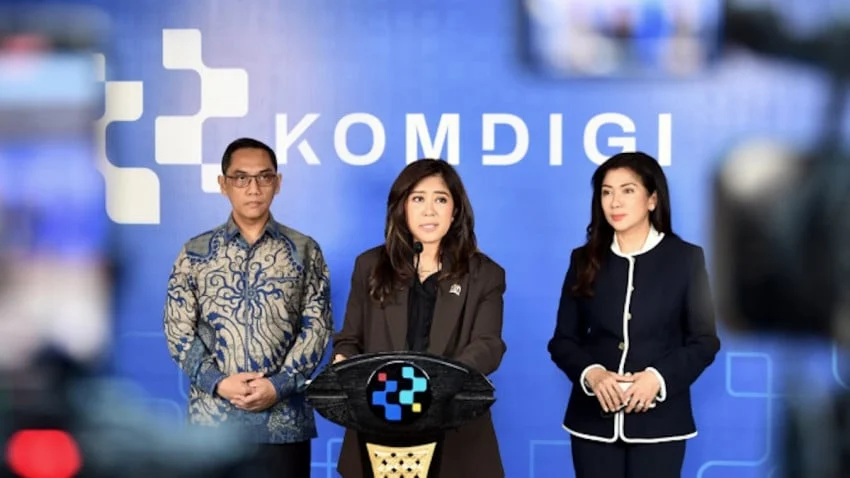
JAKARTA, Indonesia – In a significant move that underscores the Indonesian government’s intensifying focus on digital governance, TikTok has reported the deactivation of approximately 780,000 accounts belonging to users under the age of 16 within Indonesia. This action, revealed by the Ministry of Communication and Digital (Komdigi), marks a critical juncture in the nation’s efforts to establish a more controlled and secure digital landscape, particularly for its younger demographic.

The massive purge of young user accounts on TikTok is not merely a symbolic gesture; it represents the tangible implementation of Indonesia’s newly enacted Government Regulation Number 17 of 2025 concerning the Governance of Electronic System Implementation in Child Protection (PP TUNAS). This regulation, designed to bolster the safety of children in the online realm, mandates stringent measures for digital platforms operating within the archipelago.

Minister of Communication and Digital, Meutya Hafid, officially announced the figures on April 10, 2026, detailing TikTok’s proactive compliance. "We note that TikTok is the first platform to report that as of April 10, 2026, it has deactivated 780,000 accounts of children under 16 years of age for Indonesia," stated Minister Hafid during a press conference held in Jakarta. This statement positions TikTok as a frontrunner in adapting to Indonesia’s evolving digital regulatory framework.

The government views this move as an initial demonstration of adherence to the new regulations, which explicitly require digital platforms to safeguard minors from the myriad risks inherent in the online environment. These risks range from exposure to inappropriate content and cyberbullying to more severe threats such as online grooming and exploitation. The PP TUNAS aims to create a protective digital ecosystem by imposing clear responsibilities on platform providers.

In response to the regulatory demands, TikTok has reportedly submitted a letter of commitment outlining its adherence to the new rules. The platform has officially established a minimum age of 16 years for user accounts in Indonesia, as detailed within its Help Center. Furthermore, TikTok has pledged to implement regular updates to its child protection systems, indicating a commitment to ongoing improvement and adaptation. This comprehensive approach suggests a recognition by the platform of the gravity of the Indonesian government’s stance on child online safety.

However, the sheer volume of deactivated accounts raises more profound questions beyond mere compliance. While the number is substantial, the true effectiveness of such measures in comprehensively addressing the complex challenges of child online safety remains a subject of ongoing scrutiny. The government and digital safety advocates are keen to ascertain whether this large-scale deactivation is a definitive solution or the beginning of a new set of challenges in the digital protection of Indonesian youth.

A Regulatory Framework Ahead of Industry Adaptation

The PP TUNAS regulation serves as a foundational legal instrument, clearly articulating the obligations of digital platforms. It mandates that these platforms must ensure the safety of child users, encompassing not only age restrictions but also robust controls over user interactions. In practical terms, this regulation compels global platforms to align their operational systems and policies with Indonesia’s specific legal standards.

TikTok’s swift action positions it as a pioneering example of a platform embracing these new mandates. However, the broader industry landscape reveals a less uniform picture. While some platforms may be in the process of adapting, others have yet to demonstrate a comparable level of readiness or proactive engagement. The Indonesian government is actively monitoring the compliance of all digital platforms operating within its jurisdiction.

Komdigi has specifically highlighted Roblox as a platform that is currently not meeting the stipulated requirements. Despite Roblox having implemented global adjustments to its systems, the Indonesian government has identified critical vulnerabilities. A particular concern revolves around features that permit communication, such as chat functionalities, with unknown individuals.

"There are still loopholes that allow communication or chat with unknown individuals," Minister Hafid pointed out. This statement suggests that while some platforms may have addressed general age gating, the nuances of interactive features, which can be exploited by malicious actors, require more rigorous oversight. The government’s stance indicates that compliance is not merely about ticking boxes but about ensuring genuine security for vulnerable users. The presence of such loopholes undermines the very intent of the PP TUNAS, which is to create a secure online environment free from undue risks.

The Digital Landscape Before PP TUNAS: A Growing Concern

Prior to the enactment of PP TUNAS, the digital space in Indonesia, like in many other countries, presented a growing number of concerns regarding child safety. The rapid proliferation of social media platforms and the increasing digital literacy among younger generations meant that children were spending more time online than ever before. While this digital engagement offered educational and social benefits, it also exposed them to a spectrum of potential dangers.

Reports from child protection agencies and NGOs in Indonesia had consistently flagged the risks faced by children online. These included exposure to cyberbullying, which could lead to severe psychological distress; the dissemination of inappropriate content, such as violent imagery or sexually explicit material; and the alarming rise of online grooming, where predators exploit trust to exploit children. The anonymity afforded by the internet made it difficult to track and apprehend offenders, leaving many young victims feeling isolated and without recourse.

The Indonesian government, recognizing this escalating threat, initiated a multi-stakeholder dialogue that eventually led to the development of PP TUNAS. This regulatory framework was born out of a recognition that self-regulation by digital platforms had proven insufficient and that a stronger, legally binding approach was necessary. The government aimed to shift the burden of responsibility towards the platforms themselves, ensuring they invested in robust safety mechanisms.

Timeline of Regulatory Action and Platform Response

The journey towards enhanced child online protection in Indonesia has been a progressive one, culminating in the recent actions.

  • Pre-2025: Ongoing reports and advocacy from child protection organizations highlight the increasing risks faced by Indonesian children online. Discussions and preliminary consultations between the government and digital industry stakeholders begin.
  • Early 2025: The Indonesian government intensifies efforts to draft comprehensive legislation for digital governance and child protection. This period involves extensive research, policy formulation, and engagement with various ministries and expert bodies.
  • Mid-2025: Government Regulation Number 17 of 2025 concerning the Governance of Electronic System Implementation in Child Protection (PP TUNAS) is officially promulgated. This regulation sets out the new legal framework and obligations for digital platforms.
  • Late 2025 – Early 2026: Komdigi begins to formally engage with major digital platforms operating in Indonesia to discuss implementation strategies and compliance timelines for PP TUNAS. Platforms are encouraged to submit letters of commitment and outline their planned adjustments.
  • Early 2026: TikTok reports its initial compliance efforts, including the deactivation of 780,000 accounts belonging to users under 16 in Indonesia. This action is communicated to Komdigi.
  • April 10, 2026: Minister Meutya Hafid publicly announces TikTok’s reported figures and its compliance with the age restriction mandate, highlighting the platform as the first to report such specific action.
  • Ongoing: Komdigi continues to monitor the compliance of other digital platforms. The ministry identifies specific areas of concern, such as Roblox’s continued allowance of communication with unknown individuals, indicating that enforcement and further dialogue will be necessary.

This timeline illustrates a deliberate and structured approach by the Indonesian government to address a pressing societal issue. The rapid reporting from TikTok suggests that some platforms were either prepared for such regulations or were able to adapt their systems relatively quickly.

Supporting Data and International Context

The Indonesian government’s move aligns with a growing global trend of increased digital regulation, particularly concerning the welfare of children. Similar regulatory frameworks and legislative actions have been observed in other major economies, reflecting a shared concern over the potential harms of the digital world for young people.

For instance, the European Union’s Digital Services Act (DSA) and the United Kingdom’s Online Safety Bill impose significant obligations on online platforms to protect users, especially children, from harmful content and illegal activities. These regulations often include measures for age verification, content moderation, and transparency in algorithmic design.

In terms of specific data, while exact figures for child online engagement in Indonesia are still being consolidated, estimates suggest that a significant portion of the country’s rapidly growing internet user base consists of young people. Indonesia has one of the largest youth populations in the world, with a substantial percentage of them being active social media users. A 2023 report by We Are Social and Meltwater indicated that over 70% of Indonesia’s population uses the internet, and a considerable segment of this usage is driven by younger demographics accessing platforms like TikTok, Instagram, and YouTube.

The deactivation of 780,000 accounts, while substantial, represents a fraction of the total number of young users on TikTok. However, it signifies a clear intent by the platform to enforce age restrictions as mandated by Indonesian law. The effectiveness of these restrictions will be measured not only by the number of accounts deactivated but also by the ongoing ability of platforms to prevent underage users from re-registering or circumventing these measures.

Broader Implications and Future Challenges

The proactive stance taken by the Indonesian government, exemplified by the PP TUNAS and the subsequent enforcement actions, carries significant implications for both the digital industry and society at large.

For Digital Platforms: This regulatory push signals a new era of accountability for digital platforms operating in Indonesia. Companies will need to invest more heavily in child protection technologies, robust age verification systems, and transparent reporting mechanisms. Failure to comply could result in substantial penalties, reputational damage, and potential restrictions on their operations within the country. The need for localized compliance, as seen with TikTok’s specific action in Indonesia, means that global platforms must tailor their policies to meet diverse national regulatory requirements.

For Indonesian Children and Parents: The regulation offers a promise of a safer online environment. By enforcing age limits and requiring better content moderation, the government aims to reduce children’s exposure to harmful content and predatory behaviors. However, the challenge of effective enforcement and the constant evolution of online threats mean that vigilance from parents and educators remains crucial. The digital literacy of children and their awareness of online risks are equally important components of comprehensive child protection.

For Digital Governance in Indonesia: The successful implementation of PP TUNAS could serve as a model for other regulatory initiatives in Indonesia’s digital space. It demonstrates a governmental willingness to take a firm hand in shaping the digital landscape to align with national values and protect its citizens. This approach may encourage similar regulatory frameworks in other areas, such as data privacy, cybersecurity, and the spread of misinformation.

Despite the positive developments, several challenges lie ahead. The technical feasibility of perfectly verifying user ages remains a complex issue, as sophisticated methods can be employed to falsify age information. Furthermore, the constant evolution of online trends and new platforms requires continuous adaptation of regulatory measures. The government will need to remain agile and responsive to emerging threats.

Another significant challenge is the potential for unintended consequences. For instance, overly restrictive measures could inadvertently limit access to educational or beneficial online resources for young people. Striking the right balance between protection and freedom of access is a delicate act.

The case of Roblox highlights the need for a granular approach to platform compliance. It is not enough to simply implement broad age restrictions; specific features and their potential for misuse must be thoroughly assessed and regulated. The government’s commitment to identifying and addressing these "loopholes" is crucial for the genuine effectiveness of the PP TUNAS.

In conclusion, the deactivation of 780,000 child accounts on TikTok is a powerful indicator of Indonesia’s assertive approach to digital governance and child online safety. As the nation navigates this evolving digital terrain, the effectiveness of PP TUNAS will be continuously tested and refined, requiring ongoing collaboration between the government, digital platforms, and civil society to ensure a safer and more secure digital future for Indonesian youth.

November 15, 2025 0 comment
0 FacebookTwitterPinterestEmail
Technology

BenQ Indonesia Launches MA Series Monitors, Offering Enhanced Visual Experiences for MacBook Users

by Nana Muazin November 14, 2025
written by Nana Muazin

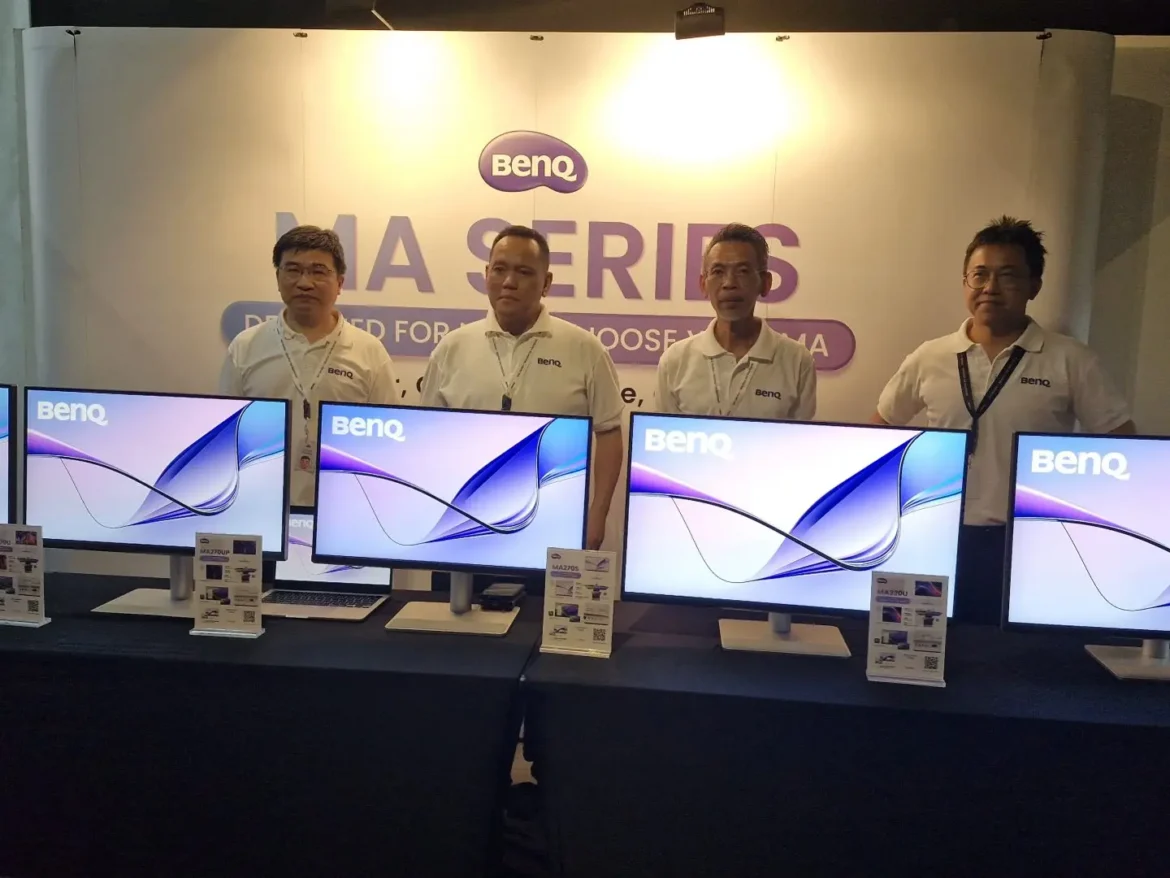
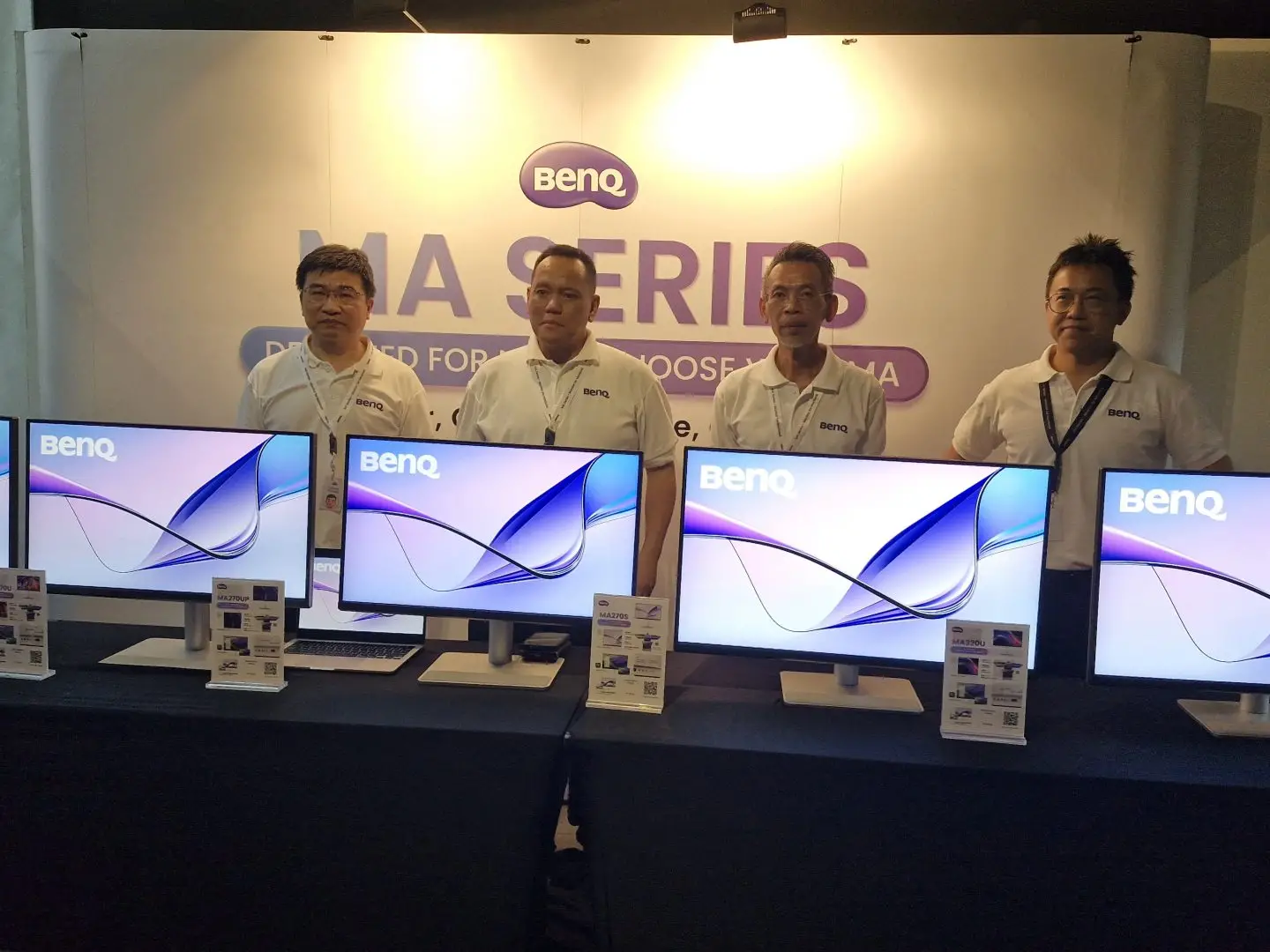
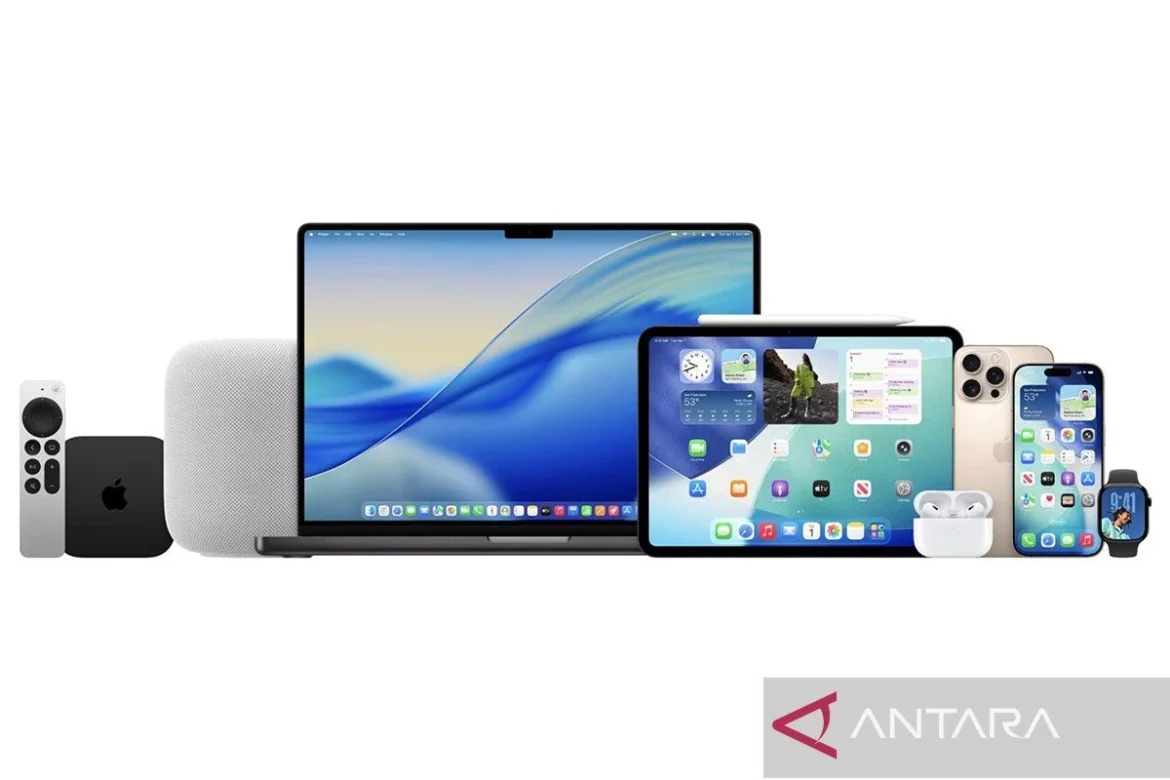
BenQ Indonesia officially unveiled its comprehensive MA Series monitor lineup in Jakarta on April 15, 2026, targeting a specific segment of the market: MacBook users seeking seamless visual continuity and expanded workspace. This new series is meticulously engineered to complement the Apple ecosystem, offering a range of models with diverse specifications in size, resolution, and panel technology, all designed to cater to the varied professional and creative demands of modern users. The launch signifies BenQ’s strategic move to solidify its presence in the premium monitor segment, particularly by addressing the unique needs of a user base known for its emphasis on design, performance, and user experience.

The introduction of the MA Series is timely, given the increasing reliance on external displays for productivity and creative workflows among MacBook users. As Apple continues to refine its MacBook Pro and MacBook Air lines, the demand for complementary peripherals that match the aesthetic and technical standards of these devices has grown. BenQ’s initiative to provide a dedicated series addresses this demand head-on, aiming to bridge the gap between the portability of a laptop and the immersive, expansive capabilities of a desktop-class display. The company has positioned the MA Series as an indispensable tool for professionals across various disciplines, including graphic designers, video editors, photographers, software developers, and general productivity users who value color accuracy, detail, and visual comfort.

A Diverse Lineup to Meet Varied Needs

The BenQ MA Series distinguishes itself through its multifaceted approach to display technology, offering distinct models tailored to specific use cases. At the foundational level, the MA270U and MA320U models present a compelling combination of 4K resolution and BenQ’s proprietary Nano Matte panel technology. This advanced panel finish is specifically designed to mitigate glare and reflections, significantly enhancing viewing comfort, especially in brightly lit environments or near windows. For users who spend extended hours in front of their screens, this reduction in eye strain is a critical factor, promoting sustained productivity and well-being. The matte finish ensures that colors remain true and details are discernible without the distracting interference of ambient light, making these models ideal for general office work, programming, and everyday computing tasks where visual clarity is paramount.

Monitor BenQ MA Series Meluncur di Indonesia, Teman Pas Buat Pengguna MacBook! • Jagat Review

Expanding on this foundation, the MA270UP and MA320UP models also boast 4K resolution but feature a Nano Gloss panel. This alternative surface treatment is engineered to deliver vibrant colors and deeper contrast ratios, resulting in a more dynamic and visually impactful image. The Nano Gloss panels are particularly suited for creative professionals who require precise color reproduction and a heightened sense of depth in their visuals. This includes tasks such as photo editing, graphic design, and video post-production, where the subtle nuances of color and contrast can make a significant difference in the final output. The vivid and lifelike display offered by these gloss panels helps users bring their creative visions to life with greater accuracy and impact.

For users demanding the pinnacle of detail and expansive workspace, BenQ has introduced the MA270S model, featuring a remarkable 5K resolution. This ultra-high resolution provides an exceptional level of detail, closely emulating the crispness and clarity of Apple’s renowned Retina Display technology. The 5K resolution effectively broadens the digital canvas without compromising sharpness, a crucial advantage for professionals working with high-resolution content, complex design layouts, or intricate data visualization. This increased screen real estate allows for more efficient multitasking and a more immersive viewing experience, enabling designers and content creators to work with greater precision and less need for constant zooming and panning.

Further diversifying the series, the MA320UG model introduces a heightened focus on motion clarity with its 120Hz refresh rate. This elevated refresh rate ensures exceptionally smooth visual transitions, whether users are scrolling through lengthy documents, navigating complex software interfaces, or engaging in fast-paced applications. For individuals accustomed to the fluid motion offered by Apple’s ProMotion technology on their iPads and some MacBook models, the 120Hz display provides a familiar and highly responsive user experience. This feature is particularly beneficial for users who prioritize a seamless and lag-free interaction with their digital environment, enhancing overall workflow efficiency and user satisfaction.

Strategic Alignment with the Apple Ecosystem

BenQ’s strategic decision to focus on MacBook users is underpinned by a deep understanding of the Apple ecosystem’s user base. MacBook users often prioritize a premium aesthetic, robust performance, and a cohesive user experience. The MA Series monitors are designed to integrate seamlessly with MacBooks, not just visually through their sleek design, but also functionally through features like color calibration and connectivity options that are optimized for macOS. The emphasis on high resolutions, color accuracy, and advanced panel technologies directly aligns with the expectations of users who invest in Apple hardware for its perceived quality and performance.

Monitor BenQ MA Series Meluncur di Indonesia, Teman Pas Buat Pengguna MacBook! • Jagat Review

The choice of display technologies, such as Nano Matte and Nano Gloss panels, reflects a commitment to addressing common pain points for digital professionals. Glare reduction from Nano Matte panels is crucial for prolonged use in varied lighting conditions, while the vibrant color reproduction of Nano Gloss panels caters to the demands of color-critical work. Furthermore, the inclusion of 5K resolution and 120Hz refresh rates positions these monitors as high-end peripherals capable of meeting the most demanding professional requirements, thereby enhancing the overall productivity and creative output of MacBook users.

Background and Context of the Launch

The launch event, held in Jakarta on April 15, 2026, marks a significant milestone in BenQ’s product roadmap for the Indonesian market. The company has consistently demonstrated a commitment to innovation in display technology, and the MA Series represents a targeted effort to capture a specific, high-value segment of the consumer and professional electronics market. Indonesia, with its burgeoning digital economy and a growing population of creative professionals and tech-savvy consumers, presents a fertile ground for such specialized product launches.

The timing of the launch also suggests a proactive approach by BenQ to anticipate and meet evolving market demands. As remote work and hybrid work models become increasingly prevalent, the need for high-quality home and office setups that enhance productivity and well-being has intensified. External monitors play a pivotal role in such setups, and BenQ’s MA Series aims to provide a premium solution that complements the user experience of MacBook owners.

Chronology of Development and Release

While specific details of the development timeline are proprietary, the introduction of the MA Series in 2026 indicates a multi-year development cycle. This typically involves extensive research and development into panel technologies, ergonomic design, color calibration algorithms, and user interface enhancements. The subsequent rollout across various markets, starting with a key launch in Indonesia, signifies a phased market penetration strategy. BenQ’s historical approach to product launches suggests a careful consideration of regional market dynamics, consumer preferences, and competitive landscapes before a full-scale global release. The Jakarta event serves as the initial public unveiling, paving the way for wider availability and consumer adoption.

Monitor BenQ MA Series Meluncur di Indonesia, Teman Pas Buat Pengguna MacBook! • Jagat Review

Supporting Data and Technical Specifications

The MA Series offers a spectrum of technical specifications designed to appeal to a broad range of users.

  • MA270U & MA320U:
    • Resolution: 4K UHD (3840 x 2160)
    • Panel Type: Nano Matte
    • Size Options: 27-inch and 32-inch
    • Key Feature: Anti-glare, reduced reflections for comfortable viewing in bright environments.
  • MA270UP & MA320UP:
    • Resolution: 4K UHD (3840 x 2160)
    • Panel Type: Nano Gloss
    • Size Options: 27-inch and 32-inch
    • Key Feature: Enhanced color vibrancy and deeper contrast for creative applications.
  • MA270S:
    • Resolution: 5K (5120 x 2880)
    • Panel Type: Implied to be high-quality, potentially Nano Gloss or similar, for maximum detail.
    • Size: 27-inch
    • Key Feature: Near Retina Display quality, expansive workspace with superior detail.
  • MA320UG:
    • Resolution: Typically 4K UHD (3840 x 2160), though specific resolution for this variant was not detailed in the initial announcement.
    • Refresh Rate: 120Hz
    • Size: 32-inch
    • Key Feature: Smoother motion for dynamic content and fluid user interface interaction.

The pricing strategy for the MA Series reflects its premium positioning and advanced features. The 27-inch models are slated to range from approximately IDR 9 million to IDR 23 million (USD $550 – $1400), while the 32-inch variants will be priced between IDR 12 million and IDR 27 million (USD $730 – $1650). These price points are competitive within the high-end monitor market and are indicative of the technologies and performance offered, particularly for users who require professional-grade displays.

Inferred Reactions and Industry Implications

The introduction of the BenQ MA Series is likely to be met with significant interest from the MacBook user community and technology reviewers. Industry analysts suggest that this move by BenQ could put pressure on other monitor manufacturers to enhance their offerings for macOS users, potentially leading to further innovation in color accuracy, resolution, and feature sets across the market. The emphasis on specific panel technologies like Nano Matte and Nano Gloss also highlights a growing trend towards user-centric display design, where environmental factors and specific task requirements dictate the optimal screen finish.

For Apple, while the company maintains its own display offerings, third-party manufacturers like BenQ play a crucial role in expanding the ecosystem and providing users with more choice and specialized solutions. The success of the MA Series could further solidify BenQ’s reputation as a leading provider of professional-grade displays and potentially influence future product development cycles for both BenQ and its competitors. The company’s proactive approach in identifying and catering to the needs of specific user demographics demonstrates a keen market awareness and a commitment to delivering tailored solutions.

Monitor BenQ MA Series Meluncur di Indonesia, Teman Pas Buat Pengguna MacBook! • Jagat Review

The broader implications of this launch extend to the professional creative industries. As these fields increasingly adopt high-resolution workflows and demand greater visual fidelity, the availability of monitors like the MA Series becomes critical. The ability to achieve accurate color representation and maintain visual consistency across devices is paramount for professionals whose livelihoods depend on the quality of their digital output. BenQ’s MA Series, with its diverse specifications, aims to empower these professionals by providing tools that enhance their creative capabilities and streamline their workflows.

In conclusion, the BenQ MA Series launch represents a strategic and well-timed entry into a specialized market segment. By offering a comprehensive range of monitors designed with MacBook users in mind, BenQ is poised to capture a significant share of this discerning demographic. The series’ focus on visual continuity, advanced panel technologies, and diverse resolutions underscores BenQ’s commitment to delivering high-performance display solutions that cater to the evolving needs of modern digital professionals. The availability of these monitors across various channels in Indonesia provides users with immediate access to enhanced visual experiences, marking a new chapter in the collaboration between hardware manufacturers and the ever-growing community of Apple device enthusiasts.

November 14, 2025 0 comment
0 FacebookTwitterPinterestEmail
Technology

Government Prepares Creative Talents to Master AI Through Badan Ekraf Digital Talent Scholarship

by Ammar Sabilarrohman November 12, 2025
written by Ammar Sabilarrohman

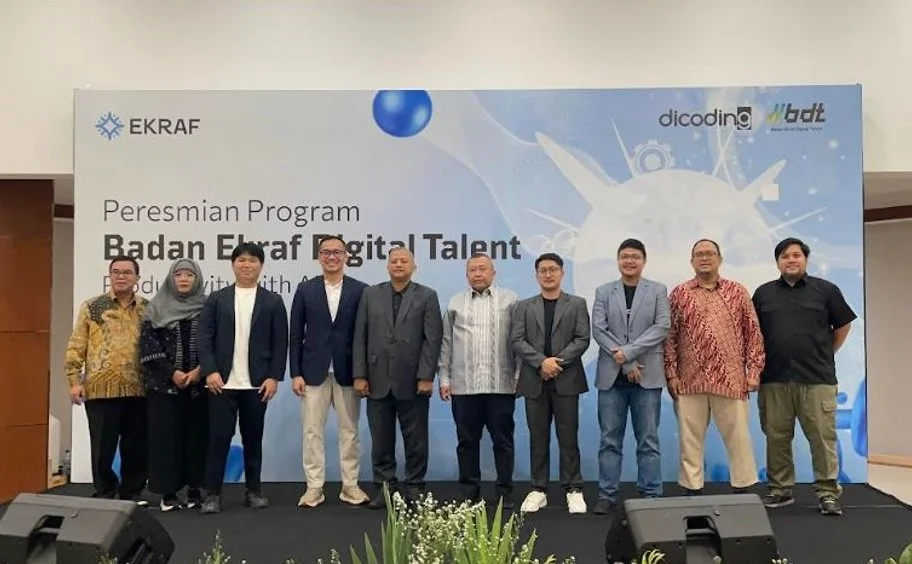
The Indonesian government, through its Ministry of Creative Economy/Creative Economy Agency (Bekraf), has launched a significant initiative aimed at equipping its creative workforce with cutting-edge Artificial Intelligence (AI) skills. The "Badan Ekraf Digital Talent (BDT) 2026" scholarship program underscores a strategic commitment to fostering a new generation of creative professionals adept at leveraging AI to enhance productivity and drive economic growth. This program, developed in partnership with Dicoding Indonesia, is poised to address the growing demand for digitally skilled individuals and bridge the existing talent and skill gaps within the nation’s burgeoning creative industries.

The launch of the BDT 2026 program signifies a proactive approach by the Indonesian government to ensure its creative economy remains competitive in the rapidly evolving global landscape. With AI transforming industries worldwide, the ability to integrate these advanced technologies into creative processes is no longer a luxury but a necessity. The program’s emphasis on self-paced online learning, utilizing a global standard curriculum developed by Dicoding, suggests a flexible and accessible approach to upskilling a diverse range of creative professionals across the archipelago.

Addressing the Skill and Talent Gap with AI

Muhammad Neil El Himam, Deputy for Digital Creativity and Technology at the Ministry of Creative Economy, articulated the core objectives of the BDT 2026 program during its unveiling at the Film Building Auditorium in Jakarta on Tuesday, April 14, 2026. He emphasized that the program is specifically designed to tackle the persistent issues of skill and talent gaps. "The Badan Ekraf Digital Talent program is designed to address the skill gap and talent gap, while simultaneously ensuring that participants possess competencies aligned with technological advancements, including AI," Himam stated.

This initiative is a direct response to the growing recognition that AI is not merely a tool for technological advancement but a transformative force that can unlock new levels of creativity and efficiency within the creative sector. By providing targeted training in AI, the government aims to empower individuals to harness its potential for tasks ranging from content creation and design to data analysis and personalized user experiences. This, in turn, is expected to lead to increased output, innovation, and a stronger competitive edge for Indonesian creative products and services on the international stage.

A Strategic Partnership for Digital Empowerment

The collaboration with Dicoding Indonesia, a prominent platform for digital skills development, is a cornerstone of the BDT 2026 program. Dicoding’s expertise in curriculum development and its proven track record in delivering impactful digital training programs make it an ideal partner for this ambitious endeavor. The program’s theme, "Productivity with AI Bootcamp," clearly signals its focus on practical application and tangible outcomes.

The partnership builds upon a long-standing relationship between Bekraf and Dicoding, which, according to Dicoding CEO Narendra Wicaksono, has already yielded significant economic benefits. Since 2016, their collaborations have reportedly generated an economic impact of IDR 306 billion, facilitated 15,168 IT certifications, and strengthened the skills of 215,000 digital talents. This established history of success provides a strong foundation and considerable optimism for the BDT 2026 program’s potential to achieve even greater results.

The National Imperative for AI Upskilling

The BDT 2026 program aligns with broader national strategies for digital transformation and economic development. The "White Paper on the National AI Roadmap 2025" highlights a critical need for human capital development in the field of AI. According to the paper, a substantial 36% of Indonesia’s workforce requires new training, with 30% needing upskilling and 22% necessitating comprehensive retraining. This data underscores the urgency and scale of the challenge the government is seeking to address through initiatives like the BDT 2026 scholarship.

The creative economy, encompassing 17 diverse subsectors ranging from advertising and architecture to fashion and gaming, is recognized as a significant engine for economic growth in Indonesia. By equipping these sectors with AI proficiency, the government anticipates a ripple effect that will boost productivity, foster innovation, and create new economic opportunities. The goal is to transform Indonesia into a regional leader in AI adoption and utilization for productivity enhancement.

A Vision for AI-Powered Creative Leadership

Narendra Wicaksono, CEO of Dicoding, expressed his confidence in Indonesia’s potential to emerge as a leader in AI-driven productivity across Southeast Asia. He stated, "With all the potential Indonesia possesses, we can become a leader in Southeast Asia in accelerating AI capabilities for productivity. We sincerely hope that BDT 2026 can produce creative talents who are superior and competitive in AI mastery, thereby becoming more productive in their work to advance Indonesia’s 17 creative economy subsectors."

This vision extends beyond mere technological adoption; it aims to cultivate a generation of creative professionals who can strategically integrate AI into their workflows to produce higher quality, more innovative, and commercially successful outputs. The program’s focus on "productivity" suggests a practical approach, emphasizing how AI can streamline processes, automate repetitive tasks, and augment human creativity, ultimately leading to greater economic value.

Broader Implications for Indonesia’s Digital Future

The BDT 2026 scholarship program represents a strategic investment in Indonesia’s digital future. By prioritizing the development of AI talent within the creative economy, the government is not only bolstering a key economic sector but also laying the groundwork for broader digital transformation across the nation. The implications are far-reaching:

  • Enhanced Competitiveness: Indonesian creative products and services will be better positioned to compete on the global stage as creators become proficient in utilizing advanced AI tools for design, content creation, marketing, and more.
  • Economic Diversification: The program supports the government’s ambition to diversify the economy and reduce reliance on traditional industries by fostering growth in high-value, technology-driven sectors.
  • Job Creation and Skill Development: By equipping individuals with in-demand AI skills, the program aims to create new job opportunities and ensure the existing workforce remains relevant in an evolving job market.
  • Innovation and Entrepreneurship: A more skilled and AI-literate creative workforce is likely to foster greater innovation and entrepreneurship, leading to the development of new creative businesses and solutions.
  • Bridging the Digital Divide: While the program focuses on creative professionals, the principles of digital upskilling and AI literacy are crucial for broader societal progress and can potentially inform future initiatives aimed at a wider audience.

The success of the BDT 2026 program will depend on effective implementation, continuous evaluation, and sustained government commitment. However, the initiative clearly signals Indonesia’s proactive stance in embracing the AI revolution and its determination to empower its citizens to thrive in the digital age. The focus on creative talent underscores the understanding that human ingenuity, augmented by advanced technology, is the key to unlocking future economic prosperity. The government’s investment in the Badan Ekraf Digital Talent scholarship is a testament to its foresight and its dedication to cultivating a future-ready workforce capable of driving innovation and economic growth in the 21st century.

November 12, 2025 0 comment
0 FacebookTwitterPinterestEmail
Technology

Finnet Indonesia Launches Finpay Link to Revolutionize Digital Payment Transactions

by Reynand Wu November 11, 2025
written by Reynand Wu

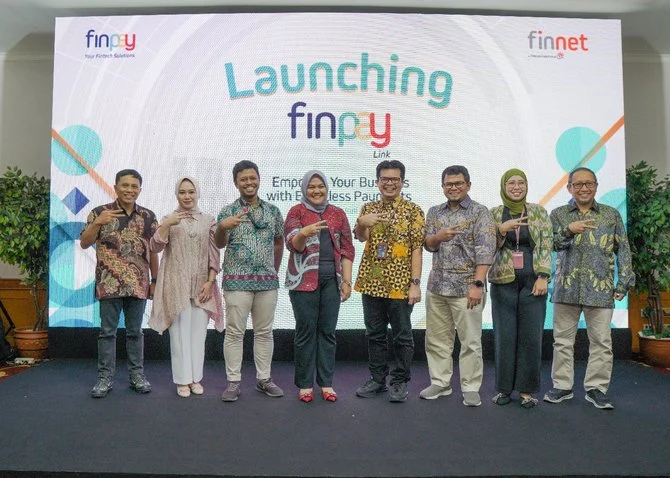
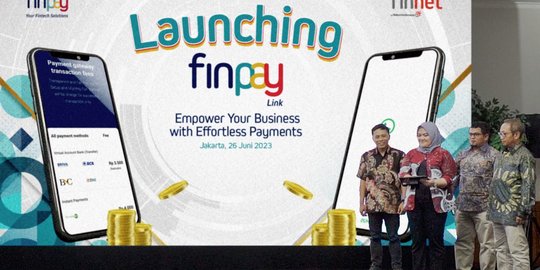
Finnet Indonesia, a prominent subsidiary of PT Telkom Indonesia (Persero) Tbk (Telkom), has unveiled an innovative payment gateway solution named Finpay Link, marking a significant stride in its mission to enhance digital financial services and foster financial inclusion across Indonesia. This groundbreaking product aims to simplify and streamline payment transactions for businesses and individuals alike, eliminating the need for complex integrations and dedicated point-of-sale hardware. The launch signifies Finnet’s commitment to providing accessible and flexible digital payment solutions in line with Telkom’s broader national digitalization agenda.

The Genesis of Finpay Link: Addressing Industry Challenges

The strategic impetus behind the development of Finpay Link stems from a keen observation of the existing landscape within the billing and payment industry. Irena Aldanituti, Director of Enterprise Business at Finnet Indonesia, articulated the core rationale during the product’s launch event. "If we look at the current billing industry, it already has its own aggregators, making it difficult to compete in the billing business. This is further compounded by channel dependencies," Aldanituti explained. "From this perspective, my idea emerged to create an invoice solution that is independent of channels, meaning we establish our own channels." This vision directly addresses a critical pain point for many businesses, particularly small and medium-sized enterprises (SMEs), who often face significant technical and financial hurdles in integrating robust payment systems.

The traditional approach to digital payments often necessitates substantial investment in payment gateway integration, requiring developers to modify existing systems or implement new ones. For businesses with limited technical resources, this can be a prohibitive barrier. Furthermore, the reliance on physical point-of-sale terminals limits transaction capabilities to specific locations, hindering the ability to conduct business seamlessly across various digital touchpoints. Finpay Link is engineered to circumvent these obstacles, offering a web-based solution that can be easily shared across a multitude of digital platforms.

Finpay Link: A Unified and Accessible Payment Solution

At its core, Finpay Link is a unique web link or URL generated by the Finpay system. This dynamic link acts as a direct conduit for facilitating payment transactions, offering a remarkably user-friendly experience. Businesses can generate these links for their invoices or payment requests and distribute them effortlessly via email, WhatsApp, Telegram, Instagram, Line, and other popular social media channels. This broad accessibility ensures that customers can complete their payments conveniently from wherever they are, using their preferred communication method.

The flexibility of Finpay Link extends to the diverse payment options it supports. Leveraging the comprehensive Finpay Payment Gateway, users can choose from a wide array of payment methods, including bank transfers, virtual accounts, e-wallets, credit cards, and potentially other emerging payment solutions. This multi-modal payment capability significantly enhances the customer experience, reducing cart abandonment rates and improving overall transaction success.

For businesses, the implications of adopting Finpay Link are substantial. By removing the need for dedicated payment gateway integration or physical POS terminals, Finnet empowers businesses of all sizes to offer sophisticated payment functionalities without significant upfront investment or technical expertise. This democratization of digital payment tools is crucial for fostering a more inclusive digital economy. The ability to share payment links across digital touchpoints is expected to lead to a tangible improvement in collection rates, as it simplifies the payment process for customers and reduces the friction associated with traditional invoicing and payment collection methods.

The Launch Event: A Strategic Partnership and Vision

The official unveiling of Finpay Link took place at the Serbaguna Menara Bidakara 1 in Jakarta. The event was graced by key figures from both Finnet Indonesia and its strategic partner, OCA Indonesia. Attendees included Irena Aldanituti, Director of Enterprise Business at Finnet Indonesia; Rizki Prima Sakti, CEO of OCA Indonesia; and Tiffani Krisnandya, CMO of OCA Indonesia, alongside other esteemed guests and industry stakeholders. The presence of OCA Indonesia highlights a collaborative approach, underscoring the synergy between different entities in the fintech ecosystem to drive innovation and adoption.

Finnet Indonesia, Anak Usaha Telkom Luncurkan Finpay Link | merdeka.com

The partnership with OCA Indonesia, a company likely involved in digital solutions and customer engagement platforms, suggests a strategic alignment to maximize the reach and impact of Finpay Link. This collaboration could involve integrating Finpay Link into OCA’s existing services or jointly developing promotional strategies to introduce the solution to a wider market. Such partnerships are instrumental in accelerating the adoption of new technologies by leveraging established networks and user bases.

Finnet’s Broader Vision: Accelerating Financial Inclusion

Finnet Indonesia’s commitment to innovation through Finpay Link is intrinsically linked to its overarching vision. The company aspires to become the preferred digital financial services company, playing a pivotal role in accelerating financial inclusion across Indonesia. This mission is deeply aligned with Telkom Indonesia’s national mandate to support and drive the digitalization of the nation. By providing accessible and user-friendly digital payment solutions, Finnet aims to bring more individuals and businesses into the formal financial system, empowering them with the tools to participate more actively in the digital economy.

The Indonesian government has consistently emphasized the importance of digital transformation and financial inclusion as key pillars for economic growth and development. Initiatives like the National Strategy for Financial Inclusion aim to reduce the number of unbanked and underbanked populations by leveraging technology. Finpay Link, with its emphasis on ease of use and broad accessibility, directly contributes to these national objectives. It provides a bridge for businesses and individuals who may have previously been excluded from the digital payment ecosystem due to technical or financial barriers.

Supporting Data and Market Context

The demand for digital payment solutions in Indonesia has surged in recent years, driven by increasing internet penetration, the widespread adoption of smartphones, and a growing preference for contactless transactions. According to data from Statista, the digital payment market in Indonesia is projected to grow significantly, with the transaction volume expected to reach substantial figures in the coming years. This burgeoning market presents a fertile ground for innovative solutions like Finpay Link.

The COVID-19 pandemic further accelerated the adoption of digital payments globally and in Indonesia. Businesses were compelled to adopt online sales channels and digital payment methods to maintain operations, leading to a sustained shift in consumer behavior. Finpay Link is well-positioned to capitalize on this trend, offering a solution that caters to the evolving needs of businesses seeking to operate effectively in a digital-first environment.

Furthermore, the growth of e-commerce and the gig economy in Indonesia also presents a significant opportunity. Freelancers, small online retailers, and service providers can leverage Finpay Link to easily collect payments from their clients without the complexities of setting up traditional merchant accounts. This empowers a new generation of entrepreneurs and freelancers, contributing to economic diversification and job creation.

Implications and Future Outlook

The introduction of Finpay Link is expected to have several significant implications for the Indonesian fintech landscape:

  • Increased Accessibility: Businesses, particularly SMEs, will gain easier access to sophisticated payment processing capabilities, leveling the playing field and enabling them to compete more effectively.
  • Enhanced Financial Inclusion: By simplifying digital payments, Finpay Link can onboard more individuals and small businesses into the digital financial ecosystem, fostering greater financial inclusion.
  • Improved Collection Rates: The convenience and flexibility of Finpay Link are anticipated to boost collection efficiency for businesses, leading to improved cash flow and operational stability.
  • Innovation in Payment Solutions: Finpay Link represents a step forward in the evolution of payment solutions, moving towards more integrated and user-centric digital experiences.
  • Strengthened Digital Ecosystem: As a Telkom Indonesia subsidiary, Finnet’s initiatives like Finpay Link contribute to Telkom’s broader strategy of building a robust and comprehensive digital ecosystem in Indonesia.

The success of Finpay Link will likely depend on several factors, including its pricing model, marketing strategies, and the continuous evolution of its features to meet the dynamic demands of the market. As Finnet continues to innovate and expand its service offerings, Finpay Link is poised to become a vital component in Indonesia’s ongoing journey towards a fully digitalized economy. The company’s commitment to providing accessible, flexible, and secure payment solutions underscores its ambition to be a leader in shaping the future of digital finance in the archipelago. The partnership with OCA Indonesia further signals a strategic approach to market penetration and customer engagement, suggesting a well-rounded strategy for the product’s long-term success. The integration of Finpay Link into the broader Telkom Indonesia digital strategy reinforces its potential to become a ubiquitous payment solution, driving both commercial success and societal impact through enhanced financial inclusion.

November 11, 2025 0 comment
0 FacebookTwitterPinterestEmail
Technology

Advanced Missile Decoy Technology Discovered in Iraq Underscores Growing Importance of Electronic Warfare

by Asep Darmawan November 9, 2025
written by Asep Darmawan

The recent discovery of a sophisticated American-made missile decoy system, identified as the AN/ALE-50, in Iraq has cast a spotlight on the increasingly critical role of electronic warfare (EW) in modern aerial combat operations. The presence of this advanced technology, designed to protect aircraft from surface-to-air missiles (SAMs), highlights the ongoing technological race between offensive and defensive military capabilities and underscores the strategic importance of maintaining superiority in the electromagnetic spectrum.

Unveiling the AN/ALE-50: A Sophisticated Defense Mechanism

According to reports from Defence Blog, the recovered device, the AN/ALE-50, is a towed decoy system. Its primary function is to deceive radar-guided missiles, specifically those employing radar homing technology, by emitting false or amplified radar signals that mimic those of the host aircraft. This sophisticated electronic countermeasure (ECM) is designed to lure incoming threats away from the protected aircraft, thereby significantly enhancing survivability in contested airspace.

The images circulating online depict the AN/ALE-50 in a remarkably intact state, found in the Al-Hafa region of Iraq following an aerial engagement. The markings and construction visible on the recovered unit are consistent with American manufacturing standards and the established architecture of the AN/ALE-50 system. This suggests a successful deployment and, potentially, a near-miss scenario where the decoy was deployed but the aircraft evaded the missile.

How the AN/ALE-50 Works: A Ballet of Deception

The AN/ALE-50 operates as a crucial component of a broader electronic warfare suite. It is deployed from the aircraft via a fiber optic cable, allowing it to trail behind at a designated distance. This strategic positioning is vital for its effectiveness. The decoy unit then actively transmits electromagnetic signals. These signals can be programmed to replicate the radar signature of the aircraft it is protecting, or to generate stronger, more attractive signals that would typically draw the attention of a radar-guided missile’s seeker.

When a radar-guided missile locks onto its target, the AN/ALE-50’s deceptive emissions create a more compelling "target" than the actual aircraft. This misdirection forces the missile to alter its trajectory and home in on the decoy instead. This allows the pilot of the protected aircraft to take evasive maneuvers or to continue with their mission without the immediate threat of a direct hit. The system essentially creates a ghost target, a phantom for the missile to pursue, thus buying invaluable time and space for the pilot to escape or engage the threat.

Background and Context: The Evolving Threat Landscape

The deployment and subsequent discovery of the AN/ALE-50 in Iraq are not isolated incidents but rather indicative of a broader trend in modern warfare. The proliferation of advanced surface-to-air missile systems by various state and non-state actors has made operating aircraft in hostile territories increasingly perilous. These systems, often incorporating sophisticated radar technology, pose a significant threat to air superiority and operational freedom.

The development of effective electronic warfare capabilities, such as the AN/ALE-50, has become a strategic imperative for air forces worldwide. The ability to counter these threats through non-kinetic means – that is, without firing weapons – offers a distinct advantage. It allows for the continuation of missions, the protection of valuable assets and personnel, and the avoidance of collateral damage that might be associated with direct kinetic engagements against missile launch sites.

The AN/ALE-50 system itself has been in service with the U.S. military for several years, integrated into a wide range of combat aircraft, including fighter jets like the F/A-18 Super Hornet, F-15 Eagle, and various other platforms. Its consistent presence in operational theaters signifies its proven effectiveness and its continued relevance in the face of evolving SAM technologies.

Chronology of Events and Potential Scenarios

While a precise timeline of the event leading to the discovery of the AN/ALE-50 in Al-Hafa, Iraq, has not been publicly detailed, the typical operational use of such a system suggests a plausible sequence of events:

  1. Mission Initiation: An aircraft equipped with an AN/ALE-50 system is conducting an air operation over or near Iraqi airspace.
  2. Threat Detection: The aircraft’s radar warning receivers (RWR) detect an incoming radar lock from a surface-to-air missile system.
  3. Decoy Deployment: In response to the threat, the pilot or an automated system deploys the AN/ALE-50 towed decoy.
  4. Missile Engagement: The deployed decoy begins emitting deceptive signals.
  5. Missile Diversion: The incoming missile’s radar seeker locks onto the decoy, diverting its trajectory.
  6. Aircraft Evasion: The pilot of the protected aircraft executes evasive maneuvers.
  7. Missile Impact (Decoy): The missile likely detonates upon reaching the decoy or detonates prematurely due to the electronic jamming.
  8. Decoy Recovery: The AN/ALE-50, or remnants thereof, falls to the ground in the Al-Hafa region.
  9. Discovery: The device is subsequently discovered and identified by local forces or intelligence assets.

The fact that the device was found relatively intact suggests that it may not have been destroyed by the missile’s detonation, or that the missile’s guidance system failed to achieve a terminal lock. Alternatively, the missile might have detonated on or near the decoy without destroying it completely, leaving it to fall to the ground.

Supporting Data and Technological Advancements

The AN/ALE-50 is part of a larger family of electronic warfare systems designed to provide comprehensive protection for aircraft. Its technical specifications, while often classified, are known to include advanced signal processing capabilities, a wide range of operating frequencies to counter various radar types, and robust construction to withstand the stresses of deployment and potential impact.

The development of towed decoys represents a significant leap forward from earlier ECM techniques, such as expendable jammers. Towed decoys offer a more persistent and sophisticated form of deception, as they can be actively controlled and modulated to respond to specific threats. This adaptability is crucial in an environment where adversaries are constantly upgrading their missile guidance systems.

According to industry reports, the market for electronic warfare systems is experiencing substantial growth. Projections indicate that the global EW market will continue to expand significantly in the coming years, driven by increasing geopolitical tensions and the need for advanced defense capabilities. This growth is fueled by the development of more sophisticated threats, such as hypersonic missiles and advanced electronic attack capabilities, necessitating a parallel advancement in defensive EW technologies.

Official Responses and Strategic Implications

While there have been no direct official statements from the U.S. Department of Defense regarding the specific discovery in Al-Hafa, the general principles of electronic warfare and the role of systems like the AN/ALE-50 are well-documented and acknowledged. The U.S. military has consistently emphasized the importance of maintaining a technological edge in EW.

The discovery of this technology in Iraq has several strategic implications:

  • Technological Intelligence: The recovery of an AN/ALE-50 provides valuable intelligence to any adversary possessing it. They can study its design, operating principles, and potential vulnerabilities, which could inform their development of countermeasures or improved missile systems.
  • Escalation of the EW Arms Race: The presence of such advanced systems in potential conflict zones underscores the ongoing "EW arms race." Both offensive and defensive capabilities are continuously evolving, creating a dynamic landscape where technological superiority is a constant pursuit.
  • Importance of Air Dominance: This incident reinforces the critical need for air forces to maintain robust electronic warfare capabilities to ensure freedom of action and survivability in contested airspace. Without effective EW, air superiority can be significantly challenged.
  • Counter-proliferation Concerns: The potential for such advanced military technology to fall into the wrong hands, or to be studied by adversaries, raises broader concerns about technological proliferation and its impact on regional and global security.

Broader Impact and the Future of Electronic Warfare

The AN/ALE-50 is just one example of the advanced technologies that constitute modern electronic warfare. The field encompasses a wide array of systems, including jammers, electronic support measures (ESM) for threat detection and analysis, electronic countermeasures (ECM) for active deception, and electronic attack (EA) for disrupting enemy communications and radar systems.

The future of electronic warfare is likely to see even greater integration of artificial intelligence (AI) and machine learning (ML). These technologies can enable EW systems to adapt more rapidly to new threats, optimize their responses in real-time, and conduct more complex forms of deception. The electromagnetic spectrum is becoming an increasingly contested domain, and success in future conflicts will heavily depend on the ability to control and exploit it.

The discovery in Iraq serves as a stark reminder that the technological battlefield is constantly evolving. The AN/ALE-50, a sophisticated guardian of the skies, highlights the intricate dance of technological advancement and adaptation that defines modern military operations, particularly in the critical realm of electronic warfare. As nations continue to invest in advanced missile technologies, the development and deployment of equally sophisticated countermeasures will remain paramount to ensuring national security and projecting power effectively.

November 9, 2025 0 comment
0 FacebookTwitterPinterestEmail
Technology

Apple Unleashes iOS 26.2: A Deep Dive into New Features, Enhanced Security, and Device Compatibility

by Neng Nana November 8, 2025
written by Neng Nana

Apple has officially rolled out its latest operating system update for the iPhone, iOS 26.2, bringing a suite of new functionalities, crucial bug fixes, and significant enhancements to system security. This update aims to provide users with a more robust and optimized mobile experience, reinforcing Apple’s commitment to user privacy and device performance. The release, detailed on Apple’s official support website, marks a significant step in the ongoing evolution of the iPhone’s software ecosystem.

The Journey to iOS 26.2: A Step-by-Step Installation Guide

For iPhone users eager to experience the advancements within iOS 26.2, the update process is designed to be straightforward. Apple emphasizes a few key prerequisites to ensure a smooth transition.

Pre-Update Preparations:

  1. Backup Your Device: Before initiating any major software update, it is highly recommended to back up your iPhone. This can be done wirelessly via iCloud or by connecting your iPhone to a computer using Finder (on Mac) or iTunes (on Windows). A backup safeguards your personal data, including photos, contacts, messages, and app data, against any unforeseen issues during the update process.

  2. Ensure Sufficient Storage Space: iOS updates, while optimized, require a dedicated amount of free storage to download and install successfully. Users are advised to check their available storage by navigating to Settings > General > iPhone Storage. If space is limited, users can offload unused apps, delete old photos and videos, or clear cached data from applications.

  3. Connect to a Stable Wi-Fi Network: Downloading the iOS 26.2 update will consume a considerable amount of data. To avoid exceeding mobile data limits and to ensure a stable and uninterrupted download, it is crucial to connect your iPhone to a reliable Wi-Fi network.

  4. Charge Your iPhone: It is imperative that your iPhone has sufficient battery power, or is connected to a power source, throughout the update process. An interrupted update due to a drained battery can lead to system instability or, in rare cases, render the device inoperable. Apple recommends having at least 50% battery charge.

Installation Steps:

Once these preparations are complete, users can proceed with the installation:

  1. Navigate to Settings: Open the "Settings" app on your iPhone.
  2. Access General Settings: Tap on "General."
  3. Select Software Update: Choose the "Software Update" option.
  4. Download and Install: Your iPhone will check for available updates. If iOS 26.2 is detected, you will see an option to "Download and Install." Tap this button.
  5. Enter Passcode: You may be prompted to enter your iPhone passcode.
  6. Agree to Terms and Conditions: Review and agree to the terms and conditions for the new software.
  7. Wait for Download and Installation: The download process will begin, followed by the installation. Your iPhone will likely restart during this phase. This process can take anywhere from a few minutes to over an hour, depending on your internet speed and the specific iPhone model.
  8. Setup After Update: Once the installation is complete, your iPhone will restart, and you may be guided through a brief setup process, such as signing into your Apple ID or configuring new features.

Alternatively, users can opt for automatic updates by going to Settings > General > Software Update > Automatic Updates and enabling "Download iOS Updates" and "Install iOS Updates." This feature allows the iPhone to download and install updates overnight when connected to Wi-Fi and charging.

Device Compatibility: Ensuring a Broad Reach

Apple’s commitment to providing its latest software advancements to a wide range of its user base is evident in the compatibility of iOS 26.2. All iPhone models currently running iOS 26 are eligible to receive this update. This inclusive approach ensures that a significant portion of the iPhone user community can benefit from the new features and security enhancements.

The update is confirmed to be available for all iPhone models released from 2019 onwards. This encompasses a broad spectrum of devices, from the popular iPhone 11 series through to the most recent iPhone 17 models. Furthermore, the update extends its reach to include the second and third generations of the iPhone SE, demonstrating Apple’s dedication to supporting its more budget-friendly and legacy devices.

The comprehensive list of compatible devices includes:

  • iPhone 11
  • iPhone 11 Pro
  • iPhone 11 Pro Max
  • iPhone 12
  • iPhone 12 mini
  • iPhone 12 Pro
  • iPhone 12 Pro Max
  • iPhone 13
  • iPhone 13 mini
  • iPhone 13 Pro
  • iPhone 13 Pro Max
  • iPhone 14
  • iPhone 14 Plus
  • iPhone 14 Pro
  • iPhone 14 Pro Max
  • iPhone 15
  • iPhone 15 Plus
  • iPhone 15 Pro
  • iPhone 15 Pro Max
  • iPhone 16
  • iPhone 16 Plus
  • iPhone 16 Pro
  • iPhone 16 Pro Max
  • iPhone 17
  • iPhone 17 Plus
  • iPhone 17 Pro
  • iPhone 17 Pro Max
  • iPhone SE (2nd generation)
  • iPhone SE (3rd generation)

This broad compatibility underscores Apple’s strategy of maintaining a consistent user experience and security posture across its device lineup.

Unveiling the Innovations: Key Features of iOS 26.2

While iOS 26.2 may not be characterized as a monumental overhaul, it introduces a collection of functional and user-centric features that enhance the daily utility and personalization of the iPhone. These additions, detailed by sources such as Mac Rumors, focus on improving productivity, customization, and the overall user interface.

1. Enhanced Reminder Functionality with "Urgent Reminders":
A significant highlight of iOS 26.2 is the integration of an alarm system directly within the Reminders app. Through a new option labeled "Urgent Reminders," users can now set alarms that will prominently appear on their iPhone’s lock screen. This feature is particularly useful for critical tasks and appointments, ensuring that important notifications are not missed. The ability to bypass standard notification settings for specific reminders provides a more assertive alert mechanism, designed to capture user attention effectively.

2. Liquid Glass Personalization for Lock Screen:
Personalization continues to be a key focus for Apple, and iOS 26.2 introduces "Liquid Glass" customization for the lock screen. This feature allows users to tailor the appearance of their lock screen with dynamic and visually appealing effects. While the specifics of "Liquid Glass" remain to be fully explored by the user community, it suggests a new level of aesthetic control, potentially offering animated backgrounds or interactive elements that respond to user interaction or system status.

3. Optimized Performance for Apple Services:
iOS 26.2 brings notable improvements to the performance and functionality of several core Apple services, including Apple Music, Podcasts, and Apple Arcade (though Game is mentioned, it likely refers to the broader gaming ecosystem accessible on iOS). These enhancements are expected to translate into a smoother, more responsive experience when engaging with these platforms. For Apple Music users, this might mean faster library loading or improved playback quality. Podcast listeners could see more reliable syncing and navigation. Gamers might benefit from better performance and reduced latency.

4. Advanced Freeform Collaboration with Smart Tables:
The Freeform app, Apple’s digital whiteboard, receives a significant upgrade with the introduction of "smart tables." This new functionality allows users to create tables that automatically adjust their size based on the content they contain. This includes text, images, or documents. The smart resizing feature streamlines the organization of information within Freeform boards, making them more dynamic and easier to manage, especially for collaborative projects.

5. Visual Notification Alerts with Screen Flash:
To provide users with an additional layer of visual feedback, iOS 26.2 introduces a screen flash feature that illuminates the iPhone’s screen when a notification arrives. This is particularly beneficial for users who often keep their devices on silent or in environments where audible alerts might be missed. The pulsing light emanating from the screen serves as a discreet yet noticeable indicator of incoming messages, calls, or app alerts.

6. Enhanced AirDrop Security with Code Verification:
In line with Apple’s unwavering commitment to security and privacy, AirDrop has been fortified with an additional layer of verification through code exchange. This enhancement aims to prevent unauthorized file transfers and bolster the security of the AirDrop protocol. Users may now encounter a more robust authentication process when initiating or accepting AirDrop transfers, ensuring that files are only shared with intended recipients. This move addresses potential vulnerabilities and reinforces the secure nature of Apple’s device-to-device sharing technology.

7. General Bug Fixes and System Optimizations:
Beyond these headline features, iOS 26.2 includes a comprehensive array of bug fixes and under-the-hood optimizations. These are crucial for maintaining the overall stability, performance, and efficiency of the iPhone. Addressing minor glitches and improving system resource management contributes to a smoother, more reliable user experience, ensuring that the device operates at its peak potential.

Context and Background: Apple’s Software Update Cadence

Apple typically follows a predictable annual cycle for its major operating system releases, usually unveiled at its Worldwide Developers Conference (WWDC) in June. iOS 26, the foundational operating system upon which iOS 26.2 is built, would have been announced and previewed at a previous WWDC. The subsequent point releases, such as iOS 26.2, are then rolled out periodically to introduce new features, refine existing ones, and address security vulnerabilities identified since the initial launch.

The release of iOS 26.2 signifies Apple’s ongoing commitment to iterative development. While major feature drops often dominate headlines, these smaller updates are critical for maintaining a polished and secure user experience. They allow Apple to respond to user feedback, patch emerging security threats, and incrementally improve the functionality of its devices without necessitating a complete overhaul. This consistent stream of updates ensures that the iPhone ecosystem remains competitive and user-friendly.

Broader Implications and Analysis

The release of iOS 26.2, with its focus on practical enhancements and security, has several implications for iPhone users and the broader mobile technology landscape.

For Users: The update promises a more personalized and efficient daily interaction with their iPhones. Features like "Urgent Reminders" and the lock screen personalization cater to individual needs for productivity and self-expression. The security enhancements to AirDrop, in particular, underscore Apple’s dedication to user privacy in an era of increasing digital threats. The optimization of core services like Apple Music and Podcasts indicates a continued investment in the Apple ecosystem’s core strengths.

For the Industry: Apple’s approach to software updates, balancing major feature releases with frequent, targeted improvements, sets a benchmark for other smartphone manufacturers. The emphasis on security and privacy within iOS 26.2 also reflects a growing consumer demand for these attributes, pushing the industry towards more secure and user-centric operating systems. The introduction of features like "smart tables" in Freeform suggests a move towards more integrated and intelligent productivity tools within mobile platforms.

Future Outlook: The features introduced in iOS 26.2, such as enhanced personalization and smarter productivity tools, can be seen as building blocks for future innovations. As Apple continues to develop its AI capabilities, it is likely that these features will become even more sophisticated and integrated into the core iOS experience. The company’s strategic rollout of updates ensures a steady evolution of its devices, keeping users engaged and the platform competitive.

In conclusion, iOS 26.2 represents a significant, albeit incremental, step forward for the iPhone. It delivers tangible benefits to users through a blend of new functionalities, performance improvements, and a steadfast commitment to security. The ease of installation and broad device compatibility ensure that these advancements are accessible to a vast majority of iPhone owners, reinforcing Apple’s position as a leader in mobile software innovation.

November 8, 2025 0 comment
0 FacebookTwitterPinterestEmail
Newer Posts
Older Posts

Recent Posts

  • Indonesia’s Economy Shows Resilience Amidst Global Financial Headwinds, Says Simpan Asset Management Co-Founder
  • Ministry of Religious Affairs Confirms End-of-June 2026 Disbursement for Non-ASN Madrasah Teacher Incentives
  • President Jokowi and Minister Rini Soemarno Visit TPPI Refinery in Tuban and Engage with Local Community Before Strategic Inspection
  • BUMN Dinilai Mampu Kelola Freeport dengan Baik
  • Segini Besaran Gaji ke-13 PNS 2026 yang Akan Cair Juni : Okezone Economy

Recent Comments

No comments to show.
  • Facebook
  • Twitter

@2021 - All Right Reserved. Designed and Developed by PenciDesign


Back To Top
Dara News Media
  • Home
  • About Us
  • Contact Us
  • Cookies Policy
  • Disclaimer
  • DMCA
  • Privacy Policy
  • Terms and Conditions

We are using cookies to give you the best experience on our website.

You can find out more about which cookies we are using or switch them off in .

Dara News Media
Powered by  GDPR Cookie Compliance
Privacy Overview

This website uses cookies so that we can provide you with the best user experience possible. Cookie information is stored in your browser and performs functions such as recognising you when you return to our website and helping our team to understand which sections of the website you find most interesting and useful.

Strictly Necessary Cookies

Strictly Necessary Cookie should be enabled at all times so that we can save your preferences for cookie settings.