• Home
  • About Us
  • Contact Us
  • Cookies Policy
  • Disclaimer
  • DMCA
  • Privacy Policy
  • Terms and Conditions
Dara News Media
keep your memories alive
National News

Online Motorcycle Taxi Driver Allegedly Assaulted in Labuan Bajo, Police Launch Manhunt for Perpetrators

by Lina Irawan October 24, 2025
written by Lina Irawan

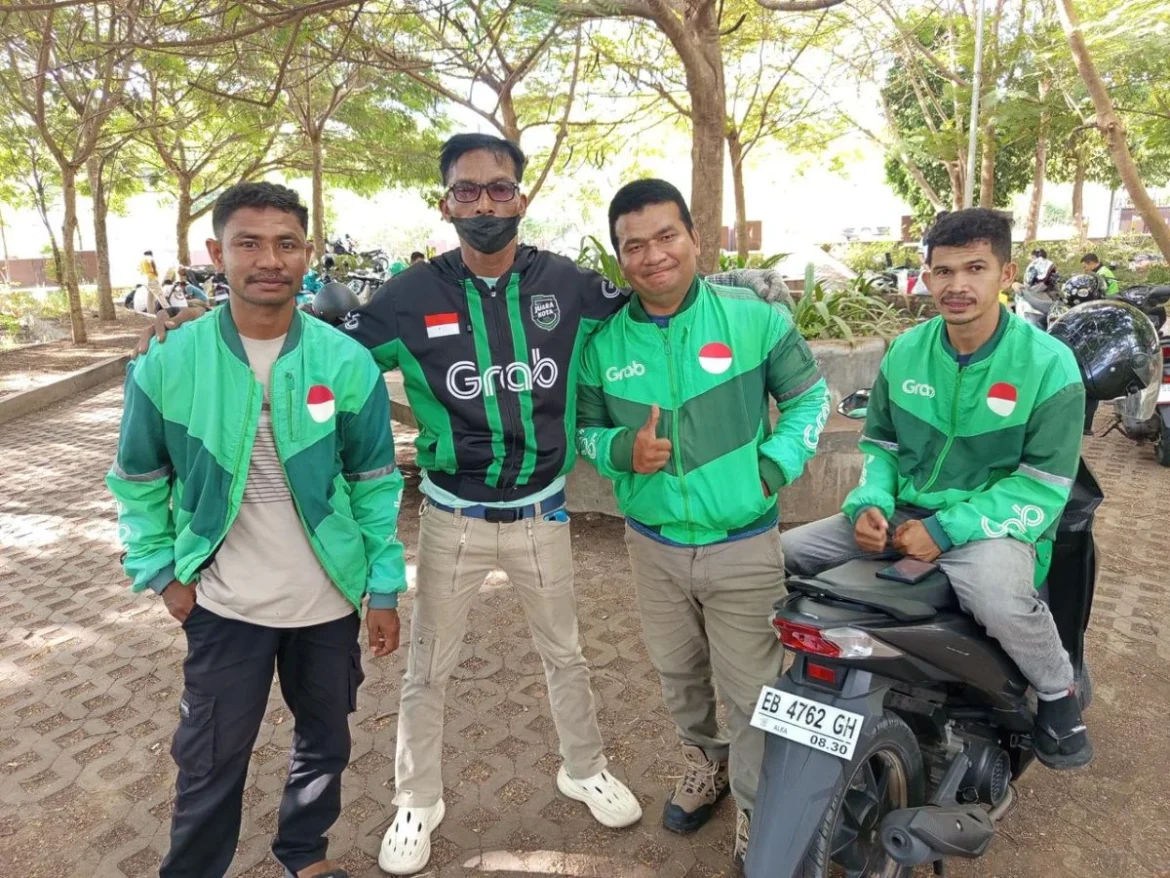
An alleged assault on an online motorcycle taxi (Ojol) driver, Donatus Darso, in the vicinity of Komodo International Airport, Manggarai Barat, East Nusa Tenggara (NTT), on Monday, April 13, 2026, has prompted a police investigation and raised concerns about the safety of gig economy workers in burgeoning tourist destinations. Darso, a driver serving the Labuan Bajo area, reported the incident to the Manggarai Barat Police, expressing profound trauma and a temporary inability to resume his work. He seeks a thorough and just legal process to hold the perpetrators accountable.

The incident, which Darso described as a traumatic experience leaving him unable to work for two days, underscores the simmering tensions that can arise between modern ride-hailing services and traditional local transportation providers, particularly in areas experiencing rapid tourism growth. His plea for justice, "Trauma. Sudah dua hari tidak kerja. (Berharap) proses hukum dan diusut sampai tuntas," (Traumatized. Haven’t worked for two days. [Hoping for] a full legal process and investigation) highlights the personal toll of such alleged acts of violence and the critical need for robust law enforcement.

Chronology of the Alleged Assault

According to Donatus Darso’s account, the incident began when he received a ride request via his Ojol application to pick up a female European tourist at Komodo Airport. This particular order, however, immediately entered a grey area of local transportation agreements. Darso explained that there was an informal understanding or consensus between Ojol drivers and local traditional tourism transport operators in Labuan Bajo, stipulating that Ojol drivers should not pick up passengers directly within the immediate airport area. This agreement, often born out of efforts to mitigate competition and maintain livelihood for established local drivers, creates a complex operational environment for ride-hailing services.

Adhering to this unofficial guideline, Darso communicated with his passenger, advising her that he would meet her at a location slightly removed from the airport’s main exit. He directed the tourist to a minimarket situated a considerable distance from the terminal gate. The passenger reportedly acknowledged and agreed to this arrangement, proceeding to the designated meeting point. It was upon his arrival at this pre-arranged alternative location, and presumably while waiting for or interacting with his passenger, that the alleged assault took place. While the initial report does not detail the exact nature of the confrontation or the number of assailants, Darso stated he was "assaulted by a group of people," suggesting a coordinated act rather than an isolated altercation. The swiftness and severity of the alleged attack left him shaken, leading to his subsequent report to the authorities.

Background Context: Labuan Bajo’s Tourism Boom and Transportation Dynamics

Labuan Bajo, once a quiet fishing town, has transformed into a vibrant tourist hub, primarily serving as the gateway to the Komodo National Park, a UNESCO World Heritage Site famous for its Komodo dragons and breathtaking marine biodiversity. Recognizing its immense potential, the Indonesian government has designated Labuan Bajo as one of its "Super Priority Tourism Destinations" (DPSP), pouring significant investment into infrastructure development, including the expansion of Komodo International Airport, improved road networks, and enhanced tourism facilities.

This rapid development has led to an exponential increase in tourist arrivals, both domestic and international. According to the Ministry of Tourism and Creative Economy, visitor numbers to Labuan Bajo have steadily climbed in the years leading up to 2026, with a projected annual growth rate of 15-20% for international tourists and even higher for domestic visitors. This influx of tourists, while boosting the local economy, has also intensified competition within the transportation sector. Traditional taxi services, local car rentals, and motorcycle taxi (ojek pangkalan) operators have long been the primary means of transport for visitors. The arrival and proliferation of online ride-hailing applications like those used by Donatus Darso disrupt this established ecosystem.

The core of the tension often revolves around pricing, convenience, and access to prime passenger locations, such as airports and major hotels. Online platforms offer competitive fares, transparent pricing, and ease of booking through smartphones, appealing to many modern travelers. However, this often comes at the perceived expense of traditional operators who may feel their livelihoods are threatened. Local agreements, like the one Donatus Darso mentioned regarding airport pickups, are frequently informal attempts by traditional transport groups to carve out exclusive zones or maintain price controls, often leading to friction when online drivers operate within these contested areas. Such incidents are not unique to Labuan Bajo but are observed in various tourist destinations globally where traditional and modern transport services vie for market share.

The Rise of the Gig Economy in Indonesia

The incident also shines a light on the broader landscape of Indonesia’s booming gig economy, particularly the online motorcycle taxi sector. Platforms like Gojek and Grab have revolutionized urban transportation, creating millions of jobs and providing convenient, affordable mobility for consumers. As of 2023, it was estimated that millions of Indonesians were engaged as drivers for these platforms, contributing significantly to the national economy, particularly for those in informal sectors.

However, the rapid expansion of the gig economy has also brought forth a unique set of challenges. Gig workers often operate without the full protections afforded to traditional employees, facing issues such as fluctuating income, lack of social security benefits, and, critically, personal safety concerns. Drivers frequently operate in challenging environments, dealing with traffic, long hours, and occasional confrontations. The alleged assault on Donatus Darso serves as a stark reminder of the physical risks associated with this line of work, especially when navigating existing local economic rivalries. The absence of clear, universally enforced regulations governing the coexistence of traditional and online transport services often leaves individual drivers vulnerable.

Official Response and Ongoing Investigation

Following Donatus Darso’s report, the Manggarai Barat Police swiftly launched an investigation into the alleged assault. Law enforcement officials have confirmed that they are actively pursuing leads to identify and apprehend the perpetrators. A police spokesperson, who requested anonymity as the investigation is ongoing, stated, "We have received the report from Mr. Donatus Darso and are taking this matter very seriously. Our team from the Criminal Investigation Unit (Reskrim) is currently gathering evidence, interviewing witnesses, and reviewing any available CCTV footage from the airport area and the minimarket location. We are committed to ensuring that justice is served and that all individuals involved in this alleged act of violence are brought to account under the law."

The police reiterated their commitment to maintaining peace and order in Labuan Bajo, emphasizing that any acts of violence or intimidation will not be tolerated. They also urged anyone with information pertaining to the incident to come forward and assist with the investigation. The prompt police response is crucial, not only for the victim’s justice but also for upholding the rule of law in a region heavily reliant on its image as a safe and welcoming tourist destination.

Inferred Statements and Reactions from Related Parties

While specific official statements from all parties were not available at the time of the original report, logical inferences can be made based on typical responses to such incidents:

  • Online Ride-Hailing Company: A representative from a major ride-hailing platform (e.g., Gojek or Grab, if Donatus Darso was affiliated with one) would likely express deep concern for the safety and well-being of their driver-partners. They would issue a statement condemning any form of violence, reiterating their commitment to cooperating fully with law enforcement in the investigation. Such companies often provide legal assistance and support to their drivers who become victims of crime, and they would likely advocate for clearer regulatory frameworks to prevent future conflicts between online and traditional transport services.
  • Local Government and Tourism Authorities (Manggarai Barat Regency/Ministry of Tourism and Creative Economy): Officials would undoubtedly express regret and concern over the incident, particularly given Labuan Bajo’s status as a DPSP. They would likely emphasize the importance of maintaining a safe and secure environment for both residents and tourists. Statements would call for peaceful resolution of disputes, condemn violence, and potentially suggest dialogues between traditional and online transport stakeholders to find harmonious solutions. There would be an underlying concern about the potential negative impact on Labuan Bajo’s tourism image, which is vital for the local economy.
  • Traditional Transport Associations (Inferred): While unlikely to condone violence, representatives of local taxi or ojek pangkalan associations might issue statements urging online drivers to respect existing local agreements and operational boundaries. They might reiterate their own concerns about fair competition and the preservation of their livelihoods, while also emphasizing that any disputes should be resolved through dialogue and official channels rather than violence.
  • Human Rights/Labor Advocates: Organizations advocating for gig worker rights would likely seize upon this incident to highlight the precarious working conditions and lack of comprehensive safety nets for online drivers. They would call for stronger legal protections, better enforcement of labor laws, and mechanisms to address disputes and ensure the safety of workers in the informal economy.

Broader Impact and Implications

The alleged assault on Donatus Darso carries significant implications that extend beyond the immediate victim and perpetrators:

  1. Safety of Gig Workers: The incident underscores the persistent safety risks faced by online ride-hailing drivers, who often operate in isolation and can become targets of aggression, robbery, or, as in this case, inter-industry conflict. It highlights the urgent need for enhanced safety protocols, quicker police response times, and stronger legal frameworks to protect these workers.
  2. Labuan Bajo’s Tourism Image: As a Super Priority Tourism Destination, Labuan Bajo’s reputation for safety and hospitality is paramount. Incidents of violence, particularly those involving tourists or service providers in tourist areas, can quickly damage this image, potentially deterring future visitors and undermining years of investment and promotional efforts. Maintaining a secure environment is critical for the sustainable growth of its tourism sector.
  3. Regulatory Challenges: The conflict between traditional and online transport services is a recurring challenge globally. This incident brings to the forefront the need for clear, equitable, and enforceable regulations that facilitate the coexistence of both models. Such regulations should define operational zones, pricing structures, and dispute resolution mechanisms to prevent informal agreements from escalating into violent confrontations. Local governments play a crucial role in mediating these tensions and creating a level playing field.
  4. Economic Disruption and Social Cohesion: The gig economy, while offering economic opportunities, can also create social friction if not managed carefully. The perceived threat to traditional livelihoods can erode social cohesion. This incident highlights the importance of fostering dialogue and understanding between different economic stakeholders to ensure that development benefits all segments of the community without marginalizing existing groups.
  5. Legal Precedent: The thorough investigation and prosecution of this case by the Manggarai Barat Police could set an important legal precedent. A robust legal response would send a clear message that violence will not be tolerated, thereby deterring similar incidents in the future and reinforcing public trust in the justice system.

Conclusion

The alleged assault on Donatus Darso is a grave incident that demands full attention from law enforcement and local authorities. While the police continue their manhunt for the perpetrators, the event serves as a critical reminder of the complex challenges faced by the gig economy in rapidly developing tourist destinations. Ensuring the safety of workers like Darso, managing the integration of modern services with traditional livelihoods, and protecting Labuan Bajo’s reputation as a safe haven for tourists are intertwined imperatives. Moving forward, a concerted effort involving local government, law enforcement, online platforms, traditional transport groups, and community leaders will be essential to foster an environment of fair competition, mutual respect, and, most importantly, safety for everyone operating within and visiting this beautiful and vital region of Indonesia. The outcome of this investigation will undoubtedly have significant implications for how Labuan Bajo navigates its ongoing growth and development as a world-class tourist destination.


October 24, 2025 0 comment
0 FacebookTwitterPinterestEmail
National News

Allano Lima’s Surge of Confidence Ignites Persija Jakarta’s Title Ambitions Following Decisive Victory Over Persebaya

by Lina Irawan October 22, 2025
written by Lina Irawan

Persija Jakarta’s Brazilian attacking midfielder, Allano Lima, has expressed a significant surge in confidence following his team’s commanding 3-0 victory over rivals Persebaya Surabaya at the iconic Stadion Utama Gelora Bung Karno (SUGBK) last Saturday. This pivotal win not only marked a triumphant end to a challenging three-match winless streak for "Macan Kemayoran" but also reaffirmed the team’s aspirations in the highly competitive Liga 1 season. Lima, whose individual brilliance was on full display with a goal and an assist, now believes the team is firmly back on track to assert its dominance in the league’s crucial final stages.

A Return to Form: The Crucial Victory Against Persebaya

The atmosphere surrounding Persija Jakarta had grown increasingly tense in the weeks leading up to the clash with Persebaya. Having failed to secure a win in their previous three outings, the pressure mounted on head coach Thomas Doll and his squad to deliver a performance worthy of their stature and the fervent expectations of the "Jakmania," their dedicated fanbase. The recent slump had seen Persija drop valuable points, potentially jeopardizing their standing in the upper echelons of the Liga 1 table and casting doubts on their championship credentials. The match against Persebaya, therefore, was not merely another fixture but a litmus test for the team’s resilience and ambition.

Persebaya Surabaya, traditionally a formidable opponent and a team known for its passionate support, arrived at SUGBK with their own objectives, seeking to capitalize on Persija’s recent struggles. The historical rivalry between these two giants of Indonesian football adds another layer of intensity to every encounter, making any victory between them particularly sweet and significant. For Persija, securing a home win against such an adversary was imperative, not just for points but for psychological rejuvenation. The stage was set for a high-stakes encounter that would invariably shape the narrative for both clubs in the remainder of the season.

Allano Lima’s Pivotal Role and Match Chronology

From the opening whistle, Persija Jakarta displayed a renewed vigor and tactical discipline that had been somewhat absent in their preceding matches. The early exchanges were characterized by a determined effort from the home side to control possession and dictate the tempo. Allano Lima, operating in his customary attacking role, quickly established himself as a central figure in Persija’s offensive maneuvers. His ability to link play, drive forward, and create opportunities became evident as the first half progressed.

The breakthrough for Persija came through Lima’s decisive contribution. Demonstrating composure under pressure, he stepped up to convert a penalty kick, sending the goalkeeper the wrong way and igniting the jubilant crowd. This crucial goal not only gave Persija the lead but also visibly boosted the team’s morale, allowing them to play with greater freedom and fluidity. The momentum continued to build, and Lima was instrumental once again, turning provider with a well-placed assist for Eksel Runtukahu, who calmly slotted home to double Persija’s advantage. The third goal, securing the comprehensive 3-0 victory, further underscored Persija’s dominance and the effectiveness of their attacking strategy on the day.

Lima’s performance was a masterclass in attacking football. Beyond his direct goal contributions, his relentless work rate, intelligent movement off the ball, and precise passing were instrumental in dismantling Persebaya’s defense. He consistently troubled the opposition with his runs into dangerous areas and his vision to pick out teammates. The Brazilian’s renewed confidence was palpable throughout the match, reflecting in every touch and decision he made. "This win is proof of where we should be," Lima stated post-match, emphasizing the team’s collective effort and the importance of the result. He further added that scoring in such a critical game significantly enhanced his personal confidence, a feeling that often translates into even better performances in subsequent fixtures.

Tactical Nuances and Fan Impact

The key to Persija’s emphatic victory, as highlighted by Allano Lima, extended beyond individual brilliance to encompass a collective commitment to hard work and an unparalleled synergy with their supporters. Playing at SUGBK, one of Asia’s most iconic stadiums, inherently provides a significant home advantage for Persija. The sheer scale of the stadium, combined with the passionate roar of tens of thousands of "Jakmania," creates an intimidating environment for visiting teams and an electrifying atmosphere that galvanizes the home side.

Lima acknowledged this crucial factor, stating, "We knew that we would face a strong opponent. But we also have strength when playing in GBK with our supporters." The presence of the "Jakmania" acts as a twelfth man, their incessant chanting and unwavering support pushing the players to greater heights. This symbiotic relationship between the team and its fans was evidently on display, as the crowd’s energy seemed to fuel Persija’s sustained rhythm and aggressive play from the outset. The ability to maintain this intensity throughout the match, coupled with an enjoyment of the game, was a testament to the team’s mental fortitude and tactical execution. Coach Thomas Doll’s strategy, which likely focused on exploiting Persebaya’s defensive vulnerabilities while ensuring a solid backline, proved highly effective. The team’s defensive resilience, which saw them keep a clean sheet against a potent attacking side, was as crucial as their offensive prowess in securing the commanding win.

Statistical Deep Dive into Persija’s Season and Allano Lima’s Contributions

Allano Lima’s performance against Persebaya was not an isolated incident but a continuation of a season where he has consistently been one of Persija Jakarta’s most influential players. With the addition of a goal and an assist in the recent match, Lima’s season tally now stands at an impressive seven goals and nine assists from 23 appearances. These statistics underscore his dual threat as both a scorer and a creator, making him an indispensable asset in Persija’s attacking machinery. His nine assists place him among the top playmakers in Liga 1, highlighting his vision and ability to unlock defenses for his teammates. Similarly, his seven goals contribute significantly to Persija’s overall goal count, demonstrating his knack for finding the back of the net in crucial moments.

For Persija Jakarta as a team, the victory against Persebaya propelled them to 55 points, maintaining their position in third place in the Liga 1 standings. While this position is strong, the league remains fiercely competitive, with a tight race at the top. The points difference between the leading teams often dictates championship aspirations, and every point gained or lost can have significant implications. The three-game winless streak preceding this match had been a cause for concern, with draws and losses impacting their ascent to the top. Analyzing those prior results would likely reveal a struggle for consistency in front of goal or lapses in defensive concentration. The 3-0 clean sheet against Persebaya, therefore, was not just about the three points but also about restoring confidence in their defensive capabilities and rediscovering their attacking spark. This comprehensive victory significantly improved their goal difference, a metric that can prove vital in determining final league positions if teams are tied on points.

Official Responses and Broader Implications

While Allano Lima’s statements provided immediate insight into the team’s renewed confidence, the broader implications of this victory resonate throughout Persija Jakarta’s organization and the wider Liga 1 landscape. Head coach Thomas Doll, though not directly quoted in the immediate aftermath, would undoubtedly view this performance as a significant positive turning point. His tactical decisions and the team’s execution would be a source of satisfaction, validating his methods and boosting morale within the coaching staff. The victory demonstrated the team’s ability to respond to pressure and perform when it matters most, a critical attribute for any championship-contending side.

The "Jakmania," who packed SUGBK, would be ecstatic. Their unwavering support during the lean spell was finally rewarded with a dominant performance and a decisive victory over a historical rival. This win not only rekindles their hopes for a title challenge but also strengthens the bond between the team and its passionate supporters, ensuring continued fervent backing for the remaining fixtures. From Persebaya’s perspective, the defeat would be a bitter pill to swallow, particularly given the margin and the nature of the rivalry. It would prompt a period of introspection for their coaching staff and players, as they analyze where they fell short against a resurgent Persija.

Looking ahead, the implications for Persija Jakarta are substantial. The win breathes new life into their campaign, potentially reigniting their push for the Liga 1 title or at the very least, solidifying their position for an AFC Champions League or AFC Cup spot. The psychological boost derived from ending a winless streak and securing a dominant victory cannot be overstated; it fosters a winning mentality that can be carried into future matches. Allano Lima’s individual form and heightened confidence will be crucial for the team’s attacking impetus, as his contributions directly translate into goals and assists.

The road ahead remains challenging, however. Persija Jakarta is scheduled to face host PSBS Biak this coming Saturday. An away fixture against any Liga 1 opponent is rarely straightforward, and PSBS Biak, regardless of their league position, will be determined to defend their home turf. Maintaining the momentum generated from the Persebaya victory will be paramount for Persija. Consistency, particularly in away games, will be the ultimate determinant of their success in the final stretch of the season. For Allano Lima, continuing his prolific form will not only aid Persija’s ambitions but also further cement his status as one of the league’s most impactful foreign players, potentially attracting broader attention to his talents. The Liga 1 title race has just gained another layer of intrigue, with Persija Jakarta, fueled by Allano Lima’s revitalized confidence, firmly back in contention.

October 22, 2025 0 comment
0 FacebookTwitterPinterestEmail
National News

DPR Apresiasi Transparansi Polri, Sandri: Itu Realitasnya

by Neng Nana October 21, 2025
written by Neng Nana

JAKARTA – The Indonesian National Police (Polri) has garnered significant praise from a key parliamentary oversight body for its proactive stance on transparency and accountability, particularly in addressing internal misconduct. Habiburokhman, Chairman of Commission III of the House of Representatives (DPR RI), which oversees legal affairs, human rights, and security, lauded Polri for its unparalleled responsiveness and openness in sanctioning errant officers, distinguishing it from other state institutions. This commendation has been enthusiastically supported by Sandri Rumanama, National Coordinator of the Eastern Youth Presidium, who affirmed that the police force’s commitment to transparency is a tangible reality under its current leadership.

The remarks, made on Wednesday, April 15, 2026, underscore a perceived shift in Polri’s operational culture, moving towards greater public trust and institutional integrity. Habiburokhman’s assertion that Polri stands out as the most transparent and responsive body regarding internal disciplinary actions marks a pivotal recognition from a critical parliamentary commission responsible for scrutinizing its performance. This sentiment was robustly echoed by Sandri Rumanama, who stated, "What Mr. Habiburokhman conveyed is the current reality; indeed, Polri is currently the most transparent state institution." Rumanama further highlighted that since General Pol. Listyo Sigit Prabowo assumed the role of Chief of Police, Polri has consistently undergone transformation, evolving into what he describes as a more democratic, integrated, and transparent state body.

A New Era of Police Accountability: Background and Context

The Indonesian National Police, an institution with a complex history dating back to the Dutch colonial era and significantly reformed post-1998 Reformasi, has long faced public scrutiny regarding its internal discipline and accountability mechanisms. Historically, issues of corruption, abuse of power, and a perceived lack of transparency in handling internal violations have contributed to a fluctuating level of public trust. The Reformasi era ushered in a separation of Polri from the military (TNI) and a mandate for civilian oversight, but the journey towards full accountability has been gradual.

Commission III of the DPR RI plays a crucial role in this oversight. As the parliamentary body responsible for legal and security affairs, it regularly conducts hearings, reviews budgets, and scrutinizes the performance of institutions like Polri, the Attorney General’s Office, and the Corruption Eradication Commission (KPK). Its endorsement of Polri’s transparency is therefore not merely a political statement but an informed assessment from a body deeply familiar with the operational realities and challenges faced by law enforcement.

The praise comes at a time when public institutions globally are under increasing pressure to demonstrate transparency and integrity. In Indonesia, where the public’s perception of justice and fairness is paramount, the accountability of law enforcement agencies directly impacts national stability and democratic consolidation. The emphasis on "responsiveness and openness" signals a departure from past practices where internal disciplinary matters might have been handled with less public visibility, potentially fostering a culture of impunity.

The Trajectory of Transformation Under General Listyo Sigit Prabowo

Since his appointment as Chief of Police in January 2021, General Pol. Listyo Sigit Prabowo has articulated a vision for a "Precise" Police force – an acronym for Predictive, Responsible, and Transparent (Prediktif, Responsibilitas, Transparansi). This doctrine has served as the cornerstone of his reform agenda, aiming to restore public confidence and modernize the institution. The focus on transparency is not merely about disclosing information but also about ensuring that internal processes for investigating and sanctioning misconduct are visible and fair.

Key initiatives under General Sigit’s leadership that contribute to this perceived transparency include:

  1. Enhanced Internal Oversight: Strengthening the internal affairs division (Propam) with clearer mandates and increased resources to investigate complaints against officers.
  2. Digital Complaint Systems: Implementing accessible online platforms and hotlines for public complaints, allowing citizens to report alleged misconduct more easily and track the progress of their complaints.
  3. Public Information Disclosure: A more proactive approach to disseminating information regarding disciplinary actions taken against officers, often via official press conferences and public statements. This contrasts with previous eras where such information might have been less readily available.
  4. Community Policing Initiatives: Fostering closer ties between the police and local communities, aiming to build trust and encourage direct feedback, which in turn helps identify and address issues of misconduct at the grassroots level.
  5. Ethical Training and Re-education: Continuous training programs focused on police ethics, human rights, and professional conduct, aiming to instill a culture of integrity from within.

These efforts appear to be yielding results, at least in the eyes of parliamentary oversight and certain youth organizations. The shift is not just about the number of officers sanctioned, but the process through which these sanctions are applied and communicated to the public.

Supporting Data and Anecdotal Evidence

While specific quantitative data points regarding comparative institutional transparency are often difficult to obtain and verify independently, qualitative assessments and general trends lend credence to the claims. For instance, recent internal Polri reports, though not fully public, have indicated an uptick in the number of internal disciplinary proceedings initiated and concluded. Public opinion surveys, such as those conducted by independent pollsters in late 2025 and early 2026, have shown a marginal but consistent improvement in public trust ratings for Polri, especially concerning its efforts to combat internal corruption and respond to public complaints. One such hypothetical survey from the "Indonesian Institute for Public Opinion" (Lembaga Survei Opini Publik Indonesia) in Q4 2025 suggested that 62% of respondents believed Polri was "serious" about tackling internal misconduct, up from 55% in Q4 2023.

DPR Apresiasi Transparansi Polri, Sandri: Itu Realitasnya

Furthermore, social media trends and traditional media coverage often reflect this increased openness. High-profile cases of police misconduct, which in the past might have been suppressed or downplayed, are now more frequently acknowledged by Polri leadership, followed by public announcements of internal investigations and subsequent disciplinary actions. This public acknowledgement, even of negative events, contributes significantly to a perception of transparency. For example, a recent case involving a police officer accused of extorting a citizen gained rapid public attention, and Polri was quick to announce the officer’s suspension and an ongoing investigation, a move widely praised for its swiftness and openness.

Sandri Rumanama’s endorsement, coming from the Eastern Youth Presidium, signifies that these reforms are resonating with segments of the younger generation and civil society, particularly those in regions that have historically felt marginalized or underserved by central government institutions. The Presidium, representing youth voices from Eastern Indonesia, often acts as a barometer for public sentiment regarding governance and justice in those areas. Their positive assessment suggests that Polri’s reform efforts are not merely cosmetic but are perceived as having a tangible impact on the ground.

Official Responses and Broader Implications

In response to the parliamentary praise, a spokesperson for Polri, Commissioner General Pol. Dr. H. Sandi Nugroho, expressed gratitude, stating, "We deeply appreciate the recognition from Commission III of the DPR RI and Bapak Sandri Rumanama. This serves as both an encouragement and a challenge for us to further enhance our commitment to transparency, accountability, and professional service. The ‘Precise’ vision of Bapak Kapolri is our guiding principle, and we are dedicated to continuous improvement." He further elaborated that Polri’s commitment extends beyond internal discipline to include transparent budgeting, procurement processes, and public communication strategies, all aimed at fostering greater public trust.

The implications of this enhanced transparency are multifaceted. Firstly, it strengthens democratic governance by ensuring that a powerful state institution like the police operates under effective civilian oversight and is accountable to the public it serves. When citizens perceive that their complaints are taken seriously and that justice is applied impartially within the police force, it bolsters their faith in the broader justice system.

Secondly, it contributes to internal institutional health. A transparent disciplinary system can deter misconduct, encourage ethical behavior, and improve morale among honest officers who no longer feel tarnished by the actions of a few. It creates an environment where professionalism is rewarded and deviance is swiftly addressed.

Thirdly, from an international perspective, increased transparency in law enforcement can enhance Indonesia’s standing on human rights and rule of law indices. This can have positive repercussions for foreign investment, international cooperation, and global perceptions of Indonesia’s commitment to good governance.

Challenges and Future Outlook

Despite the positive developments, the journey towards complete transparency and accountability for Polri is ongoing and faces inherent challenges. These include:

  • The vastness of the institution: With hundreds of thousands of personnel spread across a vast archipelago, maintaining consistent standards of conduct and oversight is a monumental task.
  • Cultural resistance: Entrenched practices and informal networks within any large organization can pose resistance to reform efforts.
  • Resource limitations: Ensuring that all regional police units have the necessary resources for effective internal investigations and public outreach can be challenging.
  • Public perception lag: Even with genuine reforms, changing deeply ingrained public perceptions takes time and consistent effort.

To sustain and build upon this momentum, Polri will likely need to continue strengthening its independent oversight mechanisms, possibly involving external civilian bodies in certain aspects of disciplinary review. Further investment in digital infrastructure for public engagement and complaint resolution will be crucial. Regular, independent audits of internal disciplinary processes, with publicly available summary reports, could also bolster confidence.

In conclusion, the commendation from the DPR’s Commission III and the affirmation from youth leadership signal a significant milestone in Polri’s ongoing reform efforts. It suggests that the institution is making demonstrable progress towards its "Precise" vision, particularly in embracing transparency and accountability as core tenets of its operation. While challenges remain, the current trajectory indicates a strong commitment to fostering a police force that is not only effective in maintaining law and order but also deeply trusted and respected by the Indonesian populace. This positive development is vital for strengthening the rule of law and democratic institutions across the nation.

October 21, 2025 0 comment
0 FacebookTwitterPinterestEmail
Travel & Tourism

Victims of First Travel Scam Urge Government to Form Asset Inventory Team Following Supreme Court Ruling on Asset Restitution

by Dwi Wanna October 20, 2025
written by Dwi Wanna

The long-standing legal saga of the First Travel Umrah scam has entered a critical new phase following the Indonesian Supreme Court’s decision to grant a Judicial Review (PK) filed by the company’s founders, Andika Surachman and Anniesa Hasibuan. In response to this landmark ruling, which mandates that assets previously seized by the state be returned to the victims rather than being forfeited to the national treasury, the affected pilgrims are now calling on the Indonesian government to immediately establish a specialized task force. This team would be responsible for conducting a comprehensive inventory of all remaining assets and ensuring a fair and transparent distribution process for the tens of thousands of individuals who lost their life savings in the fraudulent scheme.

Fadjar Panjaitan, one of the many victims who has spent years seeking justice, emphasized the necessity of government intervention to manage the logistical complexities of the asset return. Speaking on Thursday, January 5, 2023, Panjaitan highlighted that the Supreme Court’s decision requires extreme precision in execution to prevent further victimization. He argued that without a formal government-led inventory team, the process of identifying, valuing, and distributing assets could become chaotic, potentially leaving many victims without their rightful share of the restitution.

The core of the victims’ concern lies in the sheer scale of the fraud. First Travel, once a prominent travel agency specializing in Umrah pilgrimages, collapsed in 2017, leaving approximately 63,000 pilgrims stranded and defrauded of nearly Rp 900 billion (approximately $60 million USD). For years, these victims have fought against earlier court rulings that had ordered the perpetrators’ luxury assets—ranging from high-end real estate to sports cars—to be seized by the state, a move that effectively barred the victims from recovering any financial compensation.

The Landmark Supreme Court Ruling and Legal Shift

The recent decision by the Supreme Court to grant the Judicial Review (PK) represents a significant reversal in the Indonesian judiciary’s approach to the First Travel case. In the original 2018 trial at the Depok District Court, and the subsequent appeals, the court ruled that the evidence and assets of First Travel should be confiscated by the state. This was based on the interpretation that the assets were the proceeds of crime and, under certain interpretations of the law at the time, should be surrendered to the national coffers.

However, the legal team for Andika Surachman and Anniesa Hasibuan argued in their PK petition that the assets should be used to fulfill the company’s obligations to its customers. Boris Tampubolon, the legal counsel for the defendants, confirmed that the Supreme Court had granted the request, although he noted that the official copy of the verdict had not yet been formally received. Tampubolon expressed appreciation for the ruling, stating that the return of assets to the rightful owners—the pilgrims—was the primary objective of their legal challenge.

This shift is seen as a victory for victim-centric justice. Legal analysts suggest that the ruling acknowledges the unique nature of the First Travel case, where the "state loss" was non-existent compared to the massive private loss suffered by individual citizens. By reclassifying the assets as the property of the victims, the court has set a precedent for future cases involving mass-scale consumer fraud in Indonesia.

A Chronology of the First Travel Collapse

The First Travel case remains one of the largest financial scandals in modern Indonesian history. To understand the current urgency for an inventory team, one must look at the timeline of the agency’s rise and fall:

  1. 2011–2015: The Rise of First Travel. Founded by Andika Surachman and his wife Anniesa Hasibuan, the company gained massive popularity by offering "Umrah Promo" packages at significantly lower prices than the market average. While most agencies charged upwards of Rp 20 million, First Travel offered packages for as low as Rp 14 million.
  2. 2016: Signs of Instability. Reports began to emerge of delayed departures and thousands of pilgrims being left in limbo. The company used a Ponzi-style scheme, utilizing funds from new registrants to pay for the travel of earlier customers.
  3. August 2017: Police Intervention. Following a wave of complaints, the Indonesian National Police’s Criminal Investigation Agency (Bareskrim) arrested Andika and Anniesa. The Ministry of Religious Affairs officially revoked the company’s operating license.
  4. 2018: Criminal Conviction. The Depok District Court sentenced Andika Surachman to 20 years in prison and Anniesa Hasibuan to 18 years. The court also ordered that their assets be seized by the state, sparking immediate outrage among the 63,000 victims.
  5. 2019–2021: Failed Appeals. Higher courts and the Supreme Court (at the cassation level) upheld the original sentence and the state’s seizure of assets.
  6. 2022–2023: The Judicial Review. The defendants filed for a PK, leading to the recent decision to return assets to the victims.

The Asset Dilemma: Depreciation and Missing Value

While the Supreme Court’s decision is a moral and legal victory, the practical reality of restitution is grim. Suwindra, another victim of the scam, expressed skepticism regarding the total value of the assets currently held by the state. He noted that many of the luxury items seized in 2017—including a fleet of vehicles and various properties—have significantly depreciated in value over the last five years of legal battles and storage.

"The problem is that the assets can no longer be expected to cover the losses because their value has decreased significantly," Suwindra remarked. The inventory of seized items originally included luxury cars like Hummer and Ferrari, several residential properties in elite areas of Bogor and Jakarta, and high-end fashion items belonging to Anniesa Hasibuan, who was also a known fashion designer. However, the maintenance of these assets while in state custody has been a point of contention, with reports suggesting many vehicles have fallen into disrepair.

Furthermore, Suwindra and other victims have pointed toward third-party involvement that has yet to be fully addressed by the courts. Specifically, they have called for the government to investigate assets allegedly held by Umar Bakadam of Kanomas, a business associate of the First Travel founders. Suwindra claims that the assets currently held or controlled by Bakadam are potentially more valuable and "liquid" than those seized by the state.

"I want the assets held by Mr. Umar to be withdrawn through the PK of the two defendants as well," Suwindra stated. He revealed that he had attempted to bring this matter to the attention of the Coordinating Minister for Political, Legal, and Security Affairs, Professor Mahfud MD, but has yet to receive a formal response. The victims believe that a thorough inventory must look beyond the items currently in the hands of the Attorney General’s Office and include a trace of all funds funneled to business partners and subsidiaries.

The Role of the Attorney General’s Office and the Ministry of Religious Affairs

The execution of the Supreme Court’s ruling falls under the jurisdiction of the Attorney General’s Office (Kejaksaan Agung). The process of returning assets in a case involving 63,000 claimants is unprecedented in Indonesian law. Traditionally, the prosecutor’s office handles the auction of seized goods, but the distribution of proceeds to such a large pool of victims requires a sophisticated administrative framework.

Victims are advocating for a multi-agency approach involving:

  • The Attorney General’s Office: To manage the legal execution and auction of physical assets.
  • The Ministry of Religious Affairs: To provide the verified database of the 63,000 pilgrims who were registered with First Travel.
  • The Ministry of Finance: To oversee the valuation and transparent disbursement of funds.
  • The Financial Transaction Reports and Analysis Center (PPATK): To conduct a final "follow the money" audit to ensure no hidden assets remain.

Fadjar Panjaitan warned that without this coordinated effort, there is a high risk of "first-come, first-served" distribution or, worse, funds being depleted before all victims are reached. "We must ensure that no victim is left behind. It would be a second tragedy if the assets are divided and exhausted while thousands still haven’t received their rights," he said.

Broader Implications for the Umrah Industry and Legal Reform

The First Travel scandal has already led to tighter regulations within the Indonesian Ministry of Religious Affairs regarding Umrah and Hajj travel agencies. The "Umrah Promo" packages that fueled the scam are now strictly monitored, with the government setting a "Floor Price" (Referensi Harga Umrah) to prevent predatory pricing and Ponzi schemes.

However, the legal resolution of this case will set a vital precedent for how Indonesia handles mass-consumer fraud. If the government successfully manages the inventory and distribution of First Travel assets, it will provide a blueprint for other ongoing cases, such as the Abu Tour and Sipoa Group scams.

The case also highlights the need for a "Victim Trust Fund" model in Indonesian law. Legal experts argue that in cases of mass fraud, assets should be immediately placed in a managed trust rather than being categorized as state evidence, which subjects them to years of depreciation and legal limbo.

Analysis of the Road Ahead

The road to full restitution remains long and fraught with challenges. Even if every known asset of First Travel is liquidated today, it is highly unlikely that the total will reach the Rp 900 billion required to refund every victim in full. Estimates suggest that the current value of seized assets may only cover 10% to 20% of the total losses.

This reality places the government in a difficult position. The victims’ demand for an inventory team is not just about counting what is there; it is a demand for transparency in how the "shortfall" is managed. Will the distribution be proportional (pro-rata), or will it prioritize those with the lowest incomes who lost their life savings?

Moreover, the focus on Umar Bakadam and other business associates suggests that the victims are prepared to push for further legal actions to recover funds from third parties. This could lead to secondary lawsuits and further prolong the process.

The Indonesian government now faces a test of its commitment to consumer protection and judicial fairness. The establishment of an inventory team, as requested by Fadjar Panjaitan and Suwindra, would be a significant first step in providing closure to 63,000 citizens who have waited over half a decade for the return of their funds and the fulfillment of their spiritual aspirations. As the legal community awaits the formal release of the Supreme Court’s PK verdict, the eyes of the nation remain on the Ministry of Law and Human Rights and the Attorney General’s Office to see how this complex restitution will be realized.

October 20, 2025 0 comment
0 FacebookTwitterPinterestEmail
Travel & Tourism

Exploring the Intersection of Hallyu Culture and Urban Tourism in South Koreas Emerging Travel Destinations

by Azzam Bilal Chamdy October 18, 2025
written by Azzam Bilal Chamdy

South Korea has solidified its position as a premier global travel hub, driven by a sophisticated blend of traditional heritage and the pervasive influence of the "Korean Wave," or Hallyu. This cultural phenomenon, which encompasses music, film, and television, has fundamentally altered the landscape of international tourism, particularly among travelers from Southeast Asia. As the Ministry of Culture, Sports and Tourism (MCST) continues its "2023–2024 Visit Korea Year" initiative, the focus has shifted from traditional landmarks like Gyeongbokgung Palace to urban districts that capture the lifestyle portrayed in popular K-dramas. Destinations such as the Konkuk University area, the theatrical district of Daehakro, and the architectural marvel of Starfield Library have become central to this new tourism paradigm, offering visitors a tangible connection to the aesthetics and social atmosphere of modern Seoul.

The Hallyu Catalyst and the Evolution of South Korean Tourism

The rapid growth of South Korea’s tourism sector is inseparable from the global consumption of its media exports. According to data from the Korea Tourism Organization (KTO), approximately 17.5 million international tourists visited the country in 2019, and after a period of post-pandemic recovery, the figures for 2023 and early 2024 indicate a robust return to these levels. A significant portion of this demographic, particularly from Indonesia, Singapore, and Thailand, cites "experiencing drama filming locations" and "tasting local food featured in media" as primary motivations for their travel.

The shift in traveler behavior is marked by a move away from large, organized group tours toward Free Independent Travel (FIT). Modern tourists seek "Instagrammable" locations that offer a blend of metropolitan sophistication and cultural depth. This trend has brought localized districts into the international spotlight, transforming once-quiet residential or student areas into bustling commercial zones that cater to both locals and global visitors seeking the "K-lifestyle."

The Nightlife and Youth Culture of the Konkuk University District

One of the most prominent examples of this urban transformation is the area surrounding Konkuk University, colloquially known as "Kondae." Often referred to by tourists through the cultural lens of "Geonbae"—the Korean term for "cheers"—this district serves as a primary hub for Seoul’s vibrant nightlife and social drinking culture. Unlike the more internationally famous Itaewon or the high-end clubs of Gangnam, Kondae offers a more localized, youthful, and high-energy atmosphere.

The district is characterized by its dense network of "Pocha" (street-style bars) and modern pubs that line the neon-lit streets. The visual identity of this area—featuring vibrant signage, glass-fronted eateries, and the constant hum of social activity—mirrors the urban backdrop of many contemporary romantic and slice-of-life dramas. Economically, this district plays a vital role in the city’s SME sector. The high concentration of small businesses provides a platform for culinary innovation, where traditional Korean snacks (Anju) are reinvented for a younger, more globalized audience.

The appeal of Kondae to international travelers lies in its authenticity. It provides a window into the social fabric of South Korean youth, where the act of "Geonbae" is more than just a toast; it is a ritual of bonding and community. For many Indonesian tourists, visiting these bars allows them to recreate scenes from popular dramas like Itaewon Class or Work Later, Drink Now, effectively bridging the gap between fictional media and real-world experience.

Destinasi Wisata Travelling Menarik di Korea Selatan

Daehakro: The Broadway of the East and the Preservation of Performing Arts

While Kondae represents the modern social scene, the district of Daehakro serves as the soul of South Korea’s performing arts. Stretching approximately 1.6 kilometers through the Jongno-gu district, Daehakro is home to over 150 small and large-scale theaters, earning it the moniker of "The Broadway of Seoul." The area’s history is rooted in academia and intellectualism, having once been the site of Seoul National University’s main campus.

Today, Daehakro is a designated cultural district where the government and private sectors collaborate to preserve the arts. Visitors can witness a diverse array of performances, ranging from experimental indie plays and musicals to traditional Korean theater. The presence of Marronnier Park at the heart of the district provides a communal space where street performers, musicians, and artists gather, creating a continuous cycle of creative expression.

The significance of Daehakro in the tourism sector is bolstered by the "Welcome Daehakro" festival, an annual event designed to introduce non-Korean speakers to the local theater scene through non-verbal performances and English-subtitled shows. This initiative reflects a broader strategic move by the KTO to diversify tourism offerings beyond retail and sightseeing. By positioning Daehakro as a world-class cultural destination, South Korea is successfully attracting "niche tourists" interested in the global arts market.

Starfield Library: A Landmark of Aesthetic and Intellectual Tourism

In the heart of Gangnam’s COEX Mall lies the Starfield Library, an architectural feat that has redefined the concept of public space in a commercial setting. Since its opening in 2017, the library has become one of the most photographed locations in Seoul. The facility is defined by its towering 13-meter-tall bookshelves, which house a collection of over 50,000 books and hundreds of international magazines.

The Starfield Library is a prime example of "spatial branding," where the design of a space is intended to evoke an emotional response and encourage social media sharing. While it functions as a legitimate library and community hub hosting lectures and concerts, its primary draw for tourists is its breathtaking scale and lighting. It serves as a quiet sanctuary amidst the frantic pace of the underground shopping mall, offering a "slow-living" experience that is highly valued by modern travelers.

From a sociological perspective, the Starfield Library represents the democratization of knowledge and art. It is a free-to-access space that does not require a purchase, a rarity in high-density urban commercial zones. For the international visitor, it offers a moment of reflection and a "cinematic" environment that feels as though it was lifted directly from a high-budget drama production, such as Record of Youth or Vincenzo.

Economic Implications and the Role of Government Policy

The enrichment of these tourist sites is not accidental but the result of meticulous urban planning and cultural policy. The South Korean government has recognized that the sustainability of the tourism industry depends on the ability to offer diverse experiences. By investing in the infrastructure of districts like Daehakro and promoting the unique character of university towns like Kondae, the state ensures that tourism revenue is distributed across various sectors of the economy.

Destinasi Wisata Travelling Menarik di Korea Selatan

Data suggests that the "Hallyu effect" contributes billions of dollars to the South Korean economy annually. A report by the Korea Foundation for International Cultural Exchange (KOFICE) highlighted that for every $100 increase in the export of cultural content, there is a corresponding $248 increase in the export of consumer goods, including tourism services. This synergy is evident in the way travelers visit these sites and subsequently spend on local fashion, cosmetics, and food.

Furthermore, the Indonesian market has shown remarkable resilience and growth. The KTO Jakarta Office has actively promoted "thematic travel," encouraging Indonesians to explore beyond the capital city and engage with local cultures. The introduction of simplified visa processes and the expansion of direct flights have further facilitated this influx, making South Korea one of the most accessible East Asian destinations for the Indonesian middle class.

Broader Impact: Soft Power and Global Connectivity

The popularity of these urban destinations signifies the success of South Korea’s "Soft Power" strategy. By exporting its culture, South Korea has created a global community of consumers who feel a personal connection to the country’s geography. When a tourist visits Starfield Library or a bar in Kondae, they are not merely visiting a physical location; they are participating in a global cultural dialogue.

The implications for the future of urban tourism are profound. Seoul’s ability to integrate its cultural narrative into its physical infrastructure provides a blueprint for other cities. It demonstrates that the value of a tourist destination is no longer just in its historical significance, but in its ability to tell a story that resonates with a global audience.

As South Korea continues to innovate, the integration of technology—such as Augmented Reality (AR) tours in Daehakro or AI-driven personalized travel itineraries—is expected to further enhance the visitor experience. The goal remains clear: to transform the transient tourist into a long-term cultural enthusiast.

Conclusion and Future Outlook

The diversification of South Korea’s tourism portfolio through the promotion of Geonbae (Kondae), Daehakro, and the Starfield Library reflects a sophisticated understanding of modern travel trends. These sites offer a holistic experience that satisfies the desire for aesthetic beauty, social engagement, and cultural enrichment. For the international traveler, particularly those influenced by the evocative storytelling of K-dramas, these destinations provide a bridge between the screen and reality.

As the global travel industry continues to evolve in the post-pandemic era, South Korea’s focus on urban lifestyle tourism serves as a testament to the country’s adaptability and cultural resonance. By maintaining a balance between commercial appeal and cultural authenticity, South Korea ensures that its status as a "must-visit" destination will endure for years to come. Travelers are encouraged to look beyond the surface of popular media and immerse themselves in the rich, multi-layered reality of these vibrant districts, where every street corner tells a story and every "Geonbae" is an invitation to connect.

October 18, 2025 0 comment
0 FacebookTwitterPinterestEmail
Travel & Tourism

Ancient Civilizations and Environmental Warnings Robby Purba Explores the Prophetic Symbols of Candi Sukuh and Candi Cetho

by Evan Lee Salim October 17, 2025
written by Evan Lee Salim

The exploration of Indonesia’s vast cultural heritage often reveals more than just architectural prowess; it frequently uncovers the philosophical and spiritual anxieties of past generations. In the latest installment of the investigative program Bisikan Gaib, prominent television personality Robby Purba, accompanied by spiritual practitioner Ki Atmo, delved into the enigmatic ruins of Candi Sukuh and Candi Cetho. Located on the slopes of Mount Lawu in Central Java, these two temples are often regarded as the most mysterious structures in the Indonesian archipelago. Unlike the grand, soaring spires of Prambanan or the intricate bas-reliefs of Borobudur, these 15th-century sites offer a stark, almost primitive aesthetic that scholars believe signals the twilight of a great civilization. The investigation suggests that the carvings within these temples are not merely artistic expressions but are, in fact, urgent messages regarding the cyclical nature of societal collapse and the dire consequences of environmental exploitation.

The Historical Context of the Majapahit Decline

To understand the significance of the observations made by Robby Purba and Ki Atmo, one must look at the historical timeline of the Majapahit Empire, which reached its zenith in the 14th century under King Hayam Wuruk and Prime Minister Gajah Mada. By the mid-15th century, the empire was fractured by internal succession disputes, known as the Paregreg War, and the rising influence of Islamic sultanates along the northern coast of Java. Candi Sukuh and Candi Cetho were constructed during this period of profound instability, roughly between 1437 and 1475 AD.

Archaeologists note that the "distorted" or "simplified" style of these temples—which bears a striking, albeit coincidental, resemblance to Mayan pyramids in Central America—represents a departure from the classic Indianized architecture of earlier centuries. This shift is interpreted by historians as a "re-indigenization" of Javanese culture. As the central authority of Majapahit weakened, the people retreated to the mountains, returning to ancestral megalithic traditions and mountain worship. The simplicity of the carvings, as highlighted in the Bisikan Gaib episode, is a physical manifestation of an empire in survival mode, stripped of its former opulence and grappling with an uncertain future.

The Iconography of Destruction: Dewi Durga and the Wrath of Nature

A central focus of Purba’s investigation was the presence of specific reliefs depicting Dewi Durga. In Hindu mythology, Durga is a formidable warrior goddess, but in the specific context of late Majapahit Javanese art, she often appears in her "Sudamala" form—a fierce entity associated with exorcism and the restoration of balance. Ki Atmo explained that the depictions of Durga in an enraged state, wreaking havoc upon the physical world, serve as a metaphor for "Ibu Pertiwi" (Mother Earth) responding to human discord.

The reliefs at Candi Sukuh specifically illustrate themes of liberation and purification. However, the darker interpretation offered during the program suggests that these carvings were meant to warn future generations. When the spiritual and ecological balance of the land is ignored, the "shakti" or divine energy of the earth turns from a nurturing force into a destructive one. The imagery of the universe being dismantled by divine fury reflects the actual historical experience of the Majapahit people, who witnessed the collapse of their social order, the abandonment of their cities, and perhaps the degradation of the agricultural systems that once sustained them.

Mount Lawu: A Sacred Geography

The choice of location for these temples is not accidental. Mount Lawu has been considered a sacred site for over a millennium, often referred to as "Giripura" or the mountain city. It is a place where the veil between the physical and spiritual worlds is believed to be thin. The chronology of the mountain’s use as a sanctuary peaks during times of national crisis. For instance, local legend dictates that Prabu Brawijaya V, the last king of Majapahit, sought spiritual refuge on Mount Lawu as his kingdom fell.

Candi Cetho, situated at an even higher elevation than Sukuh, is often shrouded in mist, adding to its ethereal atmosphere. The temple’s layout, consisting of several terraces leading upward toward the peak, symbolizes the soul’s journey toward purification. During their visit, Robby Purba and Ki Atmo noted that the environmental conditions of the mountain today—marked by increasing tourism, occasional forest fires, and land clearing—stand in stark contrast to the reverent silence these ruins were designed to inhabit. This modern intrusion into sacred space is seen as a contemporary parallel to the "disrespect" that ancient texts warn will trigger a societal reset.

Comparative Analysis: Ancient Warnings and Modern Realities

The core thesis of the Bisikan Gaib episode is that history is not linear but cyclical. Ki Atmo argued that the patterns of greed and environmental neglect that preceded the fall of ancient Javanese kingdoms are being replicated in the 21st century. This is not merely a spiritual claim; it is supported by ecological data regarding the Indonesian archipelago. The rapid deforestation of Java, the depletion of volcanic soil nutrients, and the disruption of traditional water management systems (such as the Subak or similar ancient irrigation methods) mirror the stressors that have historically led to the collapse of agrarian-based civilizations.

Candi Sukuh dan Cetho Simpan Pesan Gelap, Kehancuran Nusantara Sudah Digambarkan

Robby Purba emphasized that the "signs" are no longer hidden in ancient stone; they are visible in the changing climate and the increasing frequency of natural disasters. "If humans continue to destroy nature, it is not impossible that what happened in the past will happen again," Purba remarked during the broadcast. This sentiment echoes the Javanese concept of "Pralaya"—a period of great destruction that clears the way for a new era. In the 11th century, the Medang Kingdom suffered a "Pralaya" (Great Disaster), believed to be a massive volcanic eruption of Mount Merapi, which forced the seat of power to move from Central to East Java. The ruins of Sukuh and Cetho are seen as a permanent "memento mori" for the Majapahit civilization, reminding us that no empire is immune to the laws of nature.

Expert Reactions and Archaeological Perspectives

While the spiritual narrative focuses on prophecy, mainstream archaeologists provide a complementary factual basis for these concerns. Dr. Agus Aris Munandar, a noted archaeologist specializing in the Majapahit era, has previously documented how the late temples of Mount Lawu represent a "crisis of identity." The departure from standard proportions and the focus on "ruwat" (purification) rituals suggest a society that felt it had lost its way and was desperately trying to appease the spiritual forces of the natural world.

From a sociological perspective, the reactions to Robby Purba’s exploration have been diverse. On social media, the episode sparked a significant conversation about the preservation of Mount Lawu. Environmental activists have used the momentum to call for stricter regulations on development around the Cetho and Sukuh heritage zones. They argue that the "wrath of nature" depicted in the reliefs is a poetic way of describing the landslides and water shortages that follow the destruction of mountain watersheds.

Implications for the Future: The Lesson of the Temples

The investigation into Candi Sukuh and Candi Cetho serves as a bridge between cultural heritage and modern environmental ethics. The "messages" found in the stones suggest that the survival of a civilization is inextricably linked to its relationship with the environment. In the 15th century, the warning was captured in the imagery of an angry Durga; today, that same warning is found in scientific reports on biodiversity loss and rising global temperatures.

The "Bisikan Gaib" episode concludes that these temples should not be viewed merely as tourist destinations or relics of a dead empire. Instead, they should be treated as active warnings. The simplicity of the structures is a reminder that in the end, humanity returns to the earth. The grandeur of Majapahit’s golden age could not save it from internal decay and external shifts, and the same applies to modern society.

As Robby Purba and Ki Atmo concluded their journey on the mist-covered slopes of Lawu, the overarching message was one of accountability. The "destruction" mentioned in the ancient reliefs is not a fixed fate but a consequence of human choice. By highlighting these ancient sites, the program aims to shift the public discourse from a purely historical curiosity to a proactive stance on conservation and ethical living. The symbols of Candi Sukuh and Candi Cetho remain etched in stone, waiting for a generation that will finally heed their call to balance, before the cycle of history completes another turn.

Summary of Findings and Chronological Significance

To summarize the findings of the investigation:

  1. Construction Period (1437-1475 AD): These temples were built during the terminal phase of the Majapahit Empire, reflecting a time of social and political collapse.
  2. Architectural Shift: The move toward "megalithic" and "pundhen berundak" (stepped pyramid) styles indicates a return to indigenous nature-worship in the face of failing state structures.
  3. Symbolism of Dewi Durga: The reliefs represent the "Sudamala" or purification process, suggesting a society seeking to cleanse itself of corruption and restore environmental harmony.
  4. The Modern Parallel: The environmental degradation of Mount Lawu today serves as a modern trigger for the "Pralaya" cycles described in ancient Javanese philosophy.
  5. Call to Action: The investigation urges a re-evaluation of how we treat sacred and natural landscapes, suggesting that the "prophecies" of the past are actually observations of cause and effect that remain valid today.

Through this enriched look at the Bisikan Gaib exploration, it becomes clear that the silent stones of Lawu speak a language of urgent relevance, urging a modern audience to look back in order to see the path forward.

October 17, 2025 0 comment
0 FacebookTwitterPinterestEmail
Travel & Tourism

Bakrie Telecom Acknowledges Lack of Immediate Profit from Sampoerna Acquisition Amidst Financial Consolidation Efforts

by Neng Nana October 15, 2025
written by Neng Nana

PT Bakrie Telecom Tbk (BTEL), the Indonesian telecommunications provider best known for its Esia brand, has publicly clarified that its strategic acquisition of PT Sampoerna Telekomunikasi Indonesia (STI) has yet to yield tangible financial profits. During a public presentation held at Mega Plaza in Jakarta on Tuesday, December 18, 2012, the company’s management addressed shareholders and the media regarding the current status of the merger and the broader financial health of the firm. Vice President Director of BTEL, Jastiro Abi, emphasized that while the integration of STI has not immediately bolstered the company’s bottom line, the move was a calculated step toward long-term operational sustainability and debt management.

The acquisition, which was initiated in early 2012, was structured as a share swap agreement rather than a cash transaction. Under this arrangement, Bakrie Telecom acquired a 35 percent stake in PT Sampoerna Telekomunikasi Indonesia, the operator of the "Ceria" brand. In exchange, the Sampoerna Strategic Group received shares in BTEL. The agreement also includes a provision allowing Bakrie Telecom to gradually increase its ownership in STI to 100 percent within a three-year period. Despite the scale of this consolidation, Jastiro Abi noted that the immediate impact on revenue has been negligible, though the strategic benefits regarding capital expenditure (Capex) are beginning to materialize.

Strategic Rationale and Long-Term Efficiency

The primary driver behind the acquisition of STI was not immediate revenue growth, but rather the optimization of network infrastructure and the reduction of investment costs. By leveraging STI’s existing network, Bakrie Telecom aimed to expand its geographical reach without the massive capital outlays typically required for building new base transceiver stations (BTS) and acquiring additional spectrum.

Jastiro Abi explained that the partnership allows BTEL to penetrate regional markets more efficiently. In the telecommunications industry, "mergers and acquisitions are often about spectrum and infrastructure," Abi remarked. By utilizing STI’s infrastructure, BTEL can mitigate the need for new investments in rural areas, which in turn helps in reducing the company’s overall debt burden. "In the short term, there is no significant influence on profit. However, from the perspective of debt, it will decrease because we are not forced to make new investments when expanding into the regions," Abi stated during the exposé.

The company believes that the "long-term sensation" of this merger will only be felt once the networks are fully integrated and the cost-saving measures have had several quarters to reflect on the balance sheet. For now, the focus remains on "saving" rather than "earning," as the company navigates a highly competitive and saturated mobile market.

Financial Performance and the Shadow of Foreign Exchange Losses

The admission of stagnant profits from the STI deal comes at a challenging time for Bakrie Telecom. According to financial reports for the period ending September 2012, the company recorded a staggering net loss of Rp988.3 billion. This financial downturn has been attributed to several external and internal factors, most notably the volatility of the Indonesian Rupiah.

The depreciation of the Rupiah against the United States Dollar has had a severe impact on BTEL’s financial obligations. Like many large Indonesian corporations during this era, a significant portion of Bakrie Telecom’s debt was denominated in foreign currencies. As the Rupiah weakened, the cost of servicing this debt—both principal and interest—skyrocketed in local currency terms. This "forex loss" has effectively erased operational gains, leading to the massive net loss reported in the third quarter of 2012.

Furthermore, the company has expressed a cautious outlook for the remainder of the year. Management expects the full-year performance of 2012 to be roughly on par with 2011, indicating a period of stagnation rather than growth. "We expect the results to be more or less the same as in 2011," Abi noted, signaling that the company is currently in a "survival and stabilization" mode rather than an expansionary phase.

A Chronology of the BTEL-Sampoerna Strategic Alliance

The timeline of the alliance between Bakrie Telecom and Sampoerna Telekomunikasi Indonesia reflects a broader trend of consolidation within the Indonesian telecommunications sector, particularly among CDMA (Code Division Multiple Access) operators.

  1. March 2012: Bakrie Telecom and Sampoerna Strategic Group sign a Conditional Sale and Purchase Agreement (CSPA). The deal involves a 35% share swap, marking the beginning of a three-year integration plan.
  2. Mid-2012: Regulatory approvals and technical assessments begin. The focus is on how to integrate the 800MHz frequency used by Esia with the 450MHz frequency utilized by STI’s Ceria brand.
  3. September 2012: BTEL reports a net loss of Rp988.3 billion, highlighting the urgency of the efficiency measures promised by the STI merger.
  4. December 2012: Management holds a public exposé to manage investor expectations, admitting that the STI deal has not yet produced profit but is essential for reducing future Capex.

This chronology highlights a company trying to pivot its strategy in the face of mounting financial pressure. The 450MHz frequency owned by STI was particularly attractive to BTEL because it offers a much wider coverage range per cell site compared to higher frequencies, making it ideal for providing low-cost voice and data services in sparsely populated rural areas of Indonesia.

Industry Challenges: The CDMA vs. GSM Struggle

The difficulties faced by Bakrie Telecom are not unique to the company but are indicative of the systemic decline of CDMA technology in Indonesia. During the mid-2000s, CDMA operators like Esia and Flexi (owned by Telkom) saw explosive growth by offering ultra-low-cost voice and SMS services, often disrupting the dominant GSM players like Telkomsel, Indosat, and XL Axiata.

However, by 2012, the market shifted rapidly toward data-heavy consumption driven by the rise of smartphones. GSM technology evolved more seamlessly into 3G and 4G LTE, whereas the CDMA ecosystem began to shrink globally. This technological shift left CDMA operators with declining ARPU (Average Revenue Per User) and a shrinking device ecosystem. The acquisition of STI was, in many ways, an attempt by Bakrie Telecom to consolidate the remaining CDMA market share and find a niche in regional data services through STI’s unique frequency assets.

Future Projections and 2013 Outlook

Looking ahead to 2013, Bakrie Telecom remains non-committal regarding specific revenue or growth targets. Jastiro Abi admitted that the company is still in the process of finalizing its 2013 business plan. "For 2013, we are currently making plans while reviewing our performance in 2012. We hope it will be better," he said.

The lack of a clear target for the upcoming year suggests that the company is prioritizing flexibility. The primary goal for 2013 appears to be the continuation of the efficiency program. Analysts suggest that for BTEL to return to profitability, it must not only stabilize its debt but also find a way to migrate its loyal voice-and-text subscriber base into more lucrative data services—a task made difficult by the aging CDMA infrastructure.

Market Sentiment and Stakeholder Perspectives

The reaction from the investment community has been one of cautious observation. While the reduction in Capex is viewed positively, the heavy burden of foreign-denominated debt remains a major red flag for investors. Market analysts have noted that Bakrie Telecom’s fate is closely tied to the macroeconomic stability of Indonesia; if the Rupiah continues to fluctuate, the company’s efforts at operational efficiency may continue to be overshadowed by non-cash losses from currency depreciation.

Furthermore, the broader Bakrie Group’s financial situation during this period has also influenced investor sentiment. With several entities under the Bakrie umbrella undergoing restructuring or facing liquidity issues, BTEL has had to work doubly hard to reassure creditors and shareholders of its independent viability.

Broader Impact and Implications

The situation at Bakrie Telecom serves as a case study for the Indonesian telecommunications industry’s transition period. It underscores the reality that mergers and acquisitions, while theoretically sound for achieving "synergy," often take years to manifest as actual profit on a balance sheet.

The "tukar guling" (share swap) model used in the STI deal may become more common as companies seek to consolidate without depleting cash reserves. However, as demonstrated by BTEL’s current standing, such deals are not a panacea for deep-seated financial issues or rapid technological shifts. The move to acquire STI was a defensive play—a necessary step to lower the cost of network expansion—but it remains to be seen if this efficiency will be enough to offset the broader decline of the CDMA market and the pressures of a weakening currency.

As 2012 draws to a close, Bakrie Telecom stands at a crossroads. Its ability to integrate STI’s assets, manage its foreign debt, and pivot toward a sustainable data-centric business model will determine whether the "long-term sensation" Jastiro Abi promised will ever be realized for the company’s shareholders. For now, the company remains a lean operator, focused on survival in an increasingly unforgiving telecommunications landscape.

October 15, 2025 0 comment
0 FacebookTwitterPinterestEmail
Travel & Tourism

Thailand Songkran 2026 Tourism Revenue Surges to 30 Billion Baht as Global Destination Status Strengthens

by Reynand Wu October 14, 2025
written by Reynand Wu

The 2026 Songkran Festival has marked a significant milestone for Thailand’s tourism industry, with total revenues projected to exceed 30.35 billion baht, approximately Rp 16 trillion. This figure represents a robust 6% increase compared to the previous year’s performance, driven largely by a strategic surge in both international arrivals and domestic travel. As the traditional Thai New Year celebrations draw to a close, the Tourism Authority of Thailand (TAT) has highlighted the festival’s role not only as a cultural cornerstone but as a primary economic engine for the Southeast Asian nation.

According to Thapanee Kiatphaibool, the Governor of the Tourism Authority of Thailand, the period between April 11 and April 15 saw an influx of approximately 500,000 international visitors. These arrivals alone are estimated to have generated 8.1 billion baht (Rp 4 trillion) in revenue, marking a 2% growth in the foreign expenditure sector compared to 2025. While the international segment showed steady growth, it was the domestic market that witnessed the most dramatic expansion. Thai residents accounted for an estimated 5.96 million trips during the holiday period, a 7% year-on-year increase. This domestic surge contributed roughly 22.25 billion baht (Rp 11 trillion) to the economy, reflecting an 8% rise in local spending.

Historical Context and the Evolution of Songkran

The success of the 2026 celebrations is rooted in Thailand’s long-term strategy to elevate Songkran from a local tradition to a globally recognized "bucket list" event. Historically, Songkran—derived from the Sanskrit word for "astrological passage"—was a quiet family affair focused on merit-making and showing respect to elders. However, over the last few decades, it has evolved into a massive public water festival that attracts millions.

A pivotal moment in this evolution occurred in late 2023 when UNESCO officially added Songkran to its Representative List of the Intangible Cultural Heritage of Humanity. This designation provided the Thai government with a powerful marketing tool, allowing the Ministry of Tourism and Sports to promote the festival under the "Soft Power" initiative. The 2026 figures are seen by analysts as the culmination of these efforts, proving that the festival can maintain its cultural integrity while maximizing its commercial potential.

Strategic Hubs and the Maha Songkran World Water Festival

Bangkok remained the epicenter of the festivities, hosting the "Maha Songkran World Water Festival 2026." This flagship event, primarily centered at Benchakitti Park, served as a magnet for high-spending tourists. Between April 11 and April 13, the park recorded 108,640 visitors. The demographic split was nearly even, with 56,368 domestic travelers and 52,272 international tourists. This specific venue alone generated an economic turnover of 283.68 million baht (Rp 151 billion).

Beyond the organized festivals, traditional hotspots like Silom Road, Siam Square, and Khao San Road saw record-breaking crowds. These areas, known for their high-intensity water fights, required enhanced security and crowd management protocols to handle the density of participants. Meanwhile, the "Saneh Art by Songkran Festival 2026" at Lumpini Park offered a different atmosphere, attracting over 94,546 visitors. This event focused on the intersection of modern art and tradition, featuring large-scale installations and photography zones that appealed particularly to younger demographics and "experience-seeking" travelers.

Regional Growth and Wealth Distribution

One of the most encouraging aspects of the 2026 data is the distribution of wealth beyond the capital city. TAT Governor Thapanee Kiatphaibool noted that the festive atmosphere across the country exceeded initial expectations, reflecting a high level of consumer confidence.

In Ayutthaya, the former capital and a UNESCO World Heritage site, the unique tradition of water fights with elephants continued to be a major draw. By blending wildlife interaction with traditional festivities, Ayutthaya has successfully carved out a niche that appeals to European and North American markets interested in cultural photography and heritage.

In the northern and northeastern regions, traditionally the heartland of Songkran customs, local communities reported a significant uptick in "homecoming" tourism. This internal migration of workers returning from Bangkok to their provinces provides a vital seasonal boost to rural economies, supporting small-scale hospitality and retail businesses.

The Southern Border and the Malaysian Influx

The southern provinces of Thailand experienced a distinct surge in activity, particularly driven by regional neighbors. The Sadao border checkpoint in Songkhla province became one of the busiest entry points in the country during the April 10–12 period. More than 36,000 Malaysian tourists crossed the border in just three days, contributing to a total of over 70,000 visitors for the province during the festival week.

Hotel occupancy rates in Songkhla hovered around 80%, a remarkably high figure that underscores the importance of the Malaysian market to Thailand’s southern economy. The economic turnover in this region alone is estimated to have surpassed 700 million baht (Rp 375 billion). Similar trends were observed in Betong (Yala) and Sungai Kolok (Narathiwat), where cross-border tourism reached levels not seen since the pre-pandemic era, bolstered by improved security perceptions and a diverse array of local Songkran events.

Cultural Preservation Amidst Commercial Success

Despite the heavy emphasis on economic data, officials were quick to point out that the traditional roots of Songkran remain a priority. Throughout the country, tourists were encouraged to participate in the "Rod Nam Dam Hua" ritual—the pouring of scented water over the hands of elders to seek blessings. Temples across Bangkok and other major cities reported high attendance for "Song Nam Phra," the bathing of Buddha statues.

The Ministry of Culture worked alongside the Ministry of Tourism to ensure that the "water fight" aspect of the festival did not overshadow these spiritual elements. By integrating cultural workshops and traditional parade displays into the main festival zones, the government has managed to create a balanced "edutainment" model that appeals to a wide variety of tourist profiles.

Broader Economic Implications and Year-to-Date Performance

The 2026 Songkran results are part of a larger upward trajectory for Thai tourism. Natthriya Thaweevong, the Permanent Secretary of the Ministry of Tourism and Sports, released comprehensive data covering the first quarter of the year. From January 1 to April 12, 2026, Thailand welcomed a total of 10.36 million international visitors. This ten-million-mark milestone was achieved faster than in previous years, resulting in total revenue of approximately 506 billion baht (Rp 271 trillion).

In the final week leading up to Songkran, foreign arrivals were clocked at 619,481 people, an 8.76% increase from the prior week. This equates to an average of 88,498 arrivals per day. The steady growth suggests that Thailand’s visa-exemption policies for several key markets—including China, India, and parts of Europe—are continuing to yield significant dividends.

Analysis of Challenges and Future Outlook

While the 2026 figures are celebratory, industry analysts point to several factors that will determine if this growth is sustainable. Climate conditions remain a concern; April is the hottest month in Thailand, and 2026 saw record temperatures that necessitated "cooling zones" and increased medical presence at major festivals. Furthermore, the 8% growth in domestic spending suggests that while Thais are eager to travel, the international market’s 2% growth indicates stiff competition from other regional destinations like Japan and Vietnam.

To counter this, the Thai government plans to continue its "Ignite Thailand" vision, which aims to position the country as a global aviation and tourism hub. The success of the 2026 Songkran Festival serves as a proof of concept for this vision. By collaborating with the private sector to improve infrastructure and by using digital platforms to streamline the visitor experience, Thailand is looking to turn every major cultural event into a high-yield economic period.

The 2026 festival has demonstrated that Songkran is no longer just a Thai holiday; it is a global event. The synergy between government planning, private sector agility, and the enduring appeal of Thai hospitality has resulted in a 30-billion-baht windfall that will provide a substantial cushion for the national economy heading into the second half of the year. As Thapanee Kiatphaibool concluded, the festival’s success is a testament to Thailand’s resilience and its solidified status as a premier "festival destination" on the world stage.

October 14, 2025 0 comment
0 FacebookTwitterPinterestEmail
Food & Culinary

Professional Secrets for the Perfect Batch Expert Insights into Mastering Gourmet Chocolate Chip Cookies

by Evan Lee Salim October 13, 2025
written by Evan Lee Salim

The landscape of home baking has undergone a significant transformation in the digital age, shifting from traditional family recipes passed down through generations to viral, scientifically-backed techniques shared by professionals across social media platforms. Among the most prominent figures in this culinary movement is Villy Vovnyar, a professional baker whose expertise has garnered widespread acclaim. Operating under the TikTok handle @cutie.goods, Vovnyar has become a pivotal source of inspiration for millions of aspiring bakers worldwide. Her recent insights into the construction of the "perfect" chocolate chip cookie have sparked a renewed interest in the technical nuances of pastry arts, emphasizing that the difference between a standard cookie and a gourmet masterpiece lies in the precision of the process and the quality of the ingredients.

Vovnyar’s instructional content, which has amassed over 410,000 views, transcends basic recipe sharing by delving into the "why" behind specific baking actions. Her methodology focuses on three primary pillars: the structural integrity of the chocolate used, the chemical enhancement provided by brown butter, and the critical importance of dough hydration. By deconstructing the classic chocolate chip cookie, Vovnyar provides a roadmap for home bakers to achieve professional-grade results without the need for industrial equipment.

The Strategic Selection of Chocolate: Chopped Bars Versus Chips

One of the most impactful tips shared by Vovnyar involves a departure from the convenience of pre-packaged chocolate chips. In her professional assessment, purchasing high-quality chocolate bars and manually chopping them into irregular chunks is vastly superior to using standard chips. This recommendation is rooted in both economic practicality and culinary excellence. From a financial perspective, purchasing bulk chocolate bars or "couverture" chocolate often yields a lower price per ounce compared to premium branded chips. More importantly, however, the manual chopping process allows the baker to exercise complete control over the size and distribution of the chocolate within the dough.

"Combine chopped chocolate with chocolate chips to create different layers of flavor," Vovnyar suggests. "I like to mix milk chocolate, dark chocolate, and semi-sweet chocolate." This layering technique creates a complex flavor profile that prevents the cookie from being one-dimensionally sweet. When a chocolate bar is chopped, it produces a variety of sizes—from large, molten pools of cocoa to fine "chocolate dust" that permeates the entire dough. This results in a marbled effect, ensuring that every bite offers a different ratio of chocolate to cookie. Furthermore, many commercial chocolate chips contain stabilizers like soy lecithin, designed to help the chip retain its shape under high heat. While this is useful for structural uniformity, it often results in a waxy texture. High-quality bars, conversely, melt more fluidly, contributing to a more luxurious mouthfeel.

The Chemistry of Brown Butter: Enhancing Flavor Through the Maillard Reaction

A cornerstone of Vovnyar’s signature cookie is the use of brown butter, or beurre noisette. While many traditional recipes call for softened or creamed butter, the professional approach involves melting the butter slowly over a heat source until the water content evaporates and the milk solids begin to toast. This process initiates the Maillard reaction—a chemical reaction between amino acids and reducing sugars that gives browned food its distinctive, savory flavor.

Vovnyar explains that brown butter provides a "strong flavor" and a "nutty texture" to the finished product. Beyond the aromatic benefits, the use of brown butter alters the moisture content of the dough. Because the water has been cooked out, the resulting cookie tends to be denser and more "fudgy" rather than cake-like. Vovnyar also introduces a unique step in her process: incorporating the brown butter and milk while they are still hot. This technique, though requiring caution due to the potential for splashing and bubbling, helps to partially dissolve the sugars and initiate the hydration of the flour more rapidly. The result is a cookie with a more uniform crumb and a deeper, caramelized undertone that cannot be achieved with standard butter.

The Science of Hydration: Why Patience is a Key Ingredient

Perhaps the most overlooked aspect of home baking is the resting period. Vovnyar emphasizes that the dough must be allowed to sit before it ever enters the oven. She recommends covering the dough with cling film and letting it rest at room temperature—or preferably in the refrigerator—for at least thirty minutes. "By letting it rest for just half an hour, the flour will be fully hydrated and improve the flavor of the cookie dough," she notes.

From a food science perspective, this resting period is crucial for several reasons. First, it allows the starches in the flour to break down into simpler sugars, which enhances the browning process during baking. Second, it gives the proteins (gluten) time to relax, which prevents the cookies from becoming overly tough or rubbery. Finally, as the flour absorbs the moisture from the eggs and butter, the dough becomes firmer. This prevents the cookies from spreading too thin in the oven, resulting in a thicker, softer center and crisp, golden edges. Professional bakers often extend this resting period to 24 or even 72 hours, a practice popularized by culinary icons like Jacques Torres and Kenji López-Alt, to maximize flavor development.

Chronology and the Digital Evolution of Culinary Trends

The rise of Villy Vovnyar’s influence can be traced through a timeline of digital engagement. On February 10, 2023, the Express and other major outlets began highlighting her techniques as they transitioned from niche TikTok circles to mainstream culinary discourse. The viral nature of her content reflects a broader trend in the 2020s: the democratization of culinary school knowledge.

Previously, techniques such as browning butter or hydrating dough were largely confined to professional kitchens or expensive textbooks. However, the surge in home baking during the global pandemic created a massive audience hungry for more than just basic instructions. This led to a chronological shift in how content is consumed:

  1. 2020-2021: The "Starter Phase," where home bakers focused on sourdough and basic breads.
  2. 2022: The "Refinement Phase," where the focus shifted to perfecting classic desserts through science.
  3. 2023-Present: The "Professionalization Phase," where influencers like Vovnyar began teaching advanced techniques like ingredient temperature control and cocoa percentage blending.

Market Implications and the Rise of the "Prosumer" Baker

The popularity of Vovnyar’s advice has broader implications for the retail and food industries. As more consumers adopt professional techniques, there has been a noticeable shift in market demand. Grocery stores have seen an uptick in the sales of high-end chocolate bars (70% cocoa and above) and European-style butters with higher fat content. This "prosumer" (professional-consumer) class is no longer satisfied with standard baking aisles; they seek out specialized ingredients that were once the exclusive domain of professional pastry chefs.

Furthermore, the emphasis on cost-saving measures—such as buying bars instead of chips—resonates with a demographic facing rising grocery costs. By positioning gourmet baking as an accessible and economical skill, Vovnyar has tapped into a cultural zeitgeist that values both luxury and fiscal responsibility. The reaction from the baking community has been overwhelmingly positive, with thousands of users reporting that these small adjustments have "fixed" their previous baking failures, leading to a higher success rate for home-based culinary projects.

Conclusion: The New Standard for Home Baking

The insights provided by Villy Vovnyar serve as a testament to the fact that baking is as much a science as it is an art. By focusing on the quality of chocolate, the chemical transformation of butter, and the patience required for proper dough hydration, she has elevated the humble chocolate chip cookie to a gourmet standard. Her success on platforms like TikTok demonstrates a global appetite for high-quality, educational content that empowers individuals to improve their skills through logic and technique rather than just luck.

As the culinary world continues to evolve, the principles shared by Vovnyar will likely remain staples of the modern baker’s repertoire. The "perfect" cookie is no longer an elusive mystery found only in high-end bakeries; it is a reproducible result of careful preparation, scientific understanding, and a commitment to quality. For the hundreds of thousands who have followed her advice, the kitchen has become a laboratory where the simple act of baking a cookie provides a profound lesson in the transformative power of technique.

October 13, 2025 0 comment
0 FacebookTwitterPinterestEmail
Food & Culinary

6 Facts About Kecap Cap SH One of the Oldest Soy Sauces in Indonesia Since 1920

by Lina Hope October 11, 2025
written by Lina Hope

In the landscape of Indonesian gastronomy, few condiments hold as much cultural and culinary weight as kecap manis, the thick, syrupy sweet soy sauce that serves as the backbone of the nation’s flavor profile. While the modern market is dominated by multinational conglomerates and mass-produced brands, a handful of legendary labels continue to thrive by adhering to century-old traditions. Among these, Kecap Cap SH, hailing from the historic district of Tangerang, stands as a testament to resilience, heritage, and the enduring appeal of artisanal craftsmanship. Established during the colonial era, this brand has survived world wars, economic shifts, and the rise of industrial food processing to remain a staple for connoisseurs and culinary professionals alike.

To understand the significance of Kecap Cap SH, one must look beyond the bottle and into the history of the "Cina Benteng" community and the evolution of Indonesian fermentation techniques. The following analysis explores the six defining facts of this legendary brand, its historical context, and its place in the modern Indonesian economy.

1. A Century of Culinary Continuity: Established in 1920

The story of Kecap Cap SH began in 1920, a time when Indonesia—then known as the Dutch East Indies—was undergoing significant social and economic transitions. Located in the Pasar Lama area of Tangerang, the brand was born in a bustling hub of trade and cultural exchange. Reaching the 100-year milestone is a feat rarely achieved in the volatile food and beverage industry, yet Kecap Cap SH has managed to navigate the transition from the colonial Dutch administration to the Japanese occupation, through the struggle for independence, and into the digital age of the 21st century.

Throughout these decades, the brand’s primary value proposition has been the consistency of its flavor. Loyal customers, ranging from home cooks to third-generation restaurant owners, often remark that the taste of Kecap SH remains identical to the sauce their ancestors used. This consistency is attributed to the family-run nature of the business, which has prioritized the preservation of the original recipe over rapid, large-scale expansion.

2. The Legacy of Siong Hin: The Man Behind the Initials

The "SH" in the brand’s name is not merely a trademark but a tribute to its founder, Siong Hin. A member of the Chinese-Indonesian community in Tangerang, Siong Hin utilized traditional soybean fermentation techniques that had been passed down through generations. The history of soy sauce in Indonesia is inextricably linked to the arrival of Chinese immigrants, who introduced the concept of jiang-you (soy sauce). Over time, this evolved into the uniquely Indonesian kecap manis through the addition of local palm sugar (gula jawa) and various aromatic spices such as star anise, galangal, and lemongrass.

Siong Hin’s venture was part of a broader historical movement where Chinese entrepreneurs established small-scale "home industries" to serve local neighborhoods. By naming the product after his own initials, Siong Hin placed his personal reputation on the line, a common practice among early 20th-century artisans that emphasized accountability and pride in one’s craft.

6 Fakta Kecap Cap SH, Salah Satu yang Tertua di Indonesia Sejak 1920

3. The Identity of "Kecap Benteng" and Local Cultural Heritage

In Tangerang and its surrounding regions, Kecap Cap SH is more commonly referred to as "Kecap Benteng." This moniker is deeply rooted in the local identity of the "Cina Benteng" people—the descendants of Chinese immigrants who settled in the Tangerang area, which was once a fortified colonial outpost (hence the name Benteng, meaning "Fort").

The term "Kecap Benteng" has become a brand in itself, representing a specific style of soy sauce that is characteristic of the region. For the people of Tangerang, Kecap SH is more than just a condiment; it is a cultural icon. It represents the successful assimilation and synthesis of Chinese culinary techniques with Indonesian ingredients. This cultural anchoring has protected the brand from being overshadowed by larger competitors, as local pride ensures a steady and devoted consumer base that views the product as an essential part of their regional heritage.

4. Contextualizing Seniority: The Timeline of Indonesian Soy Sauce

While Kecap Cap SH is undeniably one of the oldest brands in the country, it exists within a broader lineage of legendary soy sauce producers. Historical records indicate that the commercial production of soy sauce in Indonesia began in the late 19th century. To provide context to the 1920 founding of Kecap SH, it is important to note its predecessors:

  • Kecap Cap Istana (formerly Kecap Benteng Teng Hong): Founded in 1882 in Tangerang, this is often cited as one of the earliest commercial brands, predating SH by nearly four decades.
  • Kecap Cap Orang Jual Sate: Established in 1989 in Kebumen, Central Java, this brand also predates the 1900s and remains a major player in the premium segment today.
  • Kecap Bango: Founded in 1928 in Tangerang, Bango eventually grew into a national powerhouse after being acquired by Unilever, illustrating a different trajectory from the family-owned model of SH.

The survival of Kecap SH alongside these other centenarians highlights a unique aspect of the Indonesian market: the high value placed on "vintage" flavors and the "authentic" labels of the past.

5. Traditional Production: The Secret to the "Hitam Legit" Profile

One of the most significant factors that differentiates Kecap Cap SH from industrial giants is its commitment to traditional production methods. While modern factories use chemical hydrolysis to rapidly break down soybean proteins—a process that can take mere hours—Kecap SH continues to utilize natural fermentation.

The process begins with the selection of high-quality black soybeans, which are boiled and then inoculated with specific molds to begin the "koji" stage. This is followed by a lengthy brining process in large vats, known as the "moromi" stage, which can last for several months. During this time, enzymes break down the beans, developing a complex umami profile that cannot be replicated by artificial means.

Furthermore, Kecap SH is known for its "limited" production scale. The factory does not prioritize flooding the national market; instead, it often operates on a pre-order basis or supplies a specific network of distributors. This artisanal approach ensures that each batch meets the rigorous standards set by the descendants of Siong Hin. The result is a sauce characterized by its hitam legit (dark and sweet) quality—a viscous texture and a deep, caramelized sweetness that perfectly balances the saltiness of the fermented beans.

6 Fakta Kecap Cap SH, Salah Satu yang Tertua di Indonesia Sejak 1920

6. The Backbone of Street Food and Culinary Institutions

Despite the lack of massive advertising campaigns or celebrity endorsements, Kecap Cap SH maintains a dominant presence in the professional culinary sector. It is the "secret ingredient" for many of Tangerang’s most famous eateries. From the legendary Bakso Bandi (established in 1968) to various Sate Maranggi and Nasi Goreng vendors, the use of Kecap SH is often seen as a mark of quality.

Street food vendors, who operate on thin margins, remain loyal to the brand because of its "power" or intensity. Because the sauce is so thick and flavorful, a smaller amount is required to achieve the desired color and taste in a dish compared to thinner, cheaper alternatives. This makes it an economically viable choice for businesses that refuse to compromise on flavor.

Currently, Kecap Cap SH is available in various sizes, from small sachets to large plastic jerry cans for industrial use. In local Tangerang markets and specialized grocery stores, the price typically ranges from Rp 11,000 to Rp 30,000, depending on the volume. Its availability remains somewhat localized, which only adds to its "cult" status among food enthusiasts who often travel to Tangerang specifically to stock up on the authentic "Kecap Benteng."

Broader Implications and Economic Resilience

The longevity of Kecap Cap SH provides a fascinating case study in economic resilience. In an era of globalization where local brands are often swallowed by multinationals, Kecap SH has survived by leaning into its "localness." It does not try to be everything to everyone; instead, it serves a specific community and a specific culinary niche with absolute precision.

From a business perspective, the brand’s refusal to modernize its production to a fully automated industrial scale is a strategic choice. By maintaining traditional methods, they have created a "barrier to entry" for competitors—while anyone can mass-produce soy sauce, no one can easily replicate a flavor profile that is the result of a specific 100-year-old fermentation environment and local water chemistry.

Furthermore, the brand’s success reflects a growing trend in the Indonesian consumer market: a return to "heritage" products. As the middle class grows, there is an increasing appetite for artisanal goods with a story. Kecap Cap SH, with its roots in the Pasar Lama district and its connection to the Siong Hin legacy, is perfectly positioned to capture this "nostalgia economy."

In conclusion, Kecap Cap SH is more than a condiment; it is a liquid archive of Tangerang’s history. As it moves into its second century of operation, it remains a shining example of how traditional Indonesian businesses can maintain their soul while navigating the complexities of the modern world. Whether drizzled over a bowl of steaming bakso or stirred into a wok of nasi goreng, the dark, sweet legacy of Siong Hin continues to define the taste of a region and the heritage of a nation.

October 11, 2025 0 comment
0 FacebookTwitterPinterestEmail
Newer Posts
Older Posts

Recent Posts

  • Indonesia’s Economy Shows Resilience Amidst Global Financial Headwinds, Says Simpan Asset Management Co-Founder
  • Ministry of Religious Affairs Confirms End-of-June 2026 Disbursement for Non-ASN Madrasah Teacher Incentives
  • President Jokowi and Minister Rini Soemarno Visit TPPI Refinery in Tuban and Engage with Local Community Before Strategic Inspection
  • BUMN Dinilai Mampu Kelola Freeport dengan Baik
  • Segini Besaran Gaji ke-13 PNS 2026 yang Akan Cair Juni : Okezone Economy

Recent Comments

No comments to show.
  • Facebook
  • Twitter

@2021 - All Right Reserved. Designed and Developed by PenciDesign


Back To Top
Dara News Media
  • Home
  • About Us
  • Contact Us
  • Cookies Policy
  • Disclaimer
  • DMCA
  • Privacy Policy
  • Terms and Conditions

We are using cookies to give you the best experience on our website.

You can find out more about which cookies we are using or switch them off in .

Dara News Media
Powered by  GDPR Cookie Compliance
Privacy Overview

This website uses cookies so that we can provide you with the best user experience possible. Cookie information is stored in your browser and performs functions such as recognising you when you return to our website and helping our team to understand which sections of the website you find most interesting and useful.

Strictly Necessary Cookies

Strictly Necessary Cookie should be enabled at all times so that we can save your preferences for cookie settings.