• Home
  • About Us
  • Contact Us
  • Cookies Policy
  • Disclaimer
  • DMCA
  • Privacy Policy
  • Terms and Conditions
Dara News Media
keep your memories alive
Technology

Rockstar Games Data Breach: Hackers Threaten GTA 6 Development Secrets with Ransom Demand

by Reynand Wu September 11, 2025
written by Reynand Wu

The development of Grand Theft Auto VI (GTA 6), one of the most anticipated video games in history, has been cast under a shadow following a significant data breach at its creator, Rockstar Games. A notorious hacking group known as ShinyHunters has claimed responsibility for the intrusion, reportedly compromising sensitive company information and issuing a stark ultimatum: pay a ransom or face the public release of the stolen data. While Rockstar Games has acknowledged the breach, they maintain that the incident has had no material impact on their operations or the gaming community, a statement that will undoubtedly be scrutinized as more details emerge.

This latest cybersecurity incident marks a deeply concerning development for a studio that has previously been the target of malicious actors. The implications of such a breach, particularly concerning a title as high-profile as GTA 6, extend far beyond the immediate financial demands of the hackers. It raises questions about the security protocols of major game developers, the vulnerability of third-party service providers, and the potential for such incidents to disrupt the creative process and the ultimate delivery of highly anticipated entertainment products.

The Chronology of the Breach: A Rapid Escalation

The timeline of this incident, as reported, paints a picture of swift action by the cybercriminals. The breach was first brought to light by cybersecurity news outlet The Cybersec Guru over the past weekend. On Saturday, April 11, 2026, the hacking collective ShinyHunters publicly announced their success in infiltrating Rockstar Games’ systems. Their claim was specific: the intrusion was not a direct attack on Rockstar’s core infrastructure but rather a compromise facilitated through Anodot, a third-party analytics company utilized by the game developer. Anodot’s services are reportedly employed by Rockstar to monitor cloud expenditure, a crucial but potentially sensitive area of their operations.

ShinyHunters did not merely announce their access; they immediately followed up with a clear and aggressive demand. According to reports citing Gadgets 360, the hackers set a firm deadline for Rockstar Games to meet their demands. The message conveyed was unequivocal: "Pay or leak." This was accompanied by a stark warning, "This is the final warning to contact us before April 14, 2026, before we leak the data, along with some annoying digital problems that you will face. Make the right decision, don’t be the next headline." This precise phrasing suggests a calculated and deliberate strategy by the hackers to exert maximum pressure on Rockstar Games, leveraging the immense public interest in GTA 6.

Rockstar Games’ Official Response: Reassurance Amidst Uncertainty

Following the public claims and the ticking clock set by the hackers, Rockstar Games issued a statement acknowledging the cybersecurity incident. Their communication aimed to preempt widespread panic and reassure both their employees and the vast player base. The company confirmed that a breach had indeed occurred, but they were quick to qualify its impact. The official stance is that the compromised data consists of "non-material company information" and, crucially, that the incident "will not impact our organization or our players."

This carefully worded response suggests that the stolen data, while sensitive from a corporate perspective, does not contain information that would directly compromise player accounts, personal details, or the immediate development roadmap of GTA 6 in a way that would be visible or detrimental to the end-user. However, the definition of "non-material" can be subjective, and the true extent of the damage may only become apparent over time. The fact that the hackers specifically targeted Anodot, a service provider for cloud cost monitoring, might indicate a focus on financial data or internal operational insights rather than core game development assets.

Understanding ShinyHunters: A Persistent Threat

The identity and modus operandi of ShinyHunters are crucial to understanding the context of this breach. ShinyHunters is a known entity in the cybersecurity landscape, often associated with the sale of stolen data on dark web marketplaces. Their tactics typically involve exploiting vulnerabilities in third-party services or supply chain attacks, as appears to be the case with Anodot. They are not typically known for the direct theft of intellectual property for creative disruption, but rather for the monetization of corporate data.

Their involvement suggests a financial motive behind the ransomware demand. The threat to leak "annoying digital problems" in addition to data could imply a range of possibilities, from exposing internal communications to revealing security vulnerabilities that could be exploited further. The group’s history indicates a willingness to follow through on their threats if their demands are not met, making Rockstar’s response a critical juncture.

The Role of Third-Party Providers: A Growing Vulnerability

The reliance of major corporations on third-party service providers, while often necessary for efficiency and specialized services, introduces a significant layer of vulnerability. In this instance, Anodot, a company focused on cloud cost management and analytics, became the indirect conduit for the attack. This highlights a broader trend in cybersecurity where the weakest link in the supply chain can be exploited to gain access to more prominent targets.

Companies like Rockstar Games invest heavily in their internal security, but the security posture of their vendors becomes equally critical. The breach through Anodot raises important questions about the due diligence conducted by Rockstar in selecting and vetting their third-party partners, as well as the security standards maintained by Anodot itself. For Anodot, this incident represents a significant reputational challenge, and they will likely face intense scrutiny regarding their security protocols and incident response capabilities.

Potential Implications for Grand Theft Auto 6

While Rockstar Games has downplayed the impact, the specter of stolen data related to GTA 6 inevitably raises concerns among fans and industry observers. The history of game development is replete with instances where leaked information, whether early builds, concept art, or plot details, has led to significant spoilers and diminished the impact of official reveals.

However, the specific nature of the compromised data will be key. If the stolen information pertains primarily to financial and operational data related to cloud spending, the direct impact on the game’s content or development trajectory might be minimal. Conversely, if the hackers managed to exfiltrate any proprietary code, design documents, or unreleased assets, the consequences could be far more severe. The threat of "annoying digital problems" could also allude to the potential for disrupting internal development workflows, even if core game assets remain secure.

The industry has also seen instances where data breaches have led to prolonged legal battles, regulatory investigations, and significant financial penalties. While Rockstar’s current statement suggests they are avoiding such immediate repercussions, the situation remains fluid. The hackers’ claim of "non-material" information could be a tactic to downplay their success or a genuine assessment of the data’s value.

Broader Cybersecurity Landscape and Industry Response

This incident serves as a stark reminder of the persistent and evolving threat landscape in the digital age. Major technology and entertainment companies are increasingly becoming targets for sophisticated hacking groups. The gaming industry, with its immense financial value and passionate fan base, is particularly attractive.

The response from Rockstar Games, emphasizing reassurance, is a standard approach in such situations. However, the industry as a whole needs to continuously re-evaluate and strengthen its cybersecurity defenses. This includes:

  • Enhanced Vendor Risk Management: Implementing more rigorous vetting processes for third-party providers and ensuring they adhere to stringent security standards.
  • Proactive Threat Hunting: Moving beyond reactive security measures to actively seek out and neutralize threats before they can cause damage.
  • Robust Incident Response Planning: Developing and regularly testing comprehensive plans to address data breaches effectively and minimize their impact.
  • Investment in Advanced Security Technologies: Utilizing cutting-edge solutions for threat detection, data encryption, and access control.

The battle against cybercrime is ongoing, and incidents like the one at Rockstar Games underscore the need for constant vigilance and adaptation. As the world eagerly awaits further developments regarding GTA 6, the focus will undoubtedly remain on how Rockstar Games navigates this challenge and the broader implications for cybersecurity in the entertainment industry. The coming days and weeks will likely reveal more about the true extent of the breach and Rockstar’s strategy for mitigating any lasting damage.


September 11, 2025 0 comment
0 FacebookTwitterPinterestEmail
Technology

TelkomGroup Distributes Over 1,000 Qurban Animals Across Seven Regions in Indonesia to Commemorate Eid al-Adha 1444 Hijriah

by Asro September 9, 2025
written by Asro

Jakarta, July 5, 2023 – In a significant act of corporate social responsibility and a heartfelt observance of Eid al-Adha 1444 Hijriah, PT Telkom Indonesia (Persero) Tbk (Telkom), in collaboration with its subsidiary Telkomsel, has successfully distributed over 1,000 qurban animals to communities across seven key regions in Indonesia. This annual initiative underscores TelkomGroup’s commitment to fostering community well-being and sharing the spirit of sacrifice and generosity that defines this important Islamic holiday.

The comprehensive distribution effort saw TelkomGroup hand over a total of 1,091 qurban animals. The logistics and execution of this widespread donation were managed by Telkom’s Community Development Center (CDC), working in tandem with the Majelis Taklim TelkomGroup (MTTG). To ensure maximum reach and effective distribution to those most in need, the program partnered with two prominent Islamic charitable organizations: LazisNU (Lembaga Amil Zakat, Infak, dan Sedekah Nahdlatul Ulama) and LazisMU (Lembaga Amil Zakat, Infak, dan Sedekah Muhammadiyah). This strategic alliance leverages the extensive networks and established trust of these organizations within their respective communities, guaranteeing that the qurban animals reach deserving recipients efficiently and equitably.

The scale of this year’s qurban distribution reflects TelkomGroup’s ongoing dedication to its social mandate, extending beyond its core business operations. This initiative is not merely an act of religious observance but also a tangible demonstration of the company’s gratitude and its desire to reciprocate the support it receives from the communities in which it operates.

A Tradition of Giving: TelkomGroup’s Annual Qurban Program

The distribution of qurban animals during Eid al-Adha has become a cornerstone of TelkomGroup’s corporate social responsibility calendar. This tradition, deeply rooted in Islamic principles of sacrifice and compassion, provides an opportunity for the company and its employees to connect with the broader societal fabric. The program aims to ensure that the blessings of this auspicious occasion are shared with a wide spectrum of individuals, including local communities surrounding Telkom’s operational areas and former employees who are now retirees, a demographic often requiring continued support and recognition.

"This year, Telkom is once again distributing qurban animals to the surrounding communities and our valued retirees," stated Ririek Adriansyah, President Director of Telkom. "This initiative serves as a form of appreciation for the community and a reflection of Telkom’s gratitude for the achievements the company has attained thus far. It is a way for us to share our prosperity and embody the spirit of giving that is central to Eid al-Adha."

The qurban animals, typically consisting of cows and goats, are carefully selected to meet the highest standards of health and quality. Their distribution is meticulously planned to coincide with the days of Eid al-Adha, ensuring that the meat can be prepared and consumed by recipients during the festive period, enhancing their ability to participate fully in the celebrations.

Strategic Partnerships for Enhanced Impact

The success of TelkomGroup’s qurban program is significantly amplified through its strategic collaborations with reputable zakat organizations. These partnerships are crucial in navigating the complex logistics of distributing perishable goods across vast geographical areas and ensuring that the intended beneficiaries are accurately identified and served.

Edi Muktiono, Director of Fundraising and Cooperation at LazisMU Central, highlighted the enduring nature of the collaboration between Telkom and LazisMU. "This partnership is highly strategic for both Telkom and LazisMU," Muktiono remarked. "The qurban animals donated by Telkom will be distributed to communities in need. We hope that in the future, the cooperation between Telkom and LazisMU can be further strengthened, including in areas such as humanitarian aid, education, and economic development, as part of our ongoing efforts to improve the standard of living for the Indonesian people."

This sentiment was echoed by Drs. Qohari Cholil, Deputy Chairman of LazisNU, who expressed his appreciation for the trust placed in LazisNU by TelkomGroup. "LazisNU extends its gratitude for the trust given in the distribution of these qurban animals," Cholil stated. "We hope that through this collaboration, we can contribute to the economic empowerment of the ummah (community)."

The involvement of LazisNU and LazisMU is vital. These organizations possess deep insights into local needs and established mechanisms for transparent and accountable distribution. Their expertise ensures that the qurban meat reaches families who might otherwise be unable to afford such a significant source of protein, particularly during festive occasions. This collaboration not only facilitates the physical distribution of the animals but also fosters a sense of shared purpose and community engagement between corporate entities and religious philanthropic bodies.

A Timeline of Generosity: From Planning to Distribution

The planning and execution of such a large-scale qurban distribution program require meticulous organization and foresight. While the exact timeline can vary, a typical process would involve several key stages:

  • Early Planning and Budgeting (Months Prior): TelkomGroup’s CDC and MTTG would begin by assessing the scope of the program, determining the number of animals to be procured, and allocating the necessary budget. This stage also involves identifying the target regions and communities.
  • Partnership Confirmation and Agreement (Weeks Prior): Formal agreements are established with LazisNU and LazisMU, outlining the responsibilities, distribution channels, and reporting mechanisms.
  • Animal Procurement and Quality Assurance (Weeks Leading Up to Eid): Qualified vendors are selected to supply healthy and ethically raised qurban animals. Strict quality control measures are implemented to ensure the animals meet Islamic dietary requirements and are fit for sacrifice. This phase might involve site visits to farms and veterinary inspections.
  • Logistics and Transportation Planning (Days Leading Up to Eid): Detailed plans are made for the safe and timely transportation of the animals to the designated distribution points in the seven regions. This includes coordinating with local authorities for necessary permits and ensuring animal welfare during transit.
  • Distribution Day (Eid al-Adha and Tashriq Days): The qurban animals are sacrificed according to Islamic rites, and the meat is then distributed to the identified beneficiaries. This often involves local committees from LazisNU and LazisMU, who work with community leaders to ensure equitable sharing.
  • Reporting and Evaluation (Post-Distribution): After the distribution, the partner organizations provide detailed reports on the number of animals distributed, the number of beneficiaries reached, and feedback from the community. TelkomGroup then evaluates the program’s impact and identifies areas for improvement in future initiatives.

This structured approach ensures that the qurban program is not only executed efficiently but also maximizes its positive impact on the communities it serves.

Supporting Data and Broader Implications

The distribution of over 1,000 qurban animals translates into a significant nutritional and economic boost for thousands of families across Indonesia. In a country where food security remains a concern for many, particularly in rural and underprivileged areas, the provision of high-quality protein sources like beef and goat meat is invaluable.

  • Nutritional Impact: Assuming an average of 5 kg of meat per recipient family, 1,091 animals could provide approximately 5,455 kg of meat. This translates to a substantial contribution to the dietary needs of numerous households, offering essential nutrients for health and well-being.
  • Economic Empowerment: The procurement of these animals directly supports local livestock farmers and traders, injecting capital into the agricultural sector and contributing to their livelihoods. Furthermore, by providing a source of protein, the program can indirectly reduce household expenditure on food, freeing up resources for other essential needs.
  • Community Cohesion: Initiatives like this foster a sense of solidarity and shared responsibility between corporations and the wider community. They reinforce the Islamic values of sacrifice, empathy, and social justice, strengthening the social fabric.
  • Corporate Social Responsibility (CSR) Benchmark: TelkomGroup’s consistent commitment to such large-scale CSR activities sets a positive benchmark for other corporations in Indonesia. It demonstrates how businesses can integrate social and environmental considerations into their operational strategies, contributing to sustainable development.

The collaboration with LazisNU and LazisMU is particularly noteworthy. Nahdlatul Ulama (NU) and Muhammadiyah are two of the largest Islamic organizations in Indonesia, with extensive grassroots networks. Their involvement ensures that the qurban program reaches even the most remote and vulnerable populations, aligning with the national agenda for poverty reduction and equitable development.

A Call for Continued Generosity and a Shared Future

As the Eid al-Adha celebrations conclude, the spirit of sharing and sacrifice engendered by this initiative continues to resonate. TelkomGroup’s commitment goes beyond the act of donation; it is an investment in the well-being of the nation and a testament to its corporate values.

"On behalf of the management of TelkomGroup, I extend my congratulations on Eid al-Adha 1444 Hijriah and wish everyone a happy celebration of Eid al-Qurban," concluded Ririek Adriansyah. "Let us use this momentum to further enhance our spirit of sharing with others, for a better future."

This sentiment encapsulates the broader vision behind TelkomGroup’s qurban program: to inspire a culture of giving and to contribute to a more prosperous and equitable society for all Indonesians. The successful distribution of over 1,000 qurban animals is not just a statistic; it represents thousands of moments of joy, relief, and shared celebration, made possible by a company that understands its role as a responsible corporate citizen. The enduring partnerships with organizations like LazisNU and LazisMU ensure that this tradition of generosity will continue to make a profound and lasting impact on communities across the archipelago for years to come.

September 9, 2025 0 comment
0 FacebookTwitterPinterestEmail
Technology

Russian Mi-28 "Night Hunter" Helicopters Deployed Over Tehran, Signaling Major Military Upgrade for Iran

by Nana Wu September 8, 2025
written by Nana Wu

The skies above Tehran have recently witnessed the striking silhouette of the Russian-made Mi-28 "Night Hunter" attack helicopter, a development that signifies a significant advancement in Iran’s military capabilities and a notable step forward in its defense cooperation with Russia. This deployment marks the official operational debut of these advanced rotorcraft within the Iranian Armed Forces, bolstering their air power with a platform renowned for its formidable combat effectiveness and all-weather operational capacity.

A New Era of Aerial Prowess for Iran

The introduction of the Mi-28 into Iran’s air fleet represents a substantial technological leap, moving away from a reliance on older, Cold War-era helicopters. The aircraft, spotted conducting test flights and demonstrations over the Iranian capital, are reportedly being integrated into operational units, poised to enhance Iran’s offensive and defensive postures. This move is particularly impactful given the existing geopolitical landscape and Iran’s ongoing efforts to modernize its military in the face of regional and international pressures.

According to insights from Military Watch Magazine, the initial deployment involves several Mi-28 helicopters undergoing rigorous flight testing and familiarization exercises. This suggests that the helicopters are not merely for static display but are actively being prepared for real-world operational deployment, underscoring the urgency and strategic importance Iran places on this acquisition. While the precise number of helicopters delivered remains somewhat guarded, earlier reports indicated that at least three Mi-28 units were transferred to Iran from Russia starting in early 2026. The total value of the contract, a crucial indicator of the scale of this military transfer, has not yet been publicly disclosed.

The "Night Hunter": A Formidable Asset

The Mi-28, aptly nicknamed the "Night Hunter," is a modern, dedicated attack helicopter designed and manufactured by the Russian Helicopters holding company. Its primary role encompasses a wide range of combat missions, including anti-tank warfare, close air support for ground troops, and reconnaissance. The helicopter is engineered for high survivability, featuring advanced armor protection and a robust airframe capable of withstanding significant combat damage.

Key features of the Mi-28 include its potent armament, typically comprising a 30mm cannon and a variety of missiles, such as the Ataka anti-tank guided missiles, and unguided rockets. Its advanced avionics and targeting systems, including infrared and low-light television cameras, enable it to operate effectively day and night, in adverse weather conditions, and in complex combat environments. This all-weather capability is a critical enhancement for Iran’s air force, which has historically faced limitations in this regard due to its aging fleet.

The "Night Hunter" is a twin-engine, tandem-seat helicopter, meaning the pilot and weapon systems operator sit one behind the other. This configuration optimizes crew interaction and weapon system management. The pilot is situated in the rear cockpit, providing better visibility of the surrounding airspace, while the weapon systems operator in the front cockpit has direct control over the helicopter’s offensive capabilities.

Chronology of Acquisition and Deployment

The journey of the Mi-28 to Iran’s inventory has been a topic of discussion and speculation within defense circles for some time. While the exact timeline for the initial contract negotiations and finalization remains proprietary, the visible deployment signifies a culmination of these efforts.

  • Pre-2026: Reports and analyses suggest that discussions and agreements regarding the acquisition of Russian attack helicopters, including the Mi-28, likely began years prior to the recent deliveries. Iran has consistently sought to diversify its arms suppliers and enhance its military technology, with Russia emerging as a key partner in recent years.
  • Early 2026: As per earlier indications, the first batch of Mi-28 helicopters is understood to have been delivered to Iran during the early months of 2026. This initial delivery would have initiated a period of intensive familiarization, training, and integration for Iranian pilots and ground crews.
  • Recent Weeks/Months: The recent sightings and reports of the Mi-28 conducting flights over Tehran mark a pivotal moment, indicating that the helicopters have moved beyond initial training phases and are being prepared for or have already entered operational service. This phase would involve testing under various mission profiles and integration with broader Iranian military command and control structures.

The specific details of the contract, such as the number of units, the total cost, and any associated technology transfer or maintenance agreements, have not been officially released by either the Iranian or Russian governments. However, the strategic implications of such a deal are considerable.

Supporting Data and Technological Context

The Mi-28’s integration into Iran’s air force is a stark contrast to its current helicopter inventory, which largely comprises aircraft from the Soviet era. These include the Bell AH-1 Cobra attack helicopters, acquired before the 1979 Islamic Revolution, and various Mi-series utility and attack helicopters. While these older platforms have been subject to modernization efforts, they generally lack the sophisticated avionics, targeting systems, and survivability features of modern attack helicopters like the Mi-28.

For instance, the AH-1 Cobra, while a capable platform in its time, is a 1960s design. Its weapon systems and sensors are significantly less advanced than those of the Mi-28, which features integrated digital systems, advanced radar warning receivers, and jam-resistant communication systems. The Mi-28’s ability to operate effectively in all weather conditions also addresses a significant vulnerability for Iran’s air force, which has at times been hampered by adverse weather impacting operations of less advanced aircraft.

The acquisition of the Mi-28 also aligns with Iran’s broader defense strategy, which emphasizes asymmetric warfare, deterrence, and the development of a robust, domestically capable defense industry. While Iran has made strides in its indigenous defense manufacturing, acquiring state-of-the-art platforms from international partners remains a crucial component of its modernization efforts, especially in areas where domestic production capabilities are still developing.

Potential Reactions and Geopolitical Implications

The deployment of the Mi-28 helicopters is likely to draw attention from regional and international actors, particularly those with security interests in the Middle East.

  • Regional Powers: Neighboring countries, such as Saudi Arabia, Israel, and the United Arab Emirates, which have complex and often tense relationships with Iran, will undoubtedly monitor this development closely. The enhanced air combat capabilities of Iran could alter the regional military balance and influence ongoing strategic calculations.
  • International Scrutiny: The transfer of advanced military hardware from Russia to Iran can also be subject to international scrutiny, particularly in the context of existing sanctions regimes and arms embargoes. However, the nature of the current international agreements and the evolving global political landscape might offer a different context for such transfers compared to previous periods.
  • Iran’s Perspective: From Iran’s viewpoint, this acquisition is a crucial step in bolstering its national security and projecting a strong defense posture. It demonstrates Iran’s commitment to maintaining a modern and capable military force, able to deter potential adversaries and respond effectively to threats.
  • Russia’s Role: For Russia, the sale of the Mi-28 helicopters to Iran represents a significant expansion of its defense export market and a reinforcement of its strategic partnership with Tehran. This also fits into Russia’s broader foreign policy objectives of strengthening ties with nations seeking to diversify their military partnerships away from Western suppliers.

Broader Impact and Future Outlook

The integration of the Mi-28 "Night Hunter" into the Iranian Armed Forces is more than just an addition of new hardware; it signifies a qualitative upgrade in Iran’s military potential. This "technological boost" could translate into several strategic advantages:

  • Enhanced Offensive Capabilities: The Mi-28’s ability to engage armored vehicles and provide precise close air support can significantly enhance Iran’s offensive operations, whether in defensive scenarios or potential expeditionary roles.
  • Improved Survivability: The helicopter’s advanced defensive systems and robust construction mean it is less vulnerable to enemy fire, increasing the chances of mission success and crew survival.
  • All-Weather Operations: The capacity to operate effectively in diverse weather conditions eliminates a major operational constraint, allowing for greater flexibility and responsiveness in military planning.
  • Deterrence Factor: The presence of such advanced attack helicopters can serve as a significant deterrent, signaling to potential adversaries that Iran possesses a modern and capable air combat force.

Looking ahead, the successful integration of the Mi-28 could pave the way for further defense cooperation between Iran and Russia, potentially involving other advanced military platforms or joint development initiatives. It also underscores the ongoing trend of increasing military ties between these two nations, which has significant implications for regional security dynamics. The "Night Hunter’s" presence in the skies over Tehran is a clear indicator that Iran is actively pursuing a path of military modernization, leveraging advanced foreign technology to bolster its defense capabilities in an increasingly complex geopolitical environment. The long-term impact of this acquisition will undoubtedly be a subject of keen observation by military analysts and policymakers worldwide.

September 8, 2025 0 comment
0 FacebookTwitterPinterestEmail
Technology

The PS4 vs. PS5 Debate: Is Sony’s Last-Gen Console Still a Worthwhile Investment as 2026 Approaches?

by Sagoh September 7, 2025
written by Sagoh

The gaming console landscape is in a perpetual state of evolution, with each new generation promising leaps in performance, graphical fidelity, and immersive experiences. At the forefront of this advancement stands the PlayStation 5 (PS5), a console that has undeniably redefined expectations for many gamers. However, its predecessor, the PlayStation 4 (PS4), continues to command a significant following, largely due to its extensive and critically acclaimed game library, coupled with increasingly attractive pricing. As the year 2026 looms on the horizon, the comparison between the PS4 and PS5 becomes not just an academic exercise but a practical consideration for gamers weighing their purchasing decisions. This article delves into a comprehensive comparison of these two console generations, aiming to provide clarity on whether the PS4 remains a viable and sensible option in the face of the PS5’s growing dominance.

A Generational Leap: Understanding the Core Differences

The divergence between the PS4 and PS5 is evident from the moment one encounters their design. The PS5 boasts a strikingly futuristic aesthetic, characterized by its predominantly white chassis with contrasting black accents, a stark departure from the PS4’s more classic, all-black, monolithic design that had become synonymous with PlayStation’s previous generations.

Design and Ergonomics: A Tale of Two Architectures

Beyond mere aesthetics, the physical dimensions of the consoles reveal a significant shift. The PS5 is notably larger than the PS4, a consequence of its more powerful internal components and advanced cooling systems. For those prioritizing space-saving, the PS5 Digital Edition offers a slightly more compact profile, omitting the Blu-ray disc drive.

The orientation of the consoles also marks a design evolution. While the PS4 was primarily designed for horizontal placement, the PS5 offers greater flexibility, engineered to be displayed and operated effectively in both vertical and horizontal orientations. This adaptability in the PS5’s design is partly driven by its distinctive ‘V’ shape, a deliberate architectural choice intended to optimize airflow and dissipate heat efficiently, ensuring sustained performance during extended gaming sessions. This emphasis on thermal management is crucial for a console pushing the boundaries of graphical processing.

Visual Fidelity: Resolution, Refresh Rates, and Realism

The most palpable difference between the two consoles lies in their visual output capabilities. The PS4, in its standard iteration, typically caps out at 1080p resolution. While the PS4 Pro model introduced 4K capabilities, it was often a scaled or checkerboarded resolution, not native 4K in all instances. The PS5, on the other hand, is engineered for native 4K resolution at refresh rates up to 120 Hz, and it even boasts support for up to 8K output. This dramatic uplift in resolution and refresh rate translates into a demonstrably sharper, smoother, and more lifelike visual experience on the PS5. The level of detail, the fluidity of motion, and the overall immersion are significantly enhanced, making games appear more vibrant and dynamic.

The Economic Equation: Price, Value, and Accessibility

The pricing structure of gaming consoles is a critical determinant for many consumers. The PS4, having been on the market for a considerable period, has seen its price point decrease substantially, making it an attractive entry-level option for budget-conscious gamers.

Affordability and Performance Trade-offs

As of late 2025, the PS4 continues to represent a compelling value proposition. It offers stable performance and access to a vast library of thousands of popular games at a significantly more accessible price than the PS5. This affordability makes it an ideal choice for casual gamers, younger players, or those entering the console gaming world for the first time.

In contrast, the PS5 is positioned as a premium product, embodying the latest in gaming technology. Its higher price reflects its cutting-edge components, superior graphics, faster loading times, and the promise of next-generation gaming experiences. The price differential between the two consoles is a direct consequence of the technological advancements and the enhanced quality of experience the PS5 delivers. For gamers prioritizing the absolute best visual quality and the most seamless performance, the investment in a PS5 is justified by these improvements.

The Game Library: Breadth, Depth, and Future-Proofing

One of the most significant factors influencing console purchasing decisions is the availability and quality of games. Both the PS4 and PS5 offer extensive game libraries, but their content and future prospects differ considerably.

Legacy and New Releases: A Shifting Landscape

The PS5’s game library is continuously expanding, featuring exclusive titles that are not available on the PS4, such as "Spider-Man 2" and the remake of "The Last of Us Part I." During the initial years of the PS5’s lifecycle, many new game releases were cross-generational, offering both PS4 and PS5 versions. However, a discernible trend emerged in 2024, with an increasing number of games being developed exclusively for the PS5. This signifies a gradual but firm shift in the industry, with developers focusing their resources on leveraging the PS5’s capabilities.

For cross-generational titles, the PS5 generally provides a superior experience. Games like "Horizon: Forbidden West" and "God of War Ragnarök" showcase significant visual enhancements and improved frame rates when played on the PS5 compared to their PS4 counterparts. This means that even if a game is available on both consoles, the PS5 version offers a demonstrably more refined and immersive gameplay experience.

Backward Compatibility: A Crucial Consideration

A major advantage for PS5 owners is its robust backward compatibility. The PS5 can play the vast majority of PS4 games, allowing existing PS4 owners to seamlessly transition their game collections without needing to repurchase titles. This feature significantly reduces the barrier to entry for upgrading.

However, a critical nuance exists for users transitioning from physical PS4 games. If a gamer opts for the PS5 Digital Edition, which lacks a disc drive, their physical PS4 game collection will become inaccessible. To maintain access to physical PS4 games, purchasing the standard PS5 model with a disc drive is essential. This consideration is paramount for players who have invested heavily in physical media.

The Verdict: Is the PS4 Still a Viable Purchase in Late 2025?

As the calendar inches closer to 2026, the question of whether the PS4 remains a worthwhile purchase warrants careful examination. For a specific segment of the gaming population, the answer is a resounding yes.

Target Audiences for the PS4

The PS4 continues to be a sensible choice for gamers seeking a console that offers excellent value for money and access to an incredibly rich and diverse game library. Thousands of critically acclaimed and beloved titles, including "The Last of Us Part II," "God of War," "Red Dead Redemption 2," and "Horizon Zero Dawn," remain fully playable and enjoyable on the PS4. For casual gaming needs or for individuals who are not driven by the pursuit of the absolute latest technological advancements, the PS4’s performance remains more than adequate.

The Case for the PS5

Conversely, if the primary objective is to experience the newest game releases with the highest possible graphical fidelity, achieve high and stable frame rates, and benefit from long-term developer support, the PS5 is unequivocally the superior choice. The industry’s trajectory clearly indicates a future where an increasing number of new titles will be exclusive to the PS5, rendering the PS4 obsolete for playing these upcoming games. Investing in a PS5 now ensures access to the cutting edge of gaming and provides a future-proof platform for years to come.

Strategic Purchasing Decisions

Therefore, the decision to purchase a PS4 in late 2025 hinges on individual circumstances and priorities. For gamers with budget constraints, those new to console gaming, or individuals looking to explore the extensive back catalog of PlayStation classics, the PS4 presents a compelling and cost-effective option. It offers a gateway to countless hours of entertainment without the premium price tag of the latest generation.

However, for gamers who desire the most optimized and immersive playing experience, are eager to embrace the latest graphical innovations, and wish to stay at the forefront of the gaming industry, investing in the PS5 is the more strategic long-term decision. The PS5 represents an investment in the future of gaming, promising unparalleled experiences that the PS4, despite its enduring appeal, simply cannot match. The growing exclusivity of new titles for the PS5 will inevitably make it the primary platform for experiencing the evolving landscape of interactive entertainment.

The ongoing development of new gaming technologies, such as ray tracing and ultra-fast SSD storage, are features that the PS4 cannot replicate. These advancements are not merely incremental upgrades; they fundamentally alter the way games are designed and experienced. While the PS4 will undoubtedly remain a beloved console for many, its relevance for new, cutting-edge titles will diminish with each passing year. Ultimately, the choice between the PS4 and PS5 is a balancing act between immediate affordability and future-proofing, legacy content and next-generation innovation.

September 7, 2025 0 comment
0 FacebookTwitterPinterestEmail
Business & Economy

Indocement Tunggal Prakarsa Plans IDR 750 Billion Share Buyback to Boost Undervalued Stock Perception Amidst Robust Financials

by Nana Muazin September 5, 2025
written by Nana Muazin

PT Indocement Tunggal Prakarsa Tbk (INTP), one of Indonesia’s leading cement producers, has announced its intention to conduct a share buyback program with a maximum allocation of IDR 750 billion. This strategic corporate action aims to acquire up to 10% of the company’s total paid-up capital, contingent on the prior approval for the withdrawal of 84,529,400 treasury shares in accordance with prevailing legal frameworks. The proposed buyback underscores management’s firm belief that INTP’s shares are currently undervalued by the market, presenting an opportune moment to enhance shareholder value and reinforce investor confidence in the company’s robust fundamentals and future prospects.

Rationale Behind the Strategic Buyback Initiative

The primary motivation for this substantial share repurchase, as articulated by Indocement’s management, stems from a conviction that the company’s stock price does not accurately reflect its intrinsic worth. "Management believes that the Company’s shares are currently undervalued," stated the company in an official disclosure to the Indonesia Stock Exchange (BEI) on Wednesday, April 15, 2026. This perception of undervaluation, coupled with Indocement’s strong financial health, characterized by a net-cash position, has spurred the decision to engage in a buyback. The company views this as a potent mechanism to improve market perception and signal confidence in its long-term trajectory.

A share buyback, or share repurchase, is a corporate action in which a company buys back its own shares from the open market. This reduces the number of outstanding shares, which typically boosts the earnings per share (EPS) and often leads to an increase in the share price. For Indocement, the move is designed to create a positive feedback loop: by reducing the supply of shares, demand can be concentrated, potentially pushing the price closer to what management considers its fair value. Moreover, a buyback often serves as a strong signal from management to investors that the company is confident in its financial stability and future earnings potential, particularly when the stock is perceived to be trading below its true worth. It suggests that management believes investing in its own stock offers a better return than alternative investment opportunities or simply holding excess cash.

Financial Prudence and Funding Mechanism

Indocement has meticulously planned the financial aspects of this buyback, ensuring that it will not compromise the company’s robust financial standing. The entire IDR 750 billion allocation will be sourced exclusively from the company’s internal funds. Crucially, management has confirmed that these funds are not derived from any public offering, nor do they originate from loans or any other form of debt. This commitment to self-funding underscores Indocement’s strong liquidity and conservative financial management approach.

The company explicitly stated that the buyback "will not significantly affect the Company’s financial ability to meet its maturing obligations." This assurance is predicated on the current excellent condition of Indocement’s capital structure and cash flow, which are deemed more than sufficient to cover all operational activities, capital expenditures, and the proposed share repurchase. By utilizing internal reserves, Indocement avoids incurring additional debt, thereby maintaining a healthy balance sheet and safeguarding its financial flexibility for future growth initiatives. The buyback is also projected to have no negative impact on the company’s revenues or financing costs, further solidifying its financial sustainability. This approach aligns with best practices for capital allocation, where companies prioritize efficient use of capital to generate maximum value for shareholders without jeopardizing operational stability or long-term investment capacity.

Regulatory Compliance and Approval Timeline

To proceed with this significant corporate action, Indocement is required to obtain approval from its shareholders. A General Meeting of Shareholders (RUPS) has been scheduled for May 21, 2026, where the proposal will be presented for endorsement. This adherence to regulatory protocols, particularly those set forth by the Financial Services Authority (OJK) in Indonesia, ensures transparency and protects the interests of all shareholders. OJK Regulation No. 2/POJK.04/2013 on Share Buybacks outlines the conditions and procedures for public companies to conduct such actions, emphasizing the need for shareholder approval and clear disclosure.

Upon receiving the requisite approval from the RUPS, the share buyback program will commence and is slated to run for a maximum period of 12 months. This timeframe is anticipated to span from May 22, 2026, to May 21, 2027. However, the company has also stipulated that the buyback may conclude earlier if either the allocated IDR 750 billion is fully utilized or the targeted number of shares (up to 10% of paid-up capital, factoring in the 84,529,400 treasury shares withdrawal) is acquired. Should an early cessation occur, Indocement is committed to promptly issuing a public disclosure to inform the market, maintaining its commitment to transparency. This flexible timeline allows the company to execute the buyback strategically, potentially capitalizing on market fluctuations to achieve optimal repurchase prices.

The Indonesian Cement Industry: A Broader Context

Indocement’s decision to launch a buyback comes at a critical juncture for the Indonesian cement industry, which is deeply intertwined with the nation’s infrastructure development and economic growth. Indonesia, as an archipelago nation with a vast population and ambitious development agenda, consistently demands significant quantities of cement for housing, commercial buildings, and large-scale infrastructure projects. The government’s continued focus on accelerating infrastructure development, including the construction of the new capital city Nusantara (IKN), toll roads, dams, and housing initiatives, acts as a primary driver for cement consumption.

However, the industry also faces inherent challenges. Oversupply has been a persistent issue, leading to intense price competition among major players. Indonesia’s total installed cement production capacity often exceeds domestic demand, putting pressure on profit margins. Raw material costs, particularly for coal which is a significant energy input for clinker production, can also be volatile and impact operational expenses. Environmental regulations and the drive towards sustainability also necessitate continuous investment in cleaner technologies and efficient production processes.

Key players in the Indonesian cement market include PT Semen Indonesia (Persero) Tbk (SMGR), Indocement Tunggal Prakarsa Tbk (INTP), and PT Solusi Bangun Indonesia Tbk (SMCB), among others. These companies vie for market share, employing various strategies ranging from product diversification and distribution network optimization to technological advancements and sustainability initiatives. Indocement, known for its "Tiga Roda" brand, holds a significant market position, benefiting from its extensive distribution network and long-standing presence. The company’s performance is thus a bellwether for the broader construction and infrastructure sectors in Indonesia.

PT Indocement Tunggal Prakarsa Tbk: A Deeper Dive

PT Indocement Tunggal Prakarsa Tbk, founded in 1973, has grown to become one of Indonesia’s largest cement manufacturers. It is a subsidiary of Heidelberg Materials AG (formerly HeidelbergCement AG), a global leader in building materials, which provides Indocement with access to international best practices, technology, and expertise. Indocement’s product portfolio extends beyond various types of cement to include ready-mix concrete and aggregates, serving a wide range of construction needs from large infrastructure projects to residential buildings.

The company operates multiple cement plants across Indonesia, strategically located to serve key markets efficiently. Its integrated operations, from limestone quarrying to cement production and distribution, highlight its scale and vertical integration. Historically, Indocement has maintained a reputation for quality and reliability, which has been crucial in securing its market share. Its financial health, as evidenced by its net-cash position and strong capital and cash flow, reflects years of prudent management and efficient operations, even amidst fluctuating market conditions. The company has also been increasingly focusing on sustainability, exploring alternative fuels and reducing its carbon footprint, aligning with global environmental standards and stakeholder expectations. This long-term vision and commitment to sustainable practices are crucial for maintaining its competitive edge and appealing to environmentally conscious investors.

Strategic Implications for Shareholders and the Company

The announced share buyback by Indocement carries several significant implications for both its shareholders and the company itself. For shareholders, the most direct benefit is the potential for an increase in the share price and, consequently, capital gains. By reducing the number of outstanding shares, the company effectively increases earnings per share (EPS), which is a key metric for investors and analysts. This can make the stock appear more attractive and potentially lead to a re-rating of its valuation multiples. Furthermore, a buyback represents a return of capital to shareholders, albeit indirectly, signaling efficient capital allocation by management. It can also enhance the company’s return on equity (ROE) and other profitability ratios.

From the company’s perspective, the buyback is a strategic tool for capital management. It can improve various financial ratios, making the company appear more financially robust. By signaling that its shares are undervalued, Indocement aims to correct market inefficiencies and ensure its stock price better reflects its strong fundamentals. In an environment where the company holds excess cash and sees limited immediate alternative investment opportunities with higher returns, a buyback can be an efficient way to deploy capital. It can also serve as a deterrent against hostile takeovers, although this is less likely the primary motive for a company of Indocement’s size and ownership structure. More broadly, it reinforces management’s commitment to creating long-term value for its investors, fostering greater trust and loyalty.

Broader Economic Context and Outlook

The timing of Indocement’s buyback also resonates with the broader macroeconomic landscape of Indonesia. The country’s economy has demonstrated resilience and growth, driven by domestic consumption, robust commodity prices (which can indirectly benefit the construction sector through increased government revenue for infrastructure spending), and sustained foreign direct investment. Government policies aimed at boosting economic recovery and growth, particularly through infrastructure development, provide a generally positive backdrop for the cement industry.

However, global economic uncertainties, such as inflation, interest rate hikes, and geopolitical tensions, could still pose headwinds. These factors can influence construction activity, consumer purchasing power for housing, and the cost of capital. Despite these potential external pressures, Indocement’s management appears confident in the domestic market’s long-term growth trajectory and the company’s ability to navigate challenges. The commitment to a buyback, utilizing internal funds, suggests a belief in the company’s resilience against macroeconomic volatility and its capacity to generate consistent cash flows.

Analyst Perspectives and Market Reaction

While specific analyst reactions to this prospective buyback are yet to be formally published, it is reasonable to infer a generally positive reception. Financial analysts often view share buybacks as a favorable corporate action, particularly when the stock is genuinely undervalued. They typically appreciate prudent capital management that prioritizes shareholder returns. Analysts might interpret Indocement’s move as a strong vote of confidence from management, potentially leading to upward revisions in their target prices and earnings forecasts for the company. They might also highlight the improved valuation metrics, such as a lower price-to-earnings (P/E) ratio relative to peers, post-buyback.

However, some analysts might also scrutinize the opportunity cost of the buyback, questioning whether the IDR 750 billion could have been better deployed in new capital expenditures for expansion, technology upgrades, or strategic acquisitions to further cement Indocement’s market leadership. Yet, given management’s assertion of a net-cash position and strong internal funds, it suggests that the buyback is being pursued after considering and adequately funding other essential business needs. The market’s initial reaction upon the formal announcement and subsequent RUPS approval will be crucial, with a sustained increase in share price indicating investor alignment with management’s valuation assessment.

Conclusion: A Confident Step Towards Value Realization

Indocement Tunggal Prakarsa’s plan to execute an IDR 750 billion share buyback represents a bold and confident move by its management. Rooted in the belief that the company’s shares are significantly undervalued, and supported by a robust financial position, this initiative is strategically designed to enhance shareholder value, improve market perception, and signal unwavering confidence in the company’s future. By leveraging its strong internal cash flows and capital, Indocement is poised to optimize its capital structure and ensure that its stock price increasingly reflects its true fundamental strength. As the company prepares for its RUPS on May 21, 2026, the market will keenly observe the proceedings and the subsequent execution of this significant corporate action, which is set to shape Indocement’s trajectory in the dynamic Indonesian cement industry over the coming year.

September 5, 2025 0 comment
0 FacebookTwitterPinterestEmail
Business & Economy

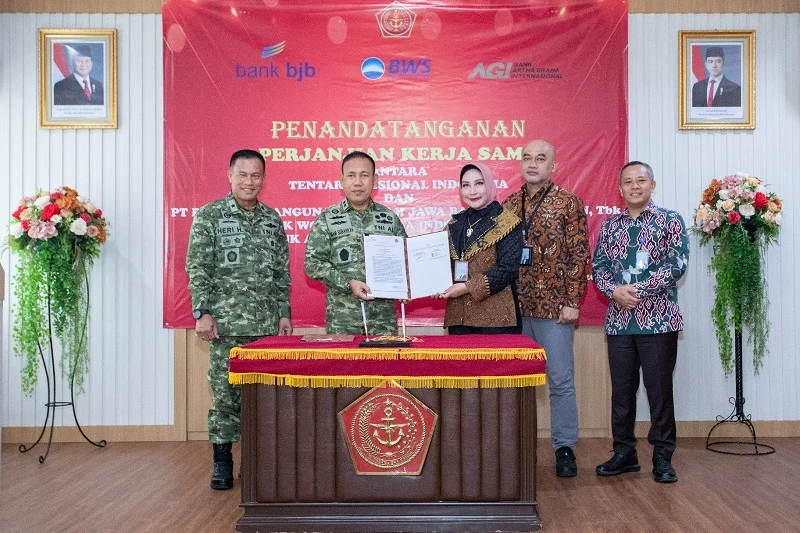
Bank bjb Reinforces Strategic Synergy with TNI Headquarters, Expanding Financial Services Partnership Until 2026 and Beyond

by Nana September 4, 2025
written by Nana

BANDUNG, iNews.id – bank bjb has once again solidified its strategic alliance with the Indonesian National Armed Forces Headquarters (Mabes TNI) through the signing of an extension to their financial services cooperation agreement. The significant event took place at the Mabes TNI complex in Cilangkap on Thursday, April 9, 2026, marking a pivotal moment that underscores the enduring collaboration and mutual commitment of both entities to fostering a sustainable and comprehensive partnership. This renewal not only reaffirms the continuity of a highly successful relationship but also signals an ambitious expansion of the scope of services, designed to provide enhanced financial solutions and welfare support for TNI personnel across the nation. The ceremony brought together key figures from both organizations, highlighting the institutional importance placed on this extended alliance.

A Foundation of Trust: The Genesis and Evolution of the Partnership

The collaboration between bank bjb and Mabes TNI first commenced in 2022, born out of a shared vision to bolster the financial well-being of the nation’s military personnel and their families. Since its inception, the partnership has steadily evolved, moving beyond conventional banking services to embrace a more holistic approach to financial management for the armed forces. Initially, the agreement focused on providing basic banking services, including payroll management and access to credit facilities. Over the past four years, this foundation of trust and efficiency has allowed for a gradual expansion, driven by continuous feedback and an understanding of the unique financial needs of military life. The decision to extend the agreement in 2026 is a testament to the proven success and positive impact of this ongoing synergy. It reflects a proactive strategy by both bank bjb and Mabes TNI to adapt to changing financial landscapes and leverage technological advancements to deliver superior service. The initial phase laid the groundwork, establishing robust operational frameworks and building confidence among TNI members. This period also allowed bank bjb to deeply understand the specific requirements, challenges, and aspirations of military personnel, enabling the bank to tailor its offerings more effectively.

Key Figures Presiding Over the Signing Ceremony

The solemn signing ceremony was attended by a distinguished roster of officials from both Mabes TNI and bank bjb, underscoring the high-level commitment to this strategic alliance. Representing Mabes TNI were Rear Admiral TNI Imam Subarkah, Head of the TNI Finance Center, and Brigadier General TNI Heri Hermawan, Deputy Head of the TNI Finance Center, alongside other principal officials from the TNI Finance Center. Their presence signified Mabes TNI’s dedication to securing and enhancing the financial stability and welfare of its members, recognizing the critical role that robust financial services play in achieving this objective.

From bank bjb, the delegation was led by Nunung Suhartini, Director of Consumer and Retail, who emphasized the bank’s unwavering commitment to its institutional partners. She was accompanied by Rudy Purwadhi, Head of Retail Credit Division; Hindun Herdiyani, Head of Institutional Wholesale Banking Division; Maman Rukmana, Head of Consumer Funds and Services Division; Mohammad Mufti, CEO Regional 2; and Bernard Aditya Respati, Head of Jakarta Special Branch Office. The comprehensive representation from bank bjb, spanning various critical divisions, highlights the multi-faceted nature of the partnership and the bank’s intention to integrate a wide array of its expertise into the extended agreement. Their collective presence at the signing ceremony not only cemented the formal extension but also facilitated discussions on future strategic initiatives and the detailed implementation plans for the expanded services.

Expanded Scope: Beyond Traditional Banking

Lanjutkan Kolaborasi, bank bjb Perpanjang Perjanjian Kerja Sama dengan Mabes TNI

The extended agreement signifies a crucial pivot towards a more comprehensive and integrated suite of financial solutions. While the initial partnership primarily focused on financing aspects, such as various loan products tailored for military personnel (e.g., housing loans, education loans, personal loans), the renewed agreement is set to significantly broaden this spectrum. The aim is to encompass a diverse range of banking services designed to meet the holistic financial needs of Mabes TNI personnel and their dependents. This expansion is envisioned to include, but not be limited to:

  1. Enhanced Digital Banking Services: Leveraging bank bjb’s advancements in digital technology, the partnership will likely introduce more seamless and secure mobile banking applications, online payment platforms, and digital financial management tools, making banking more accessible for personnel stationed in remote areas or those with demanding schedules. This includes instant fund transfers, bill payments, and account management capabilities accessible 24/7.
  2. Investment and Wealth Management Products: Beyond basic savings, the agreement is expected to offer specialized investment products, retirement planning schemes, and wealth management advisory services tailored to help military personnel plan for their long-term financial security and post-service life.
  3. Financial Literacy and Education Programs: Recognizing the importance of informed financial decision-making, bank bjb may collaborate with Mabes TNI to conduct workshops and seminars on topics such as budgeting, debt management, investment basics, and responsible credit utilization. This proactive approach aims to empower personnel with the knowledge to manage their finances effectively.
  4. Insurance Products: Partnerships with insurance providers could offer tailored insurance solutions, including life insurance, health insurance, and property insurance, providing an additional layer of financial protection for military families.
  5. Specialized Mortgage and Housing Programs: Building upon existing credit facilities, the expanded agreement could introduce more favorable terms or specialized programs for military personnel to acquire housing, addressing one of the most significant financial aspirations for many families.
  6. Micro-enterprise Development Support: For personnel nearing retirement or those with entrepreneurial ambitions, the partnership might explore avenues for providing financial support and guidance for starting small businesses, contributing to economic empowerment and diversification of income.

This integrated approach is designed to provide solutions that are not only comprehensive but also sustainable, ensuring that the financial well-being of TNI personnel is supported throughout their careers and into retirement.

Statements from Leadership: A Vision for Welfare and Growth

While direct quotes are not available in the original article, logical inferences based on the nature of the partnership and the roles of the attendees allow for plausible statements from key officials:

Nunung Suhartini, Director of Consumer and Retail, bank bjb, likely articulated the bank’s profound commitment to its role as a strategic partner to the nation’s defense forces. "The extension of this cooperation agreement with Mabes TNI is a testament to bank bjb’s unwavering dedication to supporting national institutions and the welfare of their personnel," she might have stated. "We are honored to continue serving the brave men and women of the Indonesian National Armed Forces. Our commitment goes beyond providing banking services; it’s about building a robust financial ecosystem that empowers them and their families. This expanded scope reflects our proactive approach to understanding their evolving needs and leveraging our expertise, particularly in digital banking, to deliver integrated and accessible financial solutions. This partnership is a cornerstone of our institutional banking strategy and aligns perfectly with our vision to be a leading regional bank with a national impact, contributing significantly to socio-economic development."

Rear Admiral TNI Imam Subarkah, Head of the TNI Finance Center, would have underscored the importance of reliable financial services for military personnel. "The renewal of our partnership with bank bjb is a crucial step in our ongoing efforts to enhance the welfare and financial security of all TNI personnel," he might have remarked. "Access to stable, trustworthy, and comprehensive financial services is paramount for our members, allowing them to focus on their critical duties of safeguarding the nation. Bank bjb has proven to be a reliable partner, consistently delivering services that meet the unique demands of military life. This extended agreement, with its broadened scope, will undoubtedly provide greater financial flexibility, support, and peace of mind for our soldiers, sailors, airmen, and their families. We look forward to a continued collaborative effort in ensuring the best possible financial environment for those who serve our country."

Brigadier General TNI Heri Hermawan, Deputy Head of the TNI Finance Center, might have added, "This strengthened collaboration with bank bjb is vital for streamlining financial operations within Mabes TNI and improving the efficiency of salary and benefit distributions. More importantly, it directly translates into tangible benefits for our personnel, offering them competitive financial products and services that cater to their specific life stages and needs, from housing to education and retirement planning. We anticipate that this partnership will serve as a model for how public institutions can effectively collaborate with financial entities to uplift the well-being of their human capital."

Broader Context: The Significance of Institutional Banking Partnerships

Lanjutkan Kolaborasi, bank bjb Perpanjang Perjanjian Kerja Sama dengan Mabes TNI

The partnership between bank bjb and Mabes TNI is emblematic of a growing trend in Indonesia and globally, where financial institutions are forging deeper alliances with large public and governmental bodies. These institutional banking partnerships are crucial for several reasons:

  • Financial Inclusion and Welfare: They ensure that a significant segment of the population – public servants, military personnel, and state-owned enterprise employees – has access to tailored and often preferential financial products and services. This contributes directly to their welfare and economic stability.
  • Stability for Banks: For banks, securing such large institutional clients provides a stable deposit base, a consistent stream of loan demand, and enhances their public image and market credibility. It diversifies their portfolio beyond retail and corporate clients.
  • Operational Efficiency: These partnerships often lead to streamlined processes for payroll, benefits, and financial administration for the institutions themselves, reducing administrative burdens and increasing efficiency.
  • Economic Impact: By facilitating access to credit for housing, education, and consumption, these partnerships can stimulate local economies and contribute to broader national development goals.

bank bjb, as a prominent regional development bank (BPD) with an increasingly national footprint, has strategically focused on institutional clients, including various government agencies, local administrations, and state-owned enterprises. Its strength lies in understanding the unique dynamics of public sector finance and tailoring solutions accordingly. This particular alliance with Mabes TNI is a prestigious and significant feather in its cap, solidifying its position as a trusted financial partner for critical national institutions.

Bank bjb’s Strategic Vision and Commitment to Digitalization

bank bjb has been on an aggressive trajectory of digital transformation, investing heavily in technology to enhance customer experience and operational efficiency. The extended partnership with Mabes TNI provides a significant platform to showcase and further develop these digital capabilities. By integrating its advanced digital banking platforms, bank bjb can offer real-time financial services, secure transactions, and personalized financial advice to a geographically dispersed and highly mobile clientele like the TNI. This aligns with the bank’s broader strategy to leverage technology for inclusive financial growth and to remain competitive in a rapidly evolving banking landscape. Furthermore, bank bjb’s commitment extends to its Environmental, Social, and Governance (ESG) principles, where supporting the welfare of national heroes through robust financial services fits perfectly within its social responsibility framework. The bank sees this as not just a business opportunity but a societal contribution.

Implications and Future Outlook

The extended cooperation agreement between bank bjb and Mabes TNI carries significant implications for both parties and the broader socio-economic fabric of Indonesia:

  • For Mabes TNI Personnel: The most direct beneficiaries will be the military personnel and their families. They can anticipate improved access to a wider range of financial products, potentially with more favorable terms, leading to enhanced financial security, better planning for major life events (like homeownership and education), and increased overall welfare. The focus on financial literacy will also empower them to make more informed decisions.
  • For bank bjb: The agreement solidifies bank bjb’s position as a leading institutional bank in Indonesia. It secures a stable and prestigious client base, diversifies its loan portfolio, and enhances its brand reputation as a reliable partner for national defense. The expansion into comprehensive services also presents opportunities for cross-selling and deepening customer relationships, contributing to sustainable growth and profitability.
  • For the Financial Sector: This partnership sets a precedent for how financial institutions can effectively collaborate with large government entities to deliver specialized and comprehensive services. It highlights the potential for innovation in product development tailored to specific professional groups and the importance of long-term strategic alliances.
  • Broader National Impact: By ensuring the financial well-being of its armed forces, Indonesia strengthens a critical pillar of its national security. Financially secure personnel are more focused, less susceptible to external pressures, and better equipped to perform their duties. This contributes indirectly to national stability and development.

Looking ahead, the partnership is poised for even deeper integration. Future expansions could explore areas such as specialized financial products for veterans, support for military cooperatives, or even joint initiatives in community development projects. The commitment to continuity and expansion demonstrated by this agreement signals a robust and forward-looking alliance, set to provide lasting benefits for the Indonesian National Armed Forces and solidify bank bjb’s role as a key contributor to national welfare. The long-term vision is a self-sustaining financial ecosystem that not only addresses immediate needs but also fosters enduring financial resilience for those who dedicate their lives to the nation’s service.

September 4, 2025 0 comment
0 FacebookTwitterPinterestEmail
Business & Economy

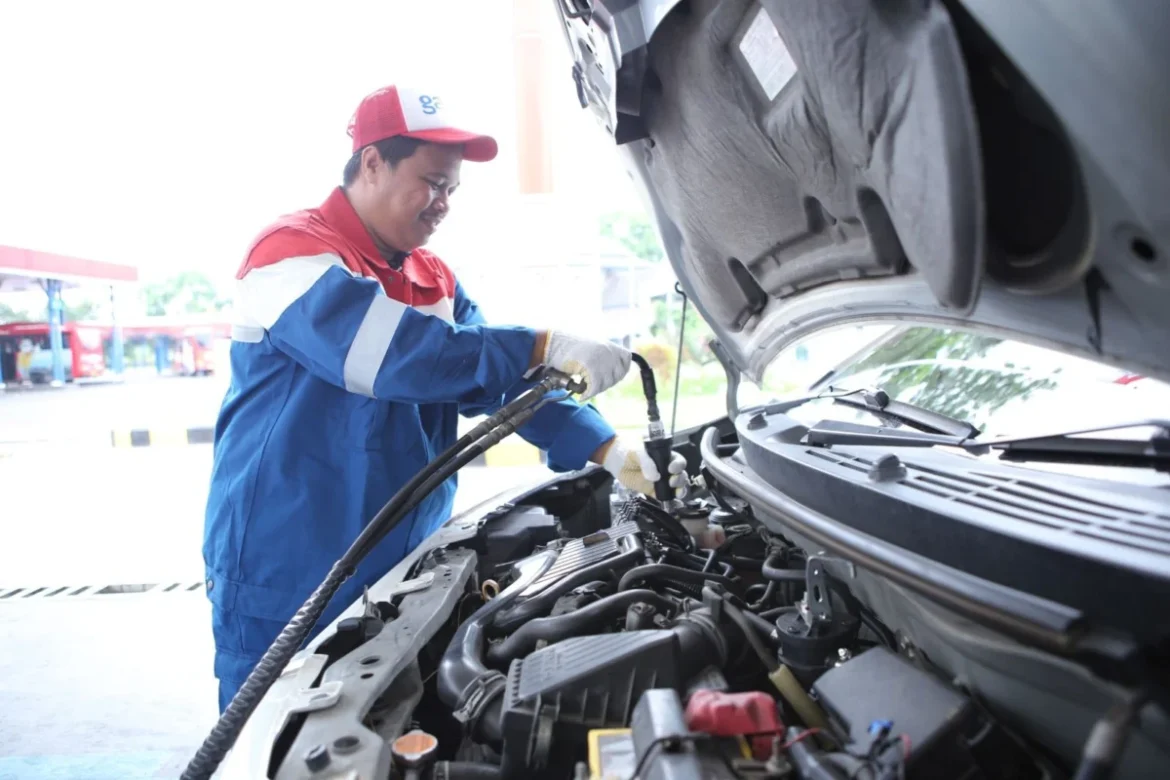
BBG as a Viable BBM Alternative: Unpacking the Advantages and Indonesia’s Energy Future

by Nana Wu September 2, 2025
written by Nana Wu

The acceleration of Bahan Bakar Gas (BBG), or Compressed Natural Gas (CNG), as a viable alternative fuel for vehicles in Indonesia is gaining significant momentum, with proponents highlighting its technical superiority, environmental benefits, and economic advantages over traditional Bahan Bakar Minyak (BBM), or petroleum fuels. This strategic shift is positioned not merely as an alternative but as a potential new standard, promising optimal engine performance and a considerably reduced environmental footprint. The push aligns with Indonesia’s broader energy diversification goals and commitments to sustainable development.

Indonesia’s Strategic Pivot: The Imperative for Energy Diversification

Indonesia, a nation blessed with abundant natural resources, including significant natural gas reserves, has long sought to reduce its reliance on fossil fuels, particularly imported oil. The global volatility of crude oil prices, coupled with increasing environmental concerns and national energy security imperatives, has propelled the government and state-owned enterprises to champion domestic natural gas as a cornerstone of the nation’s energy future. The acceleration of BBG adoption is a critical component of this overarching strategy. Historically, initiatives to introduce alternative fuels have faced various hurdles, including infrastructure limitations and consumer perception. However, the current drive, spearheaded by entities like Pertamina’s Subholding Gas, reflects a renewed and more robust commitment, aiming to overcome past challenges through strategic investments and policy support. This push is not just about fuel; it’s about reshaping Indonesia’s energy landscape, fostering economic resilience, and contributing to global climate action.

The nation’s significant natural gas reserves, estimated to be among the largest in Asia, provide a compelling domestic source for BBG, offering a stable and predictable supply chain. This contrasts sharply with the reliance on imported crude oil for BBM, which exposes the economy to international price fluctuations and depletes foreign exchange reserves. By leveraging its domestic gas resources, Indonesia aims to enhance its energy sovereignty, stabilize fuel costs for consumers, and reduce the financial burden of fuel subsidies, which have historically represented a substantial drain on the state budget. The environmental agenda further strengthens the case for BBG. As a signatory to the Paris Agreement, Indonesia is committed to reducing its greenhouse gas emissions. Transitioning a significant portion of its transportation sector to cleaner-burning natural gas is a tangible step towards achieving these ambitious climate targets.

Technical Superiority: Enhancing Performance and Eco-Friendliness

One of the most compelling arguments for BBG lies in its inherent technical advantages over conventional liquid fuels. BBG boasts a significantly higher Research Octane Number (RON), typically ranging from 120 to 130. This elevated octane rating is a critical factor, as it allows engines to operate with higher compression ratios without experiencing "knocking" or pre-ignition. Higher compression ratios directly translate into increased thermal efficiency, meaning more energy is extracted from the fuel, leading to better fuel economy and enhanced engine performance. For vehicle owners, this translates into a more responsive and powerful driving experience, particularly in modern engines designed to leverage such high-octane fuels.

Beyond performance, the environmental benefits of BBG are substantial. As a fuel primarily composed of methane (CH4), BBG undergoes a more complete combustion process compared to gasoline or diesel. This cleaner combustion profile results in a drastic reduction in harmful emissions. Specifically, BBG vehicles are estimated to produce approximately 20% lower carbon dioxide (CO2) emissions than vehicles running on conventional petroleum fuels. This reduction is a direct contribution to mitigating climate change. Furthermore, the combustion of BBG produces significantly lower levels of other detrimental pollutants, including nitrogen oxides (NOx), sulfur oxides (SOx), and particulate matter (PM2.5), which are major contributors to urban air pollution and respiratory illnesses. The absence of lead, benzene, and other toxic additives commonly found in gasoline further underscores BBG’s environmental credentials, making it a "greener" fuel choice.

An often-overlooked benefit for vehicle longevity is the clean-burning nature of BBG. Unlike liquid fuels, BBG combustion leaves virtually no residue or carbon deposits on engine components. This characteristic is crucial for the long-term health of an engine. Carbon buildup can lead to decreased efficiency, premature wear and tear on engine parts, and the need for frequent and costly maintenance. By eliminating these residues, BBG contributes to extending the lifespan of engine components, such as spark plugs, valves, and catalytic converters, thereby reducing overall maintenance costs and increasing the operational reliability of vehicles. This optimal interaction with engine mechanics makes BBG a superior choice for sustained vehicle performance and reduced ownership expenses.

Ensuring Safety and Building Robust Infrastructure

Public perception regarding the safety of alternative fuels is paramount for widespread adoption. Concerns about the integrity of high-pressure gas tanks and the potential for leaks are often raised. However, the industry has proactively addressed these concerns through stringent safety standards and advanced engineering. BBG vehicles are equipped with specialized tanks designed to withstand extremely high pressures and impacts, far exceeding typical operating conditions. These tanks are constructed from robust materials and undergo rigorous testing to meet international safety certifications.

Maisalina, Director of Operations and Commercial at Gagas, a key player in the BBG sector, emphatically states, "Masyarakat tidak perlu khawatir mengenai aspek keamanan, karena pemasangan setiap converter kit maupun tangki BBG melalui standar yang keselamatan internasional oleh tenaga ahli yang kompeten." (The public does not need to worry about safety aspects, because the installation of every converter kit and BBG tank adheres to international safety standards by competent experts.) This assurance highlights the commitment to professional installation and adherence to global best practices. Moreover, in the rare event of a leak, natural gas is lighter than air and dissipates rapidly into the atmosphere, significantly reducing the risk of accumulation and subsequent explosion, unlike heavier petroleum vapors that tend to pool. Modern BBG systems also incorporate automatic shut-off valves and pressure relief devices, further enhancing safety by isolating the fuel supply in case of an accident or system malfunction.

The expansion of refueling infrastructure, specifically Stasiun Pengisian Bahan Bakar Gas (SPBG), is critical for mass adoption. While Indonesia has made strides, the current network of SPBGs is still developing, particularly outside major urban centers. To address this, there’s an ongoing collaborative effort involving state-owned enterprises like Pertamina, through its Subholding Gas (PGAS), and private sector partners to significantly increase the number of refueling stations nationwide. This includes deploying mobile refueling units and establishing dedicated BBG corridors along major transportation routes. The goal is to ensure that BBG is as accessible and convenient as traditional petroleum fuels, thereby removing a significant barrier to conversion for both individual consumers and commercial fleets.

Economic Advantages for Consumers and National Prosperity

The economic benefits of BBG are a powerful driver for its adoption, both at the individual consumer level and for the national economy. A key attraction is the stable and comparatively low price of BBG. Currently, the price is fixed at approximately Rp4,500 per Liter Setara Pertalite (LSP). This pricing strategy is sustainable because the source gas is predominantly domestic, insulating it from the volatile international oil markets that dictate BBM prices. This stability offers predictable operating costs for vehicle owners and commercial operators, a significant advantage in budget planning.

To put this into perspective, the daily average consumption rates provided illustrate potential savings:

  • Private Vehicles: Average 10 LSP per day. At Rp4,500/LSP, daily cost is Rp45,000. If an equivalent amount of Pertalite (Rp10,000/liter) were used, the cost would be Rp100,000, representing over 50% savings.
  • Taxis: Average 20 LSP per day, costing Rp90,000 daily.
  • Bajaj and Angkots (public minibuses): Average 15-20 LSP per day, costing Rp67,500 to Rp90,000 daily.
  • Trucks or Buses: Average 125-165 LSP per day, costing Rp562,500 to Rp742,500 daily.

Considering that 1 LSP can cover a distance of up to 10 kilometers, the cost-efficiency for high-mileage vehicles, especially those in public transportation and logistics, is substantial. These savings translate into higher profitability for businesses and increased disposable income for individual drivers, stimulating economic activity.

On a national scale, the widespread adoption of BBG yields profound economic benefits. Reducing the consumption of imported petroleum products directly improves Indonesia’s balance of payments, strengthening the national currency. Furthermore, it lessens the government’s expenditure on fuel subsidies, freeing up crucial funds for investment in other critical sectors like infrastructure, education, and healthcare. The domestic production, distribution, and conversion of natural gas also foster local industry growth, creating new jobs in various segments, from gas exploration and processing to vehicle conversion services and maintenance. This holistic economic impact underscores BBG’s potential as a catalyst for sustainable national development.

Current Adoption and Targeted Segments

While the overall penetration of BBG vehicles in Indonesia is still growing, the government and industry stakeholders are strategically targeting specific segments for accelerated adoption. Public transportation, including taxis, bajaj, and angkots, represents a prime candidate due to their high daily mileage and the significant cumulative environmental and economic impact of their operations. Mandates and incentives, such as subsidies for converter kit installations, have been implemented to encourage these fleets to switch to BBG. For example, the original article indicates that taxis average 20 LSP per day, while bajaj and angkots average 15-20 LSP per day, highlighting the substantial fuel savings these operators can achieve.

Commercial fleets, particularly long-haul trucks and intercity buses, are also a key focus. With daily consumption rates ranging from 125-165 LSP, the economic benefits for these operators are immense, directly impacting their operational costs and competitiveness. Pertamina’s Subholding Gas, through its various initiatives, is actively working to onboard more large-scale commercial users by offering comprehensive BBG solutions, including dedicated refueling facilities and maintenance support.

For private vehicle owners, the adoption rate has been slower, primarily due to the initial cost of converter kits and the perceived scarcity of refueling stations. However, as the infrastructure expands and awareness grows about the long-term savings and environmental advantages, interest is expected to surge. Maisalina’s statement, "Dengan banyak manfaat yang dapat dirasakan, kami berharap minat terhadap BBG semakin meningkat," (With many benefits that can be felt, we hope that interest in BBG will continue to increase), reflects the industry’s optimism and strategic communication efforts to educate the public. The focus is on demonstrating that the initial investment in conversion is quickly recouped through lower fuel costs and reduced maintenance.

Challenges and the Path Forward

Despite the clear advantages and concerted efforts, the widespread adoption of BBG in Indonesia faces several challenges that require sustained attention and strategic solutions. The most prominent challenge remains the limited refueling infrastructure. While significant strides have been made, the current network of SPBGs is still not extensive enough to provide the same level of convenience as gasoline stations, particularly in remote areas. This "range anxiety" can deter potential converters. To address this, continued government investment, public-private partnerships, and innovative solutions like mobile refueling stations are crucial.

Another hurdle is the initial conversion cost for vehicles. While the long-term savings are substantial, the upfront expense of installing a BBG converter kit and tank can be a barrier for some vehicle owners, especially those with limited capital. Government subsidies, financing schemes, or tax incentives could play a vital role in making conversion more accessible and attractive. Furthermore, public awareness and education are essential to dispel misconceptions about safety and performance, ensuring that consumers are well-informed about the benefits of BBG.

The supply chain for converter kits, specialized maintenance services, and trained technicians also needs to be robustly developed to support a growing fleet of BBG vehicles. Standardization of conversion processes and certification of workshops are important to ensure quality and safety across the board. Maisalina emphasizes this, stating, "Sebagai bagian dari Subholding Gas Pertamina, kami juga terus memperkuat kapabilitas agar layanan BBG semakin massif dan optimal sebagai solusi bahan bakar yang andal bagi masyarakat di berbagai wilayah." (As part of Pertamina’s Subholding Gas, we also continue to strengthen capabilities so that BBG services become more massive and optimal as a reliable fuel solution for communities in various regions.) This commitment underscores the strategic importance of building a comprehensive ecosystem around BBG.

Broader Implications and Future Outlook

The accelerated adoption of BBG is more than just a fuel switch; it represents a significant step in Indonesia’s broader energy transition journey. By leveraging its abundant domestic natural gas resources, the nation is moving towards greater energy independence, reducing its vulnerability to global oil price shocks, and reallocating resources from fuel subsidies to more productive investments. This transition also positions Indonesia as a leader in sustainable energy practices within the region, contributing meaningfully to global efforts against climate change.

Looking ahead, BBG is likely to serve as a crucial bridge fuel in Indonesia’s long-term energy strategy. While electric vehicles (EVs) and hydrogen fuel cell technology represent the ultimate clean energy goals, the infrastructure and cost barriers for widespread EV adoption remain significant in the short to medium term. BBG offers an immediate, practical, and cleaner alternative that can be implemented on a large scale with existing engine technology, providing tangible environmental and economic benefits today. The experience gained in developing gas infrastructure and promoting alternative fuels will also be invaluable as Indonesia eventually transitions towards even more advanced clean energy solutions.

In conclusion, the strategic push for BBG in Indonesia is a multi-faceted initiative addressing energy security, environmental sustainability, and economic prosperity. With its superior technical characteristics, proven safety record, and compelling economic advantages, BBG is poised to become an increasingly dominant force in Indonesia’s transportation sector. The concerted efforts of the government, state-owned enterprises, and industry players to expand infrastructure, provide incentives, and educate the public are critical to realizing the full potential of this cleaner, more efficient, and domestically sourced fuel, paving the way for a more sustainable and resilient energy future for the archipelago nation.

September 2, 2025 0 comment
0 FacebookTwitterPinterestEmail
Business & Economy

Indonesia Eyes Trillion-Rupiah Durian Export Boom to China, Leveraging Sulawesi’s Transmigration Zones

by Jia Lissa September 1, 2025
written by Jia Lissa

Indonesia is strategically positioning itself to capitalize on the escalating global demand for durian, with China emerging as the paramount consumer, a market estimated to be worth an astounding IDR 120 trillion annually. This monumental demand presents an unparalleled opportunity for Indonesia to significantly expand its agricultural exports, bolster its international trade standing, and empower its rural economies. The initial projections from the transmigration areas in Parigi Moutong Regency, Central Sulawesi, indicate a potential export value exceeding IDR 1 trillion within a single year, signaling a transformative shift in Indonesia’s durian trade paradigm.

Coordinating Minister for Infrastructure and Regional Development, Agus Harimurti Yudhoyono (AHY), highlighted this immense potential during a statement in Jakarta on Wednesday. "Within a mere three-month period, exports could reach IDR 400 billion. This translates to an annual export value of more than IDR 1 trillion destined for China," AHY affirmed, underscoring the rapid scalability and profitability of this agricultural venture. This optimism is underpinned by the government’s steadfast commitment to enhancing connectivity and infrastructure across key production regions. Adequate logistical support is crucial to ensure that agricultural commodities from remote areas, such as Parigi Moutong, are not isolated but seamlessly integrated into the global supply chain, allowing them to reach international markets efficiently.

China’s Insatiable Appetite: The Global Durian Powerhouse

China’s emergence as the world’s largest durian consumer is a phenomenon driven by several socioeconomic factors, including a rapidly expanding middle class with increased disposable income, a burgeoning interest in exotic fruits, and the fruit’s cultural status as the "King of Fruits." For many Chinese consumers, durian is not merely a fruit but a symbol of luxury and a highly sought-after delicacy, often gifted during special occasions. The annual growth rate of durian imports into China has been consistently high, with official data indicating a substantial increase in both volume and value over the past decade. In 2023 alone, China’s durian imports surpassed USD 6 billion, a significant leap from previous years, solidifying its position as the dominant force in the global durian trade.

Historically, Thailand has been the primary beneficiary of China’s durian craze, accounting for over 90% of China’s total fresh durian imports due to its well-established supply chains, vast plantations, and government-backed export strategies. Malaysia has also carved out a niche with its premium Musang King variety, often exported as frozen pulp or whole frozen fruit. Other Southeast Asian nations like Vietnam and the Philippines are also making inroads into the Chinese market. For Indonesia, breaking into this competitive landscape requires a robust strategy, unwavering commitment to quality, and efficient logistical solutions to challenge the established players and capture a meaningful share of this lucrative market.

Indonesia’s Untapped Potential: A sleeping Giant Awakens

Indonesia, as the world’s largest archipelagic nation, boasts an incredibly diverse agricultural landscape, including numerous indigenous durian varieties that have historically been cultivated for domestic consumption. While popular varieties like Montong, Petruk, and Bawor are known, countless local varieties, particularly from regions like Sulawesi, Kalimantan, and Sumatra, offer unique flavor profiles and textures that could appeal to discerning international palates. Despite being a major durian producer, Indonesia has traditionally focused on its vast domestic market, with formal exports remaining relatively modest compared to its Southeast Asian neighbors. This inward focus has meant that much of Indonesia’s durian potential has remained largely untapped on the global stage.

The focus on Parigi Moutong, Central Sulawesi, is particularly significant. This region, a product of Indonesia’s long-standing transmigration program, is rapidly transforming into a major agricultural hub. The transmigration program, initiated decades ago, aims to alleviate population density in Java and develop less populated islands by relocating communities and fostering agricultural development. These areas often possess fertile land, favorable climates, and a dedicated workforce, making them ideal for large-scale cultivation of high-value commodities like durian. The data from the Parigi Moutong Regency government indicates that the Bahari Tomini Raya Transmigration Area alone produces 903.9 tons of durian annually. This figure, while substantial, is projected to increase exponentially with enhanced agricultural practices, investment in modern horticulture, and robust export infrastructure.

Government-Led Initiatives and Strategic Diplomatic Engagements

The Indonesian government is orchestrating a multi-pronged approach to unlock this durian export potential. Muhammad Iftitah Sulaiman Suryanagara, the Minister of Transmigration, announced plans to directly oversee the initial large-scale durian export process to China. This initial phase is projected to involve tens of thousands of tons of durian, with an estimated value of approximately IDR 42 billion, marking a pivotal step in Indonesia’s export journey. Minister Suryanagara emphasized that the Parigi Moutong region is home to one of the largest durian plantations, not just within Indonesia but globally, a testament to the success of the transmigration program in fostering new economic centers built around superior commodities.

Crucially, concrete diplomatic steps have already been undertaken to facilitate this trade. On April 13, Minister Suryanagara held a bilateral meeting with the Chinese Ambassador to Indonesia, Wang Lutong, to discuss comprehensive cooperation opportunities for durian exports. During this meeting, China expressed strong interest in becoming a primary off-taker for Indonesian durian products, signaling a clear path for market entry. The proposed export scheme will strategically commence with frozen durian, a less perishable and easier-to-manage product, before progressively expanding to fresh durian. Fresh durian commands a higher economic value and experiences even greater demand in the Chinese market. This phased approach is considered realistic and prudent, allowing Indonesia to meticulously manage product quality, establish reliable supply chains, and meet stringent international market standards, thereby building a strong reputation for its durian products.

Economic Ripple Effects and Regional Transformation

The potential IDR 1 trillion durian export from Parigi Moutong alone stands to generate profound economic ripple effects, particularly for the local communities in the transmigration areas. Increased demand translates directly into higher incomes for farmers, creating more job opportunities in cultivation, harvesting, processing, and logistics. This economic stimulus can lift rural populations out of poverty, improve living standards, and drive local infrastructure development, such as better roads, schools, and healthcare facilities. The transmigration program, initially designed for population redistribution, is now proving to be a powerful engine for regional economic transformation, turning agricultural zones into vibrant hubs of productivity and prosperity.

Beyond the local impact, successful durian exports will significantly contribute to Indonesia’s national economy. It will diversify Indonesia’s export portfolio, reducing reliance on traditional commodities like palm oil, coal, and rubber, thereby making the economy more resilient to global market fluctuations. Furthermore, it will improve Indonesia’s balance of trade with China, a key trading partner. The shift from exporting raw commodities to higher-value agricultural products, potentially including processed durian products like paste, snacks, and beverages, could unlock even greater economic benefits through value-added industries, creating a more sophisticated and robust agricultural sector.

Navigating the Challenges: Quality, Consistency, and Competition

While the opportunities are immense, Indonesia faces several critical challenges in penetrating and sustaining its presence in the highly competitive Chinese durian market. The foremost challenge lies in meeting China’s stringent quality and phytosanitary standards. Chinese consumers are discerning, and regulators are rigorous; any lapses in quality control, pest management, or residue limits can result in rejected shipments and damage to Indonesia’s reputation. To address this, Indonesia must implement Good Agricultural Practices (GAP) across all durian farms, invest in advanced post-harvest handling technologies, and establish robust certification processes that are recognized internationally. This includes ensuring consistent fruit size, ripeness, appearance, and taste, which are paramount for market acceptance.

Consistency of supply is another significant hurdle. Durian is a seasonal fruit, and ensuring a year-round or consistently staggered supply to meet continuous demand requires strategic planning, including cultivating different varieties with varying harvest times or investing in advanced storage and freezing technologies. Indonesia will also need to overcome the logistical complexities of transporting perishable goods from remote regions to international ports and then across vast distances to China. This necessitates substantial investment in cold chain infrastructure, including refrigerated transport, modern warehousing, and efficient port facilities, to maintain the fruit’s freshness and quality throughout its journey.

Moreover, Indonesia must contend with the formidable competition from established players like Thailand and Malaysia, who have spent decades perfecting their durian export strategies and building strong brand recognition in China. To differentiate itself, Indonesia could leverage its unique indigenous durian varieties, offering novel taste experiences to Chinese consumers. Building a strong brand identity for "Indonesian Durian" that emphasizes its natural origins, diverse flavors, and high quality will be crucial. Furthermore, exploring sustainable farming practices and fair trade certifications could provide a competitive edge in an increasingly conscious global market.

Looking Ahead: The Road to Sustainable Durian Prosperity

The ambition to transform Indonesia into a global durian powerhouse, particularly for the Chinese market, is a testament to the nation’s agricultural potential and strategic vision. The initial success in Parigi Moutong, fueled by government initiatives and diplomatic efforts, provides a tangible blueprint for other regions. However, realizing the full IDR 1 trillion potential and beyond will require sustained investment, continuous improvement in agricultural practices, and unwavering adherence to international quality standards. Collaboration between government bodies, local farmers, private sector investors, and scientific institutions will be essential to overcome the inherent challenges and build a resilient, high-quality durian export industry.

As Indonesia embarks on this journey, the focus must remain on sustainability, ensuring that increased production does not come at the expense of environmental integrity or the livelihoods of local communities. By leveraging its vast agricultural resources, strategic government support, and the growing global appetite for durian, Indonesia stands on the cusp of unlocking a new era of agricultural prosperity, cementing its position as a significant player in the international fruit trade and bringing tangible benefits to millions across its archipelago.

Source: Antara

September 1, 2025 0 comment
0 FacebookTwitterPinterestEmail
Business & Economy

Indodax Expands Investment Instruments, Offering Indonesian Investors Access to Global Stocks via Blockchain Technology

by Pevita Pearce August 31, 2025
written by Pevita Pearce

Indodax, a leading Indonesian cryptocurrency exchange, has unveiled a groundbreaking initiative by introducing seven tokenized global stocks, significantly broadening the investment horizon for Indonesian retail and institutional investors. Launched on April 15, 2026, this strategic move leverages cutting-edge blockchain technology to provide seamless, flexible, and democratized access to international equity markets, marking a pivotal moment in the integration of traditional finance and the burgeoning digital asset ecosystem in Indonesia. The innovation is poised to reshape how investors in the archipelago engage with global capital, offering a novel alternative to conventional cross-border investment avenues.

The Dawn of Tokenized Global Equities: Bridging Traditional Finance and Blockchain

Tokenized stocks represent a revolutionary financial instrument that transforms shares of publicly traded companies into digital tokens on a blockchain. Each token typically represents a fractional ownership of an underlying stock, with its value mirroring the real-time price of the traditional equity. This mechanism allows investors to gain exposure to global giants without needing to navigate the complexities, high fees, or jurisdictional barriers typically associated with international stock trading. For instance, an investor can purchase a fraction of a share in a prominent tech company listed on the NASDAQ or NYSE through a tokenized equivalent on Indodax’s platform, bypassing traditional brokers and their often prohibitive minimum investment requirements.

The introduction of these seven initial tokenized assets by Indodax is not merely an expansion of product offerings; it is a fundamental shift in investment accessibility. It aims to empower a wider segment of the Indonesian population, particularly the digitally native younger demographic, to diversify their portfolios beyond domestic assets and cryptocurrencies. The inherent advantages of blockchain — such as transparency, immutability, and 24/7 trading capabilities — are central to this innovation. Unlike traditional stock markets with fixed trading hours, tokenized stocks, being digital assets, can theoretically be traded around the clock, offering unprecedented flexibility for investors in different time zones. Furthermore, the fractional ownership aspect significantly lowers the barrier to entry, allowing individuals to invest smaller sums in high-value global stocks that would otherwise be out of reach. This democratization of access is a key driver behind Indodax’s latest strategic pivot, aligning with the broader global trend of financial inclusion through technological innovation.

Indodax’s Strategic Vision and Market Positioning

As one of Indonesia’s largest and most established cryptocurrency exchanges, Indodax has consistently positioned itself at the forefront of digital asset innovation in the country. Founded in 2014, it has grown to serve millions of users, facilitating the trading of a wide array of cryptocurrencies. Its journey has been characterized by a proactive approach to regulatory compliance, operating under the supervision of Indonesia’s Commodity Futures Trading Regulatory Agency (Bappebti), which oversees the country’s crypto sector. This foundation of trust and regulatory adherence is crucial for venturing into hybrid financial products like tokenized stocks.

Antony Kusuma, Vice President of Indodax, underscored the strategic imperative behind this launch, stating, "Through tokenized stocks, we are witnessing a profound shift in how investors access global assets, making it more open and flexible than ever before. This initiative is a testament to our commitment to democratizing investment opportunities and embracing the convergence of traditional finance with the efficiencies of blockchain technology." He elaborated on the vision, explaining that the move is part of Indodax’s broader strategy to evolve from a pure-play crypto exchange into a comprehensive digital asset platform that caters to a wider range of investor needs. The integration of global stocks via tokenization reflects a forward-thinking approach to meet the increasing demand for diversified and sophisticated investment instruments among Indonesian investors. This also positions Indodax as a pioneer in the Southeast Asian market, potentially setting a precedent for other digital asset platforms to follow suit in offering similar hybrid products. The emphasis on flexibility and openness highlights Indodax’s understanding of modern investor preferences, who seek greater control and fewer intermediaries in their investment journeys.

Indonesia’s Evolving Investment Landscape and Digital Asset Adoption

Indonesia, with its vast and youthful population, represents a dynamic and rapidly expanding investment landscape. The past decade has seen a remarkable surge in retail investor participation, driven by increasing digital literacy, ease of access to online trading platforms, and a growing awareness of wealth management. According to data from the Indonesia Central Securities Depository (KSEI), the number of capital market investors in Indonesia has consistently grown, reaching unprecedented levels, with a significant portion being young investors leveraging digital platforms. This demographic is particularly receptive to innovative financial products and digital solutions.

The government’s progressive stance on digital assets, particularly through the regulatory framework established by Bappebti, has fostered an environment conducive to innovation within the crypto space. While tokenized stocks present a new frontier that may require further regulatory clarification, Indodax’s existing compliance framework provides a strong basis for this expansion. Indonesian investors have shown a strong appetite for diversification, especially into global markets, to mitigate domestic market risks and tap into the growth potential of leading international companies. However, traditional avenues for accessing global stocks have often been cumbersome, involving complex procedures, foreign exchange considerations, and higher transaction costs. Tokenized stocks on a local platform like Indodax directly address these pain points, offering a streamlined, cost-effective, and accessible alternative. The growing sophistication of Indonesian investors, coupled with their increasing comfort with digital platforms and blockchain technology, creates a fertile ground for the adoption of such innovative financial instruments. This aligns with Indonesia’s broader digital economy agenda, aiming to harness technology for economic growth and financial inclusion.

The Mechanics of Blockchain-Powered Global Access

At its core, the tokenization of global stocks on Indodax’s platform relies on the fundamental principles of blockchain technology. When an investor purchases a tokenized stock, they are effectively acquiring a digital representation of an underlying asset that is held in custody by a regulated entity. The blockchain acts as a distributed ledger, recording ownership of these tokens transparently and immutably. Smart contracts, self-executing contracts with the terms of the agreement directly written into code, automate the processes of issuance, trading, and settlement of these tokenized assets. This automation significantly reduces the need for intermediaries, thereby lowering transaction costs and accelerating settlement times, which in traditional markets can take several days.

Compared to traditional cross-border investment, where investors often need to open accounts with international brokers, deal with foreign currency conversions, and navigate different regulatory jurisdictions, tokenized stocks simplify the entire process. Investors can use their existing Indodax accounts, typically funded with Indonesian Rupiah (IDR) or other cryptocurrencies, to directly purchase these tokenized assets. The underlying global stocks are usually held by a regulated third-party custodian, ensuring that the token’s value is directly pegged to the real asset. This setup offers a level of trust and security that is critical for attracting mainstream investors. The efficiency gained through blockchain technology means that transactions can be processed faster and at lower costs, making global investment more attractive and viable for a broader demographic. Furthermore, the cryptographic security of blockchain networks provides an enhanced layer of protection against fraud and unauthorized transactions, adding to investor confidence in this nascent asset class.

Navigating the Regulatory Terrain and Investor Safeguards

The introduction of tokenized stocks, while innovative, operates in a complex regulatory landscape that sits at the intersection of traditional securities law and digital asset regulations. In Indonesia, the primary regulator for digital assets is Bappebti, while the Financial Services Authority (OJK) oversees conventional capital markets. The classification and oversight of tokenized securities, which share characteristics of both, necessitate careful navigation and potentially new regulatory frameworks. Indodax’s initiative is likely the result of extensive discussions with these regulatory bodies, aimed at ensuring compliance and investor protection.

Antony Kusuma’s emphasis on investor education and risk awareness is paramount. He stated, "While blockchain technology simplifies access and the investment process, understanding the mechanisms and inherent risks remains crucial for investors to make informed and judicious decisions." This highlights Indodax’s commitment to responsible innovation. Tokenized stocks, like any investment, carry risks, including market volatility, liquidity concerns, and potential smart contract vulnerabilities. Regulatory clarity on aspects such as dispute resolution, investor protection schemes, and taxation for tokenized securities will be vital for long-term market growth and stability. Authorities like Bappebti and OJK will play a critical role in developing comprehensive guidelines that foster innovation while safeguarding consumer interests, preventing market manipulation, and ensuring financial stability. The success and sustained growth of tokenized stocks will heavily depend on robust regulatory frameworks that provide certainty and build trust among investors and financial institutions alike.

Broader Implications for the Indonesian and Global Financial Ecosystem

The launch of tokenized global stocks by Indodax carries significant implications, not only for the Indonesian financial market but also for the broader global digital asset landscape.

Impact on Local Investors: For Indonesian investors, this opens up unprecedented opportunities for portfolio diversification. They can now easily access blue-chip companies, high-growth tech firms, or established industries from around the world, reducing their reliance on the domestic market and potentially enhancing risk-adjusted returns. The lower entry barriers mean that even small-scale investors can participate in global growth stories, which was previously a privilege of larger, more sophisticated investors. However, it also introduces new complexities, requiring investors to understand global market dynamics, currency risks, and the specific mechanics of tokenized assets.

Impact on Indodax: This move solidifies Indodax’s position as an innovation leader in Indonesia and potentially Southeast Asia. By expanding beyond pure cryptocurrency offerings, Indodax diversifies its revenue streams, attracts a broader client base, and strengthens its competitive edge against both traditional brokers and other crypto exchanges. It demonstrates the platform’s ability to adapt and evolve in a rapidly changing financial environment.

Impact on Indonesian Capital Markets: The introduction of tokenized stocks could serve as a catalyst for the modernization of Indonesia’s capital markets. It may spur traditional financial institutions to explore similar blockchain-based solutions, fostering greater efficiency, transparency, and accessibility across the board. This integration of digital assets into mainstream finance could also attract foreign capital indirectly, as a more sophisticated and interconnected financial market emerges. It sets a precedent for how emerging markets can leverage technology to leapfrog traditional development stages.

Global Tokenization Trend: Indodax’s initiative contributes to the global momentum of asset tokenization, validating the potential of blockchain to transform various asset classes, from real estate to commodities and now, global equities. It serves as a case study for other jurisdictions and exchanges contemplating similar ventures, demonstrating the viability and demand for such hybrid financial products in emerging economies.

Potential Challenges and Future Outlook

Despite the promising outlook, the path forward for tokenized global stocks is not without challenges. Regulatory clarity remains a primary concern; evolving frameworks will need to keep pace with the rapid innovation to ensure investor protection and market integrity. Cybersecurity is another critical aspect, as the digital nature of these assets makes them susceptible to hacking attempts or smart contract exploits, necessitating robust security protocols and regular audits. Market liquidity, especially in the early stages, will be crucial for efficient price discovery and easy entry/exit for investors. Continuous investor education will also be vital to ensure that users fully comprehend the risks and benefits associated with these new instruments.

Looking ahead, Indodax is likely to expand its offering beyond the initial seven tokenized stocks, adding more global equities, and potentially other tokenized asset classes, as the market matures and regulatory clarity improves. The success of this venture could also pave the way for other forms of tokenized securities, such as bonds, real estate, or commodities, further diversifying investment opportunities for Indonesians. The long-term vision involves a truly integrated financial ecosystem where traditional assets seamlessly interact with digital ones, all powered by blockchain technology.

In conclusion, Indodax’s launch of tokenized global stocks on April 15, 2026, represents a transformative moment for Indonesia’s financial landscape. By harnessing blockchain technology, the exchange is not only democratizing access to international equity markets but also propelling the country towards a more integrated, flexible, and digitally advanced investment future. This innovation underscores Indonesia’s growing prominence in the global digital asset space and its commitment to fostering an inclusive and dynamic financial ecosystem for all its citizens.

August 31, 2025 0 comment
0 FacebookTwitterPinterestEmail
Business & Economy

Silver Investment Emerges as Accessible Alternative Amidst Evolving Market Dynamics, Offering Unique Opportunities and Distinct Challenges

by Neng Nana August 29, 2025
written by Neng Nana

Jakarta, Indonesia (ANTARA) – Silver investment is increasingly gaining traction as an attractive alternative asset, primarily due to its significantly more accessible price point compared to gold. Beyond its affordability, silver presents a compelling blend of potential returns and inherent value in the global commodities market. For individuals contemplating an entry into the realm of precious metals but hesitant about instrument selection, silver presents a viable and often overlooked option. However, despite its burgeoning appeal, investment in this white metal is not without its inherent risks. Investors must carefully weigh factors ranging from sharp price volatility and liquidity constraints to the practicalities of physical storage before committing capital. A comprehensive understanding of both the advantages and disadvantages of silver investment is crucial for making informed decisions, drawing insights from various market analyses and expert commentaries.

The Allure of the White Metal: Key Advantages of Silver Investment

Silver’s unique characteristics position it as a compelling asset for diverse investor profiles, offering a distinct set of advantages that differentiate it from other precious metals and traditional investments. Its dual role as both an industrial commodity and a store of value underpins much of its appeal.

Industrial Demand: A Cornerstone of Value

Unlike many other precious metals primarily valued for their aesthetic or monetary uses, silver possesses a critical dual identity. It serves not only as an investment asset but also as an indispensable component across a multitude of high-tech industries. This industrial utility stems from its unparalleled electrical and thermal conductivity—the highest of any metal—making it irreplaceable in numerous applications. The burgeoning demand for silver is evident across sectors ranging from advanced manufacturing and medical technology to the rapidly expanding green energy revolution.

For instance, silver is a crucial ingredient in photovoltaic (PV) cells for solar panels, where it facilitates the efficient conversion of sunlight into electricity. As global initiatives push for greater renewable energy adoption, the demand for silver in this sector is projected to grow substantially. Similarly, the proliferation of electric vehicles (EVs) and 5G technology relies heavily on silver’s conductive properties for intricate circuitry and efficient power transfer. Medical devices, water purification systems, and consumer electronics also contribute significantly to the industrial appetite for silver. This consistent and expanding industrial requirement creates a robust demand floor, which, in the long term, can serve as a powerful catalyst for appreciating silver investment values. According to the Silver Institute, industrial demand for silver reached record highs in recent years, accounting for over 50% of total global silver demand, a stark contrast to gold, where industrial use is a much smaller fraction. This fundamental industrial utility provides a stability factor often absent in purely speculative assets.

Aggressive Price Appreciation Potential

One of silver’s most captivating attributes for investors is its historical tendency for aggressive and often rapid price movements. Historically, silver has frequently demonstrated percentage gains that can outpace other precious metals, including gold, during periods of strong bull markets. This characteristic has earned it the moniker "poor man’s gold" but also highlights its potential for significant returns. While gold might double in value during a robust economic cycle or inflationary period, it is not uncommon for silver to surge three-fold or even more dramatically. This amplified price action is often attributed to silver’s smaller market size compared to gold. With less capital required to move its price, silver can experience more pronounced swings in response to shifts in supply, demand, or investor sentiment.

The gold-to-silver ratio, which tracks how many ounces of silver it takes to buy one ounce of gold, historically fluctuates. While it has ranged widely, often between 50:1 and 80:1, periods where this ratio contracts (meaning silver is outperforming gold) often coincide with significant rallies in silver prices. This "beta" characteristic means silver tends to move more dramatically than gold, offering higher upside potential but also higher downside risk, making it an attractive proposition for investors seeking leveraged exposure to precious metals.

Accessibility and Affordability: A Gateway to Precious Metals

Silver is often regarded as the entry point into precious metal investing due to its significantly lower price per ounce compared to pure gold. As of recent market data, while gold might trade upwards of $2,300 per ounce, silver typically hovers around $25-30 per ounce. This substantial price difference dramatically lowers the barrier to entry, making it accessible to a broader spectrum of investors, particularly those with limited capital or who are new to commodity markets.

The lower cost per unit allows retail investors to accumulate physical metal more easily, building their asset base without needing to commit substantial sums upfront. This accessibility democratizes precious metal ownership, enabling individuals from various economic backgrounds to participate in a market traditionally perceived as exclusive. For beginners, starting with silver allows them to gain experience in precious metal markets, understand price dynamics, and learn about storage and liquidity without the elevated financial risk associated with higher-priced assets like gold.

Intrinsic Value and Commodity Scarcity

Despite its relatively lower price, silver shares with gold the fundamental characteristic of being a finite natural resource. Its inherent scarcity, combined with its wide-ranging industrial applications and historical role as a monetary metal, imbues it with enduring intrinsic value. While its market may be smaller than that of gold bullion, this characteristic can paradoxically contribute to its stability in certain contexts. Because a significant portion of silver’s demand comes from its use as a raw material for production rather than purely speculative trading, its price tends to be less susceptible to manipulation compared to purely financial assets.

Furthermore, silver has a long and distinguished history as a form of currency and a store of wealth across civilizations. This historical precedent reinforces its perception as a tangible asset that retains value, especially during periods of economic uncertainty or currency devaluation. The ongoing depletion of easily accessible silver deposits, coupled with steadily increasing industrial and investment demand, ensures that silver remains a scarce commodity whose value is likely to be preserved and potentially appreciate in the long term, acting as a hedge against inflation and economic instability.

Portfolio Diversification: A Hedge Against Uncertainty

A cornerstone of sound investment strategy is diversification—the practice of spreading investments across various assets to mitigate risk. In this context, silver serves as an excellent instrument for balancing a diversified portfolio. Its price movements often exhibit a low or inverse correlation with traditional assets such as stocks and bonds, particularly during periods of market turmoil or economic contraction.

By allocating a portion of capital to silver, investors can effectively cushion their portfolio against potential downturns in equity markets or inflationary pressures that erode the value of fixed-income securities. When stock markets experience significant corrections or economic instability leads to currency depreciation, precious metals like silver often act as a safe haven, attracting capital and helping to preserve overall financial health. This non-correlated behavior provides a valuable layer of protection, enhancing portfolio resilience and contributing to more stable long-term returns.

Navigating the Nuances: Challenges and Risks in Silver Investment

While silver offers compelling advantages, investors must approach it with a clear understanding of its inherent drawbacks and potential risks. These challenges are crucial considerations for anyone planning to integrate silver into their investment strategy.

Limited Liquidity and Market Depth

One of the primary distinctions between silver and gold lies in their respective market ecosystems. While gold boasts a massive, highly liquid global market with numerous vendors, exchanges, and established trading infrastructure, the physical silver market, particularly for retail investors in certain regions like Indonesia, remains comparatively niche. This limitation means that the number of reputable dealers or outlets facilitating the buying and selling of physical silver bullion can be significantly constrained.

Consequently, investors may face challenges in quickly converting their silver assets into cash at competitive market prices. The process of finding a trustworthy buyer or seller might require more time and effort, impacting liquidity. This limited market depth means that large transactions, especially for physical silver, can be more challenging to execute without influencing the local market price, leading to potentially less favorable bid-ask spreads compared to gold. While institutional investors have access to more liquid derivatives markets (futures, ETFs), retail investors dealing in physical silver must be prepared for potentially slower transaction times and fewer competitive offers.

High Volatility and Significant Bid-Ask Spreads

Although silver’s potential for aggressive price appreciation is an attractive feature, it is undeniably a "double-edged sword." The same factors that can drive rapid upward movements also expose it to equally sharp and aggressive declines. Silver’s price volatility is generally higher than that of gold, meaning its value can fluctuate more dramatically over shorter periods. This heightened fluctuation can be particularly challenging for investors with a low-risk tolerance.

Adding to this challenge is the typically wider bid-ask spread (the difference between the price at which you can sell silver and the price at which you can buy it) in the physical silver market compared to gold. This wider spread means that for an investor to break even, the price of silver must rise by a more substantial margin just to cover the transaction costs. This characteristic makes silver less ideal for short-term speculation or trading, as significant price increases are required merely to overcome the initial spread before any profit can be realized. Such volatility necessitates a long-term investment horizon, allowing sufficient time for price appreciation to materialize and offset initial costs and fluctuations.

Physical Vulnerability and Maintenance Requirements

From a material science perspective, silver is considerably more reactive and delicate than gold. It is highly susceptible to oxidation and tarnishing when exposed to air, humidity, or certain chemicals, leading to the formation of dark spots or a dull, discolored appearance. This degradation of physical quality directly impacts its aesthetic appeal and, crucially, its resale value in the physical market. Buyers of physical bullion often prefer pristine condition, and tarnished silver may command a lower price or be more difficult to sell.

Therefore, investors holding physical silver bullion must commit to diligent storage and regular maintenance. This includes storing silver in airtight containers, often with desiccant packs to control humidity, and in environments free from corrosive agents. Periodic cleaning, while possible, can also be abrasive and potentially reduce the metal’s weight or affect its finish if not done correctly, making proper preventative storage paramount. The need for such meticulous care adds an ongoing responsibility and potential cost to physical silver ownership.

Storage and Security Imperatives

Investing in physical silver, especially in significant quantities, presents logistical challenges related to storage and security. Given silver’s lower density and price per gram compared to gold, a comparable monetary value in silver occupies a considerably larger physical volume. For example, $100,000 worth of silver will take up significantly more space than $100,000 worth of gold. This greater bulk necessitates more extensive and robust storage solutions.

The risk of loss due to theft or physical damage becomes a more pronounced concern for larger holdings. Investors must either secure their silver at home in highly protected safes, which can be costly and still carry inherent risks, or opt for professional, insured storage solutions like safe deposit boxes at banks or specialized precious metals depositories. While these options offer enhanced security, they introduce additional operational costs in the form of rental fees and insurance premiums. These recurring expenses can erode investment returns, especially for smaller holdings, and must be factored into the overall investment analysis.

Dependence on Industrial Health and Counterfeiting Risks

Silver’s strong reliance on industrial demand, while a benefit, also represents a significant vulnerability. Its price is closely tied to the health of the global manufacturing sector and broader economic conditions. In the event of a severe economic downturn, a monetary crisis, or geopolitical conflicts that disrupt industrial activity and supply chains, the demand for silver from industries could plummet sharply. Such a scenario would likely lead to a significant decline in silver prices, directly impacting investment returns. The 2008 financial crisis and the initial phases of the COVID-19 pandemic serve as examples where industrial demand for commodities, including silver, saw notable contractions.

Furthermore, for novice investors in physical silver, there is a non-trivial risk of encountering counterfeit products. Due to its relative abundance and lower unit price compared to gold, silver bullion is sometimes targeted by counterfeiters. Without adequate knowledge, specialized testing equipment, or verification through reputable official institutions, distinguishing genuine silver from sophisticated fakes can be challenging. Investing in unverified products can result in substantial financial losses, turning what was intended as an asset into a worthless liability. This underscores the critical importance of purchasing silver only from well-established, certified dealers and understanding methods of authentication, such as specific gravity tests or verifying hallmarks.

Expert Perspectives and Market Outlook

Market analysts generally maintain a cautious yet optimistic outlook on silver. Its unique position as both an industrial metal and a precious metal means its price dynamics are influenced by a broader range of factors than gold. Experts frequently highlight the increasing demand from green technologies as a significant long-term driver. The transition to renewable energy and electric vehicles is not a temporary trend, suggesting sustained industrial demand for silver for decades to come.

However, analysts also underscore the need for investors to be prepared for silver’s characteristic volatility. Financial advisors often recommend silver as part of a diversified portfolio, particularly for investors with a longer time horizon and a moderate to high-risk tolerance. They suggest that silver can provide a "growth engine" within a precious metals allocation, given its potential for outsized gains, while still offering the traditional safe-haven benefits of hard assets during times of economic uncertainty. The consensus leans towards silver being a valuable strategic asset rather than a short-term speculative play.

Conclusion: A Balanced Approach to Silver Investment

In conclusion, silver stands as a dynamic and multifaceted investment asset, offering a compelling blend of accessibility, industrial utility, and significant growth potential. Its dual role as a crucial industrial commodity and a historical store of value provides a robust foundation for long-term appreciation, especially given the ongoing global shift towards green technologies and the finite nature of its supply. For investors seeking an affordable entry point into precious metals or looking to enhance portfolio diversification, silver presents a strong case.

However, a prudent approach to silver investment necessitates a thorough understanding and acceptance of its inherent challenges. Its elevated volatility, comparatively limited liquidity in physical markets, the practical demands of physical storage and security, and its sensitivity to industrial economic cycles are all critical considerations. The potential for counterfeiting further underscores the importance of due diligence and sourcing from reputable channels. Ultimately, silver can be a powerful component of a well-rounded investment strategy, particularly for those with a long-term perspective and an appetite for managing its specific risks. By carefully weighing its unique advantages against its distinct drawbacks, investors can make informed decisions to leverage silver’s potential effectively within their broader financial objectives.

August 29, 2025 0 comment
0 FacebookTwitterPinterestEmail
Newer Posts
Older Posts

Recent Posts

  • Indonesia’s Economy Shows Resilience Amidst Global Financial Headwinds, Says Simpan Asset Management Co-Founder
  • Ministry of Religious Affairs Confirms End-of-June 2026 Disbursement for Non-ASN Madrasah Teacher Incentives
  • President Jokowi and Minister Rini Soemarno Visit TPPI Refinery in Tuban and Engage with Local Community Before Strategic Inspection
  • BUMN Dinilai Mampu Kelola Freeport dengan Baik
  • Segini Besaran Gaji ke-13 PNS 2026 yang Akan Cair Juni : Okezone Economy

Recent Comments

No comments to show.
  • Facebook
  • Twitter

@2021 - All Right Reserved. Designed and Developed by PenciDesign


Back To Top
Dara News Media
  • Home
  • About Us
  • Contact Us
  • Cookies Policy
  • Disclaimer
  • DMCA
  • Privacy Policy
  • Terms and Conditions

We are using cookies to give you the best experience on our website.

You can find out more about which cookies we are using or switch them off in .

Dara News Media
Powered by  GDPR Cookie Compliance
Privacy Overview

This website uses cookies so that we can provide you with the best user experience possible. Cookie information is stored in your browser and performs functions such as recognising you when you return to our website and helping our team to understand which sections of the website you find most interesting and useful.

Strictly Necessary Cookies

Strictly Necessary Cookie should be enabled at all times so that we can save your preferences for cookie settings.