• Home
  • About Us
  • Contact Us
  • Cookies Policy
  • Disclaimer
  • DMCA
  • Privacy Policy
  • Terms and Conditions
Dara News Media
keep your memories alive
Sports

Hugo Ekitike’s Nightmare: Liverpool Striker Faces Potential Three-Year Layoff with Achilles Rupture

by Suro Senen September 25, 2025
written by Suro Senen

In a devastating turn of events for both player and club, Liverpool striker Hugo Ekitike is reportedly facing a prolonged period on the sidelines, potentially until 2027, after sustaining a severe Achilles tendon rupture. The French forward’s promising start to his tenure at Anfield has been abruptly halted by this catastrophic injury, casting a dark shadow over his immediate future and that of the Merseyside club. The incident occurred during Liverpool’s recent UEFA Champions League fixture against Paris Saint-Germain at Anfield, a match that ultimately ended in a disappointing 0-2 defeat for The Reds.

Ekitike’s involvement in the crucial European tie was tragically cut short, managing less than thirty minutes of play before being forced off the pitch and replaced by Mohamed Salah. Eyewitness accounts and the player’s visible distress immediately suggested a serious injury. Post-match reports, corroborated by sources cited by ESPN, indicate that Ekitike felt his Achilles tendon tear before he even collapsed in pain. Such an injury is notoriously difficult to recover from, with typical rehabilitation periods ranging from nine to twelve months, meaning a potential return in 2027 would represent an exceptionally long and arduous road back to competitive football.

The Injury and its Immediate Aftermath

The fixture against Paris Saint-Germain on Wednesday, April 15th, marked a significant moment in Liverpool’s Champions League campaign. The atmosphere at Anfield was charged with anticipation, as the club aimed to overturn a deficit against the formidable French champions. However, the night quickly soured for the home supporters, not only due to the scoreline but also the sight of their new attacking talent succumbing to injury.

Hugo Ekitike, a relatively recent acquisition who had already begun to make a notable impact for Liverpool, was introduced into the game with the hope of injecting fresh impetus into the attack. His time on the pitch, however, was tragically brief. Reports suggest that the player experienced a sudden, sharp pain indicative of a complete tear of his Achilles tendon. This type of injury is characterized by a sudden snap or pop, followed by an inability to bear weight on the affected leg and significant pain. Medical staff were immediately on hand, but the severity of the situation was apparent.

Following the match, Ekitike was taken for further medical assessment, which confirmed the worst fears. The diagnosis of an Achilles tendon rupture is one of the most dreaded for any professional athlete, particularly for a forward whose game relies heavily on explosive acceleration, agility, and powerful movements. The potential timeline of recovery, extending to as far as 2027, means that Ekitike is not only facing a significant period away from the pitch but will also likely miss major international tournaments, including the FIFA World Cup in 2026, a prospect that would be incredibly disheartening for any player at the peak of their career.

Ekitike’s Impact at Liverpool and the Club’s Season

The timing of Ekitike’s injury could not be worse for Liverpool, both in terms of his individual career trajectory and the club’s current season. Ekitike had, by all accounts, been a successful signing for Liverpool during the current campaign. His immediate integration into the squad and his impressive statistics – a reported 17 goals and 6 assists in his debut season – underscored his talent and his importance to the team’s attacking strategy. His ability to find the back of the net and create opportunities for his teammates had quickly made him a fan favorite and a vital component of Jürgen Klopp’s system.

This injury strikes a significant blow to Liverpool’s attacking options and their overall morale. The club has already endured a challenging season, marked by inconsistent performances and a growing injury list across various positions. The Champions League exit following the PSG defeat further compounds their woes. This loss, coupled with Ekitike’s severe injury, almost certainly spells the end of Liverpool’s season without a major trophy.

The Reds have already been eliminated from the FA Cup and the League Cup, leaving their hopes of silverware pinned on the Premier League. However, their league form has also been disappointing. Currently sitting in fifth place in the Premier League table with 52 points, Liverpool find themselves 18 points adrift of leaders Arsenal with only six matches remaining. This substantial deficit makes a title challenge mathematically improbable, effectively confirming a trophyless season for the club.

Broader Implications for Liverpool and Ekitike’s Career

The implications of Ekitike’s injury extend far beyond the current season. For Liverpool, the loss of a key attacking player of his caliber for an extended period presents a significant challenge. Manager Jürgen Klopp will need to find ways to compensate for Ekitike’s absence, potentially relying on existing squad members to step up or seeking new recruits in the transfer market. The club’s transfer strategy and financial planning may also be influenced by this unforeseen setback.

For Hugo Ekitike himself, this injury represents a critical juncture in his burgeoning career. An Achilles tendon rupture is a career-threatening injury, and the recovery process is often as much mental as it is physical. The prospect of missing nearly three years of competitive football, including a World Cup, is a daunting one. His ability to regain his previous form and fitness will be closely watched by the club, his national team, and the wider football community. The psychological fortitude required to overcome such a setback cannot be underestimated.

Supporting Data and Medical Context

Achilles tendon ruptures are more common in sports that involve sudden bursts of speed, jumping, and changes in direction, such as football, basketball, and tennis. The Achilles tendon is the largest tendon in the human body, connecting the calf muscles to the heel bone. It plays a crucial role in propulsion, allowing individuals to walk, run, and jump.

A rupture typically occurs when the tendon is subjected to excessive force, often during an explosive movement. In football, this can happen during a sprint, a sudden acceleration, or when landing from a jump. The "pop" sensation is a hallmark of the injury, indicating that the tendon fibers have completely separated.

The medical management of an Achilles tendon rupture typically involves surgical repair, followed by a lengthy period of immobilization and rehabilitation. The surgical procedure aims to reattach the torn ends of the tendon. Post-surgery, the affected leg is usually immobilized in a cast or boot for several weeks to allow the tendon to begin healing. The rehabilitation phase is crucial and involves gradual progression of exercises to restore strength, flexibility, and range of motion. This process is often lengthy and demanding, requiring dedication and patience from the athlete.

The reported recovery time of 9 to 12 months is a standard benchmark, but individual recovery can vary significantly based on factors such as the severity of the tear, the individual’s age, overall health, and adherence to the rehabilitation program. Some athletes may return to play sooner, while others may require a longer period. The fear that Ekitike could be sidelined until 2027 suggests an exceptionally complex or severe rupture, or a highly cautious approach to his return to minimize the risk of re-injury.

Potential Reactions and Club Response (Inferred)

While no official statements have been released regarding specific reactions from club officials or Ekitike’s representatives beyond the reported medical diagnosis, one can infer the profound disappointment and concern within the Liverpool hierarchy. Manager Jürgen Klopp, known for his empathetic approach to player welfare, would undoubtedly be deeply affected by the news, not only for the team’s performance but more importantly for the well-being of his player.

Club medical staff will be working closely with Ekitike to ensure he receives the best possible care and rehabilitation support. This will involve a multidisciplinary team of surgeons, physiotherapists, and sports scientists. The club’s commitment to its players’ long-term health and career prospects will be paramount in guiding Ekitike through this challenging period.

Fans, too, will be disheartened by the news. Ekitike’s positive early impact had generated excitement and optimism, and his extended absence will be keenly felt. Social media platforms are likely to be filled with messages of support and well wishes for the young striker, reflecting the collective hope for his full recovery.

A Difficult Road Ahead

The journey back from an Achilles tendon rupture is arduous. Players often face setbacks and moments of doubt. The psychological toll of such a long layoff cannot be overstated. The fear of re-injury can linger, affecting a player’s confidence and willingness to push their limits upon return.

For Hugo Ekitike, the next few years will be a test of his resilience and determination. His talent is undeniable, and with the right support and a strong mental fortitude, he has the potential to overcome this significant obstacle. However, the road to regaining his former prowess will be long and fraught with challenges. Liverpool, in the interim, will have to navigate the remainder of their season and plan for the future without one of their key attacking assets, a stark reminder of the unpredictable nature of professional football and the physical demands it places on its athletes. The club’s long-term investment in Ekitike now hinges on his ability to navigate this critical period of recovery and rehabilitation, with the hope of seeing him back on the pitch, stronger than ever.

September 25, 2025 0 comment
0 FacebookTwitterPinterestEmail
Sports

Viktor Axelsen’s Farewell: A Look Back at His Dominance and the Indonesian Challenger Who Bested Him

by Asep Darmawan September 23, 2025
written by Asep Darmawan

The world of professional badminton is bidding farewell to a titan. Viktor Axelsen, the Danish powerhouse who etched his name in history with consecutive Olympic gold medals in 2020 and 2024, has officially announced his retirement from the sport, effective Wednesday, April 16, 2026. The decision, attributed to persistent back injuries that have hampered his ability to compete and train at the highest level, marks the end of an era for a player who redefined excellence in men’s singles.

Axelsen shared his poignant decision via his official Instagram account, @viktoraxelsen, stating, "Due to recurring back problems, I can no longer compete and train at the highest level. After undergoing endoscopic surgery, numerous treatments, new training methods, therapies, and essentially trying everything to be pain-free for a long time, I have been advised to focus on my long-term health." This announcement sent ripples through the badminton community, with fans and fellow athletes expressing a mix of sadness and understanding for the formidable competitor’s challenging circumstances.

While Axelsen’s retirement is a significant moment, it also prompts a retrospective look at his illustrious career, particularly his encounters with Indonesian talent. The narrative of Axelsen’s dominance over many Indonesian badminton stars is well-documented. However, it is a lesser-known fact that there exists one Indonesian player who holds a superior head-to-head record against the two-time Olympic champion: Indra Bagus Ade Chandra.

The Unique Edge: Indra Bagus Ade Chandra’s Superior Record

In a sport where Axelsen has often been a seemingly insurmountable force, particularly against Indonesian counterparts, the statistic of Indra Bagus Ade Chandra holding an advantage in their encounters stands out. This fact becomes even more remarkable when considering Axelsen’s impressive track record against other top Indonesian players.

For instance, in his 19 meetings with Indonesia’s Anthony Ginting, Axelsen held a commanding lead with 14 wins to Ginting’s 5. His dominance against Jonatan Christie was even more pronounced, with Axelsen securing 11 victories out of 13 encounters, leaving Christie with only two wins. Similarly, against Tommy Sugiarto, Axelsen’s record stood at five wins from seven matches. Beyond these prominent figures, Axelsen also maintained undefeated streaks against other notable Indonesian players such as Taufik Hidayat, Alwi Farhan, and Sony Dwi Kuncoro.

This stark contrast makes Indra Bagus Ade Chandra’s achievement all the more intriguing. While the exact number of their professional encounters and specific results are not detailed in the initial reports, the assertion that Chandra possesses a winning record against Axelsen positions him as a unique figure in the Dane’s career trajectory. This anomaly begs a deeper exploration into their past meetings and the context surrounding them.

Ini Satu-satunya Pebulu Tangkis Indonesia yang Unggul Rekor Pertemuan atas Viktor Axelsen! : Okezone Sports

A Look Back: The 2010 Swedish International Final

The most prominent mention of a clash between Axelsen and Chandra points to the final of the Swedish International in 2010. This tournament, part of the Badminton World Federation (BWF) Grand Prix circuit, provided an early stage for both players to showcase their potential. For a young Viktor Axelsen, competing in a BWF Grand Prix event and reaching the final was a significant step in his burgeoning career. Similarly, for Indra Bagus Ade Chandra, facing and defeating a future Olympic champion in a final would have been a career highlight.

The Swedish International, often a proving ground for emerging talent, typically features a competitive field with a mix of established players and rising stars from various nations. Winning such a tournament requires consistent performance across multiple rounds, demonstrating resilience and tactical prowess. The fact that Chandra emerged victorious in the final against Axelsen in 2010 suggests a performance of exceptional quality and perhaps a strategic advantage he held on that particular day.

This victory in 2010 would have been a crucial confidence booster for Chandra and a learning experience for a young Axelsen, who was then on the cusp of establishing his global presence. It serves as a testament to the unpredictable nature of sports, where on any given day, a player can overcome a more established or later-dominant opponent.

The Broader Context: Axelsen’s Impact on Indonesian Badminton

Viktor Axelsen’s retirement is not just a personal milestone for him but also signifies a shift in the landscape of men’s singles badminton, a category where Indonesia has historically held significant prestige. The nation has produced legendary players who have shaped the sport, and the ongoing rivalry between Indonesian athletes and top international competitors like Axelsen has always been a source of national pride and intense sporting drama.

The dominance Axelsen exerted over many Indonesian players highlights the evolving nature of international badminton and the continuous need for Indonesian athletes to adapt and innovate. While some players struggled to find consistent answers to Axelsen’s powerful game, tactical acumen, and physical prowess, others have shown remarkable improvement and resilience.

Axelsen’s career has spanned a period of intense competition, with a constant influx of new talent and evolving strategies. His ability to maintain his position at the pinnacle for so long is a testament to his dedication, rigorous training, and mental fortitude. His retirement opens up opportunities for a new generation of players, both from Indonesia and other nations, to stake their claim for supremacy in the men’s singles discipline.

Implications of Axelsen’s Retirement

The immediate implication of Viktor Axelsen’s retirement is the creation of a void at the top of the men’s singles rankings. His consistent presence in major finals and his ability to clinch titles have made him a benchmark for aspiring players. His absence will undoubtedly lead to a reshuffling of the global hierarchy and provide a renewed sense of possibility for his rivals.

Ini Satu-satunya Pebulu Tangkis Indonesia yang Unggul Rekor Pertemuan atas Viktor Axelsen! : Okezone Sports

For Indonesian badminton, Axelsen’s retirement presents a significant opportunity. With the formidable obstacle of Axelsen removed, players like Anthony Ginting, Jonatan Christie, and others have a clearer path to major titles. This could reignite the golden era of Indonesian men’s singles badminton, a prospect that resonates deeply with fans who remember the nation’s past glories.

The focus will now shift to how the current crop of Indonesian talent can capitalize on this change. The lessons learned from their encounters with Axelsen, including the strategic nuances and mental toughness required to compete at his level, will be invaluable. The unique historical context of Indra Bagus Ade Chandra’s superior record against Axelsen might also serve as an inspiration, reminding Indonesian players that even against the greatest, victory is attainable with the right preparation and execution.

Furthermore, Axelsen’s departure from competitive play may also pave the way for him to take on new roles within the sport, perhaps as a coach or mentor, where his extensive experience and insights could benefit future generations of badminton players.

A Legacy of Excellence and a Future of Possibility

Viktor Axelsen’s career is a story of unparalleled success, marked by dedication, perseverance, and a relentless pursuit of perfection. His two Olympic gold medals stand as towering achievements, solidifying his place among the all-time greats. His retirement, though somber for his fans, is a necessary step towards prioritizing his well-being.

The narrative of his encounters with Indonesian players, particularly the unique statistic held by Indra Bagus Ade Chandra, adds an interesting layer to his legacy. It underscores the competitive spirit and the depth of talent that has always characterized Indonesian badminton.

As the badminton world bids farewell to Viktor Axelsen, it also looks forward with anticipation to the unfolding of a new chapter. The stage is set for new champions to emerge, and for Indonesian badminton, this moment represents a renewed hope for reclaiming its dominant position on the global stage, carrying forward the legacy of its past heroes and drawing inspiration from every chapter of the sport’s rich history.

September 23, 2025 0 comment
0 FacebookTwitterPinterestEmail
Sports

Usai Tanding, Pebulu Tangkis Lebanon Ajak Anthony Ginting Foto Bareng

by Siti Muinah September 22, 2025
written by Siti Muinah

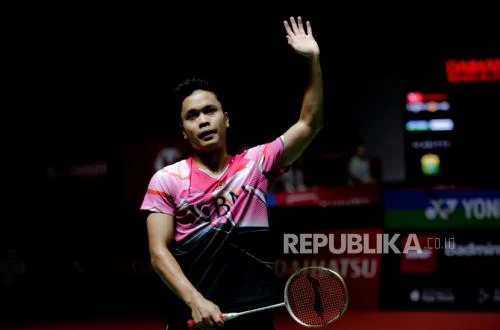
DUBAI, UAE – Indonesian badminton sensation Anthony Sinisuka Ginting commenced his campaign at the Badminton Asia Mixed Team Championships (BAMTC) 2023 with a commanding victory, showcasing his world-class prowess against Lebanon’s Abi Younes Christophe in the opening match of the tournament held in Dubai on Tuesday, February 14, 2023. While Ginting secured a swift win, the encounter also highlighted a moment of profound sportsmanship as Younes expressed his profound admiration for the Indonesian ace.

The match, which served as the curtain-raiser for the prestigious continental event, saw Ginting, ranked third in the world, decisively defeat Younes in straight games, with a scoreline of 21-6 and 21-8. The contest, lasting a mere 17 minutes, underscored the significant difference in ranking and experience between the two athletes.

Despite the one-sided nature of the scoreline, Younes emerged from the court beaming with joy and gratitude. In a display of genuine admiration, the Lebanese player eagerly sought a photograph and an autograph from Ginting. "I know Ginting is a world-class player. For me, being able to play against him is like a dream come true. I am happy to have met Ginting," Younes stated, as quoted from an official release by the Badminton Association of Indonesia (PP PBSI) in Jakarta. His sentiments reflect the aspiration of many aspiring athletes to share a court with established champions, irrespective of the outcome.

For Ginting, the match represented an opportunity to fine-tune his game and adapt to the playing conditions in Dubai. He emphasized a disciplined approach, stating, "Yes, I remained focused and did not underestimate the opponent. I just focused on adapting to the court and everything. I tried various types of shots, as well as getting a feel for the shuttlecock and understanding the direction of the wind. I utilized all aspects." This methodical approach is characteristic of top-tier athletes who consistently seek marginal gains, even in matches that appear to be a formality.

The Indonesian star acknowledged that the opening encounter proceeded smoothly and did not necessitate him to exert his maximum effort. The brevity of the match meant that Ginting felt no significant fatigue, leading him to plan an additional training session post-match to maintain his physical conditioning. "I didn’t feel tired at all. Especially since the match was short. That’s why, after the match, I continued to train again," Ginting remarked. This dedication to continuous improvement is a hallmark of his career, even when faced with less challenging opponents.

Ginting’s pre-match and in-match focus was primarily on acclimatization. He articulated the importance of adapting to the venue’s specific conditions, including wind direction, lighting, and the general atmosphere. "I have to be able to adapt and make the most of this match. This is for preparation for the next matches, which will definitely be tougher," he explained. This strategic mindset demonstrates his long-term vision for the tournament, prioritizing a strong start while laying the groundwork for more formidable challenges ahead.

Background of the Badminton Asia Mixed Team Championships (BAMTC) 2023

The Badminton Asia Mixed Team Championships (BAMTC) is a biennial tournament organized by the Badminton Asia Confederation (BAC) that features national teams competing in a mixed-team format. This means each tie consists of matches in men’s singles, women’s singles, men’s doubles, women’s doubles, and mixed doubles. The tournament serves as a crucial platform for Asian nations to vie for continental supremacy and also acts as a significant qualifying event for the Sudirman Cup, the world championship for mixed teams.

The 2023 edition, held in Dubai, United Arab Emirates, marks a significant moment for the region’s badminton landscape. It brings together top badminton-playing nations from Asia, including powerhouses like China, Japan, South Korea, Malaysia, India, and Indonesia, alongside emerging teams looking to make their mark. The tournament typically showcases a blend of seasoned professionals and rising talents, offering exciting and unpredictable contests. This year’s event is particularly important as it contributes to the qualification pathway for the Paris 2024 Olympic Games, adding an extra layer of pressure and excitement.

Chronology of Events

  • February 14, 2023: The Badminton Asia Mixed Team Championships 2023 commences in Dubai, UAE.
  • Opening Match: Indonesia, represented by Anthony Sinisuka Ginting in the men’s singles, faces Lebanon’s Abi Younes Christophe.
  • Match Outcome: Ginting secures a decisive victory over Younes with a score of 21-6, 21-8.
  • Post-Match Interaction: Abi Younes Christophe expresses his admiration for Ginting, requesting a photo and autograph.
  • Ginting’s Reflection: Ginting shares his focus on adaptation and preparation for tougher future matches, and plans additional training.

Supporting Data and Analysis

The victory for Anthony Sinisuka Ginting is not merely a statistical win but a testament to the rigorous training and strategic preparation undertaken by Indonesian badminton players. Ginting’s current world ranking of third reflects his consistent performance on the international circuit. Data from the Badminton World Federation (BWF) consistently places him among the top contenders in men’s singles, a position he has maintained through dedication and a strong tactical game.

The BAMTC 2023, as a mixed-team event, presents a unique challenge. Team dynamics, player synergy, and the ability to perform under pressure in multiple disciplines are critical. For Indonesia, a nation with a rich badminton heritage, success in this tournament is a matter of national pride and a continuation of their legacy. The early dominance shown by Ginting sets a positive tone for the Indonesian contingent, signaling their intent to compete for the title.

The contrasting reactions of Ginting and Younes encapsulate the dual nature of elite sports: intense competition juxtaposed with mutual respect and admiration. Younes’s candid expression of his dream fulfilled highlights the inspirational impact top athletes have on their peers. This sentiment is often echoed by younger players when they get the opportunity to compete against their idols.

Ginting’s emphasis on adaptation is crucial in international badminton. Factors such as the specific venue’s acoustics, lighting conditions, and even subtle air currents can influence a player’s performance. His proactive approach to analyzing these elements, even in a seemingly straightforward match, demonstrates a professional mindset geared towards optimizing every possible advantage. The fact that he plans to train further after a quick win underscores his commitment to peak performance throughout the tournament.

Broader Impact and Implications

The Badminton Asia Mixed Team Championships holds significant weight in the global badminton calendar. For nations like Indonesia, it is a vital stepping stone in their pursuit of major international titles. A strong showing at BAMTC 2023 can boost player morale, attract further investment in the sport, and inspire a new generation of badminton enthusiasts in the country.

The sportsmanship displayed by Abi Younes Christophe serves as a positive narrative that transcends the competitive arena. In an era where focus often leans towards rivalries, such moments of genuine respect and appreciation between athletes from different backgrounds and skill levels are invaluable. It reinforces the idea that badminton, and sport in general, is a powerful tool for fostering international goodwill and camaraderie.

Anthony Ginting’s journey in this tournament will be closely watched. His performance will not only impact Indonesia’s chances in the BAMTC but also serve as a barometer for his readiness for subsequent major events, including the BWF World Tour Finals and potentially the Olympic Games. His ability to navigate the pressures of being a top seed while maintaining his focus on continuous improvement is a key aspect of his development as a world-class athlete.

The presence of BAMTC 2023 in Dubai also signifies the growing importance of the Middle East as a hub for international sporting events. Hosting such a prestigious badminton championship can contribute to the diversification of sports offerings in the region and potentially spur local interest in the sport.

In conclusion, Anthony Sinisuka Ginting’s opening victory at the Badminton Asia Mixed Team Championships 2023 was characterized by both on-court dominance and off-court sportsmanship. His professional approach to acclimatization and preparation, coupled with the admirable spirit shown by his opponent, Abi Younes Christophe, sets a compelling tone for the tournament and underscores the enduring values of elite athletic competition. The Indonesian team, with Ginting leading the charge, will undoubtedly be a formidable force as the championships progress towards their conclusion.

September 22, 2025 0 comment
0 FacebookTwitterPinterestEmail
Sports

Indonesia Sets Ambitious Goals for Thomas and Uber Cup 2026 in Denmark

by Basiran September 20, 2025
written by Basiran

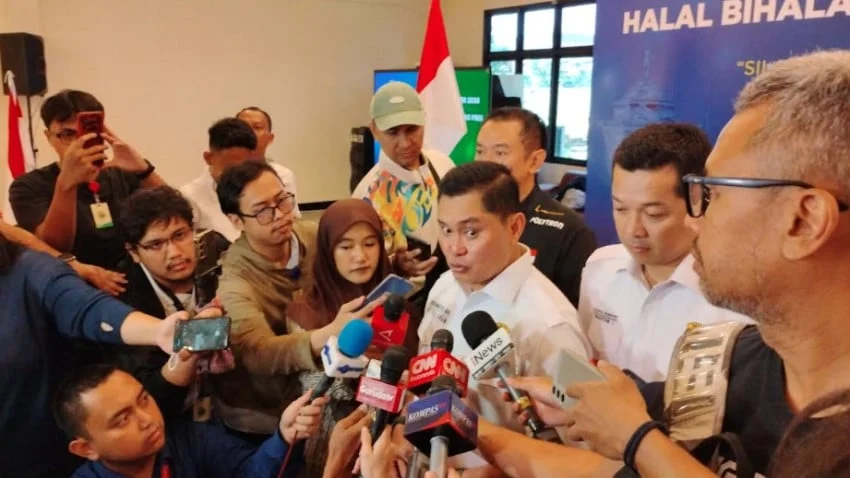
JAKARTA – The Badminton Association of Indonesia (PBSI) has officially unveiled its strategic objectives for the upcoming Thomas and Uber Cup 2026, scheduled to take place in Horsens, Denmark, from April 24 to May 3, 2026. During a formal send-off ceremony held on Wednesday, April 15, 2026, PBSI Chairman Muhammad Fadil Imran articulated the nation’s aspirations: the men’s Thomas Cup team is targeted to reach the final, while the women’s Uber Cup squad is expected to advance to the semi-finals. This announcement marks a significant step in the final stages of preparation for the Indonesian contingent, who have been meticulously readying themselves for this prestigious international team championship.

The official departure ceremony, held with solemnity and a spirit of camaraderie, also served as a platform for a "silaturahmi and halal bihalal" gathering among PBSI officials, underscoring the unity and shared commitment towards achieving success on the global stage. Beyond the athletes, the entire support system, including team managers, coaches, and administrative personnel, were formally released to accompany the players. This comprehensive approach highlights PBSI’s dedication to providing optimal conditions for the Indonesian contingent to perform at their peak. The team is slated to depart for Denmark on Thursday, April 16, 2026, immediately embarking on a crucial training camp from April 18 to 21 to acclimatize and fine-tune their strategies before the commencement of the tournament matches.

A Deep Dive into Indonesia’s Thomas and Uber Cup Ambitions

The targets set by PBSI for the 2026 Thomas and Uber Cup are not arbitrary but are rooted in a thorough assessment of the current player composition and a comprehensive analysis of the strengths and potential challenges posed by competing nations. Chairman Muhammad Fadil Imran emphasized that these objectives are a realistic reflection of Indonesia’s capabilities and the strategic planning undertaken by the coaching staff and management.

For the Thomas Cup, the ambition to reach the final signifies a desire to reclaim a prominent position in one of badminton’s most coveted team trophies. Indonesia boasts a rich history in the Thomas Cup, having won the championship a record 13 times, with their last victory dating back to 2002. The intervening years have seen fierce competition from traditional powerhouses like China, as well as emerging contenders such as Denmark, Japan, and South Korea. Reaching the final would represent a significant achievement, demonstrating Indonesia’s resurgence as a top-tier badminton nation.

Conversely, the target for the Uber Cup is to secure a semi-final berth. While Indonesia has achieved considerable success in the Thomas Cup, their performance in the Uber Cup has historically been more modest, with their best result being runners-up in 1994. A semi-final appearance would mark a substantial improvement and a testament to the growing strength and depth of the Indonesian women’s singles and doubles lineups. This goal underscores PBSI’s commitment to fostering balanced development across both the men’s and women’s disciplines.

The Road to Denmark: Preparation and Departure

The journey of the Indonesian Thomas and Uber Cup teams to Denmark has been a meticulous process, culminating in the recent send-off ceremony. The PBSI has been diligently preparing the athletes, ensuring they are in optimal physical and mental condition. This preparation involves rigorous training regimens, strategic sparring sessions, and psychological conditioning to handle the pressures of international competition.

The departure date of April 16th is strategically timed to allow ample opportunity for the contingent to settle into Denmark and engage in a focused training camp. This pre-tournament camp is a critical phase, enabling the players to adapt to the local conditions, including court surfaces, climate, and time zone differences. It also provides the coaching staff with a final window to implement tactical adjustments and ensure team cohesion before the high-stakes matches begin. The training camp, scheduled from April 18th to 21st, will likely involve intensive practice sessions, tactical drills, and possibly friendly matches against local clubs or other participating nations if arrangements permit.

Historical Context and Significance of the Thomas and Uber Cup

The Thomas Cup and Uber Cup are the premier international team badminton championships, held biennially. The Thomas Cup, named after Sir George Thomas, a distinguished English badminton player, was first contested in 1948. The Uber Cup, named after Betty Uber, who donated the trophy, commenced in 1956. These tournaments represent the pinnacle of team competition in badminton, fostering national pride and intense rivalries between countries.

The format typically involves a group stage followed by knockout rounds. Each tie consists of five matches: three singles and two doubles. This format demands not only individual brilliance but also strong team chemistry, strategic lineup selections, and the ability of players to perform under pressure in multiple roles. The depth of a squad is crucial, as injuries or dips in form can necessitate the involvement of reserve players.

Indonesia’s historical dominance in the Thomas Cup is a source of immense pride and expectation. The era of Indonesian legends like Rudy Hartono, Liem Swie King, and Christian Hadinata in the 1970s and 1980s cemented the nation’s reputation as a badminton superpower. While the landscape of international badminton has evolved significantly with the rise of new formidable nations, the desire to recapture that past glory remains a driving force for PBSI.

Supporting Data and Past Performance Trends

To contextualize the current targets, examining recent performance trends in both the Thomas and Uber Cups provides valuable insight.

Thomas Cup:

  • Last Few Editions:
    • 2022: India (Champions), Indonesia (Runners-up), Denmark (Semi-finalists), Japan (Semi-finalists)
    • 2020 (held in 2021 due to COVID-19): Russia (Champions – disqualified), China (Runners-up), Japan (Semi-finalists), Indonesia (Semi-finalists)
    • 2018: China (Champions), Japan (Runners-up), Denmark (Semi-finalists), France (Semi-finalists)
  • Indonesia’s Performance: While Indonesia reached the final in 2022, they have consistently been strong contenders, often reaching the semi-finals or finals. The challenge lies in overcoming the formidable Chinese team, who have dominated the tournament for extended periods. The presence of strong singles players like Anthony Sinisuka Ginting and Jonatan Christie, coupled with capable doubles pairs, provides a solid foundation for their final aspirations.

Uber Cup:

  • Last Few Editions:
    • 2022: China (Champions), South Korea (Runners-up), India (Semi-finalists), Japan (Semi-finalists)
    • 2020 (held in 2021): China (Champions), Japan (Runners-up), Chinese Taipei (Semi-finalists), South Korea (Semi-finalists)
    • 2018: China (Champions), Thailand (Runners-up), Japan (Semi-finalists), South Korea (Semi-finalists)
  • Indonesia’s Performance: Indonesia has historically struggled to break into the final stages of the Uber Cup, with semi-final appearances being their best outcomes in recent decades. The dominance of China and the consistent strength of Japan and South Korea present a significant hurdle. The development of promising young talents in women’s singles and doubles will be crucial for Indonesia to achieve its semi-final target. Key players like Gregoria Mariska Tunjung have shown flashes of brilliance, but consistent performance across all categories is essential.

Official Responses and Broader Implications

The proactive approach by PBSI in setting clear targets and facilitating a structured preparation process has been met with optimism from stakeholders within the Indonesian badminton community. While specific quotes from individual athletes were not provided in the initial announcement, the general sentiment is one of renewed determination and focus. The coaching staff, led by experienced figures, will be tasked with translating these ambitious goals into tangible results on court.

The implications of achieving these targets extend beyond mere sporting success. A strong performance in the Thomas and Uber Cup can significantly boost the morale of the nation, inspire a new generation of aspiring badminton players, and further solidify Indonesia’s position as a global badminton powerhouse. For the athletes, reaching the final of the Thomas Cup or the semi-finals of the Uber Cup would be a career-defining achievement, etching their names into the annals of Indonesian sports history.

Furthermore, success in these prestigious tournaments can have a positive impact on the development of badminton infrastructure and support systems within Indonesia. Increased public interest and government support often follow significant sporting triumphs, leading to greater investment in grassroots programs, coaching education, and athlete welfare.

Navigating the Competitive Landscape

The path to the Thomas Cup final and the Uber Cup semi-finals will undoubtedly be arduous. The global badminton landscape is more competitive than ever, with several nations boasting world-class talent across all disciplines.

Key Contenders for the Thomas Cup:

  • China: Perennial favorites, with immense depth in both singles and doubles. Their ability to consistently produce top-tier talent makes them the benchmark for all other nations.
  • Japan: Possess a strong singles lineup and formidable doubles pairs, making them a consistent threat.
  • Denmark: As hosts of previous major events and with a strong tradition in badminton, they are always a dangerous opponent, particularly on home soil if the venue were closer.
  • South Korea: Known for their disciplined approach and strong doubles play, they are capable of challenging any team.

Key Contenders for the Uber Cup:

  • China: Unrivaled dominance in the Uber Cup, consistently fielding multiple world-class players in each category.
  • Japan: A strong and balanced team, often reaching the finals and possessing the capability to challenge China.
  • South Korea: Their strong doubles pairings and improving singles talent make them a consistent semi-finalist and contender.
  • India: Having shown remarkable progress in recent years, particularly with their women’s singles stars, they are a rising force in the Uber Cup.

Indonesia’s strategic approach will need to focus on maximizing their strengths, meticulously planning their lineups for each tie, and ensuring their players are mentally prepared to handle the immense pressure of international team competition. The blend of experienced campaigners and emerging talents within the Indonesian squads will be critical in their quest to meet and potentially exceed the ambitious targets set by PBSI for the 2026 Thomas and Uber Cup in Denmark.

September 20, 2025 0 comment
0 FacebookTwitterPinterestEmail
Sports

Southeast Asian Games 2025: Thailand Gears Up to Host the Region’s Premier Sporting Spectacle

by Sagoh September 19, 2025
written by Sagoh

The 33rd edition of the Southeast Asian (SEA) Games is set to commence from December 9 to December 20, with Thailand proudly assuming the role of host nation. This quadrennial multi-sport event stands as the most significant athletic competition in the Southeast Asian region, drawing athletes from all ASEAN member states. Operating under the auspices of the Southeast Asian Games Federation (SEAGF), the SEA Games are held in high regard, enjoying the oversight and recognition of the International Olympic Committee (IOC) and the Olympic Council of Asia (OCA). This year’s staging in Thailand promises to be a vibrant display of regional sportsmanship and cultural exchange.

Genesis of a Regional Sporting Tradition: From SEAP Games to SEA Games

The roots of the SEA Games trace back to the Southeast Asian Peninsular Games (SEAP Games), a precursor conceived with the noble objective of fostering stronger camaraderie among Southeast Asian nations through the power of sport. The initial impetus for this regional sporting initiative came from Laung Sukhumnaipradit, then the Vice President of the Olympic Committee of Thailand. In 1957, he articulated a vision for a continental sporting event that would mirror the prestige and standardized athletic development seen in global competitions like the Asian Games and the Olympic Games. His aspiration was to elevate the standard of sports across ASEAN countries, creating a unified platform for athletic excellence.

Sukhumnaipradit’s groundbreaking idea was subsequently shared with Dave Kitcher, who was then the athletic association coach in Thailand. Recognizing the potential, Kitcher took it upon himself to further discuss and champion this concept. In February 1958, from the 8th to the 4th, Kitcher engaged in crucial discussions with representatives from Cambodia and Vietnam. Their enthusiastic endorsement was pivotal in moving the initiative forward. This collaborative spirit culminated in a significant meeting of the Thai Olympic Committee on February 22, 1958. Dignitaries from Thailand, Cambodia, and Vietnam were joined by representatives from Myanmar, Laos, and Malaysia, underscoring the broad regional interest in the proposed games.

During this seminal meeting, a unanimous agreement was reached to officially launch the Southeast Peninsular Games (SEAP Games) in Bangkok, Thailand, in December 1958. This landmark decision also established the frequency of the games, decreeing that they would be held every two years. Furthermore, a foundational step was taken with the formation of the SEAP Games Federation Committee, laying the groundwork for organized governance of the nascent regional sporting body. The founding member nations of the SEAP Games were thus established as Thailand, Vietnam, Malaysia, Cambodia, Myanmar, and Laos, marking the birth of a tradition that would evolve into the modern SEA Games.

The Inaugural Games and the Evolution to SEA Games

The very first SEAP Games were held in Bangkok, Thailand, from December 12 to December 17, 1959. This inaugural event, though a triumph, saw a slight alteration in its participant list. Cambodia, due to unforeseen circumstances, was unable to participate, and its place was filled by Singapore. This participation proved to be a precursor to Singapore’s official integration into the SEAP Games framework, which occurred in the same year.

The growth and inclusivity of the SEAP Games continued. By the 8th edition of the games in 1975, the Federation Committee made a momentous decision to expand its membership. Indonesia, Brunei Darussalam, and the Philippines were welcomed as new participating nations. Their formal induction into the federation took place in 1977, a year that also marked a significant rebranding. In 1977, the Southeast Asian Games Federation (SEAGF) officially changed its name from the SEAP Games Federation. This rebranding was synchronized with a change in the name of the games themselves, from SEAP Games to the now universally recognized SEA Games. This evolution reflected the growing scope and ambition of the regional sporting event.

The journey of expansion continued, with Timor-Leste becoming the most recent nation to join the SEA Games family. Its accession in 2003 brought the total number of participating countries to eleven, a configuration that has remained consistent to this day. This inclusive approach has cemented the SEA Games as a cornerstone of regional identity and cooperation.

The Unique Appeal of the SEA Games: Local Flavors and Cultural Expression

One of the most distinctive features of the SEA Games, setting it apart from more globally standardized events like the Olympics, is the inherent flexibility it offers to host nations. The organizing country is granted the prerogative to introduce specific sports that reflect their unique cultural heritage and local sporting traditions. This policy serves as a powerful mechanism for hosts to showcase their national identity and cultural richness to a regional and international audience.

This tradition of incorporating local sports has led to a fascinating and diverse range of disciplines featured throughout the history of the SEA Games. For instance, at the 2003 Games hosted by Vietnam, cycle rickshaw racing and pencak silat were included, offering a glimpse into local modes of transport and traditional martial arts. In 2019, the Philippines embraced its athletic prowess by featuring obstacle course racing, a discipline that tests agility, strength, and endurance. More recently, Cambodia, in its hosting of the 2023 SEA Games, proudly presented bokator, an ancient Khmer martial art, further highlighting the depth of its cultural heritage.

These additions not only enrich the competitive landscape but also serve as a vital platform for the preservation and promotion of indigenous sports and cultural practices. They transform the SEA Games into more than just a sporting competition; they become a vibrant cultural exchange, fostering understanding and appreciation among the diverse peoples of Southeast Asia.

SEA Games 2025: Thailand’s Grand Stage

As the 33rd SEA Games unfold in Thailand, the nation is poised to deliver a spectacular event. The games are scheduled to feature a comprehensive program of 50 sports, a testament to the vast athletic talent pool across the region. Thailand, leveraging its experience as a seasoned host, has strategically divided the hosting responsibilities across three key locations: the bustling capital city of Bangkok, the coastal province of Chonburi, and the southern province of Songkhla. This geographical spread aims to showcase Thailand’s diverse landscapes and provide a truly national experience for athletes and spectators alike.

The economic implications of hosting such a large-scale event are substantial. Beyond the immediate boost to the tourism and hospitality sectors, the SEA Games often catalyze infrastructure development and investments in sports facilities. The anticipation surrounding the games typically translates into increased demand for accommodation, transportation, and local services, providing a significant economic stimulus. Furthermore, the success of national athletes often inspires greater public interest in sports, potentially leading to increased participation and investment in sports development at the grassroots level.

The SEA Games also serve as a crucial benchmark for national sporting programs. For many participating nations, including Indonesia, the games represent a significant opportunity to gauge their competitive standing against regional rivals. The performance of athletes often influences government policies and funding allocations for sports. Reports from Indonesian news outlets indicate a strong focus on athlete motivation, with discussions around bonuses for gold medalists serving as a significant incentive, while the calculation of bonuses for silver and bronze medalists is also underway. This emphasis on athlete reward underscores the importance placed on achieving success at the SEA Games.

Looking Ahead: The Enduring Legacy of the SEA Games

The SEA Games have evolved from a modest regional gathering into a major multi-sport event that plays a pivotal role in the sporting and cultural landscape of Southeast Asia. As Thailand prepares to host the 2025 edition, the games are poised to continue their legacy of promoting athleticism, fostering regional unity, and celebrating the rich cultural tapestry of the ASEAN community. The successful staging of the SEA Games relies on the collective efforts of the host nation, the SEAGF, and the unwavering spirit of the athletes who participate, making it an event that truly embodies the aspirations of Southeast Asia. The inclusion of diverse sports, the opportunity for cultural exchange, and the platform it provides for athletic excellence ensure that the SEA Games will remain a cherished and anticipated event for years to come.

This article was compiled based on information from ANTARA News.

September 19, 2025 0 comment
0 FacebookTwitterPinterestEmail
Automotive

Wuling Darion: A New Era of Family Mobility with Electric and Plug-in Hybrid Options

by Asep Darmawan September 18, 2025
written by Asep Darmawan

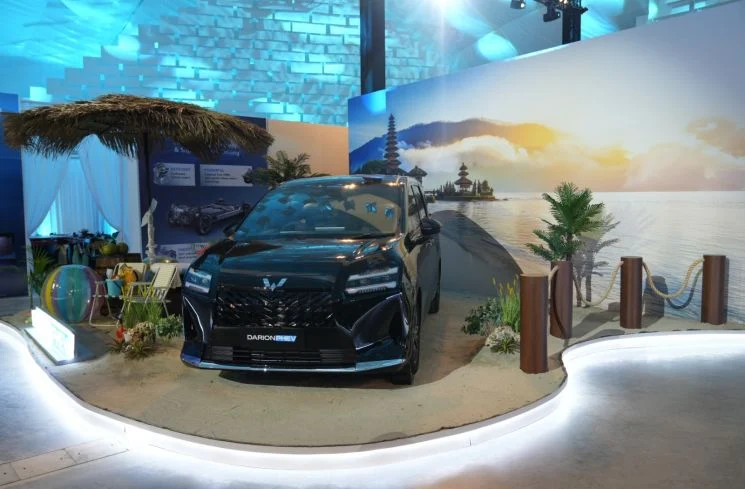
Following its official market launch, Wuling Motors has continued its aggressive product offensive by hosting a comprehensive media briefing to unveil the detailed specifications of the Wuling Darion. This innovative family vehicle, designed to cater to the diverse needs of modern households, will be available in both fully electric (EV) and plug-in hybrid electric vehicle (PHEV) configurations, marking a significant step for the Indonesian automotive market and Wuling’s commitment to electrification.

The media briefing, held on Wednesday, November 5, 2025, provided an in-depth look at the technological advancements and feature sets across the Darion’s different variants. Aji Ibrahim, Product Planning at Wuling Motors, elaborated on the strategic positioning of the new model, stating, "The Wuling Darion is being marketed with both EV and PHEV options, and within each powertrain type, there are two trim levels: CE and EX. Both the CE and EX trims share a similar design concept for their exterior, interior, and dimensions. These two trims are presented to offer consumers flexibility in meeting their family’s mobility needs." This dual-powertrain strategy underscores Wuling’s understanding of the evolving consumer preferences and the varying infrastructure readiness for electric vehicles across different regions.

A Foundation of Comfort and Space

The Wuling Darion boasts impressive dimensions, measuring 4,910 mm in length, 1,870 mm in width, and 1,770 mm in height, with a substantial wheelbase of 2,910 mm. These generous proportions translate into an ergonomically designed seven-passenger cabin, prioritizing comfort and practicality for families. The vehicle’s underpinnings feature a robust braking system with front and rear disc brakes, complemented by a McPherson strut suspension at the front and a multi-link independent suspension at the rear, engineered to ensure a smooth and secure ride.

Visually, the Darion exudes a modern aesthetic with 17-inch machined alloy wheels shod with 215/55 R17 tires. The inclusion of Electric Power Steering (EPS) promises a light and responsive driving experience, crucial for maneuverability in various driving conditions.

Electrified Performance: Catering to Diverse Needs

Wuling’s commitment to sustainable mobility is evident in the Darion’s powertrain options.

Wuling Darion EV

The fully electric Darion EV is equipped with a potent electric motor generating 150 kW of power (equivalent to 201 horsepower) and a robust 310 Nm of torque, driving the front wheels. Energy is supplied by a substantial 69.2 kWh Lithium Iron Phosphate (LFP) battery, offering a claimed pure electric range of up to 540 kilometers on the CLTC (China Light-Duty Vehicle Test Cycle) standard. This range is competitive within its segment and addresses range anxiety for many potential buyers considering an EV for daily commuting and longer journeys.

Wuling Darion PHEV

For those seeking a balance between electric efficiency and the convenience of traditional refueling, the Darion PHEV presents a compelling solution. It integrates a 1.490cc naturally aspirated Atkinson cycle gasoline engine with an electric motor. The electric motor delivers 145 kW of power (195 horsepower) and 230 Nm of torque, while the internal combustion engine contributes 105 horsepower and 130 Nm of torque. This hybrid system is managed by a Dedicated Hybrid Transmission (DHT). The PHEV variant is powered by a 20.5 kWh battery, providing a pure electric driving range of up to 125 kilometers (CLTC). This allows for emission-free urban driving for most daily commutes, with the gasoline engine ready to take over for longer trips or when charging is not readily available. The PHEV is also equipped with a 52-liter fuel tank, offering a combined range that significantly alleviates concerns about long-distance travel.

The CLTC standard, while not universally adopted, provides a benchmark for estimating electric vehicle range under specific testing conditions. It is important for consumers to note that real-world range can vary based on driving style, environmental conditions, and vehicle load.

Mengintip Lebih Dekat Spesifikasi Wuling Darion, Mobil Keluarga dengan Pilihan EV dan PHEV

Family-Centric Features for Enhanced Convenience

Beyond its powertrain options, the Wuling Darion is replete with practical features designed to simplify family life. The Smart Electric Tailgate, for instance, offers four different methods of operation, adding a layer of convenience when hands are full. Similarly, the Electric Sunroof can be controlled via three distinct methods. Perhaps most impressively, the Autocomfort Sliding Door boasts five different operational methods, ensuring effortless entry and exit for all passengers, a feature particularly beneficial for families with young children or elderly passengers.

A Spacious and Versatile Interior

The interior of the Darion is meticulously crafted to maximize passenger comfort and utility. It features a spacious 2+2+3 seating configuration, providing ample room for up to seven occupants. The second-row seats offer a generous 230 mm of fore-aft adjustment and can be reclined up to 180 degrees, allowing for a lounge-like experience or creating additional cargo space when needed. The cabin height exceeds 1,200 mm, offering excellent headroom and a sense of airiness. The third-row seats are designed for comfort on longer journeys, with a reclining angle of 127 degrees and ergonomically shaped cushions for both length and width.

A Technological Hub for the Modern Family

At the heart of the Darion’s interior experience is a 12.8-inch intuitive touchscreen infotainment system. This central command unit controls a wide array of vehicle functions, including lighting, sound system, climate control, driving assistance features, energy management, and access to various applications. The system’s integration with Wuling’s IoV (Internet of Vehicle) technology allows for remote control and monitoring of certain vehicle functions via a smartphone app, adding another layer of convenience and security.

The interior design across all Darion variants, including both EV and PHEV CE and EX trims, exudes a sense of premium sophistication. It features a tasteful combination of Walnut Brown and Carbon Black accents, complemented by captain seats upholstered in synthetic leather. A multi-function leather-wrapped steering wheel and soft-touch interior panels further enhance the cabin’s upscale ambiance.

Strategic Implications for the Indonesian Market

The introduction of the Wuling Darion with its dual EV and PHEV offerings signifies a strategic move by Wuling to capture a significant share of the burgeoning family car segment in Indonesia. By providing consumers with choices that cater to different levels of EV adoption readiness, Wuling is positioning itself as a versatile and forward-thinking automaker. The PHEV option, in particular, serves as an excellent bridge technology, allowing consumers to experience the benefits of electric driving without the immediate constraints of charging infrastructure limitations.

The detailed specifications suggest that Wuling is not only focusing on powertrain diversification but also on delivering a comprehensive package of comfort, technology, and practicality. This approach is crucial for competing effectively in a market where family vehicles are a cornerstone of automotive sales. The competitive pricing, which is expected to be revealed closer to the official market release, will be a key determinant of the Darion’s success. However, based on Wuling’s historical market strategy, it is anticipated that the Darion will offer compelling value for money.

The availability of two trim levels, CE and EX, allows Wuling to cater to a broader spectrum of the market, offering a well-equipped base model and a more feature-rich top-tier variant. This tiered approach is a standard practice that helps maximize sales volume by appealing to different budget constraints and feature preferences.

The Wuling Darion’s entry into the Indonesian market is poised to stimulate competition and accelerate the adoption of electrified vehicles within the family car segment. As consumers increasingly prioritize fuel efficiency, environmental consciousness, and advanced technology, vehicles like the Darion are set to redefine expectations for family mobility. The success of this new model will be closely watched as a barometer for the wider acceptance of EVs and PHEVs in one of Southeast Asia’s largest automotive markets.

September 18, 2025 0 comment
0 FacebookTwitterPinterestEmail
Automotive

Sukabumi Angkot Driver Pioneers LPG Fuel Conversion to Combat Rising Operational Costs

by Asro September 16, 2025
written by Asro

A remarkable innovation is circulating the streets of Sukabumi, West Java, as a local public minivan, or angkot, has been ingeniously modified to run on Liquefied Petroleum Gas (LPG) instead of traditional gasoline. This pioneering initiative by a dedicated driver aims to mitigate the persistent pressure of escalating operational expenses, a challenge faced by many in the public transportation sector.

Visually, the angkot, which serves the Sukaraja-Sukabumi City route, presents no outward distinction from its conventional counterparts. Its exterior appearance and engine acoustics remain unchanged, offering no immediate clue to its alternative fuel source. However, beneath the unassuming facade lies a significant technological adaptation: the vehicle is now primarily powered by 3-kilogram LPG canisters, commonly known as "gas melon" due to their distinctive green color and widespread availability for domestic use. Two such canisters are strategically installed beneath the dashboard, providing the necessary energy to propel the engine.

The driver behind this transformative change, Hendra Irawan, explained that his decision was influenced by observing fellow professional drivers who had already experimented with LPG as a fuel. Witnessing their positive experiences and proven cost-effectiveness, Hendra decided to adopt the modification for his own vehicle. This move reflects a growing trend among small-scale transportation providers to seek out more economical and sustainable fuel solutions in the face of fluctuating fuel prices and economic pressures.

In terms of daily operation, the modified angkot consumes approximately two 3-kilogram LPG canisters. Each canister is reported to be sufficient for four round trips, a metric that underscores the significant cost savings compared to gasoline. While the exact cost difference between LPG and gasoline per kilometer or per trip is not explicitly detailed in the initial report, the driver’s satisfaction and the adoption of this method by others strongly suggest a substantial economic advantage. This efficiency is crucial for drivers operating on tight margins, where every Rupiah saved directly impacts their livelihood.

Viral Angkot Pakai Gas Melon di Sukabumi, Inovasi Sopir di Tengah Kekhawatiran Kenaikan Harga BBM

Background and Context: The Angkot Ecosystem in Indonesia

The angkot is an integral part of Indonesia’s public transportation network, particularly in urban and suburban areas. These minibuses, often colorfully decorated, provide affordable and accessible transport for millions of Indonesians daily. However, the sector is often characterized by informal operations, a high degree of competition, and vulnerability to external economic factors, most notably fuel prices.

The Indonesian government has historically provided fuel subsidies, but these have been subject to periodic adjustments and reductions, leading to price increases that disproportionately affect public transport operators. The rising cost of living and operational overheads, including maintenance and spare parts, further squeeze the profitability of angkot drivers. In this context, innovative solutions like Hendra Irawan’s LPG conversion are not just about personal cost-saving but also represent a form of grassroots resilience and adaptation within the sector.

The Mechanics of the Conversion

While the original article does not delve into the intricate technical details of the LPG conversion, it is understood that such modifications typically involve the installation of a specialized conversion kit. This kit allows the engine to run on either gasoline or LPG, often with a switch that enables the driver to select the preferred fuel source. The system involves regulators, mixers, and storage tanks for the LPG. The placement of the LPG canisters beneath the dashboard, as described, suggests a compact and integrated system designed to minimize disruption to passenger space.

Viral Angkot Pakai Gas Melon di Sukabumi, Inovasi Sopir di Tengah Kekhawatiran Kenaikan Harga BBM

The safety and legality of such modifications are crucial considerations. Reputable conversion kits are designed to meet safety standards, and in many regions, such modifications require inspection and certification by relevant authorities to ensure roadworthiness and environmental compliance. The fact that Hendra’s angkot is actively operating on public roads implies that some level of compliance or acceptance for this type of conversion exists within Sukabumi’s regulatory framework, or that the modification has been implemented with adherence to established safety protocols for LPG usage.

Potential Benefits and Implications

The widespread adoption of LPG-powered angkots could have several significant implications:

  • Economic Relief for Drivers: The most immediate benefit is the reduction in fuel expenditure. This can lead to increased take-home pay for drivers, improved financial stability, and potentially lower fares for passengers, making public transport more affordable.
  • Environmental Considerations: LPG is generally considered a cleaner-burning fuel than gasoline, producing fewer emissions of certain pollutants. A broader shift could contribute to improved air quality in urban areas, reducing the overall environmental impact of public transportation. However, a comprehensive life-cycle analysis would be needed to fully assess the environmental benefits.
  • Energy Diversification: Utilizing LPG, which is often derived from natural gas production or petroleum refining, contributes to a more diversified energy mix for transportation, reducing reliance on a single fuel source.
  • Technological Advancement and Adoption: This initiative highlights the ingenuity of local mechanics and drivers in adapting existing technology to meet their specific needs. It could spur further innovation and the development of more accessible and affordable alternative fuel solutions for the public transportation sector.

Challenges and Future Outlook

Despite the promising aspects, challenges remain. The availability and cost of LPG canisters, while currently favorable, could fluctuate. The long-term durability and maintenance requirements of converted engines also need to be considered. Furthermore, ensuring the safety and regulatory compliance of all such modifications across the country would be a significant undertaking for transportation authorities.

Viral Angkot Pakai Gas Melon di Sukabumi, Inovasi Sopir di Tengah Kekhawatiran Kenaikan Harga BBM

The incident in Sukabumi serves as a compelling case study of how pragmatic innovation can address pressing economic challenges. As fuel costs continue to be a significant factor in the lives of public transport operators, it is likely that more drivers will explore and adopt similar solutions. The trend could gain momentum, potentially influencing policy discussions around alternative fuels for public transportation in Indonesia.

The story of Hendra Irawan and his LPG-powered angkot is a testament to the resilience and adaptability of individuals striving to make a living in a dynamic economic landscape. It underscores the importance of supporting and understanding such grassroots innovations that not only benefit the individuals involved but also hold the potential for broader societal and environmental advantages. Further developments in this area will be keenly watched as Indonesia navigates the complexities of energy security, economic sustainability, and environmental responsibility in its public transportation sector. The question remains whether this localized innovation will become a widespread movement, transforming the way public transport operates across the archipelago.

September 16, 2025 0 comment
0 FacebookTwitterPinterestEmail
Automotive

Dato’ Seri Zahrain Mohamed Hashim: From Maritime Mogul to Diplomatic Envoy

by Rifan Muazin September 15, 2025
written by Rifan Muazin

Dato’ Seri Zahrain Mohamed Hashim, a distinguished figure at 62 years of age, has carved a remarkable path through the spheres of business and politics in Malaysia, ultimately transitioning into a significant role as a diplomat. His journey, marked by academic rigor and a keen business acumen, showcases a multifaceted career dedicated to public service and national development. With a solid educational foundation, holding degrees in Mathematics, Hashim’s early career was deeply rooted in the maritime industry, where he demonstrated exceptional leadership and operational expertise.

Early Forays into Maritime Management

Hashim’s professional trajectory began not in the political arena, but within the bustling heart of Malaysia’s trade infrastructure. In 1993, he assumed the pivotal role of Head of the Port at the Penang Port Commission. In this capacity, he was entrusted with the critical responsibility of overseeing and managing the complex commercial operations of one of Malaysia’s most vital maritime gateways. His tenure at the Penang Port Commission was characterized by a proactive and results-oriented approach, quickly earning him recognition for his strategic vision and efficient management style.

The impact of his leadership was soon evident. His performance was not merely satisfactory; it was exceptional, leading to his subsequent appointment as the Executive Director of Penang Port Sdn Bhd. For a significant seven-year period, Hashim steered the fortunes of this key port authority. During his directorship, Penang Port experienced a notable surge in activity. Shipping lanes were expanded, and the port’s capacity and efficiency were significantly enhanced, attracting a greater volume of international trade and reinforcing Penang’s status as a major regional hub. This period of growth and development underscored his deep understanding of port logistics, international trade, and the economic implications of efficient maritime operations.

A Recognized Authority in Port Management

Hashim’s success and expertise did not go unnoticed within the industry. He became a sought-after authority on port management, frequently invited to participate in national and international seminars. These platforms provided him with opportunities to share his insights, best practices, and motivational strategies for optimizing port operations. His contributions extended beyond speaking engagements; he became an active member of the International Cargo Handling Coordination Association (ICHCA), an esteemed global organization dedicated to improving cargo handling efficiency and safety. Furthermore, he played a foundational role in the establishment of the Federation of Malaysian Port Operating Companies (FMPOC), an organization crucial for coordinating and advancing the interests of Malaysian port operators.

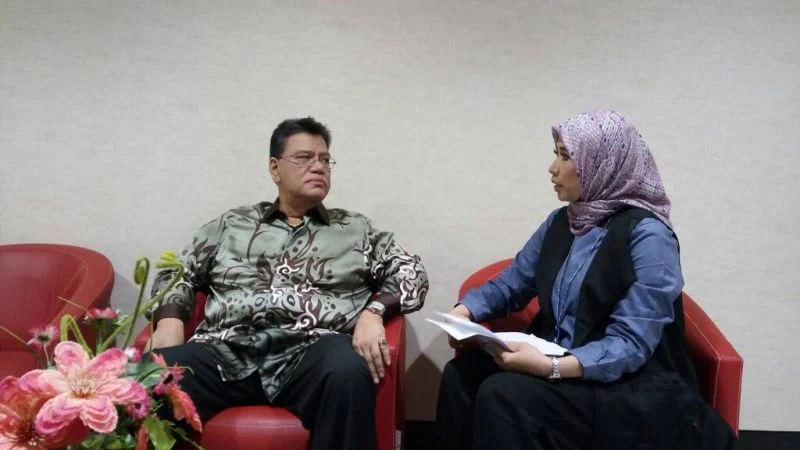
His leadership within FMPOC was further solidified when he was elected as its inaugural chairman. In this capacity, he was instrumental in fostering robust relationships between port entities and government agencies. This collaborative approach was vital in aligning industry objectives with national development strategies, contributing significantly to Malaysia’s broader economic progress. Reflecting on this period, Hashim stated in a special dialogue with Okezone in June 2017, "At that time, I thought I would continue the family business, becoming the head of the port in Penang. I was involved in the port for 10 years." This statement highlights a genuine passion and commitment to the maritime sector that formed the bedrock of his professional identity.

A Shift Towards Public Service and Political Engagement

Despite his profound success and satisfaction in the business world, Dato’ Seri Zahrain Mohamed Hashim harbored a deeper calling: to serve the community and dedicate his abilities to the nation. This intrinsic desire for public service ultimately led him to pivot from the private sector to the demanding arena of politics. His transition into politics was marked by a significant political appointment when he was selected as the Head of the Tanjong Division of the United Malays National Organisation (UMNO).

However, his political journey was not confined to a single party. Shortly after, he made a significant shift, leaving UMNO to join the Parti Keadilan Rakyat (PKR) in 2004. This move signaled a willingness to explore different political ideologies and platforms in his pursuit of contributing to Malaysia’s governance and development. His involvement in PKR saw him taking on various responsibilities, further immersing him in the complexities of national politics and policy-making.

Educational Background and Personal Life

Dato’ Seri Zahrain Mohamed Hashim’s academic background provides a strong intellectual underpinning to his diverse career. He holds a degree in Mathematics, a discipline known for its analytical rigor and problem-solving capabilities. His higher education, including both undergraduate and postgraduate studies, was undertaken at esteemed universities in England. This international academic experience likely broadened his perspective and equipped him with a global outlook that would later serve him well in his diplomatic endeavors.

As a family man, Hashim is a father to four children and a grandfather to four grandchildren. This personal dimension adds a layer of relatability to his public persona, suggesting a man who balances professional ambition with familial responsibilities. His upbringing and personal values have undoubtedly shaped his approach to leadership and his commitment to building a better future for his country.

The Diplomatic Chapter: Representing Malaysia Abroad

The culmination of Dato’ Seri Zahrain Mohamed Hashim’s extensive experience in business, maritime logistics, and politics found its ultimate expression in his appointment as a diplomat. His transition to this role signifies a significant recognition of his capabilities, his understanding of international relations, and his dedication to serving Malaysia on the global stage. As an ambassador or high commissioner, he would be tasked with representing Malaysia’s interests, fostering bilateral ties, and promoting trade and cultural exchange between Malaysia and the host country.

This diplomatic appointment is particularly noteworthy given Malaysia’s strategic position in Southeast Asia and its active role in various international forums, including ASEAN, the Commonwealth, and the United Nations. The challenges and opportunities inherent in diplomatic work require a nuanced understanding of international politics, economics, and cultural sensitivities. Hashim’s background, with its blend of commercial acumen and political experience, positions him well to navigate these complexities. His ability to foster strong relationships, negotiate effectively, and articulate Malaysia’s position would be crucial in enhancing the nation’s standing and promoting its national interests abroad.

Broader Implications and Analysis

Dato’ Seri Zahrain Mohamed Hashim’s career trajectory offers valuable insights into the evolving landscape of leadership in Malaysia. His journey from a maritime executive to a political figure and subsequently a diplomat underscores the increasing interconnectedness of these sectors. The skills honed in managing complex port operations—such as strategic planning, resource allocation, stakeholder management, and crisis resolution—are directly transferable to the demanding environment of politics and diplomacy.

His experience also highlights the importance of a strong educational foundation, particularly in analytical disciplines like mathematics, which can equip individuals with the critical thinking skills necessary for effective leadership. Furthermore, his willingness to transition between sectors demonstrates a commitment to continuous learning and adaptation, qualities essential in a rapidly changing world.

The success of individuals like Dato’ Seri Zahrain Mohamed Hashim in bridging the gap between the private sector and public service can lead to more effective governance and policy-making. Professionals with a deep understanding of economic drivers and operational realities can bring pragmatic solutions to public challenges. In the realm of diplomacy, his business background could be particularly beneficial in promoting economic diplomacy, attracting foreign investment, and expanding trade opportunities for Malaysia.

The chronology of his career, from his early days at Penang Port to his involvement in political parties and his eventual diplomatic posting, paints a picture of a dedicated public servant whose career has been marked by a consistent desire to contribute to his nation’s progress. His early involvement in shaping port infrastructure at Penang Port, a critical economic artery, laid the groundwork for his understanding of national development. His subsequent political engagement allowed him to engage with broader policy frameworks, and his diplomatic role amplifies his impact on an international scale.

The broader implications of his career extend to the narrative of Malaysian leadership. It showcases a willingness to embrace diverse experiences and to leverage those experiences for the greater good. His story serves as an inspiration for aspiring leaders who may possess multifaceted talents and a desire to serve in various capacities throughout their professional lives. The nation benefits from such versatile individuals who can adapt and contribute across different sectors, bringing a wealth of experience and a broad perspective to their roles. As Malaysia continues to navigate its path on the global stage, figures like Dato’ Seri Zahrain Mohamed Hashim, with their rich and varied backgrounds, are invaluable assets in representing the nation’s interests and fostering its growth and prosperity. His journey exemplifies a commitment to lifelong learning and dedicated service, leaving an indelible mark on the economic and diplomatic landscape of Malaysia.

September 15, 2025 0 comment
0 FacebookTwitterPinterestEmail
Automotive

Indonesia Super Corridor Achieves PCI DSS Certification for Tier IV Data Center, Bolstering Digital Transaction Security

by Muslim September 13, 2025
written by Muslim

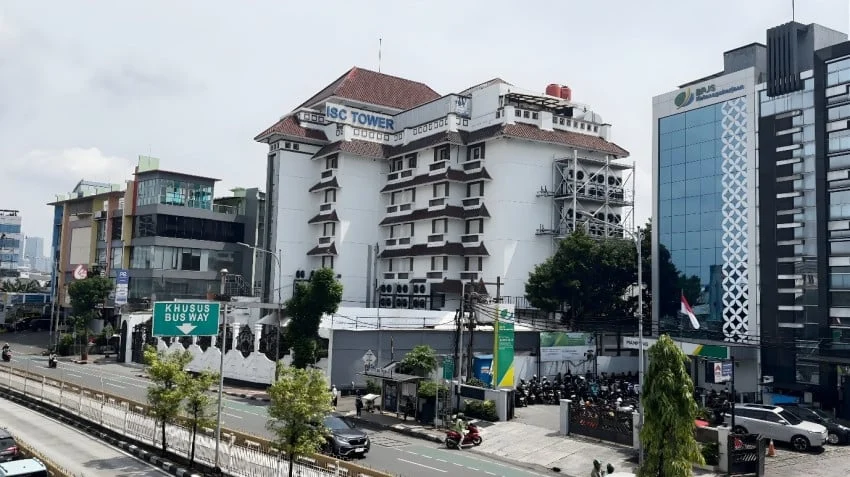
JAKARTA – PT Indonesia Super Corridor (ISC) has announced a significant milestone in its commitment to data security, achieving Payment Card Industry Data Security Standard (PCI DSS) certification for its Tier IV Data Center facility located at ISC Tower in Mampang Prapatan, South Jakarta. This certification underscores ISC’s dedication to aligning its operational standards with the stringent security requirements necessary for digital transaction data, a critical component in today’s increasingly digital economy.

The rigorous assessment process was conducted by a Qualified Security Assessor (QSA), a specialist accredited by the PCI Security Standards Council. This independent evaluation ensured that ISC’s data center infrastructure and operational protocols meet the exacting benchmarks established by the PCI DSS. This globally recognized standard serves as the definitive technical benchmark for safeguarding payment account data and mandates comprehensive security controls for any organization that stores, processes, or transmits sensitive data.

Foundation of Trust: Understanding PCI DSS

The Payment Card Industry Data Security Standard is a set of security standards designed to ensure that all companies that accept, process, store or transmit credit card information safeguard sensitive cardholder data. Developed by the founders of the Payment Card Industry (Visa, MasterCard, American Express, Discover, and JCB), the PCI DSS is a mandatory requirement for all entities that handle cardholder data. Its core objectives include building and maintaining a secure network, protecting cardholder data, maintaining a vulnerability management program, implementing strong access control measures, regularly monitoring and testing networks, and maintaining an information security policy.

For businesses operating in the financial sector, payment processing, and e-commerce, achieving PCI DSS compliance is not merely a recommendation; it is a fundamental prerequisite for trust and operational continuity. Non-compliance can result in substantial fines, reputational damage, and the loss of the ability to process credit card transactions. ISC’s proactive attainment of this certification signals a robust commitment to its clients and partners, particularly those in sensitive industries.

A Tier IV Facility Meets Global Security Standards

The PCI DSS certification now complements the already impressive technical specifications of ISC’s Tier IV Data Center. Designed for maximum resilience and availability, the facility boasts a substantial capacity of up to 750 racks and a robust power supply capable of delivering up to 20 Megawatts (MW). Furthermore, its colocation Service Level Agreement (SLA) guarantees an exceptional uptime of 99.995%, placing it among the most reliable data center facilities in the region.

The Tier IV classification itself signifies the highest level of data center resilience, designed to tolerate any planned or unplanned disruption without impacting IT operations. This includes redundant power, cooling, and network systems, ensuring continuous operation even in the face of component failures or external events. By overlaying the stringent PCI DSS requirements onto this already robust infrastructure, ISC is providing a fortified environment for the most sensitive digital assets.

Strategic Alignment with Digital Economy Growth

The strategic decision by ISC to pursue PCI DSS certification is a direct response to the burgeoning digital economy in Indonesia and globally. As e-commerce, digital payments, and online financial services continue to expand at an unprecedented rate, the volume and sensitivity of data being processed and stored are increasing exponentially. This growth, while beneficial for economic development, also presents a larger attack surface for cybercriminals.

Indonesia, in particular, has witnessed a rapid acceleration in digital adoption. According to various reports, the country’s digital economy is projected to reach significant figures in the coming years, driven by a young, tech-savvy population and increasing internet penetration. This surge necessitates a corresponding increase in the security of the underlying digital infrastructure. ISC’s investment in PCI DSS compliance positions them as a key enabler of this digital transformation, offering a secure and compliant platform for businesses to operate and innovate.

Official Statement: Prioritizing Data Protection

Benyamin P. Naibaho, Founder of ISC and a recognized expert in data center design, operation, and certification, emphasized the importance of this achievement. "We are committed to adhering to and maintaining all applicable PCI DSS requirements because the services we provide directly interact with our customers’ cardholder data. Data protection is an essential aspect of our facility’s governance," stated Naibaho. His assertion highlights the fundamental principle that in the digital age, data security is not an optional add-on but a core element of responsible business operations, particularly for infrastructure providers.

The "governance" mentioned by Naibaho refers to the overarching framework of policies, practices, and procedures that ensure a company is run in an ethical and transparent manner, with accountability and control. In the context of a data center, this governance extends to physical security, network security, access controls, and the secure handling of sensitive information. PCI DSS certification is a tangible manifestation of this robust governance framework.

Timeline of Commitment and Development

While the exact timeline of ISC’s journey to PCI DSS certification is not publicly detailed, such achievements typically involve a phased approach. This would generally include:

  • Initial Assessment and Gap Analysis: Identifying existing security practices and comparing them against PCI DSS requirements.
  • Remediation and Implementation: Developing and implementing new policies, procedures, and technical controls to address any identified gaps. This often involves significant investment in security technologies, staff training, and operational changes.
  • Pre-Assessment and Testing: Conducting internal tests and simulations to ensure compliance before the formal assessment.
  • Formal Assessment by QSA: Engaging a qualified third-party assessor to conduct a comprehensive review of the facility and its operations.
  • Certification and Ongoing Monitoring: Upon successful assessment, obtaining the certification and establishing a program for continuous monitoring and re-assessment to maintain compliance.

Given the complexity and depth of PCI DSS, the process can often take anywhere from several months to over a year, depending on the organization’s starting point and the scope of their operations. ISC’s successful attainment indicates a dedicated effort and a sustained commitment to achieving and maintaining these high security standards.

Implications for Key Sectors

The PCI DSS certification of ISC’s Tier IV Data Center has significant implications for its partners and clients, particularly those operating within the financial sector, payment systems, and e-commerce. These industries are inherently reliant on secure data handling and often have stringent contractual obligations regarding data security.

For financial institutions and payment processors, using a PCI DSS-compliant data center provider like ISC can significantly reduce their own compliance burden. It assures them that the physical and logical infrastructure housing their critical data meets global security benchmarks, thereby mitigating risks associated with data breaches and ensuring regulatory adherence.

E-commerce businesses, which are at the forefront of digital transactions, will find ISC’s certified facility to be an invaluable asset. The ability to process payments and store customer data in a secure, compliant environment fosters greater customer trust and reduces the risk of costly data breaches that can cripple online operations and damage brand reputation.

Broader Impact on Indonesia’s Digital Ecosystem

The achievement by ISC contributes to the broader maturation of Indonesia’s digital ecosystem. As more domestic data center providers attain international certifications like PCI DSS, it signals a growing maturity and sophistication in the country’s digital infrastructure capabilities. This not only benefits local businesses but also makes Indonesia a more attractive destination for foreign investment in the technology and digital services sectors.

Furthermore, by providing a secure and compliant foundation, ISC is indirectly supporting the growth of innovation. Businesses can focus more on developing new products and services, knowing that their data is being protected by a certified, world-class infrastructure provider. This creates a positive feedback loop, driving further digital adoption and economic growth.

A Future Secured by Stringent Standards

In conclusion, PT Indonesia Super Corridor’s achievement of PCI DSS certification for its Tier IV Data Center is a testament to its unwavering commitment to data security and its strategic foresight in supporting the nation’s digital ambitions. By adhering to global security standards, ISC is not only protecting its clients’ sensitive data but also building a foundation of trust essential for the continued growth and success of Indonesia’s digital economy. This milestone solidifies ISC’s position as a leading provider of secure and resilient data center solutions, poised to meet the evolving demands of the digital age.

September 13, 2025 0 comment
0 FacebookTwitterPinterestEmail
Technology

Xbox Reportedly Reconsidering Exclusive Game Strategy Amidst Leadership Shift

by Asro September 12, 2025
written by Asro

Recent reports suggest that Xbox, under the new leadership of CEO Asha Sharma, is actively re-evaluating its long-standing multiplatform release strategy for first-party titles, signaling a potential return to a more traditional console exclusivity model. This significant shift, if realized, would represent a departure from the approach championed by former Xbox head Phil Spencer, which prioritized broader accessibility and revenue generation through releases across PC and even competitor platforms. The move is reportedly a key component of Sharma’s broader initiative to revitalize the Xbox brand’s image and market standing.

A Strategic Pivot Under New Leadership

Since Asha Sharma assumed the CEO role, the Xbox division has been characterized by a series of strategic adjustments and a more open dialogue with its community. Notably, this period has seen frank discussions about the pricing of Xbox Game Pass, with acknowledgments that its subscription tiers may be perceived as expensive by some consumers. Sharma’s tenure has also been marked by a greater responsiveness to player feedback and a willingness to address criticisms. The current consideration of game exclusivity is seen as a natural extension of this broader effort to refine the brand’s identity and competitive positioning.

The impetus for this potential return to exclusivity stems from internal discussions, according to industry insider Jez Corden, who discussed the matter on the Xbox Two Podcast. Corden indicated that the value proposition of exclusive titles is once again being seriously considered within Microsoft’s gaming division. This re-examination is occurring against the backdrop of intense competition in the console market, particularly with Sony’s PlayStation, which has historically leveraged its exclusive game library as a primary driver of console sales and brand loyalty.

The Evolution of Xbox’s Release Strategy

For years, Xbox has pursued an increasingly open ecosystem strategy. This approach, initiated under Phil Spencer’s leadership, aimed to expand the reach of Xbox Game Studios titles beyond the confines of the Xbox console. The rationale was multifaceted: to tap into the vast PC gaming market, to leverage Microsoft’s existing Windows infrastructure, and to generate revenue from software sales across a wider audience. This strategy saw major franchises like Halo, Gears of War, and Forza Motorsport eventually made available on PC, often simultaneously with their console releases or shortly thereafter. More controversially, some reports have suggested potential releases of Xbox-developed games on PlayStation consoles in the future, a move that would represent the ultimate embrace of a multiplatform philosophy.

This move towards multiplatform releases was partly driven by a recognition of the declining console hardware sales market and the need to find alternative revenue streams. Microsoft has historically lagged behind Sony and Nintendo in console unit sales for several generations. By making games available on PC, Xbox could still capture revenue from its intellectual properties without being solely reliant on console hardware attach rates. This strategy was also seen as a way to bolster the appeal of Xbox Game Pass, offering subscribers access to a vast library of games regardless of their primary gaming platform.

Xbox Dikabarkan Pertimbangkan Kembali Miliki Game Eksklusif • Jagat Play

However, this open strategy has also faced criticism. Many gamers and industry observers believe that a strong lineup of exclusive titles is crucial for differentiating console brands and driving hardware sales. Nintendo has consistently demonstrated the power of exclusive franchises like Mario and Zelda in maintaining its market position, while PlayStation has built a reputation for critically acclaimed narrative-driven exclusives such as The Last of Us and God of War. The argument is that without compelling exclusive content, consoles risk becoming mere hardware platforms for a standardized gaming experience.

The Potential Impact of a Return to Exclusivity

The prospect of Xbox reintroducing exclusive games for its first-party titles carries significant implications for the gaming landscape.

Reinvigorating Console Sales and Brand Identity

A key potential benefit of renewed exclusivity would be the reinforcement of Xbox’s unique identity and its ability to attract players specifically to its ecosystem. Historically, console wars have been fueled by the desire to play specific, highly anticipated games that are only available on one platform. If Xbox were to strategically reserve certain titles for its consoles, it could create a stronger incentive for consumers to purchase an Xbox Series X or Series S. This could potentially help to close the gap in console hardware sales that has persisted for years.

Strategic Considerations for First-Party Studios

For Xbox Game Studios, a shift back to exclusivity would necessitate a recalibration of development and marketing strategies. The focus would likely shift from broad market appeal to creating titles that specifically resonate with the Xbox console audience. This could lead to a greater emphasis on console-centric design and features, potentially resulting in more polished and optimized experiences for Xbox hardware. However, it would also mean foregoing the wider audience and revenue streams that multiplatform releases have provided.

The Xbox Game Pass Dilemma

The impact on Xbox Game Pass is another critical area of consideration. The service’s immense value proposition is largely built on the breadth of its library, which includes all first-party titles on day one. If these titles become exclusive to consoles, it could lead to a bifurcation of the Game Pass offering, potentially requiring different subscription tiers or impacting the perceived value for PC-only subscribers. Conversely, it could strengthen the argument for Game Pass as the definitive way to access the best of Xbox gaming on its native platform.

Industry Reactions and Analyst Perspectives

While there have been no official statements from Microsoft or Xbox leadership directly confirming these discussions, the speculation has already generated considerable buzz within the gaming community and among industry analysts. Many view this potential pivot as a logical response to the competitive pressures and the enduring appeal of console exclusives.

Xbox Dikabarkan Pertimbangkan Kembali Miliki Game Eksklusif • Jagat Play

"The console market thrives on distinct identities and unique content," commented [Analyst Name], a senior gaming industry analyst at [Firm Name]. "If Xbox is indeed considering a return to exclusivity, it’s a strategic move that acknowledges the historical success of this model. However, the execution will be paramount. They need to ensure these exclusives are truly compelling and can stand toe-to-toe with the best offerings from their competitors. The challenge will be balancing this with their existing multiplatform investments and the success of Game Pass."

Another perspective suggests that Xbox might adopt a hybrid approach, reserving its most high-profile, tentpole franchises for consoles while continuing to release other titles across PC and potentially other platforms. This would allow them to cater to different market segments and revenue objectives simultaneously.

Uncertainties and Future Outlook

Despite the reports and internal discussions, the final decision regarding exclusivity remains uncertain. The long-term strategic direction of Microsoft’s gaming division, particularly under CEO Asha Sharma, will ultimately dictate the path forward. The company must carefully weigh the potential benefits of a renewed focus on console exclusives against the established revenue streams and market reach afforded by its current multiplatform strategy.

The gaming industry is in a constant state of evolution, and Xbox’s potential reconsideration of its game release strategy is a significant development that will be closely watched by players, developers, and competitors alike. Whether this marks a return to the classic console wars of the past or a more nuanced approach to platform engagement remains to be seen. The coming months are likely to bring more clarity as Xbox navigates these critical strategic decisions.

September 12, 2025 0 comment
0 FacebookTwitterPinterestEmail
Newer Posts
Older Posts

Recent Posts

  • Indonesia’s Economy Shows Resilience Amidst Global Financial Headwinds, Says Simpan Asset Management Co-Founder
  • Ministry of Religious Affairs Confirms End-of-June 2026 Disbursement for Non-ASN Madrasah Teacher Incentives
  • President Jokowi and Minister Rini Soemarno Visit TPPI Refinery in Tuban and Engage with Local Community Before Strategic Inspection
  • BUMN Dinilai Mampu Kelola Freeport dengan Baik
  • Segini Besaran Gaji ke-13 PNS 2026 yang Akan Cair Juni : Okezone Economy

Recent Comments

No comments to show.
  • Facebook
  • Twitter

@2021 - All Right Reserved. Designed and Developed by PenciDesign


Back To Top
Dara News Media
  • Home
  • About Us
  • Contact Us
  • Cookies Policy
  • Disclaimer
  • DMCA
  • Privacy Policy
  • Terms and Conditions

We are using cookies to give you the best experience on our website.

You can find out more about which cookies we are using or switch them off in .

Dara News Media
Powered by  GDPR Cookie Compliance
Privacy Overview

This website uses cookies so that we can provide you with the best user experience possible. Cookie information is stored in your browser and performs functions such as recognising you when you return to our website and helping our team to understand which sections of the website you find most interesting and useful.

Strictly Necessary Cookies

Strictly Necessary Cookie should be enabled at all times so that we can save your preferences for cookie settings.