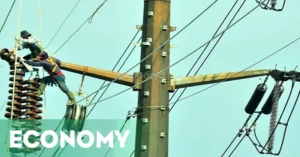
JAKARTA — The Indonesian government’s ambitious pursuit of its 35,000-megawatt (MW) electrification megaproject has reignited a fierce national debate regarding the country’s energy future. While the massive infrastructure push aims to expand electricity access across the archipelago and eradicate regional disparities in electrification ratios, its fundamental framework has drawn sharp criticism from energy sector experts. Central to this controversy is the administration’s persistent reluctance to incorporate nuclear power into the national energy mix, a stance that industry analysts argue reflects an undue aversion to advanced technological progress.
The exclusion of nuclear energy from the current strategic roadmap has drawn condemnation from academic and professional circles. Iwa Garniwa, a prominent energy observer and expert from the Universitas Indonesia, voiced profound disappointment regarding the official policy position. According to Garniwa, systematically sidelining nuclear technology amounts to a deliberate retreat from global technological advancements that are actively shaping energy security in developed and emerging economies alike.
The Strategic Imperative of the 35,000 MW Megaproject
Launched to address chronic electricity shortages and support robust economic growth, the 35,000 MW electrification program represents one of the most ambitious infrastructure endeavors in modern Indonesian history. The initiative seeks to transition the country away from localized, diesel-reliant power generation toward large-scale, grid-connected facilities capable of sustaining industrialization and elevating the quality of life for millions of citizens.
However, energy economists and engineering specialists have consistently argued that achieving a capacity of this magnitude requires a highly diversified portfolio of primary energy sources. An overreliance on conventional fossil fuels—such as coal and natural gas—poses long-term environmental and economic risks, particularly in light of global climate commitments and fluctuating commodity markets. While renewable sources like geothermal, hydro, solar, and wind are being actively developed, their intermittent nature and geographic constraints present significant baseload challenges.
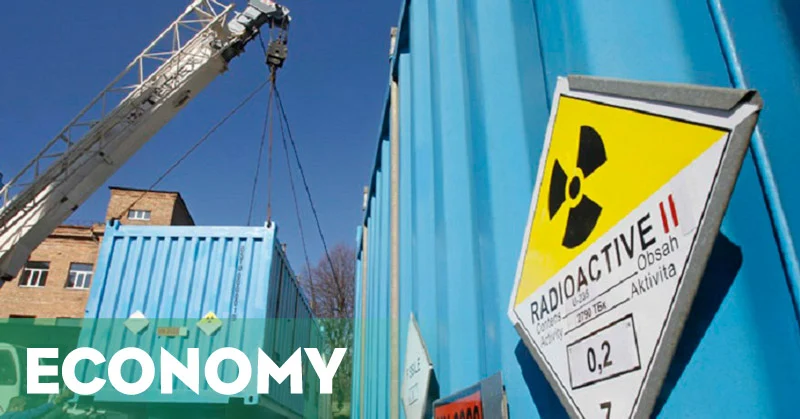
Nuclear power, proponents argue, offers a reliable, high-capacity baseload alternative capable of generating massive amounts of electricity with zero direct carbon emissions. Despite these advantages, government policy has relegated nuclear energy to the absolute periphery of national planning, treating it as an option of last resort rather than a proactive component of energy diversification.
The Debate Over Nuclear Energy as a Last Resort
The controversy deepened following official statements from policymakers indicating that nuclear technology would only be considered after all other domestic energy resources are exhausted. This conditional framework has been met with skepticism and frustration by technical experts who view such a timeline as fundamentally flawed.
Garniwa criticized the government’s categorization of nuclear power as a "last resort," questioning the practical logic behind such a threshold. Waiting until hydraulic, solar, or other renewable potentials are completely tapped before exploring nuclear capabilities, he argued, would be catastrophic for the nation’s energy security. In a rapidly modernizing global economy, energy demand frequently outpaces the development cycle of traditional infrastructure, making technological agility an absolute necessity.

Furthermore, critics point out that dismissing nuclear energy on the grounds of perceived hazards or prohibitive costs ignores modern advancements in reactor safety, such as Small Modular Reactors (SMRs). These newer designs offer enhanced safety profiles, lower initial capital requirements, and greater scalability compared to traditional, utility-scale nuclear plants.
Addressing Institutional Hesitation and Capacity Building
A primary argument frequently cited by policymakers against the immediate adoption of nuclear power is the perceived shortage of domestic human resources, technical expertise, and regulatory frameworks required to manage a high-risk industry safely. Indonesia has historically lacked a fully operational commercial nuclear power plant, leading to legitimate concerns regarding operational oversight, waste management, and emergency response readiness.
Yet, energy specialists contend that these challenges are not insurmountable and should serve as an impetus for structured capacity building rather than outright rejection. Garniwa suggested that instead of abandoning the technology entirely, the government could adopt a phased, incremental approach. Initiating small-scale research reactors or pilot projects would allow Indonesian engineers, scientists, and regulators to gain hands-on operational experience and establish rigorous maintenance protocols over time.
By avoiding the technology altogether due to initial capability gaps, the nation risks falling further behind regional and global competitors who are steadily integrating nuclear energy into their low-carbon transitions. This institutional reluctance prompted sharp critiques from analysts regarding the mindset of decision-makers, who appear hesitant to confront complex, high-stakes technological challenges.
Broader Implications for Indonesia’s Energy Transition
The ongoing debate over the exclusion of nuclear energy carries profound implications for Indonesia’s long-term environmental and economic trajectory. As a signatory to international climate agreements, Indonesia faces mounting pressure to peak its greenhouse gas emissions and accelerate its transition toward clean energy sources.
While the expansion of the 35,000 MW program has successfully brought online numerous coal-fired power plants to meet immediate baseload demands, this approach complicates the nation’s long-term decarbonization goals. Balancing the immediate imperative for affordable, reliable electricity with the existential necessity of climate mitigation requires a comprehensive evaluation of all available generation technologies.
The government’s current energy security framework demonstrates a tension between cautious risk management and visionary technological planning. While prudence is undoubtedly required in managing nuclear assets, analysts maintain that excessive caution risks stagnating the nation’s industrial and scientific development.
Ultimately, the controversy surrounding the 35,000 MW megaproject and its nuclear blind spot highlights a critical juncture for Indonesian energy policy. As global energy markets evolve and climate pressures intensify, policymakers face the enduring challenge of aligning short-term infrastructure delivery with long-term technological resilience. Whether the administration will reevaluate its stance on nuclear power in future strategic roadmaps remains a central question for the nation’s energy future, dictating how Indonesia will power its economy in the decades to come.