• Home
  • About Us
  • Contact Us
  • Cookies Policy
  • Disclaimer
  • DMCA
  • Privacy Policy
  • Terms and Conditions
Dara News Media
keep your memories alive
Politics

Chinese-Sanctioned Tanker Breaches US Blockade in Strait of Hormuz, Escalating Geopolitical Tensions

by Laily UPN August 28, 2025
written by Laily UPN

JAKARTA, Indonesia – In a significant challenge to American enforcement of sanctions and maritime control, a Chinese-owned tanker under US sanctions successfully traversed the Strait of Hormuz on Tuesday, April 14, 2026. This incident marks the first confirmed breach of an announced US blockade in the strategically vital waterway, raising immediate questions about the efficacy of Washington’s "maximum pressure" campaign and the delicate balance of power in the volatile Middle East. The vessel, identified as the oil and chemical tanker Rich Starry, owned by Shanghai Xuanrun Shipping – a company explicitly designated on the US sanctions list – completed its passage despite explicit warnings from the US Central Command (CENTCOM) and a stern declaration from US President Donald Trump.

The Rich Starry’s voyage through the narrow strait, which connects the Persian Gulf to the open ocean, commenced after a period of apparent hesitation. MarineTraffic, a global ship-tracking data provider, indicated the tanker had lingered near the chokepoint on Monday night before making its decisive transit early Tuesday morning. Having departed from Sharjah in the United Arab Emirates, the vessel is now reportedly en route to China. This act of defiance comes just days after CENTCOM declared on Sunday, April 12, 2026, that a blockade would be "impartially enforced against vessels of all nations" attempting to enter or exit Iranian ports in the Gulf and Gulf of Oman. Adding to the tension, President Trump issued a stark warning that any Iranian vessel approaching the blockade "will be immediately eliminated," underscoring the high stakes involved.

The Incident Unfolds: A Chinese Tanker’s Defiance

The journey of the Rich Starry has quickly become a focal point of international scrutiny. Owned by Shanghai Xuanrun Shipping, the company was placed on the US Treasury Department’s Specially Designated Nationals (SDN) list for its alleged involvement in facilitating illicit oil trade with Iran, circumventing existing international sanctions. The specific details of these sanctions, imposed in late 2025, cited violations of prohibitions on transactions with the National Iranian Oil Company (NIOC) and other Iranian entities, aiming to choke off Tehran’s revenue streams. Despite these stringent measures, the Rich Starry, a vessel typically engaged in the transport of petroleum products and chemicals, proceeded with its voyage, signaling a clear challenge to US authority in one of the world’s most critical maritime passages.

According to MarineTraffic data, the Rich Starry, a tanker with a deadweight tonnage (DWT) of approximately 50,000, began its transit through the Strait of Hormuz in the pre-dawn hours of Tuesday, April 14. Its trajectory indicated a deliberate passage through the designated shipping lanes, moving from the Gulf of Oman into the Persian Gulf before potentially reversing course to exit. The vessel’s transponder remained active throughout the journey, allowing real-time monitoring of its movements. This transparent yet defiant act stands in stark contrast to previous instances where vessels attempting to evade sanctions might have turned off their Automatic Identification System (AIS) transponders.

The Crucible of Hormuz: A Strategic Chokepoint

The Strait of Hormuz is more than just a waterway; it is a global economic artery and a geopolitical flashpoint. Roughly 21 miles (34 km) wide at its narrowest point, with shipping lanes just two miles (3.2 km) wide in each direction, it serves as the sole maritime passage from the Persian Gulf to the open ocean. An estimated one-fifth of the world’s total petroleum liquids consumption, roughly 21 million barrels per day (bpd) of crude oil and petroleum products, passed through the Strait in 2023, according to the US Energy Information Administration (EIA). This volume includes nearly all oil exports from Saudi Arabia, Iran, the UAE, Kuwait, and Iraq, making it indispensable for global energy security. Any disruption in this chokepoint can send ripple effects across global energy markets, leading to volatile oil price surges and significant economic instability.

Historically, the Strait has been a theater of numerous international incidents and military confrontations. From the "Tanker War" during the Iran-Iraq War in the 1980s, which saw attacks on merchant shipping, to more recent episodes involving Iranian seizures of tankers, alleged attacks on oil infrastructure, and close encounters between US and Iranian naval forces, the region remains perpetually on edge. The US maintains a significant naval presence in the Persian Gulf, primarily through the US Fifth Fleet based in Bahrain, tasked with ensuring freedom of navigation and deterring aggression. However, the presence of these forces has not always prevented incidents, highlighting the complex and often unpredictable dynamics of the region.

US Sanctions and the "Maximum Pressure" Campaign

The backdrop to this latest incident is the long-standing and increasingly aggressive US "maximum pressure" campaign against Iran. Initiated after President Trump’s withdrawal from the Joint Comprehensive Plan of Action (JCPOA), or the Iran nuclear deal, in May 2018, this policy aims to cripple Iran’s economy and force it back to the negotiating table for a more comprehensive agreement addressing its nuclear program, ballistic missile development, and regional proxy activities. The sanctions target Iran’s oil exports, banking sector, shipping industry, and key individuals and entities associated with its Revolutionary Guard Corps (IRGC).

Shanghai Xuanrun Shipping’s inclusion on the US sanctions list in late 2025 was part of a broader effort to tighten the noose around Iran’s ability to export oil. US Treasury Department statements at the time accused the company of operating a network of front companies and vessels to obscure the origin of Iranian crude oil shipments, facilitating their sale to Asian markets, particularly China. These sanctions are designed to isolate Iran financially and economically, limiting its ability to fund its regional ambitions and support its proxies. The defiance shown by the Rich Starry, therefore, directly challenges the effectiveness and deterrent power of this extensive sanctions regime.

Washington’s Stance: Blockade and Warning

The US response to perceived Iranian provocations and the broader goal of enforcing sanctions has manifested in heightened naval presence and explicit warnings. CENTCOM’s announcement on April 12, 2026, regarding an impartial blockade, signaled a significant escalation of US maritime enforcement efforts. While the term "blockade" in international law carries specific connotations related to acts of war, CENTCOM’s statement implied a more robust interdiction strategy aimed at preventing sanctioned vessels from engaging in trade with Iran. This move was framed as a direct response to intelligence indicating continued illicit oil shipments and potential Iranian harassment of commercial shipping in the region.

President Trump’s subsequent declaration that any Iranian vessel approaching the blockade "will be immediately eliminated" amplified the gravity of the situation. This rhetoric, characteristic of his administration’s direct and often confrontational approach, served as a clear warning to Tehran and any entities attempting to circumvent US sanctions. Such statements, while intended to deter, also carry the risk of miscalculation and accidental escalation in an already tense environment. The specific rules of engagement for US naval forces under such a directive would be paramount in preventing an unintended military confrontation.

Contradictory Accounts and Diplomatic Fissures

Adding a layer of complexity to the unfolding narrative, CENTCOM issued a statement on Wednesday, April 15, 2026, that appeared to contradict the MarineTraffic data and initial reports of the Rich Starry’s passage. CENTCOM asserted that "no vessels had successfully breached its blockade during the initial 24 hours of its enforcement." The statement further claimed that US forces had "successfully repelled six merchant vessels attempting to depart one of Iran’s ports in the Gulf of Oman." This discrepancy raises critical questions: Was the Rich Starry’s transit not considered a "breach" by CENTCOM’s definition, perhaps due to its destination or cargo, or was there a delay in CENTCOM’s awareness or reporting? Alternatively, the conflicting accounts could highlight the inherent difficulties in monitoring all maritime traffic in a vast and complex waterway, or they could represent an attempt by CENTCOM to maintain an image of effective enforcement despite isolated incidents.

Such contradictory reporting can sow confusion and potentially undermine the credibility of official statements. From a diplomatic perspective, it provides an opening for other nations, particularly China and Iran, to challenge the US narrative and question the legitimacy or effectiveness of the blockade. For international observers, it underscores the information warfare that often accompanies geopolitical maneuvering, where competing narratives vie for dominance.

China’s Geopolitical Calculus: Energy Needs and Sovereign Assertions

China’s involvement in this incident is deeply rooted in its strategic energy requirements and its broader foreign policy stance. As the world’s largest importer of crude oil, China is heavily reliant on Middle Eastern oil, with a substantial portion transiting through the Strait of Hormuz. Ensuring the unimpeded flow of oil is a paramount national security interest for Beijing. Furthermore, China has consistently opposed unilateral sanctions imposed by individual nations, viewing them as infringations on national sovereignty and international law, particularly when not endorsed by the United Nations Security Council.

For China, supporting a company like Shanghai Xuanrun Shipping, even under US sanctions, could be seen as a dual strategy: securing vital energy supplies and subtly challenging the extraterritorial application of US law. Beijing has often criticized US sanctions as a form of "long-arm jurisdiction" that disrupts global trade and stability. The Rich Starry’s passage, therefore, could be interpreted as a calculated move by China to assert its right to freedom of navigation and to signal its unwillingness to fully comply with US sanctions that it deems illegitimate, especially when they impact its core economic interests. This incident adds another layer of tension to the already strained US-China relationship, particularly concerning trade, technology, and geopolitical influence.

International Law and Freedom of Navigation

The concept of "freedom of navigation" is a cornerstone of international maritime law, enshrined in the United Nations Convention on the Law of the Sea (UNCLOS). It grants all vessels, including military and commercial ships, the right to innocent passage through territorial seas and transit passage through international straits. While UNCLOS allows coastal states to regulate certain activities within their territorial waters, the principle of unimpeded passage through international straits for trade remains sacrosanct for many nations.

A blockade, traditionally defined as an act of war, is governed by specific rules under international law, requiring formal declaration and effective enforcement. The US’s characterization of its actions as an "impartial enforcement" rather than a full-fledged blockade aims to navigate these legal complexities. However, if such enforcement targets specific nations or entities based on unilateral sanctions, it can be viewed by others as a violation of freedom of navigation, potentially setting a dangerous precedent. The Rich Starry’s transit could be cited by China and other nations as evidence that such unilateral blockades are not universally recognized or enforceable, further fueling debates over the interpretation and application of international maritime law in an era of geopolitical competition.

Regional Repercussions and Diplomatic Overtures

The incident in the Strait of Hormuz reverberates across the entire Middle East, a region already grappling with multiple conflicts and proxy wars. Gulf states, heavily reliant on the Strait for their oil exports, watch such developments with apprehension, fearing that an escalation could disrupt their economies and regional stability. Saudi Arabia, the UAE, and other Gulf Cooperation Council (GCC) members, while generally allied with the US against Iran, also prioritize the security of maritime trade. Any direct military confrontation in the Strait would have devastating consequences for their economies and potentially draw them into a broader conflict.

Amidst these rising tensions, diplomatic efforts continue in the background. Pakistan has reportedly intensified its mediation efforts to de-escalate tensions between Iran and the US. Following inconclusive talks in Islamabad over the past weekend, Pakistan is said to be working towards a second phase of negotiations aimed at achieving a "permanent peace" between the two adversaries. Pakistan, having maintained diplomatic ties with both Washington and Tehran, often positions itself as a neutral broker in regional disputes. However, the success of such mediation hinges on the willingness of both sides to compromise, a prospect that appears increasingly dim given the recent developments and the entrenched positions of the US and Iran. The continued existence of a "ceasefire" between Iran and the US, despite the blockade and the tanker incident, suggests a fragile equilibrium that diplomatic channels are striving to maintain.

Economic Fallout and Global Market Sensitivity

The breach of the US blockade by the Rich Starry, irrespective of its immediate military implications, sends a ripple through global financial and energy markets. Oil prices, already sensitive to geopolitical instability, could react sharply to perceived threats to supply chains. Shipping insurance premiums for vessels operating in the Persian Gulf and Strait of Hormuz are likely to rise, increasing the cost of trade for all nations dependent on the waterway. This added cost ultimately translates to higher prices for consumers worldwide.

Moreover, the incident highlights the vulnerability of global trade to geopolitical disputes and the challenges in enforcing unilateral sanctions against determined actors. If more vessels follow the Rich Starry’s example, it could signal a weakening of the US sanctions regime, potentially emboldening other entities to engage in illicit trade with Iran. This would complicate efforts to pressure Tehran and could force the US to consider even more drastic measures, further heightening the risk of conflict.

The Road Ahead: Escalation Risks and Diplomatic Pathways

The Rich Starry’s successful transit through the US-enforced blockade in the Strait of Hormuz represents a critical juncture in the ongoing geopolitical standoff between the US, China, and Iran. It challenges the credibility of US maritime enforcement, underscores China’s resolve to protect its economic interests, and adds another layer of complexity to the volatile dynamics of the Middle East.

The immediate implications include heightened tensions in the Strait, potential for further confrontations between US naval forces and vessels attempting to breach the blockade, and a deepening of the strategic rivalry between Washington and Beijing. The incident also puts renewed pressure on diplomatic channels, such as those being pursued by Pakistan, to find a pathway to de-escalation before the situation spirals into a direct military conflict. The fragile peace in the region now hinges precariously on the interpretation of international law, the enforcement of unilateral sanctions, and the delicate balance of power among global and regional actors. The coming days will reveal whether this act of defiance by a single tanker will remain an isolated incident or become a harbinger of a more confrontational future in the world’s most vital oil chokepoint.
August 28, 2025 0 comment
0 FacebookTwitterPinterestEmail
Politics

Family of Key Witness in Legislative Election Dispute Causes Commotion at Constitutional Court, Alleges Coercion and Disappearance

by Nana August 26, 2025
written by Nana

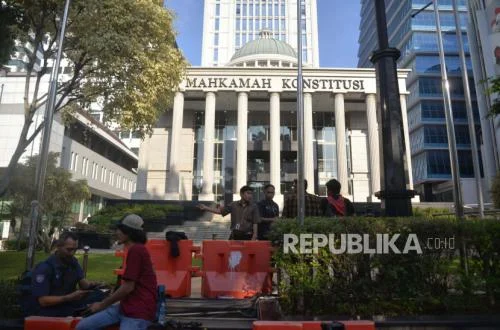
JAKARTA – A dramatic scene unfolded at the Constitutional Court (MK) building on Wednesday, May 29, 2024, when several individuals claiming to be family members of Sulaiman, a key witness for the Democratic Party in an ongoing legislative election dispute, caused a significant commotion. The family vehemently demanded to see Sulaiman, alleging that he had been forcibly taken from his home days earlier and had been incommunicado since. This incident cast a shadow over the already high-stakes judicial process, raising serious questions about witness protection and the integrity of the electoral dispute resolution mechanism in Indonesia.

The Tumultuous Scene at the Constitutional Court

The commotion erupted around the Constitutional Court’s Building I in Jakarta. According to eyewitness accounts and observations, Sulaiman was seen being escorted into the building alongside a legal representative from the Democratic Party. He was notably dressed entirely in black, with his face obscured by a mask, an appearance that only intensified the family’s apprehension. The witness was scheduled to testify in the 2024 Legislative Election Dispute (PHPU Pileg) case Number 196-01-14-22/PHPU/DPR-DPRD-XXII/2024, where the General Election Commission (KPU) serves as the respondent and the National Mandate Party (PAN) is listed as a related party.

Shortly after Sulaiman’s entry, a man and a woman, who identified themselves as his siblings, began shouting from outside the secured perimeter of the court building. The woman, visibly distressed and dressed in a yellow top with a black headscarf, cried out, "I am his older sister! Do you know that? Everything is unfair! There is coercion!" Her desperate pleas highlighted the family’s profound concern over Sulaiman’s status and the circumstances surrounding his appearance at the court. Their attempts to force their way into the building were promptly thwarted by security personnel, who maintained a firm but professional stance. Following their failed attempt to enter, the woman and two other accompanying individuals were approached by an official from the Constitutional Court, who sought to understand the reasons behind their forceful insistence on entry.

The family’s narrative painted a grim picture. Sulaiman’s sister tearfully explained that her brother had been "picked up" from their home on Friday, May 24, 2024, five days prior to the incident at the court. She emphasized that there had been no prior agreement or formal summons that they were aware of, describing it as an unscheduled departure. "There was no agreement. The plan was for (Sulaiman) to be taken out of the house, he said goodbye, and until now there has been no news of him," she recounted, her voice laced with desperation. This alleged disappearance and subsequent reappearance under masked conditions at the court deeply troubled his family, fueling their fears of potential undue influence or coercion.

Background of the 2024 Indonesian General Election and Constitutional Court’s Role

To fully grasp the gravity of this incident, it is essential to understand the broader context of the 2024 Indonesian General Election and the pivotal role of the Constitutional Court. Indonesia held its massive simultaneous general elections on February 14, 2024, electing a president and vice president, as well as members of national, provincial, and regional legislative bodies. This complex democratic exercise, involving over 200 million eligible voters, is the largest single-day election in the world.

The Constitutional Court (Mahkamah Konstitusi or MK) stands as the ultimate arbiter of electoral disputes in Indonesia. Its mandate includes reviewing laws against the constitution, resolving inter-agency disputes, and, crucially, adjudicating disputes related to the results of general elections. Given the high stakes of both the presidential (Pilpres) and legislative (Pileg) elections, the MK’s role is critical in upholding the principles of fairness, transparency, and the rule of law. Any challenge to election results, whether concerning presidential or legislative outcomes, must pass through the rigorous legal process at the MK.

The period leading up to the May 29th commotion had already been marked by intense scrutiny of the Constitutional Court. Just over a month prior, on Monday, April 22, 2024, the MK delivered its highly anticipated verdict on the presidential election dispute. That ruling affirmed the victory of President-elect Prabowo Subianto and Vice President-elect Gibran Rakabuming Raka, dismissing petitions filed by the losing presidential candidates. This presidential election verdict, delivered amidst tight security and nationwide attention, underscored the immense pressure and political sensitivity surrounding the court’s decisions. The atmosphere at the MK during election dispute periods is consistently charged, with supporters, legal teams, and the public keenly observing every development.

The Legislative Election Dispute: Case Number 196-01-14-22/PHPU/DPR-DPRD-XXII/2024

The specific case involving Sulaiman, Number 196-01-14-22/PHPU/DPR-DPRD-XXII/2024, pertains to a dispute over the results of the 2024 legislative elections. These disputes typically involve allegations of vote count manipulation, administrative irregularities, or various forms of electoral fraud that could significantly alter the allocation of seats in legislative bodies. In this particular case, the Democratic Party is challenging results, with the KPU as the primary defendant responsible for organizing and tabulating the elections, and the National Mandate Party (PAN) as a related party, often implicated due to benefiting from the contested results or having a direct interest in the outcome.

Witnesses play an indispensable role in PHPU cases. Their testimonies are crucial for substantiating claims of irregularities or fraud. A credible witness can provide firsthand accounts, documentary evidence, or expert opinions that can sway the court’s decision. Therefore, the integrity and voluntary participation of witnesses are paramount to ensuring a just and fair legal process. Any suggestion of coercion or intimidation of a witness directly undermines the court’s ability to uncover the truth and deliver an impartial judgment.

Chronology of Events Leading to the Commotion

The timeline of events highlights the rapid escalation of the situation from the family’s perspective:

  • February 14, 2024: Indonesia conducts its simultaneous general elections for president, vice president, and legislative bodies.
  • April 22, 2024: The Constitutional Court delivers its verdict on the Presidential Election Dispute (PHPU Pilpres), affirming the official results.
  • Late April – May 2024: The Constitutional Court begins hearing petitions for Legislative Election Disputes (PHPU Pileg), including case Number 196-01-14-22/PHPU/DPR-DPRD-XXII/2024, involving the Democratic Party, KPU, and PAN.
  • Friday, May 24, 2024: According to Sulaiman’s family, he was "picked up" from his home under unclear circumstances and subsequently became unreachable by his family. This date marks the beginning of their distress and concerns about his well-being and voluntariness.
  • Wednesday, May 29, 2024: Sulaiman appears at the Constitutional Court as a witness for the Democratic Party in the aforementioned PHPU Pileg case. Simultaneously, his family arrives at the court, attempts to gain access, and creates a commotion, alleging coercion and demanding to see him. Security forces intervene, and an MK official questions the family.

Statements and Reactions from Related Parties (Inferred and Logical)

While direct official statements specifically addressing this incident were limited in the initial reports, it is possible to infer how various parties would likely respond, given their roles and the nature of the allegations:

  • Sulaiman’s Family: Their reaction was clearly one of extreme distress and fear. They would likely reiterate their allegations of coercion and unauthorized removal, demanding transparency regarding Sulaiman’s whereabouts and condition since May 24th. Their primary concern would be Sulaiman’s safety and his ability to testify freely, without duress. They might also seek legal assistance to investigate the circumstances of his alleged disappearance.
  • The Democratic Party: As the party presenting Sulaiman as a witness, they would likely state their commitment to upholding the rule of law and ensuring all witnesses are treated fairly. They might express surprise or concern over the family’s allegations, perhaps clarifying their own procedures for engaging witnesses. They would likely emphasize that their intent is solely to present evidence pertinent to their case and that any allegations of coercion are serious and should be investigated. They might also distance themselves from the methods used to bring the witness to court if it was indeed without proper consent or procedure.
  • The Constitutional Court (MK): The Court’s officials would likely emphasize their commitment to judicial integrity and impartiality. They would assert that all proceedings are conducted in accordance with established legal procedures and that witnesses appearing before the court are expected to do so voluntarily. They would likely state that security measures are in place to ensure order and the smooth running of hearings, and that any concerns regarding witness integrity or safety within their premises are taken seriously. The MK might also initiate an internal inquiry into the incident or refer the family’s allegations to relevant law enforcement agencies if warranted.
  • General Election Commission (KPU): As the respondent, KPU would likely reiterate its stance that the 2024 elections were conducted fairly and transparently. They would maintain that witness testimonies are part of the legal process in electoral disputes and that they have no involvement in the recruitment or coercion of witnesses for any party. KPU’s focus would be on defending its election results through evidence and legal arguments presented in court.
  • National Mandate Party (PAN): As a related party, PAN would likely express confidence in the electoral process and the Constitutional Court’s ability to resolve disputes justly. They would likely await the court’s final decision on the legislative election results and would not typically comment on procedural issues related to other parties’ witnesses unless directly impacted.
  • Legal Experts and Human Rights Organizations: Legal analysts would likely point to the critical importance of witness protection and the potential for such incidents to undermine public trust in the judicial system. Human rights organizations would likely call for a thorough and independent investigation into the family’s claims, emphasizing the right to due process and the prevention of any form of intimidation or abduction of witnesses, particularly in politically sensitive cases. They might highlight the role of institutions like the Witness and Victim Protection Agency (LPSK) in safeguarding individuals providing testimony in high-profile legal matters.

Broader Impact and Implications

This incident, though seemingly isolated, carries significant implications for the integrity of Indonesia’s electoral process and the functioning of its judicial institutions:

  • Undermining Public Trust: Allegations of witness coercion or disappearance, particularly in the context of high-stakes election disputes, can severely erode public confidence in the fairness of the electoral process and the ability of the Constitutional Court to deliver impartial justice. If the public perceives that witnesses can be manipulated or intimidated, the legitimacy of the court’s final rulings could be questioned.
  • Challenges to Witness Protection: The incident highlights potential vulnerabilities in Indonesia’s witness protection mechanisms. While the LPSK exists to protect witnesses and victims, such an event underscores the challenges of ensuring the safety and voluntariness of individuals who come forward in politically charged cases. It may prompt calls for a review and strengthening of witness protection protocols, especially for those involved in election disputes.
  • Judicial Integrity: The Constitutional Court’s reputation for impartiality and independence is paramount. Any incident that suggests external pressures or irregular procedures concerning witnesses can cast a shadow on the court’s integrity. The MK will likely need to address these allegations transparently to maintain its standing as a credible arbiter.
  • Rule of Law: The principles of due process, voluntary participation in legal proceedings, and protection from coercion are fundamental to the rule of law. If Sulaiman’s family’s claims are substantiated, it would represent a serious breach of these principles and demand a robust response from legal and law enforcement authorities.
  • Precedent for Future Disputes: How this specific incident is handled could set a precedent for future election disputes. A thorough investigation and appropriate action are necessary to deter similar occurrences and ensure that all parties operate within the bounds of the law.

The commotion at the Constitutional Court serves as a stark reminder of the intense pressures and sensitivities surrounding electoral justice in Indonesia. As the Constitutional Court continues its deliberations on the legislative election disputes, the allegations made by Sulaiman’s family introduce a layer of complexity and urgency, demanding not only judicial resolution of the election results but also a transparent and thorough investigation into the circumstances surrounding the witness’s appearance. The integrity of the entire democratic process hinges on the unwavering commitment to fairness, transparency, and the protection of all individuals involved, especially those brave enough to step forward as witnesses. The nation watches closely, awaiting not only the court’s decision on the legislative results but also a clear resolution to the unsettling questions raised by this dramatic incident.

August 26, 2025 0 comment
0 FacebookTwitterPinterestEmail
Politics

Raja Yordania Abdullah II sambangi Indonesia, berikut profilnya

by Jia Lissa August 25, 2025
written by Jia Lissa

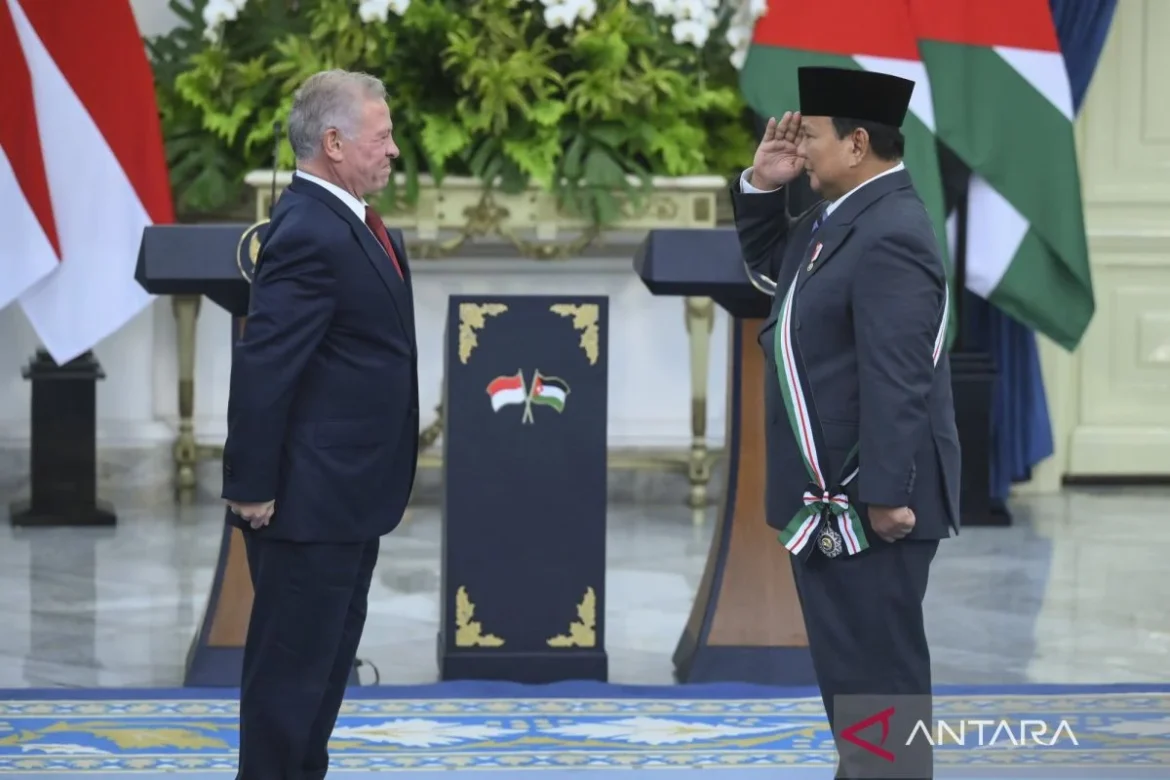
Jakarta, Indonesia – King Abdullah II bin Al-Hussein of Jordan is set to embark on a pivotal state visit to Indonesia this Friday afternoon, a diplomatic engagement poised to significantly deepen the strategic partnership between the two nations. The monarch’s itinerary includes a high-profile meeting with Indonesian President Prabowo Subianto, alongside representatives from Danantara Indonesia, culminating in the formal signing of crucial bilateral Memoranda of Understanding (MoUs). This visit, part of a broader Asian tour encompassing key regional players such as Japan, Vietnam, Singapore, and Pakistan, underscores Jordan’s strategic "Look East" policy and Indonesia’s increasing geopolitical prominence. The impending discussions are expected to traverse a wide spectrum of issues, from bolstering economic cooperation, particularly in vital sectors like phosphate supply, to enhancing diplomatic coordination on regional and global challenges, further cementing a relationship rooted in shared values and a long-standing personal bond between their leaders.

A Convergence of Leaders and Strategic Agendas

The arrival of King Abdullah II in Indonesia marks a significant moment in the diplomatic calendar, following closely on the heels of President Prabowo Subianto’s visit to Jordan on April 14, 2025. During that trip, President Prabowo engaged in a private, one-on-one meeting with King Abdullah II at the majestic Al Husseiniya Palace in Amman, setting the stage for the current reciprocal visit. This rapid exchange of high-level visits within a short span signals a mutual commitment to elevating the bilateral relationship. Observers suggest that the earlier meeting in Amman likely laid the groundwork for the specific agreements and areas of cooperation to be formalized in Jakarta, indicating a well-orchestrated diplomatic push.

Beyond formal state protocols, the relationship between King Abdullah II and President Prabowo Subianto carries a unique personal dimension, stretching back decades to their formative years. Both leaders share a distinguished military background and are esteemed alumni of the United States Army training institution at Fort Benning. This shared experience and professional camaraderie have fostered a deep and enduring friendship, which many analysts believe provides a robust foundation for the current diplomatic endeavors. Such personal rapport at the highest echelons of leadership often translates into smoother negotiations and a greater willingness to explore innovative avenues for cooperation, transcending conventional diplomatic barriers.

The Itinerary and Key Discussion Points

The core of King Abdullah II’s visit revolves around the substantive discussions with President Prabowo and other Indonesian officials. A primary focus of the economic agenda is expected to be cooperation with Danantara Indonesia, a state-owned enterprise, particularly concerning the critical resource of phosphate. Phosphate is an indispensable component in the production of fertilizers, crucial for Indonesia’s vast agricultural sector, which employs a significant portion of its workforce and is vital for national food security. Jordan is one of the world’s leading producers and exporters of phosphate rock, possessing substantial reserves. Diversifying sourcing for such essential raw materials is a strategic imperative for Indonesia, reducing reliance on single suppliers and enhancing supply chain resilience. The potential for long-term supply agreements or even joint ventures in phosphate mining and processing could be transformative for both economies.

Beyond phosphate, discussions are anticipated to cover broader economic partnerships, including trade facilitation, investment opportunities in various sectors such as tourism, infrastructure, and renewable energy. Both nations possess unique economic strengths and geographical advantages that could be leveraged for mutual benefit. Jordan, positioned at the crossroads of Asia, Africa, and Europe, offers strategic access to diverse markets, while Indonesia’s burgeoning economy and large domestic market present attractive prospects for Jordanian investors and exporters.

Diplomatically, the leaders are likely to address regional and international issues of mutual concern. These include the ongoing situation in the Middle East, particularly the Palestinian question, on which both Indonesia and Jordan hold strong, principled stances advocating for a just and lasting peace. Counter-terrorism efforts, interfaith dialogue, and promoting moderation within the Islamic world are also areas where Indonesia and Jordan have historically found common ground and actively collaborate in various international forums. The visit provides an opportunity to reaffirm these shared commitments and explore new avenues for joint advocacy on the global stage.

King Abdullah II: A Modern Monarch with a Global Vision

Born in Amman, Jordan, on January 30, 1962, King Abdullah II bin Al-Hussein is the eldest son of the late King Hussein bin Talal and Princess Muna Al Hussein. His lineage carries immense historical and religious significance, as he is the 41st direct descendant of the Prophet Muhammad (PBUH). This distinguished heritage imbues his leadership with a profound spiritual and moral authority, particularly within the Islamic world.

His educational journey reflects a blend of traditional and modern learning, preparing him for the complexities of modern statecraft. He began his schooling at the Islamic Educational College in Amman before continuing his studies abroad at St. Edmund’s School in Surrey, England, and completing his secondary education at Deerfield Academy in the United States. This international exposure provided him with a broad perspective and a deep understanding of diverse cultures and geopolitical dynamics.

King Abdullah II’s military career is a cornerstone of his profile. He received his foundational military training at the prestigious Royal Military Academy Sandhurst in England in 1980, a renowned institution that has shaped leaders globally. He subsequently pursued higher education at Pembroke College, University of Oxford, England, in 1982, and Georgetown University in the United States from 1987 to 1989. These academic pursuits, combined with his military training, equipped him with a robust analytical framework and strategic thinking capabilities.

His professional career in the Royal Jordanian Army spanned nearly two decades, during which he rose through the ranks with distinction. He served in the army from 1981 to 1993, gaining invaluable experience in leadership and command. From 1993 to 1994, he held the position of Deputy Commander of Jordan’s Special Forces, a testament to his tactical acumen and operational leadership. He then assumed the command of the Jordanian Special Forces from 1994 to 1999, where he played a crucial role in modernizing and enhancing the capabilities of Jordan’s elite military units.

In 1999, King Abdullah II ascended to the throne following the passing of his revered father, King Hussein. His reign has been characterized by a commitment to political and economic reform, modernizing Jordan while preserving its unique cultural and religious identity. He is a staunch advocate for regional peace and stability, promoting interfaith dialogue and working towards a comprehensive resolution to the Arab-Israeli conflict. His leadership has seen Jordan navigate complex regional challenges, including the influx of refugees and the ongoing fight against extremism, with resilience and a steadfast commitment to humanitarian principles.

On June 10, 1993, he married Queen Rania Al Abdullah, and they have four children: two sons, Crown Prince Hussein and Prince Hashem, and two daughters, Princess Iman and Princess Salma. Beyond his official duties, King Abdullah II is known for his diverse hobbies, including car racing, diving, and collecting antique weapons, reflecting a keen interest in both modern and historical pursuits. He is also a qualified pilot and an accomplished parachutist, embodying a spirit of adventure and precision.

Jordan’s "Look East" Policy and Indonesia’s Growing Influence

King Abdullah II’s extensive tour of Asian nations—Japan, Vietnam, Singapore, Pakistan, and now Indonesia—is a clear manifestation of Jordan’s strategic "Look East" policy. This initiative seeks to diversify Jordan’s diplomatic and economic partnerships beyond its traditional Western allies and the immediate Middle Eastern region. By forging stronger ties with dynamic Asian economies, Jordan aims to attract investment, expand trade markets, and gain support for its regional security agenda. Asian nations, with their rapidly growing economies and increasing global influence, represent crucial partners for Jordan’s long-term development and stability.

For Indonesia, hosting King Abdullah II underscores its growing stature as a significant player on the global stage, particularly within the Non-Aligned Movement and the Organization of Islamic Cooperation (OIC). Indonesia’s foreign policy prioritizes fostering peace, promoting economic cooperation, and advocating for justice on international issues. Strengthening relations with Jordan, a key Arab and Muslim nation, aligns perfectly with these objectives, enhancing Indonesia’s diplomatic reach and influence in the Middle East.

Broader Implications and Future Prospects

The state visit of King Abdullah II to Indonesia carries significant implications for both nations and the broader geopolitical landscape. Economically, the potential agreements, especially concerning phosphate, could secure vital resources for Indonesia’s agricultural sector, contributing to food security and economic stability. For Jordan, it represents a diversification of its export markets and a strengthening of its economic ties with a major Southeast Asian economy. Beyond trade, investment flows between the two countries could accelerate, fostering job creation and technological exchange.

Diplomatically, the visit reinforces the long-standing friendship and mutual respect between Indonesia and Jordan. It provides a platform for both leaders to coordinate efforts on pressing international issues, from promoting peace in the Middle East to combating global extremism. The personal bond between King Abdullah II and President Prabowo is expected to lend a unique warmth and efficiency to these discussions, potentially leading to more substantive and impactful outcomes.

Culturally and socially, enhanced bilateral ties could facilitate greater people-to-people exchanges, fostering mutual understanding and appreciation. This could manifest in increased tourism, educational exchanges, and cultural programs, deepening the bonds between the two societies.

In conclusion, King Abdullah II’s state visit to Indonesia is more than a ceremonial exchange; it is a strategic engagement designed to elevate a robust bilateral relationship to new heights. Against a backdrop of shared military backgrounds and a deep personal friendship between the leaders, the visit is poised to unlock significant opportunities for economic collaboration, particularly in vital sectors like phosphate, and to strengthen diplomatic coordination on critical regional and global challenges. As both nations look towards a future of enhanced cooperation, this visit serves as a testament to their enduring partnership and shared aspirations for peace, prosperity, and stability in an increasingly interconnected world.

August 25, 2025 0 comment
0 FacebookTwitterPinterestEmail
Regional News

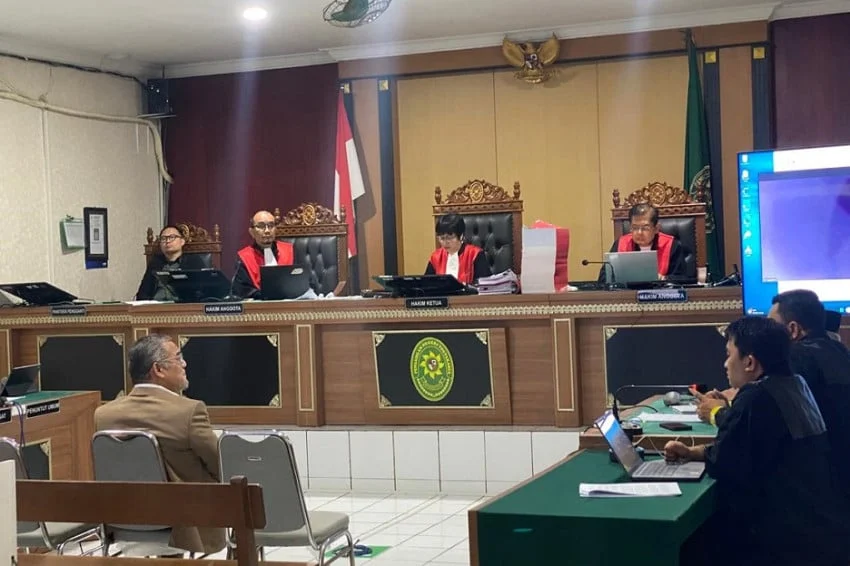
Legal Expert Challenges State Loss Calculation and Criminal Motive in Sleman Tourism Grant Corruption Trial

by Suro Senen August 24, 2025
written by Suro Senen

The ongoing legal proceedings concerning alleged corruption in the Sleman tourism grant program, with former Sleman Regent Sri Purnomo as the defendant, have reached a critical juncture, drawing significant attention to fundamental aspects of anti-corruption law. Central to the current debate is the validity of the state loss calculation and the crucial element of criminal intent (mens rea), especially in light of the Constitutional Court (MK) Decision Number 28/PUU-XXIV/2026. This landmark ruling is poised to redefine the parameters for prosecuting public officials for actions taken in their administrative capacity, potentially setting a precedent for similar cases nationwide. The defense strategy, heavily reliant on expert testimony, argues that the absence of personal gain for the defendant and the public benefit derived from the grants fundamentally challenge the prosecution’s case, suggesting a possible overreach in applying criminal statutes to what might primarily be administrative irregularities.

Background to the Sleman Tourism Grant Case

Sleman Regency, renowned for its vibrant tourism sector and proximity to cultural heritage sites, relies heavily on strategic investments and promotional activities to sustain its economic growth. In 2020, amidst the challenging backdrop of the COVID-19 pandemic, the regional government initiated and distributed substantial tourism grants. These funds were earmarked to support local tourism stakeholders, including small and medium-sized enterprises (SMEs), community groups, and cultural organizations, all grappling with the severe economic downturn caused by travel restrictions and reduced visitor numbers. The grants were intended to stimulate recovery, preserve jobs, and ensure the long-term viability of the tourism ecosystem in the region. Sri Purnomo, as the then-incumbent Regent of Sleman, played a pivotal role in the formulation and implementation of these policies. His administration oversaw the allocation process, which, like many public spending initiatives, is subject to strict regulatory oversight and potential scrutiny.

The investigation into the alleged misuse of these funds commenced sometime after their distribution, reportedly stemming from public complaints or internal audits. The core allegation revolves around the process of grant allocation and whether it adhered to established legal and administrative procedures, particularly concerning transparency, accountability, and the potential for illicit gain. The prosecution posits that irregularities in the distribution mechanism led to state financial losses, categorizing the actions as criminal corruption under Indonesia’s anti-corruption laws. However, the defense contends that the funds reached their intended beneficiaries – the tourism community – and were utilized for their stated purpose, thereby negating the element of personal enrichment often central to corruption charges.

Expert Testimony Challenges Prosecution’s Narrative

The trial at the Yogyakarta District Court recently featured compelling testimony from Chairul Huda, a distinguished legal expert and advisor to the National Police Chief. Huda’s intervention has injected a significant new perspective into the proceedings, directly challenging the foundational pillars of the prosecution’s case. His testimony focused on two critical aspects: the absence of a demonstrable criminal motive (mens rea) on the part of Sri Purnomo and the questionable methodology employed in calculating the alleged state financial losses.

Chairul Huda unequivocally stated that investigations have yielded no evidence linking the tourism grant policy to any illicit gains or personal enrichment for the defendant. He emphasized that for an act to be considered a criminal offense, particularly corruption, the perpetrator must possess a clear criminal intent. "How can someone be said to have committed a criminal act if they do not possess a motive? Throughout this process, no such motive has been found; there is no mens rea," Huda asserted during his testimony. This statement underscores a fundamental principle of criminal law: the requirement of a guilty mind accompanying a guilty act. Without intent to commit an unlawful act, even if administrative errors occurred, the threshold for criminal culpability may not be met.

Furthermore, Huda addressed the allegations of political motivations, specifically whether the grant distribution was designed to influence the 2020 Sleman Regional Election (Pilkada). He highlighted that any alleged violation of a regional head’s neutrality, particularly concerning electoral conduct, should be adjudicated by specialized electoral bodies such as the Election Supervisory Agency (Bawaslu), the Integrated Law Enforcement Centre (Gakkumdu), or the Constitutional Court itself. To date, Huda noted, no such authoritative body has issued a ruling confirming any electoral misconduct by Sri Purnomo in connection with the grants. This argument suggests that attempting to frame an alleged electoral violation as a corruption crime, without proper adjudication by electoral authorities, could be an inappropriate application of the law.

The Significance of Constitutional Court Decision No. 28/PUU-XXIV/2026

The legal expert’s arguments are significantly bolstered by his reference to Constitutional Court Decision Number 28/PUU-XXIV/2026. While the precise details of this specific ruling are not fully elaborated in the initial report, its mention by a prominent legal expert suggests it carries substantial weight in clarifying the boundaries between administrative policy decisions and criminal acts, particularly for public officials. Such a ruling typically aims to refine the interpretation of legal provisions related to state loss or the concept of mens rea within the context of public policy. It might, for instance, differentiate between administrative negligence or poor judgment, which could warrant administrative sanctions, and deliberate criminal intent to enrich oneself or others, which constitutes corruption.

This decision likely emphasizes that not every instance of public funds not yielding optimal results, or even cases of procedural missteps, automatically constitutes a criminal act of corruption. Instead, it would presumably reassert the necessity of proving direct personal gain, a clear intent to defraud the state, or a blatant abuse of power for illicit purposes. By invoking this Constitutional Court ruling, Chairul Huda implies that the prosecution’s interpretation of "state loss" or "criminal motive" in the Sri Purnomo case may not align with the latest judicial interpretations from the highest constitutional body. This could necessitate a re-evaluation of the evidence and the charges themselves, potentially leading to a redefinition of what constitutes a prosecutable corruption offense for public officials acting within their administrative discretion.

Legal Framework and Core Concepts in Focus

The case illuminates several critical legal concepts fundamental to Indonesian anti-corruption law.

  • Mens Rea (Criminal Intent): As highlighted by Chairul Huda, mens rea is a cornerstone of criminal culpability. In corruption cases, it typically requires proof that the defendant knowingly and intentionally committed an act with the aim of unlawfully enriching themselves or others, or causing harm to the state. The defense contends that if the funds genuinely benefited the community as intended, and there was no personal gain, the element of criminal intent is absent. This principle is crucial in distinguishing between honest errors in judgment, administrative shortcomings, or even poor policy outcomes, and deliberate criminal conduct.
  • State Loss (Kerugian Negara): The calculation of state loss is often the most contentious aspect of corruption trials. Indonesian law (Law No. 31/1999 jo. Law No. 20/2001 on the Eradication of Corruption) broadly defines state loss. Typically, state financial auditors (BPK or BPKP) are tasked with quantifying these losses. However, the methodology and interpretation can vary. The defense, supported by Huda’s testimony, suggests that if the grants were received by the public and used for public benefit (tourism development), even if there were procedural flaws, arguing for "state loss" in the criminal sense becomes problematic. This is because the funds, while potentially mismanaged, were not illicitly diverted for private gain but rather remained within the public domain or benefited the intended public. This nuanced interpretation challenges the prosecution to prove not just a loss, but a criminally caused loss, distinct from mere administrative inefficiency.
  • Role of Electoral Bodies (Bawaslu, Gakkumdu, MK): The suggestion that any electoral violations should be handled by specific electoral dispute resolution mechanisms is vital. If the primary "offense" was alleged misuse of public funds to gain political advantage during an election, then the appropriate bodies (Bawaslu for administrative violations, Gakkumdu for criminal electoral offenses, and the Constitutional Court for disputes over election results) should have ruled on such matters. Without such findings, prosecuting an official for corruption based on an alleged, unproven electoral motive could be seen as circumventing established legal procedures and potentially criminalizing political actions without due process from the relevant electoral authorities.

Chronology of Events

The precise timeline leading to the current trial stage involves several key phases:

  1. Mid-2020: The Sleman Regency Government, under Regent Sri Purnomo, initiates and distributes tourism grants as part of its COVID-19 economic recovery efforts. These grants target various tourism stakeholders to mitigate the pandemic’s impact.
  2. Late 2020: The Sleman Regional Election (Pilkada) takes place. Sri Purnomo is the incumbent. The distribution of grants during an election period naturally draws heightened scrutiny for potential political influence.
  3. 2021-2022 (Inferred): Investigations commence following reports of alleged irregularities in the grant distribution process. This phase likely involves audits, collection of documents, and initial questioning of witnesses.
  4. Late 2022 – Early 2023 (Inferred): The investigation culminates in the naming of Sri Purnomo as a suspect. Formal charges are prepared, alleging corruption related to the tourism grants.
  5. Mid-2023 (Inferred): The case is formally brought to trial at the Yogyakarta District Court. The prosecution presents its case, outlining the alleged state losses and the defendant’s role.
  6. Late 2023 – Early 2024: The defense presents its arguments and calls expert witnesses. Chairul Huda provides his critical testimony, challenging the fundamental aspects of the prosecution’s case.
  7. Present: The trial continues, with the court meticulously evaluating all evidence, testimonies, and legal arguments before reaching a verdict.

Broader Context: Anti-Corruption Efforts and Challenges

Indonesia has a robust legal framework and dedicated institutions for combating corruption, including the Corruption Eradication Commission (KPK), the Attorney General’s Office, and the National Police. However, the prosecution of public officials, particularly regional heads, often presents unique challenges. The line between legitimate policy discretion, administrative errors, and outright criminal corruption can be difficult to draw. There is a persistent debate within legal circles about the potential for "criminalization of policy," where officials are prosecuted for decisions that, while perhaps flawed or inefficient, do not stem from malicious intent or lead to personal illicit enrichment.

This case, therefore, is not merely about an individual defendant but also serves as a litmus test for the country’s anti-corruption legal system. It probes the precision with which state loss is defined and calculated, the stringency with which mens rea is proven, and the appropriate jurisdiction for different types of alleged misconduct (administrative, electoral, or criminal). A verdict that clarifies these boundaries could have far-reaching implications, influencing how future investigations are conducted, how charges are framed, and how public officials exercise their discretionary powers without fear of undue criminalization for non-criminal policy outcomes.

Reactions and Perspectives

The prosecution, having built its case over months, likely views the alleged irregularities as clear violations of anti-corruption laws, resulting in quantifiable state losses. Their perspective would emphasize the importance of upholding accountability in public fund management, irrespective of whether the funds ultimately reached the public. They would argue that any deviation from proper procedure, especially if it opens avenues for abuse or distorts public policy for political gain, constitutes corruption.

The defense, aligning with Chairul Huda’s testimony, maintains that the case is "forced" and lacks the essential elements of a criminal offense. Their argument centers on the fact that the funds indeed served the public purpose of supporting the tourism sector and that the defendant did not personally benefit. This perspective aims to demonstrate that while there might have been administrative imperfections, these do not cross the threshold into criminal corruption.

Public and civil society reactions could be varied. On one hand, there is a strong demand for transparency and accountability in public spending, especially concerning large-scale grants. Any hint of corruption is met with public indignation. On the other hand, there is also concern that overzealous prosecution might stifle innovation and risk-taking by public officials, leading to a paralysis of policy implementation if every administrative misstep is immediately criminalized. This case could reignite debates about striking the right balance between combating corruption and allowing public officials sufficient latitude to govern effectively.

Implications and Future Outlook

The outcome of the Sri Purnomo trial, particularly concerning the court’s interpretation of mens rea and state loss in light of Constitutional Court Decision No. 28/PUU-XXIV/2026, will have significant implications:

  • Precedent for Public Officials: A ruling favoring the defense could establish a precedent that makes it more challenging to prosecute public officials for policy decisions where personal illicit gain is not clearly proven, even if administrative flaws exist. Conversely, a conviction could reinforce the broad interpretation of state loss and criminal intent.
  • Clarity on State Loss Calculation: The case could prompt further refinement in the methodology and legal interpretation of "state loss," especially when public funds are dispersed but allegedly mismanaged rather than embezzled for private use.
  • Distinction Between Administrative and Criminal Offenses: It could sharpen the distinction between administrative errors (punishable by administrative sanctions) and criminal corruption (punishable by imprisonment).
  • Role of Expert Witnesses: The prominence of Chairul Huda’s testimony highlights the critical role of legal experts in providing nuanced interpretations of complex legal principles in high-stakes corruption trials.
  • Impact on Regional Governance: Regional heads and their administrations may become more cautious in exercising discretionary powers, particularly in grant distribution, if the risk of criminalization for policy outcomes without personal gain remains high.

As the trial progresses, all eyes will be on the Yogyakarta District Court to see how it navigates these complex legal arguments and how its final judgment will shape the landscape of anti-corruption enforcement in Indonesia. The decision will undoubtedly contribute to the ongoing evolution of legal jurisprudence concerning public officials, policy discretion, and the stringent requirements for proving criminal culpability in corruption cases.

August 24, 2025 0 comment
0 FacebookTwitterPinterestEmail
National News

Bareskrim Uncovers Multi-Billion Rupiah Illegal ‘Laughing Gas’ Factory in Jakarta, Nine Arrested in Major Crackdown

by Laily UPN August 22, 2025
written by Laily UPN

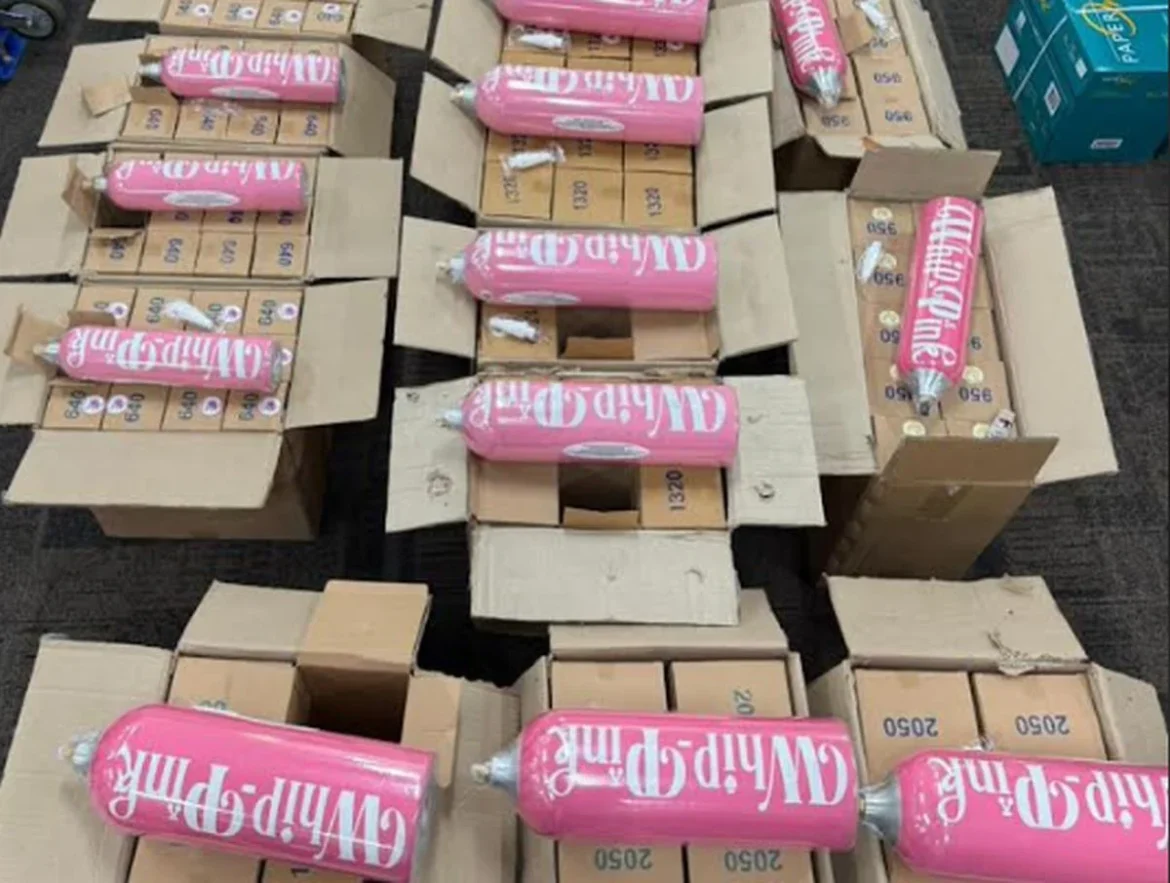
Jakarta, April 15, 2026 – In a significant blow to the illicit trade of recreational drugs, the Directorate of Narcotics Crime (Dittipidnarkoba) of the National Police’s Criminal Investigation Department (Bareskrim Polri) successfully dismantled an illegal production facility for nitrous oxide (N2O), commonly known as ‘laughing gas,’ operating under the brand name ‘Whip Pink’ in Jakarta. The clandestine factory, which had been generating an estimated monthly turnover in the billions of rupiah, was raided following an extensive undercover operation, leading to the apprehension of nine individuals and the seizure of thousands of N2O canisters. This major enforcement action highlights the growing concern over the recreational misuse of N2O and the sophisticated networks behind its illegal distribution.

The Illicit Operation Unveiled: A Deep Dive into the Crackdown

The raid, executed with precision and strategic planning, culminated a meticulous investigation launched by Bareskrim Polri’s elite anti-narcotics unit. According to Brigadier General Eko Hadi Santoso, Director of Narcotics Crime at Bareskrim Polri, the operation was initiated after intelligence reports pointed to a burgeoning market for ‘Whip Pink’ branded N2O products. These products, illicitly packaged and marketed, were suspected of being produced and distributed outside of legal channels, posing significant health risks to consumers.

The initial phase of the investigation involved a covert purchasing operation, a standard yet critical tactic in narcotics enforcement. Undercover officers infiltrated the distribution network, posing as buyers to identify the primary source of the ‘Whip Pink’ gas. This painstaking process, often fraught with risks, allowed investigators to trace the supply chain back to its origin. "Our team from Sub-directorate III, Dittipidnarkoba Bareskrim Polri, conducted an undercover purchase to pinpoint the location of the goods," explained Brigadier General Eko Hadi Santoso during a press briefing on Wednesday, April 15, 2026. This intelligence-gathering effort eventually led them to a nondescript shophouse (ruko) in Jakarta, which served as the operational hub for filling and packaging the dangerous gas.

Upon confirmation of the location and the illicit nature of the activities, Bareskrim officers moved swiftly to execute the raid. The sheer scale of the operation was immediately evident upon entry into the premises. Investigators discovered a sophisticated setup designed for the mass production and packaging of N2O. The raid resulted in the seizure of an impressive inventory of evidence, underscoring the high volume of illegal trade. More than 2,000 N2O canisters were confiscated, encompassing various sizes of filled cylinders ready for distribution, numerous empty cylinders awaiting gas, and specialized filling equipment.

Brigadier General Eko further elaborated on the seized items: "The team also found ‘Whip Pink’ branded N2O gas products of various weights already prepared for circulation, packaging cartons, pink plastic labels bearing the ‘Whip Pink’ brand in different weight variants, stickers for product packaging, hot guns used for sealing, and weighing scales." This detailed list of evidence paints a clear picture of a well-organized criminal enterprise, from the bulk acquisition of N2O to its final packaging and branding for street-level distribution. The presence of specialized equipment and branded materials suggests a deliberate attempt to create a recognizable, albeit illicit, product line, likely targeting a specific demographic of recreational users.

In connection with the illicit operation, a total of nine individuals were apprehended across three different locations linked to the production and distribution network. These individuals are currently undergoing intensive interrogation at the Bareskrim Polri headquarters. Their exact roles within the syndicate—whether they were involved in sourcing raw materials, manufacturing, packaging, logistics, or distribution—are being thoroughly investigated. Brigadier General Eko confirmed, "Sub-directorate III Dittipidnarkoba brought nine individuals secured from three crime scenes, along with evidence from those locations, to the Bareskrim Polri office for further examination." The legal status of these individuals will be determined following a comprehensive case review, which will assess the extent of their involvement and the specific charges to be leveled against them.

The Perilous Appeal of Nitrous Oxide: Understanding the ‘Laughing Gas’ Phenomenon

Nitrous oxide (N2O) is a chemical compound with legitimate applications in various sectors. In medicine, it is widely used as an anesthetic and analgesic, particularly in dental procedures, earning it the moniker ‘laughing gas’ due to its euphoric and pain-reducing effects. It is also utilized as a propellant in whipped cream dispensers and as an oxidizer in rocket propellants and racing car engines. However, its accessibility and the transient euphoric high it provides have unfortunately led to its increasing misuse as a recreational drug globally, including in Indonesia.

The recreational use of N2O typically involves inhaling the gas directly from balloons filled from small canisters (often marketed as ‘whippets’ or, in this case, ‘Whip Pink’) or larger industrial tanks. The immediate effects include a short-lived feeling of euphoria, giddiness, lightheadedness, and sometimes hallucinations or distorted perceptions. These effects usually last only a few minutes, leading users to repeatedly inhale the gas, often in rapid succession. The perceived short duration and relative ease of acquisition contribute to a false sense of safety among users.

However, the misuse of N2O carries significant health risks. Acute dangers include hypoxia (lack of oxygen to the brain), which can lead to dizziness, disorientation, loss of consciousness, and even death, particularly if inhaled in confined spaces or without adequate ventilation. Direct inhalation from pressurized canisters can also cause frostbite to the nose, lips, and vocal cords due to the extreme cold of the rapidly expanding gas.

Long-term and chronic use of N2O can lead to more severe and debilitating health problems. Perhaps the most well-documented is the inactivation of vitamin B12, which is crucial for nerve function and red blood cell formation. This can result in peripheral neuropathy, characterized by tingling, numbness, weakness, and loss of coordination, potentially leading to permanent nerve damage. Other potential long-term effects include anemia, psychiatric symptoms, and even spinal cord degeneration. The risk is compounded when N2O is used in conjunction with other substances, increasing the likelihood of adverse reactions and overdose. The ‘Whip Pink’ branding, likely targeting younger demographics or partygoers, masks these serious health implications behind an innocent-sounding name and appealing packaging.

The Economics of Illicit N2O: Billions in the Shadows

The revelation that the ‘Whip Pink’ factory generated a monthly turnover in the billions of rupiah underscores the lucrative nature of the illegal N2O trade. Such an impressive financial scale points to a sophisticated distribution network and a significant market demand. The profits derived from these operations are substantial because the raw material (industrial-grade N2O) can be relatively inexpensive when purchased in bulk, while the retail price for individual recreational doses (e.g., in balloons or small canisters) is significantly marked up.

The distribution channels for illicit N2O are diverse and often leverage modern technology. Online platforms, including social media applications and encrypted messaging services, are frequently used to advertise and facilitate sales, making it challenging for law enforcement to monitor. Direct sales to entertainment venues such as nightclubs, bars, and private parties are also common, where the anonymity of transactions can be maintained. The ‘Whip Pink’ brand, with its distinct packaging, likely benefited from word-of-mouth marketing within specific social circles, further fueling its demand.

The substantial profits generated by such illicit operations not only enrich criminal syndicates but also pose broader economic challenges. These undeclared revenues bypass taxation, depriving the state of legitimate funds. Furthermore, the existence of such a lucrative black market can attract other forms of organized crime, potentially leading to increased violence and corruption. The Bareskrim’s raid, therefore, not only targets a specific illicit substance but also aims to disrupt the financial underpinnings of organized criminal activity.

Official Responses and Broader Implications

The Bareskrim Polri’s successful raid sends a strong message that law enforcement agencies are vigilant and committed to combating the proliferation of illicit substances, including those like N2O that may not be traditionally classified as ‘narcotics’ but pose significant public health threats. Brigadier General Eko Hadi Santoso emphasized the ongoing efforts to eradicate such operations, stating that intelligence gathering and proactive measures are paramount in staying ahead of evolving criminal tactics. He reiterated the police’s commitment to ensuring public safety and urged citizens to report any suspicious activities related to the production or distribution of illegal substances.

This incident also prompts a broader discussion on regulatory frameworks and public awareness. While N2O has legitimate uses, its easy accessibility in various forms (e.g., whipped cream chargers) makes it vulnerable to misuse. There may be a need for stricter regulations concerning the sale and distribution of N2O, particularly for bulk quantities, to prevent diversion for recreational purposes. Additionally, public health campaigns are crucial to educate the public, especially young people, about the severe health risks associated with recreational N2O use. Parents, educators, and community leaders play a vital role in disseminating this information and fostering an environment where young people understand the dangers and are deterred from experimenting with such substances.

The legal ramifications for the nine arrested individuals are likely to be severe. Depending on the specifics of Indonesian law regarding illicit substances and public endangerment, they could face charges related to illegal production, distribution, and potentially even drug trafficking if N2O is categorized under relevant statutes in the context of recreational misuse. Penalties could include lengthy prison sentences and substantial fines, serving as a deterrent to others considering engaging in similar criminal activities. The ongoing investigation will determine the precise legal framework under which they will be prosecuted, possibly invoking laws related to public health, consumer protection, or even specific drug laws if the interpretation covers non-traditional substances misused for their psychoactive effects.

In a wider context, this bust is indicative of the dynamic nature of drug abuse trends. As traditional illicit drugs become harder to obtain due to intensified law enforcement efforts, criminals and users often turn to ‘novel psychoactive substances’ or readily available chemicals that can produce similar effects. This phenomenon presents a continuous challenge for law enforcement and public health authorities, requiring constant adaptation in strategies, legislation, and public education. The ‘Whip Pink’ factory raid is a critical step in addressing this evolving landscape of substance abuse and protecting the health and well-being of the Indonesian populace. The investigation is ongoing, and Bareskrim Polri remains committed to unraveling the full extent of this network and bringing all responsible parties to justice.

August 22, 2025 0 comment
0 FacebookTwitterPinterestEmail
National News

Kanwil Kemenkum Babel Edukasi Pentingnya Kekayaan Intelektual di ICI

by Nana Wu August 21, 2025
written by Nana Wu

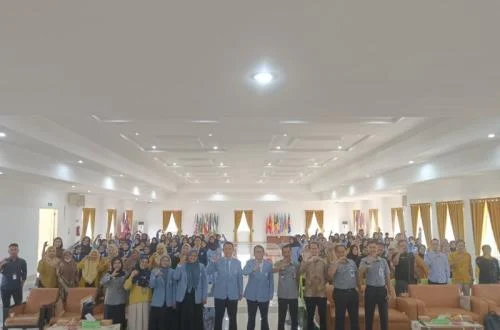
PANGKALPINANG, Bangka Belitung – The Regional Office of the Ministry of Law and Human Rights (Kanwil Kemenkumham) for the Bangka Belitung Islands conducted a comprehensive educational program on intellectual property (IP) protection, specifically focusing on patents and music royalties, at the Institut Citra Internasional (ICI) in Pangkalpinang on Tuesday. This initiative, a strategic outreach by the ministry, aimed to significantly elevate public awareness regarding the crucial importance and multifaceted benefits of intellectual property rights, particularly within the burgeoning academic and creative sectors of the region. The event underscored the government’s commitment to fostering an innovation-driven economy by empowering creators and innovators with the knowledge to safeguard their creations and derive economic value from them.

The session, attended by a diverse group of faculty members and students from ICI, served as a vital platform for demystifying the often-complex landscape of intellectual property law. It highlighted how robust IP protection is not merely a legal formality but a fundamental pillar for economic growth, technological advancement, and cultural enrichment. By targeting an academic institution, Kemenkumham Babel aimed to instill this understanding at the very source of future innovations and creative works, ensuring that the next generation of professionals and entrepreneurs are well-equipped to navigate the intricacies of IP.

The Strategic Imperative: Nurturing Innovation in Academia

Johan Manurung, the Head of Kanwil Kemenkumham Bangka Belitung, delivered a compelling address emphasizing the critical need to cultivate awareness of intellectual property from the earliest stages of academic life. "Higher education institutions are inherently vibrant centers of innovation and intellectual creation," Manurung stated. "It is therefore paramount for the entire academic community – from researchers and educators to students – to gain a profound understanding of how to effectively utilize the intellectual property system. This understanding is crucial not only for the protection of their invaluable work but also for significantly enhancing its economic potential and societal impact." His remarks resonated with the audience, reinforcing the idea that IP is an asset that can be strategically leveraged for personal and institutional benefit.

The program, aptly themed "Intellectual Property Protection in the Fields of Patents and Music Royalties," was meticulously designed to provide actionable insights into these specific domains. Manurung expressed his optimism that the discussions and presentations would lead to a substantial improvement in the academic community’s comprehension and appreciation of IP protection. He further articulated the hope that such heightened awareness would act as a catalyst, encouraging the proliferation of innovative ideas and creations that are not only groundbreaking but also legally protected and economically viable for the future. This forward-looking perspective positions IP education as an investment in the region’s long-term economic prosperity and innovative capacity.

Deep Dive into IP Mechanisms: Patents and Music Royalties

The selection of patents and music royalties as focal points for the education program reflects their significant economic and cultural relevance. Patents, a cornerstone of technological and scientific innovation, grant exclusive rights to inventors for their novel creations, allowing them to control the commercial exploitation of their inventions for a defined period. This exclusivity incentivizes research and development by providing a return on investment and fostering a competitive environment for innovation. Discussions during the event delved into the types of inventions eligible for patent protection, the meticulous application process, and the strategic advantages patents offer in commercialization and market leadership. Practical examples, such as new medical devices developed in healthcare or novel processes in agricultural technology, were used to illustrate the applicability of patents across various academic disciplines.

Music royalties, on the other hand, represent the economic lifeline for artists, composers, and publishers within the creative industries. The program elucidated the complex ecosystem of music rights, including performance rights, mechanical rights, synchronization rights, and master recording rights. Experts explained how these royalties are collected and distributed through various collective management organizations (CMOs) and licensing bodies, ensuring creators are compensated for the public use of their musical works. Given the burgeoning creative economy in Indonesia, particularly among younger generations, understanding these mechanisms is vital for artists to secure their livelihoods and for the industry to thrive sustainably. The educational content aimed to empower students and faculty, particularly those involved in arts, media, or even event management, to navigate these systems effectively.

Background and Context: Kemenkumham’s Role in National IP Strategy

The Ministry of Law and Human Rights (Kemenkumham) plays a pivotal role in Indonesia’s intellectual property ecosystem. As the primary government body responsible for IP policy formulation, legal framework development, and the administration of IP rights (including patents, trademarks, copyrights, industrial designs, geographical indications, and trade secrets), Kemenkumham is at the forefront of promoting an IP-friendly environment. Its regional offices, such as the Kanwil Kemenkumham Bangka Belitung, serve as critical conduits for translating national IP strategies into local action, tailoring programs to meet the specific needs and potential of their respective regions.

Indonesia has been steadily strengthening its IP framework in line with international standards, recognizing that a robust IP system is essential for attracting foreign direct investment, stimulating domestic innovation, and fostering a competitive knowledge-based economy. Despite significant progress, challenges remain, particularly in raising broad public awareness and simplifying access to IP registration services, especially for micro, small, and medium enterprises (MSMEs) and individuals. National statistics indicate a growing trend in IP registrations, yet the potential for innovation remains largely untapped, partly due to insufficient understanding of how to protect and commercialize intellectual assets. This ongoing educational campaign by Kemenkumham Babel is a direct response to these challenges, aiming to bridge the knowledge gap and actively encourage IP utilization.

Expert Insights: The Value of Registration and Economic Empowerment

Adi Riyanto, the Head of Intellectual Property Services at Kanwil Kemenkumham Bangka Belitung, further elaborated on the indispensable role of IP registration. He emphatically stressed that registering intellectual property is not merely a bureaucratic step but a fundamental act of safeguarding both the moral and economic rights inherent in a creation. "The protection afforded by intellectual property registration extends beyond mere legal certainty," Riyanto explained. "It bestows tangible economic value upon the owner of the work, transforming an idea or creation into a marketable asset. This proactive measure is critically important in mitigating potential disputes and legal conflicts that could arise in the future, thereby providing creators with peace of mind and a secure foundation for commercialization."

Riyanto’s intervention underscored the practical benefits of IP protection, framing it as an investment rather than an expense. He detailed the process of registration, highlighting the resources available through Kemenkumham to assist applicants. This included guidance on conducting prior art searches for patents, understanding the scope of protection, and navigating the nuances of copyright registration for creative works. His insights were particularly valuable for the academic audience, many of whom are engaged in research and creative endeavors that could directly benefit from formal IP protection. The session also touched upon the enforcement mechanisms available to IP rights holders, ensuring that creators understand how to defend their rights against infringement.

Academic Leadership and the Broadening Scope of IP Potential

The Rector of Institut Citra Internasional, whose name was not explicitly mentioned but whose perspective was highlighted, provided a crucial academic viewpoint on the strategic role of higher education in fostering IP protection. The Rector emphasized that universities, by their very nature, are fertile grounds for generating intellectual assets across a wide spectrum of disciplines. He specifically pointed out that diverse fields of study offered at ICI, such as nursing, midwifery, and tourism, possess immense potential for producing innovative works that warrant legal protection.

For instance, in nursing and midwifery, IP could manifest in novel patient care protocols, specialized medical devices, innovative educational materials for health promotion, or even patented methodologies for specific therapeutic interventions. In the tourism sector, IP could include unique tourism concepts, destination branding, innovative hospitality services, or copyrighted cultural performances. The Rector’s vision articulated a future where academic research and creative output are systematically assessed for their IP potential, leading to a culture where innovation is not only celebrated but also strategically protected and commercialized. This institutional commitment is vital for translating academic endeavors into tangible economic and societal benefits for the Bangka Belitung region.

Broader Impact and Implications for Bangka Belitung

The Kemenkumham Babel’s IP education program at ICI carries significant broader implications for the Bangka Belitung Islands:

  • Stimulating the Local Innovation Ecosystem: By educating future professionals and innovators, the program contributes to building a robust local innovation ecosystem. This ecosystem, characterized by a high degree of IP awareness and utilization, is crucial for fostering entrepreneurship and attracting investment in technology and creative industries.
  • Economic Diversification: Bangka Belitung, traditionally known for its mining and tourism sectors, stands to benefit immensely from economic diversification driven by innovation. Protected intellectual assets can create new industries, generate high-value jobs, and reduce reliance on finite natural resources.
  • Enhancing Competitiveness: A region with a strong IP culture is more competitive on national and international stages. Universities that produce patented inventions or copyrighted works gain prestige and attract more talent and funding, further strengthening their research capabilities.
  • Empowering the Creative Economy: With a focus on music royalties, the initiative directly supports the burgeoning creative economy in Indonesia. Empowering artists and creators with knowledge of their rights ensures fair compensation, which in turn fosters a more vibrant and sustainable creative sector. According to data from the Ministry of Tourism and Creative Economy, Indonesia’s creative economy contributed significantly to the national GDP, and a large portion of this value is directly tied to protected intellectual property.
  • Legal Certainty and Dispute Prevention: Proactive IP registration significantly reduces the likelihood of costly and time-consuming legal disputes over ownership and infringement. This legal certainty benefits individuals, institutions, and businesses alike, fostering a more stable environment for commercialization and collaboration.
  • Integration with National Development Goals: This local initiative aligns perfectly with Indonesia’s national agenda to transition towards a knowledge-based economy, as outlined in the National Medium-Term Development Plan (RPJMN). Investing in IP education at the grassroots level is fundamental to achieving these broader strategic objectives.

Future Outlook and Collaborative Synergies

The successful execution of this IP education program at Institut Citra Internasional marks a pivotal step in Kemenkumham Babel’s ongoing efforts to cultivate an IP-savvy community. Moving forward, such initiatives are expected to expand in scope and frequency, targeting other academic institutions, business associations, and local communities across the Bangka Belitung Islands. There is potential for Kemenkumham to forge deeper collaborations with universities, not only for educational outreach but also for establishing IP clinics or desks within academic settings, offering direct assistance to researchers and students in the IP registration process.

Furthermore, leveraging digital platforms and developing accessible online resources could amplify the reach of these educational efforts. The engagement of local government bodies, industry associations (e.g., local chambers of commerce, creative industry guilds), and legal professionals will be crucial in building a comprehensive support system for IP protection and commercialization. By fostering a collaborative ecosystem, Bangka Belitung can unlock its full potential for innovation, transforming creative ideas and scientific discoveries into tangible assets that drive sustainable development and enhance the quality of life for its citizens. This systematic approach to IP awareness and protection is an investment in the intellectual capital that will define the region’s prosperity for generations to come.

August 21, 2025 0 comment
0 FacebookTwitterPinterestEmail
National News

Allegations of Religious Blasphemy Against Former Vice President Jusuf Kalla Deemed Politically Motivated by Analysts

by Evan Lee Salim August 19, 2025
written by Evan Lee Salim

JAKARTA – Allegations of religious blasphemy leveled against former Indonesian Vice President Jusuf Kalla (JK) are increasingly being interpreted as having a strong political undertone. According to Nasky Putra Tandjung, a prominent Public Policy and National Political Analyst and Chairman of the Indonesia Youth Epicentrum (Pusat Perkumpulan Pemuda Indonesia), the accusations against Kalla lack proportionality, objectivity, and a constructive approach necessary for a comprehensive assessment of the issue. Tandjung contends that the controversy stemming from interpretations of Kalla’s speech at Gadjah Mada University (UGM) is exaggerated, strongly suggesting a deliberate effort to create a wild public opinion and systematic negative framing aimed at discrediting Kalla personally.

The alumnus of INDEF School Of Political Economy Jakarta believes that the reactions to Kalla’s statement are excessively emotional and reactionary, employing agitative and provocative narratives that risk triggering a much broader conflict. "The legal effort to report Mr. JK to the police also appears baseless, considering Mr. JK did not accuse, denounce, or insult, let alone condemn, any specific religion. Therefore, the accusation of religious blasphemy is utterly unfounded and fabricated," Nasky stated in a press release issued on Wednesday, April 15, 2026. He further argued that Kalla’s remarks were, in fact, an invitation for Indonesia’s diverse and pluralistic population to grasp the essence and substance of dynamic inter-religious relations, ultimately converging on universal values, particularly humanity.

Background on Jusuf Kalla’s Distinguished Career and Public Stature

Jusuf Kalla, often affectionately referred to by his initials JK, is one of Indonesia’s most enduring and influential political figures. Born in Watampone, South Sulawesi, on May 15, 1942, Kalla has served two non-consecutive terms as Vice President of Indonesia, first from 2004 to 2009 under President Susilo Bambang Yudhoyono, and again from 2014 to 2019 alongside President Joko Widodo. His political career spans decades, marked by significant roles as a businessman, minister, and a key mediator in various peace processes, including conflicts in Aceh and Poso. Kalla is widely respected for his pragmatic approach, extensive experience in governance, and his consistent advocacy for economic development and national unity. Given his long-standing position as a statesman and his reputation for fostering inter-religious dialogue and harmony, any accusation of religious blasphemy against him immediately draws significant public and media scrutiny, often prompting questions about the underlying motivations. His public image is generally associated with moderation and a commitment to pluralism, making the current allegations particularly jarring to many observers.

The Genesis of the Controversy: Kalla’s UGM Address

The contentious remarks that sparked the blasphemy accusations reportedly originated during a speech delivered by Jusuf Kalla at Gadjah Mada University in Yogyakarta. While the precise date and full transcript of the speech were not provided in the original excerpt, the context implies it was a recent event prior to the police report and Nasky Putra Tandjung’s statement. Kalla’s address, as interpreted by Nasky, was intended to foster understanding and highlight the shared universal values among Indonesia’s diverse religious communities. In a nation built on the principle of Bhinneka Tunggal Ika (Unity in Diversity), such discussions are common and generally welcomed. However, certain phrases or interpretations of Kalla’s speech were evidently taken out of context or deliberately misconstrued by some parties, leading to the serious accusation of religious blasphemy. The controversy underscores the extreme sensitivity surrounding religious discourse in Indonesia, where even well-intentioned statements by public figures can be subject to intense scrutiny and potentially weaponized in the political arena.

Chronology of Events Leading to the Accusation

The sequence of events surrounding the accusations against Jusuf Kalla, as can be inferred from the available information and typical patterns of such incidents in Indonesia, likely unfolded as follows:

  1. Kalla’s UGM Speech: At an unspecified but recent date, former Vice President Jusuf Kalla delivered a speech at Gadjah Mada University. The core message, according to analysts, revolved around promoting inter-religious understanding and universal values of humanity.
  2. Emergence of Controversy: Following the speech, selected portions or interpretations of Kalla’s remarks began to circulate, possibly amplified through social media channels. These interpretations framed Kalla’s statements as potentially offensive or derogatory towards a particular religion.
  3. Formal Police Report: Subsequently, a party (unnamed in the provided text but confirmed by the linked article, "Jusuf Kalla Dilaporkan ke Polda Metro Jaya") lodged a formal complaint against Jusuf Kalla with the Polda Metro Jaya (Jakarta Metropolitan Police), accusing him of religious blasphemy. This report is a significant escalation, initiating a formal legal process.
  4. Public Outcry and Media Attention: The news of the police report quickly garnered widespread public and media attention, fueling debate and discussion across traditional and social media platforms.
  5. Official Response from Kalla’s Camp: As indicated by the linked article, Jusuf Kalla’s spokesperson released a statement addressing the allegations, likely defending Kalla and clarifying the intent behind his speech.
  6. Analyst’s Intervention: On Wednesday, April 15, 2026, Nasky Putra Tandjung, a political analyst, issued a press release strongly criticizing the accusations, labeling them politically motivated and baseless, and providing his expert analysis on the situation. This statement marks a key point in the unfolding narrative, offering a critical perspective on the legal and political dimensions of the controversy.

Indonesia’s Blasphemy Law: A Potent and Contentious Instrument

The legal basis for the accusation against Jusuf Kalla lies in Indonesia’s controversial blasphemy law, primarily Article 156a of the Criminal Code (KUHP). This article stipulates that "anyone who intentionally publicly expresses feelings or commits an act which principally has the character of hostility, abuse or degradation of a religion, or prevents someone from embracing a religion, or persuades someone not to embrace a religion, or to abandon their religion, shall be punished with a maximum imprisonment of five years."

Originally enacted in 1965 during the tumultuous period of the Old Order, the law was intended to maintain public order and protect the six officially recognized religions in Indonesia (Islam, Protestantism, Catholicism, Hinduism, Buddhism, and Confucianism). However, in recent decades, and particularly in the era of heightened political polarization and pervasive social media, the law has frequently been criticized by human rights organizations and legal experts for its ambiguity and its potential for misuse. Critics argue that its broad interpretation can stifle freedom of expression, especially for minority groups or those who challenge established religious norms.

The law has been invoked in numerous high-profile cases, often leading to convictions and sparking significant social and political unrest. These cases highlight how accusations of blasphemy can be highly sensitive, capable of mobilizing large segments of the population, and often carry severe implications for the accused, irrespective of their intent. The very act of reporting someone for blasphemy can immediately damage their reputation and create a climate of fear, irrespective of the legal outcome. The political weaponization of this law is a recurring concern, where religious sentiments are leveraged to achieve political ends, particularly against public figures.

Expert Analysis: Political Motives and Misinformation

Nasky Putra Tandjung’s assertion that the accusations against Jusuf Kalla are "more inclined towards a political nuance" resonates with a broader understanding of Indonesia’s political landscape. Analysts frequently observe that allegations of religious insensitivity or blasphemy often emerge during periods of heightened political activity or against figures who hold significant influence or are perceived as potential rivals. The deliberate "framing" and "opinion-girding" mentioned by Nasky suggest a calculated strategy rather than an organic public reaction to genuinely offensive remarks.

Indonesia, with its vast and diverse population, is prone to rapid dissemination of information—and misinformation—through social media. A short clip or an out-of-context quote can quickly go viral, inciting strong emotional responses before a full clarification can be issued. This digital environment provides fertile ground for "agitative and provocative narratives" to flourish, potentially leading to "trigger conflict that is wider." Such tactics are often employed to damage the credibility of public figures, divert attention from other issues, or to consolidate support among specific demographic groups by appealing to religious sentiments.

The "baseless" nature of the report, as per Nasky, further reinforces the idea of political maneuvering. If Kalla genuinely did not "accuse, denounce, or insult" any religion, the legal action becomes questionable, indicating that the primary objective might be public condemnation and political delegitimization rather than a sincere pursuit of justice for religious affront. The analyst’s emphasis on Kalla’s intent to promote "universal values of humanity" suggests that the controversy is a distortion of his original message, transforming a call for harmony into a divisive issue.

Reactions from Related Parties and Broader Public Discourse

While the original excerpt does not provide direct quotes from Jusuf Kalla’s spokesperson beyond mentioning their statement, it is highly probable that their reaction would involve a strong denial of the blasphemy charges, a clarification of Kalla’s original intent during the UGM speech, and a call for calm and nuanced understanding. Spokespersons for public figures in such situations typically emphasize the individual’s commitment to religious harmony and national unity, highlighting their track record in interfaith dialogue.

The reporting party, though unnamed, would likely defend their actions by claiming to uphold religious sanctity and expressing a sense of offense on behalf of their community. Their motivations, whether genuinely aggrieved or politically driven, would be central to the public debate.

Beyond the immediate parties, the controversy would inevitably draw reactions from a spectrum of voices:

  • Political figures: Some might express solidarity with Kalla, emphasizing his contributions to the nation and calling for due process. Others, particularly those with opposing political affiliations, might maintain a cautious silence or subtly fuel the narrative of offense, depending on their strategic interests.
  • Academics and legal experts: Many would likely echo Nasky Putra Tandjung’s concerns about the weaponization of the blasphemy law and advocate for freedom of speech within the bounds of respectful discourse. They might call for a review of the law itself or its application.
  • Religious leaders: Leaders from various faiths would likely issue statements urging their followers to remain calm, avoid hasty judgments, and prioritize interfaith dialogue and mutual respect. Some might offer interpretations of Kalla’s statements that align with principles of universal humanity, while others might cautiously acknowledge the concerns of those who felt offended.
  • Civil society organizations: Human rights groups would undoubtedly voice concerns about the potential chilling effect on freedom of expression and the risk of exacerbating religious tensions.

The incident thus becomes a significant point of discussion, not just about Jusuf Kalla, but about the delicate balance between religious freedom, freedom of expression, and political maneuvering in a diverse democracy.

Implications and Societal Impact

The accusations against Jusuf Kalla, regardless of their legal outcome, carry several significant implications for Indonesian society and its political landscape:

  1. Freedom of Speech vs. Religious Sensitivity: This case reignites the perennial debate in Indonesia concerning the boundaries of freedom of speech, especially when it intersects with deeply held religious beliefs. It underscores the challenges public figures face in navigating a pluralistic society where statements can be easily misinterpreted or deliberately weaponized.
  2. Political Weaponization of Religion: The strong assertion of political motivation by analysts like Nasky Putra Tandjung highlights a persistent concern in Indonesian politics: the use of religious issues to attack political opponents or consolidate power. This trend can undermine democratic processes and exacerbate societal divisions.
  3. Impact on Jusuf Kalla’s Legacy: Despite his long and distinguished career, such accusations can cast a shadow on a public figure’s legacy, particularly if not handled effectively. Kalla’s reputation as a moderate and unifying figure could be challenged in certain segments of the public.
  4. Interfaith Harmony: While Kalla’s alleged intent was to promote interfaith harmony, the controversy itself risks creating new rifts or exacerbating existing tensions between religious groups, especially if the narrative of blasphemy gains traction. It underscores the fragility of social cohesion in a diverse nation.
  5. Role of Social Media: The rapid spread of partial information and inflammatory narratives through social media platforms plays a crucial role in amplifying such controversies. This incident serves as another reminder of how digital communication can be both a tool for engagement and a conduit for misinformation that can destabilize public order.
  6. Precedent for Future Discourse: The way this case is handled, both legally and politically, could set a precedent for how similar issues are addressed in the future. A strong defense against politically motivated accusations could reinforce the importance of evidence and intent, while a weak response might embolden those who seek to use blasphemy charges for political gain.

In conclusion, the allegations of religious blasphemy against former Vice President Jusuf Kalla are more than just a legal matter; they are a complex tapestry woven with threads of political strategy, societal sensitivities, and the ongoing struggle to balance freedom of expression with religious respect in a deeply pluralistic nation. As Nasky Putra Tandjung suggests, a comprehensive and objective assessment is paramount to prevent the issue from becoming a trigger for wider conflict and to uphold the principles of justice and national unity. The resolution of this controversy will be closely watched, offering insights into the evolving dynamics of Indonesian politics and society.

August 19, 2025 0 comment
0 FacebookTwitterPinterestEmail
Travel & Tourism

Indonesian Supreme Court Orders Return of Seized First Travel Assets to Victims Amidst Growing Skepticism Over Valuation Disparity

by Jia Lissa August 18, 2025
written by Jia Lissa

The Indonesian legal landscape has witnessed a landmark shift following the Supreme Court’s decision to grant a Judicial Review (Peninjauan Kembali or PK) regarding the asset seizure of the defunct travel agency, First Travel. In a move that reverses years of legal precedent, the Mahkamah Agung (MA) has officially ruled that assets previously confiscated by the state must be returned to the thousands of victims defrauded in the massive Umrah pilgrimage scam. While the verdict was initially hailed as a victory for justice, it has simultaneously ignited a wave of anxiety and skepticism among the victims, many of whom fear that the remaining assets are a mere fraction of the total losses incurred.

The decision, registered under case number 365 PK/Pid.Sus/2022, was reached by a judicial panel chaired by Sunarto, with Yohanes Priyana and Jupriyadi serving as member judges. The ruling effectively nullifies the previous cassation decision which had stipulated that the assets—ranging from luxury vehicles and real estate to designer accessories—should be forfeited to the state. The Supreme Court’s official website confirmed the "Kabul" (Granted) status of the petition, marking a significant turn in a legal saga that has spanned more than five years. However, the practical application of this ruling remains a logistical and financial conundrum for the Indonesian government and the victims alike.

The Voices of the Victims: Hope Mingled with Despair

For many victims, the news of the Supreme Court’s decision is a bittersweet development. Anny, a former agent for First Travel who represented 1,301 pilgrims in West Jakarta, expressed deep concern over the implications of the ruling. Speaking to the media, she noted that the news has "awakened" victims who had long ago resigned themselves to their losses. The primary source of her distress is the stark disparity between the value of the seized assets and the total amount of money embezzled by the company’s founders.

Anny highlighted that the return of assets creates a "false dream" for many. With over 63,000 victims and a total loss estimated at nearly IDR 905 billion, the liquidated value of the seized assets—which have likely depreciated significantly since 2017—is expected to cover only a tiny percentage of the individual losses. Furthermore, as a former agent, Anny faces the daunting task of re-collecting data and managing the expectations of the 1,301 pilgrims she once managed. She noted that most of her former staff have moved on to other professions, making the administrative process of verifying and distributing funds nearly impossible.

The skepticism shared by Anny reflects a broader sentiment among the victim community. Many fear that the legal victory is symbolic at best and that the actual distribution of funds will lead to further conflict and disappointment. "Andika and Anniesa [the founders] filed for this PK, but are they certain these assets can actually repay the pilgrims?" Anny questioned, pointing to the potential for new social unrest if the distribution process is perceived as unfair or insufficient.

A Chronology of the First Travel Scandal

To understand the weight of the Supreme Court’s recent decision, one must look back at the rise and fall of First Travel (PT First Anugerah Karya Wisata). The company gained prominence by offering "Promo" Umrah packages at significantly lower prices than the market average, often around IDR 14.3 million, while the Ministry of Religious Affairs’ floor price was closer to IDR 20 million.

The timeline of the scandal is a cautionary tale of corporate greed and regulatory oversight:

  • 2011–2016: First Travel experiences rapid growth, utilizing aggressive social media marketing and celebrity endorsements to attract tens of thousands of middle-to-lower-income Muslims aspiring to perform the Umrah pilgrimage.
  • Early 2017: Thousands of pilgrims begin experiencing delays. The company provides various excuses, ranging from visa issues to hotel bookings.
  • August 2017: Following a surge of reports, the Indonesian National Police (Polri) arrest the founders, Andika Surrachman and his wife Anniesa Hasibuan. Shortly after, Anniesa’s sister, Kiki Hasibuan, is also detained.
  • May 2018: The Depok District Court (PN Depok) finds the trio guilty of fraud and money laundering. Andika is sentenced to 20 years in prison, Anniesa to 18 years, and Kiki to 15 years. Crucially, the court orders that all seized assets be confiscated by the state rather than returned to the victims, citing that the assets were the proceeds of crime and difficult to distribute fairly.
  • 2018–2019: Victims and prosecutors file appeals and cassations. The Bandung High Court and the Supreme Court (at the cassation level) uphold the PN Depok decision, confirming the state’s seizure of assets. This sparks national outrage, as victims argue the state is "robbing" them of their chance at reimbursement.
  • March 2022: The legal team for the First Travel founders files a Judicial Review (PK), arguing that the assets should be returned to the victims.
  • May 2022: The Supreme Court grants the PK, though the decision is only fully socialized and processed through the legal system toward the end of the year and into early 2023.

Data and Valuation: The Mathematical Impossibility

The core of the frustration lies in the numbers. At the time of the initial trial, the court established that First Travel had failed to dispatch 63,310 pilgrims. These individuals had paid varying amounts, totaling approximately IDR 905.33 billion.

In contrast, the list of seized assets, while extensive, does not approach that valuation. The assets include:

  1. Several luxury properties and office buildings in Jakarta and surrounding areas.
  2. A fleet of luxury vehicles, including high-end SUVs and sports cars.
  3. Hundreds of branded items, including luxury handbags (Hermès, Louis Vuitton), jewelry, and watches.
  4. Balances in multiple bank accounts, though many were found to be nearly depleted at the time of the arrest.

Legal experts and victim advocates point out that after five years in storage or under state custody, the physical assets—particularly the vehicles and electronics—have suffered from significant depreciation. If the total liquidated value of these assets reaches only IDR 30 billion to IDR 50 billion, each victim might receive less than IDR 1 million, a pittance compared to the IDR 14 million to IDR 25 million most individuals lost.

Legal Implications and the Role of the Prosecutor’s Office

The Supreme Court’s ruling places a significant burden on the Attorney General’s Office (Kejaksaan Agung), specifically the Depok District Prosecutor’s Office (Kejari Depok), which acts as the executor of the court’s decision. Historically, the prosecutors had actually requested that assets be returned to the victims during the original 2018 trial through a designated victims’ association (Paguyuban). However, the judges at the time disagreed, leading to the controversial "seizure for the state" ruling.

With the PK now granted, the legal mechanism for distribution must be established. This involves:

  • Verification of Victims: Re-validating the identities and claims of over 63,000 people, many of whom may have changed addresses, lost their original receipts, or passed away in the intervening years.
  • Asset Liquidation: Organizing an auction for the physical goods. The transparency of these auctions will be under intense public scrutiny to ensure that the assets are sold at fair market value.
  • Distribution Strategy: Determining whether the funds will be distributed equally (pro-rata) or based on the specific amount lost by each individual.

Legal analysts suggest that this ruling could set a precedent for other high-profile investment scam cases in Indonesia, such as the recent Binomo or Quotex fraudulent trading schemes. It signals a shift in the judiciary’s philosophy from punitive state seizure toward victim restitution, aligning more closely with the principles of restorative justice.

Broader Impact on the Umrah Travel Industry

The First Travel case was a watershed moment for the Ministry of Religious Affairs (Kemenag). In the wake of the scandal, the government implemented much stricter regulations on Umrah Travel Organizers (PPIU). These include a mandatory minimum price (Reference Price) for Umrah packages to prevent "predatory pricing" and Ponzi-style schemes. The ministry also introduced the Siskopatuh (Integrated Umrah and Special Hajj Monitoring System) to track every pilgrim’s payment and visa status in real-time.

Despite these improvements, the Supreme Court’s decision serves as a reminder of the lingering trauma within the community. For the 63,310 victims, the "hope" offered by the Supreme Court is a fragile one. The logistical nightmare of distributing a small pool of assets among a massive crowd of creditors is a challenge that the Indonesian legal system has rarely faced on this scale.

Conclusion: A Long Road Ahead

While the granting of the Judicial Review by the Supreme Court provides a legal pathway for the return of First Travel’s assets, the journey for the victims is far from over. The disparity between the IDR 905 billion lost and the current value of the seized assets remains the "elephant in the room." As agents like Anny struggle to manage the expectations of their sub-pilgrims, the government must act with extreme transparency and efficiency to prevent this legal victory from turning into another chapter of frustration for those who have already lost so much.

The case stands as a testament to the complexities of the Indonesian justice system, where the battle for the "right" verdict can take years, only to reveal a reality where full restitution is practically impossible. For now, the victims wait—not just for a court order, but for a tangible sign that their life savings were not lost in vain. The coming months of asset liquidation and victim verification will be the true test of whether this Supreme Court ruling brings closure or merely reopens old wounds.

August 18, 2025 0 comment
0 FacebookTwitterPinterestEmail
Travel & Tourism

Turning Passion into Profit A Comprehensive Guide to Sustainable Business Models in the Global Travel and Tourism Sector

by Azzam Bilal Chamdy August 17, 2025
written by Azzam Bilal Chamdy

The global tourism industry has undergone a radical transformation over the last decade, evolving from a standardized service-based sector into a complex "experience economy" where authenticity and personalization are the primary currencies. For enthusiasts who have spent years navigating diverse landscapes and cultures, the transition from traveler to entrepreneur represents a logical progression in a market that increasingly values "insider knowledge" over corporate branding. According to data from the World Travel & Tourism Council (WTTC), the travel and tourism sector is expected to grow its GDP contribution to $15.5 trillion by 2033, accounting for 11.6% of the global economy. Within this massive financial ecosystem, small-to-medium enterprises (SMEs) and individual solopreneurs are finding unprecedented opportunities to monetize their passion through specialized business models such as vehicle rentals, curated tour packages, and professional guiding services.

The Historical Context and Market Shift

Historically, the travel industry was dominated by large-scale agencies and hotel chains that offered rigid, pre-packaged itineraries. However, the chronology of the industry changed significantly with the advent of the digital revolution in the early 2000s and the subsequent rise of the sharing economy in the 2010s. The emergence of platforms like Airbnb and Uber shifted consumer behavior, making travelers more comfortable with peer-to-peer services. By 2024, a "post-mass tourism" era has emerged, characterized by travelers seeking "off-the-beaten-path" experiences that require local expertise. This shift has lowered the barrier to entry for individual entrepreneurs, allowing those with deep travel experience to compete with established players by offering niche, high-value services.

Vehicle Rental Services: Bridging the Mobility Gap

One of the most capital-efficient ways to enter the travel market is through vehicle rental services. In many emerging tourism hubs, public infrastructure remains a challenge, creating a high demand for flexible, private transportation. For an entrepreneur who already owns a vehicle—whether a motorcycle, a fuel-efficient sedan, or a rugged 4×4 suitable for rural terrain—the transition to a rental provider is straightforward.

Data from Allied Market Research suggests that the global car rental market is projected to reach $214 billion by 2027. Entrepreneurs can capitalize on this by positioning themselves as "mobility consultants." Beyond merely providing a set of keys, successful rental businesses now offer value-added services such as pre-loaded GPS units with curated scenic routes, roadside assistance, and "adventure kits" (e.g., camping gear or surf racks). For those without a personal fleet, the "agency model" serves as an alternative, where the entrepreneur acts as a broker between large rental hubs and the end-user, earning a commission while providing a more personalized booking experience for the traveler.

Rekomendasi Ide Bisnis Travel yang Menguntungkan

The Rise of Curated Tour Packages and the Experience Economy

The second major business model involves the creation of specialized tour packages. Unlike the generic sightseeing tours of the past, modern travelers—particularly Millennials and Gen Z—prioritize "transformative travel." This involves itineraries focused on wellness, culinary immersion, or photography.

The success of this model relies heavily on the entrepreneur’s personal travel history. A business owner who has spent years exploring the volcanic landscapes of Indonesia or the hidden alleys of Kyoto can leverage that specific knowledge to build "private trips." These packages are often marketed as "limited edition" or "bespoke" experiences. From a financial perspective, this model offers higher margins than standard tours because it bundles various services—accommodation, transportation, and activities—into a single price point.

Industry analysts note that the "Bleisure" trend (combining business travel with leisure) has further expanded this market. Professionals attending conferences often look for short, 48-hour curated "add-on" trips that are organized by experts who can maximize their limited time. To succeed, providers must ensure their packages are "Instagrammable" yet authentic, providing the aesthetic value social media demands while maintaining the cultural integrity of the destination.

Professional Guiding: The Value of Linguistic and Cultural Mediation

For the traveler who prefers a low-overhead, service-oriented business, professional guiding remains a cornerstone of the industry. However, the modern guide is no longer just a source of facts; they are a cultural mediator and a storyteller. The ability to speak multiple languages—particularly English, Mandarin, or Spanish—remains a significant competitive advantage.

In many jurisdictions, the "tour guide" role is becoming more specialized. We are seeing the rise of "adventure guides" for trekking and diving, and "historical docents" for urban heritage tours. The economic impact of professional guiding is significant; in regions like Southeast Asia and Southern Europe, local guides are essential to the survival of the local ecosystem, as they direct tourist spending toward small artisans and family-run eateries that would otherwise be overlooked by large tour operators.

Rekomendasi Ide Bisnis Travel yang Menguntungkan

Data-Driven Insights and Economic Implications

The integration of technology into these travel business models is no longer optional. According to a 2023 report by McKinsey & Company, digital personalization can increase revenues by 10% to 15% in the travel sector. For the individual entrepreneur, this means using social media data to identify trending destinations before they become mainstream.

Furthermore, the "digital nomad" phenomenon has created a new customer base for travel businesses. These long-term travelers require "soft landing" services—assistance with long-term rentals, local SIM cards, and co-working space access. Entrepreneurs who can pivot their travel business to cater to this demographic benefit from longer booking cycles and more stable, recurring revenue compared to the seasonal fluctuations of traditional holiday-makers.

Risk Management and Regulatory Considerations

While the prospect of working while traveling is attractive, professional journalistic analysis requires an examination of the risks involved. The travel industry is highly sensitive to geopolitical stability, health crises, and climate change. Entrepreneurs entering this space must navigate a complex web of local regulations, including transport licensing, liability insurance, and tourism board certifications.

In Indonesia, for example, the government has introduced the "Golden Visa" and various incentives for "creative economy" businesses to encourage local tourism entrepreneurship. However, failure to comply with local tax laws or safety standards can result in severe penalties. Therefore, any aspiring travel business owner must prioritize legal compliance and risk mitigation strategies—such as comprehensive insurance for rental vehicles and emergency protocols for guided tours—as much as they prioritize marketing and customer service.

Broader Impact and the Future of Sustainable Travel

The shift toward individual-led travel businesses has a profound impact on sustainability. Smaller, passion-driven businesses are often more conscious of their environmental footprint and more invested in the preservation of the locales they frequent. This aligns with the global "Slow Travel" movement, which encourages travelers to stay longer in one place and engage more deeply with the local community.

Rekomendasi Ide Bisnis Travel yang Menguntungkan

By decentralizing the tourism industry, these business models ensure that wealth is distributed more equitably. When a traveler rents a car from a local individual or hires a specialized guide, the "leakage" of tourism revenue—where money flows out of the destination to foreign-owned corporations—is significantly reduced.

Conclusion: The Path to Professionalism

Turning a hobby into a viable business requires a transition from a "traveler’s mindset" to an "operator’s mindset." It involves rigorous planning, financial literacy, and a commitment to service excellence. However, for those who possess a genuine passion for exploration, the rewards go beyond financial gain. These entrepreneurs serve as the frontline ambassadors for their regions, shaping the perceptions of global visitors and contributing to a more connected, culturally aware world.

As the travel industry continues its robust recovery and expansion, the opportunities for innovative business models remain vast. Whether through providing the wheels for a road trip, the itinerary for a soul-searching journey, or the narrative for a historical walk, the modern travel entrepreneur is an essential architect of the contemporary human experience. The successful integration of passion with professional business practices is not merely a way to "work while traveling"—it is a way to lead the evolution of global tourism in the 21st century.

August 17, 2025 0 comment
0 FacebookTwitterPinterestEmail
Travel & Tourism

Spiritual Mysteries and the Dark Reality of Pesugihan Rituals Explored in the Latest Episode of Bisikan Gaib with Robby Purba

by Pevita Pearce August 15, 2025
written by Pevita Pearce

The intersection of ancient Javanese mysticism and modern digital media has once again captured the public’s attention following the release of the latest episode of "Bisikan Gaib," a popular investigative series hosted by prominent Indonesian presenter Robby Purba. In this installment, the program delves into the harrowing spiritual journey of Ki Atmo, a practitioner and observer of the occult, who provided a detailed account of his experiences along the southern coast of Yogyakarta. The episode serves as a sobering exploration of pesugihan—a controversial and often dangerous practice involving rituals intended to bring about instantaneous wealth or worldly success through supernatural means.

Ki Atmo’s testimony centers on a specific, secluded location along the rugged coastline of the Indian Ocean, a region long steeped in folklore and spiritual significance for the Javanese people. According to his account, he was spiritually guided to a site notorious among local occult circles as a hub for high-stakes rituals. The area is described as possessing an overwhelming and volatile energy, which Ki Atmo characterizes as being both powerful and inherently hazardous to those who approach it without the proper spiritual fortitude or misguided intentions.

The Fatal Consequences of the Seven-Day Ritual

One of the most chilling aspects of Ki Atmo’s revelation involves the tragic death of an individual who attempted to complete a rigorous spiritual trial at the site. The narrative details a ritual known as semedi—a form of deep, ascetic meditation—which the individual reportedly performed for seven consecutive days. In the context of pesugihan, such rituals are often undertaken as a "contractual" obligation to a spiritual entity in exchange for financial gain.

The chronology of the event suggests that the practitioner sought to isolate themselves in a state of constant prayer or meditation, likely abstaining from food, sleep, or social contact. On the final day of the ritual, the individual was found deceased. While the spiritual explanation offered by Ki Atmo suggests a failure to withstand the immense "metaphysical pressure" of the site, the incident highlights the physical dangers inherent in extreme asceticism. From a medical and investigative perspective, such fatalities are often attributed to severe dehydration, exhaustion, or exposure to the elements, yet within the cultural framework of the southern coast, these deaths are frequently interpreted as a "payment" or a failure to satisfy the demands of the supernatural forces involved.

Understanding the Phenomenon of Pesugihan in Modern Indonesia

The practice of pesugihan remains a complex and deeply rooted phenomenon in Indonesian society, particularly in Java. Despite the nation’s rapid modernization and the dominance of formal religions, traditional beliefs in the occult—often referred to as kejawen or klenik—continue to influence the behavior of a segment of the population. Pesugihan is fundamentally based on the concept of a "shortcut" to prosperity. It often involves a perceived pact with a spirit, where the practitioner receives wealth in exchange for a tumbal (sacrifice), which can range from personal health to the lives of loved ones.

Sociologists and cultural observers note that the persistence of pesugihan is often linked to economic disparity and the psychological pressure to achieve material success. In an era of social media where wealth is conspicuously displayed, the allure of a supernatural solution to financial hardship becomes a tempting, albeit dangerous, alternative for some. Ki Atmo’s account in "Bisikan Gaib" emphasizes that these worldly desires often lead to ruin, suggesting that the "energy" of the ritual sites is fueled by the desperation and greed of those who visit them.

The Legend of Eyang Samudra Joyo

A significant portion of the episode is dedicated to Ki Atmo’s purported interaction with a powerful entity known as Eyang Samudra Joyo. Described as a colossal, dragon-like creature, Eyang Samudra Joyo is said to be a guardian or a high-ranking spirit residing within the spiritual hierarchy of the southern coast. This entity is distinct from the more commonly known Queen of the South (Nyi Roro Kidul), representing a different facet of the region’s complex mythological landscape.

In Ki Atmo’s description, the encounter was not merely a visual hallucination but a profound telepathic or spiritual exchange. The figure of the dragon (naga) is a recurring motif in Javanese and broader Asian mythology, often symbolizing power, the earth’s energy, and the guardianship of hidden treasures. However, in the context of the southern coast’s pesugihan sites, such entities are viewed with a mixture of reverence and extreme caution. Ki Atmo warns that interacting with such beings requires a level of spiritual purity that most seekers of wealth do not possess.

The Geographic and Spiritual Context of the Southern Coast

The southern coast of Yogyakarta, stretching from Parangtritis to the more remote cliffs of Gunungkidul, has been the epicenter of Javanese mysticism for centuries. The Indian Ocean, with its violent waves and unpredictable currents, is seen as the gateway to the spiritual kingdom of the south. This geographical reality reinforces the spiritual narrative; the physical danger of the ocean mirrors the perceived spiritual danger of the rituals performed on its shores.

Historically, the sultans of Yogyakarta have maintained a symbolic and ritualistic relationship with the spirits of the southern sea, emphasizing a balance between the human and spirit worlds. However, the commercialization of this mysticism—where individuals seek personal gain rather than communal harmony—is a modern deviation that many spiritual elders, including Ki Atmo, view with concern. The site mentioned in the podcast is part of a network of "sacred" locations that have increasingly become magnets for "spiritual tourists" and those seeking occult intervention in their financial lives.

Analysis of the Societal and Psychological Impact

The popularity of programs like "Bisikan Gaib" reflects a broader trend in Indonesian media where the "unseen world" (dunia gaib) is explored through a journalistic or documentary lens. While some critics argue that such content can promote superstition, others suggest it provides a platform for discussing the moral and ethical consequences of greed.

From an analytical standpoint, the stories shared by Ki Atmo serve as a cautionary tale. The tragedy of the seeker who died after seven days of meditation illustrates the "cost" of the shortcut. Psychologically, the belief in pesugihan can be seen as a manifestation of an external locus of control, where individuals believe their destiny is controlled by outside forces rather than their own actions. When rituals fail or end in tragedy, it reinforces the "dangerous" nature of the spirits, further cementing the mythos in the public consciousness.

Reactions from Local Communities and Authorities

While local authorities in Yogyakarta generally focus on the physical safety of tourists and the preservation of cultural heritage, the spiritual activities occurring in remote coastal areas present a unique challenge. Security forces often patrol popular beaches to prevent accidents, but the secluded caves and cliffs where semedi takes place are difficult to monitor.

Religious leaders from various organizations in Indonesia have consistently spoken out against pesugihan, labeling it as shirk (idolatry) or a violation of fundamental religious tenets. They argue that seeking wealth through spirits is not only a spiritual transgression but also a psychological trap that leads to paranoia and social isolation. In response to the episode, many viewers on social media expressed a mix of fascination and fear, with a significant number of commenters echoing Ki Atmo’s sentiment that "the pursuit of worldly desires through dark paths inevitably ends in sorrow."

Implications for Modern Folklore and Media Ethics

The retelling of Ki Atmo’s journey by Robby Purba highlights the evolving nature of folklore in the digital age. What were once oral traditions passed down in villages are now broadcast to millions via streaming platforms. This transition gives these stories a new life and a broader reach, but it also necessitates a degree of responsibility. By framing the narrative as a spiritual warning rather than a guide to the occult, "Bisikan Gaib" attempts to navigate the fine line between entertainment and cultural documentation.

The episode concludes with a reflection on the nature of human ambition. The story of the dragon Eyang Samudra Joyo and the tragic death at the pesugihan site serves as a metaphor for the dangers of unchecked desire. As Indonesia continues to modernize, the shadows of the southern coast remain a potent reminder of the country’s enduring relationship with the mysterious and the unexplained.

In summary, the account provided by Ki Atmo in the latest episode of "Bisikan Gaib" is more than just a ghost story; it is a complex intersection of cultural heritage, economic reality, and the perennial human struggle between the pursuit of wealth and the preservation of the soul. The southern coast of Yogyakarta remains a site of profound mystery, where the waves of the Indian Ocean continue to wash over the secrets of those who dared to seek a pact with the unseen. The legacy of these rituals, marked by both legend and tragedy, continues to shape the spiritual landscape of modern Java.

August 15, 2025 0 comment
0 FacebookTwitterPinterestEmail
Newer Posts
Older Posts

Recent Posts

  • Indonesia’s Economy Shows Resilience Amidst Global Financial Headwinds, Says Simpan Asset Management Co-Founder
  • Ministry of Religious Affairs Confirms End-of-June 2026 Disbursement for Non-ASN Madrasah Teacher Incentives
  • President Jokowi and Minister Rini Soemarno Visit TPPI Refinery in Tuban and Engage with Local Community Before Strategic Inspection
  • BUMN Dinilai Mampu Kelola Freeport dengan Baik
  • Segini Besaran Gaji ke-13 PNS 2026 yang Akan Cair Juni : Okezone Economy

Recent Comments

No comments to show.
  • Facebook
  • Twitter

@2021 - All Right Reserved. Designed and Developed by PenciDesign


Back To Top
Dara News Media
  • Home
  • About Us
  • Contact Us
  • Cookies Policy
  • Disclaimer
  • DMCA
  • Privacy Policy
  • Terms and Conditions

We are using cookies to give you the best experience on our website.

You can find out more about which cookies we are using or switch them off in .

Dara News Media
Powered by  GDPR Cookie Compliance
Privacy Overview

This website uses cookies so that we can provide you with the best user experience possible. Cookie information is stored in your browser and performs functions such as recognising you when you return to our website and helping our team to understand which sections of the website you find most interesting and useful.

Strictly Necessary Cookies

Strictly Necessary Cookie should be enabled at all times so that we can save your preferences for cookie settings.