• Home
  • About Us
  • Contact Us
  • Cookies Policy
  • Disclaimer
  • DMCA
  • Privacy Policy
  • Terms and Conditions
Dara News Media
keep your memories alive
Travel & Tourism

Merger Plan for Pertagas and PGN Revealed as Strategic Measure to Curb Unhealthy Competition Between State Entities

by Nana Muazin August 14, 2025
written by Nana Muazin

The discourse surrounding the merger of PT Pertamina Gas (Pertagas) into PT Perusahaan Gas Negara Tbk (PGN) has taken a significant turn as State-Owned Enterprises (SOE) Minister Dahlan Iskan clarified that the proposal was primarily intended as a corrective "threat" to force better cooperation between the two entities. Speaking at a Mandiri Institute event at the Four Seasons Hotel in Jakarta on Monday, May 12, 2014, the Minister revealed that the long-standing friction and "unhealthy competition" between the two state-backed gas giants had become a liability to the nation’s infrastructure development. By floating the possibility of a forced merger, the Ministry aimed to discipline the leadership of both companies, who had previously struggled to align their strategic interests, particularly regarding the expansion of the national gas pipeline network.

For years, the Indonesian energy sector has been characterized by a complex rivalry between PGN, a publicly listed company with a mandate to distribute and transport gas, and Pertagas, a subsidiary of the national oil company PT Pertamina (Persero). This rivalry often resulted in overlapping projects, legal disputes over pipeline access, and delays in critical infrastructure projects. Minister Dahlan Iskan noted that the government had reached a point of frustration where the state was effectively becoming a victim of its own corporations’ inability to collaborate. The Minister’s remarks underscore a unique period in Indonesian corporate governance where structural reorganization was used as a tool for behavioral modification among high-level executives.

The Origins of the Corporate Friction

The tension between PGN and Pertamina’s gas wing is rooted in the liberalization of the Indonesian gas market following the enactment of Law No. 22 of 2001 regarding Oil and Gas. Prior to the rise of Pertagas, PGN held a near-monopoly on the midstream and downstream gas sectors. However, as Pertamina sought to diversify its portfolio and maximize the value of its upstream assets, it established Pertagas to handle its own gas transportation and processing. This created two state-owned entities operating in the same space, often bidding for the same rights-of-way and competing for the same industrial customers.

Minister Dahlan Iskan highlighted that this competition frequently crossed the line from healthy market dynamics into counterproductive territorialism. "Historically, these two companies like to fight; they like to engage in unhealthy competition. Because of this, the state ends up being the victim," Iskan remarked. He explained that before the merger threat was issued, he had personally summoned the boards of directors from both companies on multiple occasions. Despite these high-level meetings, the two sides remained deadlocked, unable to reach a consensus on how to divide responsibilities or share infrastructure for the greater national interest.

The Case of the Cirebon-Semarang Pipeline

One of the most prominent examples of this corporate gridlock cited by the Minister was the construction of the gas pipeline connecting Cirebon in West Java to Semarang in Central Java. The Cirebon-Semarang (Cisem) project is a vital link in the Trans-Java Gas Pipeline project, intended to bridge the supply gap between gas-rich regions and the industrial hubs of Java. For years, the project remained stagnant as PGN and Pertagas bickered over who would take the lead, which routes would be prioritized, and how the investment would be structured.

The delay of the Cisem pipeline had a ripple effect on Indonesia’s energy transition goals. Without the pipeline, industries in Central Java remained reliant on more expensive and less environmentally friendly fuels, such as diesel. The "threat" of a merger served as a catalyst to break this stalemate. Following the Ministry’s ultimatum, the two companies finally reached a memorandum of understanding regarding the project’s execution. "Now it has been agreed who will build it," Iskan stated. "In the gas sector, where these two companies used to eye each other suspiciously and compete unhealthily, the urgency [for a merger] is no longer there because they have finally started to obey and cooperate."

Strategic Implications of a "Threatened" Merger

The use of a merger as a disciplinary tactic rather than a purely economic one has drawn mixed reactions from market analysts and industry observers. On one hand, it successfully forced a resolution to a long-standing infrastructure bottleneck. On the other hand, it created a period of significant uncertainty for investors, particularly those holding shares in PGN (listed on the Indonesia Stock Exchange as PGAS).

When the news of a potential acquisition of PGN by Pertamina first surfaced in late 2013 and early 2014, it sent shockwaves through the capital market. Investors were concerned about how the valuation of a transparent, publicly-traded company like PGN would be affected if it were absorbed by a state-owned enterprise that, at the time, was still undergoing its own internal transparency reforms. The pivot to a plan where Pertagas would be merged into PGN was seen as a more market-friendly alternative, yet even that plan has now been shelved in favor of maintaining the status quo, provided the companies continue to work together.

Penggabungan Pertagas-PGN Dinilai Ancaman : Okezone Economy

Criticisms from Energy Policy Experts

While Minister Dahlan Iskan expressed satisfaction with the current level of cooperation, some experts believe the government’s approach lacks long-term strategic consistency. Sofyano Zakaria, an observer from the Center for Energy Policy Studies, noted that the back-and-forth discourse regarding the merger contradicts the government’s own roadmap for SOE restructuring.

"This policy could be seen as a surprising move because it clearly contradicts previous agreements which sought to integrate PGN with Pertagas under a Pertamina holding structure," Zakaria stated. He argued that the Ministry of SOEs should focus on building a strong, unified "Energy Holding" rather than using organizational structures as temporary threats. According to Zakaria, the absence of a permanent structural solution leaves the door open for the "unhealthy competition" to resurface once the current ministerial pressure eases. He emphasized that for Indonesia to achieve energy independence, it needs a clear, unified strategy for gas infrastructure that does not depend on the personal intervention of a minister.

The Role of Open Access and Infrastructure Sharing

At the heart of the PGN-Pertagas conflict is the concept of "Open Access." This regulatory framework requires pipeline owners to allow third parties to transport gas through their networks for a fee. PGN has historically been a proponent of this system as it allows them to expand their reach, while Pertamina/Pertagas often preferred a "dedicated-to-self" model to ensure their own upstream gas reached their customers without paying third-party tolls.

The Ministry of Energy and Mineral Resources (ESDM) has long pushed for a unified national gas map to prevent the redundant construction of pipelines. However, without a single coordinating body or a merged entity, PGN and Pertagas often built parallel lines in some areas while leaving other regions entirely unserved. The recent cooperation mentioned by Dahlan Iskan suggests a movement toward a shared infrastructure model, which is essential for reducing the high cost of gas in Indonesia—a common complaint among domestic manufacturers.

Data and Economic Context: The Stakes of the Merger

The economic stakes of this corporate maneuvering are massive. As of 2014, Indonesia was struggling to pivot its domestic energy consumption from subsidized oil to natural gas. The success of this "conversion program" depended entirely on the availability of transmission and distribution pipelines.

  1. Pipeline Reach: At the time of the announcement, PGN operated over 6,000 km of gas pipelines, accounting for roughly 80% of the national downstream gas business. Pertagas, while smaller in terms of distribution, held significant upstream-to-midstream assets and was rapidly expanding its footprint.
  2. Financial Performance: PGN’s net profit in the years leading up to 2014 was consistently high, making it one of the "crown jewels" of the Ministry of SOEs. Pertamina, as a whole, was much larger but faced the burden of managing subsidized fuel (BBM), making Pertagas a vital source of non-subsidized revenue for the parent company.
  3. National Demand: Industrial demand for gas in West Java and East Java was growing at over 10% annually, yet supply was often constrained not by a lack of gas, but by the "toll road" bottlenecks created by the PGN-Pertagas rivalry.

Conclusion and Future Outlook

Minister Dahlan Iskan’s revelation that the merger was an "ancaman" (threat) rather than a definitive policy shift indicates a pragmatist approach to governance. By achieving the goal of corporate cooperation without the legal and financial headaches of a full-scale merger, the Ministry saved the state from a potentially messy integration process. However, the decision to halt the merger also means that the underlying structural issues—the existence of two state-owned entities with overlapping mandates—remain unresolved.

As the 2014 political cycle approached, the future of these two companies remained a topic of intense debate. While the "war" between PGN and Pertagas may have reached a ceasefire, the lack of a formal holding structure suggests that the tension could reignite under different leadership. For now, the focus shifts to the execution of the Cirebon-Semarang pipeline and other strategic projects. The success of these collaborations will determine whether Dahlan Iskan’s "disciplinary" approach was a stroke of management genius or merely a temporary fix for a systemic problem in Indonesia’s energy sector.

The government’s ultimate goal remains the creation of an efficient national gas value chain that can lower industrial costs and bolster the national economy. Whether this is achieved through a "forced marriage" or a "strategic partnership," the priority for the state remains clear: the infrastructure must be built, and the gas must flow, regardless of which corporate logo is printed on the pipes.


August 14, 2025 0 comment
0 FacebookTwitterPinterestEmail
Travel & Tourism

Mass Bat Infestation Discovered in Tasikmalaya Residential Area Prompts Major Fire Department Intervention

by Laily UPN August 13, 2025
written by Laily UPN

The quiet neighborhood of Kampung Gentong in Desa Buniasih, Kadipaten, Tasikmalaya Regency, was recently the site of an extraordinary wildlife encounter that necessitated a specialized response from local emergency services. More than 15,000 bats were discovered nesting within the roof and ceiling structure of a local residence, creating a significant public health concern and a logistical challenge for the Tasikmalaya Regency Fire Department (Damkar). The homeowner, identified as Enung, reported the incident after discovering that her property, which had remained vacant for a considerable period, had been effectively reclaimed by the massive colony of winged mammals.

The scale of the infestation was so vast that it transformed a standard residential structure into a makeshift cave, with thousands of bats clinging to wooden rafters, tiles, and the interior of the ceiling. The situation highlights the growing challenges of urban-wildlife conflict in West Java, particularly in areas where human dwellings border natural habitats or where abandoned properties provide ideal conditions for opportunistic species to thrive.

Discovery and Initial Assessment

The discovery occurred when Enung visited the property, which had been left uninhabited for several years. Upon entering, she was met with a pervasive, pungent odor and the sound of thousands of wings fluttering within the upper reaches of the house. "It was overwhelming; there were so many bats. I immediately realized I couldn’t handle this alone and sought help from the Fire Department," Enung stated.

The initial report received by the Tasikmalaya Regency Fire Department (UPTD Damkar) did not fully convey the magnitude of the situation. When the call came in on Tuesday, April 14, 2026, the dispatchers understood there was a bat problem, but the sheer volume of the colony was only realized once the specialized unit arrived on the scene. A team was immediately mobilized from the central station, enduring a journey of over two hours to reach the remote location in the Kadipaten district.

Aam, the Fire Department Team Leader (Komandan Regu), noted that the initial equipment brought by the team—primarily nets—was woefully inadequate for the task at hand. "We received the report and moved quickly, bringing our standard animal rescue nets. However, the owner hadn’t specified just how many bats there were. Looking at the density of the colony, we estimated there were well over 15,000 individuals. It was an incredible sight, but also a serious hazard," Aam explained.

Chronology of the Four-Hour Evacuation Operation

The evacuation of the bats was a complex procedure that required a shift in tactics once the scale of the colony was assessed. The following timeline outlines the dramatic four-hour operation:

  1. Initial Deployment (10:00 AM – 11:00 AM): The Damkar team arrived at the residence in Kampung Gentong and conducted a preliminary sweep. They found that the bats had occupied almost every square inch of the attic space. Initial attempts to capture the bats using hand nets were quickly abandoned as the sheer volume of the animals made manual capture impossible and potentially dangerous for the officers.
  2. Strategy Adjustment (11:00 AM – 11:30 AM): Recognizing that physical capture was futile, Aam and his team decided to utilize a "smoking out" technique. This involves creating a controlled, non-toxic smoke environment to encourage the bats to vacate the premises voluntarily.
  3. Structural Preparation (11:30 AM – 12:30 PM): To ensure the bats had a clear exit path and to prevent them from becoming trapped or dying within the walls, the officers carefully removed several roof tiles and sections of the wooden ceiling (eternit). This provided multiple ventilation points through which the colony could escape into the open air.
  4. The Fumigation Process (12:30 PM – 2:00 PM): Small, controlled fires were set using damp organic material to produce thick smoke. As the smoke rose into the rafters, the bats began to dislodge from their perches.
  5. Mass Exodus (2:00 PM – 3:00 PM): Thousands of bats began streaming out of the newly created openings in the roof. The sky above the residence was briefly darkened by the sheer number of departing animals. Officers remained on-site to monitor the exit and ensure that the bats moved away from the residential area toward the nearby forested zones.

By the late afternoon, the majority of the colony had cleared the building. The team then performed a final sweep to remove any remaining stragglers and to assess the state of the property.

Ecological and Environmental Factors

The infestation in Kadipaten is not an isolated phenomenon but rather a symptom of specific environmental conditions. According to wildlife experts, bats are drawn to dark, humid, and undisturbed environments. Abandoned houses with structural gaps—such as missing tiles or holes in the eaves—provide the perfect microclimate for bat colonies to establish themselves.

Tasikmalaya, characterized by its mix of agricultural land and proximity to mountainous forests, is home to several species of bats, ranging from small insectivores to larger fruit bats. While the specific species in Enung’s house was not officially logged in the heat of the operation, the behavior and numbers suggest a highly social species that utilizes communal roosting for protection and temperature regulation.

The humidity mentioned by Aam as a contributing factor is critical. In West Java’s tropical climate, an unventilated attic in a vacant house can become a high-humidity chamber, mimicking the conditions of a natural cave. Once a small group of "scout" bats finds such a location, they release pheromones that attract others, leading to an exponential increase in the population over several months or years.

Public Health Implications and Hazards

The presence of 15,000 bats in a residential structure poses significant health risks to the human inhabitants and the surrounding community. The primary concern is the accumulation of guano (bat droppings) and urine.

1. Histoplasmosis: Guano provides a fertile breeding ground for Histoplasma capsulatum, a fungus that can cause respiratory infections in humans if the spores are inhaled. In a confined space like an attic, the concentration of these spores can reach dangerous levels.
2. Viral Reservoirs: Bats are known natural reservoirs for a variety of zoonotic diseases. While rabies is the most commonly cited risk, bats can also carry other viral pathogens. The proximity of such a large colony to a human living space increases the risk of interspecies transmission.
3. Structural Damage: The weight of 15,000 bats, combined with the corrosive nature of their waste, can severely compromise the structural integrity of a building. Wooden beams can rot, and ceiling boards can collapse under the weight of accumulated guano.
4. Ammonia Exposure: The buildup of bat urine produces high levels of ammonia, which can cause irritation to the eyes, nose, and throat of anyone entering the building, as was the case during the initial assessment by the Damkar team.

Official Responses and Safety Recommendations

Following the successful operation, Engking, the Head of the Administrative Sub-Division of the Tasikmalaya Regency Fire Department, praised the team’s efficiency and emphasized the department’s commitment to community safety.

"We are pleased that we could assist the resident and complete this task without causing unnecessary damage to the property or harm to the officers," Engking said. "This operation demonstrates the diverse range of challenges our personnel face. While we are primarily a fire-fighting force, animal rescue and public hazard mitigation are becoming a larger part of our daily duties."

Engking also issued a formal advisory to the residents of Tasikmalaya. He urged homeowners to conduct regular inspections of vacant properties and to seal any potential entry points for wildlife. "If residents find wildlife—whether it be bats, snakes, or wasps—nesting in large numbers within residential areas, they should report it immediately. Do not attempt to handle large colonies yourself, as the risks of disease and injury are high," he added.

Analysis: The Changing Role of Urban Emergency Services

The incident in Tasikmalaya highlights a growing trend in Indonesia where local Fire Departments (Damkar) are evolving into all-hazard response agencies. In many regions, Damkar units are now the primary responders for "Non-Fire Rescues" (Rescue Non-Kebakaran). This includes everything from removing invasive snakes and hornet nests to the massive bat evacuation seen in Kadipaten.

This shift places a significant strain on resources. As Aam noted, the team initially arrived with only nets, unaware of the scale of the problem. This suggests a need for better reporting protocols and perhaps specialized "Wildlife Response Units" within the Fire Department to handle the unique biological and environmental challenges posed by mass infestations.

Furthermore, the case of Enung’s house serves as a cautionary tale regarding property management. In many parts of Indonesia, it is common for families to own properties that remain empty for years, often due to owners working in larger cities or abroad. Without regular maintenance, these structures become "urban voids" that are quickly filled by nature. The cost of remediating a house after a 15,000-bat infestation—including cleaning, disinfecting, and structural repairs—far exceeds the cost of routine maintenance and securing the building’s exterior.

Conclusion

The successful evacuation of over 15,000 bats from a residential home in Tasikmalaya is a testament to the ingenuity and dedication of the local Fire Department. Through a combination of tactical flexibility and community cooperation, a major public health hazard was neutralized. As the residents of Kampung Gentong return to their normal routines, the event remains a stark reminder of the delicate balance between human civilization and the natural world, and the vital role that emergency services play in maintaining that boundary.

By Tuesday evening, the Damkar team had completed their final sweep, ensuring that the attic was clear and the openings were temporarily secured. The house, once a buzzing hive of nocturnal activity, finally fell silent, marking the end of one of the largest wildlife interventions in the district’s recent history.

August 13, 2025 0 comment
0 FacebookTwitterPinterestEmail
Food & Culinary

HokBen Expands Hoka Ramen Lineup with New Spicy Variant to Target Indonesian Culinary Preferences and Market Growth

by Asro August 11, 2025
written by Asro

Following the successful introduction of its Hoka Ramen line in late 2022, PT. Eka Bogainti, the operator of the prominent Japanese-style fast-food chain HokBen, has officially launched its newest addition, the Spicy Ramen. This strategic move aims to capitalize on the profound preference for spicy flavors among Indonesian consumers, marking a significant expansion of the brand’s noodle-based offerings. The Spicy Ramen joins the previously established Hokkaido Miso Ramen and Tori Paitan Ramen, completing a trio of flavors designed to cater to diverse palates across the archipelago. As the food and beverage industry in Indonesia continues to witness a resurgence in post-pandemic dining, HokBen’s latest menu innovation reflects a broader trend of localization within international culinary frameworks.

Strategic Expansion of the Hoka Ramen Portfolio

The launch of the Spicy Ramen represents a calculated step in HokBen’s long-term product diversification strategy. For decades, the brand was synonymous with its signature bento boxes, featuring teriyaki, yakiniku, and various fried side dishes. However, the introduction of the Hoka Ramen series in late 2022 signaled a pivot toward a more comprehensive Japanese dining experience. By early 2023, the brand identified a specific market gap: the demand for a heat-intensive noodle dish that mirrors the local "pedas" (spicy) culture.

The Spicy Ramen is crafted using a concentrated chicken broth base, infused with a proprietary blend of spices to achieve its signature heat. The dish is served with a variety of traditional and localized toppings, including thinly sliced chicken chasiu, ni tamago (seasoned soft-boiled egg), pakcoy (bok choy), green onions, and wood ear mushrooms (jamur kuping). To accommodate different appetite levels and price sensitivities, HokBen has introduced the dish in two sizes. The Regular portion is priced at IDR 38,000, while the Large portion is available for IDR 48,000, positioning the product within the accessible mid-range segment of the Indonesian casual dining market.

Addressing the Indonesian Palate: The "Pedas" Phenomenon

The decision to focus on a spicy variant is grounded in deep-seated consumer behavior patterns within Indonesia. Market research consistently shows that Indonesian diners have a high affinity for spicy condiments and main courses. From traditional sambals to the modern "level-based" spicy noodle craze, the heat factor is often a primary driver for food selection in the country.

Francisca Lucky, General Manager of Marketing at PT. Eka Bogainti, emphasized that the development of the Spicy Ramen was directly inspired by these local preferences. According to Lucky, the variety of spicy flavors in the new ramen is intended to complete the choices available to HokBen customers, particularly those who have already embraced the Hoka Ramen line but were seeking a more intense sensory experience. By merging the traditional Japanese ramen structure with a flavor profile that resonates with the local tongue, HokBen seeks to strengthen its brand loyalty among the younger demographic and families who frequent their outlets for lunch and dinner.

Chronology of Product Development and Launch

The journey toward the Spicy Ramen began in the fourth quarter of 2022. At that time, HokBen recognized the rising popularity of ramen-specialty houses in major urban centers like Jakarta, Surabaya, and Bandung. To compete, the company launched the Hokkaido Miso Ramen, characterized by its rich, fermented soybean paste base, and the Tori Paitan Ramen, known for its creamy, collagen-rich chicken broth.

While these two variants were well-received for their authenticity and comfort-food appeal, feedback from the field indicated a desire for a "kick" that only chili-based broths could provide. Consequently, the research and development team at PT. Eka Bogainti spent several months refining the Spicy Ramen recipe to ensure that the heat did not overwhelm the underlying umami of the chicken broth. The official rollout in early 2023 was supported by a nationwide marketing campaign across HokBen’s extensive network of over 350 stores, ensuring that the new variant was available to a broad geographic audience simultaneously.

Market Analysis and Competitive Landscape

The Indonesian ramen market has become increasingly crowded over the last decade. Established international chains and local startups have flooded the market, ranging from high-end artisanal ramen shops to affordable street-side stalls. HokBen’s entry into this specific niche is significant because of its massive existing infrastructure and brand recognition.

Unlike specialized ramen houses that may only operate in premium malls, HokBen maintains a presence in various formats, including standalone buildings, mall food courts, and transit hubs. This ubiquity allows the Hoka Ramen line to reach consumers who might not otherwise visit a dedicated ramen restaurant. Furthermore, HokBen’s long-standing Halal certification from the Indonesian Ulema Council (MUI) provides a competitive edge, as it reassures the country’s Muslim-majority population regarding the ingredients used in their broth and toppings—a common concern with traditional Japanese ramen which often utilizes pork products.

Data from the Indonesian Food and Beverage Association (GAPMMI) suggests that the F&B sector is one of the primary drivers of the national economy, contributing significantly to the non-oil and gas processing industry’s GDP. Innovations like the Spicy Ramen are essential for maintaining the momentum of consumer spending. Analysts point out that by pricing the ramen under the IDR 50,000 threshold, HokBen is targeting the "sweet spot" of the middle-class budget, making "specialty" food feel like an everyday affordable luxury.

Quality Assurance and Ingredient Sourcing

A critical component of the Hoka Ramen’s marketing narrative is the emphasis on quality and "Japaneseness." Despite being a homegrown Indonesian brand, HokBen has always cultivated an image of Japanese discipline and quality control. The Spicy Ramen is no exception. The company asserts that the ingredients, from the wheat used in the noodles to the specific mushrooms and vegetables, undergo rigorous quality checks to maintain consistency across all outlets.

The texture of the noodles is specifically designed to be "juicy" and absorbent, allowing the spicy broth to permeate each strand. The chicken chasiu, a halal alternative to the traditional pork belly, is prepared through a slow-cooking process to ensure tenderness. This attention to detail is part of HokBen’s effort to elevate its brand perception from a simple fast-food joint to a "Japanese-style family restaurant."

Broader Implications for the Fast-Food Industry

The move by HokBen reflects a larger shift in the global and local fast-food industry toward "fast-casual" dining. Consumers are increasingly seeking higher-quality ingredients and more complex flavor profiles than what is typically offered by traditional burger or fried chicken chains. By integrating ramen—a dish traditionally requiring hours of preparation—into a fast-service model, HokBen is responding to the modern consumer’s demand for both quality and speed.

Furthermore, this expansion suggests a trend of "menu hybridization." As culinary boundaries blur, brands are finding success by taking a core product (like Japanese ramen) and infusing it with local soul (Indonesian spice). This strategy not only attracts new customers but also encourages "menu fatigue" prevention among existing patrons who may have grown tired of the standard bento offerings.

Official Responses and Consumer Reception

While official sales figures for the Spicy Ramen are typically proprietary, initial social media sentiment and foot traffic reports suggest a positive reception. Food bloggers and culinary influencers in Indonesia have highlighted the Spicy Ramen for its balance of heat and savory notes. Many have noted that the price point makes it one of the most competitive halal ramen options in the market.

From an operational standpoint, the introduction of ramen has required HokBen to update its kitchen workflows and equipment, including specialized noodle boilers and broth warmers. This investment indicates that the company views ramen not just as a seasonal gimmick, but as a permanent and vital pillar of its future menu.

Conclusion and Future Outlook

As HokBen continues to navigate the competitive landscape of 2023 and beyond, the Spicy Ramen serves as a testament to the brand’s adaptability. By staying attuned to the cultural nuances of its primary market—specifically the Indonesian love for spicy food—PT. Eka Bogainti has successfully modernized a heritage brand.

Looking ahead, industry experts anticipate that HokBen may continue to explore other regional Japanese flavors, perhaps incorporating elements from different prefectures or seasonal ingredients. The success of the Hoka Ramen line, capped by the launch of the Spicy Ramen, provides a blueprint for how traditional fast-food entities can evolve through strategic product innovation, localization, and a deep understanding of consumer psychology. For the Indonesian diner, the result is more than just a new meal option; it is the democratization of a once-niche culinary experience, made available at the nearest HokBen outlet.

August 11, 2025 0 comment
0 FacebookTwitterPinterestEmail
Food & Culinary

Wow! Sandal Jepang Ini Diwarnai Bubuk Matcha Asli dari Kyoto

by Jia Lissa August 10, 2025
written by Jia Lissa

In an era where the global fascination with matcha has transcended the culinary world and entered the realms of beauty and lifestyle, a pioneering footwear manufacturer in Japan has taken a bold step toward integrating this cultural icon into functional fashion. Yamatokobo, a distinguished footwear company based in Nara Prefecture, has officially announced the release of its latest innovation: the "Matcha Setta." This unique iteration of the traditional Japanese sandal, or setta, distinguishes itself by utilizing genuine matcha powder from Kyoto as a natural pigment, blending centuries-old craftsmanship with modern scientific benefits.

The product, which officially debuted on April 7, 2026, represents a significant milestone in the evolution of traditional Japanese attire. By sourcing high-quality green tea powder from the renowned Uji region of Kyoto, Yamatokobo has managed to create a footwear line that is not only visually striking but also carries the inherent botanical properties of the Camellia sinensis plant. The launch has immediately resonated with both domestic consumers and international fashion enthusiasts who seek products that embody the "monozukuri" (meticulous craftsmanship) philosophy of Japan.

The Intersection of Tradition and Modern Innovation

The Matcha Setta is more than a novelty item; it is a sophisticated reconstruction of the traditional setta, a type of sandal that has been a staple of Japanese fashion since the 16th century. Historically, setta were designed to be more durable than standard zori, often featuring a leather sole to protect against moisture. Yamatokobo’s modern interpretation retains the structural integrity of the classic design while introducing materials that cater to contemporary comfort and health standards.

The defining characteristic of this new line is its deep, earthy green hue. Unlike synthetic dyes that rely on chemical compositions to achieve vibrancy, the Matcha Setta uses Uji matcha as its primary coloring agent. Uji, located in the southern part of Kyoto Prefecture, is globally recognized as the premier producer of high-grade green tea. The decision to use this specific ingredient ensures a natural aesthetic that ages gracefully, reflecting the Japanese concept of "wabi-sabi," or finding beauty in imperfection and the natural passage of time.

Material Composition and Ergonomic Design

Beyond its aesthetic appeal, the construction of the Matcha Setta emphasizes a balance between durability and comfort. The footbed, or the "top" of the sandal where the foot rests, is crafted from a specialized blend of cotton and hemp fibers. This combination is intentional; cotton provides a soft touch against the skin, while hemp offers superior moisture-wicking properties and structural strength.

The sole of the sandal employs a hybrid approach, combining natural cork with synthetic rubber. This dual-layer construction provides the necessary flexibility for walking on modern urban surfaces while ensuring the sandal remains lightweight. The inclusion of cork allows for a degree of impact absorption, a feature often lacking in traditional wooden-soled footwear, making the Matcha Setta suitable for extended wear during summer festivals or casual outings.

Wow! Sandal Jepang Ini Diwarnai Bubuk Matcha Asli dari Kyoto

Scientific Validation: Natural Antibacterial Properties

One of the most compelling aspects of the Matcha Setta is its scientifically verified health benefits. The use of authentic matcha powder is not merely for color; it imbues the footwear with natural antibacterial properties inherent in green tea catechins. In a controlled laboratory environment, the material underwent rigorous testing to determine its efficacy against common skin-borne pathogens.

The results, as reported by Yamatokobo, focused on the sandal’s ability to inhibit the growth of Staphylococcus aureus, a bacterium frequently associated with skin infections and foot odors. Under the standardized testing metrics for antibacterial activity in textiles, a value of 2.0 is generally considered the baseline for effective protection. The Matcha Setta achieved a remarkable score of 3.1, significantly surpassing the industry standard. This data suggests that the sandals offer a proactive solution for foot hygiene, particularly in the humid climates typical of Japanese summers.

Cultural Heritage: The Ojiya Chijimi Straps

The commitment to Japanese heritage extends to the "hanao," or the straps of the sandal. For the Matcha Setta, Yamatokobo has selected Ojiya Chijimi, a textile from the Ojiya region of Niigata Prefecture. This fabric is not only a symbol of regional pride but is also recognized by UNESCO as an Intangible Cultural Heritage.

Ojiya Chijimi is a high-quality hemp cloth characterized by its unique "shibo" or creased texture. This texture is achieved through a meticulous process where the fabric is woven with highly twisted yarns and then washed in hot water, causing the fibers to shrink and create a rippled surface. The functional benefit of this texture is profound: it prevents the fabric from sticking to the skin, even when the wearer is sweating. This creates a cooling sensation and ensures that the straps remain comfortable and breathable, a critical factor for footwear designed for the warmer months.

A Chronology of Development and Market Entry

The development of the Matcha Setta was a multi-year project involving collaboration between textile experts in Niigata, tea masters in Kyoto, and footwear artisans in Nara. The timeline of the product’s journey to market highlights the dedication involved:

  • Mid-2024: Research and development began on the feasibility of using tea-based pigments for footwear materials that could withstand friction and environmental exposure.
  • Late 2025: Laboratory testing for antibacterial properties was completed, confirming the high efficacy of the matcha-infused fibers.
  • April 7, 2026: The official launch of the Matcha Setta through Yamatokobo’s digital storefront and selected boutique retailers.
  • May 2026: Scheduled expansion into high-end department stores in Tokyo and Osaka to coincide with the start of the "yukata" (summer kimono) season.

Pricing, Variants, and Accessibility

Yamatokobo has positioned the Matcha Setta as an accessible luxury item, reflecting the high cost of its raw materials—specifically the Uji matcha and the UNESCO-recognized Ojiya Chijimi.

The men’s model is available in three distinct sizes, priced at 12,980 yen (approximately $86 USD). These models feature a flat, traditional sole profile that prioritizes stability and a classic silhouette. The women’s model is priced slightly lower at 12,650 yen (approximately $84 USD) and includes a modern design modification: a 3.5-centimeter heel. This slight elevation is intended to provide a more contemporary aesthetic and improved posture support for female consumers who may be accustomed to Western-style footwear.

Wow! Sandal Jepang Ini Diwarnai Bubuk Matcha Asli dari Kyoto

Both versions are available exclusively through the Yamatokobo official website and specialized craft markets. The company has indicated that due to the artisanal nature of the Ojiya Chijimi fabric and the specific dyeing process, production volumes remain limited compared to mass-produced footwear.

Broader Implications for the Japanese Craft Industry

The release of the Matcha Setta is indicative of a broader trend within Japan’s traditional industries. As the domestic market for traditional clothing like kimono and setta has shrunk over the decades, manufacturers have been forced to innovate to survive. Yamatokobo’s strategy involves "functionalizing" tradition—taking a classic item and adding modern value through scientific benefits (antibacterial properties) and global trends (matcha).

Industry analysts suggest that this move could serve as a blueprint for other regional crafts. By collaborating across prefectural lines—linking Nara’s footwear, Kyoto’s tea, and Niigata’s textiles—Yamatokobo has created a product that tells a comprehensive story of Japanese excellence. This "cross-prefectural branding" is seen as a vital tool for revitalizing rural economies and preserving techniques that are at risk of being lost to history.

Furthermore, the focus on natural dyes aligns with the global shift toward sustainable fashion. As consumers become increasingly wary of the environmental impact of synthetic dyes and fast fashion, products that utilize agricultural byproducts or natural materials like green tea offer a compelling alternative.

Conclusion and Future Outlook

The Matcha Setta stands as a testament to the resilience and creativity of Japanese artisans. By successfully integrating the sensory and chemical properties of Uji matcha into a wearable format, Yamatokobo has bridged the gap between a thousand-year-old tea culture and modern lifestyle needs.

As the product gains traction, there is potential for further expansion. Rumors within the industry suggest that Yamatokobo may explore other botanical dyes, such as those derived from Sakura (cherry blossom) or Indigo, to create a seasonal collection based on natural Japanese elements. For now, the Matcha Setta remains a singular achievement—a piece of footwear that offers a literal "taste" of Japanese tradition with every step, ensuring that the legacy of the setta continues to walk forward into the future.

August 10, 2025 0 comment
0 FacebookTwitterPinterestEmail
Health & Wellness

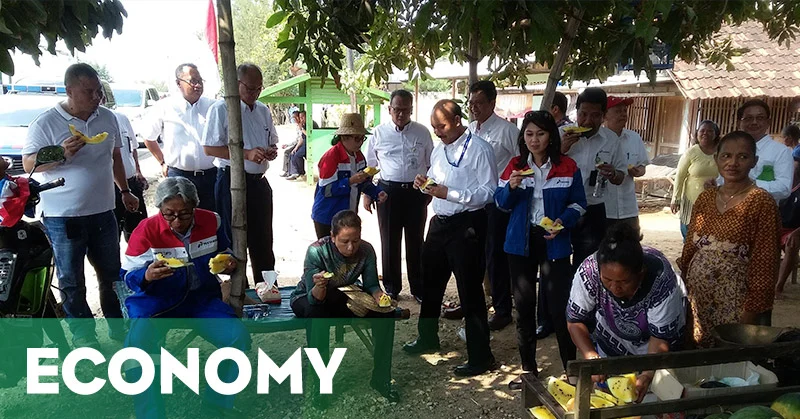
Sebelum Tinjau Kilang TPPI, Rini Soemarno Cicipi Semangka Tuban : Okezone Economy

by Layla Zulfa August 8, 2025
written by Layla Zulfa

President Joko Widodo, accompanied by a high-level ministerial delegation, arrived in Tuban, East Java, on Wednesday, November 11, 2015, to conduct a comprehensive inspection of the PT Trans Pacific Petrochemical Indotama (TPPI) refinery. This visit marked a significant milestone in the administration’s efforts to revitalize the nation’s energy infrastructure and reduce the long-standing dependency on imported fuel and petrochemical products. The President was joined by Minister of State-Owned Enterprises (SOEs) Rini Soemarno, President Director of PT Pertamina (Persero) Dwi Soetijpto, Vice President of Corporate Communication at Pertamina Wianda Pusponegoro, and Director General of Oil and Gas at the Ministry of Energy and Mineral Resources, IGN Wiratmaja.

The inspection was not merely a formal oversight procedure but a symbolic gesture of the government’s commitment to reactivating vital national assets that had long remained dormant due to financial and legal complexities. The TPPI refinery, located in the Jenu district of Tuban, has a storied and often turbulent history, and its reactivation is seen as a cornerstone of the "Nawa Cita" program—the nine priority goals of the Widodo administration—specifically concerning energy sovereignty and the strengthening of the domestic industrial sector.

A Moment of Local Engagement in Tuban

Before reaching the main facility of the TPPI refinery, an unexpected and human-centric event occurred that highlighted the administration’s "blusukan" (on-the-ground) leadership style. As the motorcade and walking party moved through the residential areas surrounding the refinery, they were greeted by local residents who had gathered to witness the arrival of the nation’s top leaders. In a display of accessibility, President Widodo and his team interacted with the community, with many locals taking the opportunity to request photographs with the President, Minister Rini Soemarno, and the leadership of Pertamina.

The delegation eventually paused at the residence of a local villager who also operated a small stall selling fresh watermelons, a fruit widely cultivated in the fertile coastal soil of Tuban. In a spontaneous gesture, the group stopped to rest and sample the local produce. Minister Rini Soemarno was seen encouraging the delegation and the accompanying press corps to enjoy the fruit, praising the quality of the local harvest. "Come on, try the watermelon. It is very delicious," she remarked to those present, emphasizing the connection between the industrial zone and the local agricultural economy.

This brief interlude served as a reminder of the socio-economic context in which the TPPI refinery operates. For the people of Tuban, the refinery represents not just a massive industrial complex but a source of potential employment and regional development. By stopping to engage with local vendors, the delegation signaled that the revitalization of the refinery is intended to bring benefits that trickle down to the immediate community.

The Strategic Importance of the TPPI Refinery

The PT Trans Pacific Petrochemical Indotama (TPPI) refinery is one of the most sophisticated industrial assets in Indonesia. Established in the mid-1990s, the facility was designed to produce both refined petroleum products and aromatics, which are essential feedstocks for the plastics and textile industries. However, the refinery’s history has been marred by financial instability, debt disputes, and ownership changes, leading to several periods of total shutdown.

At the time of the President’s visit in late 2015, the refinery had recently begun a restart process under the management of Pertamina. The facility has a processing capacity of approximately 100,000 barrels per day (bpd). When operating at full capacity, the refinery is capable of producing significant volumes of high-demand products, including:

  1. Gasoline (Mogas): Approximately 37,000 barrels per day, which directly offsets the need for imports from regional hubs like Singapore.
  2. Diesel (Solar): Essential for the transportation and industrial sectors.
  3. Liquefied Petroleum Gas (LPG): A critical energy source for Indonesian households.
  4. Aromatics: Including Paraxylene, Benzene, Orthoxylene, and Toluene, which serve as raw materials for various manufacturing industries.

The reactivation of TPPI is projected to save the Indonesian government approximately USD 2.2 billion per year in foreign exchange reserves by reducing the volume of refined oil products that must be purchased from international markets. In an era of fluctuating global oil prices and a weakening rupiah, such savings are vital for national fiscal stability.

Chronology of the Reactivation Effort

The path to the 2015 inspection began months earlier when the government decided to take a firmer stance on the management of TPPI. The refinery had been operating sporadically, hampered by a debt of over USD 2 billion owed to various creditors, including Pertamina and the state. Under the direction of President Widodo, the Ministry of SOEs and the Ministry of Energy and Mineral Resources worked to restructure these obligations.

In October 2015, just weeks before the President’s visit, Pertamina successfully conducted a "trial run" of the refinery’s processing units. This technical success proved that the facility was still viable and capable of producing fuel to national specifications. The transition of management to Pertamina was a strategic move to ensure that the refinery’s output would be prioritized for domestic consumption rather than being exported by private entities to settle debts.

Sebelum Tinjau Kilang TPPI, Rini Soemarno Cicipi Semangka Tuban : Okezone Economy

During the visit, Dwi Soetijpto, the President Director of Pertamina, explained the technical progress to the President. He noted that the refinery was already beginning to contribute to the national fuel supply, particularly in the production of Premium-grade gasoline. The integration of TPPI into Pertamina’s refinery network—which includes major facilities in Cilacap, Balikpapan, and Dumai—creates a more resilient energy supply chain for the archipelago.

Economic and Industrial Implications

The implications of a fully functional TPPI refinery extend far beyond the energy sector. By producing aromatics domestically, Indonesia can strengthen its manufacturing value chain. Currently, many Indonesian textile and plastic manufacturers are forced to import raw materials that could be produced at the Tuban facility. By localizing this production, the government aims to lower the cost of manufacturing, making Indonesian goods more competitive in the global market.

Furthermore, the Tuban region is being positioned as a major industrial hub. The presence of the TPPI refinery, alongside other major installations like the Semen Indonesia plant and the planned New Grass Root Refinery (NGRR) in collaboration with international partners, suggests that East Java will play an increasingly central role in Indonesia’s industrial future.

From a labor perspective, the full operation of the refinery is expected to create thousands of jobs, both directly within the facility and indirectly through service providers, logistics, and local businesses. The President’s interaction with the watermelon vendor in Tuban underscored the importance of ensuring that this industrial growth does not leave the local population behind.

Official Responses and Policy Direction

Following the inspection, officials expressed a unified front regarding the future of the nation’s energy policy. President Widodo emphasized that the era of relying on fuel imports must come to an end. He stated that the government would no longer tolerate "mafias" in the oil and gas sector that benefit from the continued importation of refined products at the expense of domestic refining capacity.

Minister Rini Soemarno highlighted the role of state-owned enterprises as "agents of development." She noted that Pertamina’s takeover and stabilization of TPPI was a prime example of how SOEs can be used to secure strategic national interests. "We are focusing on efficiency and productivity. TPPI is a national treasure that we must manage properly for the welfare of the people," she said during the tour of the facility.

The Director General of Oil and Gas, IGN Wiratmaja, provided further context on the regulatory side, noting that the government is streamlining permits and providing the necessary legal framework to ensure that refineries like TPPI can operate without the bureaucratic hurdles that plagued them in the past.

Challenges and Future Outlook

Despite the optimism surrounding the 2015 visit, challenges remain. The legal complexities involving the previous owners of TPPI continue to be a subject of litigation. Additionally, the refinery requires ongoing investment to upgrade its technology and ensure it meets modern environmental standards. The transition from an aromatics-focused plant to a fuel-focused plant requires sophisticated engineering adjustments to maintain optimal efficiency.

However, the 2015 inspection by President Widodo served as a definitive turning point. It signaled to the market and the public that the government was willing to intervene directly to protect energy security. The image of the President and his ministers eating local watermelons in the shadow of a multi-billion dollar refinery serves as a potent metaphor for the administration’s goal: a high-tech, industrialized Indonesia that remains deeply connected to its grassroots and local resources.

As Indonesia moves forward, the success of the TPPI refinery will be a barometer for the country’s ability to manage complex industrial assets and achieve the dream of energy independence. The visit to Tuban on that Wednesday in November was not just a day of sightseeing; it was a day of reaffirming the nation’s sovereignty over its own energy future. With the commitment of Pertamina and the oversight of the Ministry of SOEs, the TPPI refinery is poised to become a vital engine of growth for the Indonesian economy in the decades to come.

August 8, 2025 0 comment
0 FacebookTwitterPinterestEmail
Lifestyle & Fashion

4 Frequently Ignored Benefits of Simple Living and Its Long-Term Impact on Financial Freedom and Mental Wellbeing

by Azzam Bilal Chamdy August 7, 2025
written by Azzam Bilal Chamdy

The modern global landscape is increasingly defined by a culture of accumulation, where success is frequently measured by the volume of possessions, the prestige of one’s professional title, and the extravagance of one’s lifestyle. However, a significant paradigm shift is occurring as more individuals recognize that the relentless pursuit of "more" often leads to increased stress, mounting debt, and a profound sense of dissatisfaction. This shift toward simple living, often categorized under the umbrella of minimalism or intentionalism, suggests that the true path to a meaningful life involves the strategic reduction of non-essential elements. While often dismissed as a mere trend or a sign of financial struggle, simple living is a sophisticated lifestyle choice backed by psychological and economic principles. By focusing on fundamental needs and high-value experiences, proponents of this lifestyle argue that individuals can unlock levels of freedom and peace that are unattainable through consumerism.

The Socio-Economic Context of Simple Living

The rise of simple living as a mainstream concept can be traced back to the post-recession era of 2008, but it gained significant momentum during the global COVID-19 pandemic. During the lockdowns, millions were forced to reassess their spending habits and the necessity of their daily routines. This period served as a massive social experiment in reduced consumption, revealing to many that a high-speed, high-cost lifestyle was not a prerequisite for happiness. Furthermore, as global inflation rates have fluctuated and housing costs have soared in the mid-2020s, the economic necessity of frugality has merged with the philosophical desire for simplicity.

Investor and property expert Steve Cook has long advocated for this approach, positing that wealth is not merely the sum of one’s assets but the ratio of one’s means to one’s desires. By simplifying one’s lifestyle to focus on the essentials, an individual effectively lowers their "cost of happiness," thereby increasing their relative wealth. This perspective is supported by data from various financial institutions suggesting that households practicing intentional spending are significantly more resilient to economic downturns than those living paycheck to paycheck to maintain an image of affluence.

Manfaat Hidup Sederhana yang Sering Diabaikan

1. Accelerated Financial Resilience and Emergency Preparedness

One of the most immediate and tangible benefits of simple living is the rapid accumulation of a robust emergency fund. In traditional personal finance, an emergency fund is defined as three to six months of living expenses set aside in a liquid account. However, for those practicing a simplified lifestyle, the "barrier to entry" for financial security is much lower because their monthly overhead is reduced. When a person requires less to survive and thrive, their savings go much further, and their "runway" in the event of a job loss or medical emergency is significantly extended.

Financial anxiety is a primary driver of chronic stress, which has been linked by the American Psychological Association to a host of physical ailments, including cardiovascular disease and weakened immune systems. Simple living acts as a preemptive strike against this stress. For instance, if an essential piece of technology—such as a smartphone used for work—malfunctions, an individual with a simplified budget and a healthy emergency fund can address the issue immediately without resorting to high-interest credit cards or predatory loans. This ability to absorb "shocks" to the financial system without emotional or fiscal collapse is a cornerstone of psychological well-being. By prioritizing the "boring" safety net over the "exciting" luxury purchase, individuals create a foundation of peace that far outlasts the temporary dopamine hit of a new acquisition.

2. Restoration of Social Capital and Family Dynamics

The pursuit of a high-consumption lifestyle often requires a disproportionate investment of time. High-paying jobs frequently demand long hours, constant availability, and high levels of stress, leaving little energy for domestic life. The "time-poverty" that results from chasing financial excess often comes at the expense of family relationships and social connections. Simple living challenges the notion that expensive vacations or high-end toys are the primary ways to show affection or build memories.

Child development experts, including Dr. Ziegler, emphasize that the quality of parental presence is a far more accurate predictor of a child’s future mental health than the material goods provided to them. Simple, low-cost activities—such as a walk in a local park, reading together, or engaging in a shared hobby—provide the "focused attention" that children need to feel valued and secure. When parents reduce their financial obligations, they often find they can afford to work slightly less or choose roles that do not require excessive overtime. This reclaimed time is reinvested into the family unit, creating a virtuous cycle of emotional stability. In the long term, the strength of these social bonds provides a support system that no amount of material wealth can replicate.

Manfaat Hidup Sederhana yang Sering Diabaikan

3. Mitigation of Decision Fatigue and Chronic Anxiety

The psychological weight of "stuff" is a well-documented phenomenon. The more possessions an individual owns, the more mental energy is required to maintain, organize, and protect them. This contributes to a state of "decision fatigue," where the sheer volume of choices—from what to wear to what to buy next—depletes an individual’s cognitive resources. Simple living alleviates this burden by reducing the number of choices and the amount of clutter in one’s physical and mental environment.

Research into the "Paradox of Choice" suggests that having too many options often leads to anxiety and regret rather than satisfaction. By opting out of the "hedonic treadmill"—the observed tendency of humans to quickly return to a relatively stable level of happiness despite major positive or negative events or life changes—individuals who live simply avoid the constant pressure to upgrade their lives. They are less susceptible to targeted advertising and social media-induced "FOMO" (Fear Of Missing Out). This detachment from the comparison trap leads to a more stable internal state. When the need to "keep up with the Joneses" is removed, the associated anxiety of social performance disappears, replaced by a sense of contentment with one’s current circumstances.

4. Strategic Path to Early Retirement and Financial Independence

Perhaps the most transformative benefit of simple living is the potential for early retirement or "Financial Independence, Retire Early" (FIRE). The mathematics of retirement are based on the relationship between spending and savings. If an individual spends 90% of their income, they must work for nine years to save for one year of retirement. However, if an individual simplifies their life to the point where they save 50% of their income, they earn one year of freedom for every year worked.

Simple living allows individuals to break free from the "golden handcuffs"—a situation where high earners cannot afford to quit a job they dislike because their lifestyle costs have risen to match their salary. By maintaining a low cost of living, the threshold for financial independence is lowered. This provides the ultimate luxury: the freedom of choice. A person who lives simply may choose to retire in their 40s or 50s, or they may choose to transition into a lower-paying but more fulfilling career, such as teaching or non-profit work. This autonomy is the highest form of wealth. It ensures that an individual is not a "wage slave" to their own desires but a master of their own time.

Manfaat Hidup Sederhana yang Sering Diabaikan

Broader Implications and Global Impact

The move toward simplicity also carries significant broader implications for society and the environment. On an ecological level, reduced consumption directly correlates with a lower carbon footprint and decreased waste. As the global community grapples with the realities of climate change, the "minimalist" approach to living is increasingly viewed as an ethical imperative. When individuals buy fewer, higher-quality items and eschew "fast fashion" or disposable electronics, they contribute to a more sustainable economic model.

Furthermore, a society that values simple living is often a more resilient one. Communities that prioritize social connection over material competition tend to have higher levels of trust and lower rates of crime. The shift away from consumer-driven identity allows for a more diverse range of human expressions and values to flourish.

Analysis of Implementation: The Transition Period

Transitioning to a simpler life is not without its challenges. It requires a rigorous audit of one’s current habits, obligations, and possessions. This process, often called "decluttering," is as much a mental exercise as a physical one. It involves questioning the "why" behind every purchase and every commitment. For many, the initial stages of this transition can be uncomfortable, as it forces an individual to confront the emotional voids they may have been trying to fill with shopping or busyness.

However, the long-term data suggests that once the initial adjustment period is over, the reported levels of life satisfaction among those who embrace simplicity are significantly higher than those who remain in the cycle of high-consumption. The benefits—financial security, deeper relationships, mental clarity, and time freedom—create a compounding effect. As each year passes, the gap between the "simple liver" and the "over-consumer" widens, not just in terms of bank balances, but in terms of overall quality of life.

Manfaat Hidup Sederhana yang Sering Diabaikan

In conclusion, simple living is far more than a budgetary tactic; it is a comprehensive strategy for modern survival and flourishing. By ignoring the noise of a culture that demands constant growth and accumulation, individuals can reclaim their autonomy and focus on the fundamental pillars of a good life. Whether through the lens of financial independence, mental health, or family stability, the evidence is clear: by choosing less, we often gain much more.

August 7, 2025 0 comment
0 FacebookTwitterPinterestEmail
Lifestyle & Fashion

Baha Gia Expands Retail Presence with Plaza Indonesia Flagship Store and Launch of Di Tepi Bali Collection Targeting Global Markets

by Nana August 6, 2025
written by Nana

The inauguration of Baha Gia’s flagship store at Plaza Indonesia marks a pivotal milestone for the Indonesian fashion label, signaling its transition from a niche boutique brand to a formidable player in the international luxury retail landscape. Located in Jakarta’s premier high-end shopping destination, the new space serves as more than a point of sale; it is a physical manifestation of the brand’s core philosophy, which prioritizes emotional resonance, comfort, and the art of storytelling through textiles. This expansion coincides with the debut of the brand’s eighth volume, titled "Di Tepi Bali" (On the Edge of Bali), a collection that bridges traditional Indonesian iconography with the minimalist sensibilities required for global market penetration, specifically targeting the fashion-forward demographic of Tokyo, Japan.

A New Chapter in Luxury Retail Experience

The opening of the flagship store at Plaza Indonesia represents a strategic move to capture both domestic high-net-worth individuals and international visitors. In an era where digital commerce dominates, Baha Gia has doubled down on the "brick-and-mortar" experience, designing a space that emphasizes intimacy and sensory engagement. The interior architecture of the store reflects the brand’s "urban bohemian" DNA, utilizing warm lighting, organic textures, and a layout that encourages exploration rather than transactional speed.

Industry analysts note that the choice of Plaza Indonesia is significant. As the oldest and most prestigious shopping mall in Jakarta, it houses some of the world’s most recognizable luxury houses. By securing a flagship position here, Baha Gia positions itself alongside global giants, asserting that Indonesian craftsmanship and contemporary design are of equal caliber to European counterparts. The store is designed to be a "sanctuary" for customers, where the tactile nature of the fabrics and the intricacy of the original prints can be appreciated in a setting that mirrors the warmth of an Indonesian home.

Babak Baru Baha Gia Butik Flagship Plaza Indonesia & Surat Cinta dari Pulau Dewata

The Di Tepi Bali Collection: Craftsmanship and Narrative

The centerpiece of the flagship opening is the unveiling of "Di Tepi Bali," the brand’s Volume VIII collection. This series is an intensive exploration of Balinese landscapes and cultural motifs, reimagined through a modern lens. Rather than relying on clichéd representations of the island, Baha Gia’s design team has curated a selection of symbols that represent the lived reality and spiritual depth of Bali.

The collection features original patterns—developed entirely in-house—that depict various elements:

  • Marigolds (Gemitir): Representing the vibrant offerings found in daily Balinese life.
  • Manggis (Mangosteen): A nod to the island’s rich natural flora.
  • Segara (The Sea): Capturing the ebb and flow of the coastline that surrounds the island.
  • Pura and Tedung: The architectural majesty of Balinese temples and the ceremonial umbrellas that signify protection and divinity.
  • Turtle Conservation: A modern inclusion that highlights the importance of environmental stewardship in the region.

These motifs are not merely printed on fabric; they are woven into the narrative of each garment. The collection utilizes lightweight, breathable materials suitable for tropical climates but structured enough to maintain a refined silhouette in urban settings. This balance of "ready-to-wear" functionality and high-concept storytelling is what defines the Baha Gia aesthetic.

Strategic Design Evolution for the Global Market

A critical aspect of the "Di Tepi Bali" collection is the subtle shift in design language, specifically intended to appeal to the Japanese market. While Baha Gia has built its reputation on the "urban bohemian" look—often characterized by flowing lines and eclectic details—the new collection introduces a "refined" approach.

Babak Baru Baha Gia Butik Flagship Plaza Indonesia & Surat Cinta dari Pulau Dewata

Key design adjustments include:

  1. Scallop Necklines: Providing a delicate, feminine touch that adds a layer of sophistication without overwhelming the wearer.
  2. Rounded Necks: A move toward cleaner, more universal silhouettes that resonate with the minimalist preferences often found in Tokyo’s fashion districts like Aoyama and Daikanyama.
  3. Color Palette: The collection employs a poetic gradient of oceanic blues, sunset oranges, and the brand’s signature pink hues. These colors are chosen to be evocative yet versatile, capable of transitioning from the sun-drenched beaches of Bali to the sleek, concrete streets of a global metropolis.

By streamlining its aesthetic, Baha Gia is preparing for a strategic entry into Tokyo. This expansion is part of a broader trend where Indonesian brands are seeking to "Go Global" by adapting their traditional heritage to meet international standards of "clean" and "modern" design. The goal is to ensure that the "Indonesian-ness" of the brand remains visible but is presented in a way that is accessible to a consumer who may not be familiar with the specific cultural context.

Chronology of Brand Growth and Market Position

Baha Gia’s journey to Plaza Indonesia has been one of steady, calculated growth. Starting as a brand that focused on the emotional connection between the garment and the wearer, it has consistently released "Volumes" rather than traditional seasonal collections, emphasizing the timeless nature of its pieces.

  • Phase 1: Foundation (Volumes I-IV): Establishing the "urban bohemian" identity and building a loyal domestic following through digital platforms and pop-up events.
  • Phase 2: Consolidation (Volumes V-VII): Refining the production process and focusing on original textile design. This period saw the brand gaining traction among Jakarta’s fashion elite.
  • Phase 3: Expansion (Volume VIII and Flagship): The current phase, characterized by significant capital investment in physical retail and a clear roadmap for international exports.

This timeline reflects a maturing Indonesian creative economy. According to data from the Ministry of Tourism and Creative Economy (Kemenparekraf), the fashion subsector remains one of the largest contributors to Indonesia’s creative GDP, accounting for over 17% of the total. Brands like Baha Gia are leading the charge in shifting the perception of Indonesian fashion from "mass-produced garments" to "designed luxury."

Babak Baru Baha Gia Butik Flagship Plaza Indonesia & Surat Cinta dari Pulau Dewata

Supporting Data and Economic Implications

The expansion of local brands into premium malls like Plaza Indonesia has broader implications for the national economy. Historically, these spaces were dominated by international franchises. The increasing presence of local labels suggests a shift in consumer behavior, where the Indonesian middle and upper classes are increasingly proud to wear domestic brands that offer comparable quality and superior storytelling.

Furthermore, the strategy to enter the Tokyo market is data-driven. Japan is one of the world’s largest fashion markets, with a deep appreciation for craftsmanship and "slow fashion"—values that align perfectly with Baha Gia’s production model. By exporting finished, high-value fashion products rather than raw textiles, Baha Gia contributes to a more favorable balance of trade in the creative sector.

Official Responses and Inferred Industry Impact

While official statements from the brand’s creative directors emphasize the "warmth and intimacy" of the new store, industry observers see this as a bold statement of intent. Fashion critics have noted that Baha Gia is successfully navigating the difficult middle ground between traditional "ethnic" fashion and "global contemporary."

"The challenge for any Indonesian brand going global is to avoid being pigeonholed as ‘exotic’ or ‘souvenir-like,’" says a Jakarta-based fashion consultant. "Baha Gia’s ‘Di Tepi Bali’ collection avoids this by using Balinese motifs as a design language rather than a costume. The focus on ‘cleaner’ silhouettes for the Tokyo market shows a high level of commercial intelligence."

Babak Baru Baha Gia Butik Flagship Plaza Indonesia & Surat Cinta dari Pulau Dewata

The reaction from the local fashion community has been overwhelmingly positive, with the flagship store opening seen as a "win" for the local industry. It serves as a blueprint for other emerging designers on how to scale a brand while maintaining its soul and cultural integrity.

Conclusion: Bridging Traditions and Global Perspectives

Baha Gia’s "Di Tepi Bali" is more than just a collection of clothing; it is a bridge. It connects the spiritual and natural beauty of Indonesia with the sophisticated demands of the global fashion industry. By opening its flagship store in Plaza Indonesia, the brand has created a home for its narrative, inviting customers to step into a world where tradition is not a relic of the past but a vibrant, living part of a modern lifestyle.

As the brand looks toward Tokyo and beyond, its success will likely depend on its ability to maintain this delicate balance. If the "Di Tepi Bali" collection is any indication, Baha Gia is well-positioned to become a significant Indonesian cultural ambassador, proving that the stories of the archipelago can be told in a language that the whole world understands and desires to wear. The journey from the edges of Bali to the heart of Tokyo is a testament to the power of authentic craftsmanship and strategic vision in the 21st-century fashion landscape.

August 6, 2025 0 comment
0 FacebookTwitterPinterestEmail
Lifestyle & Fashion

Anne Hathaway Embraces Pop Star Aesthetic in Custom Lever Couture for Mother Mary Screening in New York City

by Reynand Wu August 4, 2025
written by Reynand Wu

Anne Hathaway continues to dominate the cultural conversation this spring, pivoting from the nostalgic charm of her recent promotional efforts to a bold, avant-garde aesthetic that signals a new chapter in her storied career. On Monday afternoon, the Academy Award-winning actress attended a high-profile screening at the Metrograph in New York City for her latest project, Mother Mary. The film, a musical drama produced by A24, features Hathaway in the titular role of a world-famous pop icon. This public appearance marked a definitive shift in her "method dressing" strategy, as she transitioned from the polished, editorial looks associated with the press tour for The Devil Wears Prada 2 into a more experimental, "diva-core" wardrobe suited for a fictional music industry titan.

The screening event served as a prelude to the film’s wide theatrical release scheduled for April 24, 2026. Hathaway arrived at the venue wearing a custom creation by Lever Couture, a fashion house known for its architectural and ethereal designs. The garment, a translucent, voluminous gown, was constructed from intricate layers of white tulle. The fabric was arranged in swirling, circular patterns that created a gossamer effect, making the actress appear as though she were enveloped in a structural cloud. The dress’s sheer quality and avant-garde silhouette perfectly mirrored the high-fashion sensibilities often displayed by modern pop superstars on the global stage.

To complement the dramatic Lever Couture piece, Hathaway and her long-time stylist, Erin Walsh, selected metallic silver high heels from Christian Louboutin. The choice of footwear added a futuristic edge to the ensemble, grounding the airy tulle with a sharp, reflective finish. Hathaway’s accessories further elevated the look, featuring high-jewelry pieces from Bulgari, a brand for which she serves as a global ambassador. The combination of high-concept couture and classic luxury jewelry underscored the "Mother Mary" persona—a character defined by both immense talent and an untouchable public image.

The Evolution of the Mother Mary Press Tour

The New York City screening represents a significant milestone in the promotional timeline for Mother Mary. Directed by David Lowery, the film explores the complex life of a fictional pop star and her relationship with an iconic fashion designer, played by Michaela Coel. Given the film’s intersection of music and fashion, industry analysts expected Hathaway to utilize her red carpet appearances as a medium for storytelling.

Earlier in the season, Hathaway’s fashion choices were heavily influenced by her role in the long-awaited sequel, The Devil Wears Prada 2. During that press cycle, she frequently referenced her character Andrea Sachs, famously wearing a Schiaparelli fringe set and a cerulean sweatshirt that served as a direct "wink" to the original 2006 film’s legendary monologue regarding the color’s significance in the fashion industry. However, as the focus shifts toward the A24 production, Hathaway has shed the "fashion assistant" persona in favor of the "pop queen" aesthetic.

Lever Couture has become a go-to label for artists looking to make a theatrical statement. The brand has a history of dressing iconic figures such as Lady Gaga, who has worn the label’s sculptural pieces for various red carpet events and performances. More recently, the house has seen a surge in popularity among the "new guard" of pop culture, including Lisa of Blackpink at the Primetime Emmy Awards and Ariana Grande during the extensive press tour for the film adaptation of Wicked. By choosing Lever Couture, Hathaway aligns herself with this specific lineage of performers, effectively bridging the gap between cinema and the music industry.

Anne Hathaway Mengubah Pendekatan Method Dressing-nya untuk Memulai Tur Pers Film 'Mother Mary'

Method Dressing as a Marketing Powerhouse

The concept of "method dressing"—where an actor wears clothes that reflect the themes or characters of their current project—has become a cornerstone of modern film marketing. This trend, popularized by stars like Margot Robbie for Barbie and Zendaya for Challengers, allows an actress to remain "in character" throughout a multi-city press tour, generating viral social media moments and sustaining public interest in the film.

Hathaway’s transition into the Mother Mary aesthetic is a masterclass in this strategy. The Lever Couture gown is not merely a fashion statement; it is a visual extension of the film’s narrative. In Mother Mary, the protagonist’s stage presence is defined by grandiosity and vulnerability, elements that were reflected in the translucent yet imposing nature of the tulle dress.

Erin Walsh, the stylist behind Hathaway’s recent fashion renaissance, has often spoken about the "joyful" and "bold" approach they take toward dressing. Walsh’s ability to curate looks that are both high-fashion and narratively relevant has played a crucial role in Hathaway’s status as a contemporary style icon. The partnership has successfully navigated the transition between different film genres, ensuring that Hathaway’s public image remains dynamic and aligned with her professional output.

Background on Mother Mary and A24’s Cinematic Vision

Mother Mary is one of the most anticipated releases of 2026, marking a unique collaboration between director David Lowery and the independent powerhouse A24. Lowery, known for his eclectic filmography which includes The Green Knight and A Ghost Story, has described the film as an epic exploration of fame, faith, and the price of artistic excellence.

A critical component of the film’s identity is its original music. The soundtrack features contributions from Jack Antonoff and Charli XCX, two of the most influential figures in the contemporary pop landscape. This collaboration ensures that the "pop star" elements of the film are grounded in authentic musicality. Reports from early test screenings suggest that Hathaway performs several original songs in the film, a feat that required months of vocal training and choreography.

The film’s plot reportedly centers on a high-stakes concert tour and the internal pressures of maintaining a public facade. By wearing "pop star" couture to screenings, Hathaway provides a tangible preview of the film’s atmosphere. The choice of the Metrograph for the screening also speaks to the film’s "indie-prestige" positioning, as the venue is a staple for cinephiles and industry insiders in New York City.

Chronology of Recent Appearances

To understand the impact of the Mother Mary screening, one must look at the busy schedule Hathaway has maintained over the past several weeks:

Anne Hathaway Mengubah Pendekatan Method Dressing-nya untuk Memulai Tur Pers Film 'Mother Mary'
  1. Late March 2026: Hathaway begins the The Devil Wears Prada 2 press tour in London, wearing a series of classic, chic ensembles that pay homage to her character’s growth from an assistant to a high-ranking editor.
  2. Early April 2026: The "Cerulean Moment" occurs during a televised interview, where Hathaway’s outfit choice goes viral for its nostalgic reference to the original film.
  3. April 15, 2026: Hathaway arrives in New York City, signaling the start of the Mother Mary promotion. She is spotted in a sleek, minimalist leather suit, hinting at a darker, more mature aesthetic.
  4. April 20, 2026: The Metrograph screening. Hathaway debuts the custom Lever Couture gown, officially marking the "Mother Mary" era.

This rapid succession of looks demonstrates the versatility of Hathaway as both a performer and a fashion muse. The ability to switch between the "preppy-chic" of a fashion journalist and the "avant-garde" of a pop diva within a matter of days has garnered significant praise from fashion critics and fans alike.

Industry Implications and the "Anne-aissance"

The buzz surrounding Hathaway’s latest appearance is part of a larger phenomenon often referred to as the "Anne-aissance." Over the last few years, Hathaway has experienced a resurgence in both critical acclaim and commercial viability. Her willingness to take on diverse roles—ranging from psychological thrillers to big-budget sequels and now musical dramas—has solidified her place as one of Hollywood’s most adaptable stars.

From a fashion perspective, Hathaway’s influence is measurable. Data from fashion search engines often shows a spike in interest for brands she wears. Lever Couture is expected to see a significant increase in search volume following this appearance, much like Schiaparelli and Versace have benefited from her previous red carpet moments.

Furthermore, the success of Hathaway’s press tours highlights the evolving role of the "red carpet" in the digital age. It is no longer just a walk into a theater; it is a curated media event designed to be shared across platforms like Instagram and TikTok. The architectural nature of the Lever Couture dress is particularly well-suited for this, as its 360-degree visual appeal ensures it looks striking from every camera angle.

Conclusion

As the release date for Mother Mary approaches, the anticipation continues to build, fueled in no small part by Anne Hathaway’s strategic and stunning fashion choices. Her appearance at the New York City screening in custom Lever Couture is more than just a red carpet win; it is a calculated piece of performance art that prepares the audience for the grandiosity of her upcoming role.

With the support of her stylist Erin Walsh and the creative backing of A24, Hathaway has successfully turned the press tour into an extension of the cinema experience. Whether she is paying homage to her past roles or carving out a new identity as a cinematic pop star, Hathaway remains a singular force in the intersection of film and fashion. As the industry looks toward the official release on April 24, one thing is certain: the world is watching, and Anne Hathaway is ready for her encore.

August 4, 2025 0 comment
0 FacebookTwitterPinterestEmail
Lifestyle & Fashion

Understanding Congenital Heart Disease in Indonesia: Risk Factors Prevention Strategies and the Urgent Need for Early Detection

by Basiran August 3, 2025
written by Basiran

The medical community in Indonesia is intensifying its focus on Congenital Heart Disease (CHD), a condition that remains a leading cause of neonatal mortality despite advancements in pediatric cardiology. During a comprehensive webinar held on Tuesday, February 14, 2023, Dr. Rizky Adriansyah, MKed, a pediatric specialist and the Chairperson of the Cardiology Coordination Work Unit of the Indonesian Pediatric Society (IDAI), addressed the complexities surrounding CHD. While the exact etiology of congenital heart defects often remains elusive, medical experts have identified a cluster of modifiable risk factors and preventive measures that could significantly reduce the incidence of these conditions if addressed during the critical window of pregnancy.

Congenital Heart Disease refers to structural abnormalities of the heart that develop before birth. These defects can affect the heart walls, valves, or the blood vessels entering or leaving the heart. Dr. Rizky emphasized that while there is no singular definitive cause for every case, the relationship between maternal health during pregnancy and the development of the fetal heart is undeniable. He noted that while many cases appear sporadically, at least three primary risk factors have gained significant attention in recent medical literature as preventable triggers for cardiac malformations.

Navigating the Risks: The Trimester of Vulnerability

The development of the human heart is an intricate process that occurs very early in the first trimester, often before a woman even realizes she is pregnant. It is during this sensitive period that environmental and physiological factors can disrupt the delicate formation of cardiac structures. Dr. Rizky identified the "Big Three" risk factors that are currently at the forefront of clinical discussion: maternal infections, nutritional deficiencies, and the consumption of specific medications.

The Rubella virus, or German measles, stands as one of the most potent threats to fetal heart development. When a pregnant woman contracts Rubella, the virus can cross the placental barrier, leading to Congenital Rubella Syndrome (CRS). This syndrome frequently manifests as a triad of defects, including deafness, cataracts, and significant heart malformations such as Patent Ductus Arteriosus (PDA) or pulmonary artery stenosis.

In addition to viral threats, nutritional status plays a pivotal role. A deficiency in folic acid (Vitamin B9) has long been linked to neural tube defects, but contemporary research increasingly highlights its importance in cardiac organogenesis. Folic acid is essential for DNA synthesis and cell division; a lack thereof can lead to errors in the septation of the heart chambers. Furthermore, the use of certain medications during pregnancy, particularly anticonvulsants used to treat epilepsy or seizures, has been statistically linked to a higher prevalence of CHD. Dr. Rizky clarified that while these are significant risk factors, they do not guarantee a heart defect, nor does their absence guarantee a healthy heart, as evidenced by the many cases of CHD occurring in infants born to mothers who did not smoke or consume alcohol.

The Indonesian Context: A Critical Public Health Challenge

The scale of the CHD challenge in Indonesia is underscored by sobering statistics. According to data from 2017, Congenital Heart Disease is the second largest contributor to neonatal mortality in Indonesia, accounting for 17 percent of deaths in the first month of life. This figure is surpassed only by complications related to prematurity. The World Health Organization (WHO) estimates that globally, one out of every 100 newborns suffers from some form of CHD. In the Indonesian context, where the birth rate remains high, this translates to tens of thousands of new cases annually.

Of these cases, approximately 25 percent are classified as "critical" CHD. Critical Congenital Heart Disease (CCHD) requires surgical intervention or catheterization within the first year—often within the first days or weeks—of life to ensure survival. Without rapid diagnosis and treatment, these infants face a high risk of death or long-term disability. Dr. Rizky pointed out a harrowing reality: currently, less than 50 percent of CHD cases in Indonesia receive the necessary medical handling. This treatment gap is the result of a multifaceted crisis involving limited access to specialized healthcare, a shortage of pediatric cardiologists and cardiovascular surgeons, and a lack of advanced diagnostic equipment in remote regions.

The Science of Prevention: Vaccination and Nutrition

Given that CHD cannot be "prevented" once a baby is born, the medical community is shifting its focus toward aggressive maternal health interventions. The primary strategy advocated by IDAI is the universal administration of the Rubella vaccine. By ensuring that women of childbearing age are immune to the virus before they conceive, the risk of CRS-related heart defects can be virtually eliminated.

"This is vital when we talk about prevention during pregnancy," Dr. Rizky stated. "Once the baby is born, we are no longer in the phase of prevention, but in the phase of management and intervention."

Beyond vaccination, the role of prenatal supplementation is being championed as a standard of care. High-quality nutrition, supplemented with folic acid, provides the chemical building blocks necessary for healthy fetal development. Public health experts are calling for better education for expectant mothers to avoid self-medicating and to consult with healthcare providers regarding the safety of any pharmaceutical intake during gestation. This proactive approach aims to stabilize the intrauterine environment, giving the fetal heart the best possible chance to form correctly.

Diagnostic Hurdles and the Infrastructure Gap

The delay in diagnosis remains one of the most significant barriers to improving survival rates for children with CHD in Indonesia. In many developed nations, fetal echocardiography allows for the detection of heart defects before birth. However, in Indonesia, such technology and the expertise required to operate it are concentrated in major urban centers like Jakarta, Surabaya, and Medan.

For the majority of the population, the diagnosis must happen after birth. Dr. Rizky highlighted that the initial screening does not necessarily require expensive, high-tech machinery. Simple tools like the stethoscope remain invaluable; the detection of a heart murmur—an unusual sound heard between heartbeats—should immediately trigger a referral for a cardiac evaluation.

However, even more sensitive and cost-effective than a stethoscope for screening purposes is the pulse oximeter. Pulse oximetry screening is a non-invasive test that measures the oxygen saturation level in the blood. By placing sensors on a newborn’s right hand and either foot, healthcare providers can detect discrepancies in oxygen levels that indicate a potential heart defect. This method is fast, relatively inexpensive, and highly sensitive for detecting critical CHD that might not be immediately apparent through physical examination alone.

Early Detection Protocols: The Five-Minute Life-Saving Window

Dr. Rizky and the IDAI are advocating for a standardized screening protocol that can be performed by frontline healthcare workers, including midwives and general practitioners in rural health clinics (Puskesmas). This screening, which takes less than five minutes, could be the difference between life and death for a newborn with a silent heart defect.

The "Critical CHD Screening" should ideally be performed 24 to 48 hours after birth. If the oxygen saturation is low or shows a significant difference between the hand and the foot, the infant is referred for an echocardiogram—an ultrasound of the heart—which is the definitive diagnostic tool for identifying structural abnormalities.

The urgency of this timeline is critical. Many infants with CCHD appear healthy immediately after birth because the ductus arteriosus (a blood vessel present in the fetus) remains open for the first few hours or days, providing a temporary bypass for blood flow. Once this vessel naturally closes, an infant with an undiagnosed heart defect may experience a sudden and catastrophic collapse.

Clinical Manifestations and Parental Vigilance

While medical screening is essential, parental awareness of clinical symptoms is equally important. One of the most common signs of a heart defect in infants is poor weight gain or "failure to thrive." Because the heart must work much harder to pump blood, the infant consumes an excessive amount of calories just to maintain basic functions, often leaving little energy for growth.

Other symptoms include:

  • Cyanosis: A bluish tint to the skin, lips, or fingernails, indicating low oxygen levels.
  • Tachypnea: Rapid or labored breathing, especially during feeding.
  • Diaphoresis: Excessive sweating, particularly on the forehead, during exertion such as nursing.
  • Fatigue: The infant may tire easily and fall asleep during feedings before consuming enough milk.

Dr. Rizky emphasized that critical CHD can manifest as early as the first week of life, often within the first 24 to 48 hours. If parents notice any of these signs, they are urged to seek immediate medical attention rather than waiting for scheduled check-ups.

Systemic Solutions and the Role of Digital Education

Addressing the CHD crisis in Indonesia requires a systemic shift that combines government policy, healthcare infrastructure, and public education. The shortage of Human Resources (SDM) is a primary concern. Indonesia currently has a limited number of pediatric cardiologists to serve a population of over 270 million people. Expanding training programs and incentivizing specialists to practice in underserved regions are essential long-term goals.

In the interim, digital education is filling the gap. Dr. Rizky pointed to the YouTube channel "Sehatkan Jantung Anak Indonesia" (Healthy Indonesian Children’s Hearts) as a vital resource for both parents and healthcare workers. This platform provides instructional videos on how to perform screenings and identifies the "red flags" of pediatric heart disease. By democratizing medical knowledge, IDAI hopes to empower local midwives and parents to act as the first line of defense.

The broader implications of failing to address CHD are profound. Beyond the tragic loss of life, the economic burden on families and the state is significant. Children with untreated heart defects often face a lifetime of chronic illness, requiring frequent hospitalizations and limiting their future productivity. Conversely, with early detection and timely intervention, many children with CHD can undergo corrective surgery and lead healthy, full lives.

As Indonesia continues to modernize its healthcare system, the focus on congenital conditions like CHD serves as a litmus test for the nation’s commitment to maternal and child health. The message from the medical community is clear: while the causes of congenital heart disease may be shrouded in biological complexity, the path to reducing its impact is paved with better nutrition, universal vaccination, and a five-minute screening that every newborn deserves. Through the combined efforts of the government, medical professionals, and an informed public, the goal of "Sehatkan Jantung Anak Indonesia" can move from a digital campaign to a national reality.

August 3, 2025 0 comment
0 FacebookTwitterPinterestEmail
Entertainment & Celebrity

Justin Bieber’s Intimate Coachella 2026 Performance Sparks Debate Amidst Nostalgic Journey and Astronomical Fee

by Layla Zulfa August 1, 2025
written by Layla Zulfa

The highly anticipated return of global pop phenomenon Justin Bieber to the Coachella Valley Music and Arts Festival in 2026, dubbed "Bieberchella" by fans and media alike, has ignited a fervent public discussion. While his stage presence has always been a focal point, this year’s performance at the Empire Polo Club in Indio, California, on April 11, 2026, transcended mere musical execution, delving into a deeply personal artistic statement that polarized audiences and sparked widespread debate across social media platforms. The stark departure from conventional headliner expectations, coupled with reports of an astronomical performance fee, has positioned Bieber’s Coachella 2026 set as a significant talking point in the festival’s storied history.

Coachella, renowned for its eclectic lineups and elaborate stage productions, typically sees headliners deliver performances that are both musically compelling and visually spectacular. However, Bieber’s approach this year leaned towards an intimate, introspective experience, a direction that, while praised by some for its authenticity, was deemed by others as falling short of the grandeur typically associated with a festival of this magnitude, especially for an artist reportedly commanding a fee in the tens of millions.

A Precursor to Intimacy: The Grammy Awards Tease

The seeds of Bieber’s unconventional Coachella presentation were arguably sown earlier in the year, during the Grammy Awards in February 2026. At that event, Bieber offered a glimpse into his evolving artistic sensibilities. He took the stage clad in a shimmering silk boxer brief from his own brand, Skylrk, performing "Yukon" from his seventh studio album, Swag. Accompanied by an electric guitar, this stripped-down performance was interpreted by many as a deliberate teaser for a significant comeback at Coachella, hinting at a more raw and personal artistic direction. The choice of attire and the minimalist staging suggested a deliberate move away from elaborate costumes and choreography, prioritizing a direct connection with the music and his audience.

The Coachella Stage: A Personal Sanctuary

Upon gracing the main stage at Coachella on April 11th, Bieber amplified this personal narrative. Instead of the expected high-octane spectacle, he opted for a look that was deliberately understated. He appeared in an oversized, zippered red hoodie, paired with Speed Racer-inspired sunglasses and chunky-soled Loewe boots. This ensemble projected an aura of casual comfort rather than red-carpet glamour, creating an atmosphere that felt more like a private jam session at the end of a long night than a world-class festival headline set.

The concert commenced with a focus on his latest musical endeavors, featuring tracks from his 2025 sister albums, Swag and Swag II. Songs such as "All I Can Take," "Butterflies," "Speed Demon," and "First Place" set a relaxed, almost conversational tone for the evening. This deliberate pacing allowed the audience to ease into Bieber’s chosen narrative, a stark contrast to the high-energy opening numbers often favored by festival headliners.

The Laptop Confession: A Moment of Viral Controversy

A pivotal and polarizing moment of the performance arrived mid-set. In an unexpected turn, Bieber brought out a laptop on stage, proceeded to play his own music videos, and engaged in a sing-along. This conceptual choice immediately fractured public opinion. Supporters lauded the raw honesty and vulnerability displayed, seeing it as a bold statement of artistic integrity and a genuine connection with his work. Conversely, critics argued that this approach lacked the effort and production value expected from a Coachella headliner, especially given the significant financial investment reportedly made for his appearance. The debate intensified online, with hashtags like #Bieberchella and #CoachellaDisappoints trending globally.

Vocal Prowess and a Nostalgic Dive

Despite the divergence in staging and concept, Bieber’s vocal performance remained a consistent highlight. At 32 years old, his voice demonstrated remarkable stability and emotional depth, particularly when revisiting his extensive catalog of hits. The quality of his live vocals was widely acknowledged, even by those critical of his artistic choices.

The most emotionally resonant segment of the performance occurred when Bieber integrated personal nostalgia into his set. He projected old video clips of himself from the internet before launching into beloved early hits like "Baby," "Favorite Girl," and "Beauty and a Beat." This segment evoked a powerful sense of reminiscence among the audience, offering a rare glimpse into the artist’s personal journey from his meteoric rise to global superstardom. This carefully curated nostalgic interlude was singled out by many as the emotional core of his performance.

The "Bieberchella" Narrative: A Retrospective Journey

According to a report by Variety on April 13, 2026, this deliberate embrace of nostalgia became one of the most discussed elements of "Bieberchella." The presentation effectively invited the audience on a chronological journey through Bieber’s career, from his nascent beginnings to his current artistic evolution. The simplicity of the concept, combined with its emotional resonance, made it a memorable and impactful segment of the festival.

Star-Studded Collaborations Enhance the Experience

Penampilan Justin Bieber di Coachella Viral, Gaya Uniknya Picu Pro dan Kontra

The intimate atmosphere was further amplified by the presence of several high-profile guest musicians. Australian singer The Kid LAROI joined Bieber on stage for a rousing rendition of their global smash hit "Stay," eliciting an immediate and enthusiastic response from the crowd. The Nigerian Afrobeats sensation Tems and Nigerian artist Wizkid also graced the stage, performing their critically acclaimed collaboration "Essence." Emerging artist Mk.gee closed out the guest appearances, delivering an arrangement of Bieber’s song "Daisies." These collaborations added layers of musical diversity and star power to an otherwise personally curated set.

The Elephant in the Room: The $10 Million Fee

The considerable public discourse surrounding Bieber’s Coachella performance is inextricably linked to the reported financial terms of his appearance. Numerous reports indicated that Bieber received an astonishing $10 million USD for his headline slot, a figure reportedly surpassing that of previous headliners, including Beyoncé’s landmark performance in 2018. This substantial sum naturally elevated public expectations for a show of unprecedented scale and spectacle. The contrast between this exorbitant fee and Bieber’s deliberately minimalist, introspective performance became the central point of contention.

Analysis: Authenticity vs. Spectacle in the Age of High Stakes

The dichotomy between the reported fee and the performance’s artistic direction raises significant questions about the evolving landscape of music festivals and artist expectations.

  • Authenticity as a Commodity: Bieber’s performance can be viewed as a bold attempt to reclaim artistic authenticity in an industry often driven by commercial pressures and elaborate productions. By opting for a more personal and less overtly produced show, he challenged the conventional definition of a festival headliner. This approach resonates with a growing segment of audiences who value genuine connection and artistic expression over manufactured spectacle.
  • The Burden of Expectation: The astronomical fee, however, placed an immense burden of expectation on Bieber. Audiences, conditioned by years of elaborate Coachella productions and the implicit promise of a "wow" factor associated with such high fees, felt a disconnect between the financial investment and the delivered experience. This highlights the delicate balance festivals and artists must strike between artistic vision and audience expectations, especially when significant financial stakes are involved.
  • Shifting Festival Dynamics: The incident also points to a potential shift in how audiences perceive value at large-scale festivals. While visual extravagance remains a draw, the emotional impact and genuine artistic expression are gaining prominence. Bieber’s performance, despite its polarizing reception, undeniably generated significant conversation and emotional engagement, fulfilling a different kind of impact than a purely spectacle-driven show might have.
  • Implications for Future Headliners: The debate surrounding Bieber’s Coachella 2026 performance may influence future booking decisions and performance strategies. Festivals might need to more carefully manage audience expectations regarding production values relative to artist fees. Artists, in turn, may feel empowered to pursue more personal artistic visions, even if it means defying conventional norms, provided they can effectively communicate their artistic intent.

A Lasting Impression: Beyond the Visuals

Regardless of the divided opinions, Justin Bieber’s 2026 Coachella performance undeniably left a profound impression. It served as a powerful testament to the idea that a memorable concert experience is not solely dependent on dazzling visual effects or elaborate staging. Through a more understated, yet deeply personal approach, Bieber managed to cultivate a palpable atmosphere and forge a genuine connection with his audience, allowing them to feel the emotional resonance of each song.

Ultimately, "Bieberchella" this year transcended the typical metrics of a grand stage production. It was a demonstration of an artist choosing to perform on his own terms, navigating the complexities of public expectation and artistic integrity. The event underscored the evolving nature of live performance, where authenticity, emotional connection, and personal narrative can resonate as powerfully, if not more so, than sheer scale and spectacle. The enduring impact of this performance lies not just in its musical execution, but in the conversation it ignited about what truly defines a compelling and memorable live artistic statement in the modern era.

Official Statements and Reactions

While official statements from Coachella organizers regarding the specific artistic direction of Bieber’s set were not immediately available, industry insiders suggest that the festival aims to provide a platform for artists to express their evolving creative visions. Representatives for Justin Bieber’s management team have reportedly emphasized the artist’s commitment to delivering authentic and emotionally resonant performances, stating that the Coachella set was designed to reflect his current artistic journey and his desire to connect with fans on a more personal level. Social media analytics firms have noted a significant surge in engagement surrounding Bieber’s performance, with discussions spanning critical reviews, fan adoration, and artistic interpretation, indicating a high level of audience captivation, albeit divided.

Broader Impact and Implications

The "Bieberchella" controversy highlights a broader trend in the entertainment industry: the increasing value placed on authenticity and personal narrative. As audiences become more discerning, the ability of artists to connect on a genuine emotional level can be as impactful as, if not more so than, elaborate productions. This performance serves as a case study for how artists can leverage their platforms to convey deeply personal messages, even when faced with immense financial expectations. It also prompts a re-evaluation of what constitutes a successful headline performance in the contemporary festival circuit, suggesting that artistic integrity and emotional resonance may be emerging as key differentiators. The conversation sparked by Bieber’s set is likely to influence how future festival headliners approach their performances and how audiences engage with and interpret their artistic choices.

The Road Ahead

Justin Bieber’s Coachella 2026 performance will undoubtedly be dissected and discussed for years to come. It stands as a bold artistic statement that challenged conventions and sparked a vital dialogue about authenticity, expectation, and the evolving definition of a successful live music experience. Whether viewed as a triumph of artistic integrity or a missed opportunity for spectacle, "Bieberchella" solidified its place in festival lore as a moment of profound artistic introspection that resonated far beyond the desert sands of Indio.

(Steffy Gracia/arm)

August 1, 2025 0 comment
0 FacebookTwitterPinterestEmail
Newer Posts
Older Posts

Recent Posts

  • Indonesia’s Economy Shows Resilience Amidst Global Financial Headwinds, Says Simpan Asset Management Co-Founder
  • Ministry of Religious Affairs Confirms End-of-June 2026 Disbursement for Non-ASN Madrasah Teacher Incentives
  • President Jokowi and Minister Rini Soemarno Visit TPPI Refinery in Tuban and Engage with Local Community Before Strategic Inspection
  • BUMN Dinilai Mampu Kelola Freeport dengan Baik
  • Segini Besaran Gaji ke-13 PNS 2026 yang Akan Cair Juni : Okezone Economy

Recent Comments

No comments to show.
  • Facebook
  • Twitter

@2021 - All Right Reserved. Designed and Developed by PenciDesign


Back To Top
Dara News Media
  • Home
  • About Us
  • Contact Us
  • Cookies Policy
  • Disclaimer
  • DMCA
  • Privacy Policy
  • Terms and Conditions

We are using cookies to give you the best experience on our website.

You can find out more about which cookies we are using or switch them off in .

Dara News Media
Powered by  GDPR Cookie Compliance
Privacy Overview

This website uses cookies so that we can provide you with the best user experience possible. Cookie information is stored in your browser and performs functions such as recognising you when you return to our website and helping our team to understand which sections of the website you find most interesting and useful.

Strictly Necessary Cookies

Strictly Necessary Cookie should be enabled at all times so that we can save your preferences for cookie settings.