• Home
  • About Us
  • Contact Us
  • Cookies Policy
  • Disclaimer
  • DMCA
  • Privacy Policy
  • Terms and Conditions
Dara News Media
keep your memories alive
Food & Culinary

Ban Ban Indonesia and Tango Waffle Launch Strategic Collaboration to Promote Healthier Snacking and Beverage Consumption Trends

by Lina Irawan February 15, 2026
written by Lina Irawan

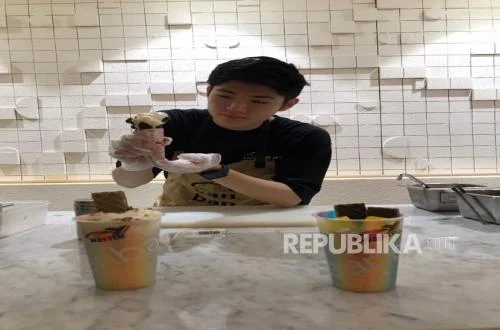
The Indonesian food and beverage landscape witnessed a significant intersection of legacy snacking and modern artisanal tea culture as Ban Ban Indonesia officially announced its latest collaboration with Tango Waffle. The partnership, unveiled during a press event in Jakarta on Friday, February 10, 2023, represents a strategic move to cater to an increasingly health-conscious consumer base while maintaining the indulgent appeal that both brands are known for. Wenny Tanubrata, the Chief Marketing Officer of Ban Ban Indonesia, emphasized that this collaboration is more than just a seasonal menu item; it is an extension of the brand’s core philosophy which prioritizes a healthy lifestyle through mindful ingredient selection. Since its inception, Ban Ban has positioned itself as a premium tea provider that favors natural sweeteners, primarily derived from fresh fruits, over synthetic syrups or excessive refined sugars.

In this latest venture with Tango Waffle—a flagship brand under the Orang Tua (OT) Group—the development team focused on minimizing added sugars by leveraging the inherent sweetness and texture of the Tango Waffle cookies themselves. The resulting product is a multifaceted beverage that integrates the crunch of the waffle with the creamy, smooth profile of Ban Ban’s signature tea and milk bases. This approach aligns with broader global trends where consumers are seeking "permissible indulgence," or treats that provide satisfaction without the guilt associated with high caloric or high sugar intake. By using the cookie as the primary flavor and sweetener agent, the collaboration showcases a technical innovation in beverage formulation that balances taste with nutritional mindfulness.

The Chronology and Context of the Collaboration

The collaboration was officially introduced to the public during a launch ceremony held in the heart of Jakarta. The event served as a platform for Ban Ban to reiterate its commitment to the "Healthy Lifestyle" movement that has been gaining momentum in Indonesia’s urban centers. According to Wenny Tanubrata, the journey toward this partnership began with a shared vision of creating a product that resonates with the founders’ personal preferences. She noted that the founders of Ban Ban are not proponents of overly sweet flavors, which has naturally dictated the brand’s research and development direction. This personal ethos has been translated into a business model that offers consumers flexibility, including the option to order beverages with zero added sugar—a rarity in the traditionally sugar-heavy bubble tea and specialty beverage industry.

The development phase of the Tango Waffle and Ban Ban menu involved rigorous testing to ensure that the texture of the waffle remained a highlight without becoming soggy or lost within the liquid components. The timeline of the product’s rollout suggests a strategic push during the first quarter of the year, a period often associated with "new beginnings" and health-related resolutions among consumers. By launching in February, the brands capitalized on the post-New Year health trend while also positioning the product as a premium treat for the Valentine’s season and beyond.

Product Composition and Nutritional Philosophy

The specific menu resulting from this collaboration is built upon a foundation of high-quality ingredients. The composition includes Tango Waffle pieces, fresh milk, and a specialized egg pudding, served over ice. For those seeking a richer experience, a layer of cream can be added as a topping. The standout feature, however, remains the sugar management. Wenny Tanubrata highlighted that the sweetness is predominantly sourced from the Tango Waffle itself. This "built-in" sweetness allows the beverage to maintain a consistent flavor profile even when customers opt for the "no added sugar" version of the drink.

The use of fresh milk and egg pudding adds a source of protein and calcium, distinguishing the drink from typical "empty calorie" sodas or fruit-flavored powders. Ban Ban’s insistence on using fruit-based sweeteners for its wider menu further supports the narrative of a brand that views tea as a functional beverage. In the context of the Tango Waffle collaboration, the goal was to prove that a popular, mass-market snack could be elevated into a sophisticated, healthier beverage format when paired with the right artisanal techniques.

Background on the Participating Brands

To understand the impact of this collaboration, it is essential to look at the history and market position of the two entities involved. Ban Ban Indonesia has carved out a niche in the competitive Indonesian F&B market as a "premium bubble tea" or "fruit tea" specialist. Unlike many of its competitors that rely on low-cost powders and high-fructose corn syrup, Ban Ban has built its reputation on fresh ingredients and aesthetic presentation. This focus on quality has allowed it to maintain a loyal following among middle-to-upper-class consumers who are willing to pay a premium for a perceived increase in health benefits and taste quality.

On the other hand, Tango Waffle is a product of the OT Group (Orang Tua), one of Indonesia’s most established consumer goods companies. Tango has been a household name in the biscuit and wafer category for decades. By collaborating with a modern, trendy brand like Ban Ban, Tango Waffle effectively bridges the gap between generations. It allows the legacy brand to stay relevant in the eyes of Gen Z and Millennial consumers who frequent high-end malls and artisanal cafes, while Ban Ban benefits from the massive brand recognition and nostalgic value associated with the Tango name.

Market Analysis: The Shift Toward Health-Conscious Consumption

The Ban Ban and Tango Waffle collaboration arrives at a time when the Indonesian government and health organizations are increasingly concerned about the rise of lifestyle-related diseases, such as diabetes and obesity. Recent data from the Indonesian Ministry of Health indicates a steady increase in the prevalence of diabetes among adults, much of which is attributed to high-sugar diets. This has led to discussions regarding the implementation of an excise tax on sweetened processed beverages (MBDK), similar to taxes seen in other Southeast Asian nations like Thailand and the Philippines.

In this regulatory and social climate, F&B brands that proactively reduce sugar content are not just acting ethically; they are future-proofing their business models. Ban Ban’s strategy of offering "sugar-free" options and relying on natural sweeteners places them ahead of the curve. Industry analysts suggest that the "healthy" segment of the specialty beverage market is expected to grow at a faster rate than the traditional segment over the next five years. Consumers are increasingly scrutinizing labels and asking for transparency regarding the ingredients in their favorite drinks.

The Role of Co-Branding in the Modern F&B Sector

This partnership is a classic example of successful co-branding, a marketing strategy where two brands collaborate to create a unique product that carries both their identities. The synergy between a "snack" and a "drink" is a proven formula for driving foot traffic. For Ban Ban, the inclusion of a crunchy element like Tango Waffle provides a "snackable" beverage experience, which increases the product’s value proposition. For Tango, it provides a new consumption occasion—instead of just being a snack in a box, the waffle becomes a gourmet ingredient in a premium beverage.

Market experts note that such collaborations often lead to a "halo effect," where the positive attributes of one brand are transferred to the other. Ban Ban’s "healthy and premium" image rubs off on Tango, while Tango’s "reliable and classic" image adds a layer of comfort and familiarity to Ban Ban’s innovative menu. This is particularly effective in the Indonesian market, where social media play a massive role in consumer choices. The visual appeal of a Tango Waffle sticking out of a beautifully layered Ban Ban tea is tailor-made for platforms like Instagram and TikTok, ensuring organic reach and high engagement.

Official Responses and Inferred Implications

While the launch focused on the product’s taste and health benefits, the underlying message from the corporate leadership was one of adaptation and consumer-centricity. Wenny Tanubrata’s statements reflect a deep understanding of the modern consumer’s psyche. "As founders, we also do not like things that are too sweet," she stated, emphasizing that the brand’s direction is an authentic reflection of its leadership’s values. This authenticity is a powerful tool in brand building, as it creates a sense of trust with the audience.

The broader implications for the F&B industry in Indonesia are significant. If a major collaboration between a legacy snack giant and a premium tea brand can successfully prioritize low-sugar formulations, it sets a precedent for other players in the market. It challenges the notion that "sweet" is the only way to achieve "delicious." Furthermore, it highlights the importance of ingredient synergy. Instead of adding sugar, brands are now looking at how different food components—like waffles, puddings, or fresh fruits—can provide a complex flavor profile that satisfies the palate without the need for additives.

Conclusion and Future Outlook

The collaboration between Tango Waffle and Ban Ban Indonesia is a landmark event in the evolution of the Indonesian beverage industry. By launching a product that celebrates a healthy lifestyle without sacrificing the joy of indulgence, the two brands have successfully navigated a complex consumer landscape. The move to minimize sugar and utilize the natural flavors of the ingredients marks a shift toward more responsible and sophisticated product development.

As the product becomes available across Ban Ban outlets, its performance will likely be a bellwether for future "healthy" collaborations in the region. With the Indonesian middle class continuing to expand and health literacy on the rise, the demand for such innovative, low-sugar options is only expected to grow. The success of this launch on February 10, 2023, underscores a pivotal moment where tradition meets modern wellness, proving that even the most classic snacks can find a new, healthier life in the hands of creative and health-conscious innovators. For Ban Ban and Tango, the future looks not just sweet, but naturally and mindfully so.

February 15, 2026 0 comment
0 FacebookTwitterPinterestEmail
Food & Culinary

Viral Footage of Russian Children Gathering Cemetery Food Sparks Debate Over Economic Crisis and Traditional Customs

by Raul Delapena Setiawan February 13, 2026
written by Raul Delapena Setiawan

A series of viral videos emerging from central Russia has ignited an intense international debate regarding the intersection of long-standing cultural traditions and the escalating economic hardships faced by the Russian populace. The footage, which has circulated widely on platforms such as TikTok and Telegram, depicts groups of children openly collecting food items—including traditional Easter eggs, sweets, and pastries—left at gravesides in local cemeteries. While the imagery has prompted immediate accusations of desperation and "sacrilege" from some observers, others contend that the practice is a deeply rooted, albeit misunderstood, component of Slavic commemorative rituals.

The controversy comes at a time when the Russian Federation is grappling with the profound socio-economic consequences of its protracted conflict with Ukraine. As the war enters its fifth year in 2026, the domestic landscape has been reshaped by unprecedented military losses, severe international sanctions, and a volatile commodities market that has pushed the cost of living to historic highs.

The Cultural Context: Easter Traditions and the Radonitsa

To understand the scenes depicted in the viral footage, one must look toward the liturgical calendar of the Russian Orthodox Church. The period following Easter, particularly the day known as Radonitsa (the Day of Rejoicing), is traditionally marked by families visiting the graves of deceased relatives. It is a common practice to bring "gifts" for the departed, which often include painted eggs (pysanky), kulich (Easter bread), and various candies.

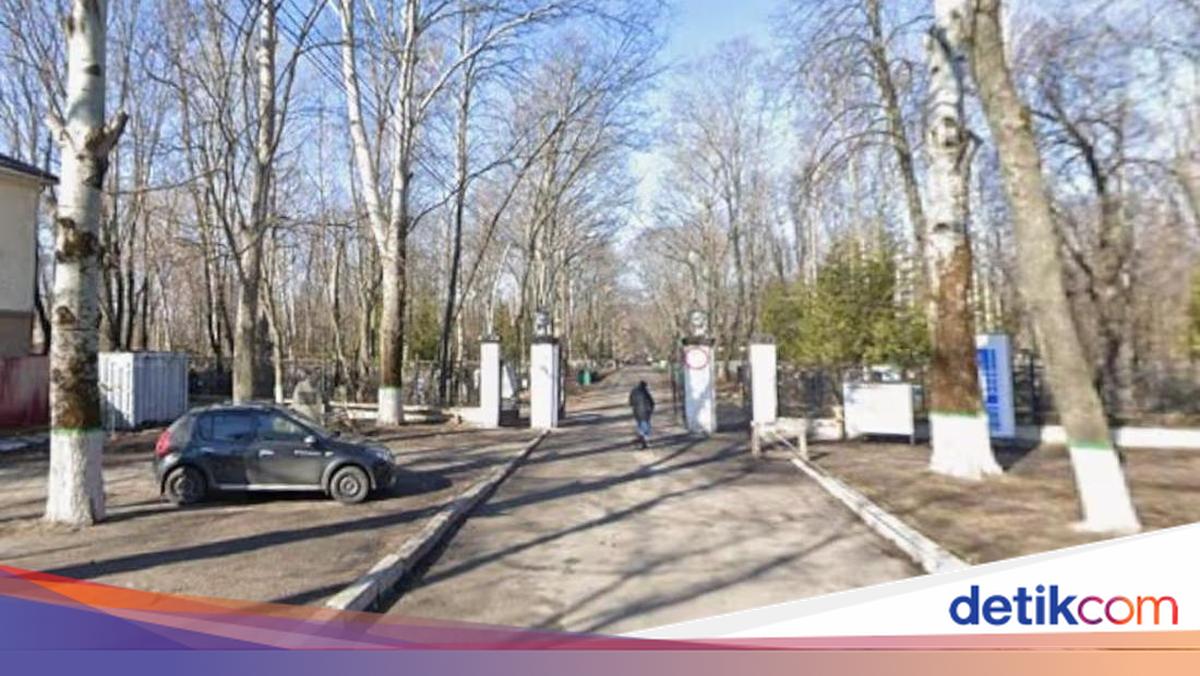
According to ethnographic experts, these offerings are not intended to rot. Historically, the tradition implies that the food should be consumed by the poor, travelers, or children, who in turn offer a prayer for the soul of the deceased. In many rural and provincial regions of Russia, such as Rostov and Voronezh, it has been a generational norm for children to roam cemeteries during these holidays to collect the treats.

A mother who uploaded one of the controversial videos defended the actions of the children, stating that her own son was participating in a harmless local custom. "I was simply sharing our tradition," she explained in a follow-up post. "It is a custom here. I did not expect such a negative reaction or that it would make people feel uncomfortable. In our region, this is how we remember the dead—by sharing with the living."

Economic Realities and the "Hunger" Narrative

Despite the traditional explanations, the optics of children scavenging for food in cemeteries have been viewed through a different lens by critics and international analysts. The suggestion that these children are motivated by genuine hunger rather than festive tradition is bolstered by recent economic data emerging from the region.

Bocah-bocah di Rusia Nekat Ambil Makanan di Pemakaman, Kelaparan?

The Russian-Ukrainian conflict has exacted a heavy toll on the domestic supply chain. By early 2026, reports indicate that the price of basic staples has reached a breaking point for many households. In several administrative districts, the price of poultry and potatoes—the bedrock of the Russian diet—has reportedly surged by as much as 92% over a twelve-month period. Furthermore, the rationing of eggs, a primary symbol of the Easter holiday, has become a reality in various provinces, with supermarkets limiting the number of units per customer to prevent hoarding and manage dwindling supplies.

The sheer scale of human loss has also altered the physical and emotional landscape of Russian cemeteries. With military casualties estimated to have reached 1.3 million, thousands of "new" graves have appeared across the country. The influx of grieving families visiting these sites has inadvertently increased the volume of food offerings left behind, making the "harvesting" of these items by local youth more visible and frequent than in previous decades.

Public Reaction: Sacrilege or Survival?

The digital response to the footage has revealed a sharp divide in Russian society. On one side, commenters from metropolitan areas and more westernized social circles expressed horror at the scenes. "This is not a tradition; it is a desecration of the dead," wrote one user. "Are people so hungry that they must rob the graves? It is eerie and shameful to take things from a cemetery and bring them into your home."

Conversely, many residents of provincial Russia viewed the outrage as a sign of a growing disconnect between urban elites and the traditional heartland. A commenter from the Voronezh region noted, "Our grandmothers did this, our parents did this, we did this, and now our children do it. The adults put the candy there specifically knowing the children will come. It is an act of charity, not a crime."

Another witness from the Rostov region corroborated this sentiment, adding that while the volume of children in the videos might seem high, the practice itself is ancient. "We always went in groups as children. We ate our fill of sweets and remembered the names on the headstones. No one ever thought it was a bad thing until it was put on the internet."

A Chronology of Economic Decline (2022–2026)

To contextualize why these images have sparked such intense speculation regarding a famine-like state, it is necessary to examine the timeline of Russia’s economic trajectory since the escalation of the war:

  1. 2022–2023: Initial sanctions lead to a volatile ruble. While the government manages to stabilize the currency, the cost of imported agricultural machinery and fertilizers begins to rise, planting the seeds for future food inflation.
  2. 2024: Labor shortages become acute as a significant portion of the male workforce is diverted to the front lines or flees the country. Agricultural output begins to stagnate.
  3. 2025: The "Egg Crisis" hits its peak. Supply chain disruptions and avian flu outbreaks, combined with a lack of imported veterinary medicines, lead to a 50% spike in egg prices, prompting the first wave of rationing.
  4. Early 2026: Inflation for essential vegetables (the "borscht set") hits record highs. The government implements price caps on bread and milk in certain regions to prevent social unrest.

This timeline suggests that while the act of taking food from graves may be traditional, the necessity behind it may have shifted. For a family struggling with 92% inflation on potatoes, the "tradition" of children bringing home bags of cemetery sweets and eggs may now serve a functional role in the household’s caloric intake.

Bocah-bocah di Rusia Nekat Ambil Makanan di Pemakaman, Kelaparan?

Sociological and Political Implications

Sociologists suggest that the viral nature of these videos reflects a deeper anxiety within the Russian psyche. The cemetery has become a focal point of national life, not just as a place of mourning for the massive military losses, but as a space where the state’s economic failures meet the people’s cultural resilience.

From a political standpoint, the Kremlin has remained largely silent on the specific "cemetery food" videos, preferring to focus on narratives of national unity and the preservation of "traditional values." However, the backlash from critics who label the act as "sacrilege" poses a challenge to this narrative. If the state promotes the Orthodox Church and traditional customs as the bedrock of society, it must also reconcile the more "pagan" or folk-religious aspects of those traditions—such as grave-sharing—which may look unseemly to a modern, globalized audience.

Furthermore, the debate highlights the "normalization of the abnormal." In a society where 1.3 million soldiers have been lost, the presence of children in sprawling, high-density military cemeteries becomes a common sight. The act of gathering food in these spaces is no longer a quiet, rural eccentricity but a public manifestation of a society living in the shadow of perpetual conflict.

Conclusion

The images of Russian children gathering food from the graves of the fallen serve as a complex symbol of the current era. To the local practitioner, it is a gesture of continuity—a way to link the living with the dead through the shared consumption of sanctified food. To the economist, it is a symptom of a strained supply chain and a population forced to find calories wherever they are available. To the critic, it is a sign of moral and social decay.

As the 2026 Easter season concludes, the debate remains unresolved. However, the data remains clear: with staple food prices nearly doubling and a demographic crisis looming, the boundaries between cultural ritual and economic survival will likely continue to blur. Whether driven by faith or by the hollow ache of an empty pantry, the children in the cemeteries of central Russia remain a poignant reminder of the enduring human cost of war and the resilience of the customs that rise to meet it.

February 13, 2026 0 comment
0 FacebookTwitterPinterestEmail
Health & Wellness

Ditanya Petral, Begini Reaksi Rizal Ramli : Okezone Economy

by Layla Zulfa February 12, 2026
written by Layla Zulfa

The Coordinating Minister for Maritime Affairs and Resources, Rizal Ramli, maintained a notable silence on Monday, November 9, 2015, regarding the recent developments surrounding the dissolution of Pertamina Energy Trading Limited (Petral). Despite persistent inquiries from the media following a high-level meeting at his office in Jakarta, the minister opted not to provide a formal statement concerning the forensic audit findings that have sent shockwaves through Indonesia’s energy industry. The audit, conducted by an independent firm, recently uncovered significant evidence of third-party interference in the procurement of crude oil and fuel products, highlighting long-standing systemic issues within the nation’s energy supply chain.

The scene at the Coordinating Ministry for Maritime Affairs and Resources was one of strategic avoidance. After presiding over a session focused on the diversification and decentralization of national energy, Rizal Ramli was seen exiting the premises while being swarmed by journalists. When asked for his reaction to the Ministry of Energy and Mineral Resources’ (ESDM) report on Petral’s irregular activities, Ramli merely smiled and raised both hands, signaling a refusal to engage. Staff members accompanying the minister clarified that his haste was due to a scheduled state function at the Presidential Palace, where President Joko Widodo was set to receive the President of the Italian Republic, Sergio Mattarella, for an official welcoming ceremony.

While Ramli’s silence was interpreted by some as a tactical retreat from a politically sensitive topic, the context of the Petral dissolution remains one of the most significant reform initiatives under the administration of President Joko Widodo. Petral, a Singapore-based subsidiary of the state-owned oil giant Pertamina, had long been the subject of public scrutiny and allegations of being a playground for the so-called "oil mafia." The decision to dissolve the entity was a cornerstone of the government’s pledge to increase transparency, reduce the cost of fuel imports, and eliminate middleman markups that had reportedly cost the Indonesian state billions of dollars over several decades.

The Context of the Petral Scandal and the KordaMentha Audit

The controversy surrounding Petral reached a fever pitch in late 2015 when the Ministry of Energy and Mineral Resources, led by Sudirman Said, revealed the results of a forensic audit performed by the international firm KordaMentha. The audit covered the period between 2012 and 2015, focusing on the operations of Petral and its subsidiaries, including Pertamina Energy Service Pte Ltd (PES). The findings were damning, suggesting that a "third party" outside of the formal corporate structure had exerted undue influence over the procurement process.

According to the audit summary, this third party—often referred to in the Indonesian press as the "oil mafia"—was able to manipulate the bidding process for oil imports. By leaking confidential information regarding tender requirements and pricing benchmarks, these external actors ensured that specific trading companies won contracts, often at prices higher than the prevailing market rates. The result was a bloated procurement cost for Pertamina, which ultimately translated into a heavier fiscal burden for the Indonesian government in the form of energy subsidies.

The audit estimated that these irregularities led to a lack of competitive pricing, costing the state millions of dollars in potential savings. The transition from Petral to the Integrated Supply Chain (ISC), an internal division of Pertamina based in Jakarta, was designed to centralize procurement and eliminate the opaque layers of offshore trading that Petral represented.

Chronology of the Dissolution Process

The path to Petral’s end began shortly after President Joko Widodo took office in October 2014. Under the directive of the President, a specialized Task Force for the Reform of the Oil and Gas Governance (Tim Reformasi Tata Kelola Migas), headed by economist Faisal Basri, was established.

In December 2014, the task force officially recommended the dissolution of Petral, arguing that its existence as a middleman in Singapore was no longer justifiable and served only to facilitate rent-seeking behavior. By May 2015, the government and Pertamina management formally announced the start of the liquidation process. The timeline of the dissolution was structured to ensure that ongoing supply contracts were not disrupted, while simultaneously allowing for a deep dive into the company’s financial history.

Between June and October 2015, KordaMentha conducted its forensic investigation. The results were presented to the government in early November 2015. It was against this backdrop of newly released, incriminating data that Rizal Ramli was questioned. His reluctance to comment was particularly striking given his reputation as a "straight-talker" who had previously been vocal about the need to dismantle monopolies and vested interests within the Indonesian economy.

Supporting Data: The Scale of Petral’s Operations

To understand the gravity of the audit, one must look at the sheer scale of Petral’s financial footprint. At its peak, Petral was responsible for procuring approximately 80% of Indonesia’s oil and fuel requirements. With Indonesia being a net importer of oil, the transaction volumes were astronomical.

  1. Annual Turnover: Petral reportedly managed an annual turnover exceeding $30 billion, making it one of the largest trading entities in Southeast Asia.
  2. Procurement Volume: The company handled the import of roughly 250 million to 300 million barrels of oil and refined products per year.
  3. Potential Savings: Following the shift to the Integrated Supply Chain (ISC), Pertamina officials claimed that the company saved approximately $250 million within the first six months of direct procurement. This was achieved by eliminating the "risk premium" and middleman fees that had characterized Petral’s operations.

The KordaMentha audit specifically highlighted that the "third party" had successfully interfered in at least 20% of the contracts reviewed, suggesting that the systemic leakages were not isolated incidents but part of a coordinated effort to siphon funds from the state-owned enterprise.

Official Reactions and Political Dynamics

The silence of Rizal Ramli on November 9 stood in contrast to the more aggressive stance taken by Energy Minister Sudirman Said. Said had been the primary advocate for the audit’s public disclosure, arguing that the people of Indonesia had a right to know how their energy resources were being managed. The tension between the two ministers was a recurring theme in the 2015 cabinet, as they often held differing views on the speed and method of economic reforms.

While Ramli’s portfolio as Coordinating Minister for Maritime Affairs and Resources theoretically placed him in a position of authority over the energy sector, the Petral issue was a lightning rod for political friction. Analysts suggest that Ramli’s decision to avoid the topic may have been an attempt to avoid further internal cabinet conflict or a move to wait for a more comprehensive legal review before making a public pronouncement.

Pertamina’s leadership, meanwhile, focused on the operational transition. Then-President Director of Pertamina, Dwi Soetjipto, emphasized that the dissolution of Petral was not just about closing an office in Singapore, but about changing the corporate culture of Indonesia’s energy procurement. "We are moving toward a more transparent, direct, and accountable system," Soetjipto stated during the audit rollout.

Implications for Indonesia’s Energy Security

The dissolution of Petral and the subsequent audit findings have had far-reaching implications for Indonesia’s energy landscape. First and foremost, it signaled a shift in the government’s tolerance for corruption in strategic sectors. By exposing the mechanisms of the "oil mafia," the administration sought to deter future interference in state procurement.

Secondly, the move had significant economic consequences. The ability of Pertamina to buy directly from National Oil Companies (NOCs) and major producers, rather than through trading intermediaries, improved the company’s cash flow and reduced the national current account deficit. This was a critical component of the government’s broader strategy to stabilize the Indonesian Rupiah, which had faced volatility during that period.

Furthermore, the Petral case served as a litmus test for the rule of law in Indonesia. The audit results were eventually handed over to law enforcement agencies, including the Corruption Eradication Commission (KPK). The investigation into the findings of the KordaMentha audit opened the door for legal proceedings against individuals suspected of benefitting from the fraudulent procurement schemes.

Conclusion: A Turning Point in Governance

The events of November 9, 2015, characterized by Rizal Ramli’s quiet exit from the media spotlight, serve as a snapshot of a pivotal moment in Indonesian history. The Petral scandal was more than a financial dispute; it was a battle for the soul of the nation’s energy sector. The audit proved that the suspicions of the public and the reform task force were well-founded, revealing a complex web of influence that had compromised national interests for years.

While the Coordinating Minister chose to remain silent on that specific afternoon, the momentum for reform continued to build. The dissolution of Petral marked the end of an era of opacity and the beginning of a more rigorous, data-driven approach to energy management. As Indonesia continues to navigate the challenges of energy transition and security, the lessons learned from the Petral audit remain a vital reference point for the necessity of transparency and the constant vigilance required to protect state resources from external manipulation.

The silence of a minister, in this case, did not stall the wheels of justice or reform. Instead, it underscored the high stakes involved when the government finally decides to confront the entrenched interests that have long hindered the nation’s economic potential. The Petral audit remains a landmark case in the ongoing effort to clean up Indonesia’s state-owned enterprises and ensure that the country’s wealth is used for the benefit of all its citizens.

February 12, 2026 0 comment
0 FacebookTwitterPinterestEmail
Lifestyle & Fashion

Five Personality Traits of Individuals Who Are Most Productive at Night

by Iffa Jayyana February 10, 2026
written by Iffa Jayyana

The human experience is governed by internal biological clocks known as circadian rhythms, which dictate periods of alertness, hunger, and sleepiness. While traditional societal structures have long prioritized the "morning lark"—individuals who reach their peak performance in the early hours of the day—a significant portion of the population identifies as "night owls." These individuals, classified under the eveningness chronotype, often find that their cognitive faculties, creativity, and drive only truly awaken as the sun sets. Recent research from institutions such as Imperial College London and various psychological studies have begun to shed light on the specific personality traits and cognitive profiles associated with those who thrive in the nocturnal hours. Understanding these traits is essential in a modern world that is increasingly moving toward flexible work schedules and 24-hour global connectivity.

The distinction between morning and evening types is not merely a matter of habit or preference but is rooted in complex biological and psychological frameworks. According to data from Imperial College London, these chronotypes are deeply intertwined with mental sharpness and cognitive longevity. For the "owl person," the night is not a time for rest but a period of heightened executive function and imaginative expansion. This article explores the five primary personality traits and psychological markers that define the late-night achiever, supported by scientific research and evolutionary context.

1. A Peak in Creativity and Neural Stimulation

One of the most defining characteristics of night owls is the timing of their creative peak. While the general population often experiences a mid-afternoon slump, individuals who are productive at night tend to hit their stride around 9:00 PM. Research cited by Peninsula Doctor indicates that this is not a coincidence of environment but a result of physiological timing. At approximately this hour, the central nervous system and the stimulation of the spinal cord reach a crescendo of activity for evening chronotypes.

Ciri Kepribadian Orang yang Baru Bisa Produktif di Malam Hari

This surge in neural activity facilitates a state of "flow," where the brain becomes more adept at making non-linear connections. Psychologists suggest that the exhaustion of the "analytical" brain—which is often tired by the end of a standard day—allows the "creative" brain to take over. With the prefrontal cortex’s inhibitory control slightly relaxed, night owls are often more capable of divergent thinking and imaginative problem-solving. This makes the late hours an ideal time for writers, artists, and innovators to produce their most original work, free from the rigid cognitive structures that dominate the morning hours.

2. Advanced Conflict Resolution and Inductive Reasoning

Contrary to the stereotype of the "scattered" night owl, research suggests that those who function best at night often possess superior conflict-resolution skills. This trait is linked to a high capacity for inductive reasoning—the ability to take specific observations and synthesize them into broad, logical generalizations.

The ability to remain calm and analytical during the late hours allows these individuals to approach problems with a unique perspective. Because they are often awake when the rest of the world is quiet, they develop a self-reliant form of decision-making. Studies indicate that evening types are frequently more "mentally tough" and capable of making wise decisions under pressure. This proficiency in reasoning helps them navigate long-term conflicts and complex social dynamics more effectively than their early-rising counterparts, who may rely more on established rules and deductive logic.

3. Higher Cognitive Function and Intelligence

The relationship between "night owl" behavior and intelligence has been a subject of intense academic scrutiny. A study published in the BMJ Public Health Journal suggests that individuals who naturally stay up late tend to demonstrate higher IQ scores and superior cognitive function compared to morning people. This finding aligns with the "Savannah-IQ Interaction Hypothesis" proposed by evolutionary psychologists, which suggests that more intelligent individuals are more likely to adopt "evolutionarily novel" behaviors—such as staying awake after dark, a feat that was difficult for our ancestors before the invention of artificial light.

Ciri Kepribadian Orang yang Baru Bisa Produktif di Malam Hari

The cognitive benefits for night owls include better memory retention, faster processing speeds, and a higher level of "mental alertness" that lasts longer into the day. While morning people often start strong and fade by the evening, night owls experience a "second wind" that can sustain high-level mental performance for extended periods. However, researchers emphasize that these cognitive advantages are best maintained when the individual still manages to secure adequate sleep, as chronic sleep deprivation can negate the natural intellectual edge of the evening chronotype.

4. Tendencies Toward Procrastination and Impulsivity

Despite the cognitive and creative advantages, being a night owl is often associated with certain behavioral challenges, specifically procrastination and impulsivity. A study published in the journal Psychological Science highlights that individuals who are active at night are more likely to exhibit "Revenge Bedtime Procrastination." This is a phenomenon where individuals stay up late to regain a sense of freedom and agency that they feel they lost during a structured, demanding workday.

This trait is linked to higher levels of impulsivity. Night owls are often more driven by immediate rewards and the pursuit of novelty rather than disciplined adherence to a schedule. Because they frequently find themselves at odds with the "9-to-5" societal norm, they may develop a habit of delaying tasks until the pressure of a deadline triggers their nocturnal productivity. While this can lead to high-intensity work sessions, it also places these individuals at a higher risk for stress and burnout if their habits are not managed with self-awareness.

5. The Introverted Need for Solitude

There is a significant correlation between nocturnal productivity and introversion. For many night owls, the preference for the night is driven by a need for "social recharging." After a day spent navigating the sensory overload of social interactions, the quietude of the night provides a necessary sanctuary.

Ciri Kepribadian Orang yang Baru Bisa Produktif di Malam Hari

Introverts often find that the absence of external interruptions—such as emails, phone calls, or the general bustle of a household—allows them to focus deeply on their tasks. Interestingly, research suggests that the social environments of introverted night owls do not negatively impact their sleep quality as much as they do for extroverts. While an extrovert might stay up late to socialize (and thus lose sleep), the introverted night owl stays up to work or reflect, often finding a sense of peace in the stillness that morning people rarely experience.

Evolutionary Context: The Sentinel Hypothesis

To understand why a portion of the population is wired to be productive at night, researchers point to the "Sentinel Hypothesis." In early human history, it was a survival advantage for a tribe to have members with different sleep-wake cycles. While the majority of the group slept, the "night owls" served as sentinels, guarding the tribe against predators or rival groups.

This evolutionary legacy means that the "owl person" is not a modern anomaly but a biological necessity. Their heightened alertness at night and their ability to remain vigilant while others rest are traits that were once vital for the survival of the species. In the modern era, this translates into a workforce that can monitor global markets, manage emergency services, and drive innovation during the hours when the traditional world is dormant.

Health Implications and the Concept of "Social Jetlag"

While the personality traits of night owls are often impressive, the mismatch between their internal clocks and societal expectations can lead to a condition known as "social jetlag." This occurs when an individual’s biological clock is out of sync with their work or social schedule.

Ciri Kepribadian Orang yang Baru Bisa Produktif di Malam Hari

Data suggests that night owls who are forced to wake up early for traditional jobs often suffer from chronic sleep debt, which can lead to metabolic issues, cardiovascular strain, and mental health challenges such as depression or anxiety. However, when night owls are allowed to work in alignment with their natural chronotype, many of these health risks are mitigated. The rise of remote work and asynchronous communication has provided a significant boost to the well-being of evening types, allowing them to leverage their peak productivity hours without the physical toll of an early commute.

The Future of Chronotype Diversity in the Workplace

As our understanding of chronotypes grows, there is an increasing call for "chronotype diversity" in professional environments. Recognizing that 9:00 PM is a peak time for creativity and problem-solving for a large segment of the population could revolutionize how companies approach project management and team collaboration.

By allowing night owls to start their days later and work into the evening, organizations can tap into a reservoir of high-IQ, creative, and resilient talent that is often overlooked or undervalued in a morning-centric culture. The traits of the night owl—intelligence, creativity, and the ability to resolve complex conflicts—are essential components of a modern, innovative economy. Whether one is a morning lark or a night owl, the key to success lies in understanding one’s own biological rhythm and creating a lifestyle that honors that internal clock. Recognition of these five personality traits is the first step toward a more inclusive and productive society for all chronotypes.

February 10, 2026 0 comment
0 FacebookTwitterPinterestEmail
Lifestyle & Fashion

Golden Goose Brings the Art of Perfect Imperfection to Jakarta with the Opening of Fioreria Golden at Plaza Senayan

by Siti Muinah February 9, 2026
written by Siti Muinah

The landscape of luxury retail in Indonesia has undergone a significant transformation with the official arrival of Golden Goose’s latest flagship concept at Plaza Senayan, Jakarta. Known globally for its defiant stance against the traditional tropes of "pristine" luxury, the Italian brand has introduced its "Fioreria Golden" theme to the Indonesian market, marking a pivotal moment in its Southeast Asian expansion. This new space is not merely a retail outlet but a sophisticated workshop that celebrates the philosophy of "Perfect Imperfection," offering a curated environment where high fashion meets industrial craftsmanship and personalized storytelling.

The Philosophy of Lived-In Luxury

Golden Goose has long occupied a unique niche in the global fashion industry. Founded in 2000 in Venice, Italy, the brand was built on the idea that shoes and clothing should reflect the journey of the wearer. Unlike traditional luxury houses that emphasize a "brand new" aesthetic, Golden Goose sneakers are famously distressed by hand, featuring scuffs, marks, and a weathered appearance that suggests a life well-lived.

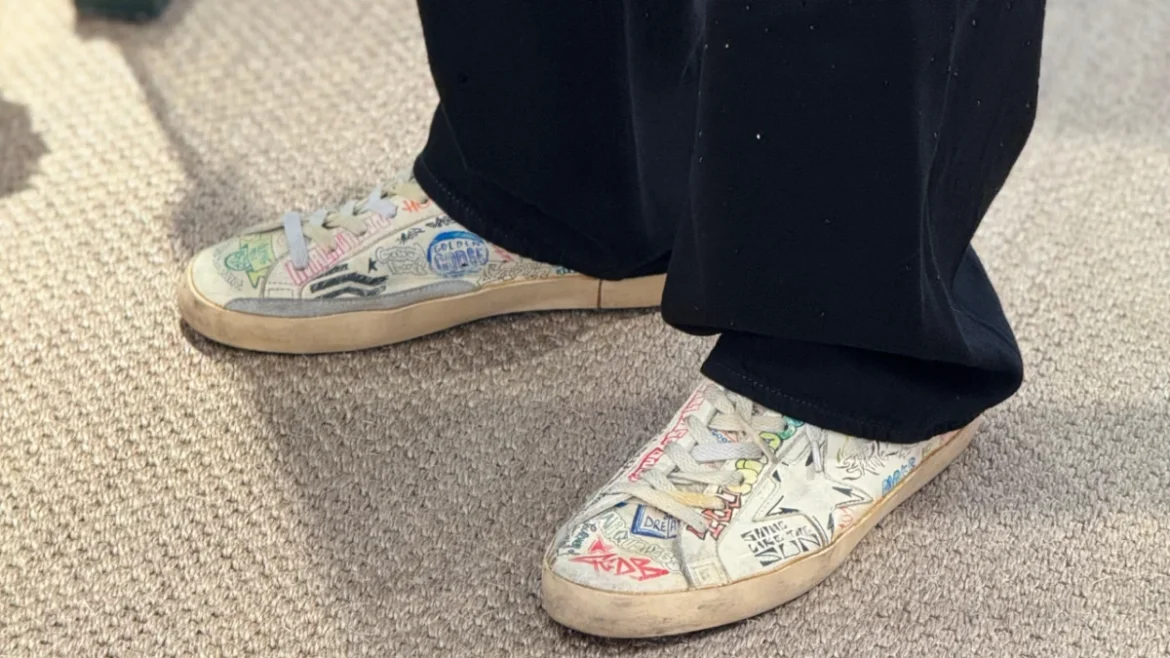
Setiap Gurat Bercerita, Jagat Golden Goose di Jakarta

This aesthetic, often misunderstood by those outside the fashion vanguard, serves as an antithesis to the sterile perfection of modern mass production. The philosophy is simple: a pair of shoes should not be guarded or kept in a box; they should be worn, lived in, and allowed to accumulate the scars of travel and experience. At the Plaza Senayan location, this narrative is brought to life through a retail experience that invites customers to become part of the design process, ensuring that no two items leaving the store are ever identical.

Fioreria Golden: A Fusion of Industrial and Vintage Aesthetics

The Jakarta flagship operates under the "Fioreria Golden" concept, which translates from Italian to "Golden Flower Shop." The interior design of the store is a masterclass in textural contrast, blending the warmth of vintage elements with the starkness of industrial architecture. Upon entering, visitors are greeted by a meticulously curated space featuring antique wood furniture, shimmering steel fixtures, and raw, exposed concrete walls.

This juxtaposition of materials is intentional. It mirrors the brand’s core identity—the intersection of traditional Italian craftsmanship and modern streetwear culture. The "flower shop" theme adds a layer of organic intimacy to the space, softening the industrial edges with floral arrangements and a sense of artisanal vibrancy. The layout is designed to be immersive, encouraging patrons to explore the collections at a leisurely pace rather than engaging in a purely transactional shopping experience.

Setiap Gurat Bercerita, Jagat Golden Goose di Jakarta

The Co-Creation Experience and the Role of "Dream Makers"

At the heart of the Plaza Senayan store is the Co-Creation experience, a signature service that distinguishes Golden Goose from its competitors. This initiative allows customers to collaborate directly with "Dream Makers"—the brand’s highly skilled artisans who are trained to translate personal stories into physical designs.

During a Co-Creation session, customers can personalize their sneakers, ready-to-wear pieces, or accessories using a variety of techniques. These include:

  • Hand-drawn Illustrations: Artisans can add bespoke sketches or calligraphy directly onto the leather or fabric.
  • Embellishments: The addition of crystals, studs, and specialized patches.
  • Material Swaps: Changing laces for silk ribbons or adding intricate lace overlays.
  • Distressing: Fine-tuning the level of "wear" on the product to match the customer’s preference.

In a special nod to the host nation, the Jakarta opening featured a Co-Creation theme centered on Batik. By integrating traditional Indonesian patterns into their iconic Italian sneakers, Golden Goose demonstrated a commitment to cultural localization, blending global luxury with local heritage. This move has been widely lauded by industry analysts as a strategic way to resonate with the sophisticated Indonesian consumer base, which values both international prestige and local identity.

Setiap Gurat Bercerita, Jagat Golden Goose di Jakarta

Culinary and Lifestyle Integration: The Con Amore Cart

The retail experience at Golden Goose Jakarta extends beyond the racks of clothing. The inclusion of the "Con Amore Cart" (With Love Cart) introduces a lifestyle element that draws inspiration from the street-side flower shops and espresso bars of Italy. The cart serves premium coffee and light snacks, accompanied by fresh flowers, creating an atmosphere that feels more like a community hub than a high-end boutique.

This strategy aligns with the broader global trend of "retailtainment," where brands provide value-added experiences to drive foot traffic and brand loyalty in an increasingly digital world. By offering a space where customers can enjoy a coffee while their shoes are being customized, Golden Goose fosters a deeper emotional connection with its clientele.

Market Context: Indonesia’s Growing Appetite for Niche Luxury

The decision to open a flagship at Plaza Senayan is backed by strong economic indicators regarding Indonesia’s luxury market. According to recent market reports, the Indonesian luxury goods sector is projected to grow significantly over the next five years, driven by a rising middle class and an affluent younger demographic that favors "quiet luxury" and "authentic storytelling" over overt branding.

Setiap Gurat Bercerita, Jagat Golden Goose di Jakarta

Jakarta, as the nation’s economic heart, has seen a surge in international brands seeking to establish a direct presence rather than relying solely on multi-brand distributors. Golden Goose’s entry into Plaza Senayan—a mall known for its established high-end clientele—places it alongside other global giants, yet its unique "distressed" aesthetic offers a refreshing alternative to the traditional polished look of its neighbors.

Chronology of Golden Goose’s Expansion

The opening in Jakarta is part of a broader strategic roadmap for Golden Goose in the Asia-Pacific region.

  1. 2000-2010: The brand gains a cult following in Europe and the US for its Superstar and Francy sneaker models.
  2. 2015: Golden Goose begins aggressive expansion into Asian markets, starting with key hubs like Tokyo, Seoul, and Shanghai.
  3. 2020-2022: Despite global retail challenges, the brand sees a surge in demand for its "Forward Store" concept, which emphasizes repair and longevity.
  4. 2024: The brand focuses on Southeast Asia, identifying Indonesia as a high-growth market with a sophisticated consumer base ready for the Co-Creation concept.

Professional Analysis: The Shift Toward Experiential Retail

Industry experts suggest that Golden Goose’s success in Jakarta will likely depend on its ability to maintain the "human touch" in its service. "The modern luxury consumer in Indonesia is no longer satisfied with just buying a product; they want to buy a memory," says one retail consultant. "The Co-Creation model is perfect for this market because it turns the act of shopping into an act of artistic expression."

Setiap Gurat Bercerita, Jagat Golden Goose di Jakarta

Furthermore, the brand’s focus on "Perfect Imperfection" taps into a growing global consciousness regarding sustainability and the value of things that last. By celebrating scuffs and wear, Golden Goose implicitly encourages customers to keep their items longer, contrasting with the "disposable" nature of fast fashion. This aligns with the brand’s broader ESG (Environmental, Social, and Governance) goals, which include their "Forward Store" initiatives in other global cities aimed at repairing and recycling old footwear.

Product Range and Exclusivity

The Plaza Senayan store carries a comprehensive range of products, ensuring it caters to both long-time collectors and new enthusiasts. The inventory includes:

  • Iconic Sneakers: The Superstar, Ball Star, and Mid Star models, including limited-edition colorways exclusive to the Jakarta market.
  • Ready-to-Wear (RTW): A collection for both men and women that features leather jackets, distressed denim, and high-quality basics that mirror the sneakers’ aesthetic.
  • Accessories: Leather bags, belts, and jewelry designed to complement the lived-in look.

Each purchase at the Jakarta store is packaged with a personal touch, reinforcing the idea that the item is a gift to oneself or a meaningful gesture for another.

Setiap Gurat Bercerita, Jagat Golden Goose di Jakarta

Conclusion: A New Chapter for Jakarta’s Fashion Scene

The arrival of Golden Goose at Plaza Senayan represents more than just the opening of another luxury store. It is a signal that Jakarta’s fashion consumers are ready for a more nuanced, personal, and honest form of luxury. By inviting the public to embrace the beauty of flaws and the richness of personal history, Golden Goose is not just selling sneakers; it is selling a philosophy of life.

As the brand settles into its new home, it stands as a reminder that in a world obsessed with filters and digital perfection, there is profound value in the raw, the real, and the "Perfectly Imperfect." For the Jakarta fashion enthusiast, the journey does not end with the purchase—it begins the moment they step out of the store and start making their own marks on the world.

February 9, 2026 0 comment
0 FacebookTwitterPinterestEmail
Lifestyle & Fashion

Rihanna Elevates Contemporary Street Style with a Strategic Bandana Accessory in New York City

by Nana February 8, 2026
written by Nana

The intersection of high fashion and utilitarian street style was redefined this past weekend as Rihanna, the globally recognized musician and business mogul, appeared on the streets of New York City showcasing a masterclass in accessory-led wardrobing. While the "Diamonds" singer has long been regarded as a primary architect of modern fashion trends, her latest ensemble highlighted a specific shift toward the revitalization of the classic bandana—a "cousin" to the silk scarf trend that has dominated celebrity wardrobes throughout the current season. This appearance underscores a broader movement within the luxury fashion industry where historical accessories are being repurposed to add layers of texture and cultural narrative to otherwise minimalist silhouettes.

The Anatomy of the Ensemble

Upon her arrival in Manhattan on Sunday, Rihanna presented a look that balanced comfort with high-concept luxury. The foundation of her outfit consisted of a monochromatic grey set, featuring a structured vest paired with matching sweatpants. This choice of "elevated loungewear" served as a neutral canvas for more aggressive styling choices. Over this base, she layered a heavy camel-colored overcoat, notable for its substantial grey fur trim, which provided a textural contrast to the soft cotton of the sweatpants.

Footwear played a critical role in the ensemble’s complexity. Rihanna opted for sneakers featuring a subtle snakeskin pattern, bridging the gap between athletic wear and exotic luxury. However, it was the accessories that drew the most significant attention from fashion analysts. Rihanna carried a Dior tote bag—specifically the "Dracula" book tote from the collection designed by Jonathan Anderson for the house. In a move that demonstrated her penchant for high-low styling, she attached a New York Yankees baseball cap to the handle of the five-figure handbag, effectively grounding the luxury item in local sports culture.

Despite these high-profile elements, the defining feature of the look was a navy blue paisley bandana tied around her head. This specific choice of headwear acted as a visual anchor, providing a nostalgic 1990s aesthetic that transformed the outfit from a standard "celebrity in transit" look into a curated fashion statement.

The Evolution of the Scarf and Bandana Trend

Rihanna’s adoption of the bandana is not an isolated event but rather the latest iteration of a growing obsession with silk and cotton wraps among the fashion elite. In recent months, the industry has observed a diverse range of applications for the traditional scarf. Jennifer Lawrence has been seen utilizing silk scarves as improvised belts or waist-wraps resembling a sarong, while Rosé of Blackpink has popularized the "bag-scarf" by knotting them around the handles of her accessories. Similarly, Charli XCX has experimented with the accessory by draping it over her shoulders in a cape-like fashion.

Rihanna, however, has a storied history with the foulard. She has previously pioneered its use as a makeshift tube top, a wrap-around skirt, and a traditional head covering. By shifting from the high-shine finish of a silk scarf to the matte, rugged texture of a cotton bandana, she has signaled a move toward a more "street-ready" and accessible form of the trend. Analysts suggest this transition reflects a desire for "approachable luxury," where items with low price points (like a standard bandana) are integrated into wardrobes featuring items from Dior and Loewe.

Historical Context and Cultural Significance

The bandana holds a unique place in the history of American fashion. Originally derived from the Sanskrit word ‘badhnati’ (to tie), the accessory traveled through colonial trade routes before becoming a staple of the American working class, cowboys, and later, the 1970s and 80s subcultures. In the 1990s, the bandana became synonymous with hip-hop culture, utilized by icons to signify regional pride and stylistic defiance.

Rihanna’s reintroduction of the paisley bandana into a 2024 high-fashion context serves as a bridge between these historical eras. By pairing it with a camel coat and a Dior tote, she strips the accessory of its purely utilitarian or subcultural connotations and repositions it as a versatile tool for "quiet luxury" enthusiasts. This "90s-meets-modernity" vibe allows the wearer to transition seamlessly from the urban environment of the "Big Apple" to the refined settings of the Italian coast, proving the accessory’s geographic and social fluidity.

The "Rihanna Effect" and Market Implications

The business of Rihanna’s fashion choices is well-documented. Often referred to as the "Rihanna Effect," her public appearances frequently lead to immediate spikes in search volume for the brands and styles she wears. Following her appearance in New York, market data suggests a renewed interest in classic paisley patterns and oversized outerwear.

Rihanna Gunakan Bandana sebagai Sentuhan Akhir yang Menyempurnakan Seluruh Penampilan

Furthermore, her choice of the Dior "Dracula" tote highlights the continued success of Jonathan Anderson’s creative direction, which often blends literary references with commercial appeal. By showcasing this specific bag, Rihanna reinforces the narrative that luxury fashion is currently in a "literary" and "intellectual" phase, where accessories tell a story beyond their brand name.

Industry experts note that Rihanna’s strategy—focusing on a single, transformative accessory—is a savvy response to the current economic climate in fashion. As consumers become more conscious of spending, the emphasis shifts from purchasing entire new outfits to "refreshing" existing wardrobes with strategic additions. The bandana is the quintessential example of this: a low-cost item that can entirely alter the perception of an outfit.

A Timeline of Recent Style Milestones

To understand the significance of this NYC appearance, one must look at Rihanna’s stylistic trajectory over the past several months. Her fashion narrative has been one of constant evolution, blending motherhood, moguldom, and high-octane glamour:

  1. The Winter Blizzard Chic: Earlier this year, Rihanna made headlines for her "storm-ready" fashion, utilizing oversized faux-fur aviator jackets to maintain a chic silhouette despite inclement weather. This established her preference for "statement outerwear" as a protective yet stylish shell.
  2. The Leather and Celine Phase: More recently, she was spotted frequenting high-end establishments in a series of distressed leather jackets, often paired with the latest Celine handbags. This period emphasized a "tougher" edge to her style, moving away from the softer palettes of previous seasons.
  3. The Diamond-Studded Birthday: For her birthday celebrations hosted by A$AP Rocky, the aesthetic shifted toward pure opulence. The event, characterized by diamond-encrusted accessories and evening wear, reminded the public of her status as a "High Fashion" icon, contrasting sharply with her more recent "street-casual" looks.

This weekend’s bandana look represents a synthesis of these phases: the comfort of her "blizzard" gear, the edge of her leather phase, and the curated intentionality of her high-fashion moments.

Inferred Industry Reactions and Style Analysis

While major fashion houses rarely comment officially on street-style appearances, the ripple effects are felt in the styling rooms of major publications and the design studios of fast-fashion retailers. Stylists have noted that Rihanna’s ability to make a "messy" accessory—like a baseball cap clipped to a Dior bag—look intentional is what separates a trendsetter from a follower.

The "logic" of the outfit follows a specific rule of three:

  • The Foundation: Neutral, comfortable, and functional (The grey set).
  • The Statement: High-value, architectural, and bold (The camel fur coat and Dior tote).
  • The Personality: Relatable, vintage, and culturally grounded (The bandana and Yankees cap).

This formula is increasingly being adopted by Gen Z and Millennial consumers who value authenticity and "vibe" over the rigid structure of traditional luxury.

Conclusion: The Philosophy of the Final Touch

Rihanna’s outing in New York City serves as a potent reminder that in the world of modern fashion, the "final touch" is often the most important. By choosing a bandana—a simple piece of cloth with centuries of history—she has once again shifted the conversation toward the power of individual styling.

As the fashion industry moves toward the latter half of 2024, the lessons from Rihanna’s street style are clear: versatility is the new luxury. Whether it is a silk scarf used as a belt or a paisley bandana used to ground a fur coat, the focus remains on how an individual can manipulate classic items to create something entirely new. Rihanna has taught the fashion world many lessons over her decades-long career, but perhaps the most enduring is that accessories are not merely additions to an outfit; they are the outfit. Through her lens, even the most humble bandana becomes a crown.

February 8, 2026 0 comment
0 FacebookTwitterPinterestEmail
Lifestyle & Fashion

Understanding the Psychology and Prevention of Road Rage to Enhance Global Traffic Safety

by Asro February 6, 2026
written by Asro

Road rage and aggressive driving have emerged as significant public health and safety concerns worldwide, with recent studies estimating that more than half of all drivers have experienced some form of road-related anger. While these incidents do not always escalate into physical violence or intentional collisions, the cumulative effect of aggressive driving behaviors contributes to tens of thousands of traffic accidents annually. According to data compiled from various psychological studies and transportation safety boards, the phenomenon of road rage is not merely a momentary lapse in judgment but often a complex intersection of psychological predisposition, environmental stressors, and a lack of emotional regulation skills.

Dr. Ava Cadell, a prominent psychologist and instructor at the Institute for the Advanced Study of Human Sexuality in San Francisco, notes that when a driver is consumed by anger, their cognitive ability to assess consequences is severely diminished. In this state, the driver’s "fight or flight" response is triggered, prioritizing immediate emotional release over long-term safety or legal repercussions. The causes of this behavior are multifaceted, ranging from personal temperament to external triggers provided by other motorists. As urbanization increases and traffic congestion becomes a daily reality for millions, understanding the mechanics of road rage is essential for developing effective intervention strategies.

The Psychological Landscape of Aggressive Driving

The transition from a calm driver to an aggressive one often happens within seconds. Dr. Cadell explains that some individuals may already possess a predisposition toward violence or impulsive behavior. For these individuals, the driver’s seat acts as a catalyst, providing a sense of anonymity and power that they might not feel in face-to-face interactions. This "deindividuation"—a psychological state where a person feels less like an identifiable individual and more like an anonymous entity—allows drivers to act out in ways they would consider socially unacceptable in a grocery store or office.

However, road rage is not limited to those with violent tendencies. Even typically mild-mannered individuals can be provoked by what they perceive as incompetence or disrespect from other drivers. When a motorist is cut off in traffic or forced to wait behind a slow-moving vehicle, they may interpret these actions as personal slights rather than simple mistakes. This misinterpretation fuels a cycle of retaliation, where the offended party feels justified in "teaching a lesson" to the other driver through tailgating, flashing lights, or verbal abuse.

The inability to handle anger effectively is a primary driver of these incidents. Psychological research suggests that the modern vehicle serves as a high-stakes environment where stress is amplified. When a driver is already dealing with personal or professional pressures, the road becomes a theater for displaced aggression. In this context, a minor traffic inconvenience becomes the "last straw," leading to an explosive emotional response that can have fatal consequences.

Statistical Overview and Global Impact

The scale of the problem is reflected in harrowing statistics from traffic safety organizations. In the United States alone, the AAA Foundation for Traffic Safety has reported that nearly 80% of drivers expressed significant anger, aggression, or road rage behind the wheel at least once in the previous year. More alarmingly, aggressive driving is estimated to be a factor in up to 56% of fatal crashes. These incidents include excessive speeding, improper lane changes, and failing to yield the right of way—all behaviors frequently linked to an angry or impatient state of mind.

On a global scale, the World Health Organization (WHO) identifies road traffic injuries as a leading cause of death, particularly among young adults. While infrastructure and vehicle safety have improved, the human element—specifically behavior and emotion—remains the most volatile variable. In densely populated urban centers like Jakarta, New York, or London, the correlation between traffic density and aggressive behavior is unmistakable. As commute times increase, the threshold for patience decreases, leading to a higher frequency of "near-miss" incidents that eventually culminate in actual collisions.

Biological and Environmental Triggers

Dr. Cadell and other experts point toward several physiological factors that exacerbate the risk of road rage. One of the most significant is the consumption of alcohol. Even in quantities below the legal limit for driving, alcohol impairs judgment and reduces inhibitions, making it much more likely for a driver to react aggressively to a perceived provocation. Alcohol affects the prefrontal cortex, the area of the brain responsible for impulse control, thereby leaving the emotional centers of the brain unchecked.

Sleep deprivation is another critical factor. A lack of restorative sleep leads to increased irritability and a diminished ability to process stress. When a driver is fatigued, their reaction times are slowed, and their emotional volatility is heightened. This combination is particularly dangerous; a tired driver is more likely to make a mistake and simultaneously more likely to react with rage when someone else makes a mistake.

Environmental factors, such as high temperatures and noise pollution, also play a role. Studies have shown a direct correlation between rising temperatures and an increase in aggressive behavior. In a hot, cramped car stuck in a traffic jam, the body’s cortisol levels rise, priming the individual for stress. When this physiological state is met with a trigger—such as a loud horn or a sudden lane change—the result is often an overreaction.

Proactive Strategies for Mitigation

To combat the rising tide of road rage, experts suggest a combination of lifestyle changes and immediate behavioral adjustments. Dr. Cadell emphasizes the importance of "time management as a stress reliever." One of the most common triggers for aggressive driving is the fear of being late. When a driver is behind schedule, every red light and every slow vehicle is perceived as a direct threat to their goals. By departing even ten or fifteen minutes earlier than necessary, a driver can maintain a "buffer zone" that keeps their stress levels manageable.

The auditory environment inside the vehicle also influences a driver’s state of mind. Dr. Cadell recommends playing calming music or engaging with informative, non-confrontational podcasts. Soft, rhythmic sounds can help lower heart rates and maintain a sense of calm, even in heavy traffic. Conversely, high-tempo or aggressive music may inadvertently prime a driver for faster, more impulsive movements.

Maintaining a positive attitude is perhaps the most difficult but effective strategy. This involves a conscious effort to practice empathy. Instead of assuming a driver who cut you off is a "jerk," one might consider that they are having a medical emergency or are simply distracted by a personal crisis. This shift in perspective moves the driver from a state of confrontation to one of tolerance.

The Role of Anger Management and Education

Beyond individual efforts, there is a growing movement toward institutionalizing anger management as a core component of driver education. Dr. Cadell argues that anger management is both educational and therapeutic. By teaching drivers how to identify their triggers and providing them with "alternative choices" for releasing anger, the frequency of road rage can be significantly reduced.

These programs often focus on cognitive-behavioral techniques, such as deep breathing exercises and "self-talk," which help drivers regain control of their emotions before they escalate into actions. In some jurisdictions, courts are now mandating anger management courses for individuals convicted of aggressive driving offenses, recognizing that a simple fine is often insufficient to change deep-seated behavioral patterns.

Furthermore, there is a documented link between road rage and other forms of domestic or social violence. Individuals who struggle to control their temper on the road often face similar challenges in their personal lives. By addressing road rage, society can also make inroads into reducing broader instances of violence, as the skills learned in traffic—patience, empathy, and de-escalation—are universally applicable.

Implications for Future Traffic Safety

As we look toward the future, the integration of technology and psychology offers new hope for reducing aggressive driving. Modern vehicles are increasingly equipped with Advanced Driver Assistance Systems (ADAS) that can intervene when a driver is behaving erratically. Features such as automatic emergency braking, lane-keeping assist, and adaptive cruise control act as a "safety net," mitigating the physical impact of aggressive maneuvers.

However, technology alone cannot solve a psychological problem. The broader implication of road rage research is that traffic safety must be approached as a mental health issue as much as a mechanical or infrastructural one. Public awareness campaigns that highlight the dangers of aggressive driving—similar to anti-drunk driving campaigns—are essential for changing social norms. When road rage is viewed not as a "normal" part of driving but as a dangerous and socially unacceptable behavior, the pressure to conform to safer standards increases.

In conclusion, the path to safer roads requires a holistic understanding of the human condition. By acknowledging the psychological triggers identified by experts like Dr. Ava Cadell and implementing practical strategies to manage stress and anger, drivers can protect themselves and others. The goal is to transform the driving experience from a source of conflict into a safe and efficient means of transportation, where the primary objective is not to "win" the road, but to arrive at one’s destination safely. Through education, better personal habits, and a societal shift toward emotional intelligence, the "tens of thousands of accidents" caused by aggression can be significantly curtailed, saving lives and making the global transit landscape more harmonious for everyone.

February 6, 2026 0 comment
0 FacebookTwitterPinterestEmail
Entertainment & Celebrity

April 2026: A Month of Global Significance, National Milestones, and Cultural Celebrations

by Ali Ikhwan February 5, 2026
written by Ali Ikhwan

As the calendar page turns to April, the world stands poised to observe a rich tapestry of events, encompassing national observances, international commemorations, and cultural festivities. April 2026 is no exception, offering a diverse array of dates that hold profound historical, cultural, and societal relevance. These dates serve not merely as markers on a calendar but as opportunities for reflection, education, and collective action, highlighting global issues, celebrating human achievements, and honoring national heritage. Understanding these observances provides valuable insight into the interconnectedness of our world and the diverse values we collectively uphold.

National Observances Shaping Indonesian Identity

Indonesia, a nation steeped in history and cultural diversity, marks several significant days in April that underscore its national identity and historical journey. These events serve as crucial reminders of the nation’s past struggles, triumphs, and ongoing development.

April 1: National Broadcasting Day
Established to commemorate the birth of radio broadcasting in Indonesia, National Broadcasting Day (Hari Penyiaran Nasional) celebrates the vital role of media in informing, educating, and entertaining the public. The evolution of broadcasting in Indonesia mirrors the nation’s own development, from early radio transmissions to the multifaceted digital platforms of today. This day encourages reflection on the responsibility of broadcasters to provide accurate and balanced information, especially in an era of rapid technological change and the proliferation of digital content. Discussions often revolve around media ethics, the fight against misinformation, and the potential of broadcasting to foster national unity and understanding.

April 6: Indonesian Fishermen Day
Indonesian Fishermen Day (Hari Nelayan Indonesia) is a tribute to the crucial role of fishermen in the nation’s economy and food security. With an extensive coastline, Indonesia’s maritime sector is a cornerstone of its livelihood. This day acknowledges the challenges faced by fishermen, including sustainable fishing practices, environmental conservation, and socio-economic support. Commemorations often involve events highlighting the importance of marine ecosystems, promoting responsible fishing, and raising awareness about the welfare of fishing communities. Data from the Ministry of Maritime Affairs and Fisheries consistently shows the significant contribution of the fisheries sector to the national GDP, underscoring the importance of supporting this vital industry.

April 15: Indonesian Air Force Day and Army Corps of Engineers Day
Two branches of the Indonesian National Armed Forces (TNI) are honored on April 15th. Indonesian Air Force Day (Hari TNI Angkatan Udara) marks the establishment of the air arm of the military, recognizing its role in national defense and aerial operations. Similarly, Army Corps of Engineers Day (Hari Zeni Angkatan Darat) celebrates the vital contributions of military engineers in infrastructure development, disaster relief, and strategic construction projects. These observances underscore the dedication and service of Indonesia’s armed forces in safeguarding national sovereignty and contributing to national development.

April 16: Kopassus Day
Commemorating the establishment of the Indonesian Army’s Special Forces Command (Kopassus), April 16th honors the elite unit’s specialized operations and contributions to national security. This day recognizes the rigorous training and dedication of Kopassus members in undertaking critical missions.

April 18: Asian-African Conference Commemoration Day
The Asian-African Conference Commemoration Day (Hari Peringatan Konferensi Asia-Afrika) on April 18th is a significant date in Indonesian and global history. Held in Bandung in 1955, this landmark conference brought together newly independent nations from Asia and Africa, laying the groundwork for the Non-Aligned Movement. It symbolized a collective assertion of self-determination and a commitment to peaceful coexistence, challenging the post-World War II geopolitical order. The legacy of the conference continues to inspire South-South cooperation and solidarity.

April 19: Civil Defense Day
Hari Pertahanan Sipil (Hansip) or Civil Defense Day acknowledges the role of civil defense forces in community preparedness and disaster management. These citizen-based organizations play a crucial role in local-level emergency response, complementing the efforts of professional emergency services.

April 20: National Consumer Day
National Consumer Day (Hari Konsumen Nasional) highlights the rights and responsibilities of consumers. This observance promotes consumer awareness regarding product quality, fair trade practices, and protection against exploitation. It encourages businesses to uphold ethical standards and empowers consumers to make informed choices.

April 21: Kartini Day
Perhaps one of Indonesia’s most cherished national days, Kartini Day (Hari Kartini) on April 21st honors Raden Ajeng Kartini, a national heroine and pioneer of women’s rights and education. Kartini’s advocacy for female emancipation, documented in her letters, continues to inspire generations of Indonesian women to pursue education and assert their rights. This day is widely celebrated with events focusing on women’s empowerment, education, and leadership.

April 24: National Transportation Day
National Transportation Day (Hari Angkutan Nasional) recognizes the critical infrastructure of transportation in connecting the vast Indonesian archipelago and facilitating economic activity. This day emphasizes the importance of efficient, safe, and sustainable transportation systems, from road networks to maritime and air travel.

April 27: Indonesian Correctional Services Day
Hari Pemasyarakatan Indonesia celebrates the Indonesian Correctional Services, focusing on rehabilitation and reintegration of individuals within the justice system. This day promotes understanding of the correctional system’s role in public safety and human rights.

April 28: National Poetry Day
National Poetry Day (Hari Puisi Nasional) is dedicated to the art of poetry and its role in expressing culture, emotions, and societal narratives. It encourages the appreciation and creation of poetry, fostering a connection to Indonesia’s rich literary heritage.

Global Commemorations: Addressing World Issues and Celebrating Humanity

Beyond national borders, April 2026 is punctuated by international days that draw global attention to critical issues, promote understanding, and celebrate shared human experiences.

April 1: International Day of Fun at Work
While seemingly lighthearted, the International Day of Fun at Work encourages employers to foster positive and engaging work environments. Research consistently shows that employee morale and job satisfaction are linked to productivity and creativity, highlighting the importance of work-life balance and positive workplace culture.

April 2: World Autism Awareness Day, International Children’s Book Day, and International Fact-Checking Day
April 2nd is a multifaceted day of global significance. World Autism Awareness Day aims to increase understanding and acceptance of people with autism spectrum disorder, promoting inclusivity and support services. The United Nations estimates that 1 in 160 children has an autism spectrum disorder, making awareness and support crucial. International Children’s Book Day celebrates the joy of reading and the importance of literature in a child’s development, highlighting the power of stories to foster imagination and learning. International Fact-Checking Day underscores the growing necessity of combating misinformation and disinformation in the digital age, promoting critical thinking and the verification of information. Organizations like the International Fact-Checking Network play a vital role in promoting media literacy.

April 3: World Marbles Day and World Party Day
These informal international days encourage lightheartedness and community engagement, reminding people of the simple joys of play and social interaction.

April 5: Good Friday and Easter Sunday
These solemn Christian observances mark the crucifixion and resurrection of Jesus Christ, respectively. Good Friday (Wafat Yesus Kristus) is a day of mourning and reflection, while Easter Sunday (Kebangkitan Yesus Kristus) is a celebration of hope and new life. These holidays are observed by millions worldwide and are public holidays in many countries, including Indonesia.

April 7: World Health Day
Established by the World Health Organization (WHO), World Health Day focuses on a specific global health challenge each year. It serves as a platform to raise awareness, advocate for policy changes, and mobilize action to improve health outcomes worldwide. Past themes have included mental health, universal health coverage, and the impact of climate change on health.

April 8: International Feng Shui Awareness Day
This day acknowledges the principles of Feng Shui, an ancient Chinese practice focused on harmonizing individuals with their surrounding environment to promote well-being and prosperity.

April 9: International ASMR Day
Celebrating Autonomous Sensory Meridian Response (ASMR), this day acknowledges the growing phenomenon of gentle stimuli that can induce a relaxing sensation. It highlights the increasing interest in mindfulness and sensory experiences.

April 10: World Homeopathy Day
This day promotes awareness and understanding of homeopathy, a system of alternative medicine. Discussions often revolve around its principles and scientific evaluation.

April 12: International Day of Human Space Flight
Commemorating Yuri Gagarin’s historic first human spaceflight in 1961, this day celebrates humanity’s achievements in space exploration and inspires future generations of scientists and astronauts. The United Nations recognizes this day to promote peaceful uses of outer space.

April 13: International Day of Appreciation for Plants
This observance highlights the critical role of plants in sustaining life on Earth, from providing oxygen and food to forming the basis of ecosystems. It encourages appreciation for biodiversity and conservation efforts.

April 14: International Day of Laughter and World Chagas Disease Day
The International Day of Laughter promotes the health benefits of laughter and positive social interaction. World Chagas Disease Day aims to raise awareness about Chagas disease, a neglected tropical disease affecting millions, and to advocate for increased prevention, diagnosis, and treatment efforts.

April 15: World Art Day
World Art Day celebrates the contribution of art to human culture and creativity. It encourages artistic expression, appreciation, and the promotion of art education. The International Association of Art (IAA) coordinates this global observance.

April 15: International Day of Documentation
This day recognizes the importance of documentation in preserving history, knowledge, and cultural heritage. It highlights the work of archivists, librarians, and other professionals who safeguard our collective memory.

April 15: World Sound Day
World Sound Day is dedicated to raising awareness about the importance of soundscapes, acoustics, and the impact of noise pollution. It encourages reflection on the auditory environment and its effect on well-being.

April 22: Earth Day
Earth Day is a global event dedicated to raising awareness about environmental protection and promoting action for a sustainable planet. First celebrated in 1970, it has grown into a worldwide movement involving billions of people in various activities, from tree planting and clean-up drives to advocating for environmental policies. In April 2026, discussions will likely focus on climate action, biodiversity loss, and the transition to renewable energy sources, building upon international agreements and scientific reports.

April 23: World Book Day and International English Language Day
World Book Day, celebrated annually, encourages reading, publishing, and copyright. It’s a global celebration of authors, illustrators, books, and the joy of reading. International English Language Day celebrates the English language and its global significance in communication, culture, and commerce.

April 25: World Malaria Day
This day raises awareness about malaria, a life-threatening disease transmitted by mosquitoes, and highlights ongoing efforts to prevent, diagnose, and treat it. Significant progress has been made in combating malaria, but sustained investment and action are crucial to eradicate it. The World Health Organization (WHO) leads global efforts.

April 26: World Intellectual Property Day
This day, organized by the World Intellectual Property Organization (WIPO), highlights the role of intellectual property rights in fostering innovation and creativity. It encourages understanding of patents, copyrights, and trademarks and their contribution to economic development.

April 27: World Design Day
World Design Day celebrates the impact of design on our lives and promotes the role of designers in solving global challenges. It encourages interdisciplinary collaboration and the use of design thinking for positive change.

April 29: International Dance Day
Established by the International Theatre Institute, International Dance Day celebrates the art of dance and its universal language, promoting cultural exchange and appreciation for diverse dance forms.

April 30: International Jazz Day
Recognized by UNESCO, International Jazz Day celebrates jazz music as a force for peace, unity, dialogue, and international cooperation. It highlights the genre’s rich history and its ongoing evolution.

Broader Implications and Forward-Looking Perspectives

The confluence of national and international observances in April 2026 offers a unique opportunity to reflect on shared human values and global challenges. National days like Kartini Day and Indonesian Fishermen Day underscore the importance of celebrating national heroes and vital sectors of the economy. Simultaneously, international days such as Earth Day and World Health Day call for collective action on pressing global issues that transcend national boundaries.

The ongoing discourse surrounding these observances, particularly in an era of rapid technological advancement and interconnectedness, emphasizes the need for informed citizenship and proactive engagement. The proliferation of information, while beneficial, also necessitates a greater emphasis on fact-checking and critical media literacy, as highlighted by International Fact-Checking Day. Furthermore, the increasing awareness of global health challenges and environmental sustainability, championed by World Health Day and Earth Day, signals a growing imperative for international cooperation and responsible stewardship of the planet.

As April 2026 unfolds, these dates serve as more than just entries in a calendar; they are invitations to learn, to engage, and to contribute to a more informed, equitable, and sustainable world. The events of this month collectively paint a picture of a dynamic global community, striving to balance national pride with international responsibility, and cultural heritage with the pursuit of progress.

February 5, 2026 0 comment
0 FacebookTwitterPinterestEmail
Entertainment & Celebrity

The Trial of Nikita Mirzani Intensifies as Beauty Doctor Oky Pratama Testifies as Key Witness

by Sagoh February 4, 2026
written by Sagoh

JAKARTA, Indonesia – The legal proceedings involving social media personality Nikita Mirzani have taken a dramatic turn with the testimony of beauty doctor Oky Pratama, who has emerged as a pivotal witness in the ongoing case of alleged extortion and money laundering involving Reza Gladys. During a hearing at the South Jakarta District Court on Wednesday, April 15, 2026, Dr. Oky Pratama provided a detailed account of his role as an intermediary between Reza Gladys and Nikita Mirzani, a revelation that captivated the courtroom.

Dr. Pratama’s testimony shed new light on the intricate web of communications and alleged dealings that have ensnared both prominent figures. His account suggests a deliberate effort by Reza Gladys to leverage his professional relationship with Nikita Mirzani, who serves as a brand ambassador for his beauty products, to navigate a growing crisis surrounding his business.

The Genesis of the Connection: A Brand Ambassador’s Role

According to Dr. Oky Pratama, Reza Gladys initiated a series of intensive communications beginning in September and continuing through October 2024. During this period, Reza Gladys reportedly expressed a strong desire to meet directly with Nikita Mirzani. Dr. Pratama stated before the panel of judges, "He really wanted to be introduced, because Nikita is my Brand Ambassador." This statement underscores the initial premise of their connection: a professional arrangement that Dr. Pratama facilitated.

Dokter Oky Pratama Bongkar Fakta Mengejutkan di Sidang Nikita Mirzani Vs Reza Gladys

However, the urgency of Reza Gladys’s request, as revealed by Dr. Pratama, hinted at underlying pressures and concerns that extended beyond the typical demands of a brand ambassadorship. The beauty doctor’s testimony indicated that Reza Gladys was facing significant public scrutiny and potential legal repercussions related to his skincare products.

Unraveling Reza Gladys’s Motives: A Crisis of Viral Proportions

Dr. Oky Pratama’s testimony pointed to a specific catalyst for Reza Gladys’s escalating anxiety: widespread viral criticism of his skincare line, particularly after it was highlighted by an account known as "Dokter Detektif" (Detective Doctor). This online exposé likely brought to light alleged regulatory issues or unsubstantiated claims surrounding the products, creating a PR nightmare for Reza Gladys.

It was within this context of mounting pressure that Reza Gladys reportedly sought Nikita Mirzani’s intervention, or at least her neutrality. Dr. Pratama’s account suggests that Reza Gladys’s primary objective in meeting Nikita Mirzani was not merely to strengthen their professional relationship, but to mitigate the damage caused by the viral controversy. He "hoped that Nikita would not further complicate the situation," according to Dr. Pratama. This implies a fear that Nikita Mirzani, given her considerable influence and outspoken nature, could potentially exacerbate the negative publicity or even take legal action herself if she felt misled or harmed by the situation.

A Timeline of Escalation: From September 2024 to the Courtroom

The events detailed by Dr. Oky Pratama suggest a chronological progression of Reza Gladys’s predicament and his attempts to manage it:

Dokter Oky Pratama Bongkar Fakta Mengejutkan di Sidang Nikita Mirzani Vs Reza Gladys
  • September-October 2024: Reza Gladys intensifies communication with Dr. Oky Pratama, expressing a strong desire to meet Nikita Mirzani. This period coincides with the viral spread of concerns regarding Reza Gladys’s skincare products, particularly after scrutiny from "Dokter Detektif."
  • Late 2024: The alleged pressure on Reza Gladys mounts as the controversy surrounding his products gains traction. His motivation to meet Nikita Mirzani becomes clearer: to prevent her from contributing to the negative publicity or to seek her assistance in managing the crisis.
  • Early 2025: The legal ramifications of the skincare controversy likely begin to solidify, leading to formal investigations and potentially the filing of charges. The specifics of the alleged extortion and money laundering would have developed during this phase, with Nikita Mirzani becoming embroiled in the legal proceedings.
  • April 15, 2026: Dr. Oky Pratama testifies as a key witness at the South Jakarta District Court, revealing his role as a go-between and shedding light on Reza Gladys’s alleged motives and the circumstances leading to the current legal battle.

This timeline, while inferred from the provided information, illustrates a plausible sequence of events that led to the current court case. The alleged actions of Reza Gladys, seeking to navigate a crisis through potentially coercive means, and Nikita Mirzani’s alleged involvement, are central to the ongoing legal investigation.

The Legal Framework: Extortion, Money Laundering, and Perbuatan Melawan Hukum

The case against Nikita Mirzani, as described, centers on allegations of "Perbuatan Melawan Hukum" (PMH), which translates to unlawful acts or torts in common law. This broad legal category encompasses a range of civil wrongs. In this specific instance, the PMH allegations are intertwined with potential criminal offenses of extortion and money laundering (Tindak Pidana Pencucian Uang – TPPU).

Extortion, in essence, involves obtaining something of value through threats, intimidation, or the abuse of power. If Reza Gladys is accused of extorting money or other benefits from Nikita Mirzani, or vice versa, it would imply a coercive element in their interactions.

Money laundering, on the other hand, refers to the process of making illegally obtained funds appear to be legitimate. If the allegations suggest that funds obtained through alleged extortion were then laundered, it points to a more complex financial crime.

Dokter Oky Pratama Bongkar Fakta Mengejutkan di Sidang Nikita Mirzani Vs Reza Gladys

The role of Dr. Oky Pratama as a "secret intermediary" is crucial in understanding the alleged mechanics of these offenses. His testimony could shed light on the communications, negotiations, and potential exchanges that form the basis of the charges.

Potential Implications and Broader Context

The testimony of Dr. Oky Pratama carries significant weight in the ongoing legal proceedings. His admission of acting as a go-between for Reza Gladys and Nikita Mirzani, and his explanation of Reza Gladys’s motivations, could corroborate or contradict existing evidence.

  • For Reza Gladys: Dr. Pratama’s testimony could provide insight into Reza Gladys’s state of mind and his strategies for dealing with the escalating crisis surrounding his business. If his actions are deemed coercive or unlawful, this testimony could be pivotal in establishing his culpability.
  • For Nikita Mirzani: The testimony could either support her defense by providing context for her alleged actions or strengthen the prosecution’s case if her involvement is seen as complicity in unlawful activities. Her status as a public figure means that any legal entanglements can have a significant impact on her reputation and career.
  • For the Beauty Industry: This case highlights the potential pitfalls within the beauty and skincare industry, particularly concerning the marketing and regulation of products. The scrutiny from accounts like "Dokter Detektif" underscores the growing importance of consumer advocacy and the role of online platforms in holding businesses accountable. The legal battles can serve as a cautionary tale for other businesses operating in this highly competitive and often unregulated space.
  • Legal Precedent: The outcome of this trial could set a precedent for how similar cases of alleged extortion and money laundering, particularly those involving public figures and online influencers, are handled within the Indonesian legal system.

The court’s decision will hinge on a thorough examination of all evidence presented, including the testimony of witnesses like Dr. Oky Pratama, and the legal arguments put forth by both the prosecution and the defense. The case continues to be a focal point of public interest, with many watching to see how these complex allegations will be resolved. The court’s deliberation will likely involve a deep dive into the nuances of intent, coercion, and financial transactions, aiming to establish the truth behind the accusations.

February 4, 2026 0 comment
0 FacebookTwitterPinterestEmail
Entertainment & Celebrity

Mister Aladin Partners with Tri to Offer Up to IDR 200,000 Hotel Discounts for Bima+ App Users

by Muslim February 2, 2026
written by Muslim

The pursuit of memorable and comfortable travel experiences often hinges on the judicious selection of accommodation. While the perception might lean towards luxury, a well-chosen lodging that provides essential amenities and a strategic location need not necessarily equate to exorbitant costs. In a move designed to enhance the travel planning and booking experience for its subscribers, Mister Aladin, a prominent online travel agent (OTA), has joined forces with Tri, a leading mobile telecommunications provider in Indonesia, to present a compelling discount offer. Tri users who engage with the Bima+ application are now eligible to receive hotel vouchers valued at up to IDR 200,000, making their holiday accommodations significantly more accessible and budget-friendly.

This collaborative initiative underscores a growing trend within the digital ecosystem where telecommunications companies are expanding their service offerings beyond core connectivity to include a wider array of lifestyle and transactional benefits for their user base. By integrating such partnerships, providers like Tri aim to increase customer loyalty and engagement, providing tangible value that transcends simple data plans or call minutes. The partnership with Mister Aladin, a platform recognized for its curated selection of hotels and competitive pricing, aligns perfectly with this strategy, offering a direct and practical benefit to millions of Tri subscribers across Indonesia.

The process for Tri users to avail themselves of this attractive discount has been streamlined through the Bima+ application, which serves as Tri’s primary digital hub for customer interactions, service management, and promotional activities. This approach leverages the existing digital infrastructure and user habits, ensuring that accessing the offer is intuitive and requires minimal additional steps for the user. The focus on a digital-first redemption method also reflects the increasing digitalization of the travel industry and consumer behavior, where online platforms are the preferred channel for research, booking, and payment.

Step-by-Step Guide to Accessing the Hotel Discount

For Tri subscribers eager to capitalize on this limited-time offer, the pathway to securing their hotel discount voucher is designed for simplicity and efficiency. The primary requirement is the installation and active use of the Bima+ application. This application, available on both Android and iOS platforms, serves as the gateway to Tri’s digital services and promotional campaigns.

The initial step involves ensuring that the Bima+ application is successfully installed on the user’s mobile device. Following the installation, users are prompted to log in to their registered account. This authentication process is crucial as it verifies the user’s status as a valid Tri subscriber, thereby confirming their eligibility for the exclusive discount. For new users or those who have not yet registered, the application also provides a straightforward registration process, guiding them through the necessary steps to create an account.

Once logged into their Bima+ account, users are directed to navigate to a specific section within the application. This section, identified as "BonsTri," is the designated area where loyalty points, rewards, and special promotional offers are aggregated and accessible. The "BonsTri" menu is a key component of Tri’s loyalty program, designed to reward customers for their continued patronage. Within this menu, users will find the option to access and claim the hotel discount voucher in partnership with Mister Aladin. The interface is expected to be user-friendly, with clear instructions and prominent display of the available discount, including the maximum value of IDR 200,000.

The integration of such offers within a dedicated loyalty program like "BonsTri" serves a dual purpose. Firstly, it encourages users to regularly interact with the Bima+ app, thereby increasing overall user engagement. Secondly, it reinforces the value proposition of being a Tri subscriber, offering benefits that extend beyond standard telecommunication services. The inclusion of travel-related discounts, in particular, taps into a significant consumer desire, especially in a country like Indonesia with a vibrant domestic tourism sector.

The Strategic Partnership: Mister Aladin and Tri

The collaboration between Mister Aladin and Tri represents a strategic alliance aimed at mutual benefit and enhanced customer value. Mister Aladin, as an established player in the online travel sector, gains access to Tri’s extensive subscriber base, potentially driving significant traffic and bookings to its platform. This partnership provides Mister Aladin with a direct channel to reach a large and engaged audience, many of whom are actively seeking cost-effective travel solutions.

Tri, on the other hand, leverages Mister Aladin’s robust inventory of hotels and its established booking infrastructure to provide a high-value incentive to its customers. By offering discounts on hotel bookings, Tri enhances its appeal to a broader demographic, including frequent travelers, families, and individuals looking to explore domestic destinations. This partnership is not merely a promotional gimmick; it is an integral part of Tri’s broader strategy to diversify its service portfolio and create a more comprehensive digital ecosystem for its users.

The timing of such promotions is often critical. While the provided content references April 15, 2026, as the date of the image, the article itself describes an ongoing or upcoming promotional period. Such offers are typically launched strategically, often coinciding with peak travel seasons, holidays, or periods of increased consumer spending to maximize their impact. The inclusion of a substantial discount, up to IDR 200,000, suggests a significant investment from both parties, indicating a commitment to making this promotion impactful and attractive.

Background Context: The Indonesian Travel Market and Digitalization

Indonesia boasts a rapidly growing travel and tourism sector, fueled by a burgeoning middle class, increased disposable income, and a desire for leisure and exploration. The archipelago’s rich cultural heritage, diverse natural landscapes, and numerous tourist destinations make it an attractive locale for both domestic and international travelers. The COVID-19 pandemic, while initially disruptive, also accelerated the adoption of digital technologies in the travel industry, as consumers increasingly turned to online platforms for booking and planning their trips.

Online travel agents (OTAs) like Mister Aladin have played a pivotal role in this digital transformation, offering a wide array of services, including flight bookings, hotel reservations, and tour packages, all accessible through user-friendly websites and mobile applications. The competitive landscape of the Indonesian OTA market necessitates continuous innovation and customer-centric strategies, such as offering attractive discounts and loyalty programs, to retain and attract users.

Telecommunications providers like Tri are increasingly recognizing the synergy between their core business and the digital services economy. By partnering with OTAs, they can tap into a significant market segment and provide tangible benefits that enhance the value proposition of their mobile plans. This trend is not unique to Indonesia; globally, telcos are moving towards becoming digital service providers, offering everything from entertainment and financial services to e-commerce and travel solutions.

Potential Implications and Broader Impact

The implications of this partnership extend beyond the immediate benefit of discounted hotel stays for Tri users. For Mister Aladin, this collaboration represents a significant opportunity to expand its customer base and increase market share. By associating with a major telecommunications provider, Mister Aladin can reach a vast pool of potential customers who might not have previously been aware of its services. This can lead to increased brand visibility and a stronger competitive position within the OTA market.

For Tri, the partnership reinforces its commitment to providing value-added services to its subscribers. It enhances the appeal of the Bima+ app, encouraging more users to download and engage with it regularly. This increased engagement can translate into higher data consumption, greater loyalty to the Tri brand, and potentially an increase in subscriber numbers. Furthermore, by facilitating travel experiences, Tri indirectly contributes to the growth of the Indonesian tourism sector, a key economic driver for the nation.

From a consumer perspective, the offer democratizes travel, making it more accessible to a wider segment of the population. The ability to save up to IDR 200,000 on hotel bookings can be a significant factor for individuals and families planning their vacations, allowing them to allocate their budget towards other aspects of their trip or simply reducing the overall cost of travel. This could potentially stimulate domestic tourism, encouraging more Indonesians to explore their own country.

The success of this partnership could also serve as a blueprint for future collaborations between telcos and other digital service providers. As consumers become more reliant on digital platforms for various aspects of their lives, integrated offerings that provide convenience and savings are likely to be highly sought after. This trend points towards a future where telecommunications providers are not just providers of connectivity but orchestrators of digital experiences, bringing together various services to create a seamless and value-rich ecosystem for their customers.

The current promotional period, while details on its exact duration are not fully elaborated in the provided snippet, is likely to be structured to create a sense of urgency, encouraging prompt action from interested users. Such promotions often involve specific booking windows and validity periods for the vouchers, prompting customers to plan and book their stays within a defined timeframe. This is a common marketing strategy designed to drive immediate sales and conversions.

In conclusion, the partnership between Mister Aladin and Tri, facilitated through the Bima+ application, is a significant development in the Indonesian digital and travel landscape. It exemplifies a win-win scenario, offering tangible benefits to consumers, expanding market reach for businesses, and contributing to the broader economic growth of the tourism sector. As digital integration continues to redefine consumer experiences, such strategic alliances are poised to become increasingly prevalent, shaping the way individuals plan, book, and enjoy their travel adventures. The ease of access via the Bima+ app, coupled with the substantial discount, positions this offer as a compelling opportunity for Tri users to enhance their upcoming holiday experiences.

February 2, 2026 0 comment
0 FacebookTwitterPinterestEmail
Newer Posts
Older Posts

Recent Posts

  • Indonesia’s Economy Shows Resilience Amidst Global Financial Headwinds, Says Simpan Asset Management Co-Founder
  • Ministry of Religious Affairs Confirms End-of-June 2026 Disbursement for Non-ASN Madrasah Teacher Incentives
  • President Jokowi and Minister Rini Soemarno Visit TPPI Refinery in Tuban and Engage with Local Community Before Strategic Inspection
  • BUMN Dinilai Mampu Kelola Freeport dengan Baik
  • Segini Besaran Gaji ke-13 PNS 2026 yang Akan Cair Juni : Okezone Economy

Recent Comments

No comments to show.
  • Facebook
  • Twitter

@2021 - All Right Reserved. Designed and Developed by PenciDesign


Back To Top
Dara News Media
  • Home
  • About Us
  • Contact Us
  • Cookies Policy
  • Disclaimer
  • DMCA
  • Privacy Policy
  • Terms and Conditions

We are using cookies to give you the best experience on our website.

You can find out more about which cookies we are using or switch them off in .

Dara News Media
Powered by  GDPR Cookie Compliance
Privacy Overview

This website uses cookies so that we can provide you with the best user experience possible. Cookie information is stored in your browser and performs functions such as recognising you when you return to our website and helping our team to understand which sections of the website you find most interesting and useful.

Strictly Necessary Cookies

Strictly Necessary Cookie should be enabled at all times so that we can save your preferences for cookie settings.