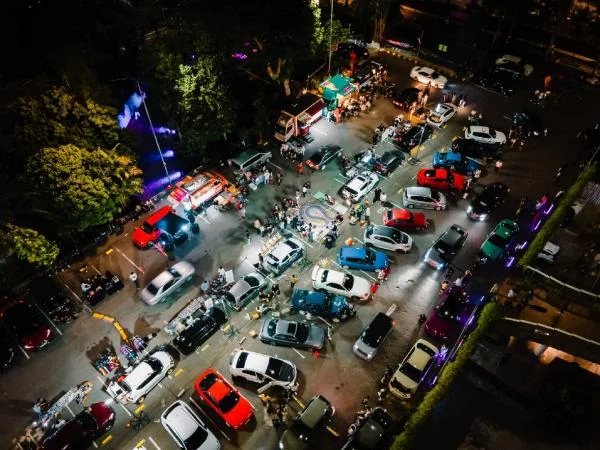
The Honda Culture Indonesia (HCI) Night Meet Up, held on October 23, 2026, at Senayan Park, Jakarta, represented a significant evolution in how automotive communities interact in the modern era. Moving beyond the traditional scope of static vehicle displays and technical modification seminars, the event successfully cultivated a holistic lifestyle atmosphere. By integrating diverse elements—ranging from miniature diecast exhibitions and radio-controlled (RC) car racing to culinary experiences and trunk markets—the event underscored a transition in the Indonesian car enthusiast culture toward inclusive, family-friendly, and multi-dimensional engagement.
A New Paradigm for Automotive Gatherings
Historically, automotive meet-ups in Indonesia were often segmented by vehicle model, brand loyalty, or specific modification styles. However, the HCI Night Meet Up in Jakarta demonstrated that the modern enthusiast values social connection and lifestyle integration as much as the machines themselves. The event served as a melting pot for Honda owners, ranging from vintage classic car enthusiasts to modern performance-oriented drivers.
The atmosphere at Senayan Park was characterized by a seamless blend of leisure and passion. Unlike high-pressure competitive car shows, this event emphasized the "culture" aspect of its title. Participants were seen engaging in casual networking, sharing restoration stories, and participating in non-traditional automotive activities. The inclusion of radio-controlled (RC) car tracks provided an interactive element that allowed attendees to engage with automotive dynamics on a smaller scale, bridging the gap between hobbyists and full-sized vehicle owners.
Chronology and Event Logistics
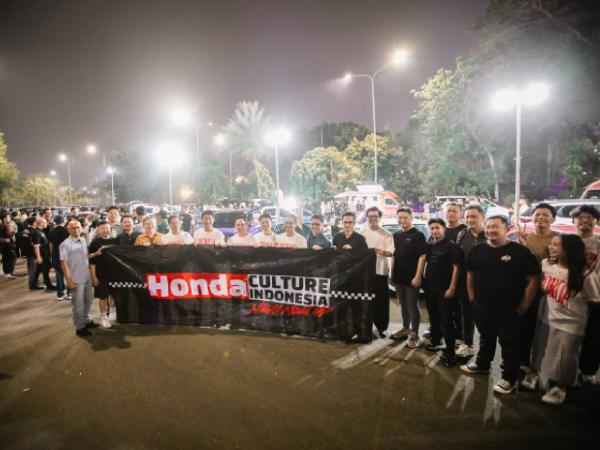
The planning for the October 2026 gathering began months in advance, aimed at creating a community-driven environment rather than a corporate-led product launch. The event kicked off in the late afternoon, transitioning into a night meet-up that took advantage of the urban aesthetic of the Senayan area.
- 16:00 WIB: Opening of the venue to the public and early arrivals of vehicle clubs.
- 17:30 WIB: Activation of the "Trunk Market," where vendors and collectors showcased automotive-themed merchandise and spare parts.
- 19:00 WIB: Peak attendance period, featuring a collective display of Honda vehicles spanning multiple generations, from the iconic Civic generations of the 1980s to the latest electric and hybrid models entering the Indonesian market.
- 20:30 WIB: Highlight of the RC car exhibition and social networking sessions.
- 22:00 WIB: Closing remarks and community photo sessions.
This timeline reflects a strategic approach to event management, ensuring that the community engagement remained sustained throughout the evening without the fatigue often associated with day-long automotive exhibitions.
The Role of Honda in the Local Automotive Ecosystem
The significance of the HCI Night Meet Up is tied to Honda’s current standing in the Indonesian market. As of late 2026, Honda has been navigating a rapidly shifting landscape characterized by the emergence of new electric vehicle (EV) manufacturers. Recent data from the Indonesian automotive industry indicates that while internal combustion engine (ICE) vehicles still command the majority of the market, there is a growing trend toward hybridization and electrification.
The event provided a platform for the community to discuss these shifts. Observations from the ground suggested that the community is not resistant to change but is instead eager to see how legacy brands like Honda adapt to the EV era. This sentiment was echoed in discussions regarding the company’s recent focus on electric motorcycle development and the local performance scene, notably represented by the success of young Indonesian athletes like Veda Ega Pratama in the Moto3 circuit. By maintaining a presence at such community events, Honda reinforces its brand legacy while simultaneously acknowledging the next generation of enthusiasts who prioritize technology and sustainability.

Community Perspectives and Social Dynamics
Interviews with attendees highlighted a consistent theme: the desire for "community over competition." Many participants noted that the rise of digital connectivity via social media had made physical gatherings feel more exclusive and valuable.
"When we meet in person, we are not just looking at specs on a screen; we are looking at the soul of the vehicle and the person who maintains it," said one community representative during the event. This sentiment explains the popularity of the "Trunk Market," where enthusiasts could trade specialized parts, rare diecast models, and memorabilia. These items act as social currency within the community, fostering a deeper sense of belonging.
The inclusion of food trucks and live entertainment served a dual purpose. It ensured that the event remained accessible to families and those who might not be "gearheads" but were invited by friends or partners. This inclusivity is crucial for the long-term sustainability of car clubs in Indonesia, which often face challenges in recruiting younger members.
Broader Economic and Cultural Implications
The success of the HCI Night Meet Up carries broader implications for the Indonesian automotive sector. Firstly, it proves that "Lifestyle Automotive" is a viable marketing segment. Companies that support these grassroots gatherings foster a higher degree of brand loyalty that traditional advertising cannot replicate.
Secondly, the event highlights the economic impact of the automotive hobbyist market. The transaction volume at the trunk markets, the patronage of local food vendors, and the indirect support for small businesses specializing in diecast and RC parts indicate a thriving ecosystem that exists in the shadow of major automotive manufacturing.
From an urban planning perspective, the use of public spaces like Senayan Park for community-centric events demonstrates the demand for urban hubs that can accommodate specialized interest groups. As Jakarta continues to develop as a megacity, the availability of spaces for community building becomes as important as the vehicles themselves.
Analyzing the "Honda Culture"
"Honda Culture" in the Indonesian context is uniquely defined by a mixture of deep technical loyalty and social mobility. Honda vehicles have long been the entry point for many Indonesians into the world of car modification, owing to the brand’s modularity and the availability of aftermarket parts.
However, the 2026 meet-up suggests that the culture is maturing. There is a discernible move toward "clean" builds, restoration of vintage models, and a focus on "OEM+" (Original Equipment Manufacturer Plus) modifications, where the goal is to enhance the vehicle while maintaining its original character. This shift mirrors global trends in automotive enthusiasm, where the emphasis is moving away from aggressive modifications toward a more curated and respectful approach to automotive history.

Challenges and Future Outlook
While the event was a success, it also shed light on the challenges facing automotive communities in Jakarta. Traffic regulations, environmental concerns, and the rising cost of vehicle ownership are constant pressures on the community. However, the resilience shown by the attendees suggests that these challenges are viewed as hurdles to be overcome collectively.
Looking forward, organizers and community leaders are likely to emphasize more interactive and educational components. Future meet-ups may incorporate workshops on EV maintenance, sustainable modification practices, or even career paths in the automotive industry for younger enthusiasts. By bridging the gap between casual hobbyists and industry professionals, events like the Honda Culture Indonesia Night Meet Up ensure that the passion for automotive engineering remains vibrant and relevant in an era of rapid technological transformation.
Conclusion
The Honda Culture Indonesia Night Meet Up held on October 23, 2026, was more than just a gathering of vehicles. It was a sophisticated demonstration of community building in the modern age. By balancing the technical aspects of automotive enthusiasm with lifestyle, culinary, and interactive experiences, the event succeeded in creating a welcoming environment that celebrated both the past and the future of the brand. As the automotive landscape continues to evolve, such community-driven initiatives will remain vital in preserving the human element of the driving experience, ensuring that the passion for cars remains a shared, rather than isolated, pursuit.