• Home
  • About Us
  • Contact Us
  • Cookies Policy
  • Disclaimer
  • DMCA
  • Privacy Policy
  • Terms and Conditions
Dara News Media
keep your memories alive
Business & Economy

BRI’s Digital Transformation Yields Substantial Growth in Super Apps BRImo Users and Transaction Volume, Solidifying Market Leadership

by Suro Senen May 2, 2026
written by Suro Senen

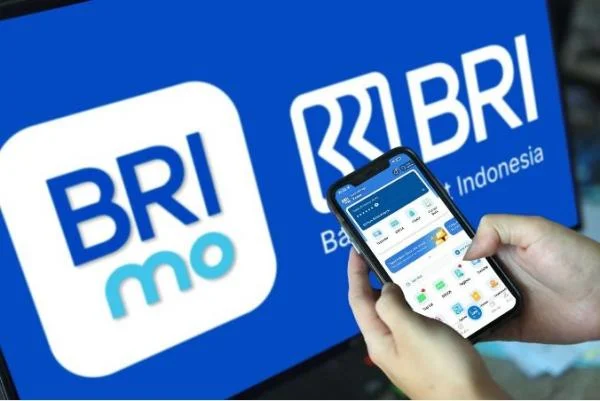
JAKARTA – PT Bank Rakyat Indonesia (Persero) Tbk (BRI) has achieved significant milestones in its digital acceleration journey, spearheaded by the "BRIvolution Reignite" transformation strategy. This strategic pivot towards digital prowess has translated into tangible successes, most notably the impressive growth of its flagship mobile banking application, Super Apps BRImo. As of March 2026, BRImo reported a robust user base of 47.8 million, marking an 18.6 percent increase year-on-year (YoY). Concurrently, the value of transactions conducted through BRImo soared to Rp2,042.2 trillion by the first quarter of 2026, demonstrating a substantial 29.4 percent surge compared to March 2025. These figures underscore BRI’s effective digital strategy and its deepening integration into the daily financial lives of millions of Indonesians.

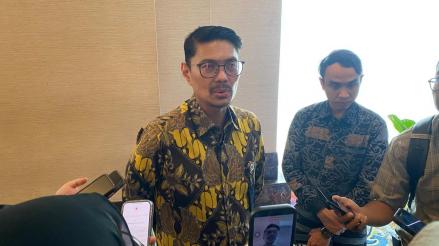
The impressive performance was officially unveiled by Aquarius Rudianto, Director of Network & Retail Funding BRI, during the company’s Q1 2026 Financial Performance Press Conference held at BRI’s Head Office in Jakarta on Thursday, April 30, 2026. Rudianto highlighted that the burgeoning user count for BRImo not only signifies the expanding reach of BRI’s digital services but also reflects the escalating trust and reliance of the public on BRImo for their everyday transactional needs. The substantial increase in transaction volume further cements BRImo’s position as a dominant force in Indonesia’s rapidly evolving digital banking landscape.

The Genesis of BRIvolution Reignite: A Strategic Imperative

BRI’s digital transformation journey is encapsulated in its "BRIvolution Reignite" program, an ambitious multi-year strategy launched to adapt to the dynamic shifts in the global and domestic financial sectors. Recognizing the imperative to move beyond traditional brick-and-mortar banking, BRI embarked on this comprehensive initiative to digitalize its core operations, enhance customer experience, and foster financial inclusion across Indonesia’s vast archipelago. The strategy is built on several pillars: developing robust digital platforms, optimizing data analytics for personalized services, fostering a culture of innovation, and strengthening cybersecurity measures. For a bank with a deep-rooted legacy in serving micro, small, and medium enterprises (MSMEs) and rural communities, digital transformation was not merely about technological upgrade but about extending its reach and efficiency to previously underserved segments.

The "Reignite" aspect of the strategy signals a renewed focus and accelerated pace in its digital endeavors, learning from initial phases and pushing for more integrated and impactful digital solutions. This included substantial investments in IT infrastructure, talent acquisition in digital domains, and strategic partnerships with fintech companies to augment its service offerings. The ultimate goal was to transform BRI into a more agile, customer-centric, and digitally proficient financial institution capable of thriving in an increasingly competitive environment where pure-play digital banks and innovative fintechs are rapidly gaining traction.

Super Apps BRImo: A Deep Dive into Performance Metrics

The success of BRIvolution Reignite is most vividly demonstrated through the performance of Super Apps BRImo. The application, designed as a comprehensive financial ecosystem, has become a cornerstone of BRI’s digital strategy.
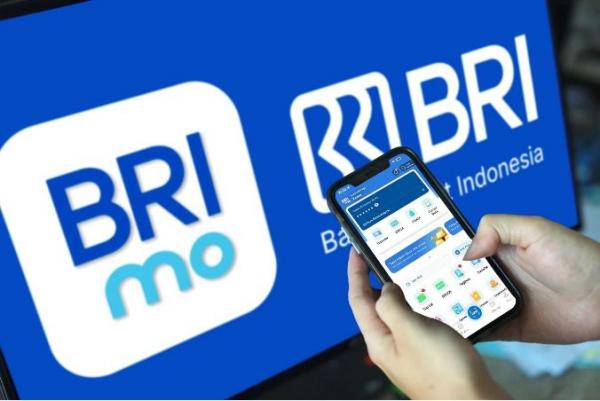
Andalan Masyarakat, Pengguna Super Apps BRImo Tembus 47,8 Juta User

User Base Expansion:
The growth to 47.8 million users by March 2026 represents a remarkable achievement. This 18.6% YoY increase translates to millions of new users adopting the platform, signaling strong market acceptance and effective user acquisition strategies. This growth is particularly significant given Indonesia’s diverse demographic landscape and varying levels of digital literacy. BRImo’s success in onboarding such a vast user base points to its user-friendly interface and its ability to cater to a wide array of financial needs, from urban professionals to small business owners in remote areas. This expansion not only solidifies BRI’s market share but also contributes significantly to bridging the digital divide, bringing more Indonesians into the formal financial system.

Transaction Volume Surge:
The Rp2,042.2 trillion transaction volume recorded in Q1 2026 is a testament to the high engagement and utility of BRImo. The 29.4% YoY growth indicates that existing users are transacting more frequently and utilizing a broader range of services within the app, while new users are quickly becoming active participants. This volume includes a diverse spectrum of transactions, such as interbank transfers, bill payments (utilities, internet, education), e-wallet top-ups, QRIS payments, e-commerce transactions, and even investment product purchases. The increasing value of transactions per user highlights the depth of BRImo’s integration into daily financial routines, moving beyond simple transfers to more complex financial management.

Aquarius Rudianto elaborated on this, stating, "The large user base of BRImo, coupled with the growth in transaction value, demonstrates that BRImo has become an integral part of our customers’ daily financial activities. With over 100 features available, BRImo is continuously developed to support various transaction needs, thereby encouraging increased utilization of this service." This statement underscores BRI’s commitment to feature expansion and user-centric development.

The Power of Comprehensive Features and User Experience

A key factor in BRImo’s sustained growth and high engagement is its extensive suite of features. With "over 100 features," BRImo has evolved from a basic mobile banking app into a true super app, aiming to be a one-stop solution for diverse financial requirements. These features include:

  • Payment and Transfer Services: Instant interbank transfers, scheduled transfers, bill payments (electricity, water, internet, phone), tax payments, and QRIS (Quick Response Code Indonesian Standard) payments for seamless transactions at merchants.
  • Investment and Savings: Access to various investment products such as mutual funds and government bonds, as well as opening new savings accounts directly through the app.
  • Loan Services: Application and management of various loan products, catering particularly to MSMEs, which are a core segment for BRI.
  • E-wallet Integration: Easy top-ups for popular e-wallets like GoPay, OVO, DANA, and LinkAja.
  • Personal Financial Management (PFM) Tools: Features that help users track their spending, categorize transactions, and set financial goals, fostering better financial literacy and management.
  • Lifestyle and Utility Features: Purchase of train tickets, movie tickets, and other lifestyle-oriented services.
  • International Transfers: Facilitating remittances for migrant workers and international business transactions.

The continuous addition and refinement of these features are critical in maintaining user engagement and attracting new demographics. Furthermore, the emphasis on an intuitive and secure user interface (UI/UX) has played a pivotal role. A seamless user journey, combined with robust security protocols, builds trust and encourages repeated usage, which is paramount in the digital financial sector.

Executive Insights and Strategic Vision

The leadership at BRI views these digital achievements as foundational to its future growth trajectory. Sunarso, President Director of BRI, while not directly quoted in this specific announcement, has consistently emphasized the strategic importance of digital transformation. He would likely reiterate that BRI’s digital strategy is not just about technology but about creating sustainable value for customers, shareholders, and the broader economy. "Our commitment to digital innovation is unwavering," a senior executive might infer, "It’s about making banking more accessible, efficient, and relevant for every Indonesian, from the smallest street vendor to large corporations. BRImo is a testament to our ability to execute this vision."

Andalan Masyarakat, Pengguna Super Apps BRImo Tembus 47,8 Juta User

The focus on data analytics is also a key strategic priority. By leveraging the vast amounts of transaction data generated through BRImo, BRI can gain deeper insights into customer behavior, allowing for hyper-personalized product offerings, proactive customer service, and more accurate credit scoring, especially for the MSME sector, which often lacks formal credit histories. This data-driven approach is expected to unlock new revenue streams and enhance risk management capabilities.

Chronology of BRI’s Digital Evolution

BRI’s journey towards digital dominance has been a phased evolution:

  • Early 2010s: Initial foray into digital banking with basic internet banking and SMS banking services, laying the groundwork for digital engagement.
  • Mid-2010s: Launch of a more robust mobile banking application, albeit with limited features, as smartphone penetration began to rise rapidly in Indonesia. This period saw BRI experimenting with digital channels to complement its extensive physical network.
  • Late 2010s (circa 2018-2019): Strategic shift towards developing a "super app" concept. This involved consolidating various digital services into a single, comprehensive platform. The initial version of BRImo was likely launched during this period, focusing on core banking functionalities.
  • 2020: "BRIvolution" Launch: The formal launch of the "BRIvolution" program marked a significant acceleration of digital initiatives, driven by the increasing demand for digital services during the pandemic. This phase saw aggressive feature rollouts and user acquisition campaigns.
  • 2021-2023: "BRIvolution Reignite" & Feature Expansion: The strategy evolved into "BRIvolution Reignite," signaling a more intense focus on innovation, scalability, and ecosystem integration. During this period, BRImo’s feature set expanded rapidly to include investments, loans, and lifestyle services, transforming it into a true super app. Strategic partnerships with fintechs and e-commerce platforms were also forged.
  • 2024-2026: Consolidation and Optimization: The period leading up to the Q1 2026 report has been characterized by optimizing user experience, enhancing security, and leveraging data analytics for personalized services, leading to the substantial user and transaction growth reported.

This timeline illustrates a deliberate and sustained effort by BRI to adapt, innovate, and lead in the digital banking space.

Broader Impact and Implications

The success of BRImo and the BRIvolution Reignite strategy has far-reaching implications for BRI, the Indonesian banking sector, and the nation’s financial inclusion agenda.

Enhanced Financial Performance:
Digital transformation typically leads to improved operational efficiency and cost reduction. By shifting transactions from physical branches to digital channels, BRI can optimize its branch network and reallocate resources more effectively. The growth in transaction volume through BRImo also translates into increased non-interest income from transaction fees, contributing positively to BRI’s overall profitability and shareholder value. This digital momentum positions BRI for sustained revenue growth even amidst economic fluctuations.

Strengthened Market Position and Competitive Edge:
As a leading bank in Indonesia, BRI’s digital prowess strengthens its competitive advantage against both traditional banks and new digital players. The robust user base and high transaction volumes establish BRImo as a dominant digital financial platform, making it challenging for competitors to replicate its scale and depth of service. This solidifies BRI’s leadership in the rapidly digitizing Indonesian financial market.
Andalan Masyarakat, Pengguna Super Apps BRImo Tembus 47,8 Juta User

Advancing Financial Inclusion:
BRI has historically been at the forefront of financial inclusion in Indonesia, particularly for MSMEs and rural populations. BRImo extends this mission by providing accessible and affordable financial services to millions who might otherwise be underserved. Its widespread adoption means that individuals in remote areas with smartphone access can now perform banking transactions, apply for loans, and even invest, contributing significantly to the government’s goal of universal financial access. The ease of onboarding and the comprehensive features lower barriers to entry for the unbanked and underbanked segments.

Operational Efficiency and Customer Satisfaction:
Digitizing services leads to greater operational efficiency, reducing manual processes and administrative overheads. This efficiency translates into faster service delivery and improved customer satisfaction. Customers benefit from the convenience of banking anytime, anywhere, reducing the need to visit physical branches. This shift also allows branch staff to focus on more complex advisory services, enhancing the overall customer experience.

Future Outlook and Strategic Priorities

Looking ahead, BRI is expected to continue its aggressive push in digital innovation. The future roadmap for BRImo and BRIvolution Reignite will likely focus on several key areas:

  • Hyper-Personalization with AI: Leveraging artificial intelligence and machine learning to offer highly personalized financial advice, product recommendations, and predictive services based on individual user behavior and financial goals.
  • Ecosystem Expansion: Deeper integration with various digital ecosystems, including e-commerce platforms, ride-hailing services, and government digital services, to create a more seamless and interconnected user experience.
  • Advanced Investment Products: Expanding the range of investment products available on BRImo, potentially including more sophisticated instruments, and making them accessible to a broader audience.
  • Cross-Border Services: Enhancing international transfer capabilities and potentially exploring partnerships for cross-border payments to cater to the growing demand for global financial transactions.
  • Cybersecurity and Data Privacy: With increased digital reliance, investing continuously in state-of-the-art cybersecurity measures and ensuring stringent data privacy protocols to protect customer information and maintain trust.
  • Financial Literacy Tools: Integrating more interactive tools and educational content within BRImo to further enhance financial literacy among its users, empowering them to make more informed financial decisions.
  • Focus on MSME Digitalization: Further developing specialized features within BRImo to support MSMEs, such as integrated accounting tools, supply chain financing, and digital market access, thereby facilitating their growth and contribution to the national economy.

BRI’s performance in Q1 2026 clearly illustrates that its digital transformation strategy is bearing fruit, positioning the bank not just as a financial services provider but as a pivotal enabler of Indonesia’s digital economy. The sustained growth of Super Apps BRImo reflects a successful blend of technological innovation, strategic vision, and a deep understanding of customer needs, solidifying BRI’s role as a leader in the evolving landscape of digital banking.

May 2, 2026 0 comment
0 FacebookTwitterPinterestEmail
Business & Economy

Navigating the Year-End Financial Minefield: A Comprehensive Guide to Avoiding Common Pitfalls and Securing Future Stability

by Ammar Sabilarrohman April 19, 2026
written by Ammar Sabilarrohman

As the calendar year 2025 draws to a close, countless individuals and households across Indonesia and worldwide embark on the crucial annual ritual of financial evaluation and planning for the year ahead. This period, often marked by introspection and goal-setting, paradoxically emerges as one of the most susceptible times for critical financial missteps. From impulsive spending fueled by holiday cheer to a critical oversight in budgeting for the subsequent year, the festive season frequently presents a challenging environment for maintaining fiscal discipline. Without a robust and well-considered financial strategy, the celebratory mood can quickly dissipate, leaving a wake of financial strain that can severely impact stability well into the new year. Understanding and preempting these prevalent year-end financial errors is therefore paramount for safeguarding financial health, ensuring control, and establishing a stronger foundation for the future.

The Allure and Peril of Year-End: A Contextual Overview

The final quarter of any year typically ushers in a unique blend of economic activity and consumer sentiment. Globally, this period is synonymous with heightened commercial engagement, driven by major retail events, festive holidays, and corporate year-end bonuses. While this surge in consumption often provides a significant boost to national economies, it simultaneously creates a minefield for individual financial management.

Global Spending Trends and Economic Drivers: Data from various financial institutions consistently shows a substantial increase in consumer spending during the fourth quarter. For instance, in many developed economies, holiday retail sales can account for 20-40% of annual sales for some businesses. While specific Indonesian year-end spending data can fluctuate, the pattern remains similar. Bank Indonesia (BI) and the Financial Services Authority (OJK) frequently monitor these trends, acknowledging that while robust consumer spending contributes positively to Gross Domestic Product (GDP) growth, an accompanying rise in household debt or diminished savings could pose systemic risks if not managed prudently. Research by financial analytics firms often indicates that average household debt, particularly credit card balances, sees a noticeable uptick between November and January, as consumers lean on credit to cover increased expenses.

The Psychological Undercurrents of Holiday Spending: Beyond the economic factors, human psychology plays a profound role in year-end financial decisions. The "treat yourself" mentality, often a natural response to a year of hard work, coupled with social pressures to participate in gift-giving and celebrations, can override rational financial planning. Marketing campaigns, leveraging themes of joy, generosity, and limited-time offers, further amplify this impulse. The fear of missing out (FOMO) on perceived bargains or social events can lead to spending decisions that prioritize immediate gratification over long-term financial health. This confluence of economic stimulus and psychological vulnerability creates a fertile ground for financial misjudgments.

Indonesia’s Specific Economic and Cultural Landscape: In Indonesia, the year-end period often coincides with various local celebrations, family gatherings, and year-end bonuses (e.g., Tunjangan Hari Raya for specific religious holidays if they fall late in the year, or general annual bonuses). These cultural nuances, while enriching social bonds, can add layers of financial pressure. Travel for mudik (homeward bound journeys) or holidays, increased dining out, and gift exchanges become integral parts of the season, all contributing to an elevated cost of living during this concentrated period. The challenge for many Indonesians is to navigate these cultural expectations without compromising their financial stability.

Decoding the Common Traps: Ten Financial Pitfalls and How to Avert Them

Despite the best intentions, individuals frequently fall victim to a predictable set of financial traps at year-end. Recognizing these patterns is the first step towards building resilience and implementing effective countermeasures.

1. The Unforeseen Surge in Discretionary Spending

During "normal" months, discretionary spending on non-essentials like dining out, entertainment, and shopping tends to be relatively predictable. However, the year-end period shatters this predictability. A plethora of additional expenses emerges: holiday gifts for family and friends, office parties, festive family reunions, travel costs for vacations or visiting relatives, and a general increase in social outings. Each individual expense might seem minor, but their cumulative effect can be staggering. A 2023 survey by Deloitte, for example, projected that holiday spending in the US would reach nearly $1.5 trillion, with significant portions allocated to gifts, experiences, and travel. While direct Indonesian figures vary, anecdotal evidence and market reports indicate similar upward trends in consumer discretionary spending towards the end of the year.

Averting the Pitfall: The key lies in proactive, detailed budgeting. Before the festive season begins, create a specific holiday budget that itemizes all anticipated extra expenses. Allocate a fixed amount for each category—gifts, travel, dining, entertainment—and stick to it. Consider setting up a dedicated savings account for these year-end expenses throughout the year. Utilizing cash for these specific categories can also help visualize spending and prevent overruns compared to swiping a credit card.

2. Lifestyle Inflation Fueled by Holiday Euphoria

The spirit of celebration often triggers a desire to "reward" oneself for a year of hard work. While self-care is important, without clear boundaries, this desire can quickly spiral into overindulgence and lifestyle inflation. This phenomenon is exacerbated by the tendency for prices of various goods and services, especially those related to tourism and entertainment, to increase significantly towards year-end due to peak demand. Many consumers, swept up in the celebratory atmosphere, continue to spend regardless, often on items or experiences that are not strictly necessary. This isn’t just about large purchases; it can manifest as more frequent premium coffee purchases, luxury dining, or spontaneous high-end leisure activities.

Averting the Pitfall: Cultivate mindful spending habits. Before any purchase, ask yourself: "Is this a need or a want?" and "Does this align with my financial goals?" Consider alternative ways to celebrate or reward yourself that are less costly, such as creating memorable experiences rather than accumulating material possessions. Set a strict personal "reward" budget and explore free or low-cost activities like local events, nature walks, or home-based entertainment. Financial experts often advise a "cooling-off period" – waiting 24-48 hours before making a non-essential purchase to evaluate its true value and necessity.

3. The Misallocation of Year-End Bonuses

Year-end bonuses, often perceived as "extra" money, are frequently treated as a windfall free for immediate discretionary spending. This perspective is a critical error. A bonus, in reality, is an integral part of one’s annual income and should be managed with the same strategic foresight as regular earnings. Without a clear plan, these lump sums can evaporate quickly, missing the opportunity to significantly boost savings, accelerate debt repayment, enhance investments, or fortify financial protection for the future. Studies show that a significant portion of bonuses is often spent on non-essential items within weeks of receipt.

Averting the Pitfall: Develop a strategic bonus allocation plan. Financial advisors commonly recommend a "first-things-first" approach:

  • Debt Repayment: Prioritize high-interest debts like credit card balances or personal loans.
  • Emergency Fund: Top up or establish an emergency fund to cover 3-6 months of living expenses.
  • Savings & Investments: Allocate a substantial portion to long-term savings goals (e.g., down payment for a house, retirement, children’s education) or investments.
  • Essential Future Expenses: Set aside funds for upcoming known expenses (e.g., annual insurance premiums, vehicle taxes, school fees).
  • Discretionary Spending: Only after these crucial areas are addressed, allocate a smaller, defined portion for rewards or wants. Consider the 50/30/20 rule (50% needs, 30% wants, 20% savings/debt) as a guideline, adapting it for bonus allocation where savings/debt repayment might take a larger share.

4. The Critical Oversight: Neglecting Emergency Funds

A significant number of individuals postpone building or replenishing an emergency fund, often under the mistaken belief that their financial situation is secure. This complacency can be disastrous. Unexpected events—a medical emergency, job loss, car repair, or sudden home maintenance—can emerge without warning. Without a readily accessible safety net, even minor issues can escalate into major financial crises, often forcing individuals into high-interest debt. The OJK consistently emphasizes the importance of financial preparedness and emergency savings as a cornerstone of household financial resilience. Data from various financial literacy surveys often reveal that a large percentage of the population does not have adequate emergency savings to cover even three months of expenses.

Averting the Pitfall: Make building an emergency fund a non-negotiable financial priority. Aim for at least three to six months’ worth of essential living expenses. Start small and be consistent; even setting aside a modest amount regularly is more effective than waiting for a "perfect" time. Automate transfers from your checking to a separate, easily accessible savings account dedicated solely to emergencies. This fund acts as a crucial buffer, protecting you from financial shocks and preventing the need to incur debt during unforeseen circumstances.

5. The Procrastination Trap: Delaying Savings Due to Perceived Low Income

The misconception that saving is only feasible with a high income leads many to continuously postpone the habit. This perspective overlooks the fundamental principle of financial discipline: consistency trumps quantity, especially in the early stages. The power of compound interest, where earnings generate further earnings, makes starting early with even small amounts incredibly impactful over time. By prioritizing saving from the outset, individuals naturally adjust their spending to fit within the remaining budget.

Averting the Pitfall: Adopt the "pay yourself first" philosophy. As soon as you receive your income, transfer a predetermined amount to your savings or investment accounts before paying any bills or discretionary spending. Automate these transfers to remove the temptation to skip. Start with a realistic percentage (e.g., 5-10% of your income) and gradually increase it as your income grows. Remember, the habit of saving is far more crucial than the initial amount.

6. The Aimless Journey: Undefined Financial Goals

Without clearly defined financial goals, money management often lacks direction and purpose. When you don’t know what you’re saving for, or what you aim to achieve, spending decisions become arbitrary and prone to impulse. Establishing specific financial targets provides a roadmap, guiding where funds should be allocated and what accomplishments are desired. Measurable goals ensure that every financial decision is purposeful and aligned with long-term aspirations.

Averting the Pitfall: Define your financial goals using the SMART framework: Specific, Measurable, Achievable, Relevant, and Time-bound. Examples include: "Save IDR 50 million for a down payment on a house by December 2027," or "Invest IDR 2 million monthly for retirement." Break down larger goals into smaller, manageable milestones. Regularly review and adjust these goals as life circumstances change, ensuring they remain motivating and realistic.

7. The Uncharted Waters: Infrequent Financial Evaluations

Regular financial evaluation is a frequently neglected but vital step in maintaining financial health. Without periodically reviewing your income, expenses, assets, and liabilities, it’s impossible to gauge whether your financial strategy is effective or if problems are brewing beneath the surface. Consistent evaluation allows you to assess the relevance of your current strategies, identify areas for improvement, and make necessary adjustments to stay on track with your financial objectives.

Averting the Pitfall: Schedule regular financial check-ins. This could be monthly, quarterly, or at least annually. Utilize budgeting apps, spreadsheets, or even simple pen and paper to track your income and expenditures. Review bank statements, credit card bills, and investment portfolios. Ask yourself: "Am I sticking to my budget?", "Are my savings growing as planned?", "Am I incurring unnecessary debt?", and "Are my financial goals still realistic?" These evaluations provide crucial insights for proactive adjustments.

8. The January Jolt: Forgetting Early-Year Financial Obligations

The euphoria of year-end holidays often leads to a myopic focus on immediate celebrations, causing many to completely overlook the inevitable financial obligations that kick in early the following year. January and February typically bring a wave of mandatory expenses: vehicle taxes, property taxes, school tuition fees, annual insurance premiums, subscription renewals, and the resumption of regular loan installments. Failing to set aside funds for these predictable outlays can lead to immediate financial stress and a feeling of being overwhelmed just as the new year begins.

Averting the Pitfall: Create a list of all recurring annual and early-year expenses. Start saving for these specific items well in advance. Consider creating a separate "January Fund" or "Annual Bills" sub-account. Automate small, regular transfers into this fund throughout the year so that by the time these bills arrive, the necessary funds are already accumulated, preventing a scramble or the need to dip into savings or incur debt.

9. The Siren Song of Discounts: Impulse Buying Driven by Year-End Sales

Year-end sales, with their aggressive promotions, significant discounts, and "limited-time offer" tactics, are powerful triggers for impulse buying. While the allure of a bargain is strong, purchasing items without prior planning often results in acquiring things that are not truly needed or that strain the budget. These emotionally driven decisions can have long-lasting negative impacts on financial stability if left unchecked. Retailers strategically time these sales to coincide with bonus payouts and holiday moods, creating a perfect storm for overspending.

Averting the Pitfall: Approach year-end sales with a strategic mindset. Before browsing, create a detailed shopping list of truly needed items. Set a strict budget for these purchases. Practice the "cooling-off period" rule: if you see something appealing but it’s not on your list, wait 24-48 hours before deciding. Compare prices from different retailers and read reviews. Differentiate between a genuine need and a perceived bargain; a discount is only a saving if you genuinely needed the item in the first place.

Expert Perspectives and Official Guidance

Financial experts consistently underscore the importance of disciplined financial planning, particularly during periods of heightened spending. "The year-end period is a double-edged sword," says Dr. Amelia Wijaya, a Jakarta-based financial planner. "It’s an opportunity for celebration and reflection, but also a major test of financial discipline. Many fall into the trap of short-term gratification over long-term security. Strategic planning, not just reacting to sales or social pressures, is key."

Regulatory bodies like the Otoritas Jasa Keuangan (OJK) frequently issue public advisories promoting financial literacy and responsible financial behavior. While not directly quoting specific statements for year-end, the OJK’s broader campaigns consistently advocate for prudent budgeting, establishing emergency funds, and making informed investment decisions. Their emphasis on protecting consumers from predatory lending practices and encouraging responsible credit usage indirectly supports the advice against impulsive spending and accruing unnecessary debt during the festive season. Financial institutions also play a role, often offering educational resources and tools to help customers manage their finances better, especially during peak spending seasons.

Beyond the Calendar: The Broader Implications for Financial Wellness

The financial habits cultivated at year-end extend far beyond the immediate holiday season. Proactive planning and disciplined execution during this critical period lay the groundwork for a more stable and prosperous future.

Individual and Household Long-Term Stability: Avoiding common year-end pitfalls directly contributes to greater individual and household financial resilience. It means less stress, fewer debt burdens, and a stronger foundation for achieving significant life goals, whether it’s buying a home, funding education, or ensuring a comfortable retirement. A healthy financial start to the new year empowers individuals to pursue opportunities rather than being bogged down by past overspending.

Societal Economic Health: While robust consumer spending is generally positive for the economy, excessive individual debt and widespread financial instability can have broader implications. A financially literate and disciplined populace contributes to a more stable financial ecosystem, reducing systemic risks associated with unsustainable debt levels and economic downturns. Promoting sustainable consumption patterns, rather than purely impulse-driven spending, fosters healthier economic growth in the long run.

The Imperative of Continuous Financial Education: Ultimately, navigating the year-end financial minefield is a continuous learning process. It highlights the enduring need for ongoing financial education and self-awareness. Each year presents new challenges and opportunities, requiring individuals to adapt their strategies and reinforce their commitment to sound financial principles.

As 2025 draws to a close, the opportunity to take control of one’s financial destiny is palpable. By recognizing the prevalent traps and proactively implementing strategic financial planning, individuals can transform the year-end period from a source of potential stress into a powerful springboard for achieving lasting financial wellness and security in the years to come. The lessons learned and the disciplines adopted now will serve as invaluable assets, ensuring that future celebrations are truly joyful, free from the shadow of financial regret.

April 19, 2026 0 comment
0 FacebookTwitterPinterestEmail
Regional News

Evaluasi Kerja Sama Air Curah, Soroti Aspek Keuntungan dan Kinerja

by Ammar Sabilarrohman April 19, 2026
written by Ammar Sabilarrohman

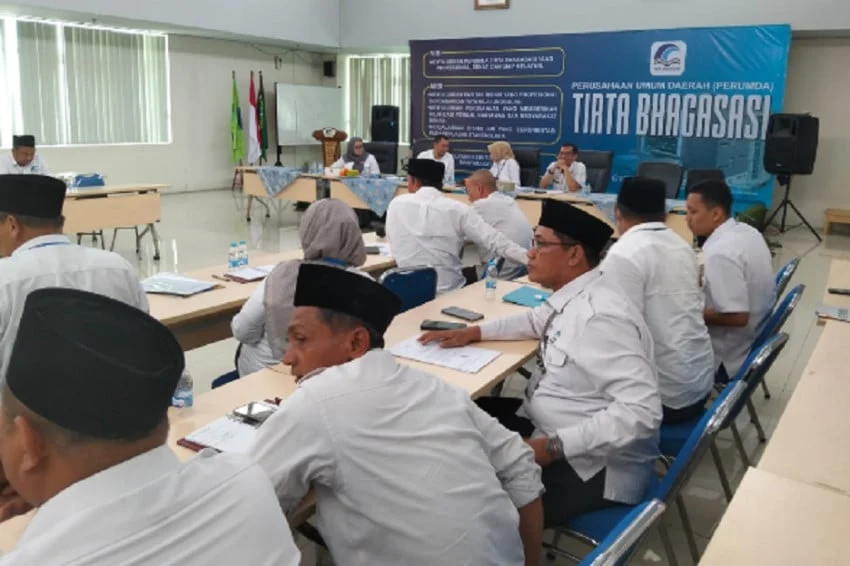
The Board of Supervisors (Dewas) and Board of Directors of Perumda Tirta Bhagasasi, the regional water utility for Bekasi Regency, have unanimously agreed to undertake a thorough evaluation of all existing cooperation agreements with third parties. This strategic decision places particular emphasis on contracts related to the procurement of raw water, signaling a proactive move to ensure the continued relevance, financial viability, and mutual benefit of these partnerships. The resolution was reached during a high-level coordination meeting held to assess the company’s performance for the second quarter of 2026, gathering key stakeholders from top leadership down to branch and departmental heads.

The Imperative for Strategic Evaluation in a Growing Metropolis

Bekasi, a rapidly expanding urban center bordering Jakarta, faces immense pressure to provide reliable and high-quality public services, with clean water supply being paramount. As a regional public enterprise (Perumda), Perumda Tirta Bhagasasi is tasked with the critical responsibility of managing water resources, processing them, and distributing potable water to millions of residents and numerous industrial establishments across the regency. The sustainability and efficiency of its operations are directly linked to the socio-economic well-being and public health of the community it serves.

The decision to review third-party contracts, especially those concerning raw water procurement, underscores a broader commitment to good corporate governance and operational optimization. In an era where resource scarcity, climate change impacts, and increasing urban demand place unprecedented stress on water systems, utilities worldwide are compelled to regularly assess their supply chains and partnerships. For Perumda Tirta Bhagasasi, this evaluation is not merely a procedural exercise but a fundamental step towards fortifying its long-term operational resilience and fulfilling its mandate to the public.

Chronology of a Strategic Shift: The Q2 2026 Performance Review

The impetus for this comprehensive evaluation emerged from the second-quarter 2026 performance review meeting. These quarterly reviews are standard practice for public enterprises, designed to scrutinize operational achievements, financial health, and adherence to strategic objectives. The meeting, which brought together a diverse group of leaders including members of the Board of Supervisors, the Board of Directors, and various departmental and branch heads, provided a holistic perspective on the company’s current state and future trajectory.

During this review, discussions naturally gravitated towards the efficiency and effectiveness of external collaborations. It became apparent that a structured, in-depth re-evaluation was necessary to align existing agreements with the company’s evolving strategic goals and the dynamic market environment. The consensus reached among the leadership reflects a unified vision to proactively manage risks, identify opportunities for improvement, and ensure that every partnership contributes positively to Perumda Tirta Bhagasasi’s mission. The timing in Q2 2026 suggests a forward-looking approach, preparing the utility for the challenges and opportunities of the latter half of the year and beyond.

Leadership’s Stance: Prioritizing Mutual Benefit and Future Viability

Ank Gustini, Chairman of the Board of Supervisors, articulated the core principle guiding this initiative: "The primary principle in cooperation is mutual benefit." This statement emphasizes that any partnership, to be deemed successful and sustainable, must generate value for all parties involved, critically including Perumda Tirta Bhagasasi itself. Gustini further elaborated that if an agreement’s execution deviates from its initial terms or no longer serves its intended purpose, a review and potential renegotiation or termination is a "reasonable and necessary step." This highlights a pragmatic approach, refusing to be bound by historical commitments that no longer serve the company’s best interests or the public good.

Echoing this sentiment, President Director Reza Lutfi reinforced the management’s forward-looking perspective. He stated that the current leadership "will not be fixated on past decisions," but rather concentrate on the "prospects and sustainability of future cooperation." Lutfi’s remarks, made on Sunday, April 19, 2026, underscored the primary criterion for evaluation: "What is being looked at is whether the cooperation is still profitable or not." This focus on profitability is crucial for a regional public enterprise, as financial health directly impacts its ability to invest in infrastructure, maintain service quality, and achieve self-sufficiency, thereby reducing reliance on government subsidies. The emphasis on future viability indicates a strategic pivot towards long-term planning and resilience.

The Critical Nature of Raw Water Procurement

The specific focus on raw water procurement agreements is particularly significant. Raw water, the unprocessed water drawn from rivers, lakes, or groundwater sources, is the fundamental input for any water utility. Its acquisition involves complex contractual arrangements that can significantly impact a utility’s operational costs, water quality, and supply reliability. These agreements often involve private sector entities, other regional water companies, or even direct abstraction permits from regulatory bodies.

Challenges in raw water procurement can range from fluctuating prices, issues with water quality at the source (due to pollution or environmental degradation), reliability of supply (especially during droughts or floods), and the intricacies of long-term contractual obligations. An unfavorable raw water procurement agreement can lead to inflated operational expenses, which may translate into higher tariffs for consumers or financial strain on the utility. Conversely, a well-structured and optimized raw water contract can ensure a stable, cost-effective, and high-quality supply, forming the bedrock of efficient water services.

The evaluation will likely scrutinize several aspects:

  • Pricing Mechanisms: Are the current pricing structures competitive and fair, reflecting market conditions and the true cost of water?
  • Supply Reliability: Are the third parties consistently meeting their agreed-upon supply volumes and quality standards?
  • Contractual Terms: Are the terms and conditions equitable, flexible enough to adapt to changing circumstances, and protective of Perumda Tirta Bhagasasi’s interests?
  • Environmental Compliance: Do the partners adhere to all environmental regulations in their water abstraction and delivery processes?
  • Technological Advancement: Are there opportunities to incorporate new technologies or methods to improve raw water quality or reduce treatment costs?

By meticulously reviewing these aspects, Perumda Tirta Bhagasasi aims to identify agreements that may be outdated, inefficient, or no longer aligned with its strategic objectives, thereby paving the way for renegotiation, re-tendering, or the exploration of alternative supply sources.

Broader Context: The Indonesian Water Sector Landscape

The move by Perumda Tirta Bhagasasi is reflective of a broader trend within the Indonesian water sector, where regional public enterprises (Perumda/PDAMs) are increasingly under pressure to improve their performance, expand coverage, and achieve financial self-sufficiency. Many PDAMs across Indonesia grapple with challenges such as aging infrastructure, high levels of non-revenue water (NRW) due to leaks and illegal connections, limited capital for investment, and the complexities of managing public-private partnerships (PPPs) that have had mixed success.

Historically, some PPPs in the water sector have faced criticism for opaque contracts, high tariffs, or failure to meet service targets. This has led to a cautious approach from many utilities and a greater emphasis on transparency and accountability in new and existing partnerships. The national government has also pushed for reforms to enhance the financial health and operational efficiency of regional water utilities, recognizing their crucial role in achieving the Sustainable Development Goal (SDG) 6: "clean water and sanitation for all."

For Bekasi, a highly urbanized and industrialized area, securing a stable and affordable water supply is not just a matter of public service but also an economic imperative. Industries rely heavily on consistent water access, and disruptions can have significant economic repercussions. This adds another layer of importance to Perumda Tirta Bhagasasi’s strategic review of its raw water procurement.

Potential Implications and Stakeholder Reactions

The implications of this comprehensive evaluation are multifaceted, touching various stakeholders:

  • For Perumda Tirta Bhagasasi: The primary expected outcome is enhanced operational efficiency, potential cost savings, improved financial stability, and better risk management. By optimizing raw water procurement, the utility can potentially reduce its production costs, which could lead to more stable tariffs for consumers or increased investment in infrastructure upgrades. It could also lead to stronger, more transparent partnerships in the future.
  • For Existing Third-Party Partners: Companies currently holding contracts with Perumda Tirta Bhagasasi, particularly those involved in raw water supply, will face a period of scrutiny. They may need to demonstrate the ongoing value and competitiveness of their services. This could lead to renegotiations of terms, demands for improved service delivery, or, in some cases, the termination of contracts if they are deemed unprofitable or non-beneficial to the utility. This uncertainty might prompt these partners to review their own operational models and pricing strategies.
  • For Consumers in Bekasi: In the long term, a more efficient Perumda Tirta Bhagasasi could translate into more reliable water supply, improved water quality, and potentially more stable or even lower tariffs. However, during the transition period, if contracts are terminated and new partners are sought, there could be temporary adjustments or minor disruptions, though the utility will likely strive to minimize any impact on service delivery. The overall goal is to secure better value for money, which should ultimately benefit the end-users.
  • For the Bekasi Regency Government: As the owner of Perumda Tirta Bhagasasi, the local government will likely support this initiative, seeing it as a move towards good governance and improved public service delivery. The success of this evaluation will reflect positively on the local administration’s commitment to efficient resource management and accountability.
  • For Potential New Partners: The evaluation process could open doors for new companies to bid for raw water supply contracts or other cooperative agreements, fostering greater competition and potentially leading to innovative solutions and more favorable terms for Perumda Tirta Bhagasasi.

The Road Ahead: A Phased and Transparent Process

The evaluation process is expected to be systematic and thorough, likely involving several phases:

  1. Data Collection and Audit: A detailed review of all existing contracts, including financial terms, performance metrics, compliance records, and historical data.
  2. Performance Analysis: Assessing each partnership against predefined criteria for mutual benefit, profitability, and strategic alignment.
  3. Stakeholder Engagement: Potentially engaging with existing partners to discuss findings, negotiate revised terms, or solicit proposals for improvement.
  4. Decision Making: Based on the evaluation, decisions will be made regarding contract renegotiation, termination, or continuation.
  5. Tendering (if necessary): For terminated contracts, a transparent public tendering process would be initiated to find new partners.

This entire process, given its complexity and the number of agreements involved, is unlikely to be concluded quickly. It could extend over several months, potentially into late 2026 or early 2027, requiring meticulous planning and execution to ensure continuity of service. Transparency throughout this process will be crucial to maintain public trust and avoid any perceptions of impropriety.

Conclusion: A Commitment to Sustainable Water Management

Perumda Tirta Bhagasasi’s decision to critically evaluate its third-party cooperation agreements, particularly in raw water procurement, represents a significant step towards reinforcing its operational efficiency, financial resilience, and long-term commitment to serving the people of Bekasi. By prioritizing mutual benefit and future viability over historical inertia, the utility aims to establish a robust and sustainable framework for water supply that can meet the growing demands of a dynamic urban environment. This proactive measure not only reflects sound corporate governance but also underscores the utility’s dedication to ensuring access to clean, reliable, and affordable water for all its consumers, positioning Perumda Tirta Bhagasasi for a more secure and prosperous future in the vital sector of water management.

April 19, 2026 0 comment
0 FacebookTwitterPinterestEmail
Politics

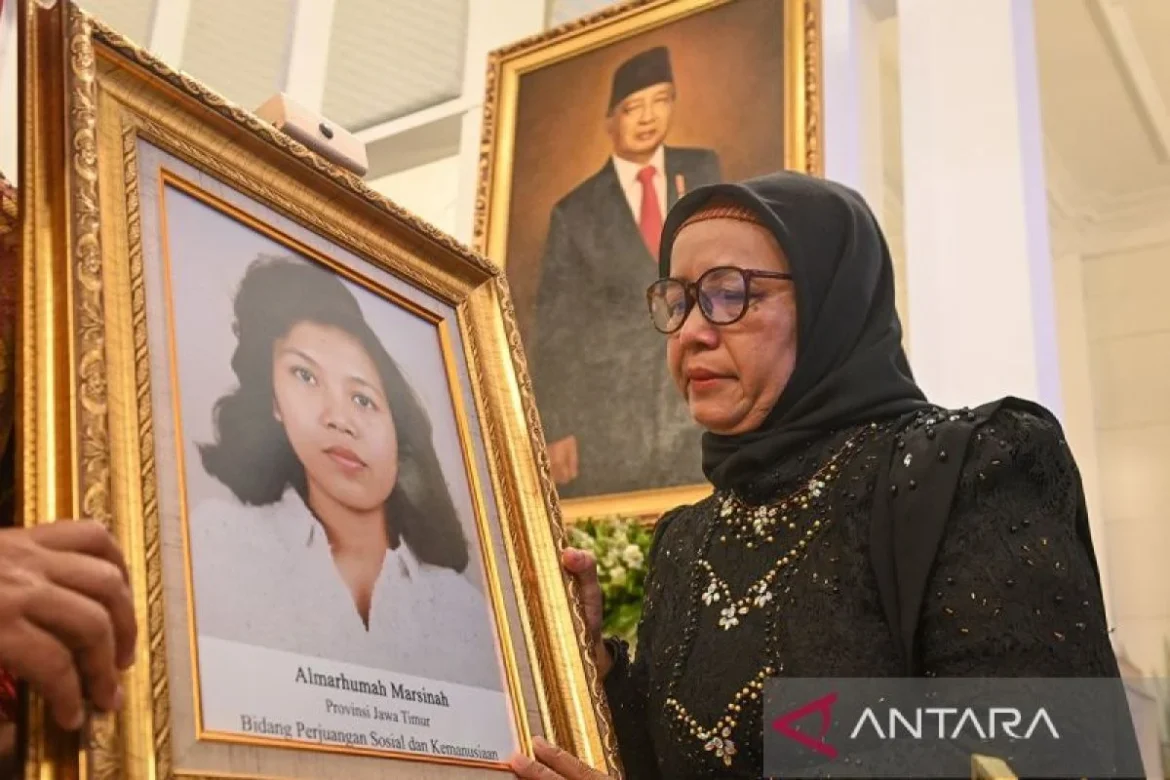
President Prabowo Subianto Bestows National Hero Title Upon Slain Labor Activist Marsinah

by Iffa Jayyana April 19, 2026
written by Iffa Jayyana

Jakarta, Indonesia – President Prabowo Subianto officially conferred the prestigious National Hero title upon Marsinah, a revered labor activist known for her courageous advocacy for workers’ rights, during a solemn ceremony at the State Palace in Jakarta on Monday, November 10, 2025. The event, held in commemoration of National Heroes’ Day, highlighted Marsinah’s enduring legacy as a symbol of resilience and an unwavering voice against injustice, particularly during the repressive New Order era when workers frequently faced severe social disparities and oppressive treatment. This posthumous recognition, formalized through Presidential Decree (Keppres) Number 116/TK/Tahun 2025, acknowledges Marsinah among ten distinguished figures honored this year for their significant contributions to the nation, especially in championing the rights of the populace, with a particular emphasis on the working class. The decision to elevate Marsinah to this esteemed status has been widely welcomed by human rights advocates and labor organizations, who have long campaigned for her recognition as a testament to the sacrifices made in the pursuit of justice and dignity for Indonesian workers.

Historical Context: Labor Under the New Order

To fully appreciate the significance of Marsinah’s struggle and her posthumous honor, it is crucial to understand the socio-political landscape of Indonesia during the New Order regime (1966-1998) under President Suharto. This era was characterized by strong economic development policies, often at the expense of human rights and democratic freedoms. Labor movements, in particular, were heavily suppressed. Independent trade unions were outlawed, and the government established a single, state-controlled labor organization, the All-Indonesia Workers Union (Serikat Pekerja Seluruh Indonesia or SPSI), which was widely perceived as serving the interests of the government and employers rather than the workers themselves. Strikes and protests were frequently met with intimidation, arrests, and sometimes violence, often involving military intervention. This climate of fear and repression meant that any act of defiance by workers required immense courage and carried severe risks, making Marsinah’s leadership all the more remarkable. The struggle for fair wages, safe working conditions, and the right to organize was a perilous endeavor, and those who dared to challenge the status quo often paid a heavy price.

The Early Life and Awakening of an Activist

Marsinah, born on April 10, 1969, in Desa Nglundo, Kecamatan Sukomoro, Nganjuk, East Java, grew up in humble circumstances. She was the second of three children born to Mastin and Sumi’ani and was primarily raised by her grandmother and aunt, a common arrangement in rural areas where families often pooled resources to survive. Her childhood was marked by frugality and hard work; she often helped her family by selling snacks, instilling in her a strong sense of independence and perseverance from a young age. Despite the financial hardships, Marsinah pursued her education diligently, attending SD Negeri Karangasem 189 and later SMP Negeri 5 Nganjuk. She also spent some time studying at Pondok Pesantren Muhammadiyah, a testament to her foundational moral and spiritual upbringing. However, like many young people from low-income families in rural Indonesia, her aspirations for higher education were curtailed by financial limitations, forcing her to seek employment to support herself and her family. This personal experience of limited opportunity and economic struggle undoubtedly fueled her empathy for fellow workers facing similar predicaments.

In 1989, seeking better economic prospects, Marsinah made the crucial decision to move to Surabaya, East Java’s provincial capital and a burgeoning industrial hub. She initially stayed with her older sister, Marsini, while actively searching for work. Her determination led her to various factories, and she eventually secured a position at SKW plastic factory in the Rungkut industrial area. This initial exposure to factory life offered a glimpse into the demanding and often exploitative conditions prevalent in the rapidly industrializing economy. The following year, in 1990, Marsinah joined PT Catur Putra Surya (CPS), a watch manufacturing company located in Porong, Sidoarjo, East Java. It was within the confines of this factory that Marsinah’s latent awareness of workers’ rights began to crystallize. She witnessed firsthand the pervasive injustices faced by her colleagues: meager wages that barely covered living expenses, excessive working hours without proper compensation, lack of job security, and an overall environment where the welfare of the workers was secondary to profit. These observations ignited a fire within her, transforming her into an outspoken advocate for change.

The Fateful Strike of 1993: A Stand for Justice

The catalyst for Marsinah’s ultimate sacrifice came in 1993. That year, the then-Governor of East Java, Soelarso, issued Circular Letter No. 50/Th.1992, which mandated a 20 percent increase in workers’ wages across the province. This directive was a small step towards improving the livelihoods of laborers, but its implementation was often met with resistance from employers. PT CPS, Marsinah’s employer, was among those companies that refused to comply with the new regulation, citing various reasons but effectively denying its workers a rightful wage increase. This blatant disregard for official policy and the welfare of its employees sparked widespread discontent among the workers at PT CPS.

Frustration simmered, eventually boiling over into organized protest. Between May 3 and May 4, 1993, Marsinah, alongside twelve other courageous workers, stood at the forefront of a major strike action. Their demands were clear and unequivocal: the immediate implementation of the mandated wage increase and the dissolution of the factory-level SPSI branch, which they viewed as ineffective and complicit in management’s exploitative practices. The workers argued that the SPSI leadership at their factory failed to genuinely represent their interests and instead served as a tool for management control. The strike gained momentum, and remarkably, their collective action yielded an initial success: 11 out of their 12 demands were provisionally agreed upon by the management. This momentary victory demonstrated the power of collective bargaining and Marsinah’s effective leadership in mobilizing her peers.

Military Intervention and Marsinah’s Disappearance

However, the workers’ triumph was short-lived. The fragile agreement quickly unraveled as external forces intervened. The very next day, the situation took a sinister turn when 13 workers, including those who had been prominent in the strike, were summoned to the District Military Command (Kodim) in Sidoarjo. There, under duress and implicit threats, they were coerced into signing letters of resignation. This military intervention in a civilian labor dispute was a stark illustration of the New Order regime’s pervasive control and its readiness to use force to suppress any form of dissent, particularly from organized labor. The act of forcing resignations effectively dismantled the leadership of the workers’ movement and sent a chilling message to anyone contemplating similar actions.

Upon learning of this alarming development, Marsinah, demonstrating her unwavering commitment to her fellow workers, sought justice. She bravely went to the Kodim Sidoarjo herself, not for personal reasons, but to request copies of the forced resignation letters. Her intention was to clarify the situation and, presumably, to find a way to challenge the legality of these coerced resignations, hoping to restore her colleagues’ jobs and rights. This was her last known public act of advocacy. After this courageous attempt to seek transparency and justice, Marsinah disappeared.

The Tragic Discovery and Unresolved Justice

The disappearance of Marsinah sent shockwaves through the community, immediately raising fears for her safety given the context of military intimidation. Tragically, her worst fears were realized just a few days later. On May 8, 1993, Marsinah’s lifeless body was discovered in a remote hut in Desa Jegong, Kecamatan Wilangan, Nganjuk, roughly 200 kilometers from Sidoarjo. The scene was horrifying: her body bore severe wounds and unmistakable signs of brutal torture, indicating a violent and premeditated murder. The gruesome nature of her death immediately pointed to the possibility of a targeted killing intended to silence a vocal labor leader and send a terrifying message to others who might dare to challenge the authorities or employers.

Marsinah’s murder ignited a national uproar, becoming a stark symbol of the violent repression faced by workers and human rights activists during the New Order era. The public outcry pressured authorities to launch an investigation. Initially, several individuals associated with PT CPS management were arrested and tried, including the factory owner, Yapto Suryosumarno, who was among those initially convicted. However, the legal proceedings were fraught with controversy and allegations of irregularities. Many believed that the investigations were superficial, designed to find scapegoats rather than uncover the true masterminds behind the murder. Subsequent appeals led to the overturning of these convictions at higher judicial levels, including the Supreme Court. To this day, the true perpetrators of Marsinah’s torture and murder, particularly those who might have ordered or orchestrated it, have never been definitively identified or brought to justice. This enduring impunity has remained a deep wound in Indonesia’s human rights record, symbolizing a broader failure to achieve accountability for past abuses.

The Long Road to Recognition and Enduring Advocacy

For decades following her murder, Marsinah’s case remained a touchstone for human rights and labor activists in Indonesia. Her name became synonymous with the struggle for justice, and her story was recounted annually on May 8th, serving as a powerful reminder of the sacrifices made in the fight for workers’ rights. Organizations such as the Commission for Missing Persons and Victims of Violence (Kontras) and various labor unions consistently campaigned for a thorough reinvestigation of her murder and for her official recognition as a national hero. These advocacy efforts kept her memory alive and ensured that her case was not forgotten amidst the broader narrative of Indonesia’s transition to democracy. Her image, often depicted with a determined gaze, became an icon for movements demanding justice and accountability for past human rights violations. The persistent calls for her national hero status reflected a collective desire to acknowledge her courage and to officially embed her story into the nation’s historical consciousness as a figure who epitomized the fight against oppression.

Significance of the National Hero Award

The conferment of the National Hero title upon Marsinah by President Prabowo Subianto carries profound significance on multiple levels. Firstly, it officially affirms that her struggle was not in vain, providing a long-awaited symbolic victory for the labor movement and human rights advocates. For decades, her sacrifice was acknowledged by civil society, but this state-level recognition elevates her status and integrates her narrative into the official history of Indonesia’s struggle for independence and justice.

Secondly, for the millions of Indonesian workers, this award serves as a powerful validation of their past and ongoing struggles for dignity, fair wages, and humane working conditions. It acknowledges the immense sacrifices made by individuals like Marsinah, whose courage paved the way for improved labor rights in the post-New Order era. The Confederation of Indonesian Trade Unions (KSPI), a prominent labor organization, swiftly reacted to the news, stating that the "hero title for Marsinah is an acknowledgment of the state towards workers." This sentiment underscores the symbolic weight of the award, recognizing the working class as an integral part of the nation’s heroes.

Thirdly, from a human rights perspective, while the award does not directly address the unresolved justice surrounding her murder, it represents a crucial step towards historical truth and reconciliation. It acknowledges a dark chapter in Indonesian history, where state power was used to suppress legitimate worker grievances, often with brutal consequences. By honoring Marsinah, the government implicitly recognizes the injustice she suffered and signals a commitment, however symbolic, to upholding human rights and democratic values. Her sister, Marsini, expressed immense pride, noting that this recognition brought a measure of comfort, even if the pain of unresolved justice for Marsinah’s murder still lingers.

Lastly, for the nation as a whole, Marsinah’s elevation to National Hero status encourages a deeper re-evaluation of its history. It reminds citizens that heroism is not solely confined to military prowess or political leadership but can also be found in the brave acts of ordinary individuals who champion the rights of the marginalized. It promotes a more inclusive understanding of national heroes, encompassing those who fought for social justice and human dignity within the country’s borders.

Broader Implications and Enduring Legacy

Marsinah’s name continues to live on as an inspiration for current and future generations of activists and workers. Her case remains a critical chapter in the history of human rights violations in Indonesia, serving as a stark reminder of the dangers of authoritarian rule and the imperative of protecting fundamental freedoms, including the right to organize and express dissent. The tragic events surrounding her life and death highlight the vital importance of independent labor movements in ensuring equitable economic development and social justice.

Her story resonates beyond labor rights, touching upon broader themes of impunity, state violence, and the struggle for accountability. Marsinah’s legacy is often mentioned alongside other prominent victims of New Order repression, such as poet-activist Wiji Thukul, who disappeared in 1998, and human rights defender Munir Said Thalib, who was assassinated in 2004. These cases collectively underscore a pattern of suppressing voices that challenged the authoritarian regime, and the persistent calls for justice for these figures reflect an ongoing national quest for historical truth and resolution. The recognition of Marsinah as a National Hero can thus be seen as part of a broader national effort to confront and reconcile with the darker aspects of its past, ensuring that such abuses are never repeated.

Furthermore, Marsinah’s recognition reinforces the ongoing relevance of labor rights advocacy in contemporary Indonesia. While the political landscape has changed dramatically since the New Order, challenges such as precarious employment, stagnant wages, and the suppression of union activities persist in various forms. Her legacy serves as a constant reminder for workers to remain vigilant and to continue fighting for their rights, drawing strength from her unwavering spirit. The recent dedication of a Human Rights Service Room in the Ministry of Law and Human Rights (Kemenham) named after Marsinah further solidifies her place as an icon of human rights and justice, ensuring that her name continues to inspire action and commitment to these fundamental principles within government institutions.

The National Hero title for Marsinah is more than just an honor; it is a powerful symbolic statement from the Indonesian state, acknowledging the immense sacrifices made in the pursuit of justice and dignity for all. It underscores the belief that courage in the face of oppression, particularly in advocating for the most vulnerable, is a defining characteristic of true heroism, a lesson that continues to shape Indonesia’s journey towards a more just and equitable society.

April 19, 2026 0 comment
0 FacebookTwitterPinterestEmail
Business & Economy

Indonesian Stock Exchange Faces Prolonged Consolidation Amid Geopolitical Tensions and Retreating Foreign Capital in April 2026

by Jia Lissa April 19, 2026
written by Jia Lissa

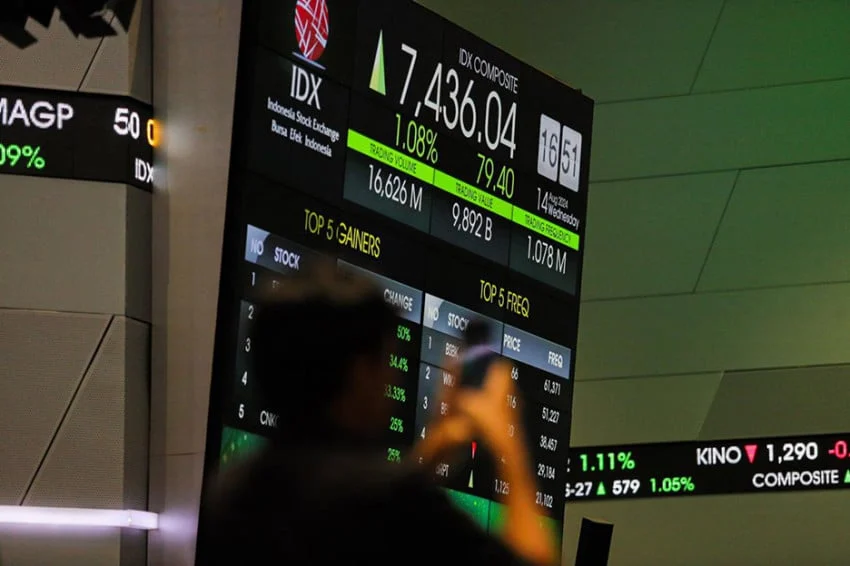
The Jakarta Composite Index (IHSG) is predicted to remain entrenched in a consolidation phase throughout the trading week of April 20-24, 2026, exhibiting a tendency for sideways movement coupled with heightened volatility. This outlook is primarily driven by the lingering dominance of global geopolitical sentiments and a discernible lack of consistent return of foreign capital to Indonesian equities. Market analysts highlight critical technical levels, with 7,773 serving as an immediate and crucial resistance point. A decisive breach of this level could potentially pave the way for further upward momentum. Conversely, sustained failure to surpass this threshold necessitates caution against potential pullbacks. On the downside, the 7,308 mark stands as a pivotal support level, expected to provide a crucial anchor should market pressures intensify, particularly in response to adverse global developments.

Current Market Dynamics and Technical Outlook

Equity Analyst Imam Gunadi from PT Indo Premier Sekuritas (IPOT) elucidated the prevailing market sentiment, stating, "Overall, the movement of the IHSG will likely remain within this defined range, with the market generally exhibiting a reactive posture to external developments." This assessment underscores the fragile balance within the Indonesian equity market, where domestic fundamentals are constantly being weighed against a backdrop of complex international events.

Technically, the IHSG’s position between 7,308 and 7,773 delineates a trading range characteristic of consolidation. In technical analysis, consolidation refers to a period where an asset’s price neither continues a trend nor reverses it, but instead trades within a confined range. This often occurs after a significant price move, as the market takes a "breather" before deciding on its next direction. The term "sideways" perfectly describes this horizontal price movement, indicating a temporary equilibrium between buying and selling pressures. "Volatile" suggests that even within this range, price swings can be abrupt and unpredictable, driven by news flow and investor sentiment rather than a clear directional trend.

The resistance level at 7,773 represents a price point where selling interest is expected to be strong enough to prevent the price from rising further. For the IHSG to break out of its consolidation phase and embark on a sustained upward trend, it would need to overcome this psychological and technical barrier with significant buying volume. Conversely, the support level at 7,308 signifies a price point where buying interest is anticipated to be sufficient to halt a decline. A breach below this support could signal a weakening of market confidence and potentially trigger further sell-offs, especially if accompanied by negative global news. Traders and institutional investors closely monitor these levels to inform their entry and exit strategies, as they provide critical indicators of potential trend reversals or continuations.

Recent Performance and Foreign Capital Exodus

Despite the cautious near-term outlook, the IHSG had a notable performance in the preceding week, rallying significantly to close at 7,634, marking a substantial gain of 2.35%. This upward movement, however, presented a perplexing divergence when juxtaposed with foreign capital flows. Data from the previous week revealed a net distribution by foreign investors amounting to Rp 2.4 trillion, with a predominant focus on the banking sector. This indicates that while domestic buying might have propelled the index higher, foreign institutional investors were actively divesting, particularly from some of the market’s largest and most liquid constituents.

The phenomenon of a rising index amidst foreign outflows is not uncommon in emerging markets. It often suggests robust domestic institutional or retail participation offsetting foreign selling pressure. However, sustained foreign outflows can be a cause for concern, as they may signal a loss of confidence in the market’s long-term prospects or a reallocation of global capital towards less risky or more lucrative assets elsewhere. The specific concentration of foreign selling in the banking sector is particularly noteworthy. Indonesian banks typically represent a significant portion of the IHSG’s market capitalization and are often considered bellwethers for the broader economy. Foreign investors might be reducing their exposure due to various factors, including concerns over global interest rate trajectories, potential impacts of geopolitical instability on economic growth, or specific domestic policy uncertainties that could affect bank profitability. This divergence between headline index performance and underlying foreign investor behavior warrants close scrutiny for the coming weeks.

Geopolitical Headwinds: The US-Iran Standoff

The primary global sentiment driving market anxieties, as highlighted by Gunadi, continues to be the escalating geopolitical dynamics, specifically the intricate and volatile conflict between the United States and Iran. "The situation tends to be unstable, and we have observed rapid narrative shifts even in the very near term," Gunadi emphasized. He cited instances of contradictory reports, such as initial statements regarding the reopening of the Strait of Hormuz, swiftly followed by reports of disruptions and even gunfire targeting vessels.

Chronology of Escalation (Inferred up to April 2026):

The US-Iran conflict has deep historical roots, stemming from the 1979 Iranian Revolution, the hostage crisis, and decades of mutual distrust. By April 2026, the situation would have likely seen several flashpoints and periods of heightened tension:

  • Early 2020s: Continued sanctions by the US against Iran, particularly targeting its oil exports and financial sector, following the US withdrawal from the Joint Comprehensive Plan of Action (JCPOA) in 2018. Iran, in response, gradually scaled back its commitments under the nuclear deal.
  • Mid-2020s: A series of proxy conflicts and regional skirmishes intensified, particularly in the Persian Gulf, Yemen, Syria, and Iraq. Attacks on oil tankers and infrastructure in the Gulf region became more frequent, attributed by some to Iran or its proxies.
  • Late 2025 – Early 2026: A critical escalation point. This period might have been characterized by increased naval activity in the Strait of Hormuz, a vital chokepoint for global oil supplies. Reports of alleged drone attacks or missile incidents in the region would have circulated, raising the specter of direct military confrontation. Diplomatic efforts might have intermittently flared up, offering brief glimmers of hope for de-escalation, only to be quickly overshadowed by new incidents or bellicose rhetoric from either side.
  • March-April 2026: The immediate precursor to the current market apprehension. This timeframe would have seen a peak in tensions, possibly triggered by a significant incident such as a direct confrontation between naval forces, or a major cyberattack. The "rapid narrative shifts" mentioned by Gunadi likely refer to conflicting official statements, intelligence leaks, and media reports regarding the status of shipping lanes, the safety of commercial vessels, and the readiness of military forces. For instance, an initial announcement of a "de-escalation agreement" or "safe passage corridor" in the Strait of Hormuz might have been almost immediately contradicted by reports of new hostilities, creating extreme uncertainty for global markets.

Implications of the Geopolitical Conflict:

The Strait of Hormuz, connecting the Persian Gulf with the Arabian Sea, is arguably the world’s most critical oil transit chokepoint. An estimated one-fifth of global petroleum consumption and one-third of the world’s liquefied natural gas (LNG) transits through this narrow waterway. Any disruption, even perceived, can send shockwaves through global energy markets, leading to:

  • Oil Price Volatility: Increased risk premiums on crude oil futures, pushing prices higher. This directly impacts oil-importing nations like Indonesia, increasing their import bills and potentially fueling domestic inflation.
  • Shipping Costs: Higher insurance premiums and rerouting expenses for vessels, affecting global trade and supply chains.
  • Investor Risk Aversion: A flight to safety, where investors move capital out of riskier assets like emerging market equities and into safe havens such as gold, the US dollar, or government bonds.
  • Global Economic Slowdown: Higher energy costs and supply chain disruptions can dampen global economic growth, impacting demand for exports from countries like Indonesia.

Broader Economic Context and Supporting Data for Indonesia

While geopolitical factors dominate external sentiment, Indonesia’s domestic economic landscape also plays a crucial role.

  • Inflation and Monetary Policy: Bank Indonesia (BI) would likely be navigating a delicate balance. If global oil prices surge due to geopolitical events, imported inflation could become a significant concern. BI’s monetary policy decisions, particularly on interest rates, would be closely watched. Higher inflation could force BI to maintain a tighter monetary stance or even raise rates, potentially dampening domestic economic activity and making Indonesian assets less attractive compared to higher-yielding alternatives elsewhere. Conversely, a stable rupiah and contained inflation would provide more room for BI to support growth.
  • Rupiah Performance: The Indonesian Rupiah’s stability against major currencies, especially the US Dollar, is highly sensitive to foreign capital flows and global risk sentiment. A strengthening US Dollar, driven by safe-haven demand amidst geopolitical uncertainty, would put depreciation pressure on the Rupiah, further exacerbating imported inflation and potentially triggering more foreign outflows.
  • Trade Balance: As a significant commodity exporter (coal, palm oil, nickel), Indonesia benefits from higher global commodity prices. However, a spike in oil prices could offset these gains, especially if the country remains a net oil importer. The overall trade balance would provide insights into the resilience of the external sector.
  • Fiscal Position: Government spending and revenue generation are vital. The Indonesian government’s ability to manage its budget, especially in the face of potential increases in energy subsidies or other social safety nets due to higher commodity prices, would be a key factor for investor confidence.
  • Domestic Consumption and Investment: These are typically the primary drivers of Indonesia’s GDP growth. While domestic demand has historically shown resilience, prolonged global uncertainty could eventually dampen consumer confidence and corporate investment plans.

Inferred Expert Reactions and Broader Implications

Beyond Imam Gunadi’s specific comments, the broader analyst community would likely be offering similar cautious perspectives.

  • Investment Banks: Analysts from major investment banks like Goldman Sachs, JP Morgan, or UBS would likely issue research notes advising clients on increased portfolio hedging strategies for emerging market exposure. They would probably highlight the sensitivity of IHSG to commodity price fluctuations and the Rupiah’s exchange rate. Their recommendations might lean towards defensive sectors or specific companies with strong domestic demand exposure and minimal reliance on imported inputs.
  • Economic Think Tanks: Indonesian economic think tanks, such as the Centre for Strategic and International Studies (CSIS) or Institute for Development of Economics and Finance (INDEF), would likely publish analyses on the potential impact of sustained geopolitical tensions on Indonesia’s economic growth targets. They might project revised GDP growth figures, inflation rates, and trade balances under different geopolitical scenarios. They would also likely call for prudent fiscal management and policies to enhance domestic resilience against external shocks.
  • Government Officials (Inferred): While not directly quoted in the original text, government officials, particularly from the Ministry of Finance or Bank Indonesia, would likely be making statements aimed at reassuring markets and maintaining economic stability. These statements might emphasize the strength of Indonesia’s macroeconomic fundamentals, its foreign exchange reserves, and its commitment to prudent fiscal and monetary policies. They might also highlight ongoing efforts to attract foreign direct investment (FDI) as a more stable form of capital compared to portfolio flows. For instance, a representative from Bank Indonesia might state, "We are closely monitoring global developments and stand ready to take necessary measures to ensure price stability and financial market stability." Similarly, a finance ministry official might add, "The government is committed to maintaining a robust fiscal posture and fostering a conducive investment climate, even amidst global uncertainties."

Looking Ahead: Potential Scenarios and Investor Strategies

Given the complex interplay of factors, several scenarios could unfold for the IHSG in the coming weeks and months:

  • Base Case (Prolonged Consolidation): The most likely scenario, as predicted, where the IHSG continues to trade sideways within the defined range (7,308-7,773). This would be characterized by intermittent rallies and pullbacks, highly sensitive to geopolitical news and foreign flow patterns. Domestic investors might continue to provide some support, but without a clear catalyst, a strong breakout would be unlikely.
  • Upside Scenario (Breakout to Higher Levels): This would require a significant de-escalation of the US-Iran conflict, leading to a reduction in global risk aversion and a consistent return of foreign capital to emerging markets. Positive domestic news, such as stronger-than-expected corporate earnings or favorable government policies, could also act as catalysts. A decisive break above 7,773 could signal the start of a new upward trend, potentially targeting higher resistance levels.
  • Downside Scenario (Breach of Support): A substantial escalation of geopolitical tensions, particularly any disruption to the Strait of Hormuz, or a significant negative surprise in domestic economic data, could trigger a sharp sell-off. A breach below the 7,308 support level would indicate weakening market sentiment and could lead to further declines, potentially testing lower support zones.

For investors, the current environment demands a cautious and selective approach. Value investing in fundamentally strong companies with resilient earnings, particularly those less exposed to global commodity price fluctuations or currency volatility, might be preferred. Diversification across sectors and a keen eye on technical indicators for entry and exit points will be crucial. Furthermore, maintaining liquidity and being prepared for rapid market shifts will be key strategies in navigating the volatile landscape of the Indonesian equity market in April 2026. The coming weeks will undoubtedly test the resilience of the IHSG against a backdrop of complex global forces, with market participants eagerly awaiting clearer signals from both geopolitical fronts and the trajectory of foreign capital flows.

April 19, 2026 0 comment
0 FacebookTwitterPinterestEmail
National News

Hashim Djojohadikusumo Highlights Alarming Rise in Intolerance, Urges Law Enforcement to Safeguard Religious Freedom

by Lina Irawan April 19, 2026
written by Lina Irawan

JAKARTA – Hashim Djojohadikusumo, the President’s Special Envoy for Climate and Energy, delivered a stark warning on Sunday, April 19, 2026, regarding the escalating prevalence of intolerance across Indonesia, specifically condemning disturbances targeting places of worship. Speaking via the ABPEDNAS YouTube channel, Djojohadikusumo underscored that such acts constitute serious criminal offenses, emphasizing the imperative for the Attorney General’s Office (Kejaksaan Agung) and the National Police (Polri) to rigorously uphold legal provisions designed to protect religious practices and ensure societal harmony. His remarks come amidst growing concerns over social cohesion and the fundamental right to religious freedom in the diverse archipelago nation.

Djojohadikusumo, who is also the younger brother of President Prabowo Subianto, highlighted a recent incident in Tangerang where a place of worship was reportedly disrupted by a specific group, calling it a symptom of a broader, troubling trend. "Almost every day we hear about cases of intolerance. Last week in Tangerang, a place of worship was disturbed by a certain group," he stated, bringing national attention to localized incidents that often ripple through communities. He stressed that any interference with religious activities is a direct violation of the law, carrying penal consequences as stipulated in the Indonesian Criminal Code (KUHP). "Every time an act of worship is disturbed, it is a criminal act," Djojohadikusumo asserted, reiterating the legal gravity of such transgressions and the clear mandate for law enforcement to act decisively.

Escalating Concerns Over Religious Intolerance in Indonesia

Indonesia, a nation celebrated for its motto "Bhinneka Tunggal Ika" (Unity in Diversity), has long prided itself on its pluralistic society, where various religions and ethnic groups coexist. However, the past two decades have witnessed a discernible increase in incidents of religious intolerance, ranging from difficulties in obtaining permits for places of worship to outright intimidation and disruption of religious ceremonies. These incidents, though often localized, collectively erode the fabric of interfaith harmony and challenge the constitutional guarantees of religious freedom. Human rights organizations and civil society groups have consistently reported on these issues, cataloging a variety of grievances that disproportionately affect religious minorities.

Data from several non-governmental organizations, while varying slightly in methodology, consistently point to dozens, if not hundreds, of documented cases of religious freedom violations annually. For instance, reports from organizations like the Setara Institute and the Wahid Foundation have, in recent years, consistently recorded over a hundred incidents of religious freedom violations per year across the archipelago. These incidents often include forced closures of houses of worship, obstruction of religious gatherings, and discriminatory practices at local administrative levels, frequently driven by hardline groups or bureaucratic inaction. The latest incident in Tangerang, as cited by Djojohadikusumo, serves as another poignant reminder of the persistent nature of this challenge, highlighting how localized disputes can quickly escalate into national concerns.

The context of Djojohadikusumo’s statement is particularly significant given his close familial ties to the current President. While his official portfolio as Special Envoy for Climate and Energy might seem unrelated to social affairs, his intervention signals that issues of religious freedom and national unity are central concerns for the Prabowo administration. His public address can be interpreted as a directive from the highest echelons of government, urging state apparatus to take a firmer stance against acts of intolerance. It implicitly communicates the administration’s commitment to protecting constitutional rights and maintaining social stability, which is crucial for overall national development and investor confidence. By speaking out, Djojohadikusumo not only amplifies the seriousness of the issue but also places the weight of the presidency behind the call for action, indicating that the new government views religious harmony as a cornerstone of national resilience.

Indonesia’s Legal Framework for Religious Freedom and the Call for Strict Enforcement

Indonesia’s legal framework provides robust protections for religious freedom. Article 29 of the 1945 Constitution explicitly states that "the State shall guarantee all persons the freedom to worship according to his/her own religion or belief." This fundamental right is further elaborated and protected under various laws, including the Criminal Code (KUHP). Djojohadikusumo specifically referred to provisions within the KUHP that criminalize acts disturbing religious ceremonies. Articles 175 and 176 of the KUHP, for instance, directly address offenses related to the disruption of religious services or ceremonies.

Article 175 stipulates that: "Anyone who intentionally causes a disturbance during a religious service or ceremony that is being held in public, or that is allowed to be attended by the public, shall be punished with a maximum imprisonment of one year and four months or a maximum fine of three hundred rupiah." This article is crucial as it directly targets those who physically or audibly disrupt ongoing acts of worship. Article 176 further extends this protection by criminalizing those who obstruct or prevent a religious ceremony from taking place, carrying similar penalties. These provisions underscore the state’s legal obligation to ensure that citizens can practice their faith without fear of interference.

The Special Envoy’s emphasis on these specific legal articles serves to remind both the public and law enforcement agencies that the problem is not a lack of legal instruments, but rather an issue of consistent and impartial enforcement. He directly called upon the Attorney General’s Office and the National Police to fulfill their duty without hesitation. The Kejaksaan Agung, as the public prosecutor, plays a crucial role in bringing perpetrators to justice, while Polri is responsible for maintaining public order, investigating crimes, and protecting citizens. A coordinated and firm response from these institutions is vital to deter future incidents, reinforce the rule of law, and rebuild public trust in the state’s capacity to protect its most fundamental freedoms. The efficacy of these legal provisions, therefore, hinges entirely on the political will and operational capacity of law enforcement to act decisively and without bias.

A Recurring Chronology of Intolerance: The Tangerang Incident in Context

Hashim Soroti Kasus Intoleransi, Minta Polri dan Kejagung Jaga Ketertiban : Okezone News

While the precise details of the Tangerang incident were not fully elaborated in Djojohadikusumo’s statement, similar events have a recurring pattern in Indonesia, often following a predictable, troubling chronology. The typical sequence often begins with an initial request for a building permit for a house of worship, which can face bureaucratic hurdles or local community opposition, sometimes fueled by extremist groups. If a permit is eventually obtained, or if a community decides to proceed with worship activities without a permit (often due to prolonged permit denials and the absence of suitable alternatives), resistance can escalate. This resistance may manifest as protests, intimidation of worshippers, or even physical disruptions during services.

A generalized chronology often unfolds as follows:

  1. Phase 1: Permit Application & Bureaucracy (Often Years Long): Religious minority groups frequently face significant obstacles in obtaining permits for places of worship, governed by the Joint Ministerial Decree (SKB) No. 9 and No. 8 of 2006. This decree, intended to regulate the establishment of houses of worship, requires complex procedures, including obtaining approval from a certain number of local residents (typically 60 non-worshippers) and recommendations from local religious harmony forums (FKUB). This process is frequently exploited by opposition groups to obstruct construction or renovation, leading to delays that can span years or even decades. Many communities resort to worshiping in private homes or temporary structures due to permit impasses.
  2. Phase 2: Local Opposition & Intimidation: Even with permits, or more commonly in cases where communities worship in private homes, local groups, often hardliners, may mobilize opposition. This can involve organized protests outside worship locations, verbal threats against congregants or religious leaders, property damage, or social ostracization. Social media campaigns are also increasingly used to spread misinformation and incite hatred against specific religious groups.
  3. Phase 3: Direct Disruption: The most severe form, as highlighted by Djojohadikusumo, involves the direct interference with ongoing religious services. This can include shouting, using loudspeakers to drown out prayers, blocking access roads, vandalizing property, or even physical altercations. These acts create an atmosphere of fear and insecurity, directly violating the peace and sanctity of worship. The Tangerang incident falls squarely into this phase, representing a direct challenge to the fundamental right of assembly for religious purposes.
  4. Phase 4: Law Enforcement Response: The crucial point, as stressed by Djojohadikusumo, is how law enforcement responds. Historically, responses have been varied. Some cases see swift action against perpetrators, demonstrating the state’s commitment to justice. However, in other instances, law enforcement has been criticized for inaction, delayed responses, or, worse, pressuring the victims to relocate or cease their activities in the interest of "public order" or "maintaining harmony," effectively penalizing the victims rather than the perpetrators.

The Tangerang incident, therefore, is not an isolated event but rather a manifestation of this broader, persistent pattern of challenges to religious freedom in Indonesia. Djojohadikusumo’s statement signals a push for a more consistent and robust law enforcement response to prevent such incidents from becoming normalized and to ensure that the rule of law prevails.

Broader Impact and Implications for the Prabowo Administration

The persistence of intolerance cases poses significant challenges to Indonesia’s national unity and its international standing. A country’s ability to protect the rights of all its citizens, regardless of their faith, is a key indicator of its democratic health and commitment to human rights. For the newly inaugurated Prabowo administration, addressing these issues is not merely a matter of upholding the law but also a critical test of its leadership in fostering a truly inclusive and harmonious society.

Djojohadikusumo’s statement suggests a proactive stance from the President’s office on this sensitive issue. By having a special envoy, even one primarily focused on climate and energy, speak out so forcefully, it elevates the discussion beyond local grievances to a matter of national policy and presidential concern. This approach could be aimed at signaling to both local authorities and extremist groups that the central government will not condone such actions. The administration is likely aware that any perceived weakness or inaction on this front could undermine its legitimacy and foster an environment where extremist elements feel emboldened.

The implications extend to several critical areas:

  • National Unity and Social Cohesion: Unchecked intolerance can sow deep discord, create divisions, and undermine the sense of shared national identity that "Bhinneka Tunggal Ika" represents. It breeds mistrust among communities and can lead to radicalization on various sides, threatening the very fabric of the nation.
  • Economic Stability and Investment Climate: Social instability, even localized, can deter foreign investment and tourism. International businesses seek stable, predictable environments where the rule of law is consistently applied and social harmony prevails. Incidents of religious conflict can generate negative headlines, impacting Indonesia’s image as a safe and reliable destination for capital and visitors.
  • International Image and Diplomacy: Indonesia has long been admired for its unique brand of moderate Islam and its pluralistic society, often serving as a model for interfaith dialogue in other parts of the world. Repeated incidents of intolerance, especially those targeting minorities, can tarnish this image and invite international scrutiny from human rights bodies, foreign governments, and international media. This could complicate Indonesia’s diplomatic efforts and its role on the global stage.
  • Rule of Law and Governance Credibility: The failure to enforce laws against religious intolerance undermines the credibility and legitimacy of state institutions. It sends a dangerous message that certain groups can act with impunity, leading to a breakdown in public trust, increased vigilantism, and a weakening of the state’s authority to maintain order and justice.

Anticipated Reactions from Key Stakeholders

While Djojohadikusumo’s statement did not include direct reactions from other parties, it is possible to infer the anticipated responses from various key stakeholders:

  • Religious Minority Groups: Many would likely welcome Djojohadikusumo’s firm stance, seeing it as a glimmer of hope for stronger state protection. They would expect concrete actions from Polri and Kejaksaan Agung, rather than just rhetoric, to address long-standing grievances. However, a degree of skepticism might remain, given past experiences where strong statements were not always followed by consistent enforcement on the ground, particularly at the local level.
  • Civil Society Organizations (CSOs) and Human Rights Advocates: Groups such as the Wahid Foundation, Setara Institute, and the National Commission on Human Rights (Komnas HAM) would likely commend the statement, viewing it as an important step towards acknowledging and addressing the problem. They would likely call for the establishment of clearer protocols for law enforcement, increased training on religious freedom, and transparent reporting on intolerance cases. They might also reiterate the need to review existing regulations, like the Joint Ministerial Decree on houses of worship, which many see as a root cause of disputes.
  • Interfaith Dialogue Forums: Organizations dedicated to promoting interfaith harmony would likely leverage Djojohadikusumo’s statement to further their advocacy for mutual respect and understanding. They might call for more proactive community-level initiatives to build bridges between different religious groups and counter extremist narratives that often fuel intolerance.
  • Law Enforcement Agencies (Polri and Kejaksaan Agung): Internally, Djojohadikusumo’s explicit directive would place significant pressure on these institutions to review their procedures for handling intolerance cases, ensure swift investigations, and prosecute perpetrators vigorously. It might also prompt them to reiterate their commitment to upholding the law and protecting all citizens, potentially leading to more visible actions in the short term.

Moving Forward: The Challenge of Implementation and Sustained Effort

Hashim Djojohadikusumo’s unequivocal condemnation of religious intolerance and his direct call for law enforcement action represent a significant and timely intervention. However, the true test lies in the consistent and impartial implementation of these directives across the vast Indonesian archipelago. Addressing the deeply entrenched roots of intolerance requires a multi-pronged approach that goes beyond law enforcement alone. It necessitates:

  • Education and Awareness: Fostering a culture of tolerance, empathy, and respect for diversity from an early age through educational curricula and widespread public awareness campaigns. This includes promoting critical thinking to counter extremist ideologies and misinformation.
  • Community Engagement and Interfaith Dialogue: Promoting constructive interfaith dialogue and cooperation at the grassroots level, empowering local leaders and religious figures to mediate disputes and build understanding between different communities. The role of local religious harmony forums (FKUB) needs to be strengthened and made more inclusive.
  • Policy Review and Reform: Examining and potentially revising regulations, such as the Joint Ministerial Decree on places of worship, to ensure they facilitate, rather than hinder, the constitutional right to religious practice. Reforming these regulations could remove a significant source of friction and discrimination.
  • Sustained Political Will: A continuous and unwavering commitment from all levels of government—from the presidency down to district administrations—to prioritize religious freedom and consistently hold accountable those who seek to undermine it. This includes providing adequate resources and support to law enforcement.

The incident in Tangerang, though one of many, serves as a powerful reminder that the fight against intolerance is ongoing and demands constant vigilance. Djojohadikusumo’s statement, coming from such a prominent figure within the presidential circle, injects new urgency into the matter. It places the onus firmly on the nation’s legal and security apparatus to demonstrate that in Indonesia, the freedom to worship is not merely a constitutional ideal but a protected and enforceable right for all. The coming months will reveal the extent to which this strong declaration translates into tangible improvements on the ground, ensuring that all citizens can practice their faith free from fear and intimidation, thereby strengthening Indonesia’s foundational principle of unity in diversity.

April 19, 2026 0 comment
0 FacebookTwitterPinterestEmail
Business & Economy

Bridging Indonesia’s Digital Divide: Satellite Technology Emerges as a Critical Enabler for Equitable Connectivity in the Archipelago

by Nana Wu April 19, 2026
written by Nana Wu

Indonesia, a vast archipelago nation comprising over 17,000 islands, continues to grapple with significant disparities in internet access, a challenge acutely felt across its eastern provinces. Despite robust national efforts to expand digital infrastructure, geographical complexities, including rugged mountains, dense forests, and expansive maritime territories, present formidable obstacles to establishing pervasive terrestrial network coverage. This persistent digital divide leaves numerous communities in what are termed "blank spots," effectively isolating them from the burgeoning digital economy, essential public services, and the wealth of information available online. The latest data from the Indonesian Internet Service Providers Association (APJII) 2025 survey underscores this disparity, revealing a national internet penetration rate of 80.66 percent, yet showing significantly lower figures, around 69.26 percent, for eastern regions such as Maluku and Papua. This gap highlights not only a technical infrastructure deficit but also a profound socio-economic challenge that necessitates innovative and strategic solutions, with satellite technology increasingly recognized as a vital component of the national connectivity strategy.

The Geographic Imperative: Indonesia’s Unique Connectivity Challenges

Indonesia’s unique geography is both its greatest asset and its most significant hurdle in achieving universal digital access. Spanning across three time zones and straddling the equator, the nation’s diverse topography includes volcanic mountain ranges, vast rainforests, and thousands of inhabited and uninhabited islands. Laying fiber optic cables across deep ocean trenches, navigating dense jungle terrain, or building cellular base transceiver stations (BTS) in remote, sparsely populated areas presents monumental logistical, technical, and financial challenges. The cost per subscriber in these isolated regions often far outweighs the potential revenue, making conventional terrestrial infrastructure development economically unviable for private operators without substantial government subsidies or innovative partnership models.

Historically, Indonesia’s connectivity efforts have largely focused on expanding terrestrial networks in more populated western and central regions, leveraging fiber optics and cellular towers. While successful in urban and semi-urban areas, this approach has inadvertently exacerbated the rural-urban and west-east digital divide. The sheer scale of the eastern Indonesian archipelago, with its scattered populations and lack of pre-existing infrastructure, demands a different paradigm—one that is inherently flexible, scalable, and resilient to geographical constraints. The limitations extend beyond mere access; even where some form of connectivity exists, it often suffers from poor quality, low bandwidth, and high latency, hindering its utility for critical applications like remote learning, telemedicine, or sophisticated digital business operations.

A Deeper Dive into Disparity: The Numbers Speak

The APJII 2025 survey serves as a stark reminder of the uneven digital landscape across Indonesia. While the national average of 80.66 percent internet penetration suggests widespread adoption, this figure masks significant regional inequalities. The 69.26 percent penetration rate in Maluku and Papua, for instance, stands in sharp contrast to figures in more developed regions, where penetration can exceed 90 percent. This nearly 11 percentage point difference represents millions of individuals and thousands of communities in Eastern Indonesia who are left behind in the digital age.

Further contextualizing these statistics, reports from the Ministry of Communication and Informatics (Kominfo) and global bodies like the International Telecommunication Union (ITU) consistently highlight that digital literacy, quality of access, and affordability also vary drastically. Even within regions with seemingly adequate penetration, the type of access (e.g., 2G/3G vs. 4G/5G) and the cost of data can be prohibitive, creating secondary layers of digital exclusion. For instance, while a 4G signal might be available, the data packages might be too expensive for the average income in a remote village, or the network capacity too limited to support multiple users simultaneously. These factors collectively limit the effective participation of eastern Indonesian communities in the digital transformation agenda that is sweeping the rest of the nation.

Terrestrial Limitations and the Cost of Isolation

Andri Yunianto, Commercial Director of Telkomsat, a leading Indonesian satellite telecommunications provider, articulates the core of the problem: "The limitations of terrestrial infrastructure, such as fiber optic networks and BTS, mean that blank spots still exist, impacting limited public access to information, public services, and digital economic activities." This statement encapsulates the multifaceted consequences of inadequate infrastructure.

The construction of terrestrial networks is a capital-intensive and time-consuming endeavor. Laying a single kilometer of fiber optic cable through mountainous terrain or dense jungle can cost exponentially more than in urban areas, not to mention the challenges of securing land rights, environmental permits, and ensuring long-term maintenance in remote locations. Similarly, deploying and powering BTS towers in areas without stable electricity grids requires complex and expensive solutions, often relying on diesel generators which incur high operational costs and environmental footprints. These challenges collectively contribute to the slow pace of terrestrial expansion in the 3T (Tertinggal, Terdepan, Terluar – Disadvantaged, Frontier, Outermost) regions, which are predominantly located in Eastern Indonesia.

The cost of this isolation is immeasurable. Communities without reliable internet access are deprived of timely information, hindering their ability to make informed decisions about health, education, and local governance. Public services, which are increasingly migrating online, become inaccessible, creating bureaucratic hurdles and inefficiencies. Economically, the lack of digital connectivity stifles the growth of Micro, Small, and Medium Enterprises (UMKM) that could otherwise tap into broader markets, innovate, and contribute to regional development. Farmers cannot access real-time market prices or agricultural best practices, fishermen cannot leverage weather forecasts or navigation aids effectively, and local artisans struggle to sell their products beyond their immediate vicinity. This perpetuates economic stagnation and limits opportunities for upward mobility for millions of Indonesians.

Government’s Ambitious Vision: The Digital Transformation Agenda

Recognizing the critical importance of digital inclusion for national development, the Indonesian government has consistently prioritized the acceleration of digital infrastructure development, particularly in the 3T regions. Initiatives like the Palapa Ring project, a national fiber optic backbone network, represent a monumental effort to connect the entire archipelago. Completed in 2019, the Palapa Ring aimed to provide high-speed internet to 514 districts/cities across Indonesia, serving as a critical foundation for digital transformation.

However, as Andri Yunianto pointed out, while the Palapa Ring provides the backbone, the "last mile" connectivity remains a significant challenge, especially in the most remote areas. This is where entities like BAKTI (Badan Aksesibilitas Telekomunikasi dan Informasi – Telecommunication and Information Accessibility Agency) under Kominfo play a crucial role. BAKTI is mandated to provide telecommunication and information access to underserved areas, deploying various technologies, including cellular towers and satellite broadband, to fill the gaps left by commercial operators. The government’s broader "Making Indonesia 4.0" roadmap and the "Indonesia Digital 2045" vision underscore a commitment to leveraging digital technology for economic growth, improved public services, and enhanced national competitiveness. Achieving these ambitious goals hinges on ensuring equitable access for all citizens, irrespective of their geographical location. This holistic approach involves not only infrastructure deployment but also digital literacy programs, fostering local content, and creating a conducive regulatory environment for technological innovation.

Satellite Technology: A Strategic Backbone for the Archipelago

In light of the persistent challenges faced by terrestrial networks, satellite technology has emerged as a truly strategic solution for connecting Indonesia’s remote and geographically challenging areas. Its inherent advantage lies in its ability to provide ubiquitous coverage over vast areas, irrespective of terrain. Unlike fiber optics that require physical trenches or cellular towers that demand line-of-sight and ground infrastructure, a single satellite in geostationary orbit (GEO) can cover an entire continent, or a constellation of low-Earth orbit (LEO) satellites can provide global coverage with low latency.

Indonesia has a long history with satellite technology, dating back to the launch of the Palapa-A satellite in 1976, which revolutionized communication across the archipelago. Today, advancements in satellite technology, particularly the advent of High-Throughput Satellites (HTS) and emerging LEO constellations, have significantly enhanced their capabilities. HTS systems offer dramatically increased bandwidth and efficiency compared to traditional satellites, making satellite broadband a viable and competitive option for high-speed internet access. LEO constellations, while requiring more ground infrastructure, promise even lower latency, rivaling terrestrial fiber in certain applications, which is critical for real-time services like video conferencing and cloud computing.

For an archipelagic nation like Indonesia, satellite development offers unparalleled flexibility. Deploying a satellite ground station and user terminals is considerably faster and less disruptive than constructing physical infrastructure across difficult terrain. This speed of deployment is crucial for disaster recovery, temporary events, or rapidly bringing connectivity to newly developed remote sites. Furthermore, the cost-effectiveness of satellite solutions has improved dramatically, with the total cost of ownership becoming increasingly competitive, especially when considering the alternative expenses of building and maintaining terrestrial networks in challenging environments. Telkomsat, for example, operates a fleet of geostationary satellites and is actively exploring the integration of LEO satellite services to offer a comprehensive range of connectivity solutions tailored to Indonesia’s diverse needs.

Telkomsat’s Perspective and Industry Momentum

Andri Yunianto’s assertion that "This is where satellites play an important role as the backbone of connectivity in these regions" reflects a growing consensus within the telecommunications industry. Telkomsat, as a subsidiary of Telkom Indonesia, the state-owned telecommunications giant, is at the forefront of this effort. Their expertise in satellite operations, combined with a deep understanding of Indonesia’s unique market, positions them as a key player in bridging the digital divide. The company’s strategy involves not only leveraging existing satellite assets but also investing in new technologies and partnerships to expand its reach and service offerings.

The broader industry also sees the potential. International satellite operators are increasingly looking at Indonesia as a vital market, recognizing the unmet demand for connectivity. This competitive landscape is driving innovation and helping to lower costs, making satellite broadband more accessible. Furthermore, the development of local expertise in satellite technology, from ground segment operations to service delivery, contributes to national technological sovereignty and creates high-skilled jobs. The collaboration between government agencies like BAKTI, state-owned enterprises like Telkomsat, and private sector players is essential for pooling resources, sharing risks, and accelerating the deployment of satellite-based solutions across the country. This collaborative spirit is vital for overcoming the financial and logistical hurdles inherent in connecting such a vast and diverse nation.

Transformative Applications: Education, Health, and Economy

The impact of robust satellite connectivity extends far beyond mere internet access; it is a catalyst for transformative change across multiple sectors in Eastern Indonesia. In education, satellite broadband enables remote schools to access online learning platforms, digital libraries, and educational resources, leveling the playing field for students in isolated villages. During the COVID-19 pandemic, satellite connectivity proved indispensable for facilitating remote learning when physical schools were closed, demonstrating its resilience and critical role in educational continuity.

In healthcare, telemedicine becomes a reality, allowing patients in remote areas to consult with specialists in urban centers without the need for arduous and costly travel. This can significantly improve health outcomes, especially for chronic conditions or emergencies where timely medical advice is crucial. Satellite links can connect remote clinics to central hospitals, facilitating data sharing, remote diagnostics, and virtual training for local healthcare workers.

Economically, digital connectivity is a powerful engine for growth. It empowers local governments to develop digital public services, enhancing efficiency and transparency. It opens up new economic opportunities for UMKM, allowing them to participate in e-commerce, access online marketplaces, and reach customers beyond their immediate geographical confines. Farmers can leverage precision agriculture tools, access weather forecasts, and connect with buyers directly, improving their livelihoods. The tourism sector, particularly ecotourism in remote natural parks and islands, can benefit immensely from improved connectivity, allowing for online bookings, digital marketing, and enhanced safety for visitors. The ability to process digital payments and conduct online banking further integrates these communities into the formal economy, fostering financial inclusion.

Navigating the Future: Policy, Investment, and Sustainable Connectivity

Andri Yunianto emphasizes the enduring importance of strengthening connectivity infrastructure in Eastern Indonesia to support national digital transformation, ensuring that "the benefits of connectivity can be felt more evenly by all segments of society, while also encouraging economic growth and improving the quality of life in various regions." This forward-looking perspective highlights that the journey towards a truly connected Indonesia is ongoing, requiring sustained effort, strategic investment, and adaptive policies.

The government’s commitment to this vision is underscored by ongoing investments in satellite infrastructure, including the SATRIA-1 (Satellite of the Republic of Indonesia) project, a multi-function satellite designed to provide internet access to public service facilities across 3T regions. Such large-scale projects, often involving public-private partnerships, are crucial for expanding capacity and ensuring affordability. However, beyond mere infrastructure, policy frameworks must evolve to support the sustainable deployment and utilization of satellite technology. This includes regulatory clarity, incentives for private sector participation, and programs to enhance digital literacy and adoption among the populace.

Challenges remain, including the need for continuous technological upgrades, managing the operational costs of satellite services, and ensuring cybersecurity. The rapid evolution of satellite technology, particularly the emergence of LEO constellations, presents both opportunities and complexities, requiring policymakers and operators to remain agile. Furthermore, addressing the affordability of satellite services for low-income communities will be paramount to truly bridge the digital divide. Subsidies, innovative business models, and community-based access points will play a vital role in making connectivity not just available but also accessible and affordable for all.

Conclusion: Towards a Truly Connected Indonesia

Indonesia’s aspiration for a fully connected and digitally empowered nation hinges on its ability to overcome the formidable geographical barriers that have historically fragmented its digital landscape. While terrestrial networks continue to expand, the strategic deployment of satellite technology has proven to be an indispensable solution, particularly for the vast and remote regions of Eastern Indonesia. By leveraging the unique advantages of satellites—their ubiquitous coverage, rapid deployment capabilities, and increasing cost-effectiveness—Indonesia is steadily progressing towards its goal of equitable digital access.

The combined efforts of government initiatives, state-owned enterprises like Telkomsat, and the broader telecommunications industry are transforming the connectivity landscape, bringing vital information, services, and economic opportunities to millions who were once left behind. As technology continues to advance, the role of satellites is only set to grow, solidifying their position as the critical backbone for an inclusive and prosperous digital future for all Indonesians. The journey is complex, but the commitment to ensuring that no citizen is left in a digital blank spot underscores a national resolve to harness the full potential of the digital age for sustainable development and improved quality of life across the entire archipelago.

April 19, 2026 0 comment
0 FacebookTwitterPinterestEmail
Politics

Iran Closes Strait of Hormuz, Escalating Tensions and Triggering Global Oil Market Fears After Naval Confrontation

by Lina Hope April 19, 2026
written by Lina Hope

JAKARTA – Iran has completely sealed off the Strait of Hormuz, issuing a stern warning to all vessels attempting to traverse the vital waterway, according to industry sources. The drastic measure follows reports of two commercial ships being targeted by Iranian naval forces after allegedly attempting to pass through the strategic chokepoint, marking a severe escalation of regional tensions.

The closure, announced via a broadcast message to mariners, explicitly linked the action to what Iran described as the "failure of the US government to meet its commitments in negotiations." This declaration sent immediate shockwaves through global energy markets and international shipping, leaving hundreds of vessels and approximately 20,000 sailors stranded in the Gulf region, awaiting clarity on passage through a channel that handles roughly 20 percent of the world’s liquefied natural gas (LNG) and a significant portion of its crude oil flow.

Chronology of Escalation: From Notice to Confrontation

The events leading to the full closure began with a period of apparent, albeit limited, allowance for transit. Earlier in the week, commercial vessels had received a "notice to mariners" indicating that navigation through the Strait would be permitted, but restricted to specific routes deemed "safe" by Iranian authorities. This advisory, while imposing new limitations, offered a glimmer of hope for continued, albeit controlled, maritime traffic.

However, this fragile arrangement shattered on Saturday, April 18, 2026. According to shipping and maritime security sources who spoke to Reuters, at least two commercial vessels reported coming under fire from Iranian ships. The incidents reportedly occurred in the sensitive waters between Iran’s Qeshm Island and Larak Island, a narrow and heavily monitored section of the Strait. Both vessels, after being targeted, were forced to turn back without completing their transit, underscoring the immediate and dangerous shift in Iranian posture.

The United Kingdom Maritime Trade Operations (UKMTO) swiftly acknowledged the gravity of the situation, stating it had received reports of incidents occurring approximately 20 nautical miles northeast of Oman. Further details emerged from a captain of a tanker, who recounted that his vessel was approached by two Islamic Revolutionary Guard Corps Navy (IRGCN) warships. These Iranian vessels subsequently opened fire on the tanker. Fortunately, the tanker and its entire crew were reported safe, though the psychological impact and the sheer audacity of the attack were profound.

Adding to the alarming reports, a container ship was also reportedly struck by gunfire, according to maritime security sources. These direct confrontations signaled a dramatic departure from previous patterns of harassment or intimidation, marking a clear escalation to the use of force against commercial shipping.

The Definitive Closure: A Radio Broadcast Heard Globally

Following these violent encounters, multiple ships reported receiving a definitive radio broadcast message from the Iranian Navy via VHF channels, declaring the Strait of Hormuz completely shut down. The message, stark and unambiguous, resonated across the international maritime community:

"Attention all vessels, in view of the failure of the US government to meet its commitments in negotiations, Iran declares the Strait of Hormuz fully closed again. No vessel of any type or nationality is permitted to pass through the Strait of Hormuz."

This broadcast not only confirmed the closure but also explicitly attributed it to a diplomatic breakdown with the United States. While the specific "negotiations" were not detailed in the broadcast, analysts quickly linked it to ongoing or stalled discussions surrounding the Joint Comprehensive Plan of Action (JCPOA), commonly known as the Iran nuclear deal, or broader efforts to de-escalate regional tensions and lift sanctions. The direct linkage of the closure to US actions suggests a calculated and retaliatory move aimed at exerting maximum leverage on the international stage.

The Strategic Lifeline: Why Hormuz Matters

The Strait of Hormuz, a narrow sea passage separating Iran from Oman and the United Arab Emirates, is undeniably one of the world’s most critical maritime chokepoints. Its strategic significance cannot be overstated, particularly for global energy markets. Approximately one-fifth of the world’s total petroleum liquids consumption, or about 21 million barrels per day (bpd) in recent years, transits through this 21-mile wide channel. This includes nearly all the oil exports from Saudi Arabia, Iran, Iraq, Kuwait, Qatar, and the United Arab Emirates.

Beyond crude oil, the Strait is also a vital conduit for an estimated one-third of the world’s seaborne LNG trade, primarily from Qatar, the world’s largest LNG exporter. Any disruption to traffic through Hormuz, therefore, has immediate and profound implications for global energy security, supply chains, and prices. The current closure threatens to paralyze a significant portion of international trade, affecting economies far beyond the Middle East.

Background Context: A History of Tensions and Maritime Incidents

Iran’s latest action is not an isolated event but rather the culmination of decades of fraught relations with Western powers, particularly the United States, and a long history of tensions in the Persian Gulf. The Strait of Hormuz has frequently been a flashpoint for these antagonisms.

The 1980-1988 Iran-Iraq War, often referred to as the "Tanker War," saw both sides targeting commercial shipping in the Gulf, highlighting the vulnerability of the waterway. More recently, since the US withdrawal from the JCPOA in 2018 and the subsequent re-imposition of crippling sanctions on Iran, maritime incidents in the region have become increasingly frequent. These have included:

  • Mine Attacks (2019): Several tankers were damaged by limpet mines in the Gulf of Oman, with the US and its allies blaming Iran.
  • Drone and Missile Attacks: Attacks on Saudi Arabian oil facilities, attributed by many to Iran or its proxies, demonstrated the potential for broader regional conflict impacting energy infrastructure.
  • Tanker Seizures: Iran has repeatedly seized foreign-flagged tankers, often citing alleged maritime violations, which international observers view as acts of retaliation or leverage. Notable incidents include the seizure of the British-flagged Stena Impero in 2019.
  • Harassment of US Naval Vessels: Encounters between IRGCN speedboats and US Navy vessels have been common, sometimes involving close passes and aggressive maneuvers.

These incidents, while concerning, had not led to a complete, declared closure of the Strait of Hormuz to all traffic. The current announcement represents an unprecedented escalation in the post-JCPOA era, signaling a more aggressive and direct challenge to the principle of freedom of navigation. The explicit reference to "failure of the US government to meet its commitments" suggests that Tehran perceives its diplomatic options as exhausted or ineffective, resorting to its most potent leverage – control over a vital global chokepoint.

Statements and Reactions: A Chorus of Condemnation and Concern

The international community reacted with alarm to Iran’s announcement and the preceding naval confrontations.

  • United States: The US State Department, in an initial statement, condemned Iran’s actions as a "blatant violation of international law and a grave threat to global commerce and energy security." It reiterated its commitment to freedom of navigation and vowed to "take all necessary steps to protect US interests and personnel in the region." The Pentagon indicated that US naval assets in the Fifth Fleet area of responsibility were on high alert, with options being evaluated.
  • United Kingdom: The UK Foreign Office expressed deep concern and called for immediate de-escalation, urging Iran to reopen the Strait and adhere to international maritime conventions. UKMTO, while continuing to issue warnings to mariners, stressed the importance of ensuring the safety of the thousands of sailors currently trapped in the Gulf.
  • United Nations: The UN Secretary-General issued a statement calling for all parties to exercise maximum restraint and engage in dialogue to resolve the crisis peacefully. The UN emphasized the potential for a humanitarian crisis given the stranded crews and the severe economic repercussions of a prolonged closure.
  • International Chamber of Shipping (ICS): The ICS, representing global shipowners, issued a strong condemnation, calling the closure an "unacceptable act of aggression against global trade and the fundamental right of innocent passage." It urged governments to prioritize the safety and well-being of the estimated 20,000 seafarers affected.
  • Oil Market Response: Global crude oil prices surged dramatically in early trading following the news. Brent crude futures jumped by over 10% initially, reaching levels not seen in years, as traders priced in the immediate supply shock and the heightened risk premium. Analysts warned of potential spikes to over $150 per barrel if the closure persists, threatening to trigger a global recession.
  • Regional Powers: Saudi Arabia and the UAE, major oil exporters heavily reliant on Hormuz, expressed grave concern and called for international intervention to ensure the security of maritime traffic. Their statements highlighted the existential threat the closure poses to their economies and national security.

Broader Impact and Implications: A Looming Crisis

The full closure of the Strait of Hormuz presents a multifaceted crisis with far-reaching implications across economic, geopolitical, and humanitarian spheres.

  • Economic Fallout: The most immediate and tangible impact is on global energy prices. A prolonged closure would lead to severe supply shortages, particularly in Asia, which is heavily dependent on Middle Eastern oil. This would trigger widespread inflation, dampen economic growth, and potentially plunge the world into a deep recession. Shipping costs would skyrocket due to rerouting (if alternative routes like the Saudi East-West pipeline or UAE’s Fujairah pipeline could handle additional capacity, which is limited) and exorbitant insurance premiums. Global supply chains, already strained, would face unprecedented disruption.
  • Geopolitical Instability: The incident drastically elevates the risk of military confrontation in the Persian Gulf. The US and its allies maintain a significant naval presence in the region, tasked with ensuring freedom of navigation. A direct challenge to this principle, especially involving the use of force against commercial vessels, could necessitate a military response. This scenario risks drawing in regional actors and potentially igniting a wider conflict with devastating consequences for the Middle East and beyond. The closure also tests the resolve of international alliances and their ability to respond to such a direct threat to global commerce.
  • Energy Security Concerns: The crisis underscores the vulnerability of the global energy system to chokepoint disruptions. While some countries maintain strategic petroleum reserves, these are finite and not designed for a complete, sustained cut-off from a major supply source. The incident will undoubtedly accelerate discussions on diversifying energy sources and routes, but such long-term strategies offer little immediate relief.
  • Humanitarian Crisis: The plight of the 20,000 stranded seafarers is a pressing humanitarian concern. Access to supplies, medical aid, and potential repatriation efforts would be severely hampered. The psychological toll on these individuals, caught in a high-stakes geopolitical standoff, cannot be underestimated.
  • International Law and Diplomacy: Iran’s actions directly challenge established principles of freedom of navigation under international law, specifically the UN Convention on the Law of the Sea (UNCLOS). The crisis demands a robust diplomatic response from the international community, including potential sanctions, UN Security Council resolutions, and intensified mediation efforts, to compel Iran to reopen the Strait and de-escalate tensions. However, given Iran’s explicit linkage to US "commitments," any diplomatic solution would likely require addressing the underlying grievances related to sanctions and the nuclear deal.

The complete closure of the Strait of Hormuz marks a dangerous new chapter in the ongoing tensions in the Middle East. With commercial ships under fire and global energy arteries severed, the world watches with bated breath, hoping for a diplomatic resolution to avert a full-blown crisis with potentially catastrophic consequences.

(Rahman Asmardika)

April 19, 2026 0 comment
0 FacebookTwitterPinterestEmail
National News

Kementerian PU Percepat Penanganan Bencana di Sumatera

by Iffa Jayyana April 19, 2026
written by Iffa Jayyana

JAKARTA – The Indonesian Ministry of Public Works (Kementerian PU) has significantly accelerated its disaster response and recovery operations across Sumatra, with the vast majority of national and regional infrastructure, including critical roads and bridges, now fully functional. Minister Dody Hanggodo confirmed that national transportation arteries have largely withstood the recent natural calamities, attributing swift action to the rapid restoration of connectivity. This robust response underscores Indonesia’s commitment to immediate relief and long-term resilience in the face of recurring natural disasters, a persistent challenge for the sprawling archipelago.

The Context of Sumatra’s Vulnerability and Recent Calamities

Sumatra, one one of Indonesia’s largest islands, is inherently susceptible to a range of natural disasters, primarily due to its geographical characteristics. The Barisan Mountains, a volcanic chain running the length of the island, combined with its location within the Pacific Ring of Fire and a tropical monsoon climate, make it prone to heavy rainfall, flash floods, landslides, and seismic activity. The recent series of events, characterized by intense and prolonged rainfall, triggered widespread landslides and localized flooding, disrupting critical infrastructure and affecting thousands of residents. These incidents, while not unprecedented, highlight the escalating frequency and intensity of extreme weather events, which many scientists link to broader climate change patterns. The immediate aftermath saw communities isolated, supply chains interrupted, and essential services severely compromised, necessitating an urgent and comprehensive governmental response.

Accelerated Recovery of Critical Infrastructure

Minister Dody Hanggodo, speaking in Jakarta on Sunday, emphasized the remarkable speed of the recovery operations. "National roads and bridges faced no significant issues. There were indeed landslides, but we managed to clear them within less than 24 hours," he stated, highlighting the effectiveness of rapid deployment and pre-positioned resources. This swift action prevented prolonged disruptions to inter-provincial connectivity, which is vital for economic activity and emergency logistics. The Ministry’s proactive approach and readiness protocols played a crucial role in mitigating what could have been far more extensive and enduring damage.

According to data compiled by the Ministry, a total of 107 national road sections and 43 national bridges that were affected by the disasters have now been fully restored and are 100 percent functional. This achievement is critical for maintaining national supply chains and ensuring unimpeded movement of goods and people across the island. At the regional level, where the impact is often more localized but equally devastating, significant progress has also been made. Out of 2,421 affected regional road segments, an impressive 2,277 (94 percent) are now passable. Similarly, 792 out of 1,181 regional bridges (67 percent) have been brought back into operation. The remaining affected infrastructure is currently undergoing intensive repair, with teams working around the clock to ensure full restoration. This dual focus on both national and regional networks demonstrates a holistic approach to disaster recovery, acknowledging the interconnectedness of different administrative levels in ensuring overall societal function.

Intensified Focus on Aceh: Battling Mud and Persistent Rain

While significant strides have been made across Sumatra, the province of Aceh remains a focal point for the Ministry’s recovery efforts due to its unique challenges. Aceh has been particularly hard-hit by sustained high rainfall and extensive mudslides, which continue to complicate restoration work. "The main problem in Aceh is mud, and it’s still raining today. Under these conditions, work must be accelerated," Minister Dody noted, underscoring the dynamic and often hazardous environment in which recovery teams operate. The sheer volume of mud and debris necessitates specialized heavy equipment and sustained human effort, often in difficult terrain. The persistent rain not only hampers clearance operations but also poses a continuous risk of secondary landslides and flooding, demanding constant vigilance and adaptive strategies from the ground teams.

The geological characteristics of Aceh, particularly its mountainous interior and coastal plains, make it susceptible to such events. Deforestation in some upstream areas, combined with intense rainfall, can exacerbate soil erosion and increase the likelihood of massive mudslides, bringing down trees and sediment that clog rivers and inundate communities. The Ministry’s strategy in Aceh extends beyond immediate clearance to proactive mitigation measures designed to prevent future occurrences or lessen their impact. This includes the expedited implementation of sediment control programs, such as the construction of sabo dams.

Proactive Mitigation: Sabo Dam Construction and Sediment Control

Recognizing the cyclical nature of these disasters and the specific challenges posed by sediment buildup, the Ministry of Public Works is proactively accelerating sediment control initiatives. A key component of this strategy is the construction of sabo dams, even in areas where such projects might not have been initially scheduled for immediate commencement. "I see a lot of logs still on the national road towards Gayo Lues. I’m afraid these will come down again towards Tamiang. So, the Ministry of Public Works has started working on sabo dams, even though they weren’t supposed to start yet," Minister Dody explained.

Sabo dams are specialized structures designed to control the flow of sediment, debris, and logs from upstream areas, particularly in mountainous regions prone to erosion and landslides. By trapping large quantities of material, these dams protect downstream communities, infrastructure, and agricultural lands from destructive debris flows and flash floods. Their early construction in vulnerable areas like the Gayo Lues-Tamiang corridor is a critical preventative measure, reflecting a shift from purely reactive disaster response to a more comprehensive, forward-looking risk reduction strategy. This proactive stance aims to build long-term resilience, safeguarding communities and infrastructure against future hydrological events that are increasingly anticipated due to climate variability.

Inter-Agency Synergy for Comprehensive Recovery

Effective disaster management in a country like Indonesia demands seamless coordination across multiple governmental layers and agencies. The Ministry of Public Works has significantly strengthened its collaboration with local governments and the Agency for Meteorology, Climatology, and Geophysics (BMKG). This partnership is vital for a range of activities, from implementing weather modification techniques – which can help manage rainfall intensity in critical areas – to ensuring timely early warning systems are in place. BMKG’s accurate meteorological forecasts are crucial for anticipating potential new threats and guiding the deployment of resources, allowing recovery teams to operate more safely and effectively.

Furthermore, the Ministry is intensifying its efforts to clear residential areas through cash-for-work (padat karya) programs, particularly in heavily impacted regions such as Pidie Jaya and Aceh Tamiang. These programs serve a dual purpose: they expedite the clean-up of homes and public spaces, and they provide much-needed temporary income for affected communities, contributing to local economic recovery. This approach recognizes that disaster recovery is not just about physical infrastructure but also about supporting the livelihoods and well-being of the people.

Restoring Essential Services and Livelihoods

Beyond physical infrastructure, the restoration of basic services is paramount for community recovery. The Ministry’s efforts in this area have shown significant progress. Of the 176 affected water supply systems (SPAM), 165 units (94 percent) have been restored to full functionality, ensuring access to clean drinking water for the affected populations. Access to safe water is a critical public health priority in post-disaster scenarios, preventing the spread of waterborne diseases.

In terms of raw water provision, the Ministry has also been active in developing new sources. The construction of deep bore wells has reached 70 units (27 percent completion), while shallow bore wells are at 34 units (86 percent completion). These efforts diversify water sources and enhance resilience against future disruptions.

The agricultural sector, often the backbone of local economies in rural Sumatra, has also received dedicated attention. The Ministry of Public Works is coordinating closely with the Ministry of Agriculture to accelerate the clearing of agricultural lands, particularly rice fields, from mud and debris. Simultaneously, efforts are underway to ensure irrigation networks are fully restored. The rapid revival of agricultural activities is crucial for food security and the economic stability of farming communities. Without functional irrigation and clear fields, farmers face prolonged hardship, impacting regional food supplies and income.

Ensuring Logistical Flow and Reaching Remote Areas

A fundamental aspect of disaster response and recovery is maintaining logistical connectivity. The Ministry of Public Works is committed to ensuring that critical supplies and aid can reach all affected areas, including the most remote villages. Minister Dody emphasized the importance of continuous field monitoring, even in remote locations. "I have instructed the PPK (Project Commitment Officers) to frequently check remote areas. This way, if any place needs a bridge, we can address it immediately in cooperation with the Indonesian Army (TNI AD) to ensure logistics are not disrupted," he stated.

This close collaboration with the TNI AD highlights the comprehensive approach taken by the Indonesian government, leveraging military resources for rapid deployment, engineering support, and logistical assistance in difficult-to-access areas. The provision of temporary bridges, for instance, is a common and effective strategy to quickly restore connectivity across rivers or ravines where permanent structures have been damaged or destroyed. These temporary solutions are vital for the distribution of humanitarian aid, construction materials, and everyday necessities, preventing further isolation and hardship for affected communities.

Building Back Better: A National Commitment to Resilience

The Ministry of Public Works firmly reiterates its commitment to accelerating disaster management through the principle of "build back better." This internationally recognized approach goes beyond simply restoring damaged infrastructure to its previous state. Instead, it advocates for rebuilding structures and systems in a way that makes them more resilient, sustainable, and better equipped to withstand future hazards. For Indonesia, a nation frequently exposed to a multitude of natural disasters, "build back better" is not merely a slogan but a critical operational philosophy.

This commitment translates into practical actions:

  • Enhanced Engineering Standards: Rebuilding with stronger materials and improved designs that can better resist seismic activity, floods, and landslides.
  • Strategic Planning: Incorporating disaster risk reduction principles into urban and regional planning, including land-use zoning and early warning systems.
  • Environmental Rehabilitation: Restoring natural protective barriers, such as mangroves and forests, which can mitigate the impact of floods and coastal erosion.
  • Community Engagement: Empowering local communities with knowledge and resources to participate in risk assessment and preparedness.
  • Sustainable Development: Ensuring that recovery efforts contribute to long-term social and economic development, creating more robust and equitable societies.

By adopting the "build back better" philosophy, the Ministry of Public Works aims to ensure that infrastructure not only recovers but also emerges more robust and capable of supporting the sustainable socio-economic recovery of communities across Sumatra. This long-term vision is crucial for a nation that continues to grapple with the unpredictable and often devastating forces of nature, transforming vulnerability into an opportunity for strengthened resilience and sustainable growth. The ongoing efforts in Sumatra, particularly the concentrated focus on Aceh, serve as a testament to this unwavering national commitment.

April 19, 2026 0 comment
0 FacebookTwitterPinterestEmail
Travel & Tourism

Scottish Tourist Sentenced to Prison and Deported Following Public Indecency Incident in Isla Malta

by Azzam Bilal Chamdy February 16, 2026
written by Azzam Bilal Chamdy

The Maltese judicial system has delivered a firm message regarding public decorum and the behavior of foreign visitors following a highly unusual incident in the historic city of Isla. Sean Graham Purves, an 18-year-old tourist from Scotland, found his Mediterranean holiday ending in a courtroom rather than at the airport after he was arrested for walking completely naked through the public streets of one of Malta’s most traditional neighborhoods. The incident, which occurred during the final hours of his vacation, has sparked a broader conversation regarding the responsibilities of tourists and the preservation of local cultural standards in a nation that is currently seeing record-breaking numbers of international visitors.

Detailed Chronology of the Incident in Isla

On the morning of what was supposed to be his final day in Malta, Sean Graham Purves was staying in Isla—also known as Senglea—one of the historic "Three Cities" located across the Grand Harbour from the capital, Valletta. According to police reports and evidence presented in court, the incident unfolded at approximately 10:00 AM. While the area was bustling with morning activity, local residents and fellow tourists were shocked to witness a young man walking down St. Angelo Street without a single stitch of clothing.

The act was not a brief momentary exposure but a sustained walk through the public thoroughfare. The entire episode was captured clearly by local Closed-Circuit Television (CCTV) cameras installed along the street. The footage showed Purves navigating the urban landscape in total nudity, an act that was immediately reported to the local authorities by stunned bystanders.

The Malta Police Force responded rapidly to the reports. Officers were dispatched to the area and successfully tracked Purves to the location where he was last sighted by witnesses. He was taken into custody without further incident. Upon his arrest, it was revealed that Purves had been vacationing with a group of friends and had allegedly decided to engage in the act as a "souvenir" or a final prank to mark the end of his trip.

Legal Proceedings and the Judicial Verdict

Following his arrest, Purves was brought before the Maltese Magistrates’ Court, presided over by the sitting magistrate. The prosecution filed several charges against the teenager, primarily focusing on violations of public decency and morality. Under the Maltese Criminal Code, acts that offend public morals or involve indecent exposure in a public place are treated with significant gravity, particularly in residential and historical areas.

Purves, represented by legal counsel, entered a guilty plea to all charges. His defense team argued that the act was not motivated by malice or a desire to cause harm. Instead, they characterized it as a momentary lapse in judgment—an "iseng" or mischievous act intended as a bit of fun before returning home to Scotland. The defense emphasized his youth and his lack of a prior criminal record in the country, hoping for a lenient sentence that would allow him to return home as planned.

However, the court took a different view of the matter. The presiding magistrate noted that while Purves was only 18 years old, he had reached the age of legal majority. In the eyes of the Maltese law, an 18-year-old is an adult and must be held fully accountable for their actions. The court emphasized that being a tourist does not grant an individual immunity from local laws or the right to disrespect the cultural and moral standards of the host community.

The final sentencing was significant:

  1. Imprisonment: Purves was sentenced to one month in prison, effective immediately.
  2. Financial Penalty: A fine of €100 (approximately Rp 2 million) was imposed.
  3. Deportation and Ban: Perhaps most significantly, the court issued an order prohibiting Purves from entering Malta for a period of three months following his release.

Cultural Context: Why Isla and St. Angelo Street Matter

To understand the severity of the reaction, one must look at the location of the incident. Isla (Senglea) is not a secluded beach resort where such behavior might—though still illegal—be viewed with less shock. It is a fortified city with a deep religious and historical heritage. St. Angelo Street is a residential and commercial artery within a community that prides itself on traditional Mediterranean values and Roman Catholic traditions.

Malta is a country where the intersection of modern tourism and traditional life is a delicate balance. Public nudity is strictly prohibited on all Maltese beaches (with the exception of very specific, unofficial remote spots), and walking naked through a city center is considered a profound affront to the local population. The quick police response and the court’s firm sentence reflect the state’s commitment to protecting the "public peace" and the "moral fabric" of its communities.

Statistical Background: Malta’s Tourism Boom

The incident involving Mr. Purves comes at a time when Malta is experiencing an unprecedented surge in tourism. According to data cited by Malta Today, the island nation reached a historic milestone in 2025, welcoming a total of 4.02 million tourists. This represents a massive increase for a country with a local population of just over 500,000 people.

The influx of visitors has brought immense economic benefits to the archipelago, which is famed for its UNESCO World Heritage sites like Valletta, its stunning Barok architecture, and the crystal-clear waters of the Blue Lagoon in Comino. However, this volume of tourism also brings challenges, including "over-tourism" and an increase in incidents involving "loutish" behavior or cultural clashes.

The Scottish market remains one of the significant contributors to Malta’s tourism sector. Data from the Malta Tourism Authority (MTA) indicates that British tourists (including those from Scotland, England, and Wales) consistently rank among the top three nationalities visiting the islands. While the vast majority of these visitors are respectful, high-profile incidents of public intoxication or indecency often lead to calls for stricter enforcement of local regulations.

Official Responses and Inferred Implications

While the Malta Police Force and the Ministry for Tourism have not issued a specific joint statement regarding this individual case, the judicial outcome aligns with the government’s broader strategy of "quality over quantity." In recent policy discussions, Maltese officials have signaled a shift toward attracting tourists who respect the local culture and environment, rather than those who view the islands as a lawless playground.

Local residents in Isla expressed a mixture of bewilderment and frustration. Community leaders have often pointed out that while tourists are welcome, the "Three Cities" are living communities, not theme parks. The act of walking naked at 10:00 AM—a time when children are going to school and the elderly are heading to church or the market—is seen as a lack of basic respect for the people who live there.

Legal experts in Malta suggest that the one-month prison sentence serves as a "deterrent sentence." By ensuring that Purves faced immediate incarceration rather than just a suspended sentence or a fine, the court is sending a clear signal to other travelers that "last-day pranks" can have life-altering legal consequences.

Analysis: The Rise of "Last-Day" Tourist Misconduct

Sociologists and tourism experts have identified a growing trend in global travel often referred to as "disinhibited vacation behavior." This phenomenon occurs when individuals feel a sense of anonymity while abroad, leading them to engage in risks or behaviors they would never consider in their hometowns. The "last-day" incident is a specific subset of this, where the traveler feels that since they are leaving the jurisdiction within hours, they are immune to the long-term consequences of their actions.

In the case of Sean Graham Purves, the 10:00 AM timing suggests a high level of bravado or peer-pressured "dare" culture, which is often fueled by social media "clout" or the desire to create a "legendary" holiday story. However, the integration of extensive CCTV networks in Maltese cities and the efficiency of the local police have made it increasingly difficult for such acts to go unpunished.

Conclusion and Future Outlook

The case of the Scottish teenager serves as a cautionary tale for the millions of tourists who flock to the Mediterranean each year. Malta remains a "gem of the Mediterranean," offering a unique blend of ancient history and natural beauty. However, the 2026 legal proceedings against Purves highlight that this beauty is protected by a rigorous legal framework intended to uphold public order.

As Malta continues to navigate its status as a top-tier global destination, the balance between being a welcoming host and a strict enforcer of social norms will remain a priority. For Sean Graham Purves, the cost of a few minutes of "fun" was a criminal record, a prison cell, and a ban from one of Europe’s most beautiful island nations. For the people of Isla, the swift action of the police and the courts provides some reassurance that their streets—and their standards of decency—will be defended.

The 4.02 million tourists expected to visit in the coming years will likely find a Malta that is as beautiful as ever, but also one that is increasingly intolerant of behavior that treats its historic streets as a stage for public indecency. The message from the Valletta courts is clear: respect the land, or face the law.

February 16, 2026 0 comment
0 FacebookTwitterPinterestEmail
Newer Posts
Older Posts

Recent Posts

  • Indonesia’s Economy Shows Resilience Amidst Global Financial Headwinds, Says Simpan Asset Management Co-Founder
  • Ministry of Religious Affairs Confirms End-of-June 2026 Disbursement for Non-ASN Madrasah Teacher Incentives
  • President Jokowi and Minister Rini Soemarno Visit TPPI Refinery in Tuban and Engage with Local Community Before Strategic Inspection
  • BUMN Dinilai Mampu Kelola Freeport dengan Baik
  • Segini Besaran Gaji ke-13 PNS 2026 yang Akan Cair Juni : Okezone Economy

Recent Comments

No comments to show.
  • Facebook
  • Twitter

@2021 - All Right Reserved. Designed and Developed by PenciDesign


Back To Top
Dara News Media
  • Home
  • About Us
  • Contact Us
  • Cookies Policy
  • Disclaimer
  • DMCA
  • Privacy Policy
  • Terms and Conditions

We are using cookies to give you the best experience on our website.

You can find out more about which cookies we are using or switch them off in .

Dara News Media
Powered by  GDPR Cookie Compliance
Privacy Overview

This website uses cookies so that we can provide you with the best user experience possible. Cookie information is stored in your browser and performs functions such as recognising you when you return to our website and helping our team to understand which sections of the website you find most interesting and useful.

Strictly Necessary Cookies

Strictly Necessary Cookie should be enabled at all times so that we can save your preferences for cookie settings.