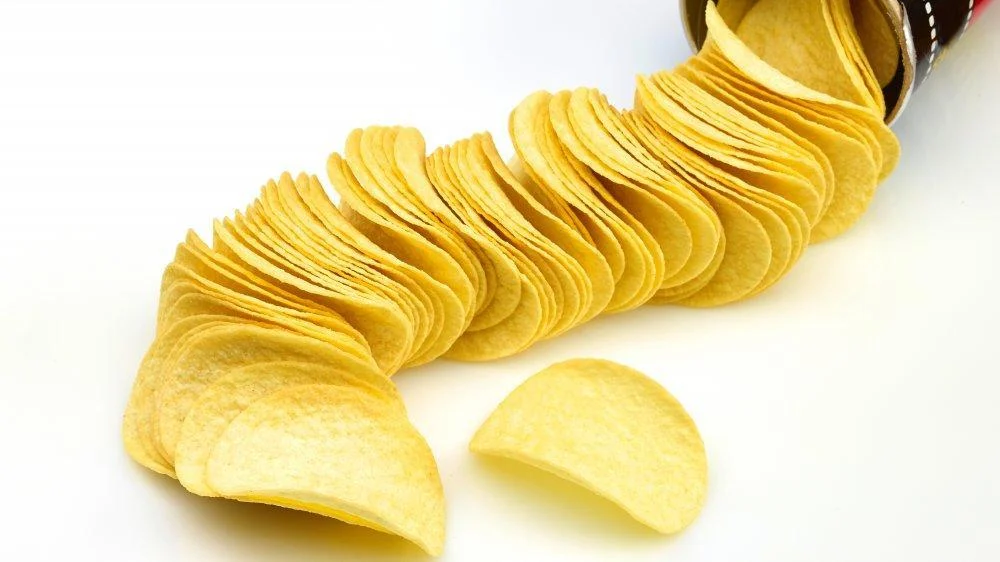
The global snack industry is dominated by a few iconic names, but perhaps none is as recognizable or as structurally unique as Pringles. Known for their uniform shape, sturdy cardboard tube packaging, and satisfying crunch, Pringles have long been a staple in pantries and convenience stores worldwide. However, a closer look at the technical specifications, legal history, and manufacturing processes of this snack reveals a surprising truth: Pringles are not, by strict regulatory or culinary definitions, "potato chips." This distinction has sparked international legal battles, necessitated federal government intervention in the United States, and required a complete reimagining of what constitutes a snack food. To understand the complex identity of Pringles, one must look beyond the flavor and examine the intersection of food science, corporate law, and industrial engineering.
The Regulatory Identity Crisis and the FDA Ruling
The journey of Pringles began in the mid-1950s when Procter & Gamble (P&G) sought to create a snack that addressed common consumer complaints about traditional potato chips: they were often greasy, stale, and prone to breaking into small, useless crumbs at the bottom of the bag. The solution was an engineered snack, but this engineering brought about a significant regulatory hurdle. In the United States, the Food and Drug Administration (FDA) maintains strict "Standards of Identity" for food products to ensure consumers are not misled by labeling.
In 1975, the FDA intervened in the marketing of Pringles, which were then being sold as "Newfangled Potato Chips." The agency ruled that because Pringles were not made from thinly sliced, whole potatoes, they could not legally be called "chips." Instead, the FDA mandated that if the company wished to use the word "potato" in its description, it must include a prominent disclaimer: "potato chips made from dried potatoes." Unwilling to use such a clunky and potentially unappealing description, P&G eventually pivoted to the term "potato crisps." This subtle linguistic shift allowed the brand to maintain its association with the vegetable while complying with federal law. This distinction remains today, as Pringles are officially categorized as "crisps" in the U.S. market, while their competitors like Lay’s or Ruffles are classified as "chips."
The UK Legal Battle: Is It a Chip or a Biscuit?
The debate over Pringles’ identity reached its most dramatic peak in the United Kingdom between 2007 and 2009. This was not merely a matter of semantics but a high-stakes financial maneuver involving the Value Added Tax (VAT). Under UK tax law, most food items are exempt from VAT. However, "potato crisps, potato sticks, potato puffs, and similar products made from the potato, or from potato flour, or from potato starch" are considered luxury items and are subject to a 17.5% tax (at the time).
Procter & Gamble fought a multi-year legal battle against Her Majesty’s Revenue and Customs (HMRC) to argue that Pringles should be exempt from this tax. Their argument was remarkable: they claimed that Pringles were not potato chips because they did not contain enough potato to qualify. The company’s lawyers argued that Pringles were more akin to a biscuit or a cake because they were made from a dough and had a "uniform shape" that does not occur in nature.
In 2008, a lower court initially agreed with P&G, ruling that Pringles were not "made from the potato" because they contained less than 50% potato content and were produced through a highly industrial process. However, this victory was short-lived. In 2009, the Court of Appeal overturned the decision, with the presiding judge stating that there is "more than enough potato content" in a Pringle for it to be considered a potato-based snack. As a result, P&G was forced to pay millions in back taxes. This case remains a landmark in food law, highlighting the lengths to which corporations will go to define—or redefine—their products for fiscal benefit.
The Scientific Composition: More Than Just a Vegetable
The reason Pringles can even attempt to claim they aren’t potato chips lies in their ingredient list. While a traditional potato chip is a simple slice of potato fried in oil and salted, a Pringle is a highly processed composite. According to technical data and industry reports, the potato content of a Pringle is approximately 42%. The remaining 58% is a mixture of vegetable oils, wheat starch, corn flour, rice flour, maltodextrin, salt, and various emulsifiers.
The process begins with a "slurry"—a wet paste made from dehydrated potato flakes and other grains. This slurry is pressed into a thin sheet under immense pressure. Because the base is a dough rather than a vegetable slice, Pringles can achieve a level of consistency that is impossible for traditional chips. This mixture allows for a specific texture that is less oily than a standard chip but more "melt-in-the-mouth." From a nutritional perspective, this makes Pringles an "ultra-processed food," a category that has come under increasing scrutiny by health officials for its links to metabolic issues. However, from an engineering perspective, this composition is what allows the snack to maintain its structural integrity.
Engineering the Hyperbolic Paraboloid
One of the most fascinating aspects of Pringles is their shape, which is known in mathematics as a "hyperbolic paraboloid." This shape was not chosen by accident or for aesthetic reasons alone; it was the result of rigorous aerodynamic and structural testing. The goal was to create a chip that would not break during transport and could be stacked perfectly to save space.
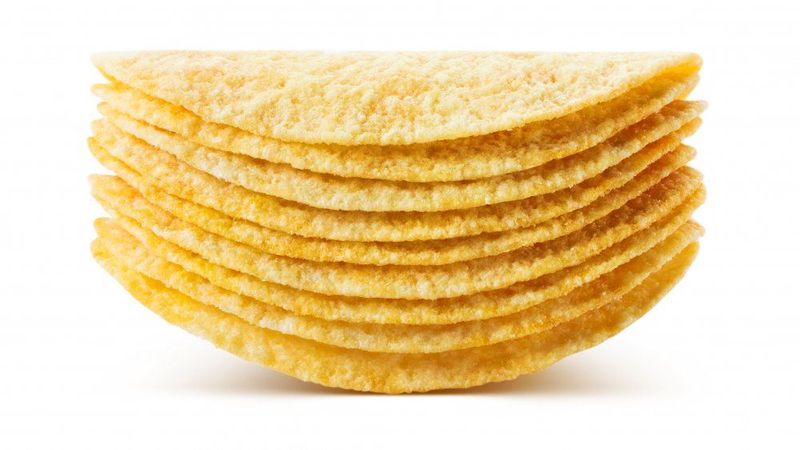
The shape was designed with the help of supercomputers to ensure that the "chips" would stay in place when stacked and wouldn’t catch the wind if they fell off a conveyor belt (a common problem in high-speed food manufacturing). The hyperbolic paraboloid provides structural strength at the edges while maintaining a thin profile.
This engineering feat was spearheaded by Fredric J. Baur, an organic chemist and storage packaging designer for P&G. Baur was so proud of the Pringles can and the stackable chip concept that he requested to be buried in one. When he passed away in 2008, his children honored his wish, placing part of his cremated remains in a Pringles can before burying him. The machinery used to create these shapes was further refined by Gene Wolfe, a mechanical engineer who later became a famous science fiction author. The involvement of such high-level scientific minds underscores that Pringles are less a product of the kitchen and more a product of the laboratory.
The Manufacturing Process: From Slurry to Stack
The production of Pringles is a marvel of modern industrial efficiency. Unlike traditional chip manufacturing, which involves washing, peeling, and slicing whole potatoes, the Pringles line operates more like a paper mill or a printing press.
- Mixing: The dehydrated potato flour is mixed with water and other grain flours to create the dough.
- Sheeting: The dough is rolled out into a continuous, flat sheet.
- Cutting: A rotating cutter stamps out oval shapes from the sheet. The "scrap" dough is recycled back into the mixer to ensure zero waste.
- Molding: The oval cutouts move onto a convex carrier that gives them their signature curve.
- Frying: The chips, held firmly in their molds to prevent warping, are passed through hot oil for mere seconds.
- Drying and Seasoning: They are blown dry of excess oil and sprayed with a fine mist of seasonings.
- Stacking: In perhaps the most satisfying part of the process, the chips move onto a belt where they are slowed down, causing them to stack perfectly on top of one another before being dropped into the iconic foil-lined tubes.
This process allows for the production of thousands of chips per minute with near-zero variance in size, weight, or thickness. This uniformity is the key to the brand’s global distribution strategy, as it allows for dense packing and minimal breakage during international shipping.
Broader Implications and Market Impact
The history and composition of Pringles reflect a broader trend in the global food industry: the shift from "agricultural products" to "engineered food systems." By decoupling the snack from the physical limitations of a whole potato, P&G (and later Kellogg’s, which acquired the brand in 2012 for $2.7 billion) created a product that is immune to the seasonal variations and physical irregularities of potato harvests.
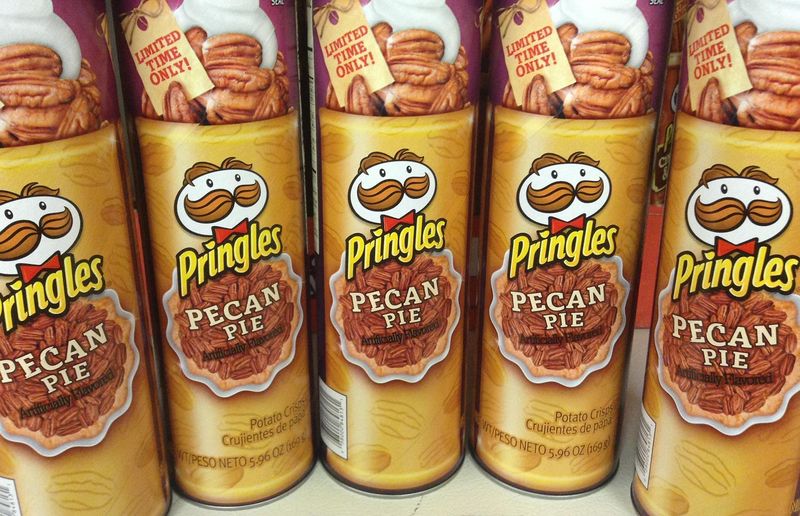
This shift has significant economic implications. Because Pringles are made from dried flakes and grains, the raw materials are easier to store and transport than bulky, perishable raw potatoes. This allows for centralized manufacturing hubs that can serve entire continents. Furthermore, the "potato crisp" designation allows the brand to bypass certain consumer expectations regarding "natural" foods, leaning instead into its identity as a fun, flavorful, and technologically superior snack.
However, the "not a potato chip" reality also serves as a cautionary tale for consumer awareness. It highlights the importance of reading labels and understanding that the branding of a product—often featuring imagery of fresh potatoes—may not always align with its technical or legal classification. As the snack industry continues to evolve, with more companies experimenting with plant-based "meat" and lab-grown ingredients, the Pringles precedent remains the gold standard for how a food item can be legally and scientifically redefined to conquer the global market.
In conclusion, Pringles are a triumph of 20th-century industrial design. They represent a successful attempt to solve the logistical flaws of a natural product through chemistry and geometry. While they may not be "potato chips" in the eyes of the FDA or the UK High Court, their unique status as a "hyperbolic paraboloid potato crisp" has secured their place as one of the most successful and recognizable food products in history. Whether viewed as a miracle of engineering or a masterpiece of tax-avoidance strategy, the Pringle remains a fascinating anomaly in the world of snacks.