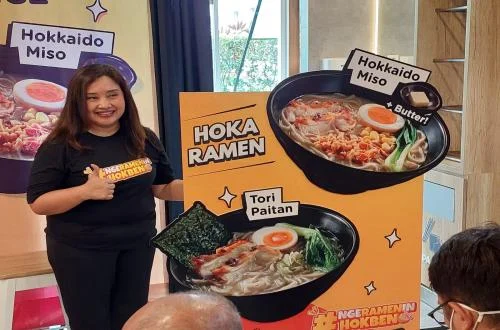
The Indonesian fast-food landscape witnessed a significant addition to its culinary diversity as PT Eka Bogainti, the parent company of the prominent Japanese-style restaurant chain HokBen, officially announced the launch of its newest menu item, Spicy Ramen. Unveiled in Jakarta on February 14, 2023, this strategic move aims to capture the growing demand for spicy flavors among Indonesian consumers while solidifying the brand’s presence in the competitive ramen market. The introduction of Spicy Ramen follows the successful debut of the "Hoka Ramen" line in late 2022, marking a rapid expansion of the company’s noodle-based offerings.
General Manager Marketing of PT Eka Bogainti, Francisca Lucky, stated that the development of this new variant was a direct response to local consumer preferences. "This spicy flavor variant was inspired by the taste preferences of the majority of Indonesian people who favor spicy flavors in their daily menus," Lucky explained during the press conference. By integrating the heat of chili with traditional Japanese noodle techniques, HokBen seeks to bridge the gap between authentic Japanese culinary concepts and the distinct palate of the Indonesian archipelago.
Product Specifications and Pricing Strategy
The Spicy Ramen is meticulously crafted to offer a multi-dimensional sensory experience. It features a robust spicy chicken broth, designed to provide a lingering heat that aligns with the "pedas" (spicy) culture prevalent in Indonesia. To complement the broth, the dish is served with a variety of toppings, or pugasan, including thinly sliced chicken chashu, ni tamago (a traditional Japanese seasoned soft-boiled egg), pakcoy (bok choy), green onions, and wood ear mushrooms (jamur kuping).
The inclusion of wood ear mushrooms and pakcoy adds a textural contrast, providing a crunch that balances the richness of the chicken-based soup. The chicken chashu is prepared using HokBen’s signature seasoning, ensuring a juicy texture and a flavor profile that remains consistent with the brand’s long-standing reputation for quality meat products.
In terms of market positioning, HokBen has implemented a two-tier pricing structure to accommodate different consumer needs and appetite levels. The "Regular" portion is priced at Rp 38,000, while the "Large" portion is available for Rp 48,000. This pricing strategy places HokBen’s ramen in an "affordable luxury" category, making it accessible to the middle-class demographic while remaining competitive against both high-end ramen boutiques and lower-priced street food alternatives.
The Evolution of Hoka Ramen: A Chronological Context
The launch of Spicy Ramen is not an isolated event but the latest milestone in a broader brand evolution. Historically known as "Hoka Hoka Bento," the chain underwent a significant rebranding to "HokBen" to modernize its image and expand its menu beyond the traditional bento boxes that made it a household name since its founding in 1985.
The journey into the ramen sector began in earnest during the final quarter of 2022. At that time, HokBen introduced the "Hoka Ramen" series with two foundational variants:
- Hokkaido Miso Ramen: A savory dish featuring a fermented soybean paste base, characteristic of the northern Japanese style.
- Tori Paitan Ramen: A creamy chicken-based broth known for its collagen-rich texture and deep umami flavor.
The initial reception of these two variants provided the necessary market validation for PT Eka Bogainti to pursue further innovation. By early 2023, the company identified a specific "flavor gap" in their lineup: the lack of a high-heat option. The introduction of Spicy Ramen on Valentine’s Day 2023 was a calculated move to offer a "bold" alternative to the more mellow Miso and Paitan options, effectively completing a trio of flavors that cater to savory, creamy, and spicy preferences.
Strategic Localization and Market Analysis
The decision to focus on spicy flavors is backed by significant market data regarding Indonesian consumption habits. According to various consumer insight reports, Indonesia is one of the highest consumers of chili peppers per capita in Southeast Asia. The "pedas" profile is not merely a flavor preference but a cultural staple, often associated with increased appetite and satisfaction.
By localizing a Japanese staple like ramen, HokBen is participating in a global trend of "culinary fusion" where international dishes are adapted to suit local sensibilities. This strategy reduces the "cultural distance" for new customers who might find authentic Japanese ramen too alien or mild. Furthermore, HokBen’s status as a Halal-certified establishment provides a massive competitive advantage. While many authentic Japanese ramen shops utilize pork-based broths (Tonkotsu), HokBen’s strictly chicken-based (Tori) approach allows it to serve the majority-Muslim population of Indonesia without reservation.
Market analysts suggest that HokBen’s expansion into ramen is also a defensive move against the proliferation of specialized ramen chains in Indonesian malls. By offering ramen alongside its popular fried chicken and beef teriyaki items, HokBen enhances its "one-stop-shop" appeal for families and groups with diverse tastes.
Operational Excellence and Ingredient Quality
To ensure the success of the Spicy Ramen, PT Eka Bogainti has emphasized the quality of its supply chain. The noodles used in Hoka Ramen are produced with specific wheat blends to ensure they maintain a "springy" or al dente texture, even when submerged in hot broth for extended periods—a crucial factor for the delivery and takeaway market, which constitutes a significant portion of HokBen’s revenue.
The company claims that the seasonings are a blend of authentic Japanese imports and high-quality local ingredients. This hybrid sourcing allows the brand to maintain the "Japanese soul" of the dish while ensuring the freshness of the vegetables and proteins. The ni tamago, for instance, requires a precise marination process to achieve the desired jammy yolk consistency, a detail that HokBen has standardized across its hundreds of outlets to ensure brand consistency.
Official Responses and Consumer Reception
Following the launch, early feedback from the culinary community and social media influencers highlighted the "balanced heat" of the Spicy Ramen. Unlike some "ghost pepper" trends that focus on extreme heat at the expense of flavor, HokBen’s version is reported to maintain the savory notes of the chicken broth.
Francisca Lucky reiterated that the company’s goal is "to pamper ramen lovers in Indonesia" by providing a product that feels both premium and familiar. Industry observers note that the timing of the launch—February—coincided with the rainy season in many parts of Indonesia, a period when consumer demand for hot, soupy, and spicy foods typically peaks.
From a corporate perspective, the diversification into ramen represents a shift in HokBen’s identity from a "fast-food bento" chain to a "Japanese casual dining" destination. This shift is expected to increase the average transaction value (ATV) as customers often pair ramen with the brand’s famous side dishes, such as shumai, egg chicken roll, or shrimp roll.
Broader Implications for the Indonesian F&B Industry
The success of HokBen’s ramen line signals a maturing market where consumers are increasingly looking for variety within the "Fast Casual" segment. As a home-grown brand that has successfully emulated Japanese culinary aesthetics, HokBen’s moves are closely watched by competitors.
The launch of Spicy Ramen also highlights the resilience of the Indonesian Food and Beverage (F&B) sector in the post-pandemic era. Despite global supply chain fluctuations and rising ingredient costs, HokBen has managed to launch a protein-heavy menu item at a price point under Rp 50,000. This suggests a high level of operational efficiency and a commitment to maintaining volume-based growth.
Furthermore, this move underscores the importance of "Menu Engineering" in the modern restaurant business. By using existing infrastructure and similar protein sources (chicken) used in their bento boxes, HokBen can introduce ramen with minimal overhead changes, maximizing the utility of their kitchen equipment and staff training.
Conclusion and Future Outlook
As of mid-2023, the Spicy Ramen has become a staple of the HokBen menu, often featured in promotional bundles and digital marketing campaigns. The company’s ability to pivot from a bento-centric model to a diversified Japanese eatery demonstrates a sophisticated understanding of local market dynamics.
Looking ahead, PT Eka Bogainti is expected to continue its path of innovation. With the "Hoka Ramen" platform now firmly established with Miso, Paitan, and Spicy variants, the industry may see further seasonal offerings or limited-time collaborations. For now, the Spicy Ramen stands as a testament to the power of localization—taking a global culinary icon and infusing it with the fiery heat that the Indonesian public craves.
Through strategic pricing, quality assurance, and a deep understanding of the national palate, HokBen has not only added a new dish to its menu but has also redefined its role in the hearts and stomachs of Indonesian consumers. The Spicy Ramen launch is more than just a new product; it is a signal of HokBen’s intent to remain a dominant force in the ever-evolving landscape of Indonesian casual dining.