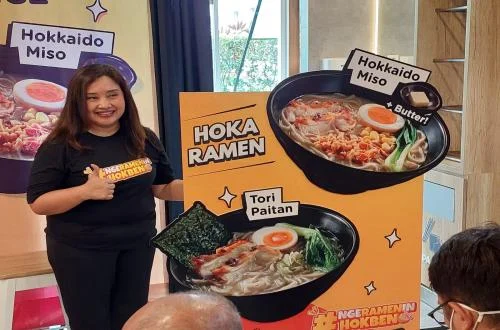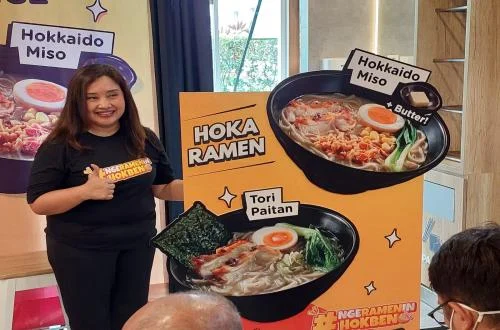
Following the successful introduction of its Hoka Ramen line in late 2022, PT Eka Bogainti, the parent company of the prominent Japanese-style fast-food chain HokBen, has officially announced the expansion of its noodle category with the debut of the Spicy Ramen variant. This strategic move comes as a response to the overwhelming market demand for spicy culinary options in Indonesia, a country where chili-infused dishes are a staple of the daily diet. The new addition follows the initial launch of the Hokkaido Miso Ramen and Tori Paitan Ramen, which established HokBen’s footprint in the competitive ramen market. By integrating a spicy profile into its menu, the company aims to bridge the gap between authentic Japanese culinary techniques and the specific flavor preferences of the Indonesian consumer base.
The Spicy Ramen is meticulously crafted to offer a balance of heat and savory depth, utilizing a spicy chicken broth as its foundational element. To ensure a premium dining experience, each bowl is served with a curated selection of toppings, including thinly sliced chicken chasiu, ni tamago (seasoned soft-boiled egg), pakcoy (bok choy), spring onions, and wood ear mushrooms (jamur kuping). This combination of ingredients provides a variety of textures, from the "juicy" consistency of the marinated chicken to the crunch of the vegetables and the earthy snap of the mushrooms. The Spicy Ramen is available in two distinct serving sizes to accommodate different appetites and price points: the Regular portion is priced at Rp 38,000, while the Large portion is offered at Rp 48,000.
A Strategic Timeline of Menu Diversification
The journey of Hoka Ramen began in the final quarter of 2022. At that time, HokBen recognized a shift in consumer behavior where diners were increasingly seeking diverse Japanese comfort foods beyond the traditional bento boxes that the brand has been famous for since its inception in 1985. The initial launch of Hokkaido Miso Ramen—characterized by its rich, fermented soybean paste base—and Tori Paitan Ramen—known for its creamy, collagen-rich white chicken broth—served as a successful pilot for the brand’s entry into the ramen sector.
The introduction of the Spicy Ramen in early 2023 marks the second phase of this expansion. According to Francisca Lucky, General Manager of Marketing at PT Eka Bogainti, the decision to prioritize a spicy variant was data-driven. "This spicy flavor variant is inspired by the taste preferences of the majority of Indonesian people who enjoy spicy flavors in their daily menus. With the presence of Spicy Ramen, it can further complete the choices for HokBen customers, especially Hoka Ramen lovers," she stated during the product unveiling. This chronology demonstrates a calculated approach to product development, where the brand first established its credibility with classic ramen styles before introducing a localized favorite.
Understanding the "Pedas" Phenomenon in the Indonesian Market
The decision to launch a spicy variant is deeply rooted in the socio-cultural fabric of Indonesian gastronomy. For the Indonesian palate, "pedas" (spiciness) is more than just a flavor; it is an essential component of a satisfying meal. Market research consistently shows that spicy food products, ranging from instant noodles to sambal-based snacks, dominate the fast-moving consumer goods (FMCG) and restaurant sectors in the archipelago. By launching the Spicy Ramen, HokBen is tapping into a pre-existing psychological and physical craving for heat that spans across all socio-economic demographics.
In the broader context of the Indonesian food and beverage industry, "spicy challenges" and "level-based spiciness" have become major marketing trends. While HokBen has maintained a more traditional approach by focusing on flavor balance rather than extreme heat levels, the Spicy Ramen represents a modernization of the brand. It positions HokBen not just as a heritage brand for families, but as a trendy destination for younger generations who are the primary drivers of the ramen trend in urban centers like Jakarta, Surabaya, and Bandung.
Product Composition and Quality Standards
One of the key differentiators for Hoka Ramen, as emphasized by the company, is the quality of the raw materials and the specificity of the seasoning. The ramen noodles are produced using high-quality wheat to ensure a firm yet chewy texture, often referred to in the culinary world as "al dente" or "koshi" in Japanese. The chicken chasiu, a halal-friendly take on the traditional pork chasiu found in Japan, is prepared through a slow-cooking process that allows the savory marinade to penetrate deep into the meat fibers, resulting in the "juicy" sensation mentioned in the brand’s promotional materials.
The inclusion of ni tamago is another nod to authentic ramen culture. These eggs are typically marinated in a mixture of soy sauce, mirin, and spices for several hours, ensuring that the yolk remains jammy while the white takes on a rich, umami flavor. By maintaining these authentic elements while adjusting the broth to a spicy profile, HokBen manages to offer a "Japanese-inspired" experience that feels premium despite its accessible fast-food price point.
Broader Implications for the Fast-Food Landscape
The expansion of HokBen’s menu into specialized ramen territory reflects a larger trend of "menu blurring" in the fast-food industry. Traditionally, fast-food chains were highly specialized—focusing exclusively on burgers, fried chicken, or bento. However, as the market becomes saturated, chains are forced to diversify to capture a larger share of the "stomach." For HokBen, which has a 38-year history in Indonesia, staying relevant requires constant innovation.
Furthermore, the pricing strategy for Spicy Ramen (Rp 38,000 to Rp 48,000) places it in a "sweet spot" within the Indonesian economy. It is more affordable than the offerings at boutique ramen houses, which often start at Rp 70,000 or higher, yet it offers a more elevated dining experience than street-side noodle stalls or instant noodle cafes. This "affordable premium" positioning is crucial for capturing the middle-class segment, which is the largest and most active consumer group in the country.
Operational Excellence and Halal Assurance
A significant factor in HokBen’s sustained success and the potential success of the Spicy Ramen is its commitment to Halal standards. As the world’s most populous Muslim-majority nation, Halal certification is not just a religious requirement in Indonesia but a fundamental business necessity. HokBen was one of the first Japanese-style restaurants in Indonesia to obtain the Halal certificate from the Indonesian Ulema Council (MUI).
Ensuring that a ramen dish—which traditionally often uses pork bone broth (tonkotsu)—is completely Halal while maintaining an authentic taste profile is a significant R&D achievement. The Spicy Ramen uses 100% chicken-based broth and ingredients, providing peace of mind to its core customer base. This allows the brand to scale the product across its hundreds of outlets nationwide, from Sumatra to Papua, without regional dietary concerns.
Market Reaction and Competitive Analysis
The launch of Spicy Ramen puts HokBen in direct competition with local ramen chains that have seen explosive growth in recent years. Brands like RamenYa! and various local "Mie Pedas" (Spicy Noodle) franchises have proven that there is a massive market for affordable, spicy noodles. However, HokBen brings a level of brand trust and operational consistency that newer players may struggle to match.
Industry analysts suggest that HokBen’s entry into the spicy ramen space will likely force competitors to innovate further. The "HokBen" name carries a nostalgic weight for many Indonesians who grew up eating their teriyaki and egg chicken rolls. By adding a contemporary product like Spicy Ramen, the company effectively retains its older customer base while attracting a younger, "foodie" audience that prioritizes new flavor experiences and Instagram-worthy meals.
Conclusion and Future Outlook
The introduction of the Spicy Ramen variant is a clear indication that PT Eka Bogainti intends to make Hoka Ramen a permanent and significant pillar of the HokBen menu. By focusing on the intersection of Japanese culinary tradition and Indonesian flavor profiles, the brand has created a product that is both familiar and exciting. As the F&B sector continues to recover and grow in the post-pandemic era, such innovations are essential for maintaining market leadership.
Looking ahead, the success of the Spicy Ramen may pave the way for even more specialized variants, perhaps incorporating other local ingredients or seasonal Japanese flavors. For now, the Spicy Ramen stands as a testament to HokBen’s ability to evolve, proving that even a heritage brand can successfully navigate the changing tides of consumer taste. For those looking for a break from their usual lunch routine, HokBen’s latest offering provides a spicy, savory, and affordable solution that celebrates the best of both worlds.