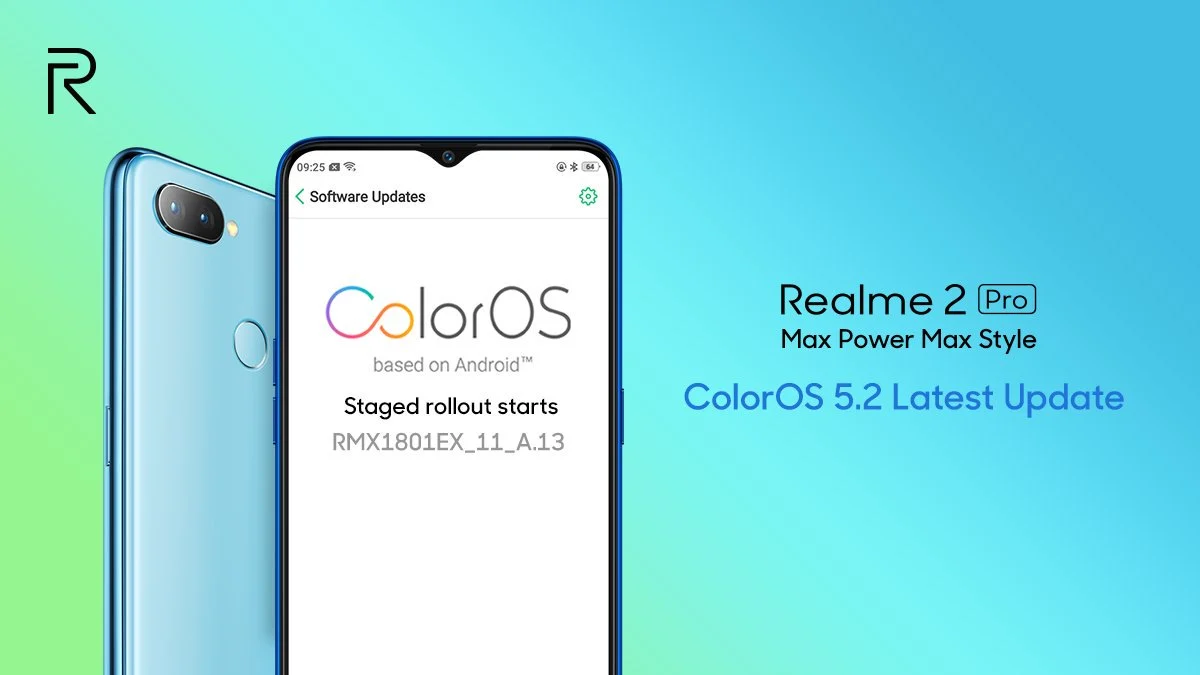
Following a period of speculation that began circulating earlier this year, Realme India has officially confirmed a significant shift in its software strategy: future smartphones released in the Indian market will transition from Realme UI to ColorOS. This move, confirmed through an exclusive interview with GSMArena, is also anticipated to be implemented on a global scale, marking a pivotal moment for the sub-brand of OPPO. The decision aims to streamline development processes and enhance the efficiency of software updates, a key concern for smartphone manufacturers navigating an increasingly competitive landscape.
The Genesis of a Unified Software Experience
The announcement from Realme India arrives amidst broader strategic realignments within the BBK Electronics group, the parent conglomerate that also oversees brands like OPPO, Vivo, and OnePlus. For years, Realme has operated with its own distinct user interface, Realme UI, which itself evolved from OPPO’s ColorOS. Initially, early Realme devices shipped with ColorOS. However, in 2021, the company introduced Realme UI, first appearing on the Realme 3 Pro and Realme XT, signifying an effort to cultivate a unique brand identity and user experience. This latest pivot represents a partial return to its roots, yet the company emphasizes that the underlying similarities between the two interfaces mean the user experience is unlikely to undergo drastic changes.
The reported rationale behind this transition is the desire to consolidate and simplify the complex software development and update pipeline. By merging the development efforts of Realme UI and ColorOS, the company aims to reduce redundancy, accelerate the pace of innovation, and ensure more consistent and timely software support for its devices. This unification is seen as a strategic imperative to optimize resources and respond more agilely to market demands and user feedback.
A Glimpse into the Future: ColorOS 17 and Beyond
The immediate implication of this confirmation is that upcoming Realme smartphones will feature ColorOS 17. While the specific models that will debut this new iteration of ColorOS have not yet been disclosed, it is highly probable that ColorOS 17 will first be unveiled on an OPPO device before making its way to Realme handsets. This approach is consistent with the historical product release cycles within the BBK ecosystem, where core technologies and software often debut on flagship OPPO devices.
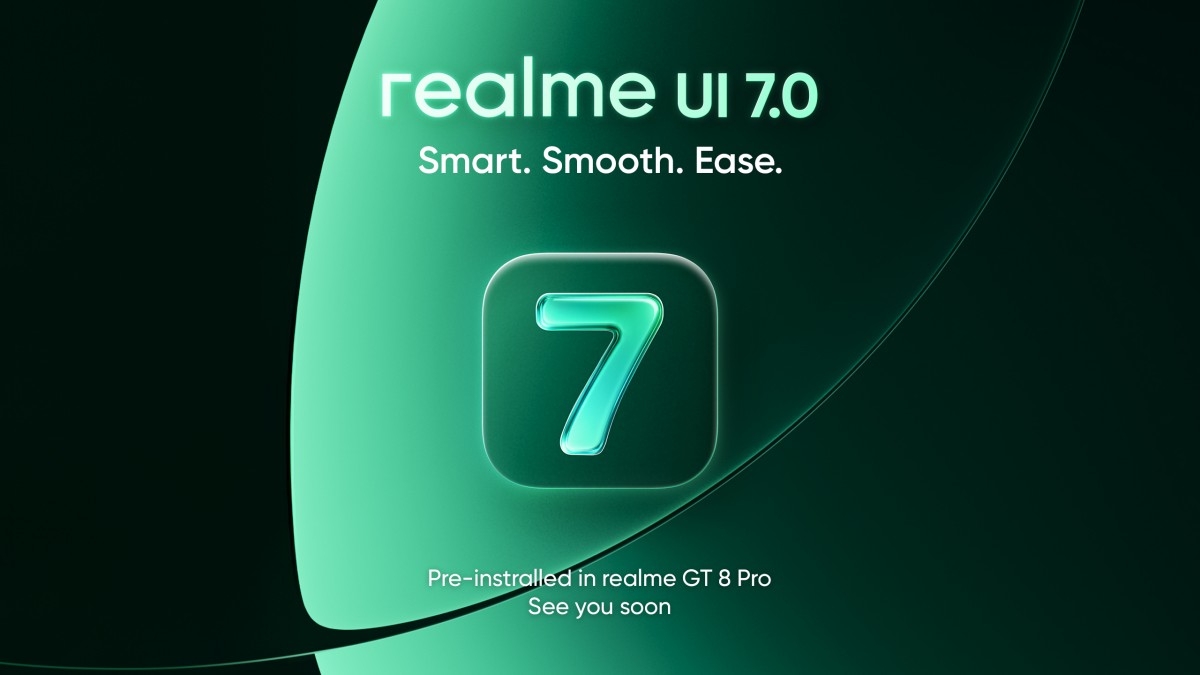
Furthermore, the transition will not be limited to new device launches. Existing Realme smartphones that are still eligible for OS upgrades will also receive ColorOS 17. For instance, the Realme GT 8 Pro, which currently runs on Realme UI 7.0 and benefits from a commitment of four major OS upgrades, is slated to receive ColorOS 17 in a future update. This commitment to ongoing software support for current devices underscores Realme’s dedication to its user base, even as it embarks on a new software direction.
Historical Context: A Return to Familiar Territory
It is crucial to recall that Realme’s journey began with ColorOS. The brand, launched in 2018, initially leveraged OPPO’s established software platform. This provided Realme with a stable and feature-rich foundation upon which to build its early product portfolio. The introduction of Realme UI in 2021 was a strategic move to differentiate the brand and offer a more tailored experience, reflecting Realme’s ambition to carve out its own identity in the competitive smartphone market.
The current shift back towards ColorOS, therefore, represents a strategic recalibration rather than a complete departure from past practices. The company appears to be consolidating its software development under a unified banner, leveraging the established strengths and development resources of ColorOS. Given the inherent similarities and shared codebase between Realme UI and ColorOS, users are expected to find the transition relatively seamless. Both interfaces have historically offered a clean aesthetic, a range of customization options, and a robust set of features, catering to a broad spectrum of user preferences.
The Global Ramifications: An Expanding Horizon
A critical question that arises from this announcement is the scope of this software transition. While the initial confirmation pertains to Realme India, industry analysts and observers widely anticipate that this shift will indeed be implemented globally. This would mean that future Realme devices released in markets across Asia, Europe, and the Americas will likely ship with ColorOS rather than Realme UI. However, official confirmation regarding the global rollout, and specifically for regions like Indonesia, remains pending. The company’s strategy to focus solely on the global market, as opposed to OnePlus’s recent decision to concentrate on China, suggests a renewed emphasis on international expansion and standardization.
This move aligns with a broader trend within the smartphone industry towards software consolidation and optimization. By adopting a unified software platform across its global operations, Realme can streamline its marketing efforts, reduce localization costs, and ensure a consistent brand experience for its users worldwide. This strategic decision could have significant implications for the competitive landscape, potentially allowing Realme to iterate and innovate more rapidly in its software offerings.

Strategic Realignment Within BBK Group
The transition from Realme UI to ColorOS is not an isolated event but rather a component of a larger strategic restructuring occurring within BBK Electronics. This parent company has been actively refining the roles and market positioning of its various smartphone brands. Notably, OnePlus has recently confirmed its withdrawal from the international market to focus its efforts exclusively on China. Simultaneously, OnePlus has merged its OxygenOS development with ColorOS, further solidifying the dominance of ColorOS within the BBK ecosystem for global markets.
This coordinated approach suggests a deliberate effort to leverage synergies and optimize the strengths of each brand. By consolidating software development and refining market strategies, BBK aims to create a more robust and competitive portfolio of brands that can effectively address diverse market segments and user needs. For Realme, this means focusing its resources on delivering compelling hardware and a refined software experience through ColorOS, while potentially benefiting from the shared technological advancements and development infrastructure within the OPPO family.
Potential Implications and User Reception
The implications of this shift are multifaceted. From a development perspective, a unified software base should lead to faster updates, improved stability, and potentially richer feature sets as development resources are pooled. For users, while the immediate user experience may not change drastically due to the inherent similarities between Realme UI and ColorOS, the long-term impact on update frequency and the availability of new features will be a key area to monitor.
User reception will undoubtedly vary. Some users who have grown accustomed to the nuances of Realme UI may express concern, while others might welcome the potential for more consistent and streamlined software support. The success of this transition will hinge on Realme’s ability to effectively communicate the benefits to its user base and ensure that ColorOS continues to offer a compelling and user-friendly experience that meets and exceeds the expectations set by Realme UI. The company’s commitment to transparency and ongoing dialogue with its community will be crucial in navigating this significant software evolution.
As Realme continues to solidify its position as a major player in the global smartphone market, this strategic decision to adopt ColorOS signifies a bold step towards greater integration and efficiency. The coming months will reveal the full extent of this transition and its impact on the user experience across Realme’s diverse range of devices. The smartphone industry watches closely as this significant shift unfolds, a testament to the dynamic and evolving nature of software strategy in the consumer electronics sector.