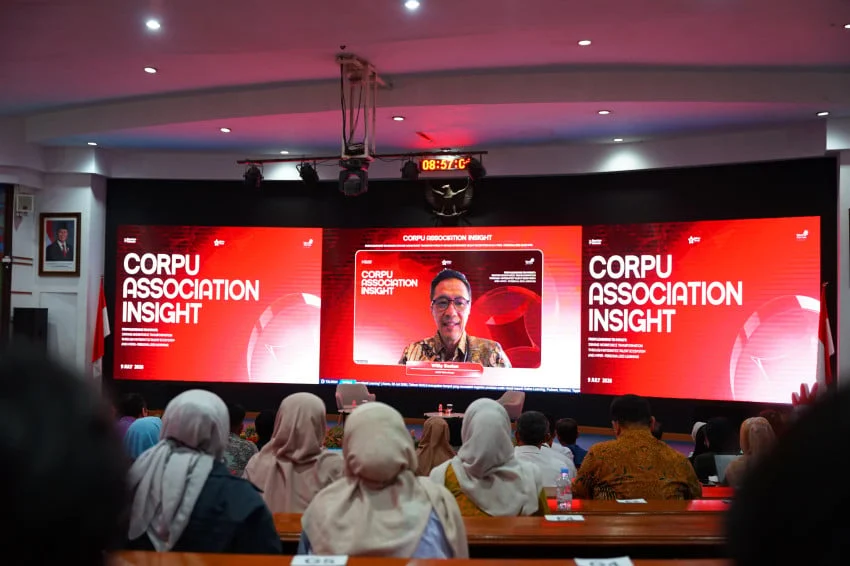
BANDUNG, INDONESIA – In a pivotal moment marked by the accelerating pace of digital transformation and the burgeoning influence of Artificial Intelligence (AI), organizations worldwide are facing an urgent imperative to cultivate human capital strategies that are both agile and responsive to rapidly evolving business needs. Addressing this critical challenge, PT Telkom Indonesia (Persero) Tbk (Telkom), through its dedicated Telkom Corporate University (Telkom CorpU), convened the "CorpU Association Insight" forum. Held virtually on Thursday, July 9th, from Telkom Corporate University in Bandung, the forum was themed "From Learning to Impact: Driving Workforce Transformation through Integrated Talent Ecosystem and Hyper-Personalized Learning."
This significant gathering served as a crucial platform for human resources practitioners, leaders of Corporate Universities, and talent development managers from a diverse array of organizations. The objective was to foster a dynamic exchange of insights, best practices, and innovative approaches essential for building robust, integrated talent ecosystems. Telkom CorpU, at the forefront of this initiative, aimed to champion a paradigm shift in human resource development, emphasizing not merely the acquisition of knowledge but also the tangible impact of learning on enhancing talent capabilities and ultimately, driving organizational performance.
The Strategic Imperative of Agile Talent in a Digital Era
Willy Saelan, Director of Human Capital Management at Telkom, delivered a compelling keynote speech during the forum, underscoring the strategic necessity of equipping the workforce with talent that is adept at navigating technological advancements and adapting to shifting competency requirements.
"In the era of digital transformation and AI, organizations are in dire need of talent that is agile and prepared to embrace change," Saelan articulated. "Consequently, learning, talent, and career development must be seamlessly integrated within a unified ecosystem. This integration is crucial for accelerating capability development, enhancing talent readiness, and generating demonstrable impact towards the achievement of strategic business objectives."
Saelan’s remarks highlighted a fundamental understanding within Telkom that traditional, siloed approaches to employee development are no longer sufficient. The rapid evolution of technologies like AI, cloud computing, and data analytics necessitates a more holistic and interconnected strategy. This means that learning initiatives cannot operate independently from talent management and career progression frameworks. Instead, they must be mutually reinforcing, creating a virtuous cycle of growth and performance.
Telkom CorpU’s Vision: An Integrated Talent Ecosystem
The "CorpU Association Insight" forum was more than just a discussion; it represented a strategic initiative by Telkom CorpU to catalyze a broader movement towards more effective talent development. The concept of an "integrated talent ecosystem" refers to a framework where all aspects of talent management – from recruitment and onboarding to learning and development, performance management, succession planning, and career pathing – are interconnected and aligned. This ensures that individuals are provided with the right learning opportunities at the right time, tailored to their career aspirations and the evolving needs of the business.
The forum’s focus on "hyper-personalized learning" further emphasizes this integrated approach. In contrast to one-size-fits-all training programs, hyper-personalization leverages data analytics and AI to understand individual learning styles, knowledge gaps, and career goals. This allows for the delivery of customized learning content and experiences that are more engaging, effective, and impactful. Imagine an employee needing to upskill in cloud architecture; hyper-personalized learning would identify specific modules, simulations, or mentorship opportunities that precisely address their current skill level and future role requirements, rather than a generic cloud computing course.
The Evolving Role of Corporate Universities
M. Subhan Iswahyudi, Senior General Manager of Telkom Corporate University, echoed Saelan’s sentiments, emphasizing the increasingly strategic role that Corporate Universities are playing in facilitating organizational transformation.
"Corporate Universities are no longer just training centers," Iswahyudi stated. "They are evolving into strategic partners that drive organizational change, foster innovation, and cultivate future-ready leaders. Our role is to design and implement learning and talent strategies that are directly aligned with the company’s vision and operational imperatives, especially in this dynamic digital landscape."
The transformation of Corporate Universities from mere providers of training to strategic enablers of business strategy is a significant trend. In the past, their primary function was often seen as delivering standardized courses. Today, leading Corporate Universities are actively involved in co-creating talent strategies with business units, identifying future skill needs, and developing innovative learning solutions that address specific business challenges. This requires a deep understanding of the business, strong partnerships with external learning providers, and the effective use of technology.
Background and Context of the Forum
The "CorpU Association Insight" forum was not an isolated event but rather a culmination of ongoing efforts by Telkom CorpU to lead the conversation on modern talent development. The forum’s timing, amidst a global surge in digital adoption accelerated by the COVID-19 pandemic, amplified its relevance. Organizations were forced to rapidly adapt to remote work, digital customer engagement, and new operational models. This abrupt shift highlighted existing skill gaps and underscored the critical need for continuous learning and workforce agility.
The CorpU Association itself is likely a network or community of practice dedicated to advancing the field of corporate learning and development. By convening this forum, Telkom CorpU positioned itself as a thought leader and facilitator within this ecosystem, bringing together peers to share experiences and collectively address common challenges. The forum’s virtual format, necessitated by prevailing health guidelines, also demonstrated Telkom’s own adaptability and commitment to leveraging digital platforms for engagement and knowledge sharing.
Key Themes and Discussions
While specific details of every session were not elaborated upon in the initial announcement, the forum’s theme suggests several key areas of discussion and exploration:
- Integrated Talent Management Systems: How can organizations break down silos between HR functions like learning, performance, and career management to create a seamless experience for employees and a more strategic view for the organization? This would involve discussions on data integration, shared platforms, and aligned processes.
- The Power of Data in Learning and Talent Analytics: Utilizing data to identify skill gaps, measure learning effectiveness, predict future talent needs, and personalize learning journeys. This could include discussions on learning analytics platforms, AI-powered recommendations, and the ethical use of employee data.
- Designing for Impact: Moving beyond measuring participation or completion rates to quantifying the actual impact of learning on individual performance, team productivity, and organizational outcomes. This might involve exploring frameworks like Kirkpatrick’s Four Levels of Evaluation or ROI calculations for learning initiatives.
- Future-Proofing the Workforce: Identifying emerging skills required by industries like AI, cybersecurity, data science, and sustainable business practices, and developing strategies to cultivate these competencies within the existing workforce.
- The Role of Technology in Hyper-Personalization: Exploring AI-driven learning platforms, adaptive learning technologies, virtual reality (VR) and augmented reality (AR) for immersive learning experiences, and gamification to enhance engagement.
Supporting Data and Industry Trends
The urgency of the forum’s theme is underscored by global trends in workforce development and digital adoption. Reports from various reputable organizations consistently highlight the growing skills gap and the increasing demand for digital competencies.
For instance, a recent study by the World Economic Forum indicated that by 2025, as many as 85 million jobs may be displaced by a shift in the division of labour between humans and machines, while 97 million new roles may emerge that are more adapted to the new division of labour. This highlights the critical need for reskilling and upskilling initiatives, a core focus of Telkom CorpU’s agenda.
Furthermore, the adoption of AI in the workplace is no longer a distant prospect. According to Statista, the global AI market is projected to grow significantly, reaching hundreds of billions of dollars in the coming years. This widespread integration of AI necessitates a workforce that understands how to work alongside AI, leverage its capabilities, and manage its ethical implications.
The emphasis on hyper-personalized learning is also supported by research indicating that personalized learning experiences can lead to higher engagement rates and improved knowledge retention. A study by IBM found that personalized learning can improve knowledge retention by up to 30%.
Implications for Organizations and the Workforce
The strategic direction championed by Telkom at this forum carries significant implications for both organizations and their employees:
- For Organizations: Companies that embrace an integrated talent ecosystem and hyper-personalized learning will likely gain a competitive advantage. They will be better equipped to attract and retain top talent, foster a culture of continuous learning and innovation, and adapt more effectively to market changes. This approach can lead to increased productivity, improved employee engagement, and a stronger bottom line. It also allows for more strategic workforce planning, ensuring that the organization has the right skills in place to meet future challenges and opportunities.
- For Employees: Individuals who actively engage with these new learning paradigms will find themselves better prepared for the future of work. Hyper-personalized learning offers tailored development paths that align with individual career aspirations, making learning more relevant and effective. This can lead to greater job satisfaction, enhanced career progression opportunities, and increased employability in a rapidly evolving job market. It empowers employees to take ownership of their professional development and stay ahead of the curve.
Future Outlook and Broader Impact
The "CorpU Association Insight" forum signifies a forward-looking approach to human capital management. By emphasizing integration and personalization, Telkom CorpU is not just addressing current challenges but also laying the groundwork for a more resilient and adaptable workforce for the future.
The success of such initiatives will depend on several factors, including:
- Commitment from Leadership: Sustained buy-in and support from senior leadership are crucial for the successful implementation of these strategies.
- Investment in Technology: Organizations need to invest in appropriate learning technologies and data analytics capabilities.
- Cultural Shift: Fostering a culture that values continuous learning, experimentation, and data-driven decision-making is essential.
- Collaboration and Knowledge Sharing: Continued collaboration among organizations, Corporate Universities, and learning providers will accelerate innovation and best practice dissemination.
As digital transformation continues to reshape industries, the ability of organizations to effectively develop and deploy their human capital will be a key differentiator. Telkom, through initiatives like the "CorpU Association Insight" forum, is demonstrating a clear commitment to leading this evolution, fostering a future where learning is not just a process but a powerful engine for organizational success and individual growth. The emphasis on creating an integrated talent ecosystem and delivering hyper-personalized learning experiences is a testament to Telkom’s understanding that its people are its most valuable asset in navigating the complexities of the digital age.