
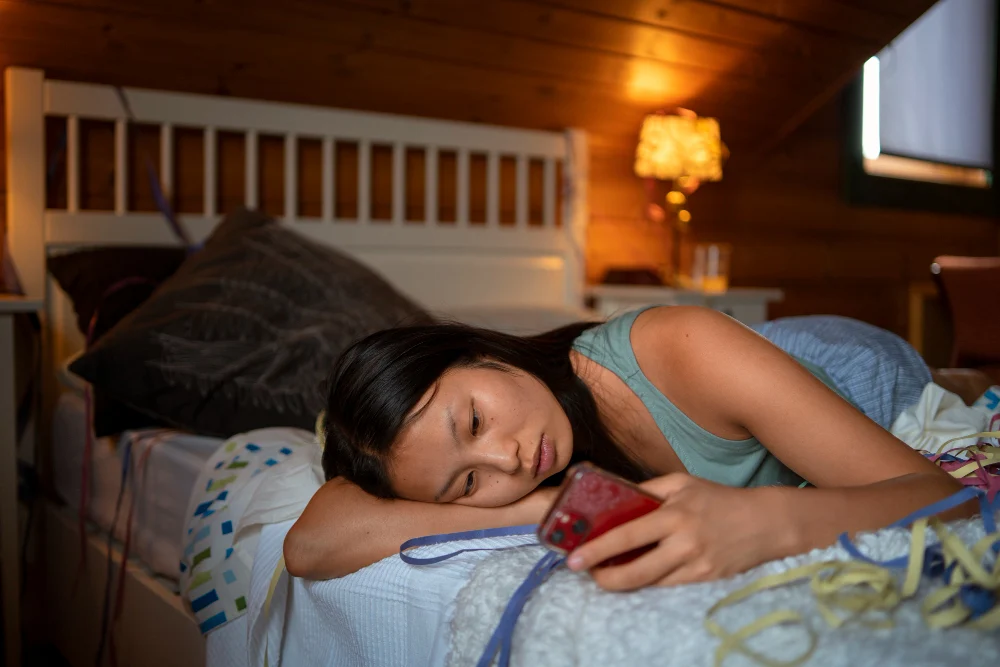
The modern human experience is increasingly defined by a pervasive state of "always-on" connectivity. As digital devices become central to both professional and personal spheres, the boundary between daytime productivity and nighttime recovery has blurred significantly. Recent health research suggests that this shift is taking a measurable toll on public health, specifically regarding the quality of restorative sleep. While dietary habits and physical exercise are frequently cited as the pillars of vitality, the crucial window of time immediately preceding sleep—the "pre-sleep hour"—has emerged as a critical, yet frequently ignored, variable in overall well-being.
Data indicates that the cumulative effect of poor sleep hygiene is not merely a matter of morning grogginess. It is linked to systemic health issues, including metabolic dysregulation, cognitive decline, and weakened immune responses. To address these concerns, sleep scientists and medical professionals are increasingly advocating for a structured "digital sunset," a practice that involves the deliberate cessation of screen exposure at least one hour before bed.
The Physiology of the Pre-Sleep Hour
The human sleep-wake cycle is governed by the circadian rhythm, an internal biological clock that responds primarily to light and darkness. Under natural conditions, the transition toward sleep is mediated by the pineal gland’s secretion of melatonin, a hormone that signals the body to prepare for rest. In an ancestral environment, the onset of dusk naturally triggers this process. In the modern era, however, the artificial illumination provided by smartphones, tablets, and high-definition televisions creates a disruptive stimulus.
Daniel Kellman, N.D., FABNO, and an expert in functional medicine, notes that the light emitted by these devices—specifically in the blue light spectrum—is uniquely effective at suppressing melatonin production. By mimicking daylight, these screens trick the brain into maintaining a state of high alertness. This suppression does not only delay the onset of sleep, known as sleep latency; it also disrupts the architecture of sleep itself, potentially reducing the duration of deep, slow-wave sleep phases essential for physical restoration and memory consolidation.
Chronology of a Digital Disruption
The rise of the "always-on" culture can be traced back to the widespread adoption of the smartphone in the late 2000s. As mobile computing evolved from a tool for occasional communication to an essential hub for work, social interaction, and entertainment, the "pre-sleep hour" became the primary time for "catch-up."
By 2015, clinical studies began documenting a sharp increase in reports of "revenge bedtime procrastination"—a phenomenon where individuals intentionally delay sleep to regain a sense of personal freedom after a long, demanding day. This behavioral trend, often fueled by endless scrolling through social media feeds, has transformed the hour before sleep from a period of wind-down into a period of high-intensity cognitive stimulation.
Medical researchers began identifying this as a public health crisis in the early 2020s. Following the global shift toward remote work, the lack of physical separation between "home" and "office" meant that many individuals were checking emails and responding to professional inquiries until the moment they closed their eyes. The resulting sleep deprivation has been correlated with a decline in workplace performance, an increase in traffic accidents, and a rise in anxiety-related disorders.
Supporting Data on Sleep Hygiene
The implications of screen time are backed by substantial empirical evidence. According to a study published in the Journal of Applied Physiology, exposure to blue light for two hours before bed can delay the rise of melatonin by up to 90 minutes. This shift in the hormonal cycle is equivalent to the physiological experience of crossing time zones, effectively placing the individual in a state of chronic "social jetlag."
Furthermore, data from the National Sleep Foundation suggests that nearly 70% of adults use a device within one hour of going to sleep. Among this demographic, reports of insomnia, waking up tired, and a reliance on caffeine to function during the day are 40% higher than in those who abstain from electronics before bed. The economic impact of this is significant; lost productivity due to sleep-related fatigue costs the global economy hundreds of billions of dollars annually.
Expert Perspectives and Institutional Responses
Health organizations are now shifting their recommendations to emphasize the importance of sleep hygiene as a primary preventative measure. Dr. Elena Rodriguez, a specialist in sleep medicine at the Global Health Institute, explains, "We are asking the public to treat the hour before bed with the same sanctity as a medical prescription. It is not about simply putting the phone down; it is about creating a psychological and physiological buffer between the demands of the day and the necessity of rest."
While there is no universal legislative mandate to control screen time, several corporations have begun implementing "Right to Disconnect" policies. These policies discourage or prohibit the sending of work-related communications after specific hours, recognizing that the health of the employee directly impacts the sustainability of the organization. These institutional responses represent a broader acknowledgment that technological convenience must be balanced against the biological limits of the human body.
Broader Implications: Reclaiming the Night
The transition away from screens during the final hour of the day serves as a catalyst for deeper physiological and psychological restoration. When the brain is no longer bombarded by the rapid-fire information flow of digital media, it begins to shift into a state of "default mode network" activity, which is associated with introspection, creativity, and emotional regulation.
Replacing the screen with analog activities—such as reading a physical book, light stretching, journaling, or practicing mindfulness meditation—allows the nervous system to transition from a sympathetic "fight-or-flight" state to a parasympathetic "rest-and-digest" state. The implications for the following day are profound: improved focus, higher emotional intelligence, and a stronger physiological resilience to stress.
Strategies for Implementation
Experts suggest a gradual transition for those accustomed to nightly screen usage. The goal is not necessarily immediate perfection but consistent improvement. Practical strategies include:
- The Physical Barrier: Keeping devices in a separate room from the bedroom. If a phone is used as an alarm, consider purchasing a standalone alarm clock to remove the temptation of checking the device upon waking or before sleeping.
- The "Blue-Light" Buffer: Utilizing "night mode" or "eye comfort" settings that shift screen color temperatures toward the warmer end of the spectrum if device use is unavoidable, though total abstinence remains the gold standard.
- The Ritual Replacement: Establishing a consistent routine that does not involve electronics. This could include preparing clothes for the next day, a warm shower, or short-form creative activities that do not require high cognitive load.
- Environmental Control: Dimming lights throughout the house an hour before sleep to mimic the natural progression of sunset, which further encourages the body’s endogenous melatonin production.
Conclusion
The quest for a more energetic and vibrant life is rarely found in the latest supplement or productivity hack. Instead, it is found in the fundamental restoration of our natural rhythms. By reclaiming the hour before sleep from the encroaching influence of digital technology, individuals can fundamentally alter their experience of the following day.
As society continues to navigate the complexities of a hyper-connected world, the decision to disconnect is not an act of technological abandonment, but an act of self-preservation. Prioritizing sleep is not a luxury; it is the foundation upon which all other forms of human achievement are built. In the quiet of the pre-sleep hour, the body performs its most essential work—repairing the damage of the day and preparing the mind for the challenges of tomorrow. By respecting this biological need, we move closer to a sustainable model of health that honors both our ambition and our inherent human nature.
