
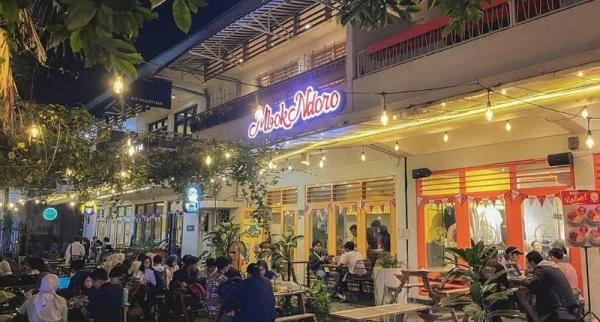
The Blok M district in South Jakarta has solidified its reputation as a primary destination for international travelers, particularly those from Malaysia, marking a significant evolution in the regional tourism landscape. Once considered a secondary commercial area, the neighborhood has transformed into a vibrant cultural and culinary epicenter. This shift reflects a broader global movement in tourism, where travelers are increasingly moving away from high-end, predictable dining experiences in favor of authentic, locally driven, and often "hidden" culinary encounters. The rising popularity of Blok M serves as a case study for how urban neighborhoods can leverage cultural authenticity to attract international visitors, signaling a new era for Indonesia’s tourism sector.
The Evolution of the Blok M Culinary Landscape
Historically, Blok M was recognized as a bustling shopping district in the 1980s and 1990s, defined by the Melawai area and traditional department stores. Over the past decade, however, the area has undergone a significant revitalization. The development of the Jakarta MRT (Mass Rapid Transit) system, which includes a major station at Blok M, has been a primary catalyst for this growth. The increased accessibility has encouraged a new wave of entrepreneurs, creative youth, and culinary enthusiasts to establish businesses in the area.
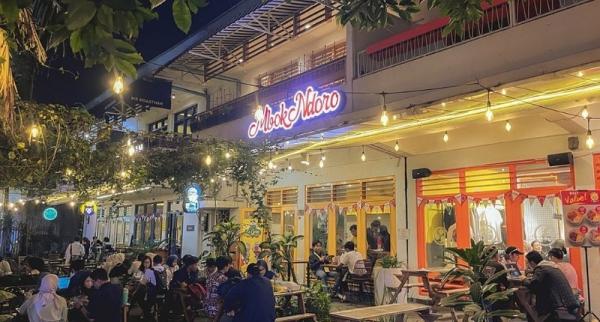
Today, the district is a tapestry of dining options that range from traditional street food stalls—known as kaki lima—to contemporary coffee shops, hidden izakayas, and viral eateries popularized by social media platforms. For Malaysian tourists, in particular, Blok M offers a unique blend of familiarity and novelty. The shared linguistic and cultural heritage between Indonesia and Malaysia creates a comfortable environment for visitors, while the distinct flavors of Indonesian street food provide a sensory experience that differs from their home culinary landscape.
A Shift in Tourist Behavior: From Luxury to Authenticity
Tourism experts have noted a marked change in the profile of the modern traveler. Historically, tourism marketing focused on iconic landmarks and luxury hospitality. However, the post-pandemic traveler, particularly among the Gen Z and Millennial demographics, is driven by "experiential tourism." This involves seeking out local authenticity, sustainable practices, and the narratives behind food.
This trend is clearly visible in the surge of interest in "hidden gem" locations. Tourists are no longer satisfied with dining at hotel restaurants; they are actively using social media platforms like TikTok and Instagram to scout out authentic eateries that the local population frequents. This "democratization" of food criticism has allowed small-scale vendors in Blok M to compete with established businesses. The viral nature of these locations creates a "must-visit" urgency, turning simple dishes into cultural phenomena that draw crowds from across the region.
Chronology of Transformation: The Revitalization Process
The current status of Blok M as a tourist magnet is the result of a multi-year transformation process:
- 2017–2018 (Infrastructure Phase): The construction of the Jakarta MRT provided the necessary connectivity to integrate South Jakarta with the central business district, making the area more accessible to international tourists staying in major hotel chains.
- 2019–2021 (The Creative Pivot): As traditional retail spaces faced challenges, a surge of young Indonesian entrepreneurs began repurposing older building units into intimate, aesthetic-focused cafes and bars, catering to the growing "coffee culture" in Jakarta.
- 2022–2023 (Digital Acceleration): The rise of short-form video content turned specific corners of Blok M—such as the Little Tokyo area—into viral hotspots. This period marked the beginning of consistent international interest, with Malaysian tourists citing social media as their primary discovery tool.
- 2024–Present (Consolidation): The area has now transitioned into a structured tourist destination, with travel agencies and local tourism boards beginning to formalize "culinary walk" packages that highlight the diversity of the district.
Supporting Data and Market Insights
According to data from the Central Statistics Agency (BPS), the number of Malaysian tourists remains the highest among all international arrivals in Indonesia. Their preference for Jakarta is largely driven by shopping and culinary tourism. Industry analysis suggests that while shopping remains a primary objective, the "average spend" on food and beverage per visitor has increased by approximately 22% over the last three years.

Furthermore, the Indonesia Gastronomy Network has observed that the "halo effect" created by a successful culinary destination like Blok M benefits the entire local economy. When tourists visit for the food, they also engage with local transport services, boutique retailers, and accommodation providers. This multi-sector impact is a key pillar of the Ministry of Tourism and Creative Economy’s strategy to achieve higher foreign exchange earnings through tourism.
Expert Perspective: The Role of Diversity in Gastronomy
Vita Datau, the Founder of the Indonesia Gastronomy Network, emphasizes that the success of Blok M should not be viewed as a top-down government project, but rather as an organic evolution of the market. According to Datau, the government’s role should be to facilitate and support rather than dictate trends.
"The modern traveler is discerning," Datau noted. "They seek authenticity above all else. When we talk about culinary tourism, we must allow the landscape to reflect the actual habits of the local population. When a destination becomes ‘too polished’ or ‘too touristy,’ it often loses the very charm that made it popular in the first place."
Datau’s stance aligns with current global tourism research, which suggests that the most resilient destinations are those that maintain a balance between catering to international tourists and serving their own local communities. By allowing Blok M to remain a space for both residents and visitors, the area retains its "authentic soul," which is the primary driver of its sustained popularity.

Broader Implications for Indonesian Tourism
The success of the Blok M model carries significant implications for urban planning and tourism policy across Indonesia. First, it highlights the importance of connectivity. Without the MRT, the revitalization of the area would likely have been stifled by the notorious traffic congestion that characterizes Jakarta. Second, it demonstrates the power of the "creative economy." By supporting independent business owners and local culinary icons, the government can foster a more sustainable form of tourism that distributes wealth more broadly than traditional mass-tourism models.
However, challenges remain. As popularity increases, so does the risk of gentrification, which could potentially drive out the very vendors that made the area famous. Ensuring that long-term street food vendors are protected and that the infrastructure can handle increased foot traffic is essential for the long-term viability of the district.
Looking ahead, the Ministry of Tourism and Creative Economy is expected to analyze the "Blok M effect" to replicate its success in other urban centers. Similar projects are being discussed for cities like Surabaya, Medan, and Yogyakarta, where local culinary scenes are already thriving but lack the centralized "hub" status that Blok M has successfully cultivated.
Conclusion
The emergence of Blok M as a premier culinary destination for international tourists is more than a local success story; it is a manifestation of a fundamental shift in how the world perceives travel. The modern tourist is an explorer, an amateur food critic, and a digital curator. By embracing this change and focusing on the authentic, raw, and vibrant nature of its local culinary scene, Jakarta has managed to create a destination that resonates with visitors from across the globe. As long as the area remains true to its roots while adapting to the needs of its diverse visitors, Blok M is set to remain a cornerstone of Indonesian tourism for years to come. The lessons learned here—prioritizing connectivity, fostering creativity, and preserving authenticity—will undoubtedly shape the future of urban tourism in the archipelago.
