

The silent progression of metabolic dysfunction represents one of the most significant public health challenges facing the global male population today. As modern dietary habits shift toward processed convenience, the incidence of insulin resistance and prediabetes has reached alarming levels. Recent data from the United States Centers for Disease Control and Prevention (CDC) indicates that over 115.2 million American adults are currently living with prediabetes, a condition characterized by blood glucose levels higher than normal but not yet high enough to be classified as type 2 diabetes. Perhaps most concerning is that approximately 80% of these individuals remain entirely unaware of their metabolic state, leaving them vulnerable to the eventual onset of type 2 diabetes, cardiovascular disease, and stroke.
The physiological mechanisms governing blood sugar regulation in men are particularly susceptible to the quality of carbohydrates consumed. Registered Dietitians and nutritionists emphasize that the glycemic index—a measurement of how quickly a food raises blood glucose levels—is a critical metric for long-term health. By integrating specific, nutrient-dense foods into their weekly regimens, men can proactively manage insulin sensitivity and mitigate the risk of chronic metabolic failure.
The Anatomy of Metabolic Risk
The trajectory toward type 2 diabetes is rarely sudden; it is a gradual erosion of the body’s ability to process glucose efficiently. Prediabetes, often termed "impaired glucose tolerance," serves as the final warning sign before a diagnosis of type 2 diabetes. The physiological cascade begins with the pancreas overproducing insulin to keep up with high sugar intake. Over time, the body’s cells become resistant to this insulin, leading to elevated blood sugar levels that cause systemic inflammation, vascular damage, and nerve deterioration.

Health experts point to a clear timeline in the development of these issues. In the early stages, subtle symptoms—such as fatigue, increased thirst, or unexplained hunger—are often dismissed as consequences of stress or a busy lifestyle. If left unaddressed, the condition progresses within three to five years to full-blown type 2 diabetes in a significant percentage of patients. Clinical studies have consistently shown that lifestyle interventions, specifically dietary modification and physical activity, can reduce the risk of progression from prediabetes to diabetes by as much as 58%.
Strategic Dietary Interventions: Five Key Food Groups
Nutrition experts like Amanda Sauceda, M.S., RD, suggest that the most effective way to stabilize blood glucose is not through extreme restriction, but through the strategic inclusion of complex fibers, healthy fats, and high-quality proteins.
1. Whole Grain Oats: The Beta-Glucan Advantage
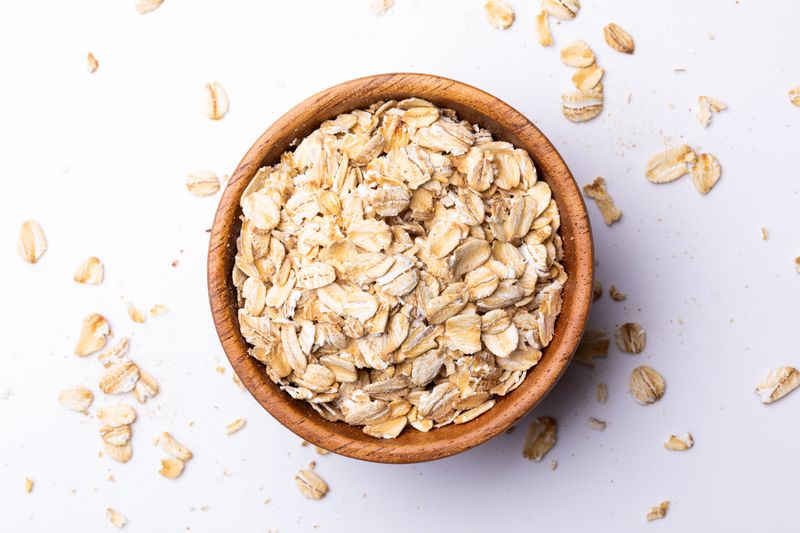
Oats have long been hailed as a staple for heart health, but their role in blood sugar management is equally critical. They are a rich source of beta-glucan, a type of viscous soluble fiber that forms a gel-like substance in the digestive tract. This gel significantly slows the absorption of glucose into the bloodstream, preventing the sharp "spikes" that trigger insulin surges.
Nutritionist Melissa Mitri notes that while many men reach for instant, flavored oatmeal packets, these are often loaded with refined sugars that counteract the health benefits. Instead, steel-cut or rolled oats should be the primary choice. When prepared with water or unsweetened almond milk, they provide a steady release of energy that sustains metabolic stability throughout the morning.
2. The Role of Polyphenol-Rich Berries
Berries, including blueberries, strawberries, and raspberries, are powerful tools for glycemic control. Beyond their fiber content, they are packed with anthocyanins—natural pigments that have been shown to improve insulin sensitivity. Research suggests that the consumption of berries can reduce the post-meal glycemic response, making them an ideal dessert or snack for those concerned about diabetes risk. Their low glycemic index ensures that they provide sweetness without the volatility associated with processed snacks.
3. The Power of Legumes and Pulses
Lentils, chickpeas, and beans (including kidney, black, and pinto beans) represent a nutritional powerhouse for men. They provide a unique dual-action benefit: a high concentration of plant-based protein combined with complex, slow-digesting carbohydrates. A 2022 meta-analysis published in the field of nutritional science highlighted that regular consumption of legumes is associated with better long-term glycemic control, even among individuals already diagnosed with type 2 diabetes. By replacing a portion of refined grains with lentils or beans, men can lower the overall glycemic load of their meals significantly.
4. Omega-3 Rich Fatty Fish
Salmon is frequently cited as the gold standard for protein in a diabetes-preventative diet. The high-quality protein in salmon acts as a brake on carbohydrate digestion, ensuring that sugar enters the blood at a controlled rate. Furthermore, the high content of omega-3 fatty acids provides a potent anti-inflammatory effect. Chronic inflammation is a known driver of insulin resistance; therefore, by reducing systemic inflammation, salmon helps the body respond more effectively to insulin. Health guidelines suggest two servings of oily fish per week to maintain optimal omega-3 levels.
5. Nut-Based Nutrition and Healthy Fats
Walnuts, almonds, and pistachios offer a combination of fiber, magnesium, and healthy unsaturated fats that are essential for metabolic regulation. Studies have indicated that adding a handful of nuts to a meal can dampen the glycemic impact of that meal. Magnesium, in particular, plays a vital role in glucose metabolism, and many men are deficient in this essential mineral. Integrating nuts into yogurt, salads, or as a standalone snack provides a convenient, nutrient-dense way to support blood sugar stability.

Broader Lifestyle Implications
While diet is a cornerstone of prevention, it does not exist in a vacuum. Medical professionals emphasize that blood sugar management is a holistic endeavor. The "post-prandial walk"—a 10 to 15-minute walk immediately following a meal—has been clinically proven to lower blood glucose levels significantly by stimulating muscle cells to uptake glucose from the blood without requiring extra insulin.
Furthermore, the consistency of eating patterns plays a crucial role. Maintaining a schedule where meals are consumed every three to four hours helps prevent the extreme hunger that often leads to overconsumption of refined, high-sugar foods. Sleep hygiene is another often-overlooked factor; inadequate sleep increases cortisol levels, which in turn spikes blood sugar and promotes insulin resistance. Finally, the moderation of alcohol consumption is essential, as the liver, which is the primary site of glucose storage and release, is heavily burdened by alcohol metabolism.
Clinical Perspective and Moving Forward
The medical community is unified in its recommendation: early detection is the greatest defense. If an individual is at risk, or if they suspect their blood sugar levels are trending upward, a simple HbA1c test provided by a healthcare professional can offer a clear snapshot of average blood glucose over the past three months.
The shift from reactive treatment to proactive prevention is vital. By adopting a diet centered on these five food groups and integrating minor but impactful lifestyle changes, men can significantly reduce their risk of metabolic syndrome. As the global incidence of diabetes continues to climb, the ability to control one’s own metabolic health through informed nutritional choices remains one of the most effective tools for ensuring long-term vitality and longevity. Any dietary strategy should be viewed as a long-term commitment, not a short-term fix, with the ultimate goal of stabilizing the body’s most essential internal energy system.