The health of the liver is a cornerstone of metabolic well-being, yet it remains one of the most vulnerable organs in the face of modern dietary habits. Chronic accumulation of fat in the liver, often referred to as hepatic steatosis, is a condition that frequently progresses silently, leading to inflammation, scarring, and, in severe cases, liver failure. Recent nutritional research, supported by experts such as Dr. Steven Goldberg and Dr. Tobb Jelsin, suggests that simple, accessible culinary ingredients—often found in the average household pantry—can serve as potent allies in mitigating the risk of fat accumulation within this vital organ.
The Rising Prevalence of Hepatic Lipidosis
The global rise in non-alcoholic fatty liver disease (NAFLD) has reached epidemic proportions, largely driven by sedentary lifestyles and diets high in processed sugars, unhealthy fats, and refined carbohydrates. According to recent clinical data, NAFLD affects approximately 25% of the global population. The condition occurs when the liver struggles to process fats, leading to an abnormal buildup in liver cells.
While medical intervention and weight management remain the primary pillars of treatment, the integration of bioactive compounds found in everyday spices and herbs has gained significant attention in the scientific community. These substances, ranging from common spices like turmeric and ginger to the more exotic saffron, have been scrutinized for their potential to regulate lipid metabolism, reduce oxidative stress, and curb systemic inflammation.
Chronology of Nutritional Research on Liver Health
The investigation into dietary interventions for liver health has evolved significantly over the last two decades. In the early 2000s, studies were primarily focused on the detrimental effects of alcohol and viral hepatitis. By the 2010s, as metabolic syndrome became a more pressing concern, researchers shifted their focus toward how plant-based polyphenols could influence hepatocyte function.
Recent studies published in journals such as Woman’s World have highlighted that while these natural ingredients are not a panacea, their consistent inclusion in a balanced diet can support the liver’s detoxification and lipid-processing pathways. The timeline of this research indicates a growing trend toward "functional nutrition," where kitchen staples are evaluated with the same rigor as pharmaceutical supplements.
1. Curcumin: The Golden Spice of Liver Health
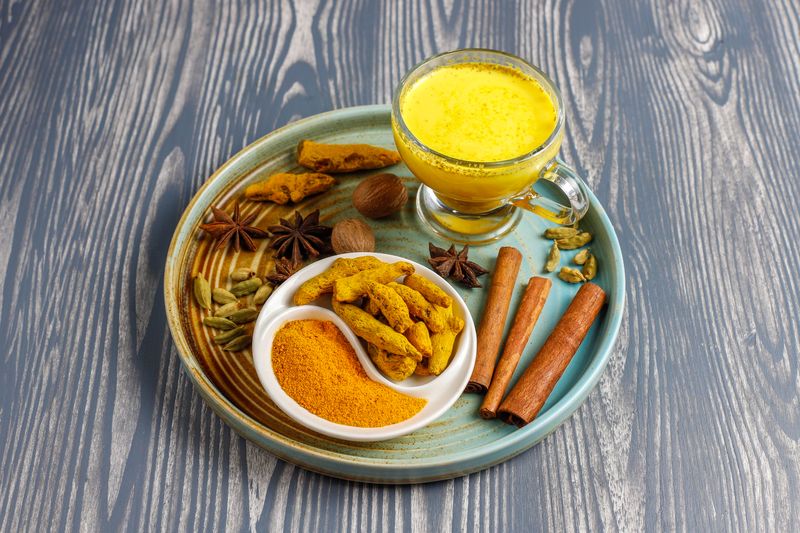
Turmeric, specifically its active compound curcumin, has emerged as a frontrunner in natural liver support. Clinical observations suggest that curcumin exhibits anti-inflammatory and antioxidant properties that directly benefit liver tissue.
"Curcumin demonstrates an ability to modulate liver enzymes and improve lipid profiles," notes Dr. Steven Goldberg. However, he emphasizes the importance of bioavailability. Curcumin is notoriously difficult for the human body to absorb in isolation. To maximize its efficacy, it is recommended to pair turmeric with black pepper (which contains piperine) and a source of healthy fat, such as olive oil or avocado. Experts suggest a daily intake of 1 to 3 grams of turmeric powder as part of a culinary regimen, reinforcing the idea that it should be consumed as a food-based supplement rather than an isolated, high-dose extract.
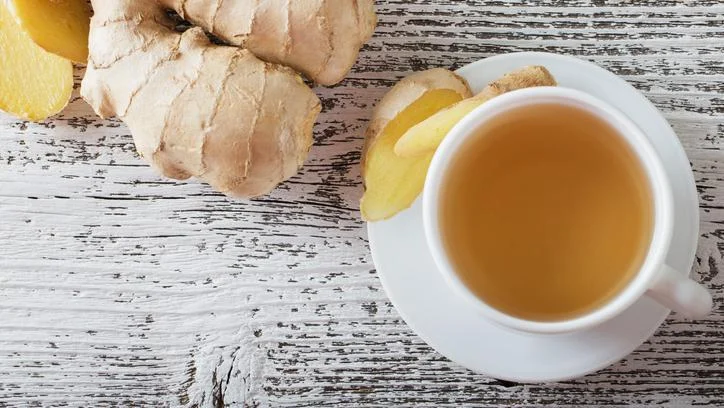
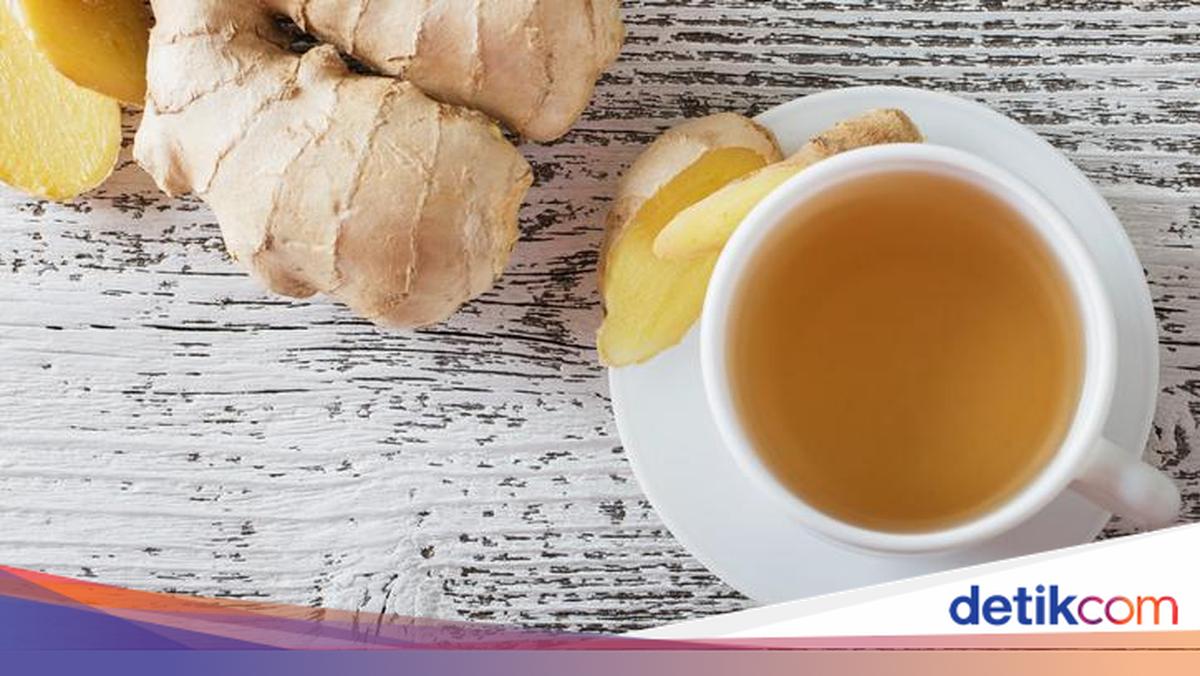
2. The Therapeutic Potential of Ginger (Zingiber officinale)
Ginger has long been a staple in traditional medicine, but modern research is providing a physiological basis for its role in liver health. Experimental models have demonstrated that ginger may help regulate the storage of fats in the liver by influencing pathways involved in fatty acid synthesis.
Dr. Tobb Jelsin notes that while animal-based studies are promising, human trials are currently expanding to understand the exact dosage required for therapeutic effects. The consensus among nutritionists is a moderate intake—approximately 2 to 4 grams of fresh ginger per day. Beyond its metabolic benefits, ginger is a potent digestive aid, though individuals prone to heartburn or acid reflux should exercise caution, as excessive consumption may irritate the gastrointestinal lining.
3. Green Tea: Harnessing Catechins
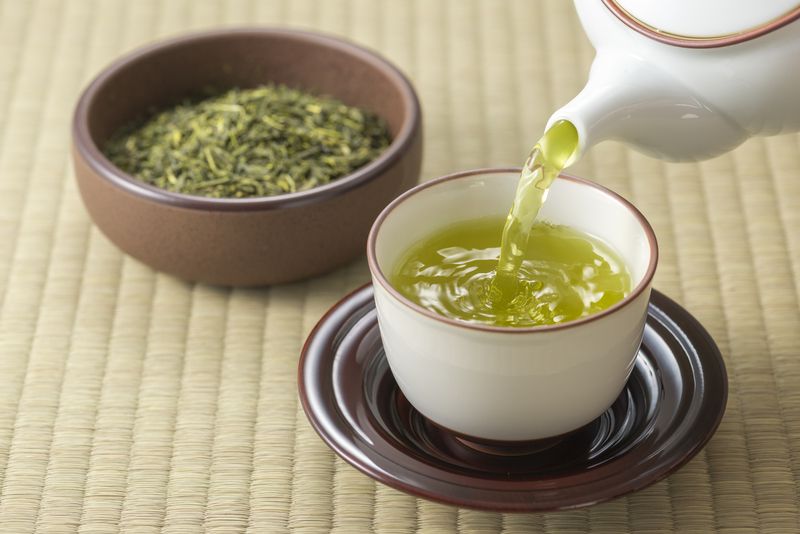
Green tea, rich in epigallocatechin gallate (EGCG) and other catechins, has been widely studied for its cardiovascular and metabolic benefits. When it comes to the liver, these antioxidants are believed to reduce the inflammatory response that often precedes liver cell damage.
A crucial distinction in the medical community is the preference for brewed green tea over highly concentrated supplements. Historically, reports have linked high-dose green tea extracts to instances of liver toxicity. Therefore, experts advise the consumption of 2 to 3 cups of freshly brewed, unsweetened green tea as a healthier alternative to sugary beverages. This practice not only aids in liver health but also addresses the broader issue of excess caloric intake from liquid sugars.
4. Allium Family: Garlic and Onion
The allium family, including garlic and onions, contains organosulfur compounds that have shown potential in enhancing the liver’s ability to process and export fats. Laboratory findings suggest that these compounds may help modulate the expression of genes involved in fat oxidation.
While the data from in vitro and animal studies are compelling, researchers caution that these benefits are most effectively realized when these ingredients are incorporated into a balanced, whole-food diet. The mechanism is believed to involve a reduction in hepatic inflammation, which is a key precursor to more severe forms of liver disease. However, large-scale, long-term human clinical trials are still required to establish standardized therapeutic protocols.
5. Saffron: The Emerging Potential of Crocin II
Saffron, often regarded as one of the most expensive spices in the world, contains a unique bioactive compound known as Crocin II. Recent research involving metabolic models has indicated that this compound may assist the liver in reducing fat storage and improving the efficiency of fat excretion from the organ.
Dr. Goldberg highlights that Crocin II may also play a role in reducing circulating lipids in the blood, which in turn reduces the workload on the liver. While saffron is typically used in small quantities, its inclusion in soups, stews, or even tea provides a concentrated source of phytochemicals that could serve as a protective dietary factor.
Official Responses and Public Health Implications
Public health authorities and dietitians generally agree that while these five ingredients—turmeric, ginger, green tea, alliums, and saffron—show promise, they should not be viewed as standalone treatments for existing liver conditions. The medical community emphasizes that the primary defense against liver fat accumulation remains a low-glycemic diet, regular physical activity, and the elimination of excessive alcohol and processed fructose.
"The goal is to move toward a ‘food-as-medicine’ framework," says Dr. Jelsin. "These ingredients are highly effective in a preventative capacity. By replacing processed additives with these natural alternatives, individuals can significantly lower their risk profile."
Analysis: Beyond the Kitchen Cabinet
The broader implication of this trend is a shift in how society approaches chronic disease. The reliance on pharmaceuticals often overshadows the profound impact of daily nutritional choices. The integration of turmeric, ginger, and other spices into the standard diet is a low-cost, high-reward strategy that aligns with global efforts to reduce the burden of non-communicable diseases.
However, caution is necessary. The "natural" label does not equate to "unlimited consumption." As with any bioactive substance, moderation is key. Patients with pre-existing liver conditions, or those currently on medication for cholesterol or blood pressure, should consult with their healthcare providers before significantly increasing their intake of these ingredients, as some may interact with conventional medications.
Future Directions
As research progresses, the focus will likely shift toward personalized nutrition. Future studies may determine how individual genetic profiles influence the efficacy of these ingredients. For now, the integration of these five pantry staples represents a practical, evidence-based approach for those looking to optimize their metabolic health and protect their liver from the silent encroachment of lipid accumulation.
By prioritizing these nutrient-dense ingredients, individuals can take proactive steps toward long-term health, ensuring that their liver remains a robust, functional filter for the body’s complex biochemical processes. As medical science continues to bridge the gap between ancient culinary tradition and modern clinical research, the humble kitchen cabinet is increasingly being recognized as a vital repository of health-preserving potential.