
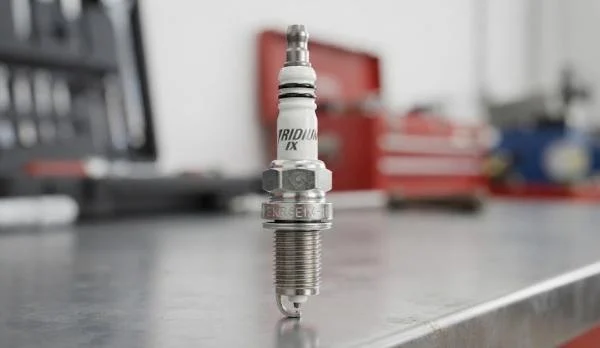
The debate surrounding the maintenance of automotive spark plugs often divides car owners between those seeking cost-effective DIY solutions and those prioritizing long-term mechanical reliability. While it is technically possible to remove carbon deposits and clean a used spark plug, automotive engineers and manufacturers generally caution against the practice as a permanent solution. Understanding the role of the spark plug within the internal combustion engine is essential to grasping why cleaning is often a stop-gap measure rather than a viable maintenance strategy.
Spark plugs function as the bridge between the electrical system and the combustion chamber. By delivering a high-voltage electrical arc across a precise gap, they ignite the compressed air-fuel mixture that drives the pistons. Because this process occurs thousands of times per minute under intense heat and pressure, the plug is subject to rapid physical and chemical degradation. While a cursory cleaning might restore the visual appearance of the component, it cannot address the underlying molecular changes that occur in the ceramic insulator or the gradual erosion of the electrode material.
The Science of Spark Plug Degradation
To understand why cleaning is rarely recommended for the long term, one must examine the physical environment inside the cylinder. Modern engines operate with high compression ratios and precise fuel injection timing. The spark plug is exposed to extreme temperatures that can exceed 2,000 degrees Fahrenheit during the combustion cycle. Over time, the center electrode—usually made of copper, platinum, or iridium—experiences "electrode erosion."
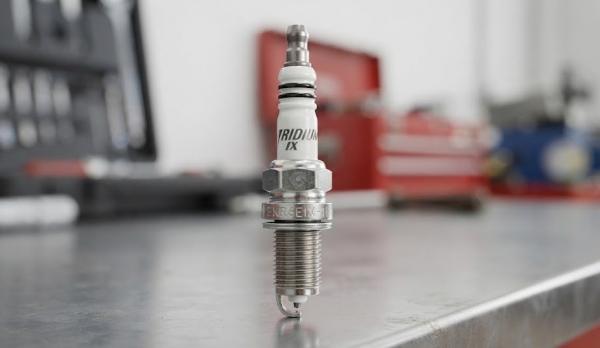
As the metal wears away, the gap between the center electrode and the ground electrode widens. This widening increases the voltage requirement for the ignition coil to jump the gap. If the gap becomes too large, the coil may struggle to produce a consistent spark, leading to misfires, poor fuel economy, and potential damage to the catalytic converter due to unburned fuel entering the exhaust stream. Cleaning a plug removes soot, but it does not restore the metal lost to erosion, nor does it fix the microscopic cracks that often form in the porcelain insulator, which can lead to electrical tracking and short circuits.
Diagnostic Value of Used Spark Plugs
Beyond their function as ignition sources, spark plugs serve as invaluable diagnostic tools. By examining the deposits on a removed spark plug, technicians can determine the "health" of the engine. This is why mechanics often suggest inspecting the plugs rather than simply discarding them during a routine service.
- Black, Sooty Deposits: This typically indicates a "rich" fuel mixture, meaning the engine is receiving too much fuel relative to the air intake. This could be caused by a faulty oxygen sensor, a clogged air filter, or an issue with the fuel pressure regulator.
- White, Blistered Deposits: This suggests that the engine is running too hot or the spark plug has an incorrect heat range. This is a dangerous condition that can lead to pre-ignition and catastrophic engine failure.
- Oil Fouling: If the plug is covered in oily, wet deposits, it is a clear sign that oil is entering the combustion chamber. This often points to worn piston rings, faulty valve seals, or issues with the positive crankcase ventilation (PCV) system.
- Normal Tan/Grey Color: A spark plug that shows a light tan or gray color with minimal electrode erosion indicates that the engine is functioning within optimal parameters.
Best Practices for Temporary Cleaning
While replacing spark plugs is the industry-recommended standard, there are scenarios—such as a roadside emergency or a diagnostic trial—where a temporary cleaning may be necessary. If a vehicle is experiencing a rough idle or misfire and a new set of plugs is not immediately available, the following procedure can be utilized to mitigate temporary issues.
The process requires basic tools: a brass wire brush, a spray-based brake cleaner or specialized electrical contact cleaner, and a feeler gauge. It is important to note that steel wire brushes should be avoided, as they can leave conductive metal particles on the ceramic insulator, which may cause the spark to ground out prematurely.

- Inspection: Carefully remove the plug and inspect the ceramic for cracks. If the porcelain is cracked, the plug must be discarded regardless of how clean it looks.
- Debris Removal: Use a soft, clean cloth to remove external dirt and oil from the threads and the hex nut.
- Chemical Cleaning: Apply a high-quality brake cleaner to the firing end of the plug. Allow the solvent to sit for approximately 10 minutes to penetrate the carbon buildup.
- Mechanical Cleaning: Use the brass wire brush to gently scrub the center electrode and the ground electrode. Avoid aggressive force, as this can damage the plating on the plug.
- Regapping: Use a feeler gauge to measure the gap between the electrodes. Consult the vehicle’s service manual for the manufacturer’s specified gap (usually measured in millimeters or thousandths of an inch). If the gap is incorrect, gently bend the ground electrode until the clearance is within the specified tolerance.
The Economic and Environmental Reality
From an economic perspective, the cost of a new set of spark plugs is relatively low compared to the potential costs of engine repair. An ignition misfire caused by a failing or poorly cleaned spark plug can cause the "Check Engine" light to illuminate. If ignored, the resulting unburned fuel can overheat the catalytic converter—a component that can cost thousands of dollars to replace.
Furthermore, the labor time involved in cleaning, regapping, and testing used plugs often outweighs the price of the parts themselves. In a professional workshop, the billable hours for a technician to thoroughly clean a set of plugs would almost always exceed the retail price of a new set. Therefore, the "economy" of reusing spark plugs is largely a fallacy for the average vehicle owner.
Broader Implications for Engine Longevity
Modern vehicle management systems are highly sensitive to ignition timing and combustion efficiency. Sensors such as the crankshaft position sensor and the knock sensor rely on consistent combustion events to adjust engine parameters in real-time. When a spark plug is nearing the end of its service life, the combustion event becomes less consistent. The engine computer (ECU) may attempt to compensate by adjusting ignition timing, which can lead to a perceptible drop in power and efficiency.
Reliability studies have shown that vehicles maintained with original equipment manufacturer (OEM) specified spark plugs exhibit higher fuel efficiency and lower emissions over the long term. As environmental regulations tighten globally, the importance of maintaining an efficient combustion cycle cannot be overstated. A clean, properly gapped spark plug ensures that the fuel is burned completely, minimizing the output of hydrocarbons and carbon monoxide.

Conclusion: A Shift in Maintenance Philosophy
In the context of automotive maintenance, "can" does not always mean "should." While one can technically clean a spark plug to restore a temporary spark, the physical degradation of the components makes it a non-permanent fix. Professional maintenance standards dictate that spark plugs are consumable items, similar to engine oil or air filters.
For vehicle owners, the focus should remain on proactive replacement intervals as defined by the manufacturer—typically every 30,000 to 100,000 miles, depending on the material (copper vs. iridium). When the time comes to change the plugs, treating the old ones as a diagnostic tool for engine health is a superior strategy compared to attempting to reuse them. By adhering to these standards, drivers can ensure the longevity of their engine, maintain peak fuel efficiency, and avoid the risks associated with premature ignition failure. When in doubt, the investment in a new set of spark plugs is an investment in the reliability and safety of the vehicle, preventing small issues from escalating into expensive mechanical breakdowns.
