
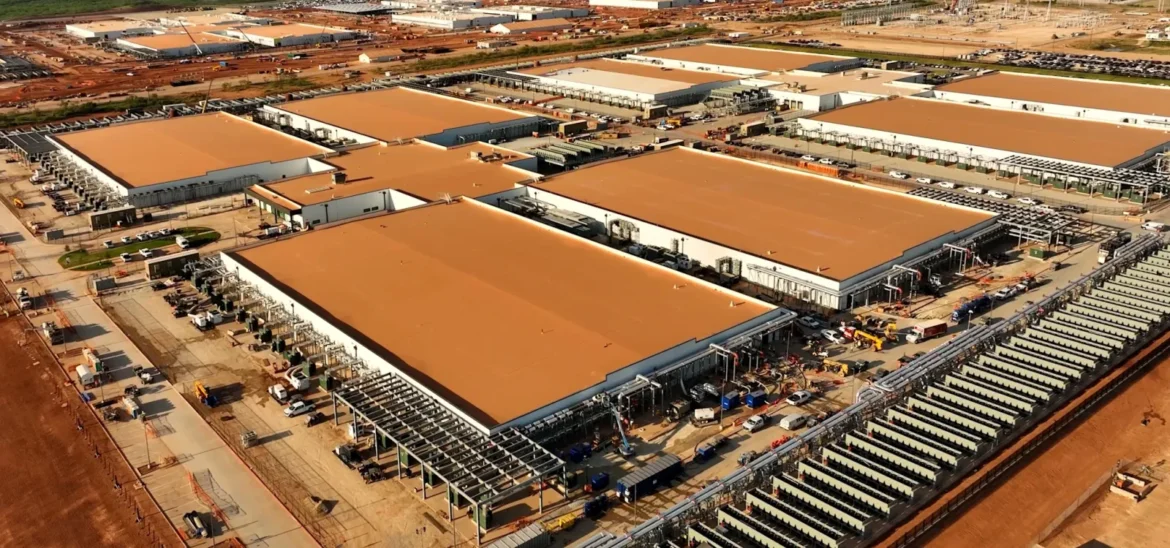
The global expansion of artificial intelligence infrastructure has triggered an unprecedented demand for data center construction, stretching from major technology hubs in the United States to emerging digital economies such as Indonesia. As machine learning models grow exponentially in scale and complexity, the physical facilities required to power them have multiplied rapidly. However, this infrastructure boom has increasingly become the focal point of intense public pushback and environmental scrutiny, driven by the massive amounts of electricity and water consumed by modern computational clusters. In an apparent effort to reframe the narrative surrounding these polarizing facilities, artificial intelligence pioneer OpenAI has quietly begun replacing the traditional industry terminology of "data center" with a novel moniker: "compute campus."
The strategic shift in nomenclature emerged without formal fanfare, surfacing instead within corporate policy announcements and sustainability initiatives. Observers noted the transition as OpenAI attempts to navigate mounting public relations challenges associated with the environmental footprint of large-scale artificial intelligence operations. Despite the rebranding effort, environmental advocates and industry analysts have greeted the terminology change with skepticism, questioning whether a semantic update signifies any substantive change in corporate responsibility or merely serves as a corporate communications strategy to deflect criticism.
The Origins of the Rebranding Strategy and the Grid Protectors Program
The adoption of the "compute campus" terminology first became apparent during the rollout of OpenAI’s newly unveiled Grid Protectors Program. This corporate initiative was designed to address growing concerns regarding the strain that massive artificial intelligence workloads impose on local electrical grids. The inaugural project under this program is slated for Effingham County, Georgia, where a new computational facility is currently being planned and developed.
Within the official documentation and public relations materials for the Grid Protectors Program, corporate communications consistently favored the phrase "compute campus" over the conventional industry standard "data center." By utilizing language historically associated with academic institutions or corporate research parks, the terminology evokes a sense of innovation, community integration, and environmental harmony rather than the heavy industrial imagery typically conjured by massive server warehouses.
The core premise of the Grid Protectors Program involves a corporate commitment by OpenAI to absorb financial burdens associated with surges in local energy demand. Furthermore, the company has stated that the operational parameters of these facilities will be engineered to exhibit greater flexibility. This adaptability is purportedly intended to alleviate stress on regional power grids during periods of peak consumption, severe weather events, or localized electrical emergencies. Nevertheless, independent energy experts have pointed out that public disclosures regarding how this operational flexibility will be technically achieved remain sparse and lacking in rigorous engineering details.
Environmental Realities and Growing Public Opposition
The rapid proliferation of artificial intelligence infrastructure has placed energy companies and municipal governments in a difficult position. Modern generative AI models require vast clusters of specialized hardware—predominantly high-performance graphics processing units (GPUs)—that generate immense amounts of heat and demand continuous, uninterrupted electrical power. Consequently, these facilities frequently consume as much electricity as small cities, drawing heavily from regional power grids that may still rely on fossil fuels.
In communities
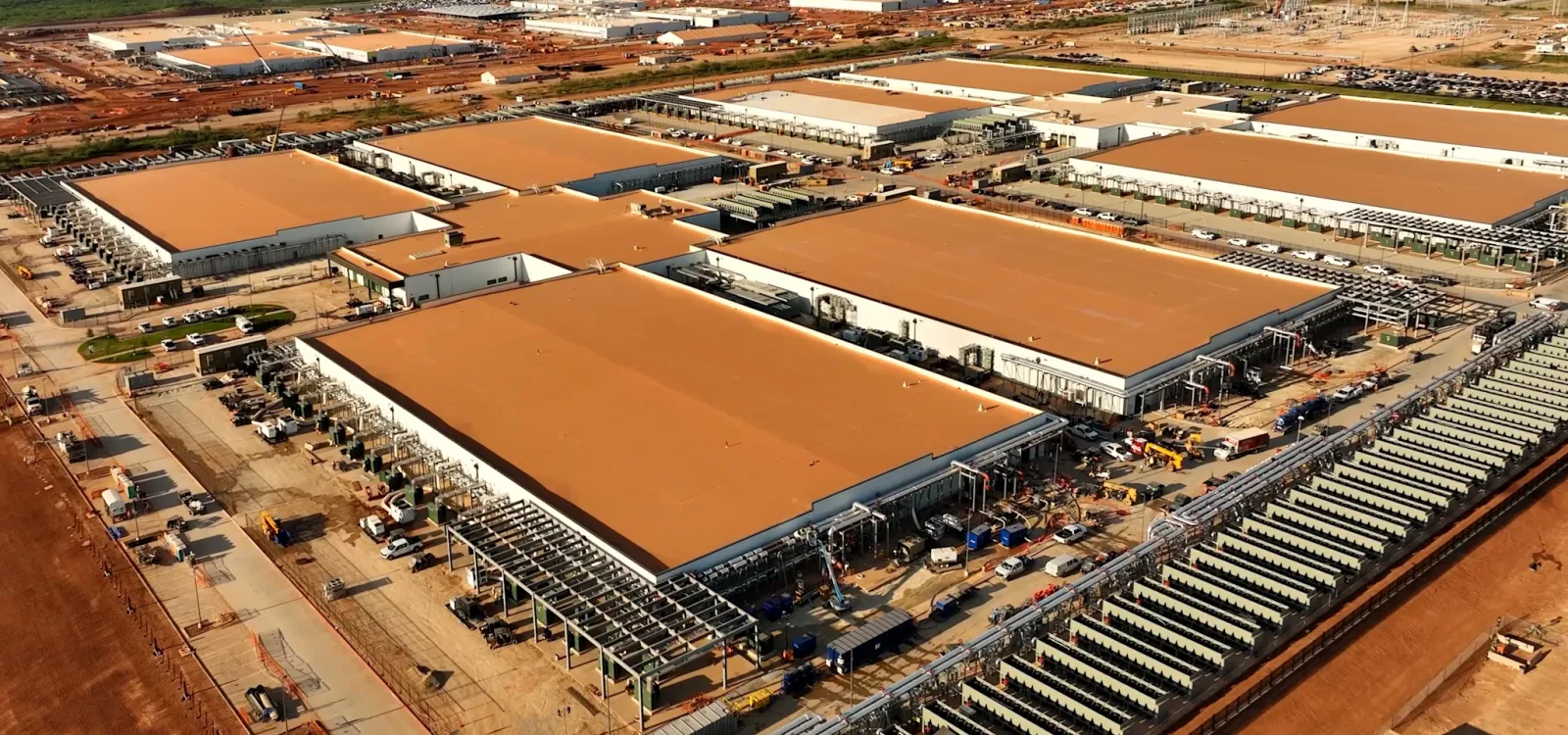
slated to host these massive technological installations, local resistance has grown steadily. Residents, municipal leaders, and environmental coalitions have raised alarms regarding potential increases in electricity rates, strains on municipal water supplies used for cooling systems, and rising carbon emissions. The tension between the promise of technological advancement and the immediate local costs of supporting that advancement has transformed data center siting into a contentious political and social issue.
Critics of OpenAI’s linguistic shift argue that altering corporate terminology does nothing to alter the underlying thermodynamic and environmental realities of running massive server farms. Holly Elmore, a representative of the environmental advocacy organization PauseAI US, characterized the rebranding initiative as a transparent public relations maneuver. According to critics, substituting "data center" with "compute campus" functions primarily as an attempt to sanitize the public image of heavy computing infrastructure while evading accountability for the substantial ecological footprint left in its wake.
Industry-Wide Infrastructure Trends and Hardware Priorities
The debate over the terminology and environmental impact of artificial intelligence facilities unfolds against a backdrop of intensifying competition for essential hardware components. Industry leaders have repeatedly emphasized that the physical limitations of global manufacturing supply chains—particularly the availability of advanced semiconductor memory and high-end processors—pose significant bottlenecks to scaling artificial intelligence systems.
Earlier statements from key technology executives, including OpenAI leadership, have highlighted the intense prioritization of computational hardware for enterprise and hyperscale artificial intelligence applications over consumer electronics. The assertion that high-density random-access memory (RAM) and specialized processors are far better allocated to centralized AI compute facilities than to domestic personal computers underscores the centralizing force of modern machine learning development. As artificial intelligence models demand ever-larger context windows and multi-modal capabilities, the consolidation of computing power into massive regional hubs becomes increasingly inevitable, thereby exacerbating the very infrastructure pressures that communities are currently protesting.
Analysis of Implications: Semantics Versus Substantive Sustainability
The quiet transition from "data center" to "compute campus" highlights a broader psychological and strategic challenge facing the technology sector. As the environmental costs of the digital age become more visible and politically contentious, major technology corporations are increasingly investing in public relations strategies designed to soften their industrial footprint.
While semantic reframing can temporarily influence public discourse and corporate messaging, analysts note that long-term social license to operate will depend entirely on substantive technological and operational reforms. Initiatives like the Grid Protectors Program represent a step toward acknowledging the strain placed on public infrastructure, yet without transparent metrics, verifiable commitments to renewable energy procurement, and rigorous third-party environmental audits, changes in terminology risk being dismissed as superficial greenwashing.
Ultimately, whether an artificial intelligence facility is designated as a data center, a compute campus, or any other corporate designation, the fundamental engineering challenges remain unchanged. The massive thermodynamic requirements of training and deploying frontier AI models demand unprecedented quantities of energy and resources. Until the technology sector delivers verifiable engineering breakthroughs that fundamentally decouple high-performance computing from high environmental impact, public skepticism toward the physical expansion of artificial intelligence infrastructure is expected to persist regardless of how the facilities are named.
