
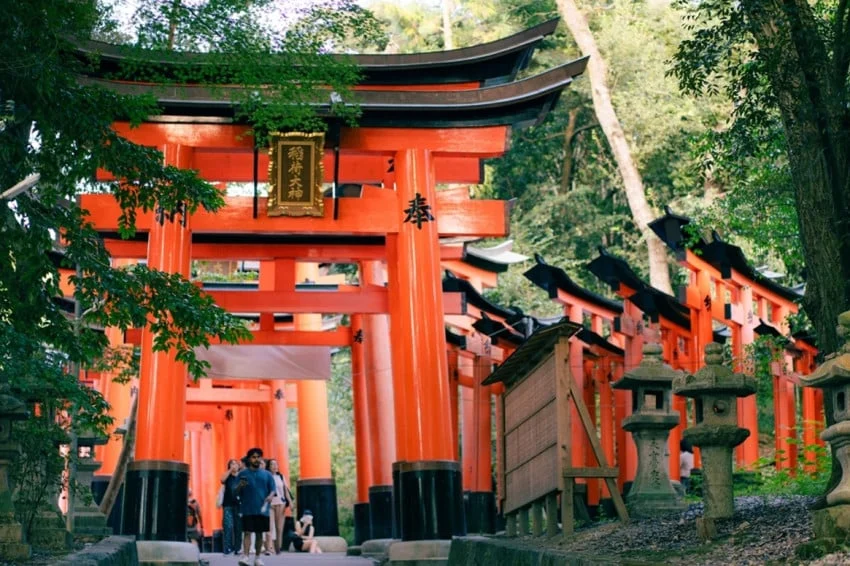
International travel has evolved significantly over the past decade, shifting from a complex logistical endeavor into a seamless experience facilitated by integrated travel management services. As global tourism rebounds to pre-pandemic levels, companies like Mister Aladin are positioning themselves as essential intermediaries for Indonesian travelers, particularly those targeting high-demand destinations such as Japan. The recent announcement of the Super Sale Golden Route Japan + Shirakawago 7 Days 5 Nights tour for November 2026 marks a strategic expansion in accessible premium travel, offering a comprehensive package starting at IDR 19,990,000.
The Evolution of Seamless Travel Logistics
Modern tourism is defined by the demand for convenience and the removal of "travel friction." For many Indonesian tourists, the primary barriers to visiting Japan—a nation known for its intricate rail networks, language barriers, and complex accommodation systems—are the planning requirements. By bundling essential services, Mister Aladin addresses these pain points directly. The inclusion of round-trip airfare from major domestic hubs including Jakarta, Bali, Medan, and Surabaya, alongside hotel accommodations, local transportation, and comprehensive meal plans, represents a shift toward "all-inclusive" tourism models that prioritize consumer peace of mind.
This model is particularly effective for the "Golden Route," a classic Japanese tourism circuit that connects the nation’s most iconic landmarks. By centralizing the itinerary, travelers avoid the common pitfalls of independent travel, such as misaligned train schedules or language-related difficulties in remote areas.
Unpacking the Golden Route and Shirakawago
The "Golden Route" is the quintessential Japanese travel itinerary, typically encompassing the corridor between Tokyo and Osaka. By including a visit to Shirakawago, the tour organizers have added a layer of cultural depth that appeals to both first-time visitors and seasoned travelers.
Shirakawago, a UNESCO World Heritage site located in the Gifu Prefecture, is world-renowned for its traditional gassho-zukuri farmhouses. These structures, characterized by steep thatched roofs designed to withstand heavy snowfall, represent a unique architectural response to Japan’s mountainous climate. The inclusion of this destination in a seven-day itinerary is a deliberate effort to provide a balance between the neon-lit urbanism of Tokyo and the preserved traditionalism of rural Japan.
The itinerary serves as a reflection of Japan’s broader tourism strategy: the "harmony of tradition and modernity." Visitors are expected to experience the frenetic energy of the Shibuya Crossing or the technological marvels of Akihabara, followed by the meditative silence of Kyoto’s historic temples and the rustic charm of the Japanese Alps.
Chronology and Strategic Timing for November 2026
The selection of November 2026 as the primary travel window is not coincidental. November is widely regarded as one of the optimal months to visit Japan, as the nation experiences the koyo (autumn foliage) season. During this period, the landscapes across Honshu transition into vibrant hues of crimson, amber, and gold, providing a aesthetic backdrop that is a primary driver for international tourism.
The lead time for this offering—scheduled for late 2026—suggests a strategic approach to travel planning. By opening bookings well in advance, the tour operator allows travelers to secure fixed pricing in an era where global travel inflation remains a concern. Historical data from the Japan National Tourism Organization (JNTO) indicates that travel costs, particularly airfare and lodging, tend to fluctuate significantly based on seasonal demand. Pre-booking a package at a fixed rate provides a hedge against potential price hikes in the aviation and hospitality sectors.
Economic Implications and Industry Analysis
The growth of the Indonesian outbound tourism market to Japan is significant. According to recent tourism reports, Japan consistently ranks among the top international destinations for Indonesian travelers, driven by favorable visa policies, cultural proximity, and the burgeoning popularity of Japanese pop culture.
The pricing strategy of IDR 19,990,000 for a week-long excursion is positioned as a competitive "mid-to-high" range offering. For the average consumer, this price point is achieved through bulk-purchasing power. By negotiating group rates for flights and hotels, agencies can provide a package that would be significantly more expensive if booked by an individual traveler. This economic scaling is the primary driver of the "Super Sale" model.
From an industry perspective, this tour format serves as a vital component of the local tourism ecosystem. By streamlining the travel process, agencies help maintain a steady flow of international capital into Japan’s regional economies, particularly in areas like Shirakawago, which rely heavily on tourism to sustain their preservation efforts.
Professional Perspectives on Curated Travel
While official statements from individual corporate executives regarding specific sales packages are often limited to marketing collateral, industry analysts note that the trend toward "managed experiences" is becoming a permanent fixture of the travel landscape. Experts suggest that the rise of digital travel platforms has empowered consumers to conduct their own research, yet the complexity of cross-border travel—especially in the post-pandemic era—has paradoxically increased the demand for professional oversight.
"The modern traveler is well-informed but time-poor," notes a spokesperson from an international travel consultancy. "While consumers can easily find flight prices and hotel photos online, they are increasingly seeking the assurance of a professional agency to handle the ‘what-ifs’—cancellations, connectivity issues, and local ground logistics."
Analyzing the Impact of Comprehensive Packages
The logistical structure of the Mister Aladin tour highlights four key pillars that determine the quality of a travel experience:
- Aviation Connectivity: By offering departures from multiple Indonesian cities, the tour eliminates the need for domestic connecting flights, which are often the source of travel delays and baggage issues.
- Logistical Efficiency: Transportation within Japan is notoriously complex for non-Japanese speakers. By providing pre-arranged transit, the tour ensures that travelers adhere to strict schedules without the stress of navigating the JR (Japan Rail) system during peak hours.
- Cultural Immersion: The inclusion of Shirakawago moves the itinerary beyond typical "shopping and sight-seeing" tours, focusing instead on the cultural history of Japan.
- Financial Stability: With meals and accommodations included, the "out-of-pocket" expenses for the traveler are minimized, allowing for better budget management.
Future Outlook for Indonesia-Japan Tourism
As the tourism sector moves toward 2026, the focus will likely remain on providing high-value, low-stress experiences. The success of such programs will depend on the ability of travel providers to maintain quality standards as demand increases. For the traveler, the choice between independent exploration and a curated tour remains a personal preference; however, the data suggests that for those seeking to maximize their time in Japan without the administrative burden of travel planning, the curated tour model remains the superior choice.
The November 2026 schedule provides a clear target for families and groups who prefer to plan their finances and leave schedules in the hands of experts. As the Japanese government continues to promote its "Cool Japan" initiative and seeks to attract more Southeast Asian visitors, the role of agencies like Mister Aladin will continue to be a bridge, connecting the growing Indonesian middle class with the diverse and historic landscapes of the Japanese archipelago.
Ultimately, the goal of such packages is not merely to transport a tourist from one point to another, but to facilitate an experience that feels personalized, safe, and profoundly memorable. Whether navigating the bustling streets of Tokyo or standing amidst the silence of a historic village in the mountains, the value of the trip is measured by the ease with which these disparate experiences are woven into a single, cohesive narrative.
