
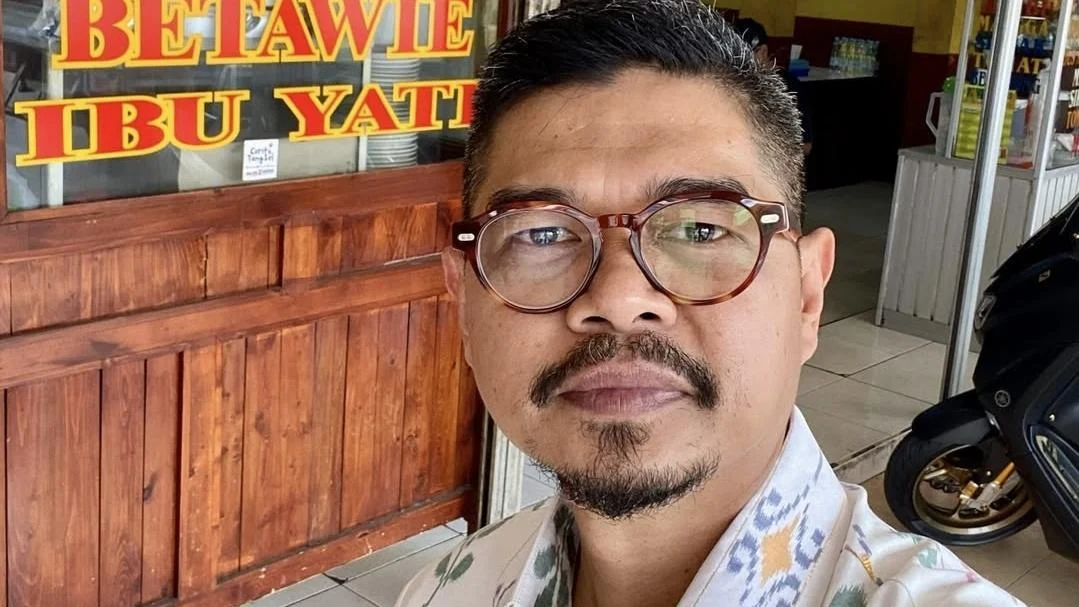
The transition from high-intensity professional sports to post-retirement life often presents a significant challenge for elite athletes. For Bambang Pamungkas, the former captain of the Indonesian national football team and Persija Jakarta, this transition has been marked by a pivot toward the culinary world. Now widely recognized as a professional food enthusiast, or "foodie," the legendary striker has successfully channeled his disciplined focus and curiosity from the football pitch into the diverse and complex landscape of gastronomy.

A Career Defined by Discipline and Passion
Bambang Pamungkas, affectionately known by fans as "Bepe," enjoyed a storied career that spanned two decades. As a prolific striker, he was a pillar of Indonesian football, holding the record for the most appearances and goals for the national team for several years. His reputation was built on his aerial prowess, tactical intelligence, and unwavering commitment to physical fitness.
Following his official retirement from professional football, many expected the icon to transition into coaching or sports management. While he has maintained ties with the footballing community, his public persona has undergone a noticeable evolution. Through his social media presence—most notably on his Instagram account, @thenekatchef—he has documented a rigorous exploration of global and local cuisines, transforming his life into an ongoing, high-profile culinary expedition.
The Evolution of the Professional Food Enthusiast
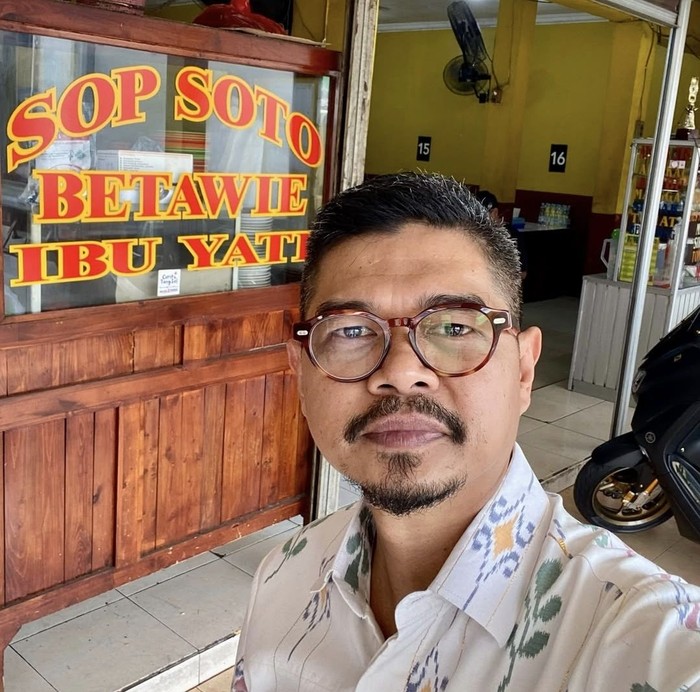
The role of a "foodie" in the digital age has shifted from a casual hobby to a form of cultural documentation. Bambang Pamungkas approaches this new pursuit with the same level of analytical detail he once applied to match preparations. His documentation of food is not merely about consumption; it is an investigation into provenance, preparation, and the sociological importance of dining.
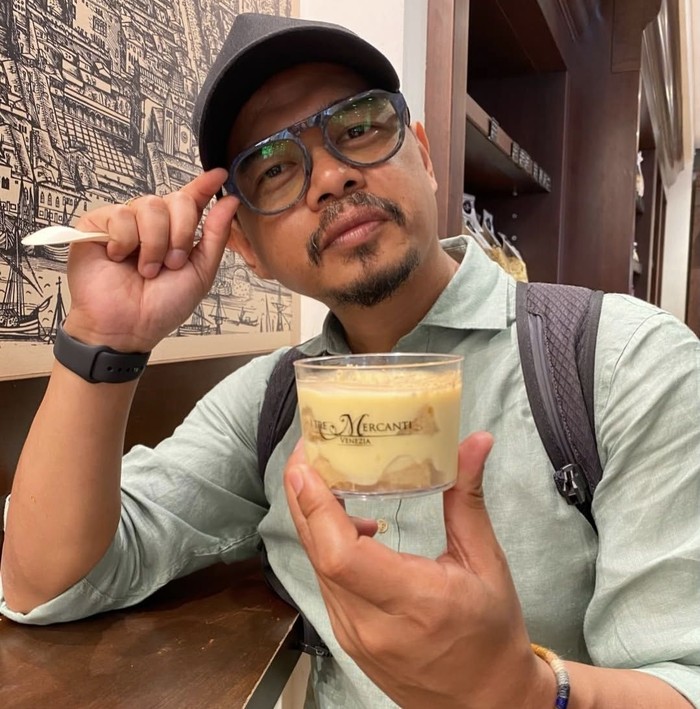
His journey has taken him across borders and into the kitchens of diverse culinary traditions. One notable highlight includes his documented pilgrimage to Italy, where he sought out the authentic origins of Tiramisu. By engaging with the local food culture in its place of origin, Pamungkas demonstrates a commitment to understanding the history behind the ingredients, a trait that sets his content apart from casual social media food reviews.
Chronology of a Culinary Transformation
The shift in Pamungkas’s interests can be traced through the timeline of his post-retirement activities:
- 2020-2021: Initial retirement and exploration. During the period of global lockdowns, Pamungkas began to show a deeper interest in home cooking and the science behind flavors, often sharing glimpses of his kitchen experiments.
- 2022-2023: Expansion of reach. The transition from home cooking to professional-grade exploration began in earnest. He started visiting legendary, hidden-gem eateries across the Indonesian archipelago, from Yogyakarta to Bandung.
- 2024-2026: Consolidation of the "Foodie" brand. By mid-2026, his digital presence solidified his status as a tastemaker. His content now features a balanced mix of high-end international dining, trendy urban spots in Jakarta, and the preservation of traditional street food culture.
Analyzing the Impact of Cultural Gastronomy
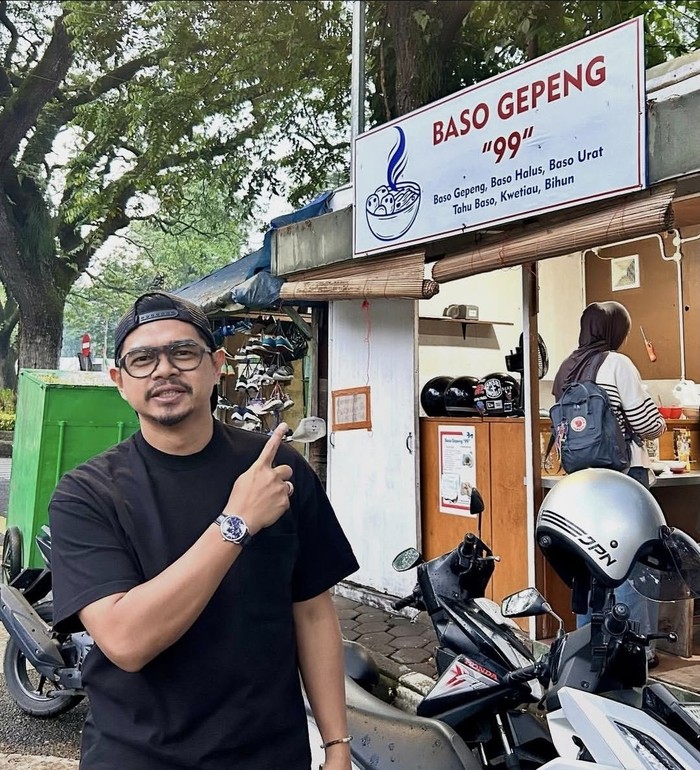
The engagement of a public figure like Pamungkas in the culinary sector serves as a powerful catalyst for the hospitality industry. When a prominent figure visits a traditional street food vendor—such as his documented visits to Pasar Pathuk in Yogyakarta or the Bakso Gepeng stalls in Bandung—the economic impact on those small-scale businesses is immediate. This phenomenon, often termed the "influencer effect," brings visibility to SMEs (Small and Medium Enterprises) that might otherwise struggle to gain traction in the digital marketplace.
From a culinary standpoint, his willingness to engage with the back-of-house operations—asking owners for permission to observe traditional kitchen techniques—highlights a deep respect for the craftsmanship of cooking. This analytical approach provides his audience with more than just a recommendation; it provides an educational look at the labor-intensive processes involved in traditional Indonesian cooking.
The Intersection of Tradition and Modernity
One of the most compelling aspects of Pamungkas’s journey is his lack of elitism in his dining choices. He maintains an equal appreciation for high-concept urban restaurants, such as his visits to modern establishments in Jakarta’s Blok M district, and the humble, traditional warungs that have defined Indonesian street food for generations.
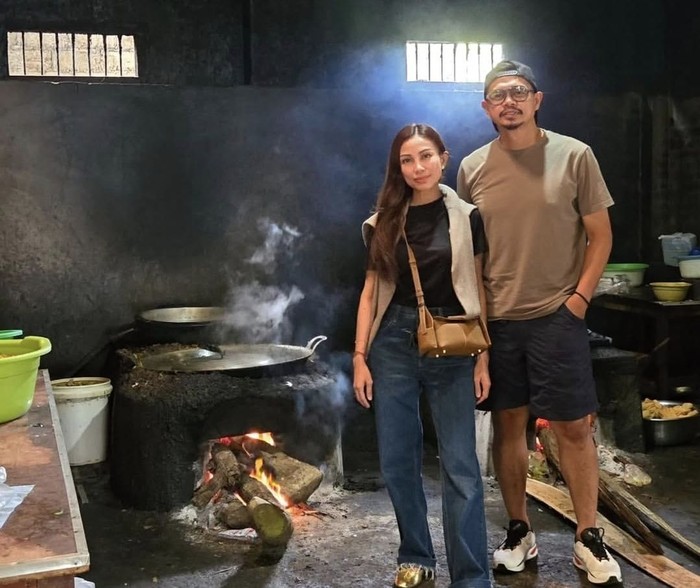
This duality reflects a broader trend in modern gastronomy: the reclamation of local heritage in the face of rapid urbanization. By giving equal weight to a trendy café and a historical noodle shop, he reinforces the idea that culinary value is not defined by price point or prestige, but by authenticity and the passion of the chef.
Insights into the Modern Foodie Landscape
The modern foodie landscape has become a significant sector of the digital economy. According to recent industry reports, content creators who focus on culinary exploration see some of the highest engagement rates across social media platforms. The transition of athletes into this space is particularly effective because they bring an established audience and a reputation for integrity.
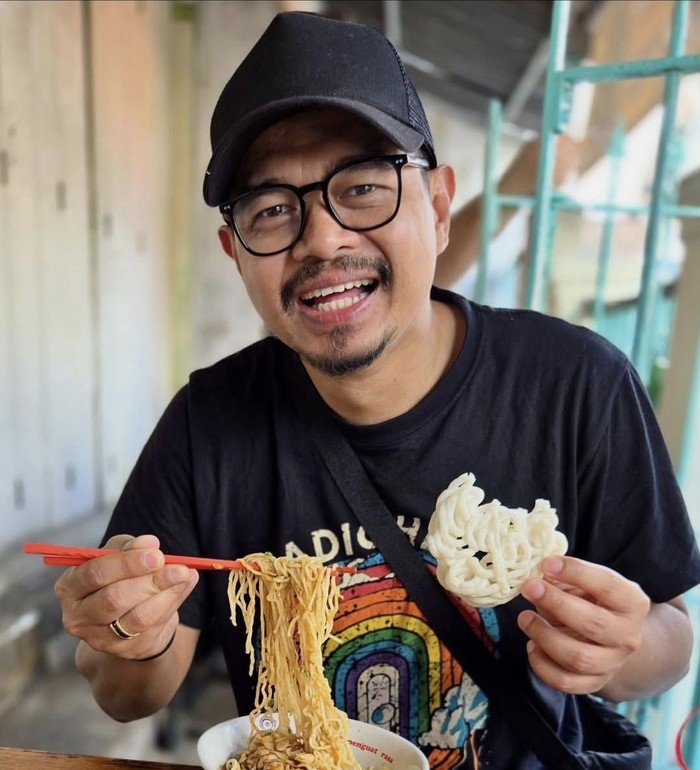
Experts in consumer behavior note that when an athlete known for high standards in their sport enters the food space, that trust is transferred. Followers assume that if the individual was diligent about their physical health during their career, they are likely just as diligent and selective regarding the quality and integrity of the food they endorse or consume.
Observations from Industry Peers
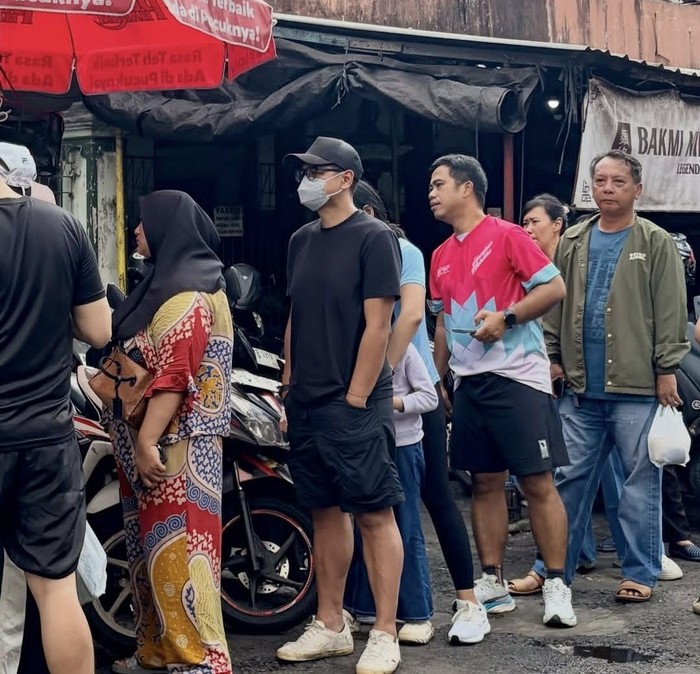
While no formal official responses from the culinary industry have been issued, anecdotal evidence from restaurant owners who have hosted Pamungkas suggests a positive reception. Many vendors report that his visits are characterized by genuine curiosity and a lack of demands, contrasting with the typical expectations of a celebrity visitor. His ability to blend into the local scene, often waiting in long queues for viral dishes like popular nasi kuning, further endears him to the public and the local business owners.
Broader Implications and Future Outlook
The trajectory of Bambang Pamungkas suggests that the transition from a professional sports career to a lifestyle-focused second act is becoming a viable and respected path. By leveraging his public influence to highlight local artisans, street food vendors, and traditional cooking methods, he is contributing to the preservation of Indonesia’s culinary heritage.
Furthermore, his influence encourages a more mindful approach to food consumption. By showcasing the effort involved in preparing a simple meal, he encourages his audience to appreciate the labor and history behind every plate. Whether he continues to explore international kitchens or deepens his commitment to Indonesian regional specialties, it is clear that his "second half" is proving to be as impactful and well-regarded as his first.
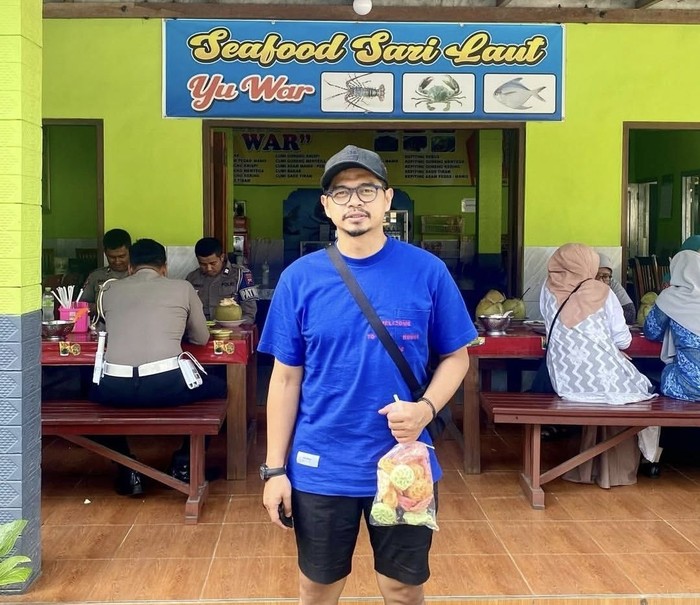
As the culinary world continues to evolve, the intersection of sports icons and gastronomy will likely become a more frequent occurrence. However, the authenticity displayed by Pamungkas sets a high bar. His journey serves as a reminder that the skills required to excel in professional sports—focus, discipline, and a pursuit of excellence—are perfectly transferable to the art of understanding and appreciating the world’s vast and complex food culture.
In conclusion, Bambang Pamungkas’s transition is not merely a hobby-based lifestyle change; it is a calculated and passionate endeavor that bridges the gap between his past as a national hero and his present as a culinary ambassador. Through his lenses and his platform, he ensures that the stories of the people behind the food are told with the same respect and attention to detail that he once afforded the game of football.
