
The global denim market is undergoing a fundamental transformation as traditional sartorial boundaries between formal and casual attire continue to dissolve. For decades, the jeans industry was dominated by a binary choice between the rugged, utilitarian aesthetic of distressed denim and the restrictive, form-fitting nature of skinny jeans. However, the post-2020 professional landscape, characterized by the normalization of hybrid work environments and the rise of "smart-casual" as a standard office dress code, has necessitated a new category of denim: the "smart jean."
This shift is not merely a passing aesthetic trend but a reflection of a broader socio-economic movement toward comfort-first luxury. As employees transition back to physical office spaces, there is a clear demand for garments that offer the ease of leisurewear while maintaining the visual polish required for professional interactions. The smart jean—defined by its clean lines, absence of excessive distressing, high-rise silhouettes, and deep indigo or monochromatic washes—has emerged as the definitive solution for the modern wardrobe.
The Evolution of Denim Utility
Historically, denim was designed as a durable fabric for manual labor, characterized by its indigo-dyed cotton twill and heavy-duty stitching. By the late 20th century, jeans became a symbol of counter-culture, with styles fluctuating from the flared silhouettes of the 1970s to the ultra-tight skinny cuts of the 2010s. The contemporary "smart jean" represents a return to sophistication, stripping away the performative aesthetic of "workwear" in favor of minimalism.
Market analysts suggest that the demand for elevated denim has risen by approximately 15% year-over-year as consumers shift their spending toward "wardrobe staples" that offer versatility. Unlike the fleeting trends of the fast-fashion cycle, the smart jean is designed to be paired with elevated basics such as cashmere sweaters, tailored blazers, and structured outerwear, effectively bridging the gap between weekend wear and business-appropriate attire.
Chronology and High-Profile Adoption
The emergence of this trend can be traced through a series of high-profile public appearances by style influencers and fashion icons, which served as catalysts for the mainstreaming of the silhouette.
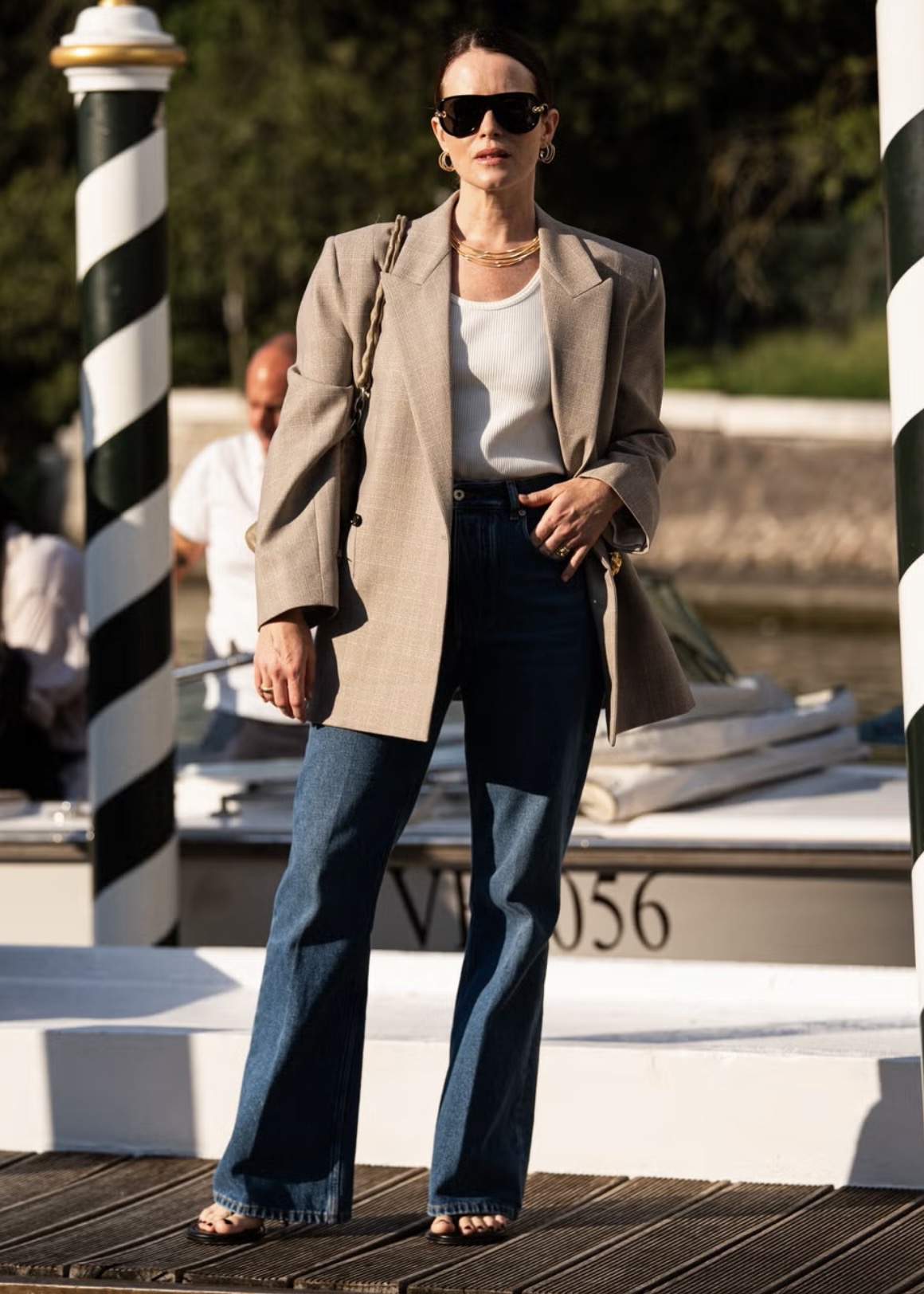
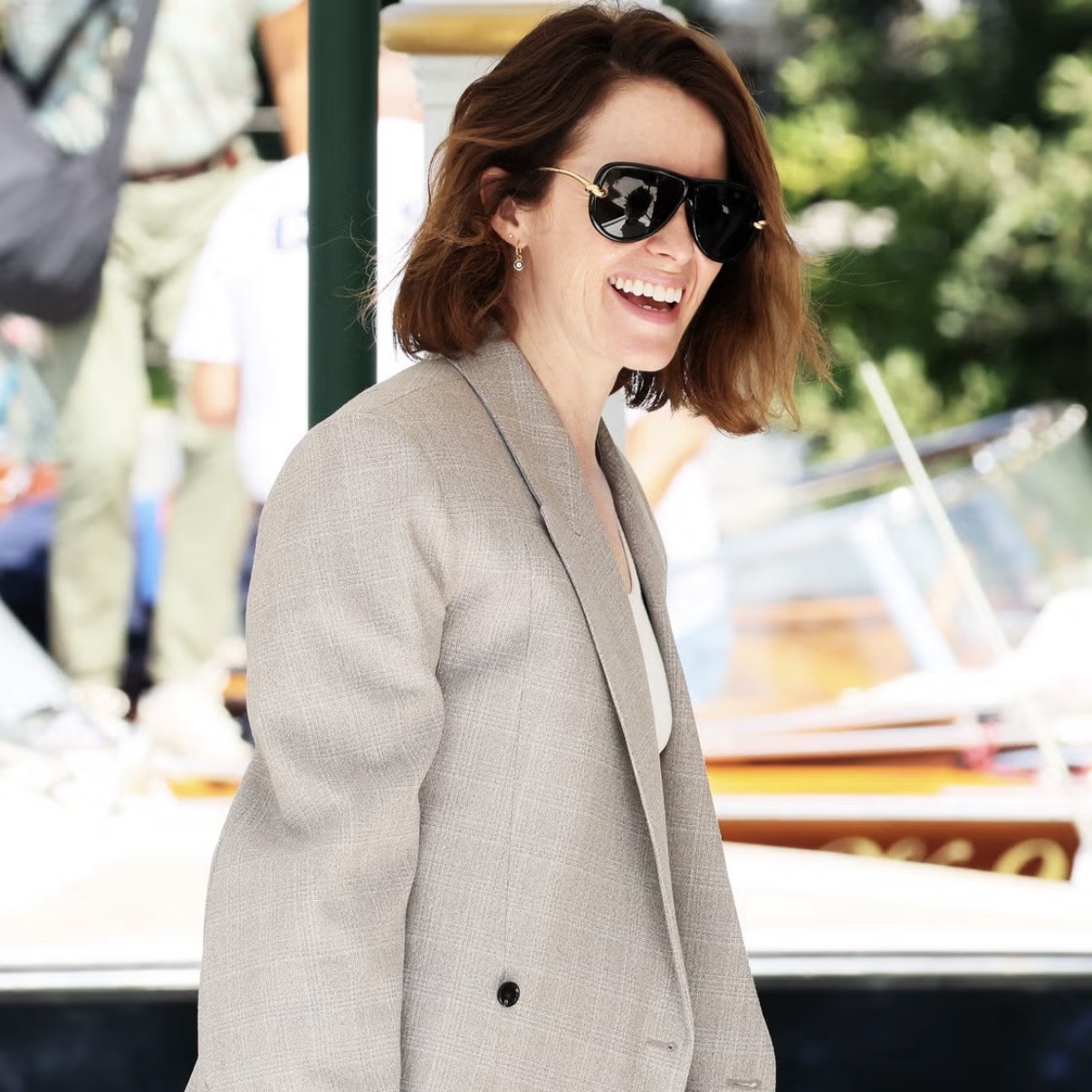
In late 2025 and early 2026, the Venice Film Festival became a significant runway for the transition to sophisticated denim. Claire Foy’s choice to arrive in Bottega Veneta smart jeans, complemented by a tailored wool jacket, signaled a shift in how red-carpet-adjacent events handle business-casual attire. By opting for a clean, non-distressed denim finish, Foy demonstrated that jeans could carry the same level of authority as a standard slack or trouser when styled with intention.
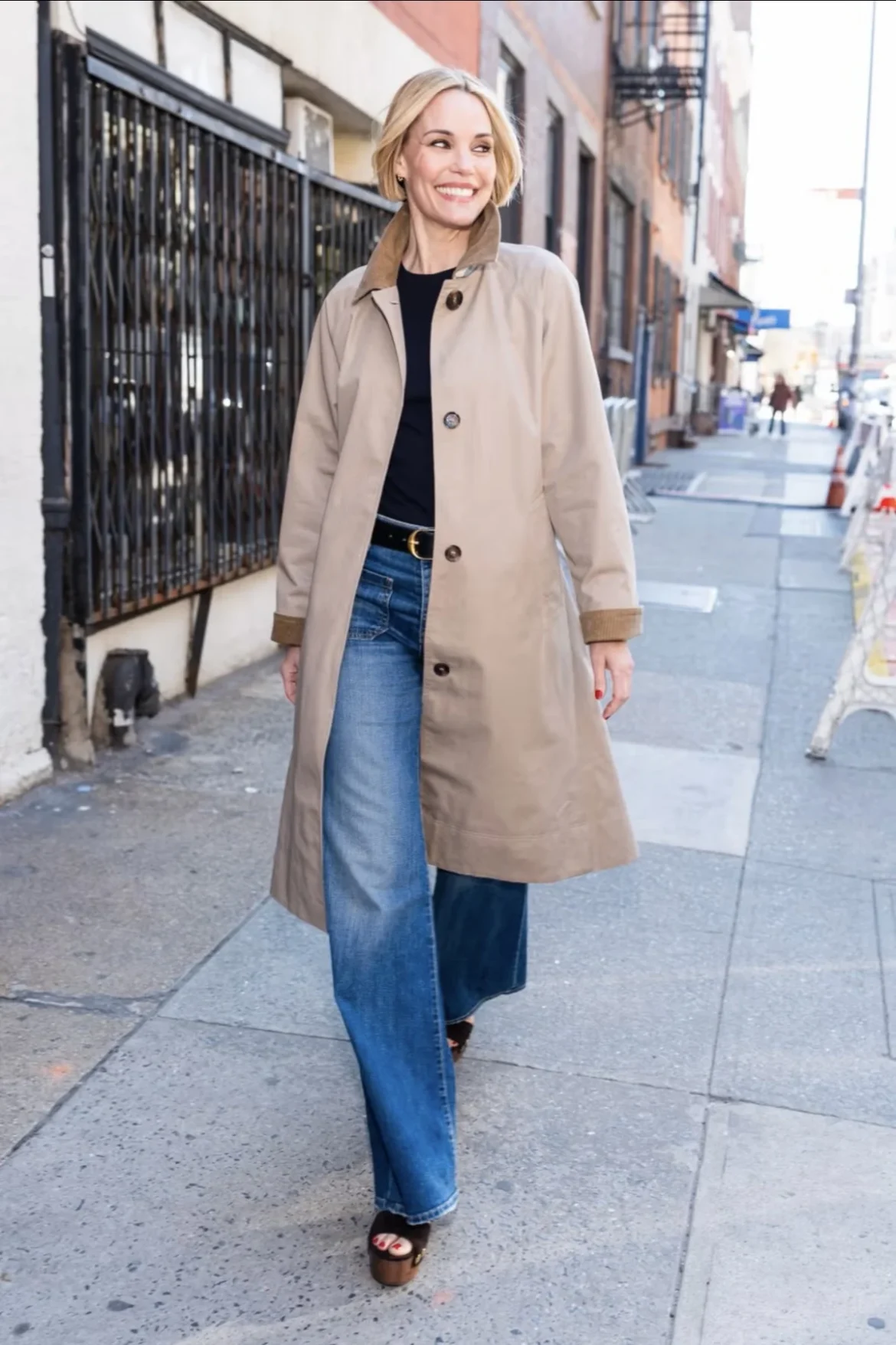
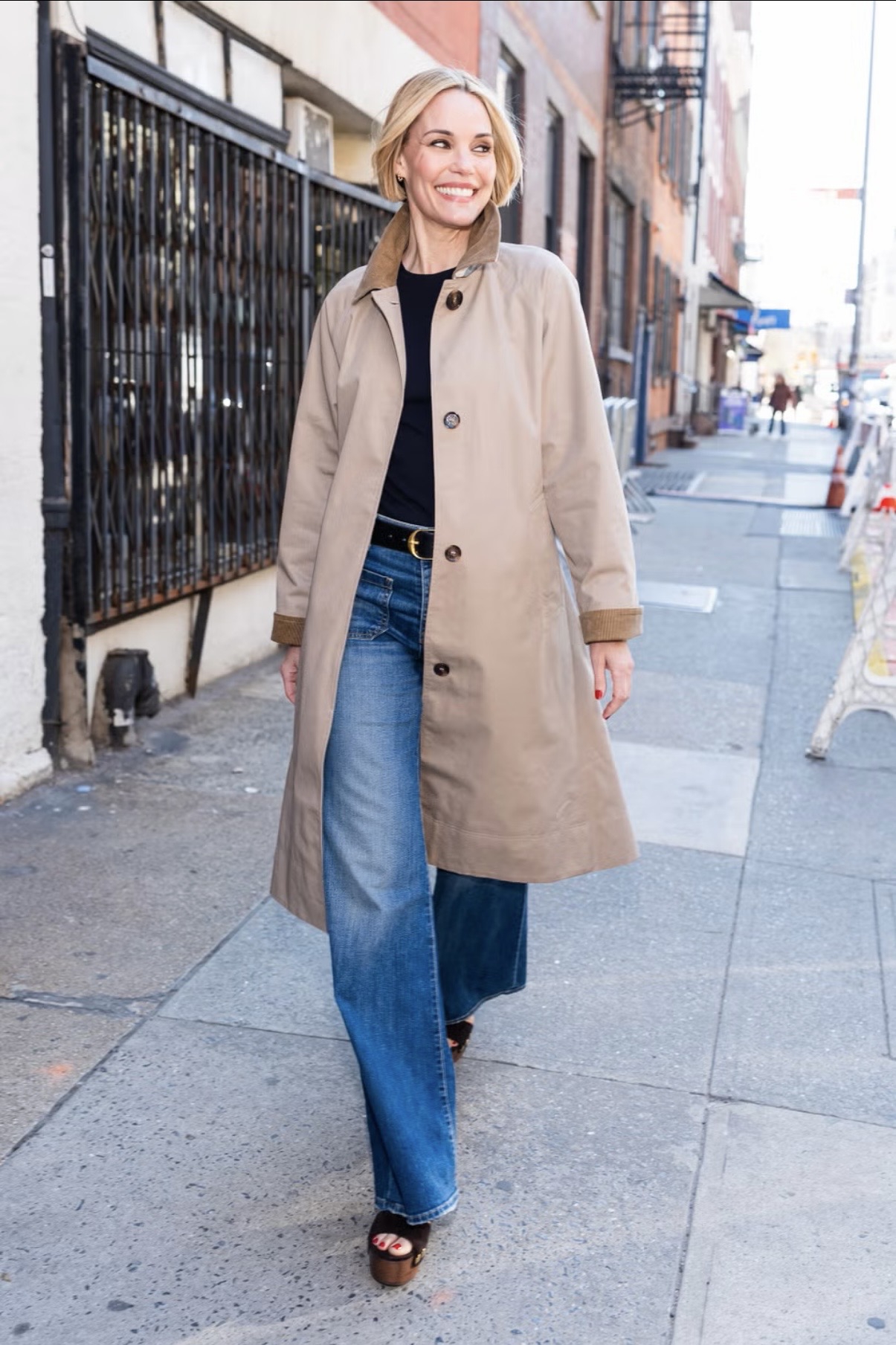
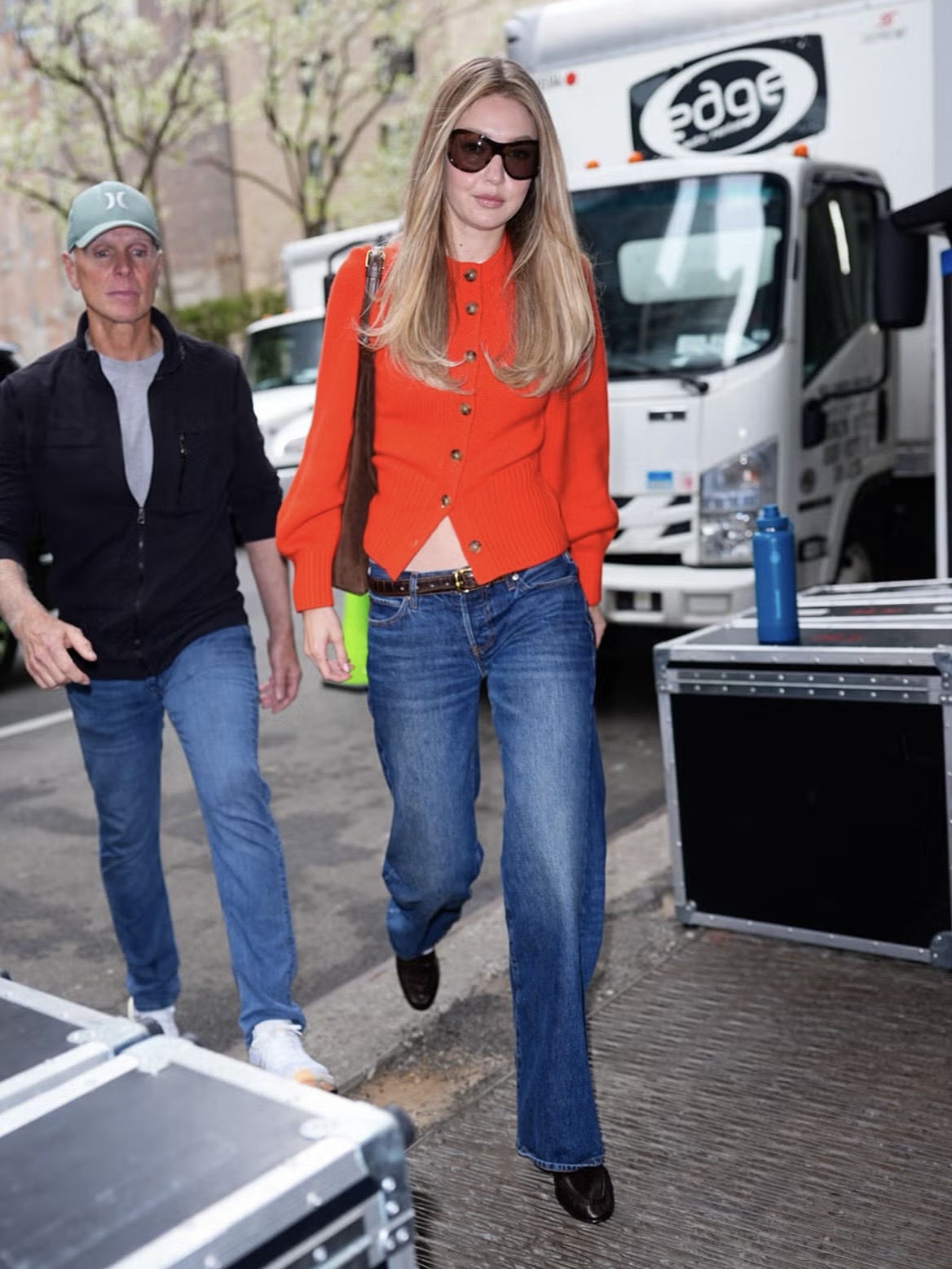
Similarly, actress Leslie Bibb has championed the trend through a series of public sightings where she paired Nili Lotan denim with classic trench coats and platform sandals. This approach emphasizes the "effortless" nature of the style, focusing on the longevity of the garments. Gigi Hadid, a prominent figure in the fashion industry and founder of the knitwear label Guest in Residence, further validated the trend by integrating it into her personal brand. Her combination of cashmere knitwear with dark-wash, high-waisted denim underscores the functionality of the trend during the transitional months of the autumn season.
Defining Characteristics: What Makes a Jean "Smart"?
Industry experts identify three primary technical specifications that distinguish a "smart jean" from standard off-duty denim:
- The Rise: The high-waisted cut is non-negotiable. It provides a more structured, tailored fit around the waist and hips, which creates a more professional silhouette compared to mid- or low-rise alternatives.
- The Wash: The preference is overwhelmingly for deep, solid indigo or uniform black. These colors minimize the visibility of denim grain and fading, allowing the garment to mimic the appearance of a dress pant from a distance.
- The Cut: The silhouette sits firmly between the traditional straight-leg and the exaggerated wide-leg. It provides enough room for comfort without the volume that often renders wide-leg jeans inappropriate for formal settings.
Retailers have been quick to respond to this shift. Legacy brands such as Levi’s have re-released high-rise, non-distressed models, while luxury houses including Victoria Beckham and Khaite have prioritized minimalist denim in their recent collections. Marks & Spencer, a bellwether for mass-market fashion trends, has explicitly rebranded specific lines as "smart," indicating that the trend has successfully permeated all levels of the retail market.
Economic and Stylistic Implications
The rise of the smart jean carries significant implications for the fashion industry. First, it marks a decline in the dominance of "streetwear" influence in high-end fashion, replacing logo-heavy, distressed aesthetics with understated luxury. Second, it reflects a shift in consumer behavior: the "capsule wardrobe" movement, which emphasizes buying fewer, higher-quality items, has found a perfect ally in the smart jean.
From a styling perspective, the integration of accessories has become paramount. The modern approach to this denim trend relies heavily on the use of luxury leather belts—often featuring gold or silver hardware—and pointed-toe footwear. Whether it is a pump or a structured boot, the choice of footwear is essential to ground the casual nature of the denim and elevate it to a professional standard.
Leading Selections for the Season
The current market offers a diverse array of options for those looking to adopt the smart jean trend. Key pieces currently dominating the retail space include:
- The Palace by Frame: Noted for its precise tailoring and high-quality denim weave.
- The Chord by COS: A testament to the minimalist Scandinavian design ethos, focusing on clean lines and structural integrity.
- Danielle High-Rise by Khaite: A luxury benchmark for the silhouette, often cited for its perfect fit and premium fabric density.
- Kensal by Jigsaw: Provides a balance between comfort and structure, ideal for daily office use.
- Alina Stretch by Victoria Beckham: Demonstrates how high-fashion houses are incorporating technical fabrics into traditional denim to ensure both comfort and a crisp, wrinkle-free appearance.
- The Ribcage Collection by Levi’s: Represents the most accessible version of the trend, maintaining the brand’s heritage while adapting to modern silhouette preferences.
The Future of Workplace Attire
Looking toward the remainder of the 2026 calendar, the smart jean is expected to remain a fixture of the modern wardrobe. As the lines between the home office and the corporate headquarters continue to blur, the necessity for versatile, "do-it-all" clothing will likely grow.
Data from recent retail performance reports suggests that denim sales are shifting away from "novelty" cuts—such as extreme flares or heavily embellished styles—toward reliable, classic silhouettes. This suggests a long-term stability for the smart jean trend. It is no longer considered a "casual Friday" exception; rather, it is becoming a core component of the daily professional rotation.
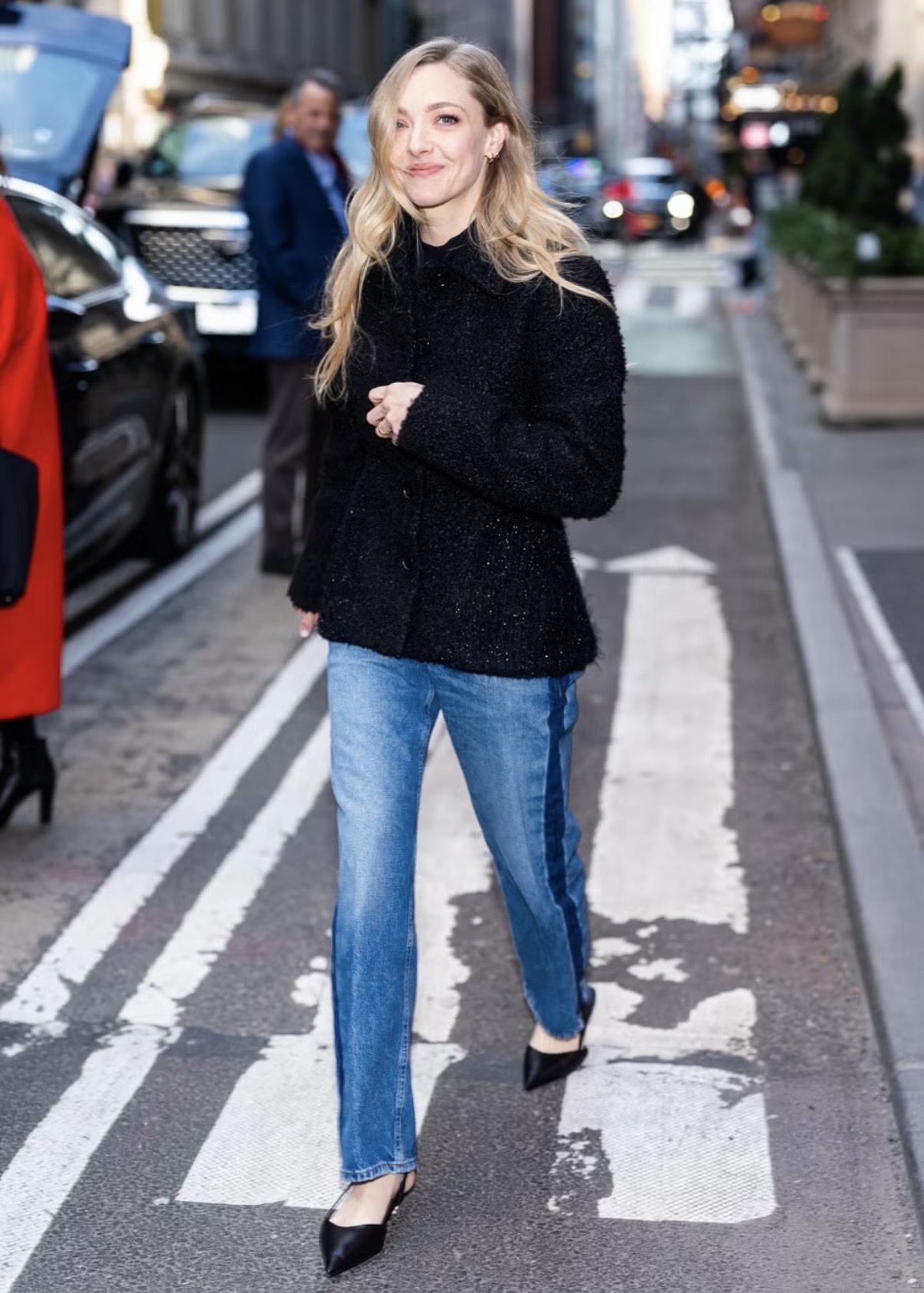
For the consumer, the smart jean is a low-risk, high-reward investment. It requires minimal maintenance compared to fine wool trousers, offers greater durability, and integrates seamlessly with existing professional wardrobes. As industry leaders and celebrities continue to demonstrate, the transition to smarter denim is not about sacrificing personal style; it is about refining it to meet the demands of a modern, fast-paced world.
In conclusion, the movement toward smart jeans is a reflection of a society that values both functionality and aesthetic coherence. By prioritizing high-quality fabric, consistent color palettes, and flattering, structured cuts, the modern professional can navigate the shifting requirements of the workplace with ease. The era of the "smart jean" has arrived, signaling a new chapter in the history of global fashion where the boundaries of professional attire are defined by sophistication rather than tradition.
