
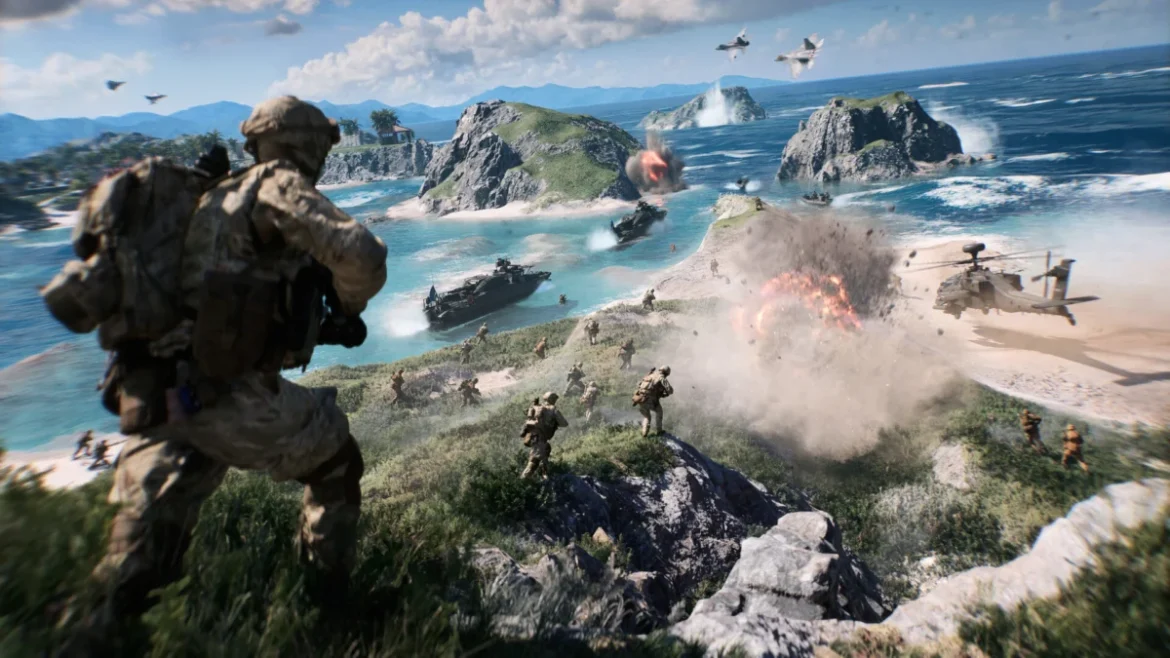
The PC gaming landscape, celebrated for its unparalleled flexibility and customization, often presents unique challenges stemming from the vast array of hardware and software combinations. A recent instance highlights this complexity, where a graphics driver update has unexpectedly disrupted the gaming experience for a segment of Battlefield 6 players. Electronic Arts (EA) has officially confirmed an ongoing investigation into game crashes affecting PC versions of Battlefield 6, specifically linked to GPU driver issues. The problem is reportedly triggered when players encounter maps featuring extensive water bodies, including the newly introduced Tsuru Reef map, which arrived with the Season 4: Pacific Front update.
Initial reports, corroborated by EA’s public statements via social media, indicate that the issue predominantly impacts users of NVIDIA GeForce RTX 50 Series graphics cards. However, a smaller number of players with RTX 40 Series GPUs have also reported experiencing similar instability. The crashes appear to be most prevalent and severe when players are immersed in gameplay environments that heavily utilize water rendering and physics. This includes large bodies of water, coastal areas, and maritime combat scenarios, making the new Tsuru Reef map a significant trigger point.
A Deeper Dive into the Technical Glitch
The intricacies of modern video game development and hardware interaction mean that even minor discrepancies in driver code can lead to significant performance issues. In the case of Battlefield 6, the issue seems to stem from how the latest NVIDIA Game Ready Drivers, specifically version 610.74, interact with the game’s rendering pipeline when processing complex water graphics. Water surfaces in high-fidelity games like Battlefield 6 are notoriously demanding on GPUs, often involving sophisticated shaders, reflections, refractions, and dynamic wave simulations. It is plausible that a specific optimization or code path within the driver, intended to enhance performance or visual fidelity, is encountering an unforeseen bug when interacting with Battlefield 6’s unique implementation of these graphical elements.
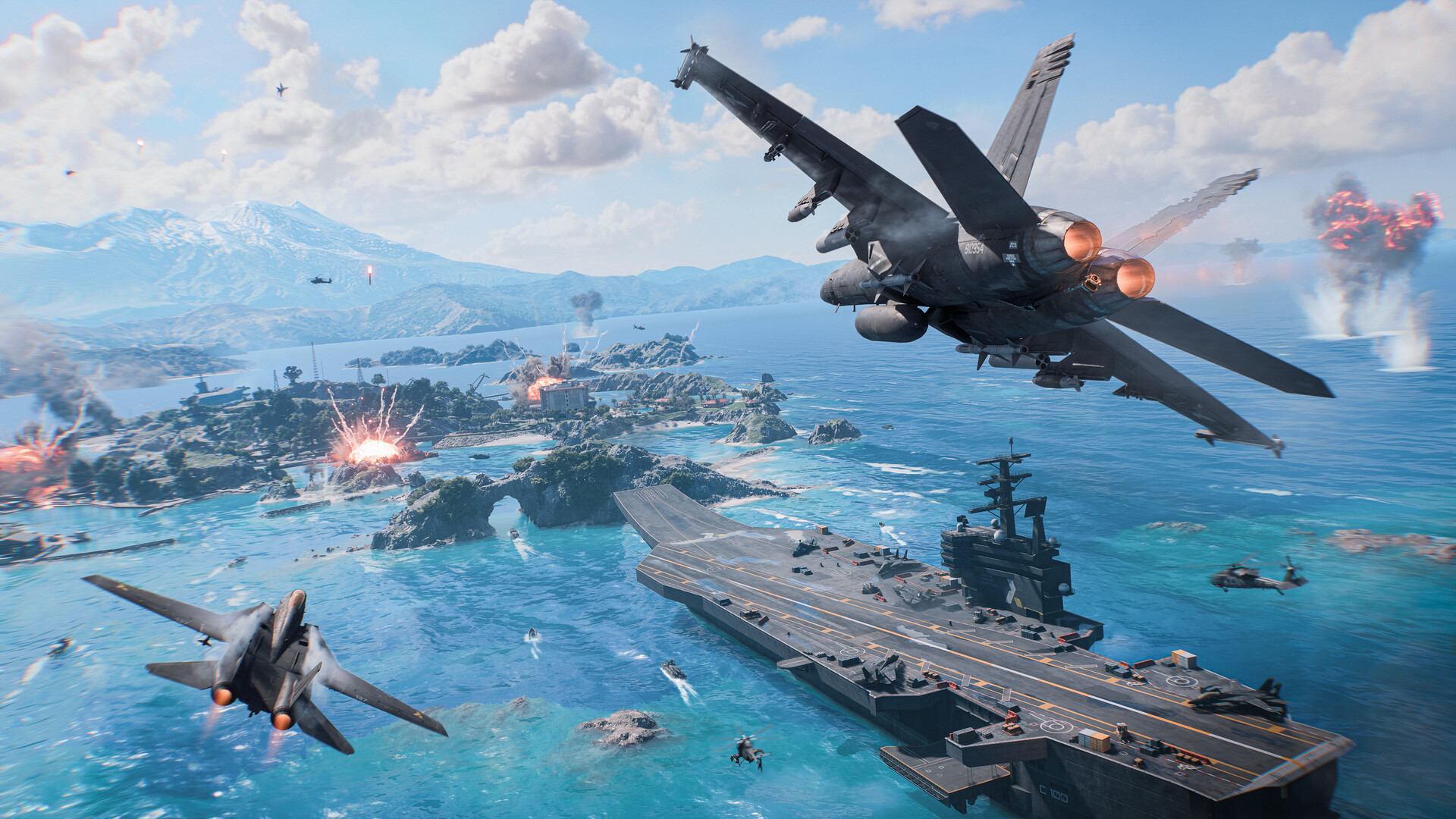
The timing of this issue is particularly noteworthy, coinciding with the release of Season 4: Pacific Front, a major content update for Battlefield 6. Such updates often introduce new graphical assets and gameplay mechanics that push the boundaries of existing hardware and software configurations. The addition of the Tsuru Reef map, with its prominent aquatic environments, serves as a critical testing ground where this driver-related instability has become apparent.
Chronology of the Issue and Official Response
While the precise initial discovery date remains unconfirmed, the widespread reporting of crashes began to escalate shortly after the deployment of the Season 4 update and the subsequent release of NVIDIA’s latest Game Ready Drivers. EA’s official acknowledgment of the problem on social media platforms marked the first public confirmation, signaling that the development studio was aware of the widespread player complaints.
Key Timeline Points:
- Recent Weeks: Reports of Battlefield 6 PC crashes, particularly on water-heavy maps, begin to surface on gaming forums and social media.
- Early July 2026 (Estimated): EA publicly acknowledges the issue via its official Battlefield communications channels, stating an investigation is underway.
- July 10, 2026 (Estimated): EA advises users with NVIDIA RTX 50 Series GPUs (and some RTX 40 Series users) experiencing crashes to downgrade their graphics drivers. The recommended rollback is to NVIDIA Game Ready Driver version 596.49, away from the problematic 610.74.
- July 11, 2026 (Estimated): NVIDIA releases a hotfix driver, version 610.82, intended to address general stability issues for RTX 50 Series cards in other games, but without specific mention of Battlefield 6.
EA’s response has been proactive in attempting to mitigate the immediate impact on players. The suggestion to downgrade drivers, while an unconventional workaround for a new game release, is a recognized method to resolve compatibility issues that arise from driver updates. This indicates a level of urgency and a direct link suspected between the latest drivers and the observed instability.
Supporting Data and Player Impact
The impact of these crashes extends beyond mere inconvenience, affecting the competitive integrity and overall enjoyment of Battlefield 6 for a significant portion of its player base. For competitive players, frequent game crashes can lead to lost matches, deranked progression, and a frustrating experience that detracts from the strategic depth and team-based combat the series is known for. For casual players, it can simply make the game unplayable on certain maps, limiting their access to new content and the full breadth of the game’s offerings.
While specific numbers regarding the affected player base are not publicly disclosed by EA or NVIDIA, the consistent reporting across multiple gaming news outlets and player forums suggests a widespread concern. The focus on the RTX 50 Series is particularly relevant given that these are among NVIDIA’s latest and most powerful consumer GPUs, often purchased by enthusiasts and players seeking the highest fidelity gaming experiences. Any issue that renders these high-end cards unstable in a prominent title like Battlefield 6 is of considerable concern.
Official Statements and Developer Actions
Electronic Arts, through its Battlefield communications team, has been transparent about the ongoing investigation. Their statement, disseminated across platforms like X (formerly Twitter), clearly outlines the problem and provides a temporary solution:
"We are aware of an issue causing game crashes on PC in Battlefield 6, particularly when engaging with water-based environments. This issue appears to be related to recent NVIDIA GPU driver versions. Until a permanent fix is implemented, we recommend that players experiencing these crashes, especially those with NVIDIA GeForce RTX 50 Series graphics cards, consider rolling back to NVIDIA Game Ready Driver version 596.49. We are actively working with NVIDIA to resolve this as quickly as possible. Players who continue to encounter issues are encouraged to submit detailed reports, including their GPU model, driver version, the map they were playing on, and any crash logs, to help expedite our investigation."

NVIDIA, while not directly addressing Battlefield 6 in their official release notes for hotfix driver 610.82, has acknowledged general stability improvements for the RTX 50 Series. The release of this hotfix suggests that NVIDIA is aware of broader stability concerns with its latest drivers on this GPU architecture, which may or may not directly resolve the Battlefield 6 specific issue. The collaborative nature of game development and hardware support means that a swift resolution typically involves close cooperation between game studios and GPU manufacturers.
Analysis of Implications and Future Outlook
The incident underscores the delicate balance between software innovation and hardware compatibility in the PC gaming ecosystem. Driver updates, while crucial for performance enhancements and bug fixes, can sometimes introduce regressions that affect specific applications. The complexity of modern graphics APIs (like DirectX 12 or Vulkan) and the intricate rendering pipelines of AAA titles mean that even subtle changes in driver behavior can have cascading effects.
The fact that the issue is tied to specific graphical elements, namely water rendering, suggests a potential area of conflict in how the driver interprets and processes complex shader instructions or texture data for these surfaces within Battlefield 6. The involvement of the RTX 50 Series, NVIDIA’s cutting-edge consumer GPU architecture, also implies that developers and driver engineers are still fine-tuning optimal performance profiles for these newer, more powerful chips.
Potential implications include:
- Delayed Player Engagement: Players unable to resolve the issue may be forced to avoid specific maps or even temporarily cease playing Battlefield 6, impacting player engagement metrics and potential in-game spending.
- Reputational Impact: For both EA and NVIDIA, such issues can affect brand perception. Players expect a stable and seamless experience, especially with high-end hardware and recent game purchases.
- Industry Best Practices: This situation serves as a reminder for both game developers and GPU manufacturers to implement more robust pre-release testing protocols, particularly focusing on compatibility with the latest hardware and driver releases.
- Future Driver Development: The investigation will likely lead to refinements in NVIDIA’s driver development process, potentially incorporating more specific testing scenarios related to advanced water rendering techniques prevalent in modern games.
Looking ahead, players can anticipate a forthcoming driver update from NVIDIA that specifically addresses the Battlefield 6 crash issues. Simultaneously, EA and Battlefield Studios will likely continue to optimize the game’s rendering engine to be more resilient to minor driver variations. Until then, the temporary solution of downgrading drivers remains the most viable option for affected players seeking to enjoy Battlefield 6 without the frustration of unexpected game closures. The situation highlights the ongoing, dynamic relationship between game development and hardware evolution, a continuous dance that shapes the future of interactive entertainment.
