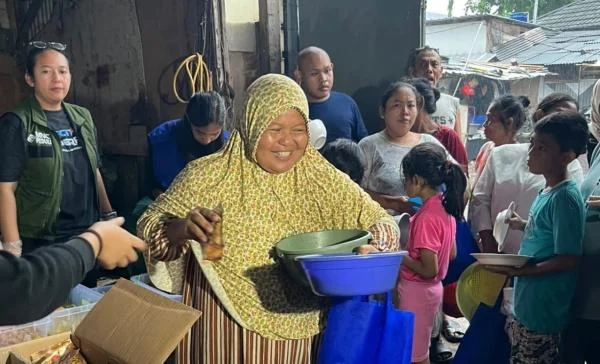
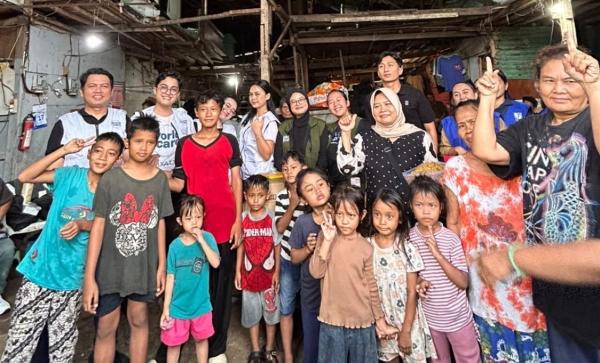
In a significant humanitarian effort aimed at fostering communal well-being, MNC Peduli, in strategic partnership with Park Hyatt Jakarta, successfully executed a food distribution program in the Duri Kepa district of West Jakarta on Thursday, November 19, 2026. This initiative, specifically timed to coincide with the global observance of International Kindness Day, provided high-quality, ready-to-eat meals to 40 families residing in the area, highlighting the ongoing commitment of corporate social responsibility (CSR) programs to address food insecurity and improve the quality of life for urban communities.
The Context of International Kindness Day
International Kindness Day, observed annually, serves as a global reminder of the importance of empathy, community support, and the ripple effect of small acts of altruism. For corporations like MNC Peduli and luxury hospitality leaders such as Park Hyatt Jakarta, the day provides a platform to transition from traditional corporate functions to active, grassroots-level community engagement.
The partnership between the two entities was designed to leverage the culinary expertise of Park Hyatt Jakarta’s professional kitchens to ensure that the beneficiaries received not only sustenance but also nutritional, high-quality meals. This collaborative model reflects a growing trend in Indonesian philanthropy where corporate resources are utilized to provide direct, immediate relief to vulnerable populations, rather than relying solely on monetary donations.
Chronology of the Distribution Event
The distribution process began early in the morning on November 19, 2026, as teams from MNC Peduli and representatives from Park Hyatt Jakarta coordinated the logistics to ensure the efficient delivery of the meals to the residents of Duri Kepa. The neighborhood, a densely populated area in West Jakarta, was selected based on internal assessments of community needs, identifying families who would benefit most from the nutritional support.
By mid-morning, the distribution centers were established, and residents were invited to receive their meal packages. The atmosphere was marked by a sense of solidarity and gratitude as the volunteers engaged with the recipients. The operation was concluded by the afternoon, with all 40 designated households having received their support packages. The seamless execution of the event underscored the logistical capabilities of both organizations in managing large-scale community outreach programs.
Beneficiary Impact and Community Sentiment
The qualitative impact of such initiatives is often best reflected in the testimonies of those directly involved. Siti Ningsih, a local resident and beneficiary of the program, expressed her appreciation for the gesture. "I am very happy and grateful for this food aid. It is a significant help for us, and the quality of the food provided was exceptional," she remarked.
Similarly, Pujiati, another recipient, echoed these sentiments, noting that the act of kindness had a positive emotional impact on the residents. "I feel truly happy. I hope that programs like this can continue to be carried out in the future and that these organizations continue to find success in their humanitarian endeavors," she stated.
The focus on food quality—which recipients noted was both nutritious and flavorful—is a key element of this partnership. By providing premium-standard food, the organizers aimed to uphold the dignity of the recipients, moving beyond the concept of mere aid to a more comprehensive approach to community welfare.
The Role of Corporate Social Responsibility in Urban Jakarta
The initiative in Duri Kepa is part of a broader, long-term strategic plan by MNC Peduli to tackle social disparities within the Jakarta metropolitan area. Urban centers often harbor pockets of socioeconomic vulnerability that are easily overlooked amid the city’s rapid economic growth.

According to social welfare data, the necessity for food security programs in Jakarta remains high due to inflationary pressures on food prices. Organizations such as MNC Peduli have shifted their focus toward "sustainability of care," where they establish regular touchpoints with specific communities to monitor their needs and provide targeted interventions.
Park Hyatt Jakarta’s involvement represents a commitment to the "hospitality for all" philosophy. By extending their culinary services outside the confines of the hotel and into the neighborhood, the hotel is positioning itself as a civic-minded institution that views local residents as stakeholders in their broader operational environment.
Analysis of Humanitarian Implications
The significance of this event extends beyond the immediate provision of 40 meal packages. It serves as a template for private sector engagement in social welfare. By aligning philanthropic efforts with international awareness days, companies can raise public consciousness about the issues they are addressing, thereby encouraging other private enterprises to participate in similar social missions.
From a sociological perspective, these events act as a catalyst for community cohesion. When residents perceive that major corporate entities are invested in their well-being, it fosters a sense of security and belonging. This, in turn, can help mitigate the stresses associated with economic hardship in high-density urban environments.
Furthermore, the involvement of major media groups like MNC ensures that these issues receive visibility, which is crucial for advocacy. By documenting these events, the organizers do not just provide food; they also highlight the persistent reality of food insecurity, which can influence future policy discussions regarding social safety nets in West Jakarta and beyond.
Looking Ahead: Scaling Social Impact
The success of the Duri Kepa program has led to discussions regarding the potential for scaling these efforts. As the economic landscape continues to shift, the demand for corporate-sponsored social aid is expected to grow. The integration of professional culinary resources with community outreach is a model that offers a higher standard of aid than conventional food bank approaches.
For MNC Peduli and Park Hyatt Jakarta, the objective for the coming year is to analyze the outcomes of this pilot-style distribution and determine if a more frequent or expanded geographic schedule is feasible. The integration of local community leaders into the planning process for future events will also be essential to ensure that the aid reaches the most marginalized members of the community effectively.
Conclusion
The distribution of meals in Duri Kepa on International Kindness Day stands as a testament to the power of public-private partnerships. By bridging the gap between luxury service providers and local community needs, MNC Peduli and Park Hyatt Jakarta have demonstrated that effective philanthropy requires both resources and empathy.
As the beneficiaries in Duri Kepa look toward the future, the hope remains that such initiatives will serve as a foundation for more consistent, long-term support systems. Through the combination of logistical precision, high-quality resources, and a sincere focus on the human experience, these organizations are contributing to a more inclusive and supported society, proving that even small, localized acts of kindness can generate a profound and lasting impact on the community.
In the broader scope of national development, these efforts provide a crucial layer of support that complements government welfare programs, ensuring that the progress of Indonesia’s urban centers is reflected in the well-being of all their citizens, regardless of their socioeconomic standing. As the residents of Duri Kepa continue their daily lives, the memory of this gesture serves as a reminder that they are not forgotten, and that the spirit of kindness remains a vital component of the city’s social fabric.