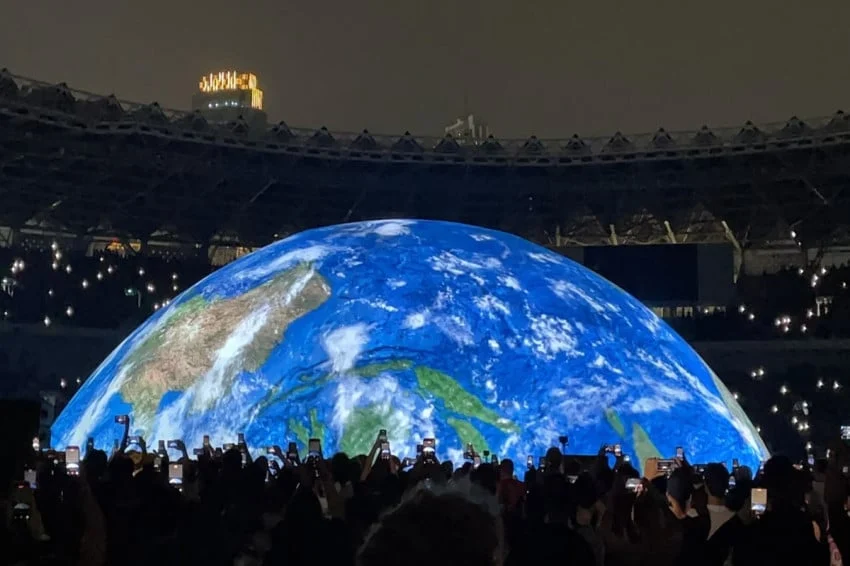
The Gelora Bung Karno (GBK) Main Stadium in Jakarta transformed into the epicenter of global music culture on Saturday, October 24, 2026, as iconic rapper Kanye West delivered a landmark performance. The concert, which featured a revolutionary dome stage design, served as a definitive moment for Indonesia’s burgeoning role in the international concert circuit. Attracting an audience of approximately 50,000, the event underscored the capital’s capacity to host large-scale, technologically complex productions that rival those found in London, Tokyo, or Los Angeles.
A Masterclass in Stage Engineering and Design
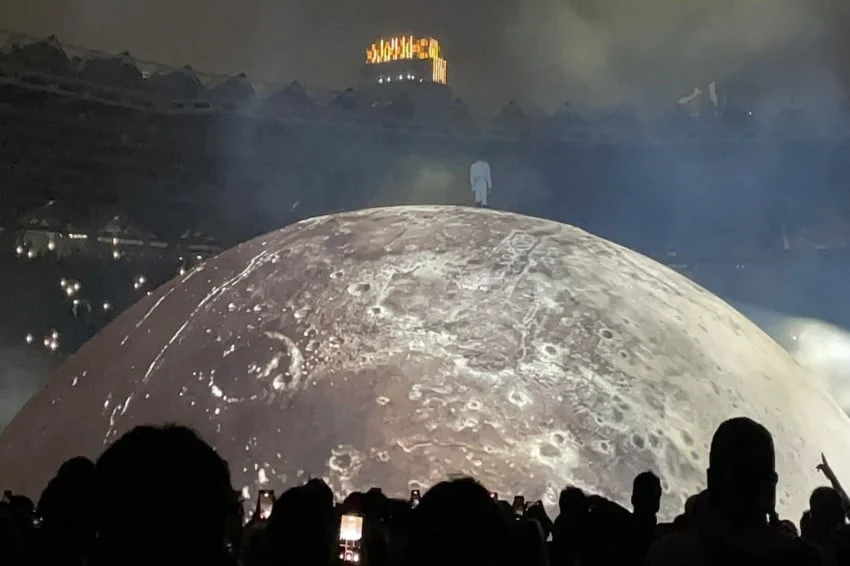
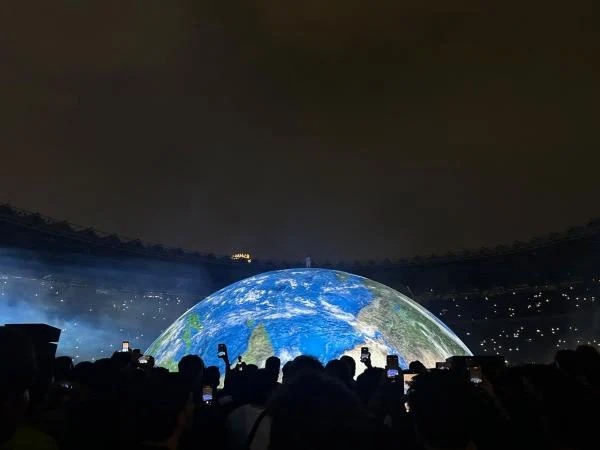
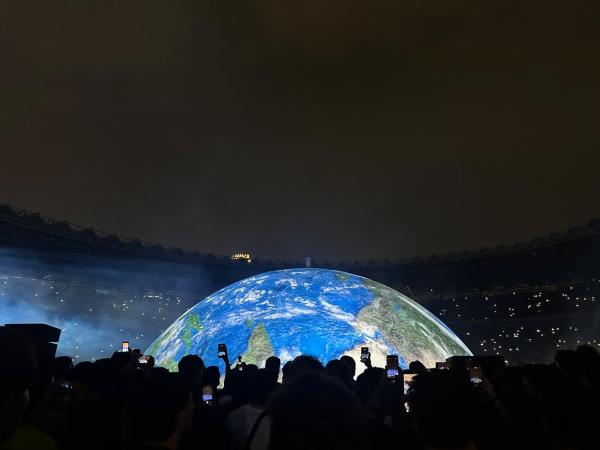
The defining element of the evening was the architectural marvel that served as the centerpiece of the performance: a massive, spherical "dome stage" that mimicked the globe. This installation was not merely a decorative choice but an integrated part of the show’s narrative. As the concert commenced, the structure projected a high-definition, real-time map of the Earth, creating an immersive experience that utilized 360-degree projection mapping technology.
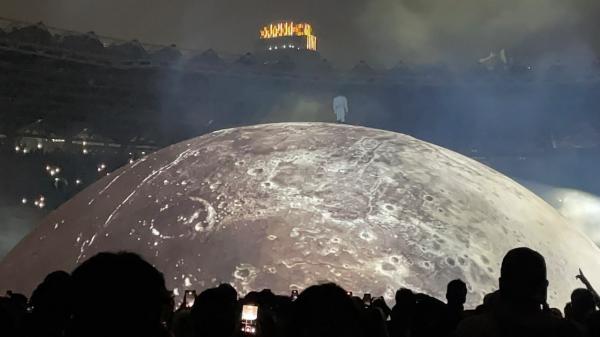
The rapper’s entrance set a tone of minimalist intensity. Positioned at the very apex of the globe, West was captured in a singular, stark white spotlight that pierced through a dense layer of theatrical fog. This silhouette, visible from every corner of the massive stadium, offered a stark, cinematic aesthetic that contrasted with the chaotic, vibrant energy of the crowd below. The lighting design, which involved hundreds of synchronized lasers cutting across the Jakarta night sky, was executed with precision, ensuring that the visual experience remained cohesive regardless of the spectator’s vantage point.
Chronology of the Event
The lead-up to this performance was characterized by meticulous planning and an exhaustive logistical timeline. Preparation for the stage installation began on October 15, 2026, requiring nine days of intensive labor.
- October 15–20: The structural framework for the dome stage was erected. Due to the weight and complexity of the globe projection system, specialized rigging experts were flown in from Europe to work alongside local contractors.
- October 21–22: Sound system calibration took place. Engineers utilized a bespoke audio array designed to mitigate the inherent acoustic challenges of the open-air GBK stadium, ensuring high-fidelity sound delivery for both bass-heavy hip-hop tracks and vocal-focused performances.
- October 23: Final dress rehearsals were conducted under strict security protocols.
- October 24, 6:00 PM: Gates opened to the public, with security screening procedures managing the flow of 50,000 attendees.
- October 24, 8:30 PM: The performance officially commenced, lasting for approximately two hours and covering a discography that spanned over two decades.
Economic and Logistical Implications
The production was a significant undertaking for the Indonesian event industry, involving thousands of local workers, technicians, and security personnel. Reports indicate that the collaboration between international production houses and local labor forces provided a substantial boost to the local economy.
Beyond the immediate ticket sales, the event generated significant revenue for the hospitality and transportation sectors in Jakarta. Hotels in the Senayan area reported near-total occupancy, while local transit services saw record ridership numbers during the evening of the event. This concert serves as a case study for the "concert economy," demonstrating how high-profile international tours can act as a catalyst for local employment and service sector growth.
Industry experts note that the logistical success of this event signals a shift in perception among global tour promoters. By successfully hosting a show of this technical magnitude, Jakarta has effectively demonstrated that it possesses the infrastructure and technical expertise to handle complex, high-production-value international tours, potentially securing its place as a regular stop for future global concert cycles.
Public and Industry Reception
The reaction from the audience was overwhelmingly positive, with social media platforms flooded with footage of the dome stage projections. Local music critics praised the fusion of art and technology, noting that West’s decision to bring such a high-concept production to Southeast Asia reflects a strategic focus on expanding the reach of global hip-hop.
"The technical execution was flawless," said a representative from a regional entertainment consultancy. "It is rare to see this level of production quality in the region. The dome stage, in particular, set a new benchmark for what is expected from top-tier artists when they tour here."
However, the event also brought into focus the challenges of managing large crowds in a post-pandemic era. Authorities coordinated with private security firms to implement robust crowd control measures, which largely proved successful. Despite the sheer volume of attendees, the ingress and egress from the stadium remained orderly, a testament to the coordination between the event organizers and local law enforcement.
Broader Impact on the Southeast Asian Music Market
The Jakarta concert is part of a larger trend of international artists increasingly prioritizing the Southeast Asian market. As purchasing power in the region grows, promoters are finding that the return on investment for high-cost, high-production shows in cities like Jakarta is increasingly favorable.
Furthermore, the involvement of local labor in every facet of the production—from the construction of the dome to the management of the lighting rigs—indicates a transfer of skills. Local technicians who assisted with this production have now gained experience with state-of-the-art rigging and projection mapping technologies, skills that will likely be applied to future domestic and international projects.
Sustainability and Future Outlook
While the spectacle of the dome stage was undeniable, it also sparked a minor, yet important, discussion regarding the environmental footprint of such large-scale productions. The energy consumption required for the laser systems and projection mapping is significant. In response, organizers confirmed that they utilized renewable energy sources for a portion of the stadium’s power grid, aligning with the growing global push for greener concert practices.
As the industry looks forward, the success of the October 24 performance will likely serve as a reference point for future promoters. The ability to integrate advanced technology with massive live audiences is the new gold standard. With the success of this event, Jakarta has solidified its position as a primary destination for global entertainment, signaling a new chapter for the Indonesian music and events industry.
The lasting image of the evening—the glowing dome against the Jakarta skyline—will likely remain an iconic symbol of the city’s evolving cultural and entertainment landscape for years to come. Whether the artist returns or not, the precedent set by this performance will influence the design and delivery of major concerts in the region for the foreseeable future.