
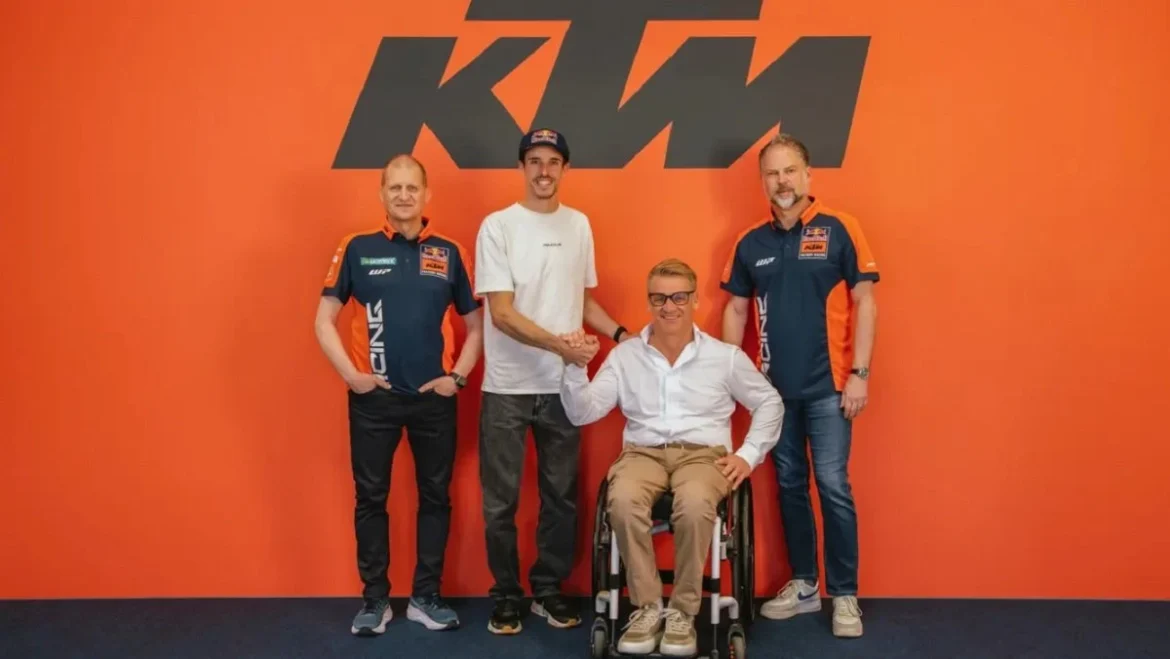
The MotoGP rider market for the 2027 season has reached a fever pitch, with significant shifts and surprising moves reshaping the factory team lineups. Amidst this dramatic carousel of talent, Red Bull KTM finds itself in a unique, and potentially precarious, position as the sole manufacturer team entering the 2027 season without a rider boasting a current world championship title. This situation is further amplified by the impending departure of their highly touted rising star, Pedro Acosta.
The intricate dance of rider contracts and team strategies has been unfolding throughout the latter half of the 2026 season, setting the stage for a transformative era in Grand Prix motorcycle racing. The landscape has been dramatically altered by a series of high-profile announcements, each sending ripples through the paddock and influencing the strategic decisions of rival manufacturers.
The Domino Effect: A Chronology of Major Rider Movements
The catalyst for the current realignment appears to have been the significant contract extension signed by Marc Marquez with the Ducati Lenovo team, securing his services until the end of the 2028 season. This pivotal decision within the Italian powerhouse immediately signaled further changes, as Ducati then officially confirmed the departure of their reigning world champion, Francesco "Pecco" Bagnaia, at the conclusion of the 2026 season.
In a move that sent shockwaves through the paddock, Ducati swiftly moved to fill the void left by Bagnaia, announcing the signing of Pedro Acosta from KTM for the 2027 season. Acosta, a sensation since his debut, has been widely regarded as one of the sport’s brightest future prospects. His transition to the factory Ducati squad marks a significant coup for the Borgo Panigale-based manufacturer, who are clearly investing heavily in youth and proven talent.
Simultaneously, Francesco Bagnaia’s future was clarified as he committed to a new chapter with Aprilia Racing. This move reunites him with the Noale-based manufacturer where he previously rode before his championship-winning stint with Ducati. This signing signals Aprilia’s intent to field a formidable lineup capable of challenging for titles.
The rider merry-go-round continued its rapid spin with Aprilia’s subsequent announcement that Jorge Martin would be departing their ranks. Martin, a consistent front-runner and championship contender, has reportedly inked a deal to join the factory Yamaha team for the 2027 season. His move to the Japanese manufacturer is seen as a significant boost for Yamaha, who have been striving to regain their former glory in recent years.
Adding another layer of intrigue, Yamaha also confirmed the departure of Ai Ogura from their factory setup. Ogura’s destination remains unconfirmed, though speculation is rife about potential moves to other teams seeking to bolster their rider roster. The departure of both Martin and Ogura from Yamaha opens up crucial seats within the Iwata-based manufacturer.
The most recent seismic shift involved Fabio Quartararo, the 2021 MotoGP World Champion. Quartararo’s move to the factory Honda HRC Castrol team was officially confirmed. This marks a monumental return for the French superstar to the manufacturer he began his MotoGP career with, albeit in a different team configuration. The announcement of Quartararo’s arrival at Honda has ignited considerable excitement, with many anticipating a renewed challenge from the Japanese giant. However, the identity of Quartararo’s teammate at Honda HRC Castrol for the upcoming season remains an unanswered question, fueling further speculation within the paddock.

KTM’s Strategic Crossroads
In the wake of these cascading announcements, Red Bull KTM finds itself in a peculiar position. As of the latest confirmations, the Austrian manufacturer’s factory team will enter the 2027 season with a rider lineup devoid of any reigning world champions. This contrasts sharply with their primary competitors, Ducati, Honda, and Yamaha, all of whom have secured riders with championship pedigree.
The departure of Pedro Acosta, who has consistently demonstrated exceptional talent and race-winning potential, undoubtedly represents a significant loss for KTM. His ability to extract the maximum from the machinery and his aggressive yet calculated riding style have made him a fan favorite and a formidable competitor. Losing such a key asset, especially to a direct rival, presents a considerable challenge for KTM’s future ambitions.
Supporting Data and Context
The MotoGP rider market is intrinsically linked to performance, manufacturer development, and long-term strategic planning. Rider salaries, performance bonuses, and contract lengths are all critical factors. For instance, top riders like Marc Marquez and Fabio Quartararo are known to command substantial financial packages, reflecting their market value and proven track record. The recent contract extensions and signings indicate a significant investment by the leading manufacturers in securing talent that they believe will deliver championship results in the new era of regulations and machinery.
The 2027 season is particularly significant as it is expected to usher in new technical regulations for the engines, potentially leveling the playing field and creating new opportunities for manufacturers. This makes securing experienced and adaptable riders even more crucial for teams aiming to capitalize on these changes. The current rider market activity suggests a proactive approach by manufacturers to build a competitive package that includes both raw speed and championship-winning mentality.
Inferred Reactions and Analysis
While official statements from KTM regarding their rider lineup for 2027 have been limited, it is reasonable to infer a degree of strategic re-evaluation within the organization. The loss of Acosta, coupled with the absence of a reigning champion in their factory team, will likely prompt a concerted effort to identify and nurture emerging talent or to secure established riders who can bring championship experience.
The situation presents both a challenge and an opportunity for KTM. On one hand, they face the daunting task of competing against teams with proven champions. On the other, this situation could allow them to foster a new generation of riders, unburdened by the pressure of immediate championship expectations, and to build a team around their long-term vision. The success of their efforts will depend on their ability to scout and develop riders who can adapt to the evolving technical landscape and consistently challenge for podiums and race wins.
The departure of several key riders also highlights the intense competition for talent in MotoGP. Manufacturers are not only vying for the best current performers but also for those perceived to have the greatest potential to succeed in the future. The strategic importance of securing riders like Acosta and Quartararo cannot be overstated, as they represent the future of the sport and are expected to be at the forefront of competition for years to come.
Broader Impact and Implications
The reshuffling of the MotoGP grid for 2027 has far-reaching implications for the sport. The moves signify a significant investment in new talent and a strategic pivot for several manufacturers.
- Ducati’s Dominance Reinforced: By securing Marc Marquez and Pedro Acosta, Ducati appears to be positioning itself for continued dominance. Marquez’s experience and race craft, combined with Acosta’s raw talent and fearless approach, create a formidable pairing that will undoubtedly be championship contenders.
- Honda’s Renaissance Hopes: The return of Fabio Quartararo to Honda HRC Castrol is a clear indication of the manufacturer’s ambition to return to the pinnacle of MotoGP. Quartararo’s championship pedigree and proven ability to win on a variety of machinery offer a beacon of hope for a resurgence.
- Yamaha’s New Direction: The signing of Jorge Martin signals a new era for the factory Yamaha team. Martin’s aggressive style and consistent performance make him a strong candidate to lead Yamaha’s charge in the coming seasons.
- KTM’s Reassessment: KTM’s position as the sole factory team without a reigning champion rider forces a strategic reevaluation. Their future success will hinge on their ability to develop their current riders or to attract new talent that can fill the void left by Acosta. This could lead to a more aggressive scouting approach for young, up-and-coming riders from lower categories.
The 2027 MotoGP season promises to be one of the most compelling in recent memory, with a vastly altered landscape of riders and team dynamics. The strategic decisions made during this rider market period will undoubtedly shape the future of Grand Prix motorcycle racing and determine which manufacturers and riders will emerge as the dominant forces in the years to come. The spotlight will be firmly on KTM to see how they navigate this unique challenge and whether they can still contend for top honors without the immediate presence of a world champion in their ranks.
