
A New Frontier in Micro-Mobility
For years, Huawei has been a dominant force in the New Energy Vehicle (NEV) sector, primarily through its collaborative efforts with automotive manufacturers to provide software, hardware, and smart cockpit solutions. However, the introduction of HarmonyOS to an electric tricycle (e-trike) represents a strategic pivot toward broader market democratization. While the global automotive industry has been fixated on luxury sedans and SUVs, Huawei appears to be betting on the massive, underserved market of urban utility vehicles.
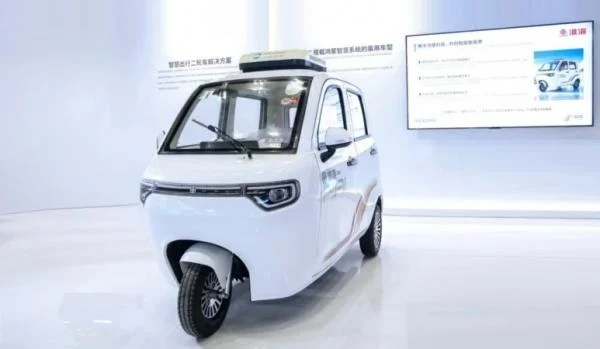
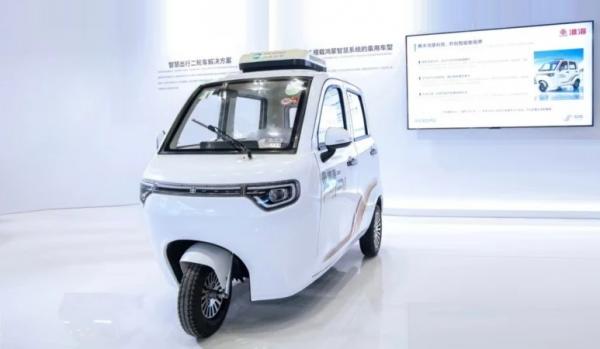
The e-trike, developed by Huaihai with Huawei’s technological backing, serves as a test case for how smart connectivity can improve the safety and efficiency of everyday transport. By integrating the HarmonyOS ecosystem, the vehicle is no longer a simple mechanical tool but a connected node in a vast network of smart devices. This integration allows the tricycle to leverage the same underlying software foundation as Huawei’s flagship smartphones, tablets, and high-end EVs.
Chronology of the Integration
The development of this project was unveiled during the Huawei HarmonyOS Ecosystem Conference 2026, an event that showcased the company’s roadmap for a fully interconnected digital future. The timeline for this collaboration indicates a rapid development cycle:
- Early 2025: Initial discussions between Huawei and Huaihai regarding the digitalization of micro-mobility platforms.
- Late 2025: Prototype testing phase, focusing on hardware-software compatibility between the tricycle’s motor controllers and Huawei’s HarmonyOS software stack.
- November 2026: Official public debut at the Shenzhen conference, where the e-trike received formal certification as a "HarmonyOS-powered" device, confirming its interoperability with other consumer electronics.
This rapid transition from concept to product highlights Huawei’s efficiency in modular software deployment. Unlike traditional automotive development, which can take years, the "HarmonyOS for Mobility" strategy allows the company to plug its software suite into diverse hardware formats with minimal friction.
Technical Capabilities and User Experience
The core of this innovation lies in the "Smart Cockpit" interface. In the context of an e-trike, this translates to a digitized dashboard that replaces analog indicators with a responsive display capable of real-time diagnostics and navigation. Key features highlighted at the conference include:
- Advanced Voice Control: Riders can interact with the vehicle using natural language processing, allowing them to initiate navigation, check battery levels, or toggle lights without taking their hands off the handlebars.
- Smartphone Integration: The vehicle synchronizes seamlessly with HarmonyOS-powered smartphones. This "Super Device" connectivity means that as soon as a user approaches the vehicle, their phone’s navigation, music, and communication apps are mirrored or accessible on the vehicle’s interface.
- Remote Telemetry: Through the connected app, users can monitor the vehicle’s location, security status, and battery health remotely, providing a level of transparency and anti-theft capability previously unavailable in the e-trike market.
These features are powered by Huawei’s proprietary chipsets and software kernels, which ensure that the vehicle remains responsive even under extreme weather conditions or fluctuating network connectivity.
Industry Context and Market Dynamics
The global e-trike market has seen exponential growth, particularly in Asia, where such vehicles serve as the backbone for last-mile delivery services and personal mobility in densely populated urban centers. According to industry analysts, the demand for "smart" micro-mobility is projected to rise as logistics firms look for ways to optimize fleet management through data-driven insights.
Huawei’s decision to act as a technology provider rather than a manufacturer is a calculated business move. By focusing on the "software-defined vehicle" paradigm, Huawei avoids the massive capital expenditures associated with manufacturing plants, supply chain management, and automotive regulatory compliance. Instead, the company focuses on its core competency: the software ecosystem. This "Huawei Inside" model has already proven successful in its partnerships with automotive brands like AITO and Luxeed. Expanding this model to smaller vehicles allows Huawei to capture a larger share of the total addressable market in China’s massive micro-mobility sector.
Official Perspectives and Market Implications
While Huawei has not released a formal statement detailing the revenue split with Huaihai, the certification process suggests a long-term licensing agreement. Industry observers suggest that this move is intended to lock users into the Huawei ecosystem early on. A student or gig-worker using a Huawei-powered e-trike is more likely to choose a Huawei smartphone, creating a synergistic effect that reinforces brand loyalty across different demographics.

Huaihai, for its part, stands to gain a significant competitive advantage. In a market saturated with generic electric tricycles, a product that boasts "Huawei-level" software intelligence is a premium differentiator. This could allow Huaihai to command higher margins and appeal to a more tech-savvy consumer base that values connectivity as much as utility.
Broader Economic and Urban Impact
The implications of this technology extend beyond consumer convenience. From an urban planning perspective, a fleet of connected, smart tricycles could provide city governments with valuable data on traffic patterns, road usage, and parking demand. If these vehicles are integrated into a city’s smart infrastructure, they could potentially participate in vehicle-to-everything (V2X) communication, helping to reduce traffic congestion and improve road safety for both riders and pedestrians.
Furthermore, this development signals a shift in the perceived value of micro-mobility. For years, these vehicles were viewed as "low-tech" solutions for basic transport. Huawei’s involvement validates the sector, suggesting that even the simplest forms of transport deserve the same level of digital security and connectivity as luxury automobiles.
Challenges Ahead
Despite the optimism surrounding this launch, the integration of complex software into utility vehicles does not come without risks. Cybersecurity remains a primary concern; as these vehicles become more connected, they also become potential targets for hackers. Huawei must ensure that the security protocols governing its high-end vehicle software are just as robust when applied to smaller, less powerful hardware.
Additionally, there is the challenge of hardware longevity. Software is often updated, but the physical components of an e-trike—batteries, tires, and motors—have a finite lifespan. Ensuring that the software remains optimized for aging hardware will be a critical task for Huawei’s engineering teams in the coming years.

Conclusion: A New Era for Micro-Mobility
The introduction of HarmonyOS to the e-trike market is more than just a marketing collaboration; it is a manifestation of the "everything connected" vision that Huawei has been championing since the launch of its proprietary operating system. By bridging the gap between high-end digital intelligence and low-end physical utility, Huawei is effectively rewriting the rules for how the world moves.
As the deployment continues, the success of this project will likely determine whether other tech giants follow suit. If the market reception is positive, we can expect a wave of "smart" micro-mobility solutions, ranging from e-bikes to scooters, all competing to offer the most seamless digital experience. For now, the e-trike stands as the latest, and perhaps most unexpected, symbol of Huawei’s relentless drive to permeate every facet of modern life with its software ecosystem. The road ahead for urban transport is becoming increasingly digital, and with HarmonyOS at the helm, the transition seems both inevitable and imminent.
