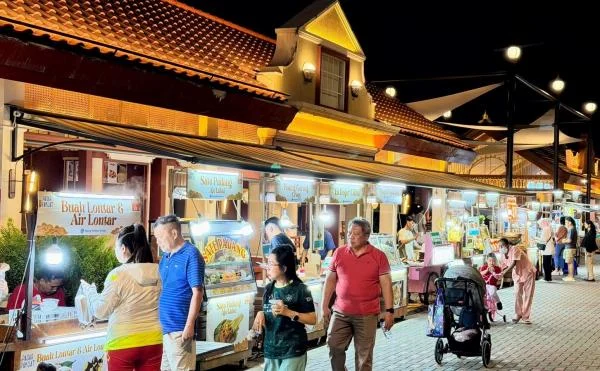
The event, held at the sprawling Batavia PIK complex, acts as a curated bridge between traditional Indonesian roots and contemporary urban lifestyle, offering visitors a comprehensive experience that transcends mere dining. By consolidating regional specialties from across the archipelago—ranging from the spicy, robust flavors of Sumatra to the sweet and savory profiles of Java—the festival highlights the country’s culinary diplomacy and the resilience of its cultural identity.
A Gastronomic Journey Across the Archipelago
The culinary landscape of the Pesona Nusantara Extravaganza 2026 is meticulously designed to provide a sensory tour of Indonesia’s diverse provinces. Attendees have the opportunity to sample authentic Nasi Kapau, a staple of Minangkabau cuisine, characterized by its rich, spicy curries and slow-cooked meats. The presence of these authentic dishes serves as a reminder of the cultural significance of communal dining practices in Indonesia.
Furthermore, the festival features the iconic Sate Padang, renowned for its thick, turmeric-infused rice flour sauce, and the savory, distinctively seasoned Kepala Manyung (smoked catfish head), a delicacy often associated with the northern coast of Central Java. The culinary offerings are not limited to heavy entrees; they extend to a wide array of street food classics. Favorites such as Siomay Bandung, the refreshing Tahu Gejrot from Cirebon, and the decadent Es Cendol Durian provide a comprehensive snapshot of the country’s popular snack culture.
Beyond the well-known regional hubs, the festival includes niche specialties such as the Nasi Tempong from Banyuwangi, East Java—famed for its exceptionally spicy sambal—and the savory Sate Ponorogo, which distinguishes itself through its unique meat-cutting technique and peanut-based seasoning. These choices reflect a deliberate effort by the organizers to elevate regional specialties that are often underrepresented in mainstream urban food markets.
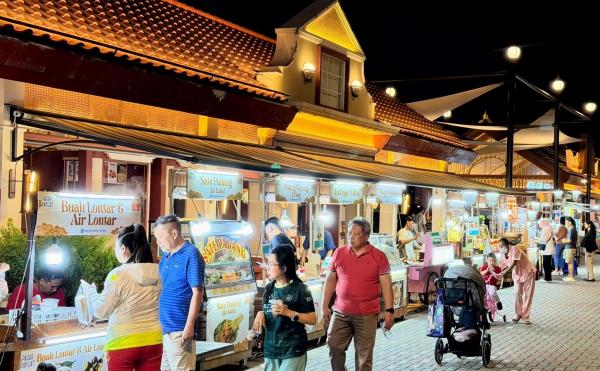
Cultural and Economic Integration
The Pesona Nusantara Extravaganza 2026 is more than a food festival; it functions as an economic incubator for local creative sectors. In addition to the food stalls, the event features extensive displays of traditional handicrafts, batik textiles, and contemporary fashion. By integrating a fashion bazaar and live runway shows into the festival program, the event organizers have created a multifaceted space where traditional aesthetics meet modern design.
This intersection of culinary and creative arts is a strategic move to boost the visibility of local artisans. In the context of Indonesia’s post-pandemic economic recovery, such festivals play a pivotal role in strengthening the domestic supply chain. By providing a direct-to-consumer platform, MSMEs can bypass traditional distribution hurdles, gain immediate market feedback, and increase their brand awareness among urban consumers who might otherwise have limited access to remote regional products.
Chronology and Event Schedule
The event, which spans twelve days, is structured to maintain high levels of visitor engagement throughout its duration.
- October 28, 2026: Opening ceremony featuring traditional dance performances and the commencement of the culinary bazaar.
- October 30 – November 2, 2026: Weekend peak period, characterized by high-profile musical performances, including the headline concert by the Mollucan Soul band, and community gathering events.
- November 4 – November 6, 2026: Mid-week focus on interactive workshops, including cooking demonstrations and fashion design seminars for local students.
- November 8, 2026: Closing ceremony, featuring a recap of the festival’s success metrics and a final showcase of local talent.
This schedule is designed to balance peak traffic times—where the focus is on entertainment and consumption—with slower mid-week periods, which are better suited for community-focused activities such as blood donation drives and inter-community networking sessions.
Supporting Data and Market Context
The choice of Batavia PIK as the venue is significant. As one of Jakarta’s most rapidly developing lifestyle hubs, it attracts a high volume of both domestic and international tourists. Data from local tourism boards suggest that culinary tourism contributes significantly to the local economy, with food and beverage sectors accounting for nearly 40% of the total revenue generated by the tourism industry in the Greater Jakarta area.

The Pesona Nusantara Extravaganza 2026 aligns with the Indonesian government’s broader "Proudly Made in Indonesia" (Bangga Buatan Indonesia) campaign. By prioritizing local content, the festival supports the national objective of increasing local product consumption. Historical data from similar events indicates that such festivals typically see a 15% to 20% increase in vendor revenue compared to standard monthly operations, underscoring the economic viability of these large-scale cultural exhibitions.
Stakeholder Perspectives and Societal Impact
While organizers have not released individual vendor sales figures, the general sentiment among participants remains highly positive. Representatives from local MSME associations have noted that the opportunity to reach a diverse audience in a premier location like PIK is invaluable for brand sustainability.
From a broader social perspective, the event serves as a catalyst for community cohesion. By incorporating activities such as children’s competitions and interactive games, the festival successfully attracts families, thereby fostering an environment where intergenerational transmission of cultural knowledge can occur. The inclusion of humanitarian initiatives, such as the scheduled blood donation drives, further embeds the festival within the local community’s social infrastructure, demonstrating that the event is committed to social responsibility alongside commercial interests.
Broader Implications for Indonesian Culinary Tourism
The success of the Pesona Nusantara Extravaganza 2026 highlights the growing trend of "gastronomic nationalism," where traditional food is leveraged as a primary tool for soft power and economic development. By professionalizing the presentation of regional specialties, the festival helps to standardize the quality of service while maintaining the authenticity of flavor profiles.
Analysts observe that the primary challenge for such events is the scalability of these artisanal products. As consumer demand for authentic regional food grows, the challenge remains for vendors to maintain quality and consistency without losing the "homemade" character that defines their products. The festival serves as a testing ground for many of these vendors to refine their logistics and operational capacities for a larger market.

Furthermore, the integration of music, fashion, and food signifies a shift in how cultural festivals are produced in Indonesia. Rather than keeping these sectors in silos, the organizers have created a "holistic cultural ecosystem." This approach is likely to be replicated in future festivals across other major cities, as it proves that a unified, multi-sensory experience is more effective at driving foot traffic and consumer spending than a single-interest exhibition.
Conclusion
As the Pesona Nusantara Extravaganza 2026 reaches its final days, the event stands as a testament to the vibrancy of Indonesian culture. By bridging the gap between remote traditional producers and the urban consumer base of Jakarta, the festival has succeeded in creating a platform that is as economically significant as it is culturally enriching. The lessons learned from this event—regarding logistics, community engagement, and the curation of regional identities—will undoubtedly inform the trajectory of Indonesia’s culinary tourism sector in the coming years.
For visitors, the event offers a rare opportunity to engage with the sheer breadth of the Indonesian archipelago, if only through the palate. For the nation, it serves as a powerful reminder that in an increasingly globalized world, the preservation and promotion of localized culinary traditions remain a vital component of national identity and economic resilience. Whether through a bowl of spicy Nasi Kapau or the intricate patterns of a hand-dyed batik, the festival ensures that the heritage of the Nusantara remains a living, breathing, and evolving part of the Indonesian experience.