

The automotive industry is continuously pushing the boundaries of innovation, and Chery, a prominent Chinese automaker, is making significant strides in this regard with its flagship SUV, the Chery Tiggo 9 CSH (Chery Super Hybrid). This advanced vehicle is equipped with a groundbreaking Vehicle-to-Load (V2L) feature, boasting an impressive power output of up to 6,600 watts. This technology transforms the SUV into a mobile power station, capable of supporting a wide array of outdoor activities and emergencies, fundamentally altering the utility of personal transportation.
The Power of Portability: Understanding V2L Technology
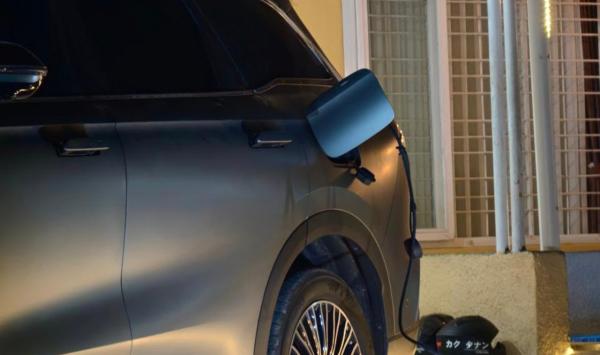
At its core, the Vehicle-to-Load (V2L) system allows the energy stored within the Chery Tiggo 9 CSH’s substantial battery pack to be discharged and used to power external electronic devices. With a maximum output of 6.6 kilowatts (kW), this capability far surpasses that of many conventional portable generators. This means the Tiggo 9 CSH can comfortably power multiple appliances simultaneously, eliminating the need for separate, bulky, and often noisy generators during camping trips, picnics, outdoor events, or even in emergency situations where grid power is unavailable.
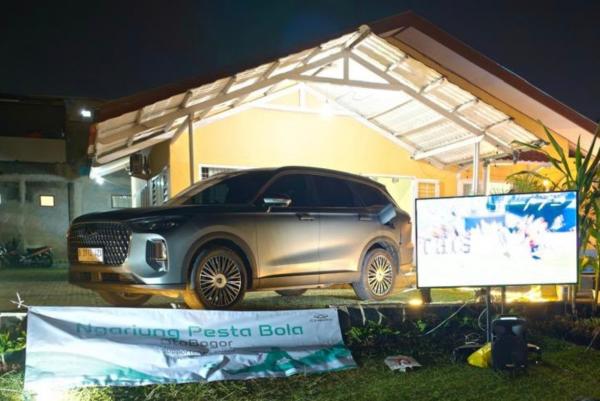
The applications for such a powerful V2L system are vast and varied. Imagine a family enjoying a remote camping experience, able to power a portable refrigerator, electric cooking appliances like induction cooktops or blenders, a coffee maker for that morning brew, and even an array of LED lighting for a comfortable evening ambiance. Beyond recreational uses, the Tiggo 9 CSH can serve as a critical power source for community gatherings, outdoor workshops, or even as a temporary backup power supply for homes during outages, powering essential appliances.
A Class-Leading Powerhouse: Chery Tiggo 9 CSH’s Electrical Prowess
The 6,600-watt power output of the Chery Tiggo 9 CSH’s V2L system is a significant differentiator in its class. This robust capacity enables users to run several high-demand electronic devices concurrently. For instance, it could power a small air conditioner unit, a microwave oven, and several smaller appliances without strain. This level of power is typically associated with larger, dedicated power generators, making the integration of this functionality into a passenger vehicle a remarkable feat of engineering.
This impressive performance is underpinned by a substantial battery pack with a capacity of 34.46 kilowatt-hours (kWh). This is a considerable energy reserve, allowing the V2L feature to be utilized for extended periods, further enhancing its practicality for prolonged outdoor excursions or as a reliable emergency power source. Furthermore, the battery pack has achieved an IP68 certification, a testament to its robust protection against dust ingress and water immersion. This certification ensures the battery’s durability and reliability in diverse environmental conditions, a crucial aspect for a vehicle designed for versatile use.

Efficiency and Environmental Considerations: The Super Hybrid Advantage
Beyond raw power, Chery has emphasized the efficient energy management within its Super Hybrid system. The V2L function is designed to operate optimally without necessitating constant operation of the vehicle’s internal combustion engine. This is a key advantage, as it allows users to access external power while maintaining a quiet and environmentally friendly cabin experience. The reduction in noise pollution and exhaust emissions contributes to a more pleasant outdoor atmosphere and aligns with growing consumer demand for sustainable automotive solutions.
The Chery Super Hybrid system likely employs sophisticated power management software that intelligently balances the demands of the V2L system with the vehicle’s propulsion needs and battery charging. This intelligent management ensures that the V2L functionality can be utilized without unduly compromising the vehicle’s driving range or requiring frequent refueling. The hybrid architecture allows for the electric motor and battery to provide power for V2L, while the gasoline engine can act as a generator to recharge the battery when necessary, offering a flexible and efficient power delivery strategy.
The Broader Context: Hybrid Technology and the Future of EVs
The integration of advanced V2L technology, especially with such high power output, signals a significant evolution in the capabilities of hybrid and electric vehicles. As battery technology advances and becomes more cost-effective, automakers are increasingly exploring ways to leverage the large energy storage capacity of these vehicles beyond mere transportation. The concept of the "mobile energy hub" is gaining traction, with vehicles capable of not only moving people and goods but also powering homes, businesses, and recreational activities.

The automotive industry has been steadily shifting towards electrification and hybridization in response to global environmental concerns and regulatory pressures. Major markets worldwide are setting ambitious targets for phasing out internal combustion engine vehicles. In this evolving landscape, vehicles like the Chery Tiggo 9 CSH, with their multi-faceted utility, are poised to become increasingly attractive. They offer a blend of traditional automotive functions with newfound capabilities that enhance lifestyle and provide resilience in uncertain situations.
Potential Implications and Market Impact
The introduction of a flagship SUV like the Chery Tiggo 9 CSH with a 6,600-watt V2L system has several potential implications for the automotive market and consumer behavior:
- Enhanced Lifestyle Appeal: The ability to power significant electrical loads outdoors can significantly enhance the appeal of outdoor activities such as camping, tailgating, and remote work. This could lead to increased demand for vehicles that offer such integrated convenience.
- Emergency Preparedness: In regions prone to natural disasters or power outages, a vehicle with robust V2L capabilities could become a vital tool for emergency preparedness, providing essential power for communication devices, medical equipment, and basic living needs.
- Competition and Innovation: Chery’s move is likely to spur further innovation from other automakers. Competitors may feel compelled to match or exceed this V2L power output, leading to a rapid advancement in this technology across the industry.
- New Market Segments: This feature could carve out new market segments, appealing to outdoor enthusiasts, digital nomads who require reliable power for their equipment, and individuals seeking greater energy independence.
- Infrastructure Considerations: While V2L technology is impressive, widespread adoption might eventually lead to considerations regarding charging infrastructure and grid management, particularly if vehicles are frequently used to export power back to the grid (V2G technology, a related concept).
Chery’s Strategic Positioning
Chery has been strategically investing in research and development to differentiate its product offerings. The development of the Chery Super Hybrid system and the integration of advanced features like high-wattage V2L underscore the company’s commitment to technological leadership. By introducing such innovative solutions in a prominent segment like the flagship SUV, Chery aims to capture market share and enhance its brand image as a forward-thinking and technologically advanced automotive manufacturer.
The global automotive market is increasingly competitive, with Chinese automakers like Chery, Geely, and BYD making significant inroads into international markets. Features like the V2L capability on the Tiggo 9 CSH serve as powerful talking points and tangible examples of the technological advancements emerging from these companies. This innovation not only appeals to potential buyers but also signals a broader trend of Chinese automotive brands challenging established global players with cutting-edge technology and compelling value propositions.
Future Outlook
The Chery Tiggo 9 CSH with its 6,600-watt V2L capability represents a significant leap forward in the integration of automotive and power generation technologies. As battery energy density continues to improve and charging infrastructure becomes more ubiquitous, we can expect to see even more advanced functionalities emerge from vehicles. The concept of the car as a mobile power source is no longer a futuristic vision but a present reality, and Chery is at the forefront of this transformative trend. The implications for outdoor lifestyles, emergency preparedness, and the overall utility of personal vehicles are profound, marking a new era of automotive capability.
