
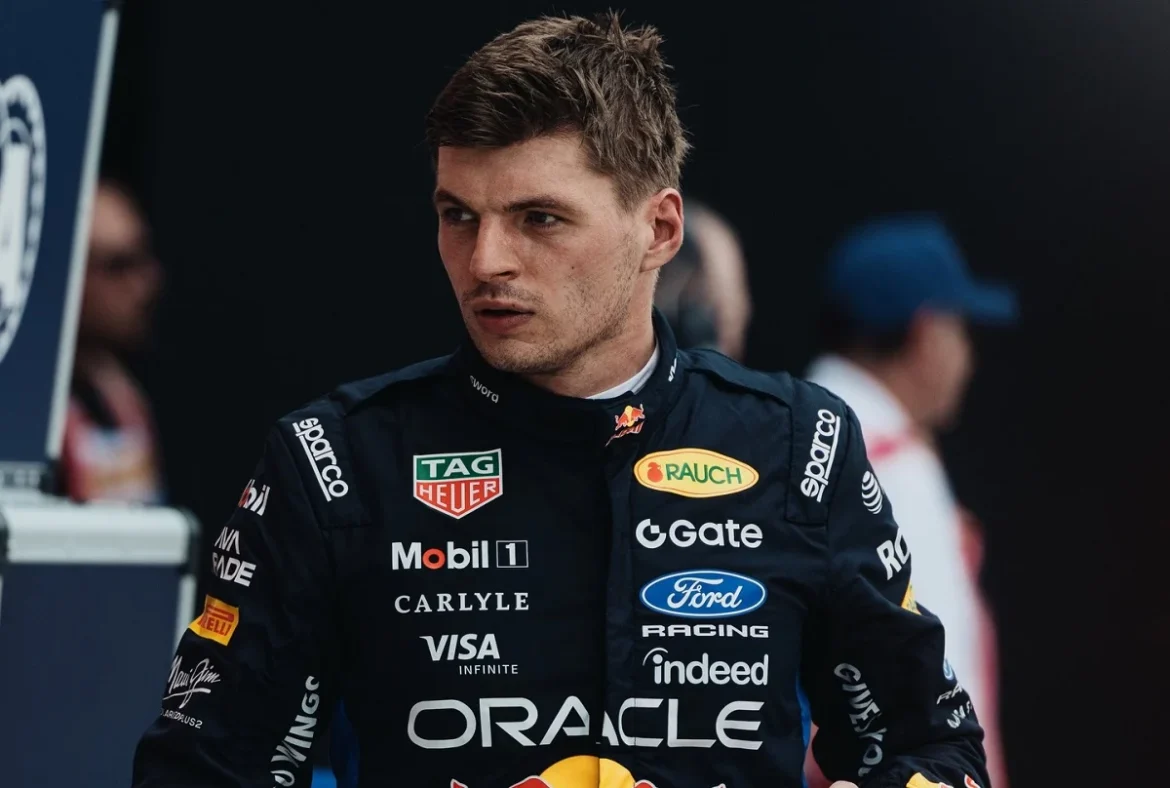
Formula 1 superstar Max Verstappen has officially cemented his status as the wealthiest athlete in the Netherlands, with his total net worth surging to an estimated 310 million euros, or approximately Rp6.28 trillion. The financial milestone was highlighted in the latest edition of the prestigious Quote 500 publication, which tracks the fortunes of the wealthiest individuals in the Dutch Kingdom.
The Red Bull Racing driver’s staggering financial ascent reflects not only his unmatched dominance on the Formula 1 tarmac but also his lucrative multi-year contracts, global commercial partnerships, and astute business ventures outside of professional motorsports. At just 29 years old, the four-time F1 world champion continues to break financial and athletic records, placing himself firmly among the economic elite of his home country.
Main Facts and the Quote 500 Ranking
According to the 2026 edition of the Quote 500, published on Tuesday, October 27, 2026, Max Verstappen occupies the 224th position on the comprehensive list of the wealthiest people in the Netherlands. This represents a notable climb from his 2025 ranking, where he sat at number 264 with an estimated fortune of 260 million euros (around Rp5.27 trillion).
In the span of a single fiscal year, the Dutch racing prodigy grew his personal wealth by approximately 50 million euros, or roughly Rp1 trillion. Business analysts and publication editors confirmed that Verstappen remains the highest-ranked active sports personality in the entire compilation, significantly outpacing any of his Dutch athletic contemporaries. While the Quote 500 report did not disclose specific net worth figures for other Dutch sports figures, industry insiders note that Verstappen’s financial stratosphere in the sporting world stands virtually unmatched in the Netherlands.
Financial Demands of the Dutch Wealth Elite
To secure a coveted spot in the 2026 Quote 500, individuals were required to possess a minimum net worth of 140 million euros, equivalent to approximately Rp2.8 trillion. This high threshold underscores the immense wealth concentration captured by the publication. Furthermore, the economic data compiled by Quote reveals that the collective net worth of the 500 wealthiest Dutch citizens experienced an impressive upward trajectory, increasing by more than 10% to reach a historic cumulative milestone of over 300 billion euros.
Within this ultra-exclusive group of billionaires, multi-millionaires, and business moguls, Verstappen’s presence as a professional athlete is a rare anomaly. Most entrants in the Quote 500 derive their fortunes from legacy industrial enterprises, real estate portfolios, technology startups, or massive corporate holdings. Verstappen, conversely, has built his empire predominantly through physical performance, elite competitive skill, and personal branding.
Chronology of Verstappen’s Financial Growth
Max Verstappen’s journey to becoming a financial powerhouse has been inextricably linked to his meteoric rise through the ranks of international motorsport. Entering Formula 1 as a teenager, he quickly shattered records as the youngest driver to start a Grand Prix, secure championship points, and win a race.
As his on-track performances translated into race victories and world championship titles, his market value skyrocketed. Long-term contract extensions with Red Bull Racing—most notably a blockbuster deal that binds him to the Milton Keynes-based outfit through the late 2020s—guaranteed him a baseline annual salary running well into the tens of millions of euros. Performance bonuses, podium incentives, and championship payouts have routinely added substantial increments to his yearly earnings.

Over the past five years, Verstappen’s inclusion in the Quote 500 has become a recurring headline. Entering the list initially at a lower tier during his early championship-winning campaigns, his net worth has systematically crossed new psychological and financial barriers. By 2025, his wealth crossed the 250-million-euro threshold, and the subsequent 50-million-euro accumulation observed in the 2026 data highlights an exponential acceleration in his wealth generation capabilities.
Diversified Revenue Streams Beyond the Paddock
While Red Bull Racing bankrolls a significant portion of Verstappen’s income, a considerable share of his Rp6.28 trillion fortune originates from commercial avenues outside the cockpit. In modern Formula 1, drivers operate not just as elite athletes, but as global corporate entities.
Verstappen commands a formidable portfolio of personal endorsements and global brand partnerships. These collaborations span multiple industries, including luxury fashion, high-performance technology, energy drinks, and gaming. His widespread international appeal has made him one of the most marketable faces in global sport, allowing him to command premium rates for promotional campaigns, media appearances, and licensing agreements.
In addition to traditional sponsorships, Verstappen has heavily invested in digital infrastructure and sim-racing ventures. As a passionate advocate and participant in virtual motorsports, he has backed initiatives that bridge the gap between real-world racing and the booming esports industry. These entrepreneurial pursuits ensure that his revenue streams remain diversified, protecting his financial standing against the cyclical nature of athletic performance or eventual retirement from professional competition.
Implications and Broader Economic Impact
The revelation of Max Verstappen’s financial standing underscores a broader evolution within the business of Formula 1. Following the sport’s explosive global growth—largely propelled by digital media expansion, the Netflix docuseries Drive to Survive, and aggressive promotion under Liberty Media—driver compensation packages have reached unprecedented heights.
Athletes of Verstappen’s caliber are no longer viewed merely as employees of racing teams, but as primary economic drivers of global sports franchises. His financial milestone serves as a testament to the commercial viability of modern motorsports, where elite talent can amass generational wealth comparable to top-tier athletes in traditional global sports such as football, basketball, and professional golf.
Moreover, Verstappen’s economic dominance resonates deeply within the Netherlands. As the undisputed face of Dutch motorsport, his success has triggered a massive surge in national interest, transforming Formula 1 into one of the country’s most-watched sports. The annual Dutch Grand Prix at Zandvoort stands as a direct economic beneficiary of the "Verstappen Effect," injecting tens of millions of euros into the local economy through tourism, hospitality, and infrastructure development.
Looking Ahead
As Max Verstappen continues to write chapters in racing history, his financial trajectory appears equally unstoppable. With several peak years remaining in his racing career, coupled with a robust business ecosystem and expanding commercial footprint, the Dutch champion is well-positioned to climb even higher in the national and international wealth rankings. For now, his status as the undisputed financial titan of Dutch athletics remains secure, reflecting a legacy built on speed, precision, and astute financial stewardship.
