JAKARTA – Prosecutors from the Attorney General’s Office (Kejagung) are being called upon to exercise extreme vigilance against potential schemes designed to obscure the crucial facts surrounding the ownership of substantial sums of money and gold bars implicated in an ongoing investigation. This particular case involves Febrie Adriansyah, the former Deputy Attorney General for Special Crimes (Jampidsus), and the stakes are exceptionally high given the public’s intense scrutiny over the origin and true proprietors of these assets, which are reportedly valued at hundreds of billions of Rupiah. The integrity of the investigation hinges on the ability of the Kejagung to meticulously verify all information against objective evidence, thereby preventing any manipulation of the truth.
Call for Vigilance Against Evidence Obscuration
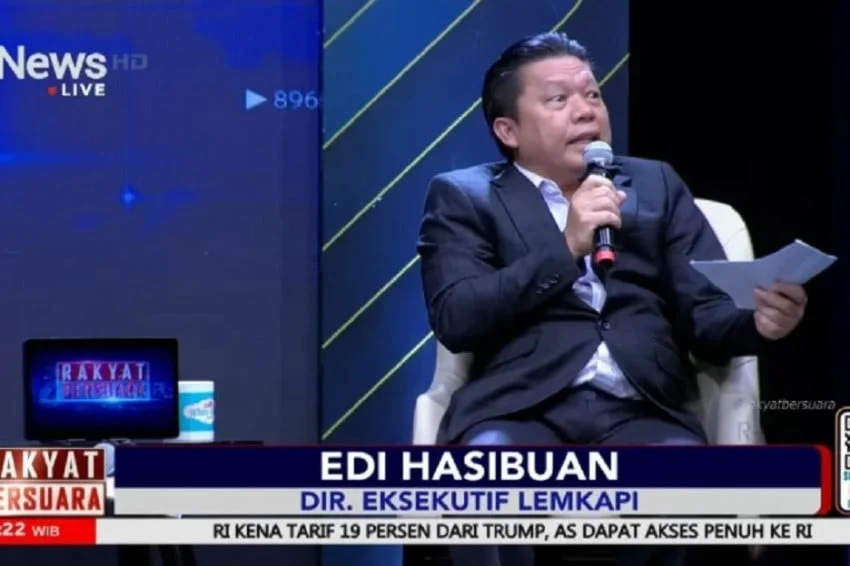
Edi Saputra Hasibuan, a distinguished criminal law observer from Bhayangkara University Jakarta, emphasized the critical need for investigators to remain steadfast and unyielding in their pursuit of material truth. While acknowledging that all parties, including legal counsel, are constitutionally guaranteed the right to present their statements and defenses, Hasibuan firmly asserted that these narratives must not be accepted at face value. Instead, every piece of information, every claim, and every denial must be subjected to rigorous objective testing through legitimate and verifiable legal instruments and evidence.
"We respect all explanations provided by legal counsel," Hasibuan stated on Saturday, July 18, 2024, addressing the ongoing developments. "However, investigators must not stop at mere admissions or denials. All statements must be thoroughly examined, verified, and cross-referenced with other admissible evidence. This meticulous approach is essential to leave no room for any attempts to obscure the legal facts or mislead the investigation." His warning underscores the complex challenges inherent in high-stakes corruption probes, particularly when powerful individuals or vast sums of money are involved. The objective is not merely to identify wrongdoing but to conclusively prove it with an undeniable evidentiary chain.
The Heart of the Allegations: Money and Gold Bars
At the core of this burgeoning scandal are allegations concerning the possession of significant amounts of cash and gold bullion. The sheer volume and value of these assets – reportedly reaching into the hundreds of billions of Rupiah – naturally draw public attention and raise serious questions about their provenance. In Indonesia, where corruption remains a persistent challenge, the discovery of such wealth linked to public officials or individuals connected to high-profile cases often signals illicit activities. The investigation aims to establish whether these assets are legitimate, or if they represent proceeds from corruption, money laundering, or other criminal enterprises. The public’s demand for transparency and accountability in such matters is intense, making the Kejagung’s role paramount in upholding justice and public trust.
Background: The High-Profile Role of Jampidsus Febrie Adriansyah
Febrie Adriansyah, as the former Deputy Attorney General for Special Crimes (Jampidsus), held one of the most powerful and sensitive positions within the Indonesian legal system. The Jampidsus office is responsible for prosecuting high-profile corruption cases, economic crimes, and other special criminal acts that often involve significant public interest and national impact. This role places the incumbent at the forefront of the nation’s fight against corruption, requiring unimpeachable integrity and an unwavering commitment to justice. Any allegations or investigations involving a former Jampidsus naturally carry immense weight, not only due to the individual’s past authority but also because of the potential implications for the credibility of the entire prosecutorial institution. The public expects the highest standards of conduct from those entrusted with such responsibilities, and any deviation can severely erode confidence in state institutions.
Febrie Adriansyah’s tenure as Jampidsus saw him overseeing several major investigations, making his current situation particularly poignant and complex. His position inherently granted him access to sensitive information and strategic insights into some of the nation’s most intricate financial and criminal networks. Therefore, the current inquiry into the money and gold bars must meticulously navigate the complexities associated with his former role, ensuring that the investigation is conducted with absolute impartiality and without prejudice.
The Shadow of the PT Asabri Scandal
A crucial piece of background context that casts a long shadow over the current investigation is the mention of PT Asabri. While the article states that Don Ritta’s legal team denies knowledge of the PT Asabri case, the mere mention of it by the legal observer highlights a potential link that investigators will undoubtedly explore. The PT Asabri corruption case is one of Indonesia’s largest and most egregious financial scandals, involving widespread embezzlement and fraudulent investments that led to staggering losses for state-owned insurer PT Asuransi Sosial Angkatan Bersenjata Republik Indonesia (Asabri).
The Asabri scandal, which came to light around 2020-2021, involved estimated state losses exceeding IDR 23 trillion (approximately USD 1.5 billion). This colossal sum was primarily intended for military and police personnel’s pension and insurance funds. The case implicated a network of high-ranking military officials, business tycoons, and investment managers who allegedly colluded to manipulate stock prices and invest funds in high-risk, illiquid assets for personal gain. Key figures convicted in the Asabri case include former president director Adam R. Damiri and Sonny Widjaja, as well as several private sector individuals, some of whom received lengthy prison sentences and heavy fines. The scale of the Asabri case shocked the nation and underscored the profound challenge of combating systemic corruption, especially when it involves state assets and impacts the welfare of public servants. Any potential connection, however indirect, between the current investigation and the Asabri case would significantly heighten the complexity and public interest surrounding the money and gold bars.
Key Figures and Interconnections
The investigation has brought several other names into the public discourse, creating a web of alleged connections that investigators must untangle. The article specifically references statements made by Handika Honggowongso, legal counsel for a client identified as Don Ritta. Handika Honggowongso has reportedly asserted that his client, Don Ritta, does not know Tan Kian and is unaware of any cases previously handled by the Attorney General’s Office related to PT Asabri. Furthermore, Don Ritta’s legal team also claims that their client does not know Fery Yanto Hongkowirang, also known as Fery Boboho.
These denials, while a standard part of legal defense, present a challenge for investigators. The task is to corroborate or disprove these claims through independent evidence.
- Don Ritta: His exact role in the broader context is not fully detailed in the original article, but his association with the money and gold, and his denials regarding key figures and cases, make him a central figure.
- Tan Kian: The identity and background of Tan Kian are not specified, but his alleged connection (or lack thereof, according to Don Ritta’s defense) to the Asabri case and the current investigation suggests he could be a person of interest or a point of contention in establishing links between various parties.
- Fery Yanto Hongkowirang alias Fery Boboho: Similarly, Fery Boboho’s alleged non-acquaintance with Don Ritta, despite potential implications within the broader narrative, underscores the intricate layers of relationships and denials that investigators must meticulously peel back.
The presence of high-profile legal representation, such as Hotman Paris as Febrie Adriansyah’s lawyer, further highlights the gravity and public interest in this case. Hotman Paris, known for his flamboyant style and success in high-profile cases, brings significant legal acumen and media attention to his clients’ defense, adding another dimension to the public discourse surrounding the investigation.
Legal Protections and Investigative Imperatives
The principle of due process and the right to legal representation are cornerstones of a fair justice system. As Edi Saputra Hasibuan noted, all individuals and their legal teams have the right to provide statements and explanations. However, this fundamental right operates in conjunction with the state’s imperative to investigate and prosecute criminal offenses. The balance lies in ensuring that these legal protections are not exploited to impede justice or obscure facts.
Investigators from the Kejagung are mandated to follow strict legal procedures in gathering evidence. This includes forensic analysis of financial records, digital evidence, witness testimonies, and physical evidence such as the money and gold bars themselves. Each piece of evidence must be obtained legally, documented properly, and rigorously tested for its authenticity and relevance. The challenge is amplified when dealing with individuals who have deep knowledge of legal loopholes or who possess significant resources to potentially influence or obstruct the investigative process. This necessitates a highly skilled, independent, and ethical investigative team capable of resisting external pressures and adhering strictly to legal protocols.
Chronology of Key Developments (Inferred)
While a precise, day-by-day timeline is not provided in the original snippet, a logical sequence of events can be inferred based on the information and general understanding of such cases:
- Prior to Current Investigation: Febrie Adriansyah serves as Jampidsus, a period likely marked by his involvement in significant corruption cases, potentially including aspects related to financial misconduct or state asset recovery.
- Discovery of Assets: At some point, the substantial amounts of money and gold bars are discovered or brought to the attention of authorities, triggering an initial inquiry into their ownership and origin. The exact circumstances of this discovery are critical but not detailed in the snippet.
- Initiation of Investigation: The Attorney General’s Office formally commences an investigation into the matter, potentially linking it to Febrie Adriansyah and other individuals like Don Ritta.
- Legal Representation: Febrie Adriansyah secures legal representation, reportedly by Hotman Paris, indicating the formalization of legal proceedings. Don Ritta also secures legal counsel, Handika Honggowongso.
- Defense Statements Emerge: Legal teams for the involved parties begin to issue statements, including denials of knowledge or association with other figures and past cases (e.g., Don Ritta’s denial of knowing Tan Kian, Fery Boboho, or the Asabri case).
- Observer’s Warning: Edi Saputra Hasibuan issues his public warning on July 18, 2024, emphasizing the need for objective verification of all statements and cautioning against attempts to obscure evidence. This marks a critical juncture where public attention is drawn to the potential for obstruction.
- Ongoing Investigation: The Kejagung continues its meticulous investigation, aiming to piece together the full narrative, establish material truth, and prepare for potential legal action.
Official Responses and Institutional Stance (General)
While the original article does not provide a direct quote from the Attorney General’s Office specifically in response to Edi Saputra Hasibuan’s warning, the institution generally maintains a public stance of unwavering commitment to eradicating corruption and upholding the rule of law. In such high-profile cases, the Kejagung typically issues statements affirming its dedication to:
- Transparency and Accountability: Pledging to conduct investigations thoroughly, transparently, and without fear or favor, regardless of the individuals involved.
- Due Process: Assuring that all investigations adhere strictly to legal procedures and respect the rights of the accused.
- Professionalism: Emphasizing the professionalism and integrity of its investigators and prosecutors.
- Evidence-Based Prosecution: Stressing that any legal action will be based solely on compelling and verifiable evidence.
The Attorney General, as the head of the institution, would likely reiterate these commitments, underscoring the importance of public trust in the justice system. The institution is also under immense pressure to deliver tangible results in high-profile corruption cases to demonstrate its effectiveness and maintain its credibility.
Public Scrutiny and the Demand for Transparency
The public’s intense interest in this case is a significant factor. In Indonesia, civil society organizations, anti-corruption watchdogs, and the media play a crucial role in monitoring such investigations. They serve as a check on power, demanding transparency and accountability from state institutions. The sheer value of the assets involved, coupled with the involvement of a former high-ranking law enforcement official and the shadow of a massive corruption scandal like Asabri, amplifies this scrutiny.
The public’s demand for clarity is not merely curiosity; it is rooted in a desire to see justice served and to ensure that public officials, regardless of their past positions, are held to the same standards as ordinary citizens. Any perception of political interference, undue influence, or attempts to cover up facts could severely damage public confidence in the integrity of the justice system and undermine broader anti-corruption efforts.
Broader Implications for Anti-Corruption Efforts
This investigation carries significant broader implications for Indonesia’s ongoing fight against corruption:
- Credibility of Law Enforcement: The outcome will undoubtedly impact the perceived credibility and effectiveness of the Attorney General’s Office and the wider law enforcement apparatus. A successful, transparent prosecution would reinforce public trust, while any missteps could erode it.
- Precedent Setting: The handling of a former Jampidsus sets a powerful precedent. It demonstrates that no one is above the law, irrespective of their past position or influence, which is vital for fostering a culture of accountability.
- Challenges of High-Level Corruption: The case highlights the complex and often clandestine nature of high-level corruption, which frequently involves intricate financial schemes and networks of influential individuals. It underscores the need for continuous strengthening of investigative capabilities and legal frameworks.
- Deterrent Effect: A firm and just resolution could serve as a strong deterrent to other public officials contemplating or engaging in corrupt practices. Conversely, a weak or compromised outcome could embolden potential offenders.
- Role of Legal Observers: The intervention of legal observers like Edi Saputra Hasibuan demonstrates the crucial role of academic and independent experts in providing critical analysis and ensuring public discourse remains focused on legal principles and ethical conduct.
The Road Ahead: Legal Process and Potential Outcomes
The path forward for the Kejagung involves a methodical and painstaking process. Investigators will continue to collect and analyze evidence, interview witnesses, and confront the various statements and denials presented by the involved parties’ legal teams. The goal is to build an airtight case that can withstand scrutiny in court.
Potential outcomes could range from formal charges and prosecution if sufficient evidence of wrongdoing is found, to the dismissal of the case if the allegations cannot be substantiated through objective evidence. Regardless of the outcome, the manner in which the investigation is conducted will be as important as the final verdict. Transparency, adherence to due process, and a clear demonstration that all avenues have been thoroughly explored will be crucial for the legitimacy of the process. The public, the media, and legal observers will continue to watch closely, underscoring the immense responsibility resting on the shoulders of the Attorney General’s Office in this pivotal investigation.