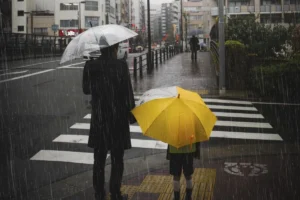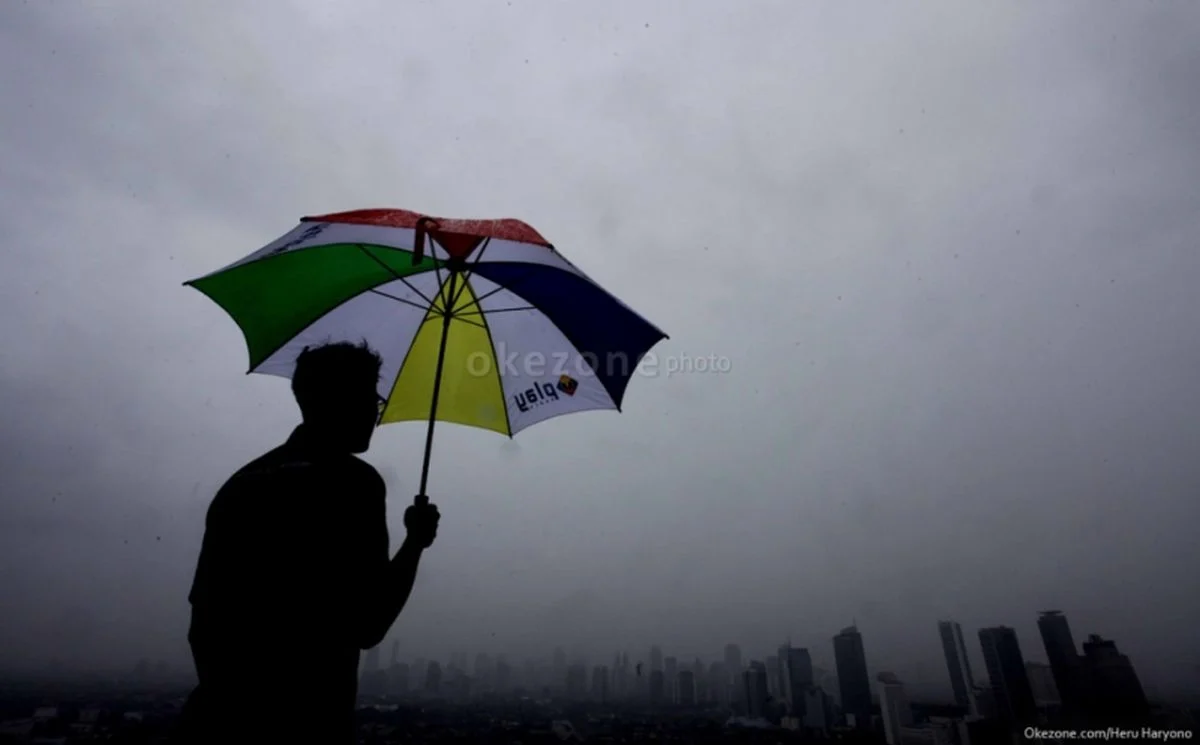
The Meteorology, Climatology, and Geophysics Agency (BMKG) has issued a weather forecast for the Greater Jakarta area, commonly referred to as Jabodetabek, indicating that the region will experience light rainfall throughout Saturday, September 19, 2026. This prediction encompasses the sprawling metropolitan area, including the capital city of Jakarta, as well as its satellite cities of Bogor, Depok, Tangerang, and Bekasi. As the region navigates the complexities of the tropical transition period, the forecasted precipitation serves as a reminder for residents to remain vigilant regarding potential shifts in localized weather patterns.
Regional Weather Distribution and Forecast Breakdown
According to the official data released by the BMKG, the atmospheric conditions across the Jabodetabek area are showing signs of moisture accumulation, which is expected to trigger light rain across most districts. For the DKI Jakarta province, which includes the administrative regions of North, South, East, West, and Central Jakarta, as well as the Thousand Islands, residents should prepare for overcast skies followed by light showers.
In the neighboring West Java province, the city and regency of Bogor are also expected to witness light rainfall. Meanwhile, the industrial hub of Bekasi presents a slightly more varied forecast; the regency of Bekasi is currently predicted to experience moderate rainfall, whereas the city of Bekasi is expected to see lighter intensity showers. The city of Depok, which serves as a major residential corridor, is also firmly within the trajectory of light rain throughout the day.
In the Banten province, the satellite cities of Tangerang and South Tangerang, along with the Tangerang Regency, are expected to experience consistent, light rainfall. These findings are part of the routine meteorological surveillance conducted by the BMKG to ensure public safety and inform urban planning for the millions of commuters who traverse these borders daily.
Meteorological Context: The Transitional Season
The current weather pattern in Indonesia is heavily influenced by the transition between the dry and wet seasons, a phenomenon known locally as the "pancaroba." During this period, the atmospheric pressure in the archipelago becomes highly volatile. It is common for the sun to shine intensely during the morning hours, leading to significant land heating, which subsequently causes rapid convective cloud formation by the afternoon and evening.
This specific convective activity is often what leads to the sporadic but widespread rainfall predicted for this Saturday. Climatologists note that during September, the shifting of the Intertropical Convergence Zone (ITCZ) plays a crucial role in bringing moisture-laden air masses toward the western part of Java. While the current forecast indicates light to moderate intensity, the BMKG consistently warns that transitional weather can lead to localized, high-intensity outbursts—often accompanied by thunder and gusty winds—if the atmospheric instability reaches a critical threshold.
The Role of BMKG in Urban Resilience
The BMKG acts as the primary authority in disaster mitigation and climate observation in Indonesia. Its role in monitoring the Jabodetabek area is particularly critical due to the region’s high population density and susceptibility to urban flooding. By providing daily, hyper-local forecasts, the agency enables local governments, such as the Jakarta Provincial Government and the respective administrations of Bogor, Depok, Tangerang, and Bekasi, to activate their disaster response protocols proactively.
Public awareness of these forecasts is a cornerstone of the "Early Warning System" strategy. When the BMKG identifies patterns that could lead to extreme weather, the information is disseminated through various channels, including mobile applications, social media, and direct coordination with the National Disaster Management Agency (BNPB). For residents, this means the difference between being prepared for a commute and being stranded during a sudden downpour.

Implications for Commuters and Infrastructure
The metropolitan area of Jakarta is home to over 30 million people, many of whom rely on public transport or private vehicles to navigate between the satellite cities and the urban center. Even light rainfall, as predicted for today, has a measurable impact on traffic flow. Historically, data suggests that rainy conditions in Jakarta result in a 20% to 30% increase in traffic congestion, as vehicle speeds decrease and the likelihood of minor accidents rises.
Furthermore, the drainage systems in many parts of the Jabodetabek area are under constant pressure. While light rain is generally manageable, the cumulative effect of rain across the Bogor region—which acts as the catchment area for Jakarta’s rivers—is a factor that officials monitor closely. If the rain in the upstream areas (Bogor) increases in intensity, the water levels in the Ciliwung and Pesanggrahan rivers, which flow through the heart of the capital, can rise, potentially impacting flood-prone neighborhoods.
Emergency Preparedness and Safety Recommendations
In light of the weather forecast, the authorities suggest that residents and commuters take several precautionary measures to ensure their safety and well-being:
- Monitor Official Channels: Residents are encouraged to check the BMKG website or the "Info BMKG" mobile application periodically, as forecasts can be updated in real-time based on satellite imagery and radar data.
- Traffic Awareness: Commuters are advised to leave earlier than usual, as rain significantly impacts road conditions and visibility. Motorcyclists are particularly vulnerable and should ensure they have proper rain gear and avoid taking shelter under bridges or flyovers, which can cause severe traffic bottlenecks.
- Environmental Maintenance: Local communities are reminded of the importance of keeping drainage canals and gutters free of debris, which is the most effective way to prevent localized water pooling during the rainy season.
- Health Precautions: Transitional weather is often accompanied by an increase in viral illnesses, such as influenza and dengue fever. Staying dry and maintaining a healthy environment is essential during these climate shifts.
Data Analysis: Rainfall Patterns in September
Looking at historical data for the month of September in the Jabodetabek region, we see a clear trend of increasing precipitation. In September 2025, for instance, the average rainfall in South Jakarta was recorded at approximately 150 millimeters, significantly higher than the figures seen in the preceding dry months of July and August. This year, the patterns appear to follow a similar trajectory, with meteorological models suggesting that the "pancaroba" season will be characterized by frequent, short-duration rainfall events rather than prolonged, days-long storms.
The intensity of these rains is often moderated by the sea surface temperatures in the Java Sea. Current observations indicate that temperatures remain within the normal range, suggesting that the rainfall for this weekend will likely remain within the "light to moderate" classification, barring any sudden tropical disturbances.
Conclusion and Outlook
As the residents of the Greater Jakarta area proceed with their weekend activities, the overarching theme remains one of cautious optimism. While the rain will be a factor, it is expected to be mild, providing a welcome respite from the high temperatures that have characterized the previous weeks. The BMKG remains committed to its mission of providing accurate, real-time information to safeguard the public.
By integrating scientific forecasting with community-level preparedness, the Jabodetabek region continues to build its resilience against the inherent uncertainties of tropical weather. Whether the day is spent indoors or outdoors, having an awareness of the meteorological landscape allows for a more secure and efficient weekend for all. The agency will continue to issue updates should the atmospheric conditions deviate from the current predictions, ensuring that the population stays informed and safe in the face of nature’s changing moods.
Ultimately, the predictability of these light rain showers is a testament to the advancements in meteorological science in Indonesia. As the region moves deeper into the transition period, the reliability of these reports will continue to be a vital service for millions, helping to balance the demands of a high-energy urban lifestyle with the realities of a dynamic, tropical environment.