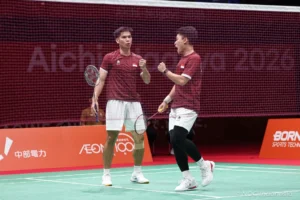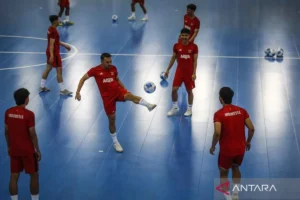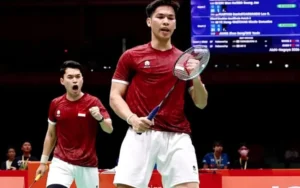
The observance of National Sports Day, widely recognized across the Indonesian archipelago as Hari Olahraga Nasional (Haornas), stands as a cornerstone in the nation’s cultural and historical calendar, commemorated annually on the 9th of September. This significant date traces its roots directly back to the inauguration of the very first National Sports Games (Pekan Olahraga Nasional or PON) held in Solo, Central Java, in the turbulent yet hopeful post-independence era of 1948. Over the decades, Haornas has evolved far beyond a mere historical commemoration. It has transformed into a vital national momentum designed to honor the perseverance of Indonesian athletes, stimulate public health awareness, catalyze economic growth through sports tourism, and foster a collective ethos where physical fitness is woven into the daily fabric of societal life. As the country marks the 43rd anniversary of its official proclamation in 2026, the legacy of Haornas continues to inspire both grassroots participation and elite athletic achievement, bridging the gap between historical resilience and modern developmental goals.
The Historical Genesis: From the Streets of Solo to the International Stage
To fully comprehend the significance of National Sports Day, one must examine the geopolitical and social landscape of Indonesia in 1948. Having proclaimed its independence on August 17, 1945, the young republic was still locked in a fierce struggle to secure international diplomatic recognition and defend its sovereignty against returning colonial forces. Amidst this backdrop of revolutionary fervor, the nation’s sports pioneers faced a profound dilemma when attempting to participate on the global stage.
In 1948, the International Olympic Committee (IOC) invited various nations to compete in the XIV Olympic Games in London, Great Britain. The Indonesian contingent, operating under the newly formed Indonesian Olympic Committee (KOMITE OLAHRAGA NASIONAL INDONESIA, precursor to modern bodies), deeply desired to fly the Red and White flag in London to demonstrate to the world that Indonesia existed as a sovereign, independent state capable of standing shoulder-to-shoulder with other nations. However, severe administrative hurdles arose. Because Indonesia’s independence was not yet universally recognized by the international community—and because the nascent nation lacked recognized passport systems and membership within international sports federations—the organizers in London stipulated that Indonesian athletes could only participate if they traveled under the flag of the Netherlands.
Demonstrating unyielding national pride and rejecting any form of colonial subjugation, the Indonesian leadership and athletic community decisively refused the condition. They chose dignity over foreign validation. Recognizing the urgent need to channel the athletic energies of the youth and prove the nation’s organizational capacity internally, visionaries such as S. Sularto and other founding fathers of Indonesian sports orchestrated a domestic alternative. Thus, the first-ever Pekan Olahraga Nasional (PON) was born. Held from September 9 to September 12, 1948, in Solo, Central Java, the games featured hundreds of athletes competing across various disciplines. The opening day of this historic event—September 9—forever altered the nation’s sporting trajectory and ultimately laid the psychological and chronological foundation for what would later be institutionalized as National Sports Day.
Institutionalization and Legal Evolution of Haornas
While the spirit of September 9, 1948, resonated deeply within the hearts of sports enthusiasts, it took nearly four decades for the date to be formally codified into the national consciousness as an official holiday. The formal institutionalization of Haornas took place on September 9, 1983. On this day, President Soeharto officially proclaimed National Sports Day during a grand ceremony marking the revitalization and restoration of the historic Sriwedari Stadium in Surakarta—the very cradle of Indonesian multi-sport competition.
The 1983 proclamation served as a strategic government initiative aimed at resuscitating national interest in physical education, grassroots sports development, and community health. The state recognized that building a strong, productive nation required a populace that was physically resilient and mentally disciplined. To solidify this vision with legal permanence, the government enacted Presidential Decree (Keputusan Presiden or Keppres) Number 67 of 1985 concerning National Sports Day. This legal framework officially designated September 9 of each year as a national commemorative day dedicated to the continuous enhancement, promotion, and systematic cultivation of sports across all layers of Indonesian society.
Since its codification, Haornas has served as an annual checkpoint for the government to evaluate sports infrastructure, celebrate medal milestones, and recalibrate policies to support both recreational fitness and elite high-performance training.
The Broadening Scope: Economic, Health, and Social Implications
In contemporary times, the Ministry of Youth and Sports (Kemenpora) has continually expanded the narrative surrounding Haornas, steering it away from an exclusive focus on elite competition and medal counts toward a holistic framework encompassing public health, character building, and economic vitality.
Modern analyses by sports economists and public health officials underscore the profound multiplier effects generated by a culture of active living. According to policy statements from the Ministry of Youth and Sports, the systematic development of sports ecosystems directly injects momentum into the national economy. This is manifested through the booming sports industry, which ranges from apparel manufacturing and fitness technology to large-scale event management and sports tourism.
Sport tourism, in particular, has emerged as a major economic driver for regional development across the archipelago. Events such as the upcoming National Sports Games iterations—including preparations for PON 2028 which aims to position Sumba Timur as a premier sports tourism showcase, as well as specialized events like the upcoming Beach PON in Ancol—demonstrate how athletic competitions can revitalize local economies, boost hospitality sectors, and showcase regional cultural assets to domestic and international travelers alike. Furthermore, large-scale infrastructural investments, such as the ministry’s ongoing proposals for advanced training academies and centralized high-performance hubs requiring substantial budgetary allocations, reflect a forward-looking commitment to producing world-class athletes while creating employment opportunities for sports scientists, coaches, and administrative professionals.
Cultural Integration and Community Participation in the 2026 Observance
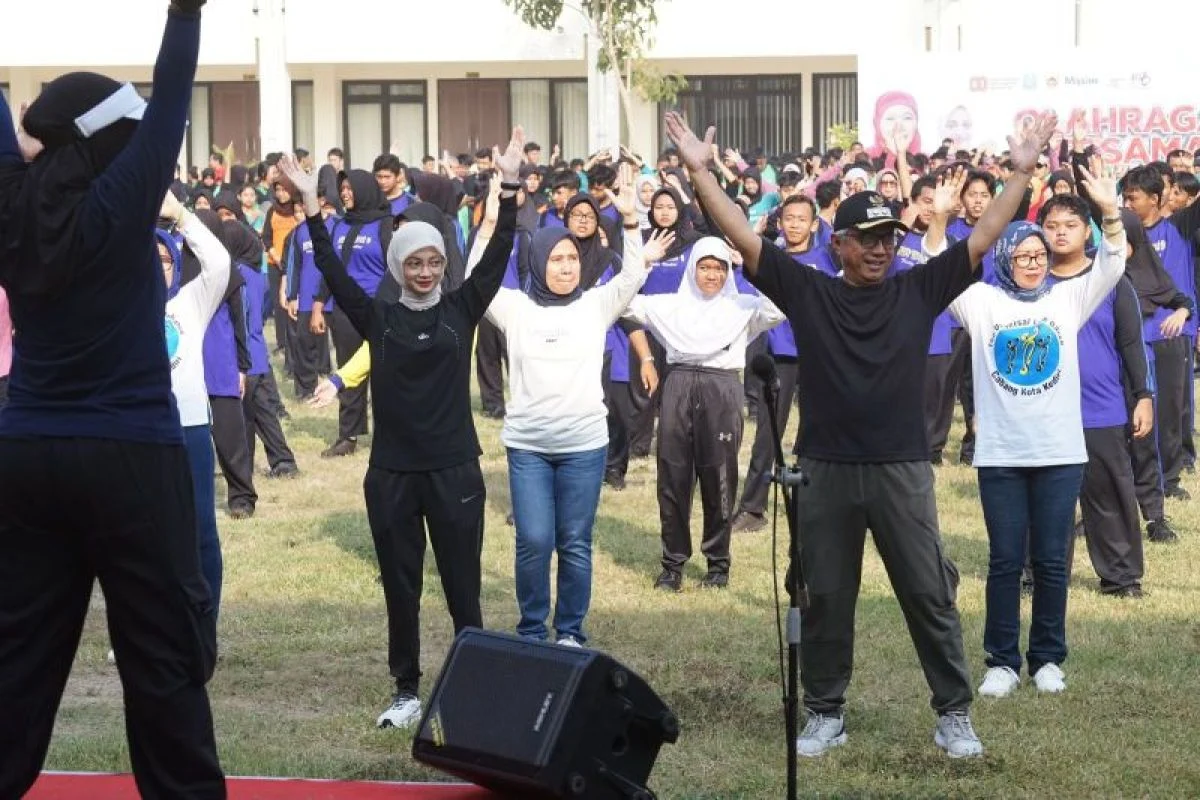
As the nation observes the 43rd anniversary of Haornas in 2026, the core message remains deeply anchored in public participation. The Ministry of Youth and Sports emphasizes that sports must function as an integral component of national identity and everyday character development. Physical education and regular physical activity are recognized as vital tools for instilling discipline, resilience, teamwork, and mental well-being among the younger generation.
Commemorations for Haornas 2026 span schools, corporate offices, community centers, and public parks throughout the country. Citizens are encouraged to engage in routine physical activity, participate in community fun runs and local tournaments, and introduce fitness habits to the younger generation. Schools utilize the day to host inter-class competitions that teach children the values of fair play and sportsmanship, while local governments spearhead public health campaigns aimed at reducing sedentary lifestyles and combating non-communicable diseases through regular exercise.
Conclusion: Honoring the Past While Building a Fitter Future
The journey of National Sports Day from the makeshift athletic fields of post-independence Solo in 1948 to the modern, technologically integrated sports ecosystems of 2026 is a testament to the enduring spirit of the Indonesian people. Haornas bridges the gap between historical defiance against colonial limitations and contemporary aspirations for global sporting excellence and holistic public health. By remembering the courage of the 1948 pioneers who chose self-reliance over compromised recognition, modern generations are reminded that physical fitness, national pride, and unity are inextricably linked. As communities gather every September 9 to celebrate Haornas, Indonesia reaffirms its dedication to fostering a vibrant culture of health, economic vitality, and athletic achievement that will carry the nation forward into future generations.