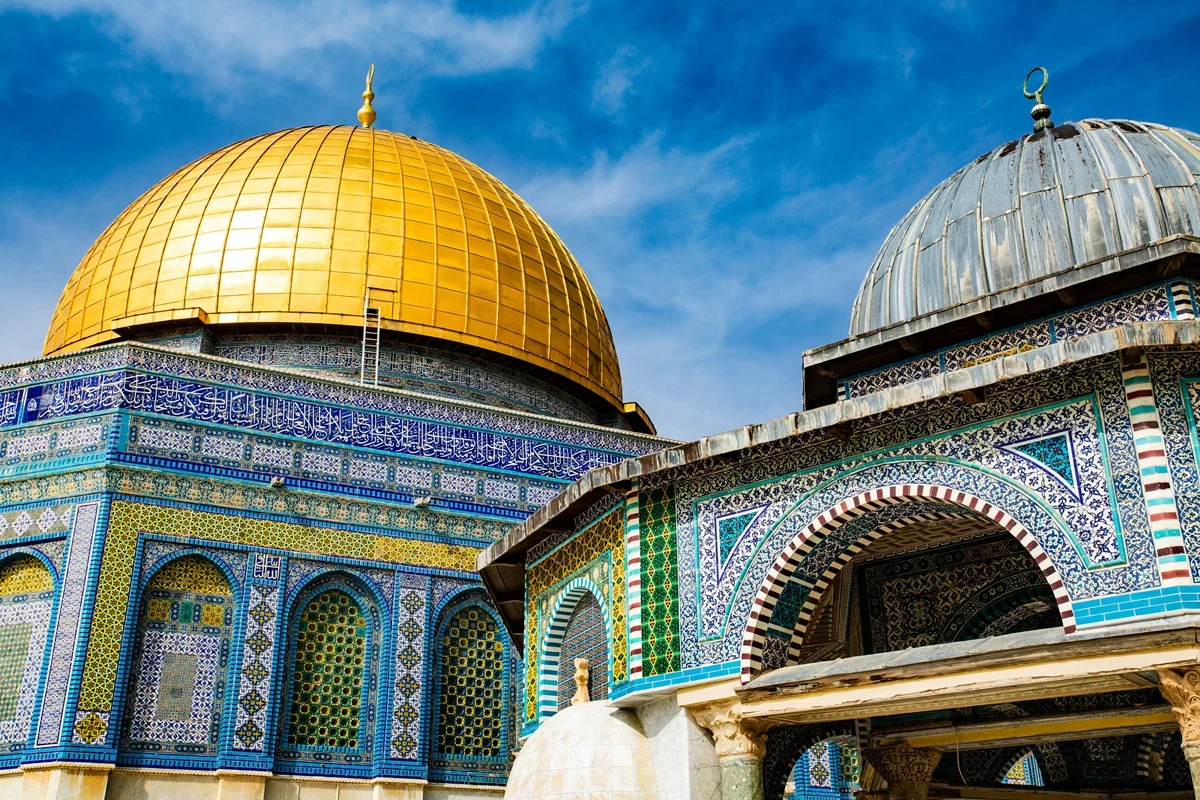
The Al-Aqsa Mosque compound in occupied East Jerusalem has witnessed a significant surge in geopolitical tension this week as hundreds of Israeli settlers entered the site under heavy police escort to observe the Jewish holiday of Sukkot. According to officials from the Jerusalem Islamic Waqf, the entry of these groups, which has occurred daily since the commencement of the festival, represents a stark departure from the long-standing status quo governing the holy site. This recent escalation is part of a broader series of religious observances that have heightened security concerns and exacerbated friction between Israeli authorities and the Palestinian administration of the mosque.
A Chronology of the Recent Incursions
The current wave of visits began in the lead-up to the Sukkot festival, which commenced on September 26, 2026, and is scheduled to conclude on October 2, 2026. Data provided by the Jerusalem Islamic Waqf indicates a systematic increase in the number of settlers accessing the site. On Sunday, September 27, more than 1,500 individuals entered the compound. This figure rose to 1,700 on Monday, September 28, and remained substantial on Tuesday, September 29, with approximately 1,400 recorded entries.
The Wednesday morning incident saw the continuation of this trend, with hundreds more entering through the Moroccan Gate, a path under full Israeli security control. Witnesses on the ground reported that while the visits were ostensibly for religious pilgrimage, many participants engaged in activities—such as Talmudic rituals, vocal prayer, and organized singing—that are explicitly prohibited under the site’s historical regulations. The presence of these groups is bolstered by a significant deployment of Israeli police, who establish a perimeter to facilitate the movement of the settlers while restricting the access of Palestinian worshippers.
The Historical Status Quo and Its Erosion
To understand the gravity of the current situation, it is necessary to analyze the historical context of the Al-Aqsa Mosque compound, known to Jews as the Temple Mount. Spanning 14.4 hectares, the site is the third-holiest location in Islam. Since 1967, when Israel occupied East Jerusalem, a delicate "status quo" has been maintained. Under this arrangement, the Jerusalem Islamic Waqf, an institution under the guardianship of the Jordanian Ministry of Awqaf, Islamic Affairs and Holy Sites, holds exclusive authority over the management and religious administration of the compound.
Historically, non-Muslims have been permitted to visit the site as tourists during specific hours, but they have been strictly forbidden from conducting religious rituals or prayers. The recent actions by extremist right-wing groups, who openly advocate for the full opening of the site to Jewish prayer, have challenged this fragile balance. Observers note that the increasing frequency and size of these incursions are viewed by the Waqf and Palestinian officials as a strategic effort to alter the site’s character, potentially paving the way for a division of the compound similar to the arrangements seen at the Ibrahimi Mosque in Hebron.
A Season of High-Frequency Religious Events
The recent incursions at Al-Aqsa are not isolated events but are occurring within the context of a highly condensed schedule of Jewish high holy days. The calendar began with the observance of Rosh Hashanah (the Jewish New Year) on September 12 and 13, followed by the solemnity of Yom Kippur on September 21 and 22. The Sukkot festival, which runs from September 26 to October 2, is followed immediately by Simchat Torah on October 3.
Each of these periods has historically acted as a pressure cooker for the Jerusalem security apparatus. Israeli authorities have implemented strict security measures across East Jerusalem, including checkpoints, surveillance, and the limitation of access to the Old City for younger Palestinian males. These restrictions, while framed by the Israeli state as necessary for public order, are criticized by human rights organizations as collective punishment that further isolates the Palestinian population from their religious landmarks.
Official Perspectives and International Implications
The Jerusalem Islamic Waqf has repeatedly issued statements condemning the incursions as a violation of sovereignty and an affront to the sanctity of the mosque. The Waqf maintains that the Israeli police protection provided to the settlers acts as a tacit endorsement of the breach of the status quo.
From the perspective of the Israeli government, the visits are categorized as an exercise of religious freedom. The Minister of National Security and various right-wing political figures have frequently championed the right of Jewish citizens to pray at the site, arguing that the status quo is an outdated restriction that infringes upon Jewish historical ties to the area. This ideological divide has created a political impasse that is difficult to navigate through diplomatic channels.
Jordan, which holds the official role of custodian of Islamic and Christian holy sites in Jerusalem, has consistently warned that any change to the status quo could trigger widespread regional instability. In previous years, escalations at the Al-Aqsa compound have been a primary catalyst for broader conflict, including cross-border military engagements. The international community, including the United Nations and various Arab League nations, often calls for restraint during these periods, emphasizing that the sanctity of Jerusalem’s holy sites must be preserved to prevent further degradation of the peace process.
Analytical Implications: Why This Matters
The ongoing events at the Al-Aqsa compound serve as a bellwether for the broader Israeli-Palestinian conflict. The symbolic power of the site means that any perceived encroachment is interpreted by Palestinians as an existential threat to their presence in Jerusalem.
- Erosion of Trust: Each day that the status quo is disregarded further erodes the credibility of international diplomatic efforts and local mediation. When religious sites become the frontline of political maneuvering, the possibility of a negotiated settlement for Jerusalem becomes increasingly remote.
- Security Volatility: The high density of police and the movement of thousands of settlers through a confined, highly sensitive area creates a persistent risk of "flashpoint" incidents. A single confrontation between security forces and worshippers can rapidly spiral into broader civil unrest.
- Shift in Policy: There is a growing concern among political analysts that the "status quo" is no longer being treated as a binding rule but rather as a flexible guideline that is being systematically dismantled. The gradual increase in the number of settlers allowed to enter, and the increasing tolerance for prayer-like behaviors, suggests a long-term policy shift aimed at normalizing Jewish presence within the interior of the compound.
- Regional Impact: The role of Jordan as a custodian is being severely tested. If the Hashemite Kingdom perceives that it can no longer guarantee the integrity of the Waqf’s authority, it may be forced to take more drastic diplomatic or political measures, potentially straining relations between Amman and Tel Aviv.
Looking Ahead: The Conclusion of the Festival
As the Sukkot festival moves toward its conclusion on October 2, followed by the festivities of Simchat Torah on October 3, the situation remains fluid. The Jerusalem Islamic Waqf has urged the international community to exert pressure on the Israeli government to adhere strictly to the pre-1967 status quo and to halt the organized entry of groups that openly advocate for the alteration of the site.
For the residents of East Jerusalem, the coming days are expected to remain tense. The combination of increased security, the movement of thousands of religious pilgrims, and the ongoing political rhetoric ensures that the Al-Aqsa compound will remain at the center of the regional discourse. As history has shown, the stability of the holy site is inextricably linked to the stability of the wider region, and the coming week will be a significant test for the security and diplomatic mechanisms currently in place.
In summary, the events at Al-Aqsa represent more than just a religious observance; they are a manifestation of the deeper, unresolved struggle for sovereignty in Jerusalem. As thousands of settlers continue to traverse the compound, the international observers and regional stakeholders remain on high alert, watching for any sign that the current tensions might exceed the capacity of local authorities to contain them. The path forward remains uncertain, characterized by a fragile balance between the exercise of religious belief and the maintenance of a status quo that has been the only barrier against a full-scale religious conflict in the heart of the Middle East.