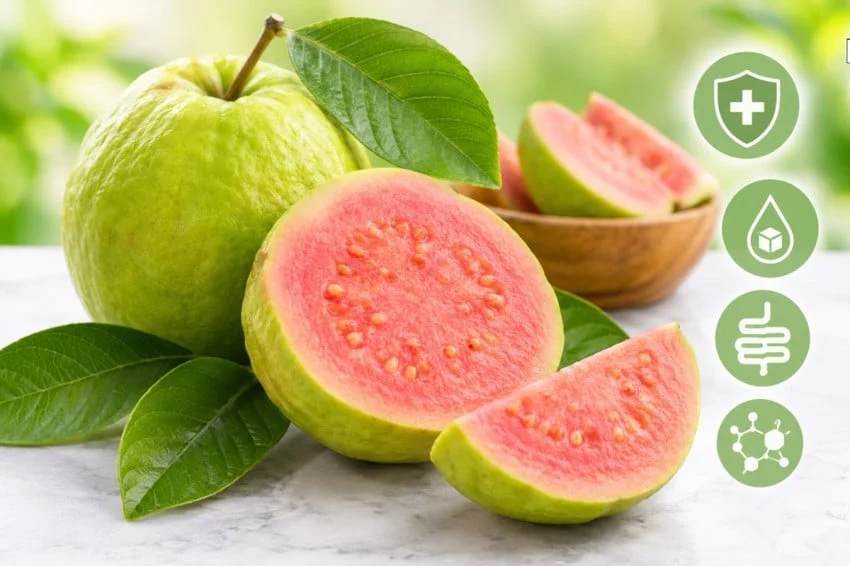
Guava, scientifically known as Psidium guajava, has long been recognized by nutritionists and medical researchers as a nutritional powerhouse within the tropical fruit category. Native to regions spanning from Mexico through Central America and into the northern parts of South America, this fruit has become a staple in diets across the globe, particularly in tropical climates like Southeast Asia and India. As global health awareness shifts toward preventative nutrition, the humble guava is receiving renewed attention for its dense profile of vitamins, minerals, and potent phytochemicals. Clinical studies and nutritional data sourced from health organizations, including Verywell Health, indicate that incorporating this fruit into a daily diet provides systemic health advantages, ranging from immunological fortification to metabolic stabilization.
The historical significance of the guava as a medicinal plant is well-documented in traditional medicine systems. For centuries, various cultures have utilized not only the fruit but also the leaves and bark of the guava tree to treat ailments such as gastrointestinal distress, inflammation, and wound infections. In contemporary times, the scientific community has sought to validate these traditional practices through rigorous clinical trials, revealing a correlation between guava consumption and improved cardiovascular health, glycemic control, and skin vitality.
The Nutritional Architecture of Guava
To understand why guava is categorized as a "superfood," one must examine its complex chemical composition. A standard guava fruit, weighing approximately 55 grams, delivers a concentrated dose of essential nutrients. It provides roughly 37.4 calories, 1.4 grams of protein, 7.86 grams of carbohydrates, and nearly 3 grams of dietary fiber. Beyond the macronutrients, the fruit is a reservoir for micronutrients, including vitamins A, C, and K, as well as essential minerals such as potassium, magnesium, and calcium.
Perhaps most notable is its vitamin C content. A single medium-sized guava can provide up to 72 percent of the recommended daily intake for an average adult, a concentration that significantly outpaces that of citrus fruits like oranges. Furthermore, the fruit contains specialized antioxidants such as lycopene, beta-carotene, and various polyphenols, which collectively serve as a defense mechanism against cellular oxidative stress.
1. Fortification of the Immune System
The primary mechanism by which guava supports the immune system is through its extraordinary vitamin C concentration. Vitamin C is a water-soluble nutrient that is not synthesized by the human body, necessitating constant intake through dietary sources. It acts as a primary catalyst for the production and functionality of leukocytes—specifically lymphocytes, phagocytes, and natural killer cells.
During periods of seasonal change or increased exposure to pathogens, the consumption of vitamin C-rich foods has been shown to reduce the duration and severity of the common cold. By facilitating the integrity of the epithelial barrier, guava helps prevent the entry of pathogens, while its antioxidant properties protect immune cells from the self-inflicted damage of oxidative bursts during the inflammation process.
2. Gastrointestinal Health and Microbiome Balance
The high fiber content in guava, specifically both soluble and insoluble fiber, is essential for maintaining a functional digestive tract. Fiber acts as a bulking agent, facilitating regular bowel movements and preventing chronic constipation. From a microbiome perspective, the dietary fiber found in guava acts as a prebiotic—a substrate that is selectively utilized by beneficial gut bacteria to flourish.
A balanced gut microbiome is linked to improved metabolic health, immune function, and even mental clarity via the gut-brain axis. Furthermore, recent studies on the antimicrobial properties of guava leaf extract and fruit pulp suggest that certain compounds, such as tannins and flavonoids, possess the ability to inhibit the colonization of harmful bacteria like Staphylococcus aureus and E. coli in the digestive system, thereby promoting an environment conducive to healthy digestion.
3. Cardiovascular Protection and Hemodynamic Support
Cardiovascular disease remains the leading cause of mortality globally, making dietary interventions essential. Guava contributes to heart health through a trifecta of nutrients: potassium, fiber, and antioxidants. Potassium is a critical mineral for maintaining healthy blood pressure levels, as it helps negate the effects of dietary sodium and promotes vasodilation.
The soluble fiber in guava is known to aid in the reduction of low-density lipoprotein (LDL) cholesterol, often referred to as "bad" cholesterol, which contributes to the formation of arterial plaques. By mitigating the risk of atherosclerosis, guava supports better circulation and lowers the overall workload on the heart muscle. The presence of antioxidants further prevents the oxidation of cholesterol, a critical step in the development of cardiovascular disease.
4. Glycemic Control and Metabolic Stability
For individuals managing diabetes or those at risk of insulin resistance, the glycemic index (GI) of food is a critical metric. Guava is classified as a low-GI fruit, meaning it causes a slow, measured increase in blood glucose levels rather than a sharp spike. This is largely due to its high fiber density, which slows the enzymatic breakdown of carbohydrates and the subsequent absorption of glucose into the bloodstream.
Clinical observations suggest that regular consumption of guava, particularly as a replacement for high-sugar snacks, can lead to improved insulin sensitivity. This metabolic stability is vital not only for glucose regulation but also for maintaining consistent energy levels throughout the day, preventing the "crash" associated with processed sugary foods.
5. Weight Management and Satiety
Weight management is frequently hindered by hunger pangs and the consumption of high-calorie, low-nutrient-density foods. Guava offers a solution by providing a high volume of food with relatively few calories. The high fiber content ensures that the stomach remains full for longer periods, triggering satiety signals to the brain that reduce the likelihood of overeating.
Beyond simple calorie reduction, the inclusion of guava in a diet encourages the intake of complex micronutrients that support metabolic function. When the body receives adequate vitamins and minerals, metabolic processes—including the breakdown of fats and proteins—operate with greater efficiency, assisting those on a weight-loss trajectory.
6. Dermatological Health and Anti-Aging Properties
Skin health is often a reflection of internal nutritional status. The high vitamin C content in guava is essential for collagen synthesis, the structural protein responsible for skin elasticity and strength. As individuals age, collagen production naturally declines, leading to the formation of fine lines and wrinkles. By providing the necessary precursors for collagen, guava helps maintain a youthful appearance.
Furthermore, the fruit is rich in quercetin, ellagic acid, and other polyphenols that protect the skin from UV-induced damage and environmental pollutants. These antioxidants neutralize free radicals that would otherwise damage dermal cells, effectively slowing the signs of premature aging. Regular consumption is often cited in dermatological literature as a supportive measure for managing inflammatory skin conditions.
7. The Potential for Chemoprevention
While it is crucial to state that no single food can cure cancer, the role of dietary antioxidants in reducing cancer risk is a subject of significant scientific interest. Research into the bioactive compounds of guava—specifically apigenin, kaempferol, and lycopene—suggests that they possess anti-proliferative properties.
These compounds have been observed in laboratory settings to inhibit the growth of tumor cells and induce apoptosis (programmed cell death) in various cancer cell lines. While human clinical trials are ongoing and require more extensive data to establish definitive medical protocols, the consumption of guava is widely supported as part of a cancer-preventative diet due to its ability to reduce chronic inflammation and oxidative stress, which are precursors to malignant transformations.
Implications for Public Health Policy
The integration of nutrient-dense fruits like guava into public health initiatives could have profound implications. With the rising prevalence of metabolic syndrome and non-communicable diseases, health experts are increasingly advocating for "food as medicine" approaches. The affordability and availability of guava in many developing nations make it a highly accessible tool for improving public health outcomes without the need for expensive pharmaceutical interventions.
However, nutritionists caution that while guava is highly beneficial, it should be part of a balanced diet. Relying solely on one fruit cannot offset the systemic damage caused by poor lifestyle habits, such as a lack of physical activity or the consumption of highly processed foods. The most significant health gains are achieved when guava is used as a consistent component of a broader, healthy dietary framework.
In conclusion, the scientific consensus regarding guava is clear: it is a versatile, nutrient-dense fruit with evidence-based benefits that support almost every major system in the human body. Whether consumed for its immune-boosting vitamin C, its fiber-rich digestive benefits, or its potential in metabolic and cardiovascular support, guava remains a quintessential addition to a health-conscious lifestyle. As research continues to uncover the specific interactions of its phytonutrients, the profile of the guava is likely to grow from a simple tropical snack to a staple of preventative clinical nutrition.