
The Indonesian Ministry of Tourism is aggressively positioning wellness tourism as a primary driver for the nation’s high-quality tourism sector, leveraging the country’s unique fusion of ancestral healing traditions, pristine natural landscapes, and a burgeoning global interest in holistic health. Minister of Tourism Widiyanti Putri Wardhana recently reaffirmed this commitment, noting that the sector is no longer merely a niche market but a critical economic engine capable of attracting high-spending travelers from around the globe. This strategic shift follows a detailed assessment of global market dynamics and internal capacity, aiming to transition Indonesia from a volume-based tourism model to one focused on value, sustainability, and personal well-being.
The Global Landscape of Wellness Tourism
The decision to prioritize wellness tourism is underscored by significant shifts in international travel behaviors. Post-pandemic, travelers are increasingly prioritizing longevity, mental health, and physical rejuvenation. According to the Global Wellness Institute (GWI), the economic scale of this industry is staggering. In 2024, global expenditures related to wellness tourism reached approximately 893.9 billion U.S. dollars. This figure represents a robust recovery and expansion, reflecting a 13.8 percent increase compared to the previous fiscal year.
Minister Widiyanti highlighted that while these 2024 figures provide a solid baseline, the sector is currently experiencing a period of rapid acceleration. Official projections for the 2025 fiscal year, expected to be finalized and released by the end of November 2026, are anticipated to show an even more pronounced upward trajectory. The ministry’s focus is on capturing a larger share of this growing pie, particularly by targeting the Asia-Pacific region, which recorded 562.7 million wellness-related trips and generated 215 billion U.S. dollars in expenditures.
Strategic Rationale for Indonesia
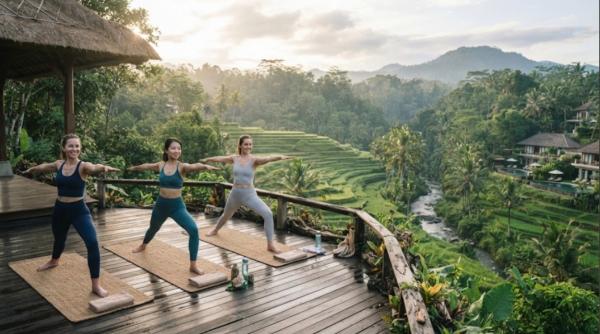
Indonesia possesses a distinct competitive advantage that differentiates it from traditional wellness hubs. Unlike many international destinations that rely heavily on synthetic spa facilities and medical clinics, Indonesia’s wellness offerings are deeply rooted in "Jamu" (traditional herbal medicine), Balinese healing philosophies, and the serene environmental settings found in regions like Ubud, Yogyakarta, and North Sulawesi.
The government’s strategy involves a tripartite approach: integration, standardization, and promotion. First, the Ministry of Tourism is working to integrate wellness experiences into the existing travel circuit. This means moving beyond the "beach and resort" model and creating itineraries that incorporate yoga retreats, meditation centers, traditional spa treatments, and eco-friendly health resorts. Second, there is an ongoing effort to standardize these services to meet international expectations regarding safety and hygiene, ensuring that local practitioners can seamlessly cater to a global clientele. Finally, the government is intensifying its marketing efforts, specifically targeting high-income demographics in the United States, Europe, and neighboring Australia, who demonstrate a higher propensity for wellness-focused expenditures.
Chronology of the Policy Shift
The formalization of wellness tourism as a top-tier national priority did not occur in a vacuum. It is the culmination of a multi-year policy evolution:
- 2022-2023: The Foundation Phase: Following the reopening of international borders, the Ministry of Tourism began conducting feasibility studies on health-based tourism. Initial reports suggested that while Indonesia had world-class facilities, they were fragmented and lacked cohesive branding.
- Early 2024: Data Alignment: The Ministry engaged with international bodies, including the Global Wellness Institute, to align national tourism metrics with global standards. This period saw the initiation of data collection for the wellness sector as a distinct sub-industry.
- Late 2025: Regulatory Support: The government introduced new regulatory frameworks to simplify the licensing of wellness resorts and the export of traditional health products, removing bureaucratic hurdles that had historically hindered investment.
- October 2026: Strategic Acceleration: During a press conference at the Sapta Pesona Building, Minister Widiyanti officially signaled that the integration of wellness into the national tourism roadmap had moved from a pilot program to a permanent, prioritized agenda for the remainder of the decade.
Economic Implications and Market Impact
The economic implications of this pivot are substantial. Wellness tourists typically stay longer and spend more per capita than conventional sightseers. By focusing on this segment, the Indonesian government aims to mitigate the environmental strain associated with mass tourism while increasing the total tourism revenue.

Furthermore, the growth of this sector has a multiplier effect on the domestic economy. It stimulates the growth of local agriculture (specifically in the supply of medicinal plants for Jamu), promotes the preservation of indigenous cultural knowledge, and supports the development of sustainable infrastructure in remote areas. For instance, the demand for locally sourced organic produce to support wellness menus has created new supply chains for smallholder farmers, effectively distributing the economic benefits of tourism into rural communities.
Challenges and Future Outlook
Despite the optimistic outlook, the ministry acknowledges the challenges ahead. Competition from neighboring countries like Thailand and Vietnam is fierce. These nations have long-established medical tourism and spa industries that are aggressively expanding into the wellness space.
To remain competitive, the Indonesian government is focusing on "Authenticity as a Differentiator." While competitors may offer state-of-the-art medical technology, Indonesia’s pitch is centered on the "Wellness of the Soul"—a holistic experience that blends physical health with mental and spiritual rejuvenation. Minister Widiyanti noted that the integration of Indonesian culture is non-negotiable, as it provides a unique identity that cannot be replicated elsewhere.
Moreover, the government is working to improve connectivity to emerging wellness hubs. While Bali remains the primary gateway, the "10 New Balis" program—a government initiative to develop ten secondary tourism destinations—is increasingly incorporating wellness elements. This includes regions like Lake Toba in North Sumatra, which is being marketed for its high-altitude air quality and tranquil environment, and the Borobudur area, which is being positioned as a hub for meditative tourism.

Stakeholder Engagement and Sustainable Growth
The success of this initiative rests on a public-private partnership. The Ministry of Tourism is currently in talks with hotel chains, wellness practitioners, and regional governments to streamline investment. There is a specific focus on "Green Tourism," ensuring that the development of new wellness facilities does not compromise the environmental integrity of the areas they occupy.
Industry experts observe that the Indonesian wellness market is poised for a significant influx of foreign direct investment (FDI). International wellness brands are increasingly scouting for locations in Indonesia that offer a mix of accessibility and seclusion. If managed correctly, this influx of capital will not only upgrade the quality of existing facilities but also bring in international expertise in hospitality management and sustainable development.
Conclusion: A Sustainable Path Forward
As the world enters the final quarter of 2026, the data from the Ministry of Tourism paints a clear picture: the future of Indonesian tourism lies in the intersection of nature, culture, and personal wellness. The ministry’s commitment to this segment represents a mature approach to economic development, prioritizing long-term sustainability over short-term gain.
By fostering an environment where traditional Indonesian healing arts can thrive alongside modern wellness standards, the government is creating a resilient tourism ecosystem. While the upcoming data release in late November 2026 will provide the definitive metrics for the current year, the early indicators are overwhelmingly positive. As Indonesia continues to refine its strategy, it is well-positioned to become a premier global destination for travelers seeking not just a vacation, but a transformative wellness experience. The government’s proactive stance ensures that the nation is not merely a passive participant in the global tourism market, but a leader in the movement toward a more conscious and health-oriented travel industry.