The intersection of cognitive psychology and digital engagement has given rise to a popular genre of self-assessment tools known as optical illusion personality tests. These visual puzzles, which frequently circulate on social media platforms, serve as a bridge between recreational entertainment and the human desire for self-discovery. By analyzing how an individual’s visual perception processes ambiguous imagery, these tests claim to provide insights into inherent character traits, decision-making styles, and hidden strengths.
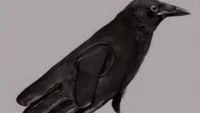
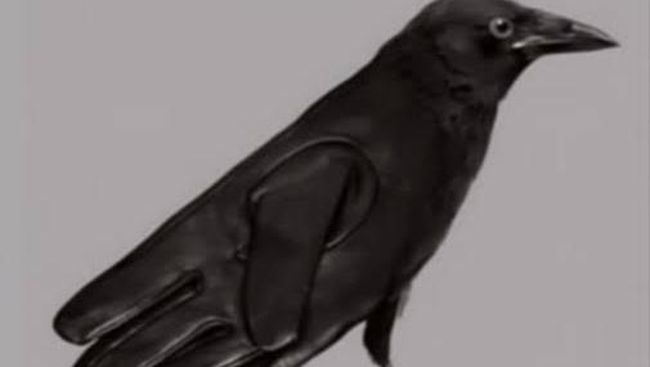
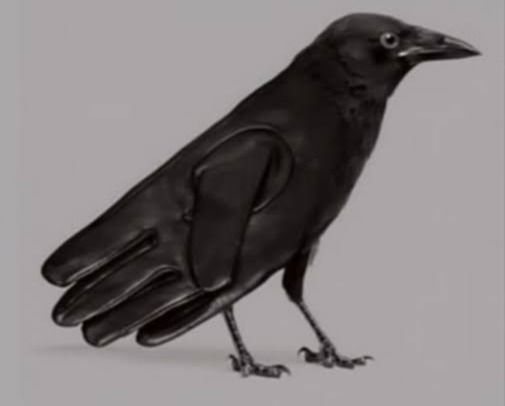
The latest iteration of this phenomenon involves an ambiguous image containing two distinct visual motifs: a crow and a glove. The test posits that the subconscious preference for one figure over the other acts as a mirror to an individual’s psychological profile. While these tests are primarily categorized as "infotainment" rather than clinical diagnostic tools, they underscore a broader trend in how digital audiences consume psychological content to better understand their behavioral patterns.
The Mechanism of Visual Perception and Personality Testing
Optical illusions operate on the principle of Gestalt psychology, which suggests that the human brain attempts to organize visual elements into a coherent whole. When an image is designed to be bistable or ambiguous—meaning it can be interpreted in two ways—the brain often defaults to the most prominent feature based on individual cognitive biases, past experiences, and current emotional states.
In the case of the crow and glove illusion, the visual stimulus requires the brain to prioritize certain lines and shadows. Psychologists suggest that such tests are not necessarily predictive of absolute personality types, but they are reflective of "attentional focus." An individual who focuses on the "big picture" (the crow) may exhibit different leadership qualities compared to one who focuses on the "fine detail" (the glove). This mechanism is often utilized in corporate team-building exercises and personality development workshops to encourage introspection and appreciation for cognitive diversity within a group.
Decoding the Raven: The Intuitive Visionary
For those who identify the crow as the primary image, the psychological profile associated with this result suggests a proclivity toward holistic thinking. In the context of decision-making, these individuals are rarely distracted by the minutiae of a problem. Instead, they operate with a macro-perspective, seeking to understand the "big picture" before formulating a strategy.
According to psychological assessments of visual preference, individuals who lean toward this interpretation are often characterized as intuitive and goal-oriented. The crow, often a symbol of wisdom and foresight in various cultural mythologies, serves here as an allegory for sharp analytical skills. These individuals are typically identified as "visionaries" within their personal and professional circles.
The data suggests that individuals who prioritize the crow often display higher levels of emotional intelligence (EQ). They tend to lead with empathy and maintain an unwavering adherence to personal principles. In high-pressure environments, such as corporate management or crisis navigation, these individuals are often the ones who remain composed. Their ability to synthesize complex information into actionable goals makes them natural leaders who prioritize integrity over expediency.
Decoding the Glove: The Diligent Caretaker
Conversely, individuals who immediately perceive a glove represent a different cognitive archetype: the detail-oriented protector. If the crow represents the macro-visionary, the glove represents the micro-strategist—the individual who understands that the strength of a structure depends on the integrity of its individual components.
The glove, as a symbol, denotes utility, protection, and manual precision. In personality studies, those who gravitate toward this image are often described as highly conscientious. Conscientiousness is a core personality trait characterized by being organized, dependable, and disciplined. These individuals excel in roles that require meticulous attention to detail, such as research, logistics, quality control, or caregiving.
The research into these personality archetypes indicates that "glove-focused" individuals are often the "unsung heroes" of their organizations. They are not necessarily motivated by public accolades or leadership status. Instead, their satisfaction is derived from ensuring that tasks are completed correctly and that the people around them are supported. This makes them exceptionally reliable in long-term projects where consistency is a primary requirement for success.
The Role of Social Media in Psychological Literacy
The viral nature of these personality tests highlights a significant shift in how the general public interacts with psychological concepts. Over the past decade, platforms like Beautynesia and similar digital publications have seen a surge in engagement with content that blends psychology with lifestyle advice.
The chronology of this trend can be traced back to the early 2010s, with the rise of standardized personality assessments like the Myers-Briggs Type Indicator (MBTI) and the Enneagram, which eventually trickled down into shorter, more accessible visual formats. While clinical psychologists often urge caution, noting that these tests lack the scientific rigor of standardized inventories like the Big Five Personality Traits, their cultural impact remains significant. They provide a low-barrier entry point for individuals to begin reflecting on their own character, motivations, and interactions with others.
Broader Implications for Workplace and Personal Development
The application of these tests extends beyond mere entertainment. Many human resources professionals acknowledge that understanding different "visual perspectives" can be a powerful tool for improving team communication. By recognizing that some team members are naturally inclined toward the "big picture" (the crow) while others excel at "meticulous execution" (the glove), managers can assign roles that play to these innate strengths.
Furthermore, these tests serve as an exercise in cognitive empathy. When individuals realize that others may perceive the exact same situation differently, it fosters an environment of tolerance and collaboration. It highlights the fact that no single perspective is "correct"; rather, the most successful outcomes are achieved when the visionary and the detail-oriented person work in tandem.

Limitations and Ethical Considerations
It is essential to contextualize these findings within the realm of casual assessment. No personality test—especially one based on a single optical illusion—can capture the full complexity of human nature. Factors such as cultural background, education, current stress levels, and even the time of day can influence how a person interprets an image.
Experts advise that readers should view these results as a starting point for self-reflection rather than a definitive psychological diagnosis. The "strength" identified in these tests is essentially a descriptor of a preferred cognitive style, not a permanent limitation or a guaranteed skill set.
Conclusion: The Value of Introspection
Ultimately, the popularity of the crow vs. glove test serves as a testament to the enduring human interest in self-understanding. Whether one identifies as a visionary crow or a diligent, detail-oriented glove, the value of the exercise lies in the moment of pause it creates. In a fast-paced world, taking a few seconds to analyze one’s own perception of an ambiguous image encourages a moment of mindfulness.
As digital communities continue to grow and evolve, these interactive elements will likely remain a staple of online engagement. They offer a unique blend of scientific curiosity and playful introspection, reminding us that every individual possesses a unique lens through which they view the world—and that recognizing our own lens is the first step toward personal growth. Whether you are leading with the broad strokes of a visionary or the meticulous precision of a caretaker, understanding your "hidden strength" is a vital component of navigating both personal challenges and professional landscapes.