The tradition of celebrating Halloween has seen a significant evolution in the Indonesian celebrity landscape over the past decade. On Saturday, October 31, 2026, social media influencers Erika, Fuji, and Rachel Vennya captured public attention by embracing a collaborative, high-concept costume theme inspired by the critically acclaimed animated series, Avatar: The Last Airbender. Their commitment to the aesthetic of the Nickelodeon classic, which continues to hold cultural relevance globally, marked a notable shift toward elaborate, thematic ensemble costumes among top-tier digital creators.
A Thematic Transformation: Bringing the Four Nations to Life
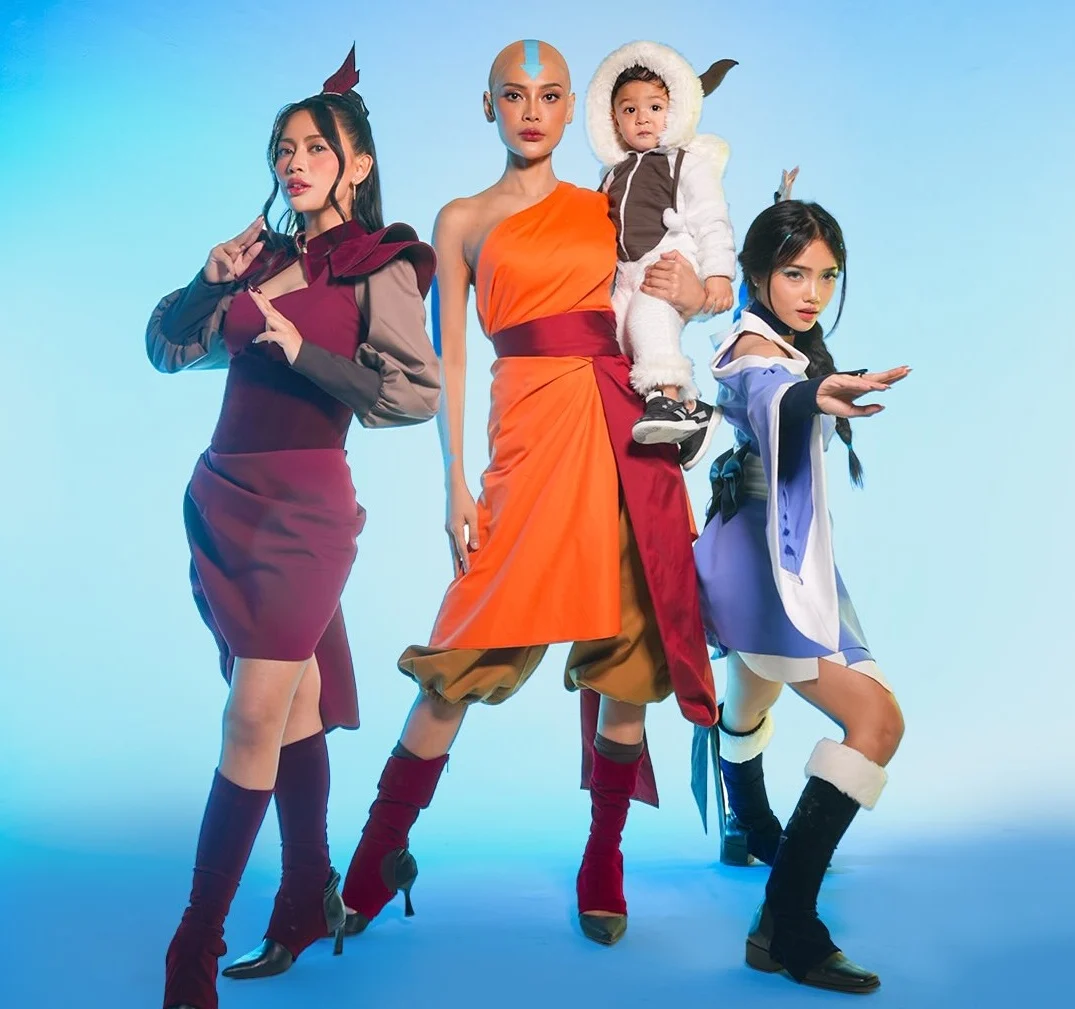
The creative execution of the trio’s costumes was meticulously curated to reflect the distinct elemental mastery associated with the Avatar universe. Erika, leading the ensemble, underwent a striking transformation into the titular character, Aang. Her commitment to the role was evident in her adoption of the character’s signature bald head, complete with the iconic blue arrow tattoo extending across her forehead. Her attire—a precise replica of the orange and maroon robes worn by the Air Nomads—was complemented by poses that mimicked air-bending maneuvers, demonstrating a high degree of attention to detail that is increasingly expected in high-profile social media content creation.
Fuji, a prominent figure in the Indonesian entertainment industry, took on the role of Katara, the series’ resilient water-bending protagonist. Her portrayal was characterized by the traditional blue-and-white aesthetic of the Southern Water Tribe. Beyond the sartorial elements, including intricate hair braiding, the ensemble was bolstered by digital post-production effects that simulated flowing water, reinforcing the character’s elemental connection.
Rachel Vennya completed the trio by portraying Azula, the complex and formidable princess of the Fire Nation. Choosing a character defined by intensity, Vennya opted for a deep maroon ensemble paired with regal headpieces. To elevate the visual narrative, the inclusion of blue energy effects—a signature trait of Azula’s lightning-bending abilities—provided a dramatic flair that aligned with the show’s lore. The inclusion of Erika’s child, Andrew Raxy Neil, as the lovable flying bison Appa, served as a poignant, family-centric addition to the group dynamic, further humanizing the high-concept performance.
The Evolution of Halloween Trends in Indonesia
While Halloween is not a traditional holiday in Indonesia, it has increasingly become a vehicle for creative expression and brand engagement among the nation’s elite influencers. Historically, the early 2010s saw minimal participation in the event beyond expatriate communities. However, the rise of digital platforms like Instagram and TikTok has shifted the landscape. Since approximately 2020, professional costume artistry has become a hallmark of the season.

The trend of "group costumes" is particularly significant from a marketing perspective. When influencers collaborate on a singular theme, they generate a synergistic effect, cross-pollinating their audiences and increasing the overall reach of the content. This specific celebration of Avatar: The Last Airbender also highlights the enduring popularity of early 2000s animation, which is currently undergoing a massive cultural resurgence among Gen Z and Millennial audiences.
Cultural Context and Digital Reach
The choice of Avatar: The Last Airbender as a theme is not merely a stylistic preference; it is a calculated nod to a franchise that has maintained global influence for over two decades. Originally airing from 2005 to 2008, the series has remained a staple in streaming libraries, consistently ranking among the most-watched animated programs. By tapping into this nostalgia, Erika, Fuji, and Rachel Vennya effectively bridged the gap between their younger followers and the older demographic who grew up with the original broadcast.
Furthermore, the scale of this production suggests a growing professionalization of influencer content. The use of elaborate makeup, custom-tailored costumes, and post-production visual effects indicates that these creators are moving beyond simple snapshots. They are now engaging in what can be described as "content production," where the social media feed acts as a curated portfolio of creative storytelling. This level of production quality often results in higher engagement metrics, which in turn attracts potential brand sponsorships, even for non-commercial holiday posts.
Analysis of Influencer Marketing Implications
The visibility of this specific Halloween event provides a case study for the current state of influencer marketing in Indonesia. Industry analysts have noted that "immersive content"—content that requires significant effort and narrative building—tends to perform better than static lifestyle posts. By adopting the personas of Aang, Katara, and Azula, the trio successfully created a narrative arc within their photo series, encouraging followers to comment, share, and discuss the nuances of their character portrayals.
Moreover, the collaborative nature of the shoot serves as a masterclass in social media branding. By pooling their respective fan bases, Erika, Fuji, and Rachel Vennya achieved a level of market saturation that would be difficult for any single creator to replicate independently. The reaction from the public, characterized by widespread shares and positive commentary, underscores the effectiveness of theme-based collaboration in maintaining relevance in an increasingly saturated digital environment.
Chronology of the 2026 Halloween Festivities
The lead-up to the October 31 event was marked by a series of subtle teases on social media platforms, a common tactic to build anticipation among followers.

- October 25, 2026: Initial cryptic posts from the creators hinted at an "elemental" theme, sparking speculation among fans.
- October 29, 2026: Behind-the-scenes footage of costume fittings began to surface, confirming the Avatar theme.
- October 31, 2026: The official reveal occurred simultaneously across the creators’ Instagram accounts, triggering a surge in traffic to their profiles.
- November 1, 2026: Engagement metrics showed sustained interest, with fans creating "side-by-side" comparison videos between the influencers and their animated counterparts.
Professional Standards and Production Quality
The precision of the costumes suggests that professional costume designers and makeup artists were likely involved. In the context of modern influencer culture, the boundary between "amateur hobbyist" and "professional creative" is increasingly blurred. This shift necessitates higher standards of production. The visual effects seen in the imagery—specifically the water-bending and lightning-bending enhancements—represent a sophisticated use of digital tools that elevates the content from mere dress-up to a form of digital art.
The choice of characters also reflects a sophisticated understanding of character archetypes. By choosing a mix of protagonists and a complex antagonist, the group created a balanced visual narrative. This demonstrates a strategic approach to visual storytelling that ensures their content remains visually stimulating while adhering to the lore of the source material.
Societal and Cultural Impact
The broader implication of this event is the normalization of Western-originated cultural celebrations in urban Indonesian society. While debates regarding the cultural appropriateness of celebrating non-local holidays occasionally surface, the prevailing trend among younger generations is one of global connectivity. For these influencers, Halloween serves as an annual opportunity to showcase their artistic versatility and their ability to stay ahead of global trends.
Furthermore, the popularity of the Avatar theme highlights the universal appeal of stories centered on balance, elemental harmony, and the struggle against adversity. By embodying these characters, the influencers are not just wearing costumes; they are participating in a global conversation about media and pop culture, effectively positioning themselves as global citizens who are well-versed in the contemporary cultural zeitgeist.
Conclusion: The Future of Celebrity Halloween
As we look toward future celebrations, it is clear that the benchmark for celebrity Halloween content has been significantly raised. The collaborative, high-production approach taken by Erika, Fuji, and Rachel Vennya in 2026 sets a precedent for how influencers can leverage pop culture to maintain engagement and demonstrate creative growth.
The success of their Avatar: The Last Airbender portrayal is a testament to the power of high-quality, thematic content in the digital age. As these creators continue to evolve their personal brands, their ability to transform themselves into iconic characters will likely remain a key component of their professional success, providing their audiences with a blend of entertainment, nostalgia, and visual artistry. For the marketing industry, this event serves as a clear indication that the future of influencer engagement lies in deep, narrative-driven collaborations that offer more than just a passing glance at a costume, but a full, immersive experience.