The Corruption Eradication Commission has intensified its ongoing investigation into alleged corrupt practices surrounding the disaster readiness fund at the Indonesian National Board for Disaster Management. As part of these intensive judicial proceedings, investigators summoned and questioned Nera Susanto, a private entrepreneur who is notably the sister of former BNPB Chief Suharyanto. The inquiry, which took place on Friday, October 30, 2026, at the anti-graft agency’s Red and White building in Jakarta, focused heavily on Nera’s involvement in securing institutional projects through direct procurement mechanisms and the potential existence of illicit financial kickbacks distributed to high-ranking officials within the disaster management agency.
This high-profile examination marks a critical milestone in a widening corruption probe that scrutinizes the misuse of emergency funds designated for disaster relief operations. The Commission continues to map out the complex web of vendors, internal stakeholders, and familial connections that may have facilitated irregular project allocations during a period when transparency and rapid response were supposedly paramount.
Chronology and Details of the Investigation
The investigative trail leading to the recent questioning of Nera Susanto has been meticulously constructed by anti-graft investigators over several months. The case centers on the misuse of Dana Siap Pakai, or the Ready-to-Use Fund, which is legally earmarked for immediate disaster response, emergency logistics, and humanitarian mitigation across various disaster-prone regions in the archipelago.
According to official statements released by the Commission, Nera Susanto arrived at the KPK headquarters under a standard witness summons. Investigators interrogated her regarding multiple packages of work she allegedly managed within the BNPB environment. The primary focus of the questioning was the mechanism of direct appointment—a procurement method legally restricted to urgent conditions but frequently exploited for procedural circumvention.
Simultaneously, the anti-corruption agency summoned five other witnesses to corroborate financial records and project execution details. These individuals included Eka Andriyanto, Director of PT Integra Teknika Solusindo; Tari Oktavia, a finance staff member representing entities linked to Richard Erlangga, PT Erlangga Jala Persada, and PT TLS; Vanessa Annisa Utami, a private employee; Monica Utari Mariana, identified as a member of the Media and Family Needs Team for the Head of the Agency; and Nursadriani, another private sector employee.
The concurrent questioning of corporate directors, financial personnel, and family-affiliated media handlers highlights the multi-layered approach adopted by investigators. The anti-graft body is attempting to establish whether administrative boundaries were breached to channel state funds into specific corporate entities, and whether a portion of these disbursements was funneled back to central decision-makers through structured kickback schemes.
Background Context of BNPB Disaster Funds
To understand the gravity of the ongoing inquiry, it is essential to examine the regulatory framework and purpose governing the BNPB budget. The Ready-to-Use Fund represents a specialized financial allocation managed directly by the disaster agency to address natural disasters—ranging from volcanic eruptions and severe earthquakes to widespread flooding—without undergoing the protracted bureaucratic deliberations typically required for national fiscal disbursements.
Because these funds are released under emergency decrees, the regulatory oversight during execution is occasionally vulnerable to exploitation. In times of crisis, emergency procurement rules allow for simplified tendering processes, including direct appointments. However, investigators allege that these emergency provisions were systematically invoked outside of genuine crisis contexts to award lucrative contracts to favored contractors, potentially including companies linked directly or indirectly to individuals within the agency’s leadership hierarchy.
Over recent years, the scale of disaster management budgets has expanded significantly in response to an increasing frequency of extreme weather events and geological catastrophes across Indonesia. This massive influx of state capital, while vital for humanitarian aid, has concurrently attracted heightened scrutiny from both state auditors and law enforcement agencies. The transition from crisis management to forensic auditing has revealed historical vulnerabilities in how emergency logistics, equipment procurement, and infrastructure rehabilitation projects are contracted and monitored.
Statements and Official Reactions
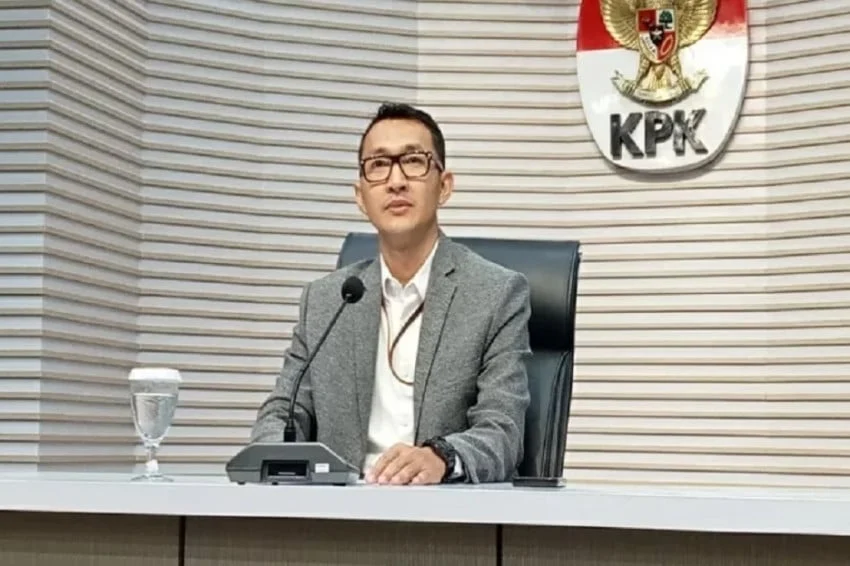
In the wake of the interrogation, KPK Spokesperson Budi Prasetyo provided clarity regarding the trajectory of the investigation to the press. Prasetyo emphasized that the examination of Nera Susanto was strictly focused on mapping out the contractual relationships and project execution paths utilized during her tenure as a vendor dealing with the agency.
"The examination was related to the projects she worked on at BNPB, which were obtained through direct appointment," Prasetyo stated, outlining the core mechanism under judicial review. Furthermore, the spokesperson confirmed that investigators are meticulously probing allegations of return commissions, commonly referred to as kickbacks, tied to the project packages awarded to external entities.
While representatives for Suharyanto and related corporate entities have yet to issue comprehensive formal defenses regarding these specific allegations, legal analysts anticipate robust challenges as the probe progresses toward formal suspect naming and indictment phases. Under Indonesian anti-corruption statutes, individuals summoned as witnesses are legally obligated to provide truthful disclosures under threat of criminal obstruction charges, making cooperation during these preliminary hearings crucial for all summoned parties.
Broader Impact and Institutional Implications
The unfolding scandal involving the nation’s premier disaster management authority carries profound implications for public trust, bureaucratic governance, and the future administration of emergency relief operations in Indonesia. Natural disasters demand absolute institutional integrity, swift logistical mobilization, and uncompromised financial transparency. When allegations of systemic corruption taint the very agencies tasked with preserving human life during crises, the societal cost extends far beyond direct financial losses to the state treasury.
From a regulatory perspective, this high-profile case is expected to trigger comprehensive internal reforms within BNPB and related procurement offices. Experts in public administration argue that the heavy reliance on direct appointment mechanisms during non-emergency periods must be strictly curtailed, with mandatory digital tracking implemented for every rupiah disbursed from the disaster mitigation coffers.
Moreover, the investigation serves as a stark reminder of the persistent challenge of conflict of interest within public procurement. The involvement of relatives of high-ranking officials in securing state-funded projects highlights ongoing structural vulnerabilities where familial proximity can inadvertently or deliberately influence administrative fairness.
As the inquiry moves forward, the anti-graft agency faces the dual responsibility of maintaining absolute objectivity while ensuring that all culpable parties—regardless of their familial or institutional status—are held accountable under the law. The public and civil society watchdogs will continue to monitor the proceedings closely, viewing the outcome of this case as a vital benchmark for accountability within Indonesia’s disaster management sector.