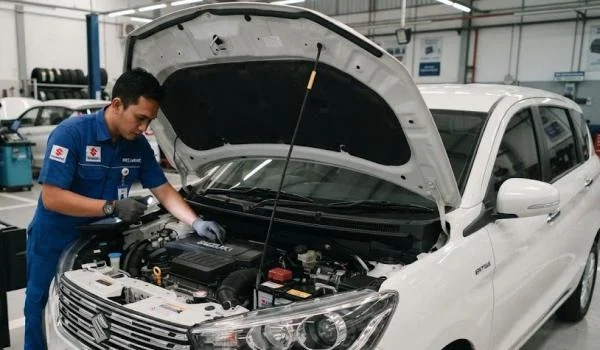
The integrity of a vehicle’s engine bay is often measured by its most visible components, yet the silent, rubberized infrastructure hidden within plays the most critical role in operational safety. Engine hoses—responsible for the circulation of coolant, fuel, oil, and pressurized air—are frequently overlooked by vehicle owners until a catastrophic failure occurs. Despite a pristine exterior appearance, these hoses are subject to an invisible process of degradation that can compromise the entire powertrain. Understanding the physiological decline of these components is not merely a matter of routine maintenance; it is a vital practice for preventing engine overheating, fuel leaks, and sudden immobilization on the road.
The Anatomy of Engine Hose Failure
Engine hoses are engineered to withstand extreme environments, typically consisting of a multi-layered synthetic rubber composite reinforced with textile or wire braiding. The inner liner must remain impervious to chemical degradation from petroleum-based fluids, while the outer cover must endure high-temperature fluctuations, ozone exposure, and mechanical vibration.
However, "heat soak" is the primary antagonist of hose longevity. When a vehicle is parked after operation, the lack of airflow causes residual heat to concentrate in the engine bay, baking the rubber compounds. Over years of thermal cycling, the polymers within the rubber cross-link and become brittle. This process, known as thermal oxidation, leads to micro-cracking. Crucially, these cracks often originate in the inner liner—the side exposed to hot, pressurized fluids—long before they manifest as visible surface cracks on the exterior. Consequently, a hose that appears robust during a visual inspection may be structurally compromised from within, waiting for the precise moment of high-pressure operation to burst.
Historical Context and Technological Evolution
Historically, automotive manufacturers utilized natural rubber for engine hoses, which was highly susceptible to oil-induced swelling and ozone cracking. The evolution of the industry saw a transition toward Ethylene Propylene Diene Monomer (EPDM) and nitrile rubbers, which offer superior resistance to heat and chemical erosion. Despite these material advancements, the lifespan of a hose is finite.
Data from automotive engineering studies suggests that the typical service life of a high-quality coolant hose is between 60,000 to 100,000 miles, or roughly five to seven years of service. Beyond this threshold, the plasticizers—chemicals added to rubber to maintain flexibility—begin to leach out. Once these plasticizers are depleted, the rubber loses its elasticity. Statistical analysis from roadside assistance providers indicates that cooling system failures, including burst hoses, remain among the top five reasons for vehicle breakdowns globally. These incidents are most frequent in vehicles exceeding the five-year ownership mark, highlighting a significant gap in consumer awareness regarding preventative component replacement.
The Mechanics of Systemic Failure
When a hose fails, the consequences are rarely isolated. In the cooling system, a ruptured radiator or heater hose results in an immediate loss of pressure. The primary function of a cooling system is to maintain a pressurized environment, which raises the boiling point of the coolant. Once the pressure is lost, the coolant boils rapidly, leading to a sudden spike in cylinder head temperatures. If the operator does not immediately shut down the engine, the resulting "overheat" condition can lead to warped cylinder heads, blown head gaskets, and, in severe cases, a seized engine block—repairs that often cost thousands of dollars.
Fuel hoses face a different set of risks. Unlike coolant hoses that rely on internal pressure, fuel lines are constantly exposed to complex fuel blends, including ethanol-infused gasoline, which can be corrosive to older rubber formulations. A breach in a fuel line does not lead to overheating, but rather to an immediate fire hazard. Modern fuel injection systems operate at high pressures (often exceeding 40-60 psi), meaning a small pinhole leak can spray fuel onto hot exhaust manifolds, creating an ignition source.

Expert Recommendations and Preventative Protocols
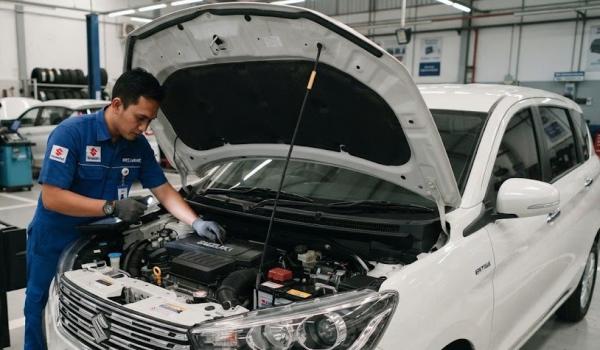
Automotive engineers and fleet managers emphasize that visual inspections should be supplemented by tactile testing. By gently squeezing a hose, a technician can feel for "soft spots" or areas where the rubber has become hardened and brittle. These tactile cues are often more indicative of an impending failure than the visual state of the hose surface.
Furthermore, the industry is moving toward "service-interval" maintenance rather than "failure-based" maintenance. For vehicles that are frequently driven in high-heat climates or under heavy towing loads, the recommended inspection intervals should be accelerated. Replacing hoses as a preventative measure at the 80,000-mile mark is widely considered a "best practice" in professional fleet management to avoid the high costs associated with emergency towing and secondary engine damage.
The Broader Implications for Vehicle Longevity
The implications of ignoring hose maintenance extend beyond individual vehicle performance; they affect the secondary market value and environmental impact of the automotive sector. A neglected cooling system can lead to the slow seepage of toxic ethylene glycol into the environment, while a poorly maintained fuel system decreases fuel efficiency and increases hydrocarbon emissions.
As vehicles become more technologically sophisticated, the density of components within the engine bay has increased, making hoses harder to access and inspect. This "packaging" trend makes it even more imperative for vehicle owners to adhere to the manufacturer’s suggested maintenance schedule. When a professional technician suggests the replacement of a hose during a routine oil change or coolant flush, it is rarely an attempt to "upsell" unnecessary services. Instead, it is a risk-mitigation strategy based on the anticipated fatigue life of the material.

Chronology of Component Degradation
To provide a clearer framework for owners, the degradation of an engine hose generally follows a predictable timeline:
- Years 1–3: The hose remains flexible, and chemical additives are at optimal levels.
- Years 4–6: Initial signs of surface hardening may appear. Internal layers begin to lose elasticity due to continuous heat cycling.
- Year 7+: The "Danger Zone." Internal liner degradation reaches a critical stage. Micro-fissures become more frequent. The risk of sudden rupture under load increases exponentially.
Official Responses and Industry Standards
Leading automotive organizations, such as the Society of Automotive Engineers (SAE), have established stringent standards for hose performance, including SAE J20 for cooling systems. These standards ensure that parts sourced from reputable manufacturers meet specific burst-pressure and chemical-resistance requirements. However, the prevalence of aftermarket "counterfeit" or low-grade rubber parts presents a challenge. Consumers are urged to use only OEM (Original Equipment Manufacturer) or certified aftermarket parts that meet the specific SAE specifications required for their engine type.
Conclusion: A Proactive Approach to Safety
The reality of automotive maintenance is that the most critical components are often the least expensive ones to replace. A rubber hose might cost only a fraction of a percent of a vehicle’s total value, yet its failure can render the entire machine useless. By shifting the perspective from "if it isn’t broken, don’t fix it" to a proactive, schedule-based replacement strategy, owners can significantly extend the operational life of their vehicles.
The next time a vehicle is brought in for a service, owners should specifically request a thorough inspection of all rubber coolant, vacuum, and fuel lines. In the context of modern motoring, where reliability is essential, recognizing the limitations of synthetic rubber is the hallmark of an informed and responsible driver. The goal is simple: to ensure that the vehicle remains a reliable tool for transportation, rather than becoming a liability on the shoulder of the highway. As engines continue to evolve toward higher power densities and more complex cooling requirements, the humble engine hose will remain the vital conduit that keeps the heart of the machine beating. Taking action before a leak appears is not just a suggestion; it is the most effective way to protect a significant financial investment and ensure long-term mechanical peace of mind.