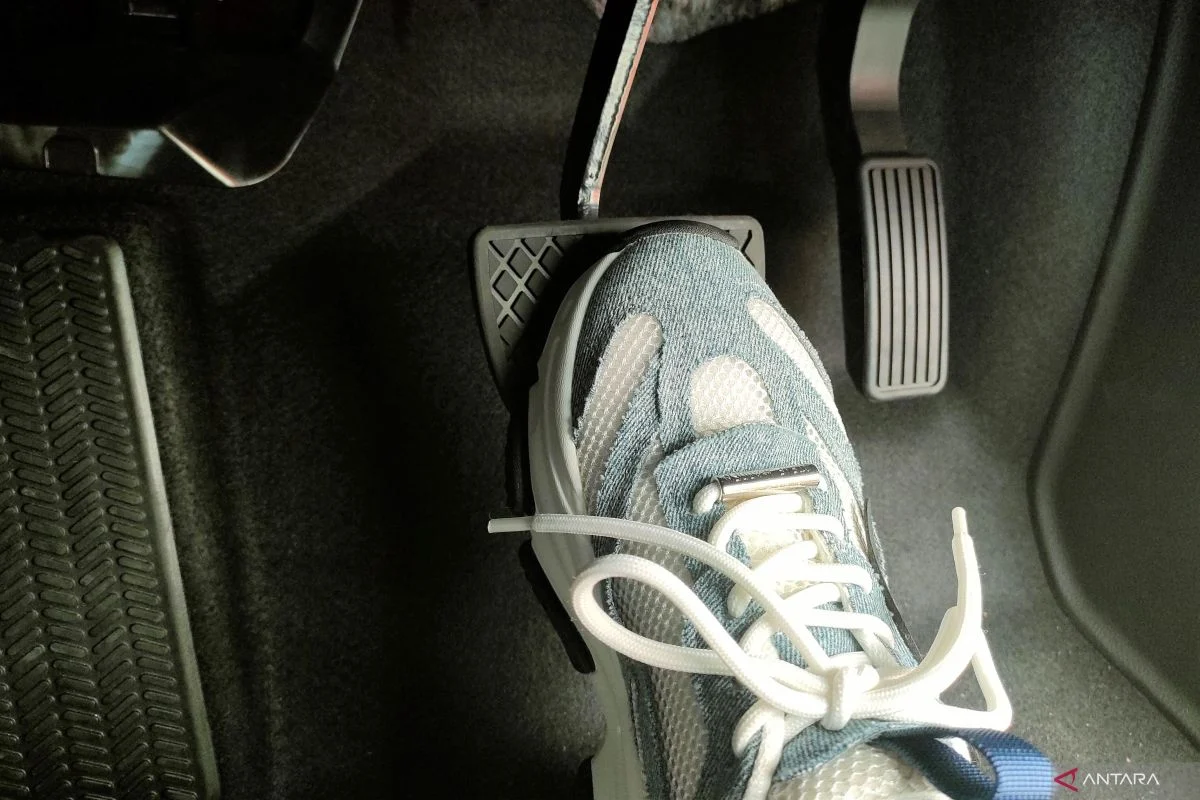
Jakarta automotive safety experts and vehicle maintenance specialists continue to emphasize that the braking system remains the single most critical active safety feature in any modern automobile. Designed to convert kinetic energy into thermal energy through friction, brakes protect drivers, passengers, and other road users alike. Despite this fundamental role, vehicle owners frequently overlook early warning signs of mechanical distress, most notably abnormal noises emitted from the wheel assemblies when the
brake pedal is depressed. Whether manifesting as a high-pitched squeal, a harsh grinding sound, a rhythmic chirp, or a mechanical vibration through the floorboards, these auditory cues serve as vital indicators that the vehicle requires professional inspection. Ignoring these symptoms can lead to catastrophic brake failure, extensive component damage, and severely compromised stopping distances during emergency maneuvers.
The anatomy of a standard automotive disc braking system is deceptively simple yet subject to extreme physical and thermal stress. Comprising a rotor (brake disc), a caliper housing, hydraulic pistons, and friction material (brake pads), the assembly operates under intense pressure and high temperatures every time a vehicle slows down or comes to a halt. When foreign elements interfere with this delicate balance, or when components reach their operational limits, acoustic anomalies occur. Automotive engineers point out that sound is often the earliest diagnostic tool available to a motorist before a total loss of braking efficiency takes place.
Primary Mechanical and Environmental Causes of Brake Noise
To properly diagnose and mitigate unwanted brake noises, vehicle owners must understand the distinct root causes associated with various types of sounds. Industry data collected from service centers across metropolitan areas indicate that brake-related complaints account for nearly 25 percent of all routine preventative maintenance visits.
1. Advanced Wear and Tear on Brake Pads
The most prevalent cause of brake squeal is the natural thinning of the brake pad friction material. Brake pads are engineered with a specific lifespan, typically ranging from 30,000 to 70,000 kilometers depending on driving habits, vehicle weight, and driving environments such as stop-and-go city traffic versus highway commuting. As the friction material wears down, a built-in mechanical wear indicator—often a small metal tab—begins to make contact with the spinning steel rotor. This intentional contact produces a high-pitched squealing noise designed to alert the driver that replacement is imminent. If motorists ignore this acoustic warning, the friction material eventually vanishes entirely, leading to direct metal-on-metal contact between the steel backing plate of the pad and the brake rotor. This creates a harsh, grinding noise that destroys the rotor surface and drastically reduces stopping power.
2. Accumulation of Road Debris and Contaminants
Environmental factors play a massive role in brake performance. Dust from road surfaces, fine sand particles, mud, and water splashes frequently infiltrate the tight tolerances between the brake pad and the rotor, especially during the rainy season or when navigating unpaved construction zones. When these abrasive particles become trapped, they alter the friction coefficient temporarily, producing a squeaking or scratching sound when the brakes are applied. In many cases, thorough high-pressure cleaning or professional servicing to clear out accumulated brake dust and road grime resolves the issue immediately without requiring component replacement.
3. Rotor Scoring, Warping, and Surface Irregularities
The brake disc, or rotor, provides the smooth metallic surface against which the brake pads clamp. Over thousands of kilometers of operation, continuous thermal cycling and friction can cause the rotor surface to develop microscopic grooves, deep scores, or even structural warping due to excessive heat buildup. When an uneven rotor surface interacts with a flat brake pad, it creates localized pressure points. This mechanical mismatch results in audible squealing, rumbling, and noticeable pulsations or vibrations transmitted directly through the brake pedal. Technicians utilize specialized measuring tools to check rotor thickness variation and lateral runout to determine whether the rotors can be resurfaced (machined) or must be completely replaced.
4. Brake Pad Glazing Caused by Thermal Overload
Aggressive driving styles, prolonged heavy braking down steep inclines, or towing heavy loads can elevate the temperature of the braking system beyond its optimal operating window. When brake pads experience sustained extreme heat, the resins binding the friction material can melt and reharden, creating a smooth, glassy, and hardened surface layer known as brake pad glazing. Glazed brake pads lose their micro-texture, severely diminishing the friction coefficient. This chemical and physical alteration not only generates an irritating squeal during pedal application but also extends stopping distances, forcing drivers to exert more physical pressure on the pedal to achieve the same deceleration rate.
5. Improper Component Installation and Hardware Misalignment
Even brand-new brake components can produce undesirable noises if they are installed incorrectly. Automotive repair guidelines dictate absolute precision when mounting brake pads into their respective caliper brackets. If anti-rattle clips are missing, improperly seated, or if high-temperature synthetic lubricant is omitted from the sliding contact points, microscopic vibrations occur within the assembly. These high-frequency vibrations resonate through the metal components, translating into annoying squeaks, clunks, or rattles whenever the driver interacts with the pedal. Professional alignment, correct torque specifications, and proper hardware selection are mandatory to eliminate installation-induced noise.
6. Surface Oxidation and Flash Rust Formation
Vehicle storage habits also influence braking acoustics. When a car sits parked outdoors for an extended period, particularly in humid climates or immediately after rainfall, a thin layer of surface oxidation—commonly known as flash rust—rapidly forms across the exposed metal surface of the brake rotors. When the driver starts the vehicle and presses the brake pedal for the first time, the brake pads scrub away this superficial layer of rust, producing a momentary scraping sound. Under normal circumstances, this rust is cleared away within the first few applications of the brakes, and the noise subsides entirely. However, persistent rust pitting indicates deeper corrosion that requires professional attention.
Chronology of Brake Degradation and Maintenance Timelines
Understanding the lifecycle of a braking system helps vehicle operators anticipate problems before they escalate into safety hazards. Fleet management studies and automotive service tracking indicate a predictable timeline regarding brake component degradation under normal urban driving conditions:
- 0 to 20,000 Kilometers: The braking system operates at peak efficiency. Components are newly bedded in, and acoustic profiles remain quiet. Routine inspections focus primarily on fluid levels and visual pad thickness checks during regular oil changes.
- 20,000 to 40,000 Kilometers: Depending on driving intensity, front brake pads typically experience 50 percent wear. Environmental contamination may begin to cause minor, intermittent squeaks that can often be resolved with professional cleaning and anti-squeal paste application.
- 40,000 to 60,000 Kilometers: This window represents the critical threshold where most brake pads reach their minimum safety thickness. Built-in wear indicators activate, resulting in consistent high-pitched squealing. Rotor surfaces may show initial signs of minor scoring. Mechanics universally recommend pad replacement during this phase to protect the underlying rotors.
- 60,000 Kilometers and Beyond: Vehicles operating past this mileage without a brake service risk severe metal-on-metal contact. Rotors frequently require replacement alongside the pads due to deep scoring, warping, or structural thinning caused by thermal stress and friction abuse.
Official Perspectives and Expert Safety Recommendations
Automotive safety regulators and certified master technicians consistently stress that motorists should never treat brake noise as an aesthetic nuisance alone. Major automotive associations and consumer protection agencies issue regular advisories ahead of major travel seasons—such as holiday homecoming migrations—urging vehicle owners to perform comprehensive safety checks that prioritize the steering and braking systems.
Industry experts outline several red-flag symptoms that demand immediate mechanical intervention:
- Persistent Grinding: A deep, metallic grinding sound indicates zero remaining friction material, requiring an immediate halt to driving until the vehicle is towed or repaired.
- Pedal Pulsation: Vibrations felt through the brake pedal suggest warped rotors that compromise uniform clamping pressure.
- Pulling to One Side: If the vehicle veers left or right when the brakes are applied, it points toward a stuck brake caliper, collapsed hydraulic hose, or uneven pad wear.
- Spongy or Long Pedal Travel: A soft pedal or increased distance required to stop signals air in the hydraulic brake lines or a failing master cylinder.
Broader Implications for Road Safety and Economic Efficiency
The broader societal implications of neglected vehicle maintenance extend far beyond individual inconvenience. Traffic safety research demonstrates that deferred maintenance on commercial and private vehicles is a contributing factor in a significant percentage of rear-end collisions and intersection accidents. When a vehicle’s stopping distance increases by even a few meters due to glazed pads or worn-out rotors, the margin between a near-miss and a fatal collision narrows drastically.
From an economic perspective, proactive maintenance ultimately lowers ownership costs. Addressing a minor squeak early by simply cleaning the assembly or replacing inexpensive brake pads prevents the secondary destruction of expensive components like brake rotors, calipers, and anti-lock braking system (ABS) modules. Automotive economists note that spending moderately on preventative servicing yields exponential savings compared to emergency overhauls resulting from catastrophic component failure.
Ultimately, motorists are urged to adopt a disciplined maintenance schedule. Routine visual inspections, adherence to manufacturer-recommended service intervals, and immediate professional diagnosis of abnormal brake noises ensure that the vehicle remains a safe, reliable mode of transportation for drivers, their families, and the wider public on the road.