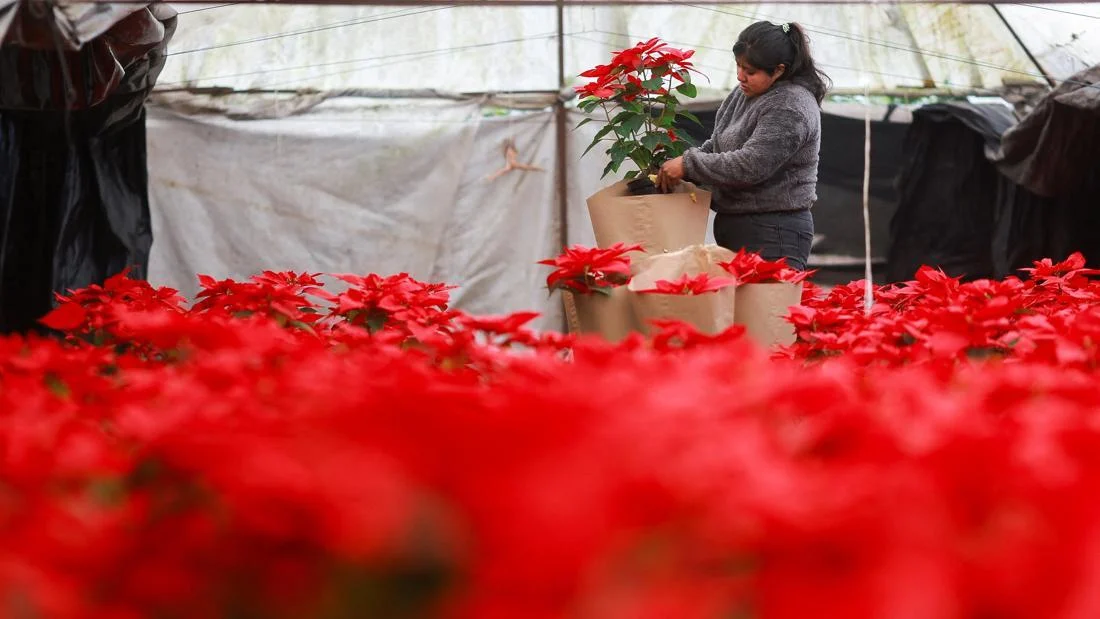
The poinsettia, scientifically known as Euphorbia pulcherrima, stands as one of the most recognizable botanical symbols of the holiday season globally. As the winter season approaches, the vibrant red leaves of this plant transform homes, churches, and public squares across the world into festive landscapes. While many consumers in North America and Europe associate the plant strictly with Christmas, its roots are deeply embedded in the history, indigenous culture, and agricultural traditions of Mexico. Known locally as flor de nochebuena, or "flower of the holy night," the plant’s journey from a wild shrub in the tropical forests of southern Mexico to a multi-million-dollar global industry is a testament to its enduring cultural and economic significance.
Historical Roots and Indigenous Significance
Long before the plant became synonymous with the nativity, the indigenous peoples of Mexico, particularly the Aztecs, revered the shrub for its medicinal and aesthetic properties. In the Nahuatl language, the plant was known as cuetlaxochitl, a term that translates roughly to "mortal flower that perishes and withers like all that is pure."
The Aztecs utilized the plant in various ways: the milky white latex, or sap, was used to treat fevers and skin ailments, while the red bracts were processed to create a vibrant reddish-purple dye used in textiles and cosmetics. For the Aztecs, the intense color of the leaves held spiritual significance, often representing the blood of sacrifice or the cycles of life and death. The plant was not merely a decoration; it was a resource integrated into the daily survival and ritualistic life of the Mesoamerican civilization.

The Colonial Transformation
The transition of the cuetlaxochitl into the flor de nochebuena began during the 17th century, following the arrival of Spanish colonial forces. Franciscan missionaries, seeking to localize Christian iconography, observed that the plant naturally bloomed during the winter months, coinciding with the liturgical season of Advent and Christmas.
The friars began incorporating the plant into the pesebres (nativity scenes) and processions held in Taxco and other parts of Mexico. The striking red color was seen as a reflection of the passion of Christ and the blood of the nativity narrative. This adaptation proved effective in bridging indigenous traditions with European religious practice, cementing the plant’s role in Mexican Christmas traditions for centuries to come.

The Global Expansion of the Poinsettia
The global popularity of the poinsettia can be traced back to the early 19th century. In 1825, Joel Roberts Poinsett, the first United States Ambassador to Mexico, encountered the plant while visiting the Taxco region. An amateur botanist, Poinsett was captivated by the shrub’s brilliance and sent specimens back to his home in South Carolina.
By the late 1820s, the plant had begun to circulate among botanical gardens in the United States. It was later marketed under the name "Poinsettia" in honor of the diplomat who introduced it to the American public. By the 20th century, the plant had undergone significant commercial breeding, particularly by the Ecke family in Southern California, who refined the plant’s durability and aesthetics, making it a viable indoor houseplant for the holiday season.
Botanical Characteristics and Cultivation
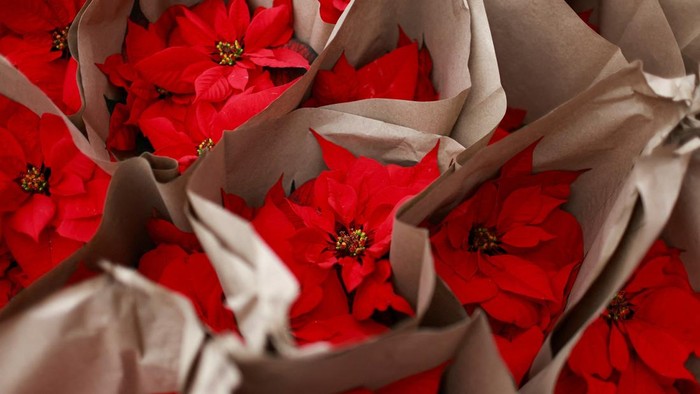
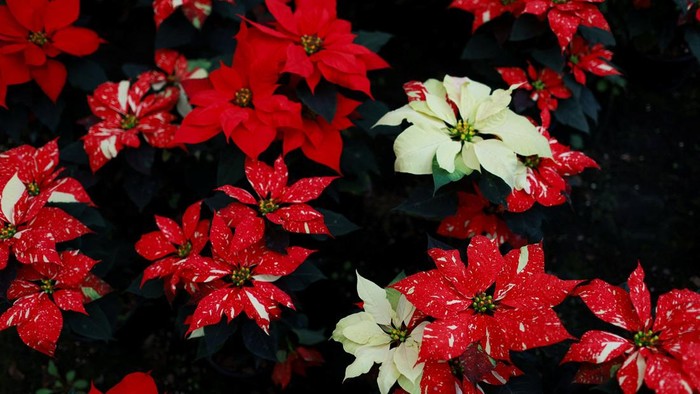
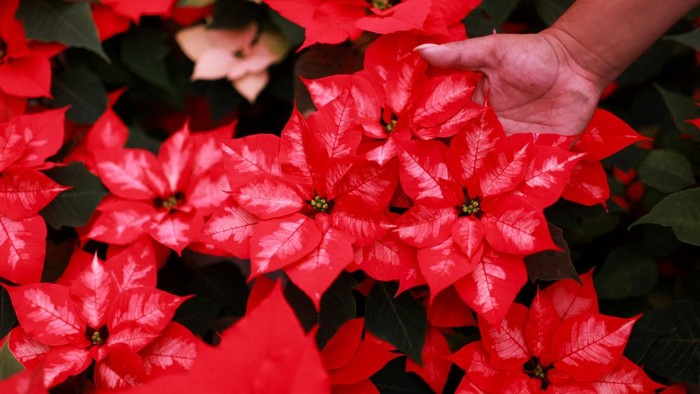
Contrary to popular belief, the vibrant red "petals" of the poinsettia are not flowers at all. They are modified leaves known as bracts. The actual flowers of the Euphorbia pulcherrima are the small, unassuming yellow structures found in the center of the bracts, known as cyathia.
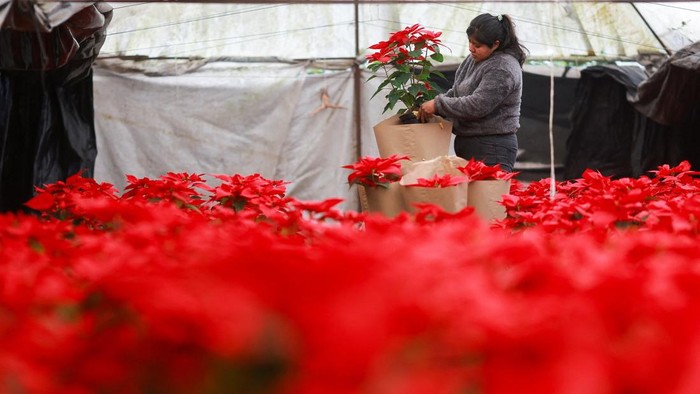
Cultivating these plants for the commercial market is a meticulous process. In regions like Xochimilco, located on the outskirts of Mexico City, traditional floriculturists manage the growth cycles to ensure the plants reach peak maturity just before the December holidays. This requires precise control over light exposure; as a photoperiodic plant, the poinsettia requires long periods of darkness to trigger the change in color of the bracts. Growers must balance ambient temperature, irrigation, and soil nutrition to produce the uniform, healthy specimens demanded by international markets.
The Modern Industry and Economic Impact
Today, the poinsettia industry represents a significant segment of the global floriculture market. In the United States alone, millions of poinsettias are sold annually, contributing hundreds of millions of dollars to the agricultural sector. However, the production remains labor-intensive.
In Mexico, the industry continues to evolve. While large-scale commercial production uses modern greenhouses, smaller, traditional family-run farms—like those found in the canal systems of Xochimilco—continue to produce high-quality plants that serve the local market. These growers act as custodians of the plant’s history, maintaining varieties that have been cultivated in the region for generations. Despite the modernization of the supply chain, the cultural essence of the nochebuena remains a point of national pride for Mexico.
Folklore and Cultural Legacy
The endurance of the poinsettia is also supported by rich folklore. One of the most popular Mexican legends tells of a young girl named Pepita who was too poor to provide a gift for the baby Jesus at the Christmas Eve service. Desperate, she gathered a bouquet of common weeds from the side of the road. As she placed the humble weeds at the altar, they miraculously transformed into vibrant, star-shaped red flowers. This story reinforces the plant’s identity as a symbol of humility, faith, and the miraculous nature of the holiday season.
Future Challenges and Sustainability
As the global climate shifts, the agricultural practices surrounding poinsettia production are facing new challenges. Changes in seasonal temperatures can affect the flowering cycle, necessitating more energy-intensive climate control in greenhouses. Furthermore, there is a growing movement toward biodiversity and the preservation of heirloom varieties of Euphorbia pulcherrima.
Botanists and local farmers are increasingly working together to ensure that the commercial hybridization of the plant does not lead to the loss of its wild genetic heritage. Sustainability efforts now focus on reducing water consumption in cultivation and minimizing the use of chemical fertilizers, aligning the production of this iconic holiday plant with modern environmental standards.
Conclusion
The poinsettia’s journey from the ancient Aztec highlands to the living rooms of millions around the world is a remarkable narrative of cultural exchange and botanical adaptation. It serves as a reminder of the deep connections between nature and human ritual. Whether viewed through the lens of history, theology, or modern agriculture, the flor de nochebuena remains a powerful emblem of the holiday season. Its presence in homes today is more than just a decorative choice; it is a continuation of a centuries-old tradition that honors the history of Mexico and the global spirit of the festive period. As long as people continue to celebrate the winter holidays, the poinsettia will undoubtedly remain the definitive, vivid signal that the season of celebration has arrived.